
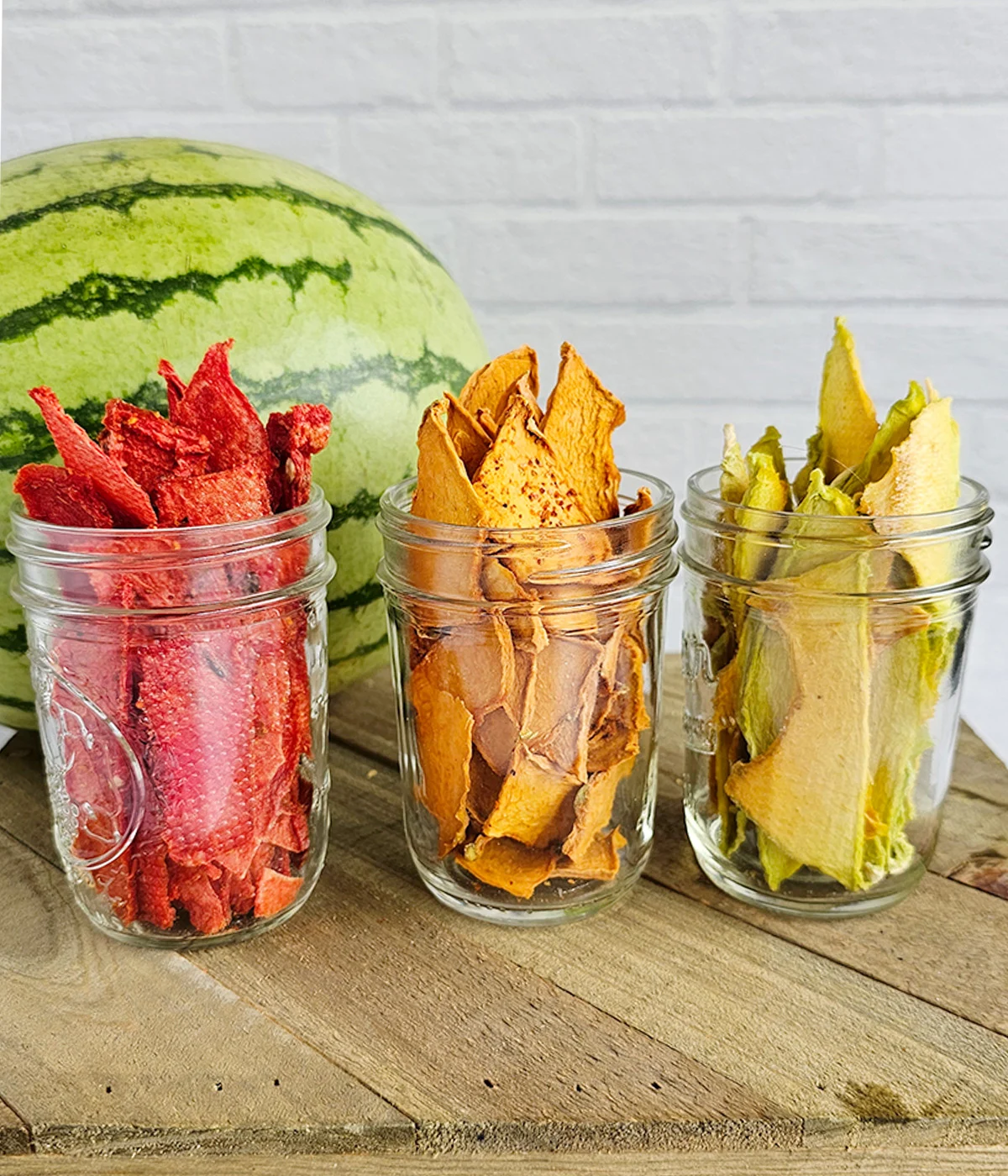
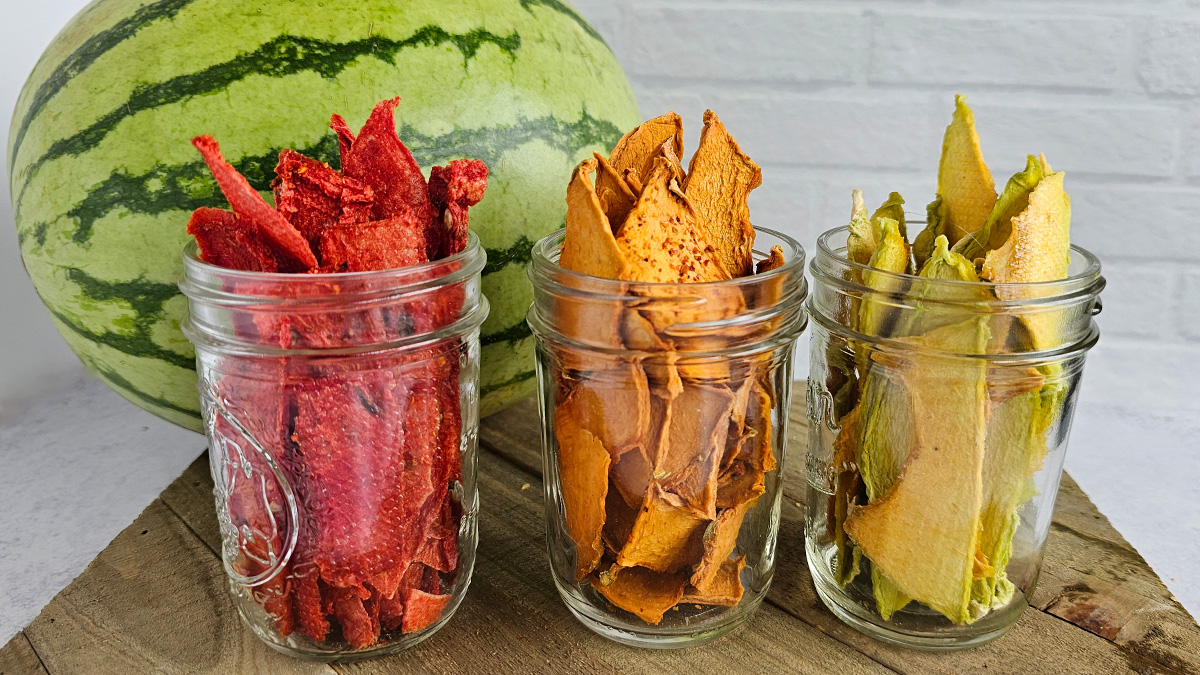
The practice of dehydrating melons, including watermelon, cantaloupe, and honeydew, has emerged as a sophisticated method for extending the shelf life of seasonal produce while simultaneously addressing the growing global concern of domestic food waste. As agricultural prices fluctuate and the demand for clean-label, shelf-stable snacks rises, home preservation techniques such as dehydration have transitioned from niche homesteading activities to mainstream culinary strategies. By removing the high water content characteristic of the Cucurbitaceae family, enthusiasts can transform highly perishable fruits into nutrient-dense, lightweight, and portable snacks suitable for long-term storage, emergency preparedness, and outdoor recreation.
The Technical Framework of Melon Dehydration
Dehydration operates on the principle of moisture reduction to a level where microbial growth and enzymatic reactions are significantly inhibited. For melons, which typically consist of 90% to 92% water, the process requires precision in temperature and timing to ensure the final product is safe for room-temperature storage.
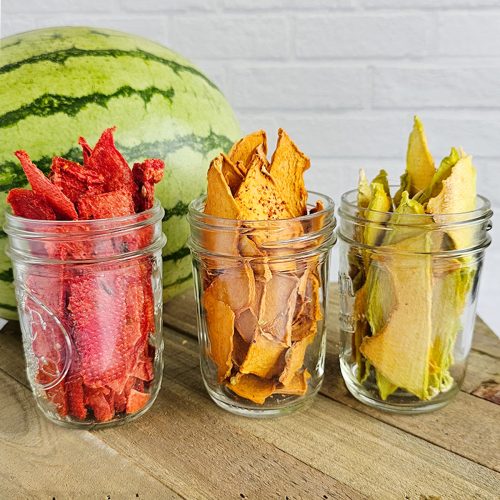
Expert practitioners, including Darcy Baldwin of The Purposeful Pantry, suggest a standardized protocol for achieving optimal results. The process begins with the selection of peak-ripe fruit, as the sugar concentration—measured via the Brix scale in commercial settings—becomes more pronounced once the water is removed. The standard operational temperature for fruit dehydration is 135°F (57°C). At this specific thermal level, moisture is evaporated efficiently without "case hardening," a phenomenon where the exterior of the fruit dries too quickly, trapping moisture inside and leading to eventual mold growth.
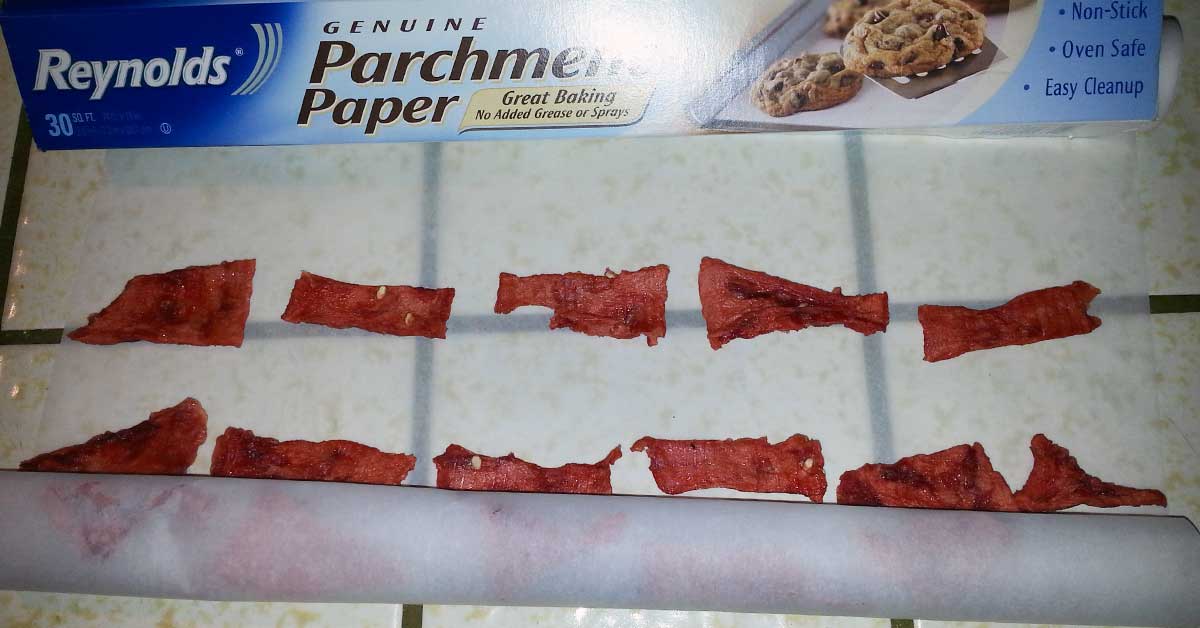
The chronological duration for this process typically spans between 10 and 14 hours. However, variables such as ambient humidity, the specific sugar content of the melon, and the thickness of the slices can influence the final timeline. The target consistency for dehydrated melon is a leathery, pliable texture that lacks any visible or palpable moisture when pressed.
Procedural Chronology: From Harvest to Pantry
To achieve a shelf-stable product that maintains its sensory qualities for up to twelve months, a rigorous multi-step process must be followed.
Phase 1: Preparation and Sanitation
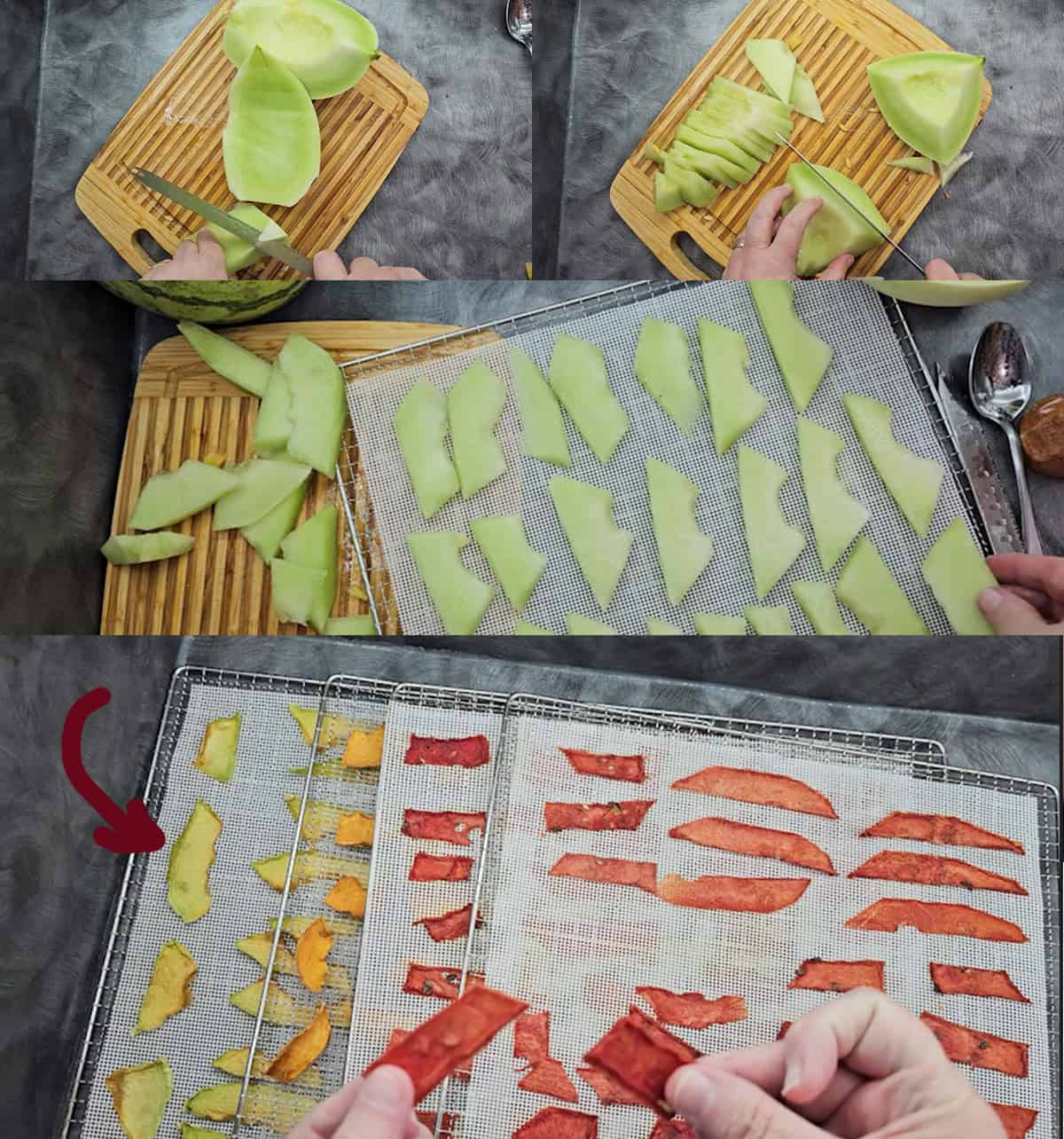
The initial phase involves the thorough cleaning of the melon’s exterior to prevent cross-contamination from the rind to the flesh during slicing. Once cleaned, the fruit is halved, and in the case of cantaloupe and honeydew, the seeds are removed. For watermelon, seedless varieties are preferred, though manual deseeded is an option for heirloom cultivars.
Phase 2: Precision Slicing
Uniformity is the most critical factor in successful dehydration. Slices should be calibrated to a thickness of 1/4 inch to 1/2 inch. Thinner slices yield a crispier, "chip-like" texture, while 1/2-inch slices result in a chewy, taffy-like consistency. Proponents of the method emphasize that irregular slicing leads to uneven drying, where some pieces remain dangerously moist while others become over-processed.
Phase 3: Dehydrator Loading and Thermal Processing
Slices are arranged on dehydrator trays in a single layer, ensuring adequate space between pieces for horizontal or vertical airflow, depending on the machine’s design. The unit is set to 135°F. During the 10-to-14-hour window, it is often recommended to rotate trays halfway through the process to compensate for potential "cool spots" within the appliance.
Phase 4: Conditioning for Long-Term Stability
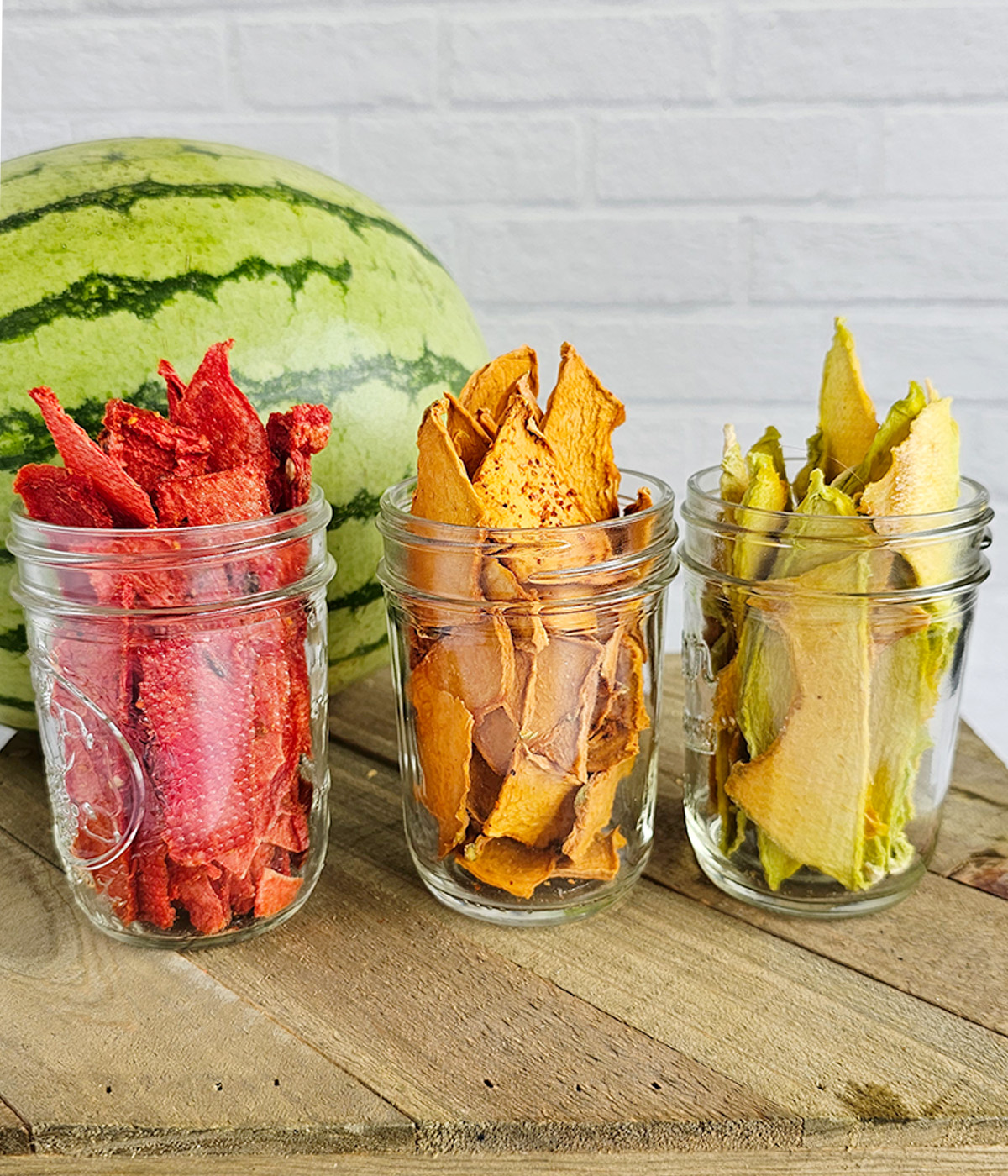
A frequently overlooked but essential step in the news of food preservation is "conditioning." After the melon is removed from the dehydrator and cooled to room temperature, it is placed in a transparent, airtight glass jar. For seven days, the jar is shaken daily. If any condensation appears on the glass, the fruit must be returned to the dehydrator for further processing. If no moisture is detected after a week, the fruit is considered conditioned and ready for long-term storage.
Supporting Data: The Economics of Food Waste Mitigation
The implications of melon dehydration extend beyond simple snacking; they touch upon significant economic and environmental data. According to reports from the United States Department of Agriculture (USDA), approximately 30% to 40% of the food supply in the U.S. is wasted. Melons are particularly susceptible to waste due to their large size; consumers often find it difficult to consume an entire watermelon or cantaloupe before the fruit begins to ferment or develop soft spots.
By dehydrating the "second half" of a melon that might otherwise be discarded, households can effectively lower their cost-per-serving for organic or seasonal produce. Furthermore, the reduction in weight is substantial. A whole watermelon weighing 20 pounds can be reduced to a fraction of its weight, making it an ideal candidate for logistical efficiency in transport and storage.
From a nutritional perspective, dehydration preserves the majority of the fruit’s vitamins and minerals, although some heat-sensitive nutrients like Vitamin C may see a slight reduction. However, the concentration of antioxidants and fiber remains high, providing a superior alternative to commercially processed fruit leathers that often contain added corn syrup and artificial dyes.
Seasoning Profiles and Culinary Versatility
While the natural sugars of the melon concentrate during the drying process to create a sweet treat, the culinary application of dehydrated melons can be enhanced through various seasoning agents. These additions are typically applied prior to the dehydration phase to allow the flavors to bond with the fruit’s surface.
- Acidic Enhancement: A light spritz of lemon or lime juice can prevent oxidation and add a bright contrast to the concentrated sugars.
- Sweet and Savory: The application of Tajin (a blend of chili, lime, and salt) has become a popular trend, particularly for dehydrated watermelon, mimicking the flavor profiles found in Mexican street food.
- Herbal Infusions: Finely chopped mint or a light dusting of ginger powder can elevate the flavor profile of honeydew, making it suitable for high-end charcuterie boards.
Beyond direct consumption, these dried fruits serve as versatile ingredients. They can be rehydrated for use in compotes, chopped into granola or trail mixes, or used as decorative garnishes for cocktails and mocktails.

Infrastructure Alternatives: The Oven Method
For individuals who do not possess a dedicated food dehydrator, the process can be replicated using a conventional home oven, though this requires closer monitoring. Modern ovens often have a minimum temperature setting of 170°F (77°C), which is higher than the ideal 135°F.
To mitigate the risk of scorching, the oven door should be propped open slightly with a heat-resistant silicone tool to allow moisture to escape and to lower the internal temperature. The fruit should be placed on wire cooling racks set atop baking sheets to ensure airflow reaches the underside of the slices. Oven dehydration typically takes less time—approximately 6 to 8 hours—but requires frequent flipping of the fruit to ensure an even finish.
Broader Impact and Industry Implications
The rise in home-based food preservation reflects a broader shift in consumer behavior toward self-reliance and sustainability. Industry analysts suggest that the "dehydration movement" is a reaction to supply chain instabilities and the rising cost of living. By mastering the art of preserving melons, consumers are effectively "locking in" seasonal prices and ensuring a year-round supply of produce regardless of market availability.
Furthermore, the environmental impact of reducing "wet waste" in landfills cannot be overstated. When organic matter like melon rinds and uneaten flesh decompose in anaerobic landfill conditions, they produce methane, a potent greenhouse gas. Dehydration encourages full-crop utilization, aligning with "zero-waste" kitchen philosophies championed by environmental advocates.
Statements from food security experts suggest that the democratization of these techniques—moving them from specialized laboratories to the average kitchen—empowers individuals to take control of their nutritional intake. As Darcy Baldwin notes in her instructional materials, the goal is a "purposeful pantry," one that is stocked not just with calories, but with high-quality, home-preserved foods that offer both comfort and sustenance.
In conclusion, the dehydration of melons represents a perfect intersection of traditional wisdom and modern efficiency. As a strategy for food waste reduction, it is unparalleled in its simplicity and effectiveness. Whether for a hiker seeking lightweight energy on a trail or a parent looking for a healthy school snack, the dehydrated melon stands as a testament to the enduring value of food preservation in the 21st century. Through proper technique, conditioning, and storage, the fleeting flavors of summer can be captured and enjoyed long after the harvest season has concluded.


