
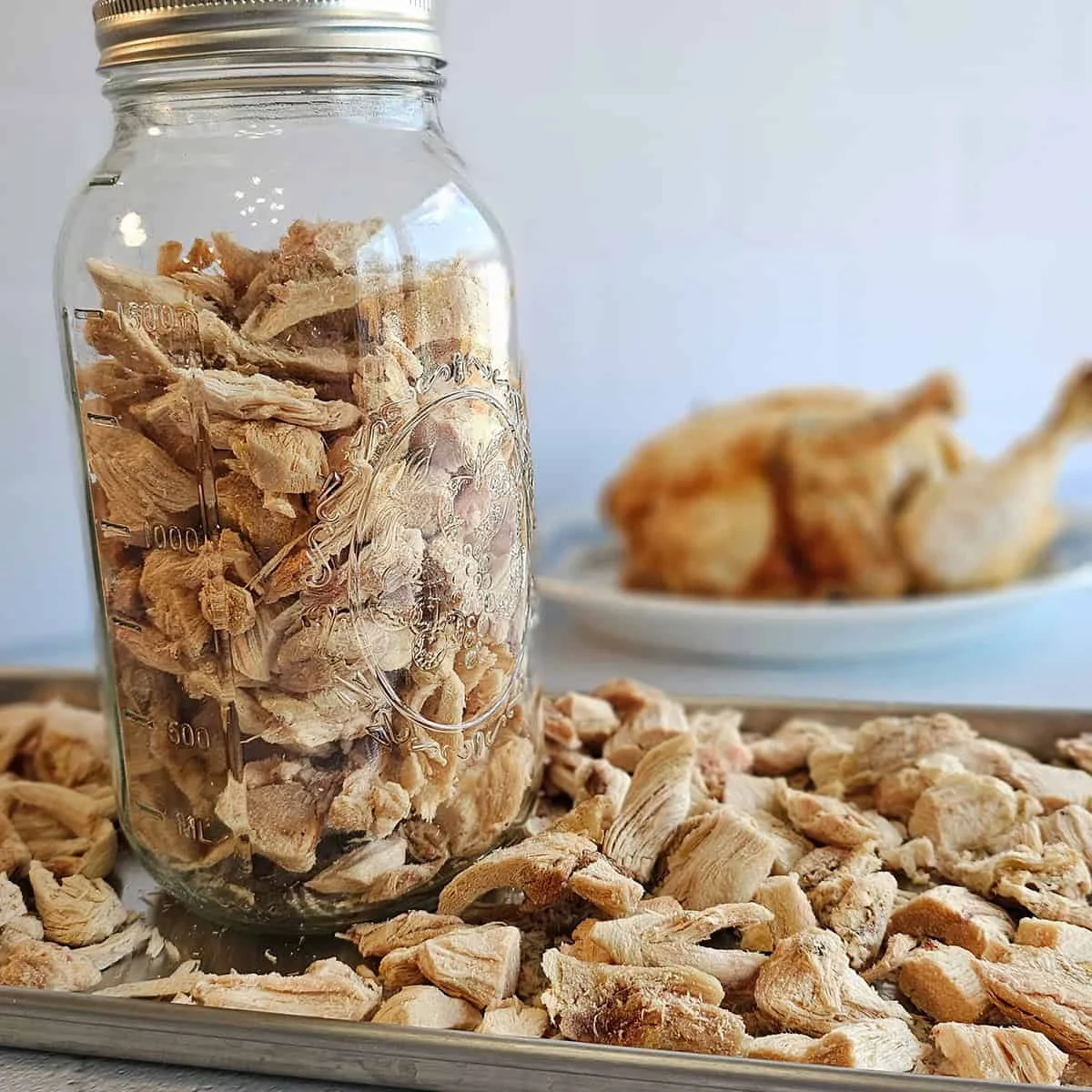
The practice of freeze-drying cooked poultry at home has moved from a niche hobby within the emergency preparedness community to a mainstream strategy for efficient meal planning. This shift is largely driven by the increased accessibility of home freeze-drying units, such as those manufactured by Harvest Right, which allow consumers to achieve results previously reserved for large-scale commercial food processors. By transforming a perishable rotisserie chicken into a shelf-stable ingredient, consumers can effectively extend the life of the protein from a few days in the refrigerator to several years in a controlled pantry environment.
The Strategic Role of Rotisserie Chicken in Home Preservation
Rotisserie chickens are frequently utilized by major retailers as "loss leaders"—products sold at a low price to attract customers into the store. For the home preserver, this presents a unique economic opportunity. When these items are marked down for clearance at the end of a sales day, the cost per pound of high-quality, pre-seasoned protein drops significantly below the price of raw poultry.
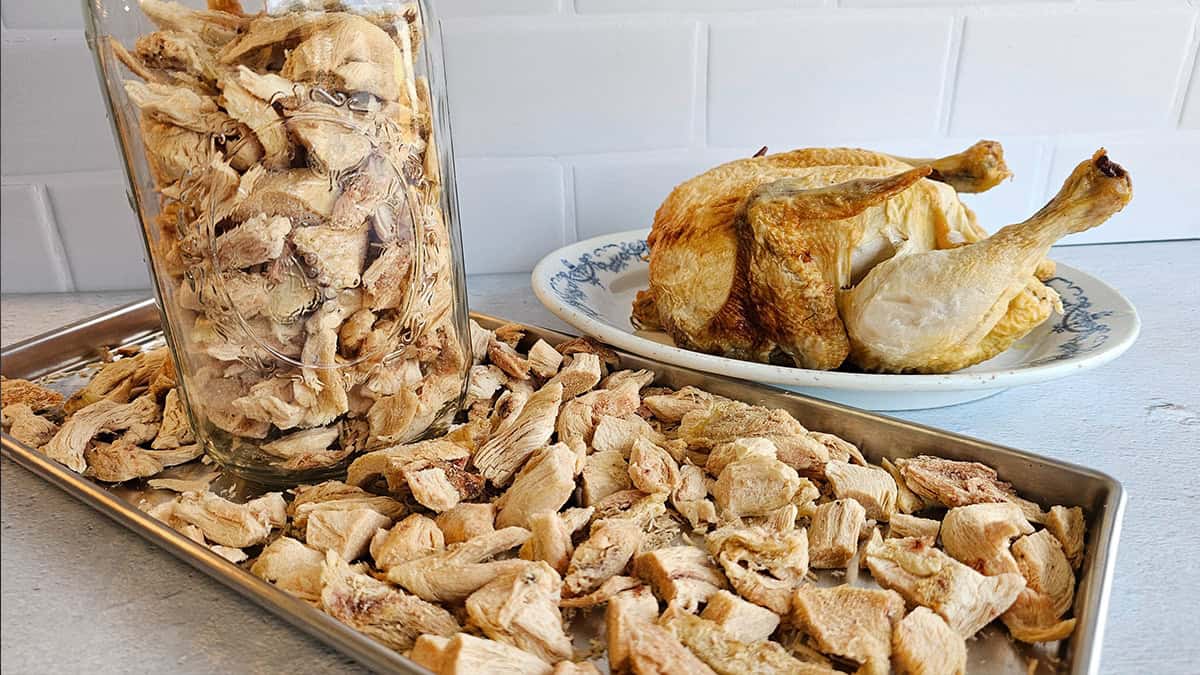
From a logistical standpoint, the rotisserie chicken is an "easy first protein project" for those new to freeze-drying. Unlike raw meats, which require stringent handling to prevent cross-contamination and must be fully cooked after rehydration, rotisserie chicken is already cooked. This reduces the preparation time to mere minutes of processing, as the user only needs to strip the meat from the carcass and portion it for the freeze-dryer trays. Furthermore, the byproduct of this process—the carcass and skin—can be simmered to create nutrient-dense bone broth, which can also be freeze-dried into a concentrated bouillon, ensuring a zero-waste cycle.
A Chronological Guide to the Freeze-Drying Process
The transformation of a standard rotisserie chicken into a shelf-stable pantry staple follows a precise technical timeline. Adherence to this chronology is essential for ensuring food safety and the structural integrity of the meat.
Phase 1: Preparation and Mechanical Stripping
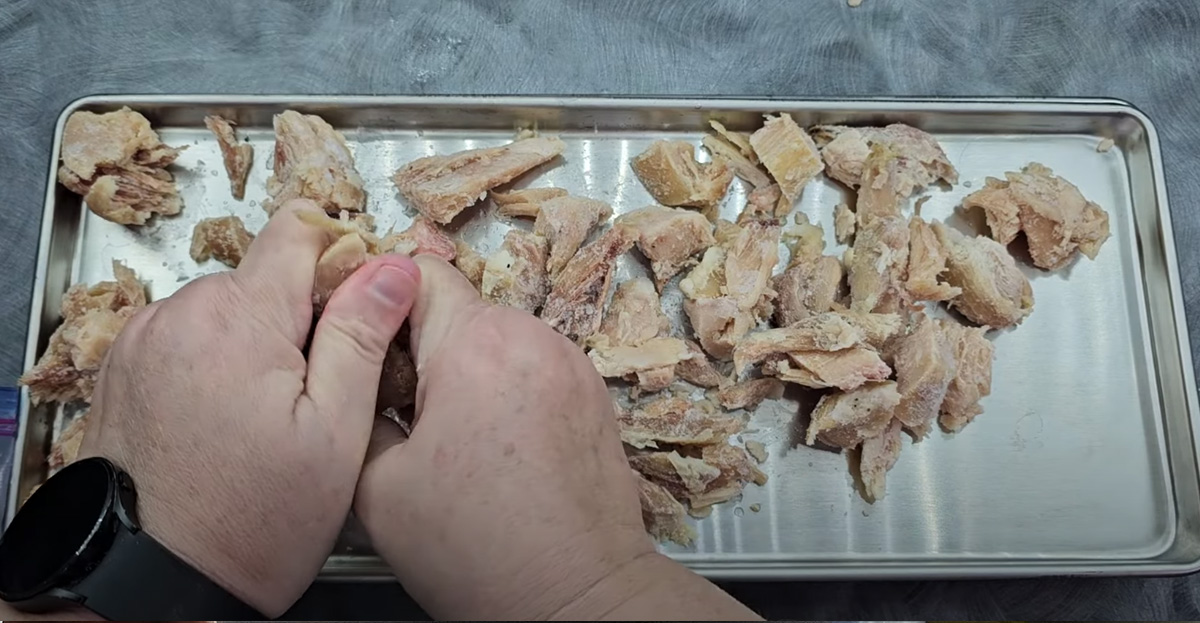
The process begins with the manual removal of all meat from the bones. During this phase, it is critical to separate the skin and visible fat from the muscle tissue. While the skin is flavorful, its high lipid content does not freeze-dry well and can lead to premature spoilage. The meat is then diced into uniform, bite-sized pieces, ideally one inch or smaller. This uniformity ensures that the vacuum pressure and temperature changes during the freeze-drying cycle act evenly upon all pieces.
Phase 2: Pre-Freezing and Thermal Stabilization
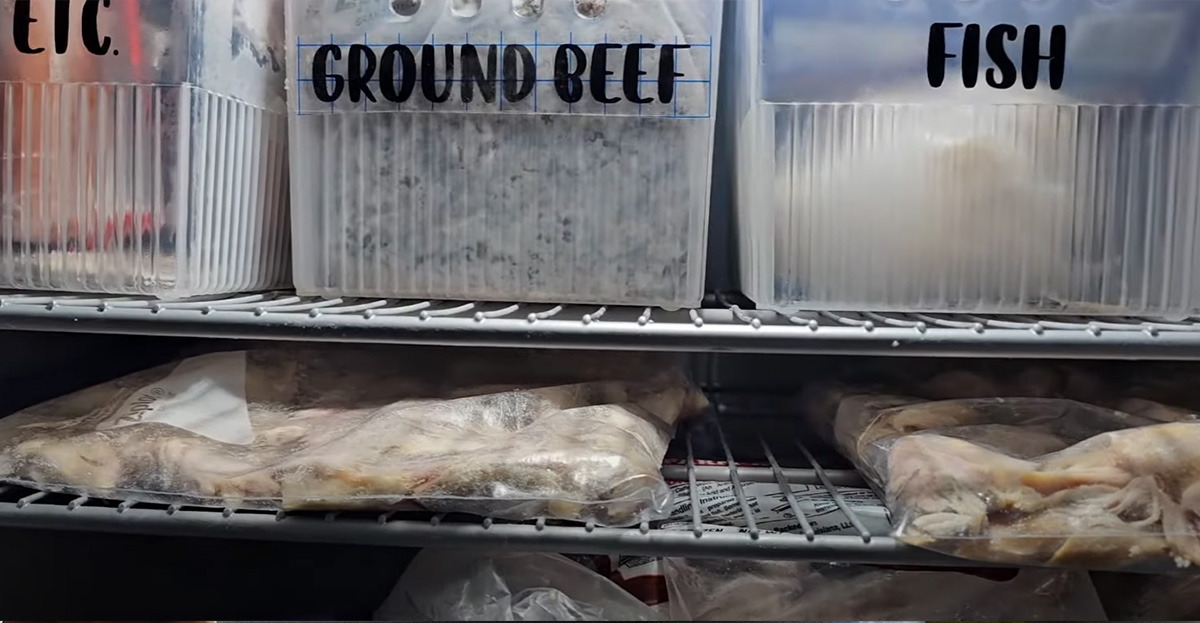
Once portioned, the chicken pieces are placed on trays and moved to a standard freezer for a period of up to 24 hours. While many freeze-dryers have a built-in freezing cycle, pre-freezing in a chest or stand-up freezer is a common strategy to improve mechanical efficiency. By entering the machine already frozen, the chicken reduces the overall workload on the freeze-dryer’s compressor and shortens the total cycle time.
Phase 3: Lyophilization and Sublimation
The trays are transferred to the freeze-dryer, where the machine initiates a pre-freeze cycle to ensure the product reaches the necessary internal temperature—often as low as -30°F to -50°F. Once stabilized, the vacuum pump engages, lowering the atmospheric pressure inside the chamber. In this environment, the ice crystals within the chicken undergo sublimation, transitioning directly from a solid to a gas without passing through the liquid phase. This preserves the cellular structure of the chicken, preventing the toughening or "shriveling" associated with traditional heat-based dehydration.
Phase 4: Quality Testing and Storage
After the initial cycle, which typically lasts between 24 and 48 hours depending on the load size, the chicken must be tested. A common diagnostic method involves weighing the trays, returning them to the machine for two additional hours, and re-weighing. If no weight change is recorded, the moisture has been fully evacuated. The resulting product should be brittle and break easily.
Technical Data and Nutritional Integrity
Data regarding the nutritional retention of freeze-dried foods suggests that up to 97% of the original vitamins and minerals remain intact. This is significantly higher than canning (approx. 40-60%) or traditional dehydration (approx. 60%). For a standard rotisserie chicken, a one-cup serving of freeze-dried meat contains approximately 109 calories, 16 grams of protein, and 5 grams of fat.
One of the primary benefits of freeze-dried chicken is its volumetric stability. Unlike dehydrated foods, which shrink as moisture is removed, freeze-dried chicken maintains its original size. This allows for a one-to-one ratio in recipe planning; if a recipe calls for one cup of cooked chicken, the cook can simply measure one cup of freeze-dried chicken and rehydrate it.
The Impact of Lipids on Shelf-Life
A critical factor in the long-term storage of freeze-dried rotisserie chicken is the fat content. While leaner meats like turkey or chicken breast can theoretically last up to 25 years in an oxygen-free environment, rotisserie chicken—particularly the dark meat—contains natural fats that can oxidize over time.
Market experts and food preservationists, including Darcy Baldwin of The Purposeful Pantry, note that rotisserie chicken typically offers a shelf-life of six months to two years, rather than the multi-decade lifespan of leaner proteins. To maximize this window, the use of oxygen absorbers (O2 absorbers) and vacuum-sealed Mylar bags or glass canning jars is mandatory. Oxygen absorbers work by removing the residual 21% of oxygen in the air within the container, thereby preventing the oxidative rancidity of the remaining fats in the chicken.
Broader Implications for the Food Industry and Consumers
The rise of home freeze-drying reflects a broader shift in consumer behavior toward "speed-scratch" cooking and self-reliance. As the technology becomes more affordable, the barrier between commercial food manufacturing and home kitchen management continues to blur.
From a sustainability perspective, the ability to freeze-dry clearance-priced rotisserie chickens reduces the volume of food that would otherwise be discarded by grocery stores. It also allows consumers to build a "working pantry"—a stock of ingredients that are used and replenished regularly—rather than a static emergency cache.
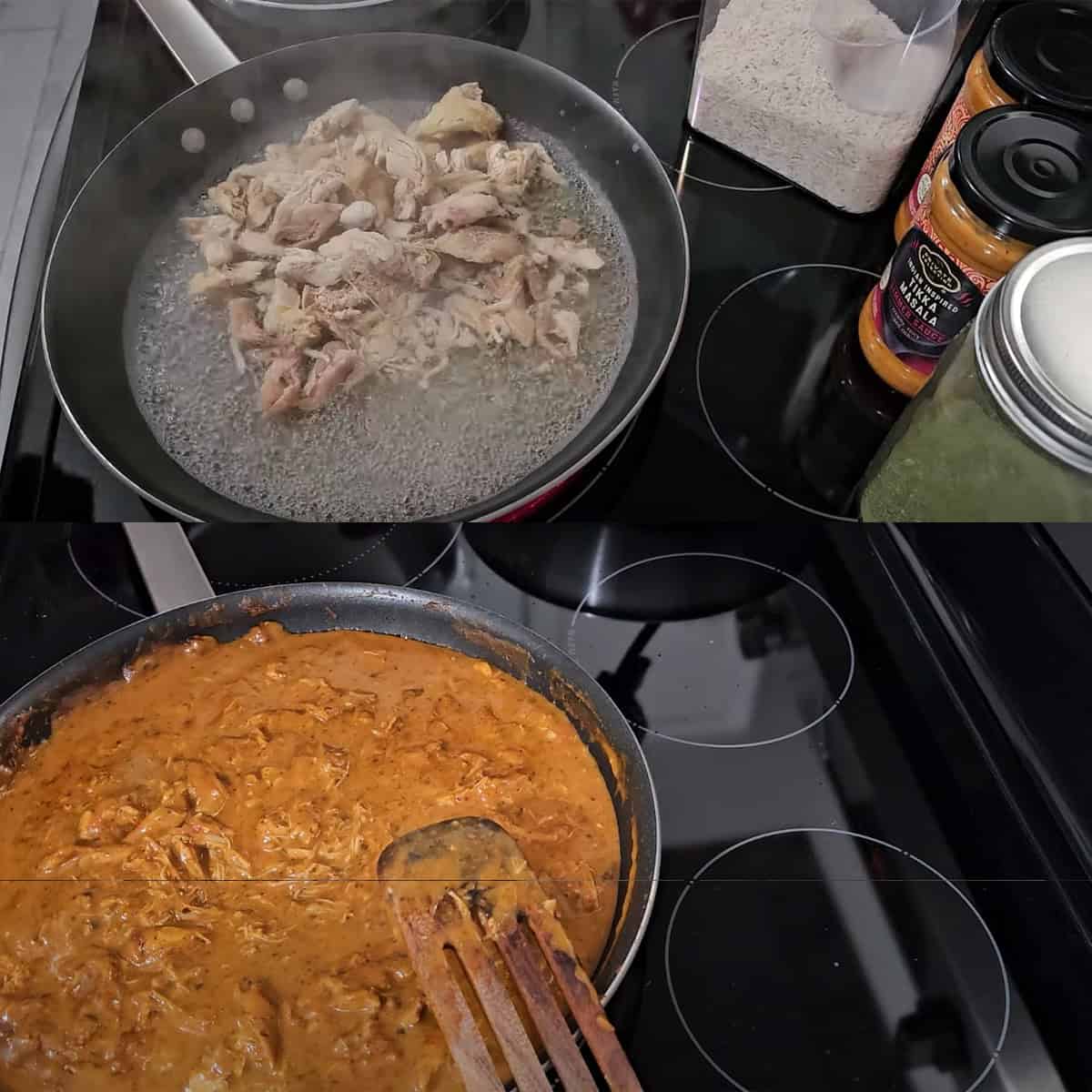
Statements from users within the food preservation community highlight the versatility of the product. Beyond emergency use, freeze-dried rotisserie chicken is increasingly used for lightweight backpacking meals, quick weeknight dinners, and as a protein boost for soups and salads. The ease of rehydration—simply simmering the meat in water or broth for a few minutes—makes it a superior alternative to canned chicken, which often possesses a metallic aftertaste and a mushy texture.
Conclusion: The Future of the Purposeful Pantry
The integration of rotisserie chicken into a freeze-drying regimen is a testament to the modern homesteader’s desire for efficiency and quality. By leveraging the low cost of grocery store staples and the advanced technology of lyophilization, individuals can create a high-quality, shelf-stable protein source that rivals commercial products in both taste and nutrition.
As more households adopt these methods, the demand for home freeze-drying equipment is expected to grow. This trend not only empowers consumers to take control of their food security but also encourages a more thoughtful, zero-waste approach to meat consumption. Whether for a quick stovetop meal during a busy evening or as part of a long-term disaster preparedness plan, freeze-dried rotisserie chicken has solidified its place as a cornerstone of the modern purposeful pantry.


