
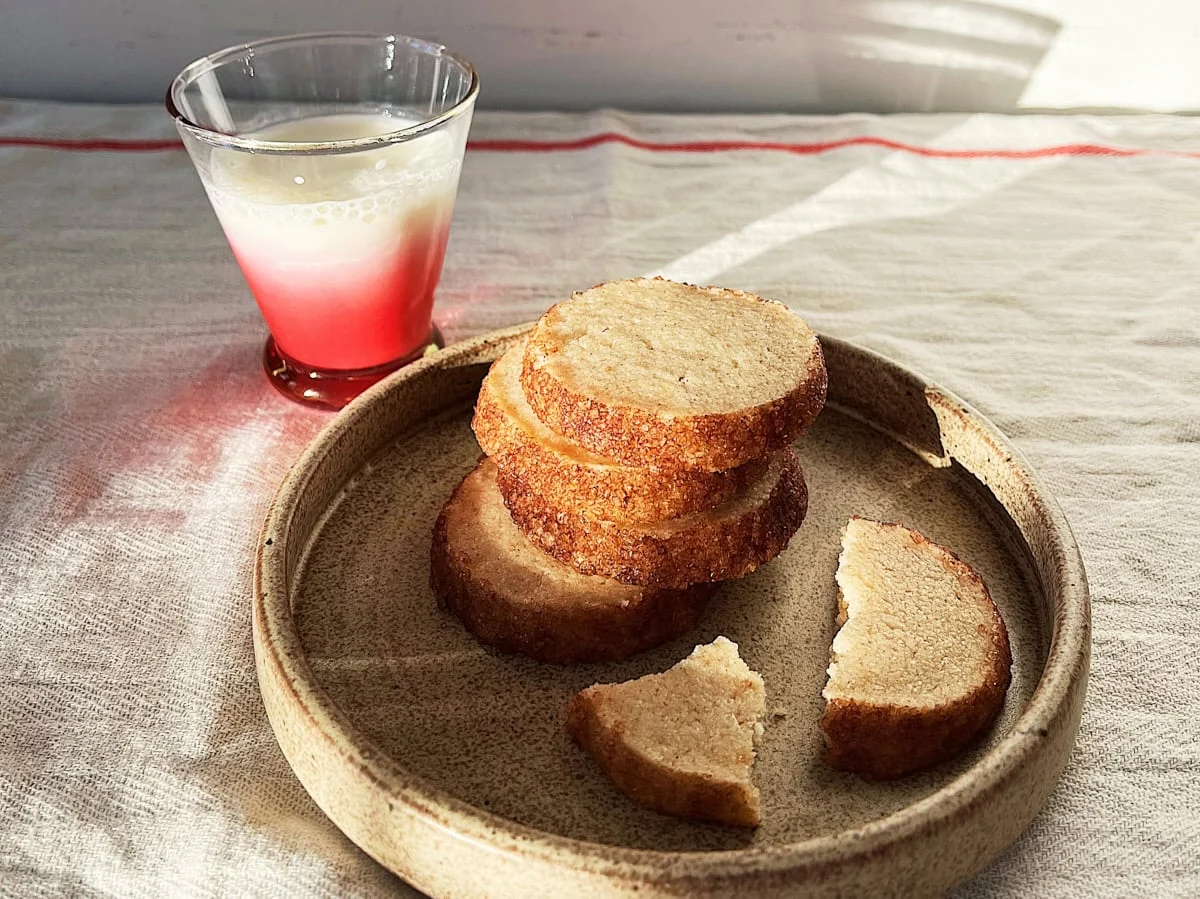
The culinary landscape continually seeks innovative approaches to traditional favorites, and the recent introduction of slice-and-bake sourdough discard cinnamon toast cookies marks a significant development in efficient, flavorful home baking. Designed for both convenience and sophisticated taste, this recipe leverages the often-underutilized byproduct of sourdough maintenance – the unfed sourdough discard – transforming it into a key ingredient for a buttery, subtly tangy cookie adorned with a crisp Demerara sugar and cinnamon coating. This creation not only addresses the practical challenge of managing sourdough discard but also offers a streamlined solution for high-volume holiday baking, making it an ideal candidate for seasonal festivities and beyond.
The core appeal of these cookies lies in their adherence to the slice-and-bake methodology, a technique celebrated for its simplicity and efficiency. Unlike recipes that demand individual scooping, rolling, or intricate decoration, slice-and-bake dough is prepared once, formed into logs, chilled, and then merely sliced and baked as needed. This modular approach allows bakers to distribute the workload, preparing the dough in advance and baking fresh batches over several days or weeks, significantly reducing the time commitment typically associated with producing large quantities of cookies. The recipe’s developer, Rebecca Firkser, notes the inherent ease, requiring often just a single bowl for preparation, which further minimizes cleanup – a welcome attribute during busy periods. The efficiency gain is particularly pronounced when preparing for events such as cookie swaps, holiday gatherings, or simply stocking a home with fresh treats without prolonged effort.
The distinctive flavor profile, aptly named "cinnamon toast," stems from the harmonious interplay between the rich, buttery dough and its aromatic exterior. A generous coating of Demerara sugar and cinnamon encases each cookie, providing a textural crunch and a warmly spiced sweetness that evokes nostalgic memories of the classic breakfast treat. The subtle tang introduced by the sourdough discard elevates the flavor beyond that of a conventional shortbread, adding a layer of complexity that is both intriguing and highly palatable. This sophisticated yet approachable taste ensures the cookies stand out, even amidst a spread of more visually elaborate confections, proving that substance often trumps flashiness in culinary appreciation.
The Strategic Use of Sourdough Discard in Modern Baking
The integration of sourdough starter discard into cookie recipes represents a burgeoning trend in home baking, driven by both a desire to minimize food waste and to impart unique flavor characteristics. Sourdough discard, essentially the unfed portion of a sourdough starter removed before feeding, is often relegated to the waste bin. However, its mild acidity and inherent moisture content make it a valuable addition to various baked goods, contributing a delicate tang, enhanced moisture, and often a more tender crumb. In this particular recipe, approximately 70 grams (5 tablespoons) of unfed, 100% hydration sourdough starter discard is incorporated, providing these benefits without requiring the active leavening power of a fed starter. This strategic inclusion not only transforms a potential waste product into a flavor enhancer but also aligns with contemporary culinary movements emphasizing sustainability and resourcefulness.
The discard’s role in this recipe is not merely as a flavor agent; it also influences the dough’s hydration and texture. While shortbread-style cookies traditionally eschew water, the moisture from the discard contributes to a pliable dough, necessitating careful chilling to maintain structural integrity during baking. This balance is critical, as a dough that is too stiff can result in a dry, crumbly cookie, while one that is too soft may spread excessively. The developer’s expertise in managing these variables ensures the discard contributes positively to the final product’s mouthfeel and appearance. The consistent hydration level provided by the discard, which is typically around 100% (equal parts flour and water by weight), plays a pivotal role in the dough’s overall workability and the ultimate texture of the baked cookie. This subtle introduction of moisture is expertly balanced against the fat content, yielding a cookie that is tender without being overly crumbly.
Precision in Ratios: Crafting the Ideal Cookie Texture
A crucial element in the success of these cinnamon toast cookies is the deliberate departure from standard cookie ingredient ratios. Traditional cookie formulas often follow a 1:2:3 ratio of sugar to butter to flour by weight. This conventional ratio, while effective for many cookie varieties, can sometimes lead to a stiffer, more flour-forward result, especially in shortbread-style cookies that lack the significant aeration or structural contribution typically provided by eggs or a higher sugar content. For these sourdough discard cookies, the recipe meticulously adjusts this paradigm to achieve a superior texture. Specifically, 150 grams of granulated sugar, 226 grams of unsalted butter, and a total of 285 grams of flour (comprising 250 grams of all-purpose flour plus approximately 35 grams of flour contributed by the sourdough discard) are utilized. This creates an approximate ratio closer to 1 part sugar, 1.5 parts butter, and just under 2 parts total flour.
This modified ratio is a strategic choice designed to produce a cookie that is exceptionally tender and rich. The higher proportion of butter not only imparts a luxurious flavor but also contributes significantly to the cookie’s melt-in-your-mouth texture. The reduction in flour content, relative to the standard ratio, prevents the cookies from becoming dry or crumbly, ensuring a delicate crumb that is highly desirable in this type of cookie. This precise engineering of ingredient proportions underscores a deep understanding of baking science, demonstrating how subtle adjustments can dramatically alter the final product’s sensory attributes. The sourdough discard, while contributing a minimal amount of flour, also adds a unique acidic component that can influence gluten development, potentially further contributing to the tenderness of the cookie.
The Undeniable Impact of Ingredient Quality
In recipes with a minimalist ingredient list, the quality of each component becomes disproportionately significant, as there are fewer other flavors to mask imperfections. For these sourdough discard cinnamon toast cookies, the choice of butter is particularly emphasized. Utilizing a very good quality butter, ideally European-style, is highly recommended. European-style butters typically boast a higher butterfat content (around 82-84%) compared to their American counterparts (usually 80%), along with a distinct, often cultured, flavor profile resulting from the use of bacterial cultures during churning. This elevated fat content translates directly to a richer taste, a more tender texture, and a superior mouthfeel in the finished cookie. The nuanced flavor of high-quality butter provides a foundational depth that simpler, less refined butters cannot replicate, allowing the other flavors—vanilla, cinnamon, and the subtle tang of sourdough—to truly shine.
The recipe also highlights the versatility of butter preparation. While the primary method calls for room temperature butter, the possibility of browning the butter is mentioned as an optional enhancement. Browning butter, a technique that involves gently heating butter until its milk solids caramelize, imparts a nutty, complex flavor (often described as beurre noisette). Although this process evaporates some water, the recipe suggests it can be done without altering other proportions, provided the baker monitors the bake time. This flexibility allows for an additional layer of flavor customization for those seeking to further elevate the cookies’ taste profile, demonstrating the recipe’s adaptability to varying culinary preferences and the expertise embedded in its development.
Mastering the Process: From Dough to Delight
The journey from raw ingredients to perfectly baked cookies involves several critical steps, each contributing to the final product’s quality and ensuring consistent results.
Efficient Dough Preparation with Mechanical Assistance:
While the dough can theoretically be made by hand, the use of an electric mixer—either a handheld beater or a stand mixer—is strongly advised for optimal efficiency and results. The creaming method, fundamental to this recipe, involves beating butter and sugar together until the mixture is light, fluffy, and significantly increased in volume. This process incorporates air into the fat, which is crucial for a tender, aerated cookie texture. An electric mixer ensures thorough and consistent creaming, leading to a more uniform dough structure and superior final product. Maurizio’s endorsement of the Breville Handy Mixer underscores the value placed on reliable kitchen tools that streamline and enhance the baking process for both amateur and experienced bakers.
The Indispensable Role of Chilling:
Given the dough’s higher butter-to-flour ratio and its resulting pliable nature, it is susceptible to excessive spreading during baking if not properly managed. To counteract this, a minimum chilling period of two hours in the refrigerator is essential. This refrigeration allows the butter within the dough to resolidify, firming up the structure of the dough logs. This firming action is critical for ensuring that the cookies maintain their intended neat, round shape when sliced and baked, preventing them from spreading too thinly on the baking sheet. Adequate chilling is not merely a recommendation; it is a critical step for achieving aesthetically pleasing and uniformly structured cookies, contributing to both their visual appeal and textural integrity.
The Signature Cinnamon Sugar Rim:
The "cinnamon toast" identity of these cookies is firmly established by their distinctive rim. Before chilling, the formed dough logs are rolled in a prepared blend of Demerara sugar, ground cinnamon, and a touch of flaky sea salt. Demerara sugar, with its larger, coarser crystals and slight molasses flavor, provides a delightful crunch and a more complex sweetness compared to standard granulated sugar. The cinnamon, of course, delivers the quintessential warm spice, while flaky sea salt acts as a crucial flavor amplifier, balancing the sweetness and adding a subtle saline counterpoint that enhances the overall taste experience. This coating not only contributes significantly to the flavor and texture but also enhances the visual appeal, creating a sparkling, inviting edge on each baked cookie. The recipe also offers creative alternatives for this coating, suggesting ground cardamom or sumac for different spice profiles, or even toasted white or black sesame seeds for a unique savory-nutty twist, thereby encouraging personalization and broader culinary exploration.
Optimizing Bake Time for Superior Texture:
Due to the moisture introduced by the sourdough starter discard, these cookies are more hydrated than typical shortbreads. This increased hydration affects how they bake, particularly their appearance during the process. The tops may not darken significantly, making visual cues for doneness less reliable. An underbaked slice-and-bake cookie can be less appealing than an underbaked gooey chocolate chip cookie, often resulting in a soft, rather than crisp, texture. Therefore, the recipe explicitly advises baking for at least 14 minutes, emphasizing the need to err on the side of slightly longer baking to ensure the cookies are properly set and achieve the desired crisp-tender texture, particularly at the edges. A more reliable indicator of doneness is to gently lift a cookie and observe its bottom for a light golden hue. This precise guidance ensures that bakers achieve the optimal balance of tenderness and structural integrity.
Versatility and Customization: Expanding the Flavor Horizon
One of the significant advantages of this base cookie recipe is its remarkable adaptability to various flavor enhancements, allowing bakers to personalize batches to suit different tastes or occasions. This versatility elevates the recipe beyond a simple standard, making it a dynamic tool for culinary creativity.
Dough Flavorings:
The core dough can be infused with an array of aromatic additions. Citrus zests, such as lemon, grapefruit, or orange, can be rubbed directly into the granulated sugar before creaming with the butter. This friction releases the volatile oils from the zest, imparting a bright, fragrant note throughout the cookie. Alternative extracts like rose water, orange blossom water, or almond extract can replace or complement vanilla, though their potency requires careful measurement (starting with a quarter teaspoon and adjusting to taste). For a deeper, savory undertone, a teaspoon of toasted sesame oil can be incorporated, adding an unexpected but delightful complexity. Texture can be enriched with up to 130 grams (approximately ¾ cup) of finely chopped chocolate or toasted nuts, offering a satisfying crunch. Furthermore, finely ground ingredients like instant coffee or espresso powder, powdered teas such as matcha or hojicha, or even pulverized Earl Grey tea leaves, can introduce sophisticated and nuanced flavors, appealing to a wide range of palates. These options allow for endless experimentation, transforming the simple vanilla base into a gourmet treat.
Coating Variations:
Beyond the classic cinnamon and Demerara sugar, the exterior coating also offers ample room for creativity. As previously mentioned, ground cardamom or sumac provide distinct spice alternatives, offering warmer or tangier profiles, respectively. Toasted white or black sesame seeds offer a unique textural and nutty element, adding an intriguing visual and gustatory dimension. The flexibility in both dough and coating means a single base recipe can yield a diverse assortment of cookies, making it exceptionally valuable for holiday platters, cookie exchanges, or simply satisfying varied household preferences.
Practical Considerations and Expert Tips
For home bakers looking to integrate these cookies into their routine, several practical insights and frequently asked questions provide valuable guidance, ensuring optimal results and maximizing convenience.
Flour Substitutions: The recipe accommodates minor flour adjustments, allowing for up to 60 grams (about ½ cup) of heartier wheat flours like whole wheat, rye, or spelt to be swapped in for a portion of the all-purpose flour. These substitutions can introduce new flavor complexities and slightly denser textures. Additionally, pseudocereals such as earthy buckwheat flour can be incorporated for distinct notes. For an added textural crunch, 15 grams (about 2 tablespoons) of medium-grind cornmeal can also be integrated, providing a subtle gritty texture. These substitutions offer avenues for exploring different flavors and textures while maintaining the recipe’s fundamental structure and ensuring successful outcomes.
Dough Storage Best Practices: While reusable beeswax wraps are popular for eco-conscious bakers, they are cautioned against for long-term dough storage in this context. The waxy coating can potentially leach into the dough over extended refrigeration periods, affecting both flavor and texture. Instead, parchment paper is recommended for wrapping the dough logs, which can then conveniently double as a baking liner. Specialized washable stretch wraps, such as those from W&P, are also suggested as a durable and sustainable alternative for dough storage, offering both practicality and environmental consideration.
Freezing for Future Enjoyment: The slice-and-bake format makes these cookies exceptionally freezer-friendly, offering unparalleled convenience for batch baking. Dough logs, once coated and sliced, can be arranged on a parchment-lined sheet pan and frozen until solid (approximately 2 hours). Once firm, the individual cookie slices can be transferred to an airtight container, with layers separated by parchment paper, and stored for up to three months. This allows bakers to prepare large quantities of dough in advance and bake fresh cookies on demand, significantly extending their utility. Frozen cookies can be baked directly from the freezer, requiring an additional 2-4 minutes of bake time to account for their initial lower temperature. This feature is particularly beneficial for busy individuals or for ensuring a continuous supply of fresh cookies throughout the holiday season and beyond.
Achieving Perfectly Round Cookies: The pliable nature of the dough, while contributing to tenderness, can sometimes result in cookies baking into slightly oval shapes, particularly if the dough log was not perfectly cylindrical or if the butter softened prematurely. While this aesthetic imperfection does not impact flavor, for those who prioritize perfectly round cookies, a simple trick can be employed. Immediately after removing the cookies from the oven and while they are still warm and pliable, a round biscuit cutter or the rim of a glass slightly larger than the cookie can be swirled around each cookie. This gentle motion coaxes the edges back into a perfect circular shape. This technique offers a quick and effective solution for achieving a uniform and professional appearance.
Broader Implications for Home Baking and Culinary Trends
The emergence of the sourdough discard cinnamon toast cookie recipe highlights several broader trends within the home baking community and the wider culinary landscape. Firstly, it underscores the growing interest in sustainability and reducing food waste, especially within the context of sourdough baking, which often generates discard. Recipes that creatively and deliciously utilize this byproduct are increasingly valued for their resourcefulness and environmental consciousness. Secondly, it reaffirms the enduring appeal of comfort food, albeit with a refined twist. The "cinnamon toast" flavor taps into widespread nostalgia and familiarity, while the sourdough component adds a contemporary, gourmet dimension, elevating a simple treat.
Furthermore, the emphasis on make-ahead convenience and batch baking speaks to the demands of modern lifestyles, where time is a premium commodity. Recipes that offer flexibility and efficiency without compromising on quality are highly sought after by busy individuals and families. The extensive customization options also reflect a strong desire for personalization in home cooking, empowering bakers to adapt recipes to their individual preferences, dietary considerations, and creative impulses. This trend towards customization fosters greater engagement and satisfaction in the baking process.
As the holiday season approaches, these innovative cookies are poised to become a staple, offering a perfect blend of ease, unique flavor, and adaptability. They represent a thoughtful evolution in cookie making, demonstrating how traditional methods can be enhanced through creative ingredient utilization and a deep understanding of culinary science. Their popularity is likely to continue growing as home bakers discover the joy and simplicity of transforming sourdough discard into a delightful, crowd-pleasing treat. The detailed guidance and versatility offered by the recipe ensure that both novice and experienced bakers can achieve outstanding results, further cementing its place in contemporary culinary repertoire and solidifying its role as a practical and delicious solution for modern baking challenges.


