Dough hydration, the precise ratio of water to flour in a recipe, stands as one of the most fundamental yet intricate variables in the art and science of sourdough bread baking, profoundly influencing the final characteristics of a loaf. Far from a mere numerical instruction, hydration is a dynamic parameter that necessitates astute judgment, adapting to factors such as ambient humidity, environmental conditions, and critically, the specific properties of the flour being utilized. This comprehensive guide delves into the significance of dough hydration, its calculation, the myriad factors that influence it, and its tangible impact on bread quality, offering insights essential for both novice and experienced bakers seeking to elevate their craft.
The Foundational Science of Water in Dough
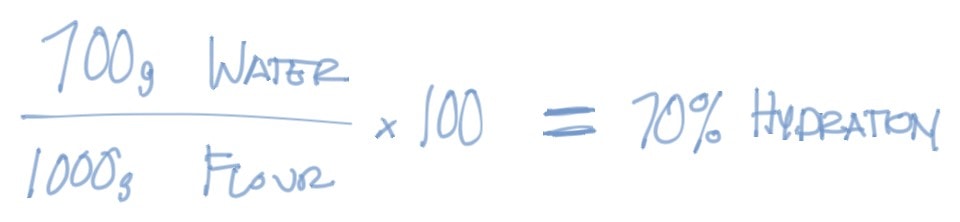
At its core, dough hydration quantifies the total water content in a recipe as a percentage of the total flour weight. The calculation is straightforward: divide the weight of the water by the total weight of the flour, then multiply by 100. For instance, a recipe calling for 1,000 grams of flour and 700 grams of water yields a 70% hydration dough (700 ÷ 1,000 × 100 = 70%). This percentage provides bakers with a crucial predictive metric for understanding the dough’s expected behavior and texture even before mixing begins.
The importance of water extends beyond simple mixing; it is the catalyst for nearly all critical reactions within dough. Water facilitates the activation of enzymes in the flour, which break down starches into sugars, providing sustenance for the yeast and bacteria in the sourdough starter (levain). More significantly, water is indispensable for gluten development. Flour proteins, gliadin and glutenin, combine in the presence of water and mechanical energy (mixing/kneading) to form gluten, an elastic and extensible network. This gluten matrix is responsible for trapping the carbon dioxide gases produced during fermentation, allowing the dough to rise and giving bread its characteristic open crumb structure. Without adequate hydration, the gluten network cannot fully form, resulting in a dense, tight crumb. Conversely, excessive water can weaken the gluten structure, leading to a dough that is difficult to handle and may collapse during baking.
Hydration as a Guideline, Not a Rule
Despite its precise calculation, the hydration percentage in any recipe serves primarily as a guideline rather than an immutable law. This principle is paramount because flour, the primary ingredient, is a variable commodity. Its protein content, milling method, age, and even the specific wheat variety can dramatically alter its water absorption capacity. For example, a "70% hydration" dough made with one brand of flour might feel perfectly balanced, while the same percentage with another brand could yield a stiff, unworkable mass or a soupy, unmanageable batter.
Environmental conditions also play a discernible, albeit often subtle, role. High humidity in a kitchen can mean flour has already absorbed a small amount of moisture from the air, potentially requiring a slight reduction in added water. Conversely, arid climates or high altitudes often necessitate increased hydration to achieve desired dough consistency, as atmospheric dryness can lead to faster moisture evaporation from the dough surface. Expert bakers, therefore, emphasize developing an intuitive "feel" for the dough, rather than blindly adhering to published percentages, adjusting water levels incrementally based on sensory feedback during mixing.
The Spectrum of Bread Characteristics: Low vs. High Hydration
Dough hydration profoundly dictates the final characteristics of a baked loaf, creating a spectrum of bread styles. Understanding these distinctions is key to achieving specific textual and structural goals.
Lower-Hydration Breads (Typically 60-68%):
Doughs within this range are generally stiffer and more manageable, making them ideal for beginners or for specific bread types.
- Handling: Easier to knead, shape, and score due to their firmer consistency. This reduces stickiness and simplifies manipulation.
- Crust: Tends to produce a thicker, more robust crust with a satisfying chew.
- Crumb: Often results in a tighter, more uniform crumb structure. While less open than high-hydration breads, it can still be tender and moist.
- Volume: May yield slightly less oven spring compared to higher-hydration doughs, but still produces a well-structured loaf.
- Applications: Commonly used for traditional baguettes, bagels, pretzels, certain pizza doughs, and many pan loaves, where a firmer structure and distinct crust are desired.
Higher-Hydration Breads (Typically 75-85%+):
These doughs are significantly wetter, more challenging to handle, but can yield remarkable results when properly managed.
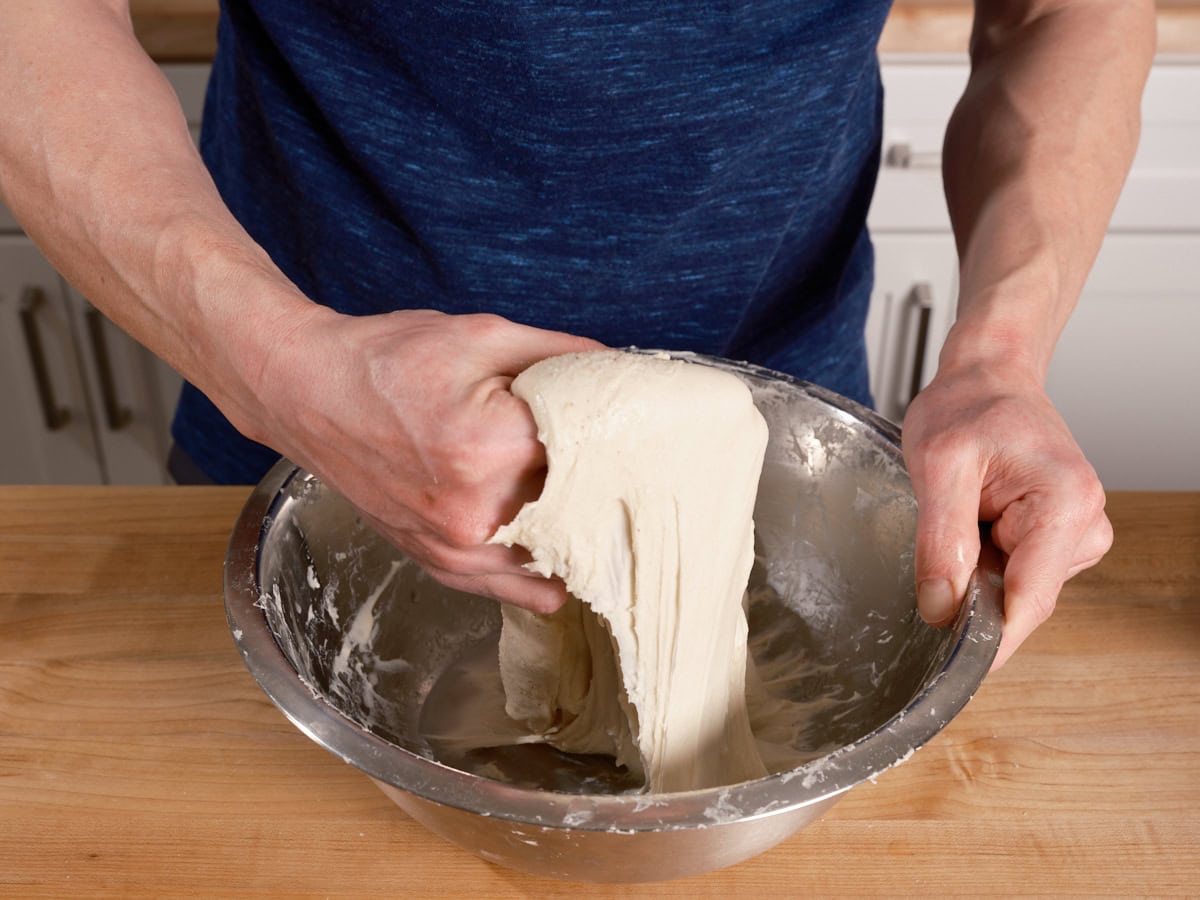
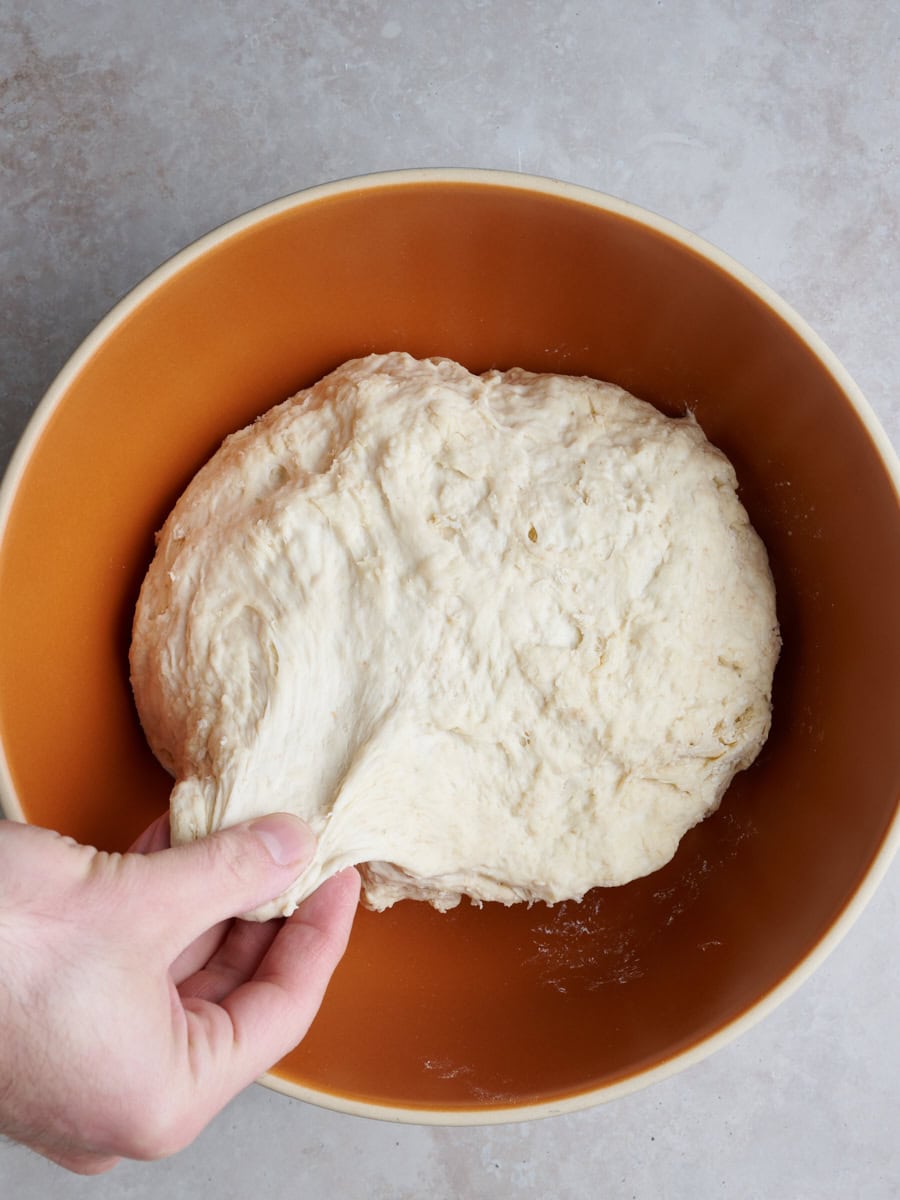
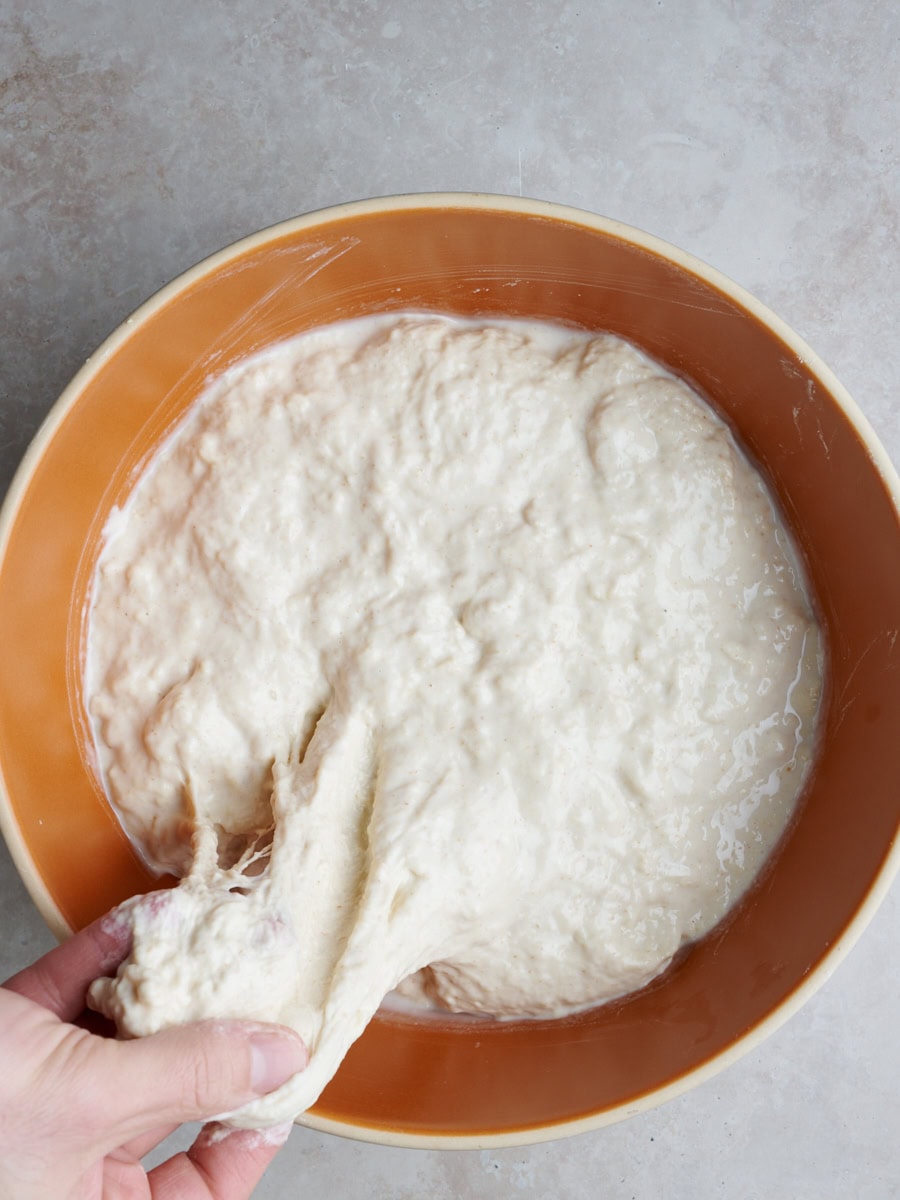
- Handling: Requires more advanced techniques, such as stretch-and-folds, coil folds, and careful shaping, as the dough can be very sticky and slack. Minimal traditional kneading is often employed.
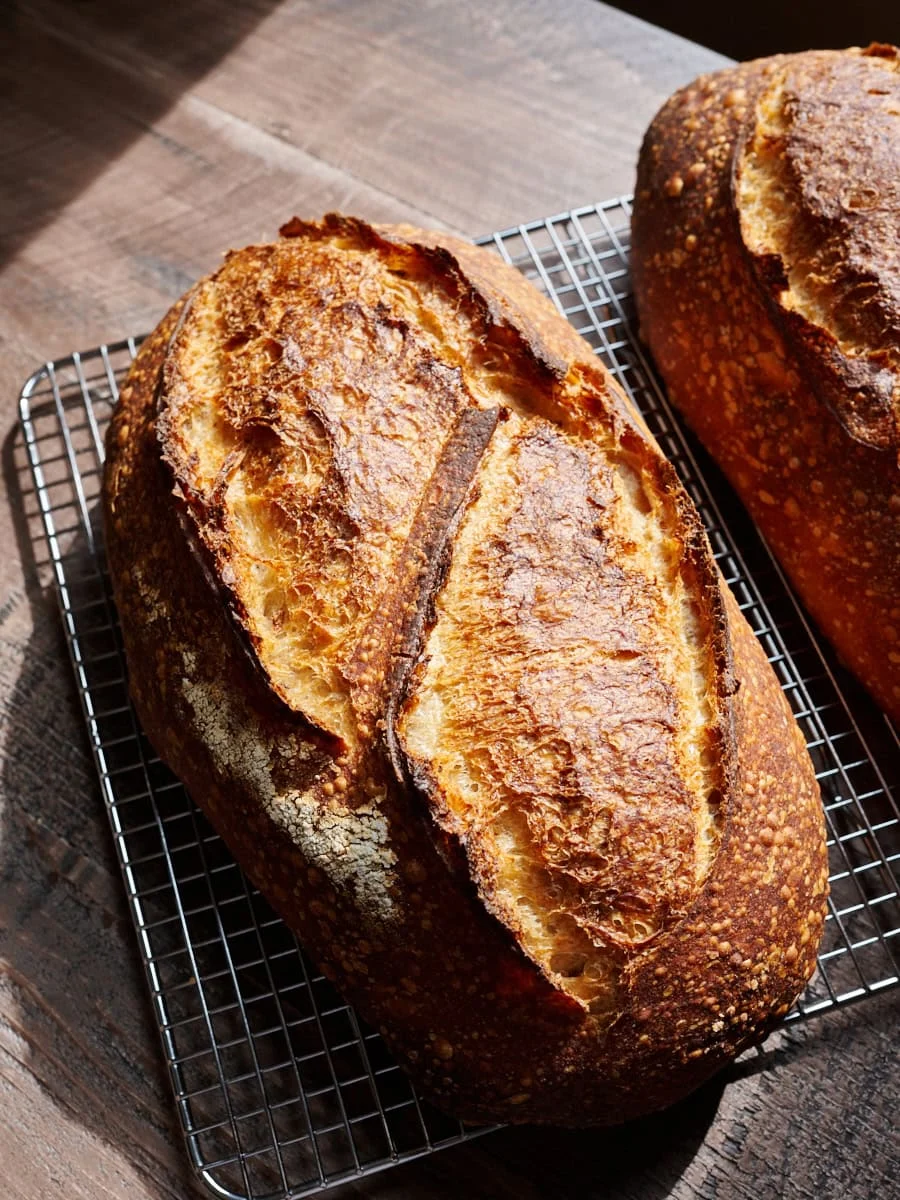
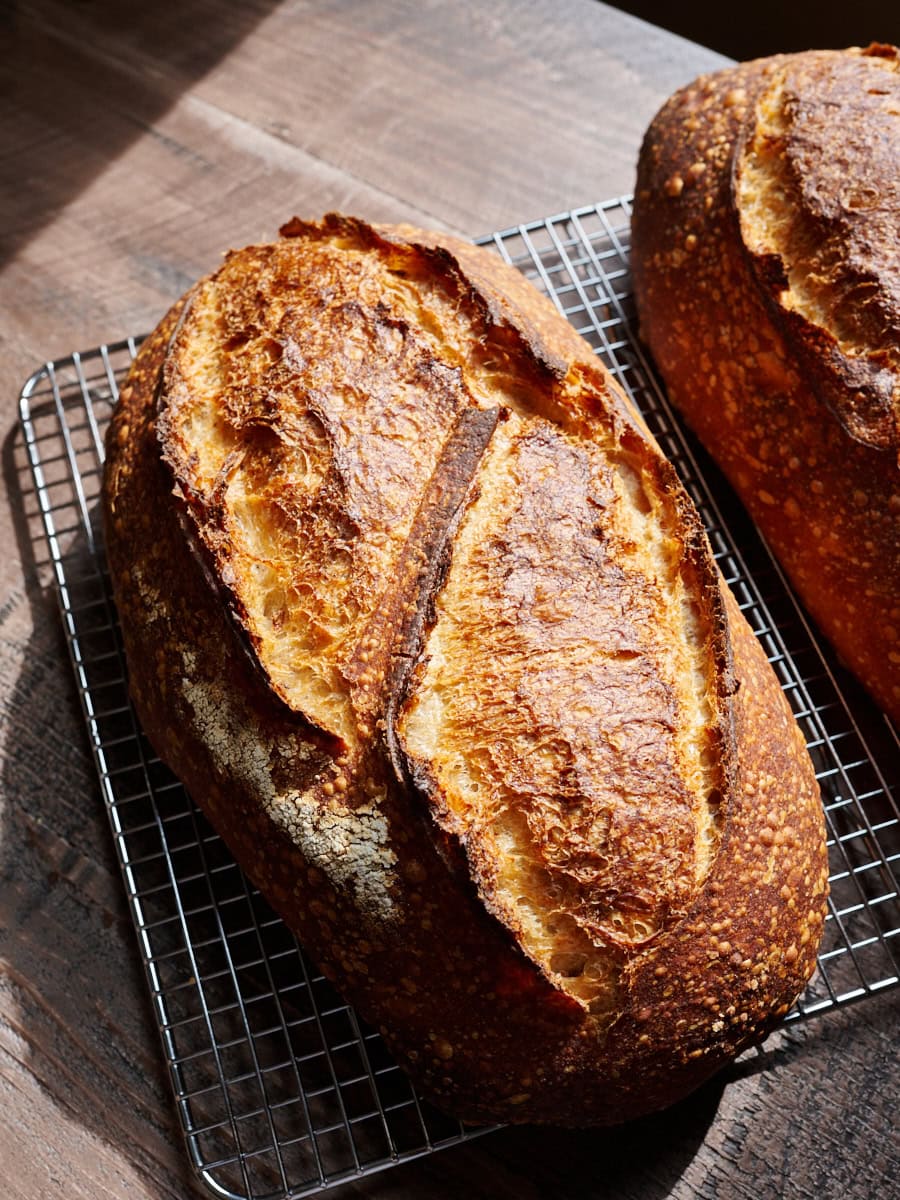
- Crust: Characterized by a thinner, crispier, and often more brittle crust, sometimes shattering upon slicing.
- Crumb: Typically features a more open, irregular, and airy crumb with a tender, almost custardy interior. This is often the coveted "open crumb" sought by many artisan bakers.
- Volume: Can achieve exceptional oven spring and volume due to the enhanced extensibility of the well-hydrated gluten network.
- Applications: Popular for artisan sourdough country loaves, ciabatta, focaccia, and specialized open-crumb breads.
While many artisan bakers, particularly those focusing on sourdough, often lean towards higher hydration to achieve a tender crumb and thin crust, it is crucial to recognize the potential pitfalls. Pushing hydration excessively high, purely for the sake of a larger number, can lead to loaves with an overly soft or gummy crumb that may struggle to retain structure post-baking and stale more rapidly if not stored optimally. The objective is to find a hydration level that maximizes desired characteristics for a given flour without compromising volume, texture, or eating quality.
Key Factors Influencing Water Absorption
Several intrinsic properties of flour and extrinsic environmental factors dictate how much water a dough can effectively absorb and utilize.
Flour Type and Protein Content:
The protein content of flour is a primary determinant of its water absorption capacity. Higher-protein flours, such as American bread flour (typically 12-14% protein), contain more gluten-forming proteins. These proteins can absorb and hold a greater volume of water, forming a stronger, more extensible gluten network. Consequently, these flours often require higher hydration to prevent a dense, gummy texture in the final bread. Conversely, lower-protein flours, common in many European countries (e.g., Type 55 in France or 00 in Italy), are "softer" and absorb less water. Using the same high hydration with these flours would likely result in an excessively sticky, unmanageable dough. Understanding the protein content of local flours is therefore critical for adapting recipes.
Whole Grain Flours:
Flours containing a higher percentage of whole grains (e.g., whole wheat, rye, spelt) inherently demand more water than refined white flours. The bran and germ particles present in whole grains are highly absorbent due to their fibrous structure. These particles act like tiny sponges, soaking up moisture that would otherwise contribute to gluten development. Moreover, bran particles can physically interfere with the gluten network, making the dough less extensible. To counteract this and achieve a tender crumb, recipes with significant whole grain content often feature hydration levels upwards of 80% or even higher. For instance, a 50% whole wheat sourdough recipe might comfortably accommodate 82% hydration, a level that would be challenging for a 100% white flour dough.
Freshly Milled vs. Aged Flour:
Freshly milled flour typically requires more hydration compared to commercially aged flour. During the aging process, flour undergoes natural oxidation, which strengthens the gluten-forming proteins and improves their water absorption capabilities. Freshly milled flour, even if sifted, has not undergone this process, and its proteins may behave differently, often needing additional water to achieve proper dough consistency and gluten development.
Climate and Environment:
As previously noted, ambient environmental conditions significantly impact dough hydration requirements. Bakers in arid, high-altitude regions (like New Mexico, as observed by some professional bakers) often find they need to increase hydration percentages to compensate for drier air and faster evaporation rates. Conversely, in humid, low-altitude environments, flour may already carry more moisture, necessitating a slight reduction in added water. Temperature also plays a role, as warmer temperatures can accelerate enzymatic activity, influencing dough behavior and perceived hydration.
The Art of Basseinage: Phased Water Addition
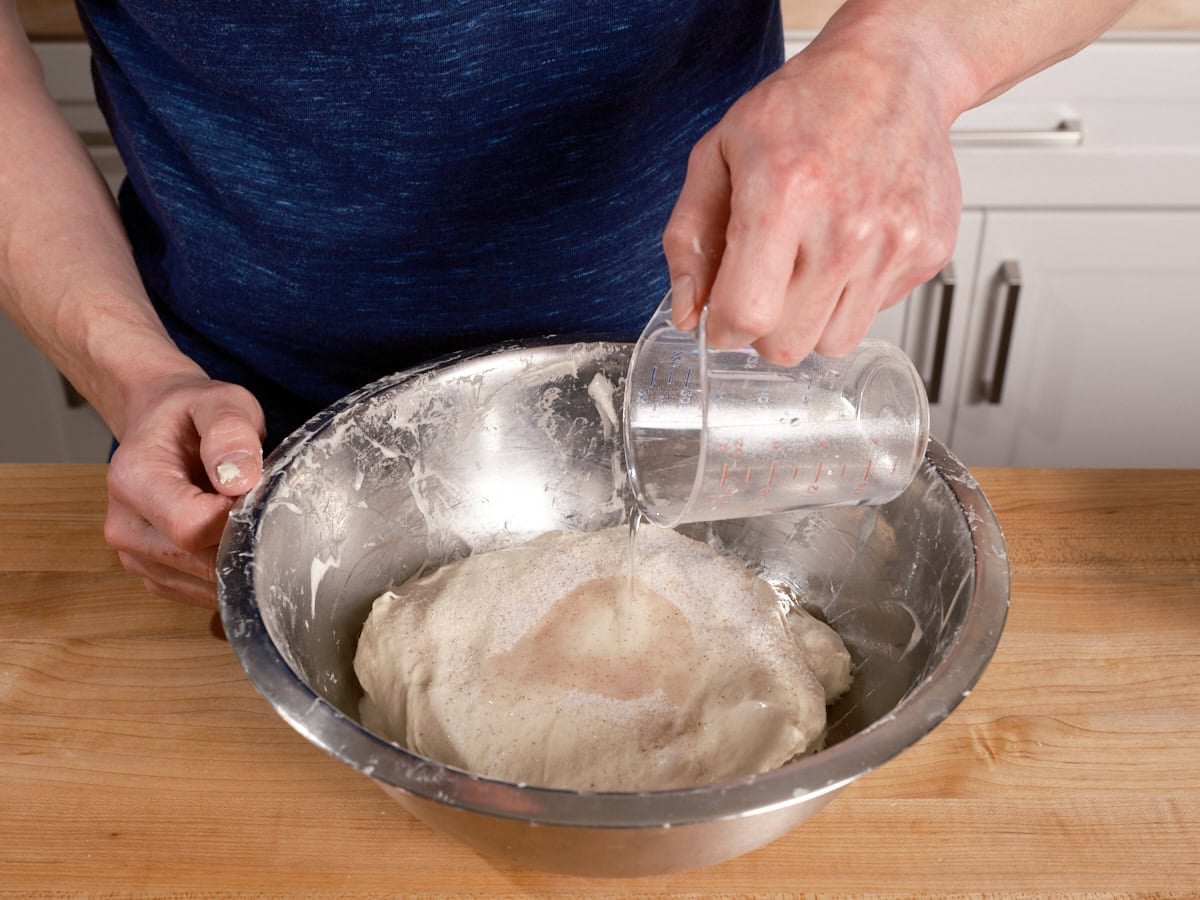
A sophisticated technique employed by artisan bakers, known as bassinage (or "double hydration"), involves adding water in phases rather than all at once. This method entails reserving a portion of the total water and incorporating it gradually during the later stages of mixing, after the initial flour and water have combined and gluten development has commenced.
This approach offers several strategic advantages:
- Facilitated Gluten Development: Starting with a slightly stiffer dough (by withholding some water) makes it easier to develop the initial gluten network through mechanical mixing. When all water is added upfront, especially in high-hydration recipes, the dough can be too slack to generate sufficient friction for efficient gluten formation. By adding the majority (80-90%) of the water first, mixing until early signs of development appear, and then slowly incorporating the remainder, bakers can push hydration levels higher without excessively long mixing times or the risk of under-developing the dough.
- Dynamic Dough Assessment: Basseinage provides bakers with a critical opportunity to "read" the dough’s strength and adjust hydration in real-time. If, after adding the initial water, the dough feels overly wet, slack, or weak, the reserved water can be partially or entirely omitted. Conversely, if the dough feels robust and capable of handling more moisture, the reserved water can be slowly kneaded in. This adaptability is invaluable, transforming a rigid recipe into a responsive dialogue between baker and dough. Many professional recipes now explicitly include "Water 1" (for initial mixing/autolyse) and "Water 2" (for bassinage) to facilitate this precise adjustment.
Addressing Common Dough Challenges
Many frustrations encountered in sourdough baking, particularly sticky or dense doughs, are directly related to hydration and dough strength.

Persistent Stickiness:
A perpetually sticky dough is a frequent complaint, often stemming from one of several factors:
- Insufficient Gluten Development: If the gluten network has not been adequately formed through mixing and folding, the dough lacks the structure to hold its shape and will feel excessively sticky.
- Over-Hydration: The most obvious cause is simply too much water for the flour’s absorption capacity or the baker’s skill level.
- Over-Fermentation: Prolonged fermentation can lead to the degradation of the gluten network by proteolytic enzymes, causing the dough to lose structure and become slack and sticky.
- Inaccurate Measurements: Inconsistent weighing of ingredients, particularly flour and water, can lead to unintended hydration levels.
- Premature Flour Addition: While tempting to add more flour to a wet dough, this can disrupt the delicate balance of baker’s percentages (salt, levain, etc., calculated against total flour weight). Adjusting water, within reason, is generally preferred as it only alters hydration. However, in extreme cases of an unmanageable, collapsing dough, a minimal addition of flour may be a last resort, carefully noted for future adjustments.
Dense or Tight Crumb:
Conversely, a dense or tight crumb can often indicate insufficient hydration. A dough that is too stiff will resist expansion during fermentation and oven spring, resulting in a compact interior. It can also be a sign of under-fermentation, where not enough gas has been produced or trapped.
Strategies for Managing High-Hydration Doughs
Working with highly hydrated doughs demands specific techniques to manage their inherent slackness and stickiness while preserving their delicate structure.
- Warm Hands/Work Surface: Maintaining warm hands and a slightly warm, clean work surface can reduce stickiness.
- Minimal Flour Dusting: Use a very light dusting of flour on the work surface, if at all. Excessive flour can dry out the dough surface and interfere with proper adhesion during shaping.
- Wet Hands/Scrapers: Wetting hands or using a bowl scraper can prevent dough from sticking, allowing for easier manipulation during folds and shaping.
- Gentle Handling: High-hydration doughs are more delicate. Employ gentle stretching and folding techniques (e.g., coil folds, stretch-and-folds in the bowl) rather than aggressive kneading.
- Cold Fermentation: Retarding the dough in the refrigerator overnight can firm it up, making it easier to handle and score, while also developing flavor.
- Practice: Proficiency with high-hydration doughs primarily comes through consistent practice and developing a nuanced "feel."
Conclusion: Cultivating Baker’s Intuition
Ultimately, mastering dough hydration transcends mere adherence to numerical recipes; it signifies the development of "baker’s intuition"—the ability to perceive and respond to the dough’s evolving needs. Each bag of flour, each day’s atmospheric conditions, and each baker’s unique approach contribute to a dynamic interaction.
Leading baking experts consistently advocate for meticulous record-keeping. Documenting the hydration used, the dough’s tactile qualities, environmental factors, and the final loaf’s outcome provides an invaluable learning trajectory. Over time, this empirical approach fosters an intuitive understanding of hydration that no static guide can fully impart. By embracing hydration as a conversation with ingredients rather than a rigid command, bakers can unlock the full potential of their sourdough, consistently producing loaves that are both technically proficient and exquisitely flavorful.