
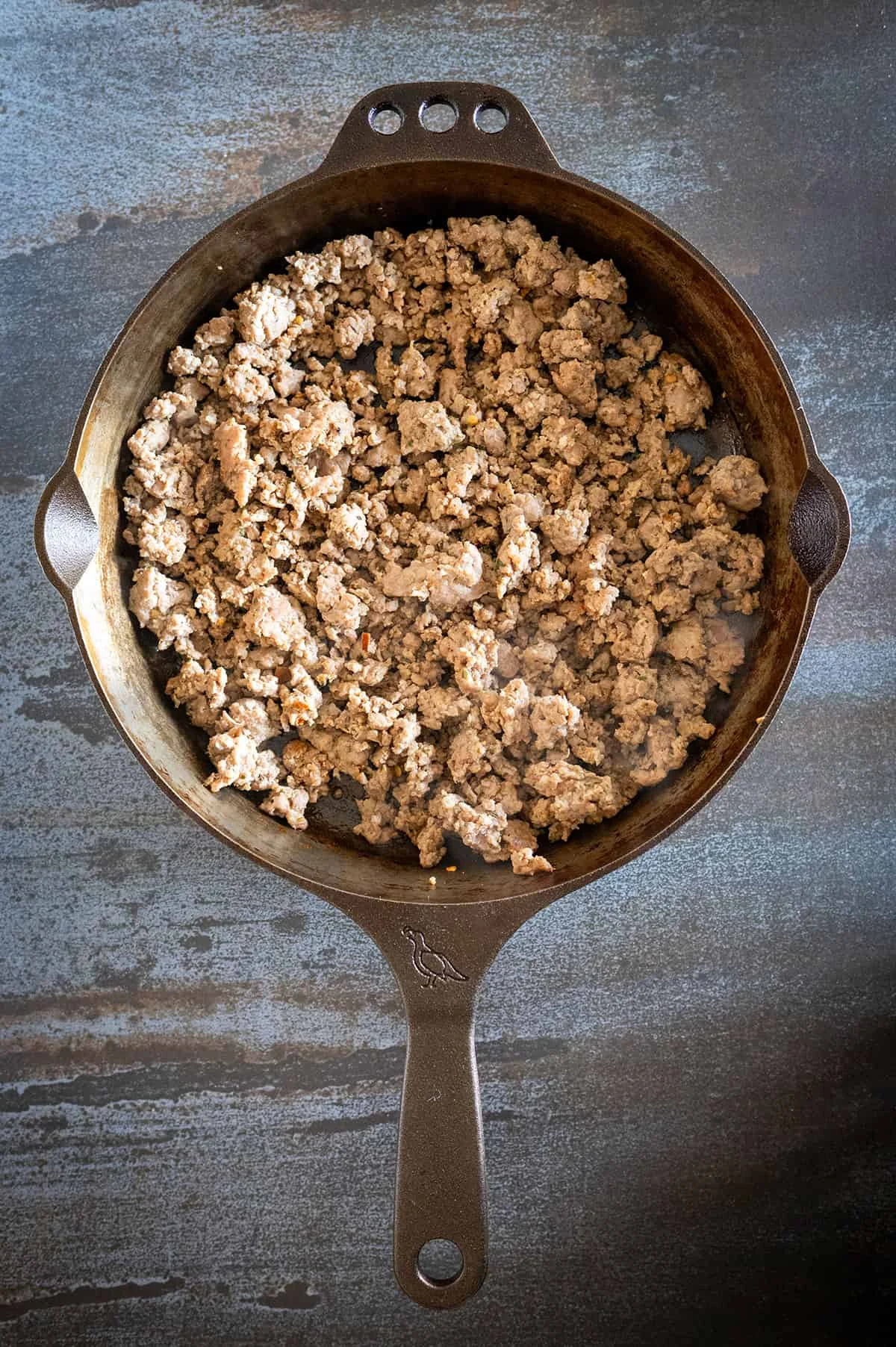
Italian sausage, a staple in kitchens worldwide, is celebrated for its robust flavor profile, primarily derived from the aromatic blend of fennel, garlic, and a medley of herbs. Traditionally crafted with ground pork, this versatile ingredient offers both sweet (mild) and hot varieties, a distinction often dictated by the inclusion of red pepper flakes. While store-bought options abound, the art of homemade Italian sausage empowers cooks to meticulously control ingredient quality, heat levels, and the overall flavor intensity, unlocking a new dimension of culinary possibilities for dishes ranging from comforting pasta sauces and hearty soups to classic pizzas and beyond. This guide delves into the intricacies of creating, preserving, and utilizing this beloved sausage.
The Essence of Italian Sausage: Beyond the Basics
At its core, Italian sausage is a testament to the harmonious marriage of simple, high-quality ingredients. The characteristic taste is undeniably linked to the generous use of fennel seeds, which impart a subtly sweet and anise-like aroma, even in the so-called "sweet" varieties. The absence of actual sugar in sweet Italian sausage is a common misconception; its sweetness is purely a result of the fennel’s natural flavor. The addition of garlic provides a pungent depth, while a carefully selected blend of herbs, such as oregano, basil, thyme, rosemary, and marjoram, contributes complexity and a distinctly Mediterranean flair.
The distinction between sweet and hot Italian sausage hinges on a single, yet impactful, ingredient: red pepper flakes. For those who prefer a milder experience, omitting these flakes results in a sweet Italian sausage. Conversely, their inclusion elevates the sausage to its "hot" counterpart, offering a pleasant warmth that can be adjusted to individual spice preferences. This inherent flexibility is one of the most compelling reasons for home cooks to embrace the art of making Italian sausage from scratch.
The Advantages of Homemade Italian Sausage
The decision to make Italian sausage at home transcends mere culinary curiosity; it offers tangible benefits that resonate with health-conscious consumers and aspiring gourmands alike.
- Ingredient Control: Home cooks gain complete oversight of the ingredients used. This means opting for ethically sourced pork, selecting the leanest or fattiest cuts to achieve the desired texture, and ensuring the absence of artificial preservatives, fillers, or excessive sodium often found in commercially produced sausages.
- Customizable Flavor Profile: The ability to tailor the spice blend is unparalleled. Whether you desire a subtle hint of fennel or an assertive kick from chili flakes, homemade sausage allows for precise adjustments. This is particularly beneficial for individuals with dietary restrictions or specific taste preferences.
- Cost-Effectiveness: In many instances, preparing Italian sausage from scratch can be more economical than purchasing premium quality versions from specialty stores, especially when considering larger batches.
- Freshness and Quality: Homemade sausage ensures the freshest possible product, free from the extended storage and transportation times associated with commercial goods. This freshness translates directly into superior flavor and texture.
- Culinary Confidence: Mastering a fundamental ingredient like Italian sausage builds confidence in the kitchen and opens doors to a vast array of creative culinary endeavors.
Understanding the Nutritional Landscape
Homemade Italian sausage, like its commercially produced counterpart, is a rich source of protein and fat. A typical serving (approximately 3 ounces or 85 grams) of cooked Italian sausage, based on standard recipes, generally provides:
- Calories: Around 300-350 kcal
- Protein: 18-20 grams
- Fat: 24-28 grams (including saturated, monounsaturated, and polyunsaturated fats)
- Carbohydrates: Typically less than 1-2 grams
- Sodium: Can vary significantly based on added salt, but often ranges from 500-700 mg.
- Other Nutrients: Contains varying amounts of iron, potassium, and some B vitamins.
It is crucial to note that these values are approximate and can fluctuate based on the fat content of the pork used, the specific spice blend, and any added salt. For those monitoring their sodium intake, careful control of added salt during preparation is essential. The fat content, while contributing to flavor and moisture, is a significant caloric component.
The Foundation: Essential Ingredients and Equipment
To embark on the journey of crafting authentic Italian sausage, a few key components are necessary:

Key Ingredients:
- Ground Pork: The foundation of any good Italian sausage. Pork shoulder (also known as pork butt) is highly recommended due to its ideal balance of meat and fat, typically around 70-80% lean. This fat content is crucial for moisture and flavor.
- Fennel Seeds: The signature spice. Whole fennel seeds, lightly toasted and then ground or crushed, offer the most potent flavor.
- Garlic: Fresh garlic, minced finely, is essential for its pungent aroma and taste.
- Herbs: A blend of dried Italian herbs such as oregano, basil, thyme, rosemary, and marjoram. Pre-mixed Italian seasoning can be a convenient substitute, though fresh herbs can also be used, albeit in larger quantities.
- Red Pepper Flakes (Optional): For those who desire a spicy kick, red pepper flakes are added to create "hot" Italian sausage. The amount can be adjusted to control the heat level.
- Salt: Crucial for flavor enhancement and preservation. Fine sea salt or kosher salt is recommended.
- Black Pepper: Freshly ground black pepper adds another layer of subtle spice.
Recommended Equipment:
- Large Mixing Bowl: For thoroughly combining the meat and seasonings.
- Meat Grinder (Optional but Recommended): For those who prefer to grind their own pork from larger cuts, ensuring optimal freshness and fat distribution. A coarse grind is generally preferred for sausage.
- Measuring Spoons and Cups: For accurate measurement of spices.
- Kitchen Scale: For precise measurement of meat and salt, especially for larger batches.
- Freezer Bags or Vacuum Sealer Bags: For efficient and long-term storage of uncooked sausage.
- Skillet: For cooking the sausage.
- Instant-Read Thermometer: To ensure the sausage reaches a safe internal temperature of 160°F (71°C).
The Crafting Process: Step-by-Step Guidance
The process of making homemade Italian sausage is straightforward and rewarding, allowing for customization at several key junctures. This recipe typically yields enough seasoning for approximately 3 pounds of ground pork.
Step 1: Prepare the Seasoning Blend
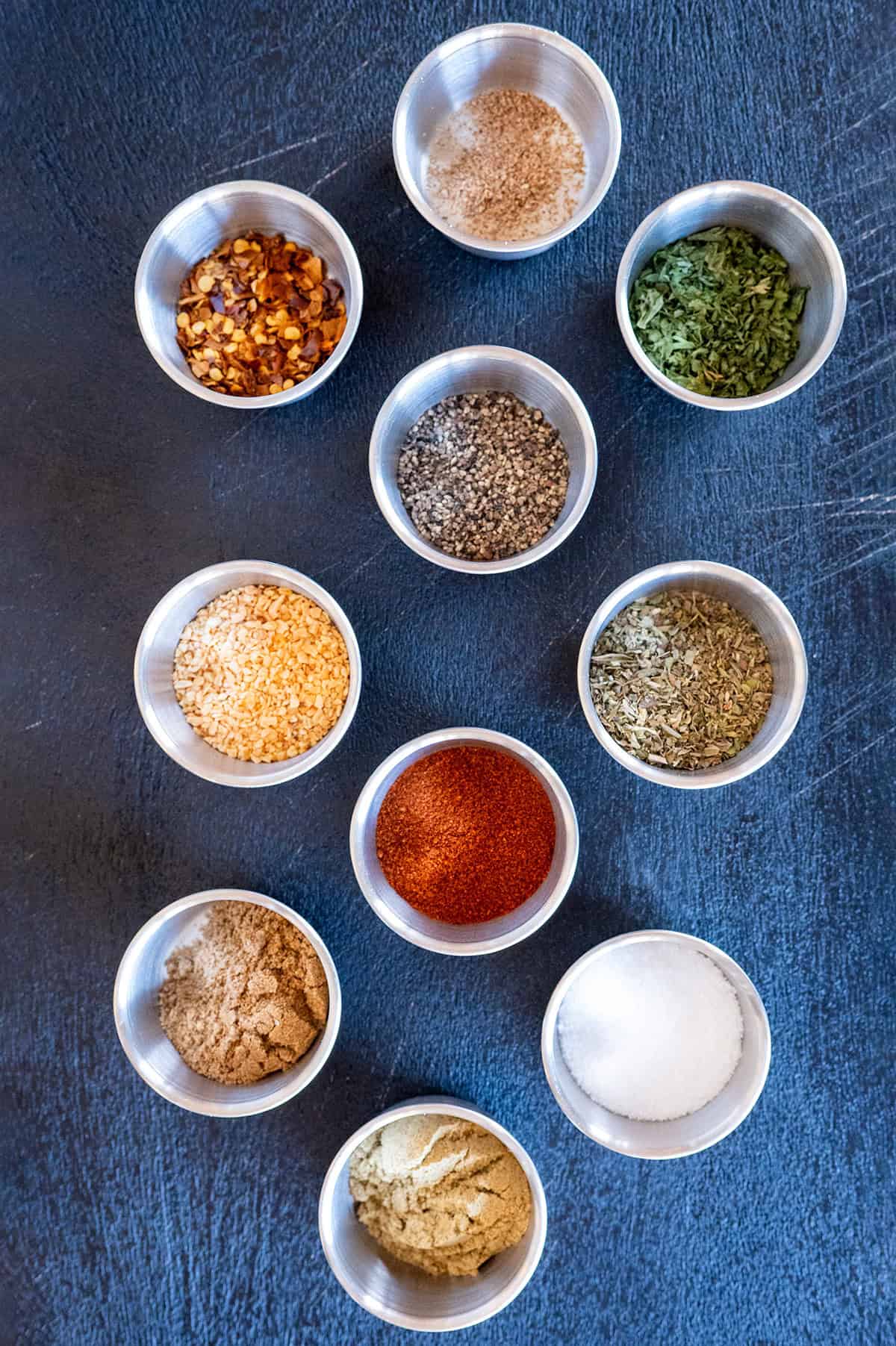
In a small bowl, combine all the dry spices: fennel seeds (if using whole, toast them lightly in a dry pan until fragrant, then grind or crush), minced garlic, dried herbs, salt, black pepper, and red pepper flakes (if using). Whisk them together thoroughly to ensure an even distribution of flavors. This blend can be prepared in advance and stored in an airtight container.
Step 2: Mix the Sausage
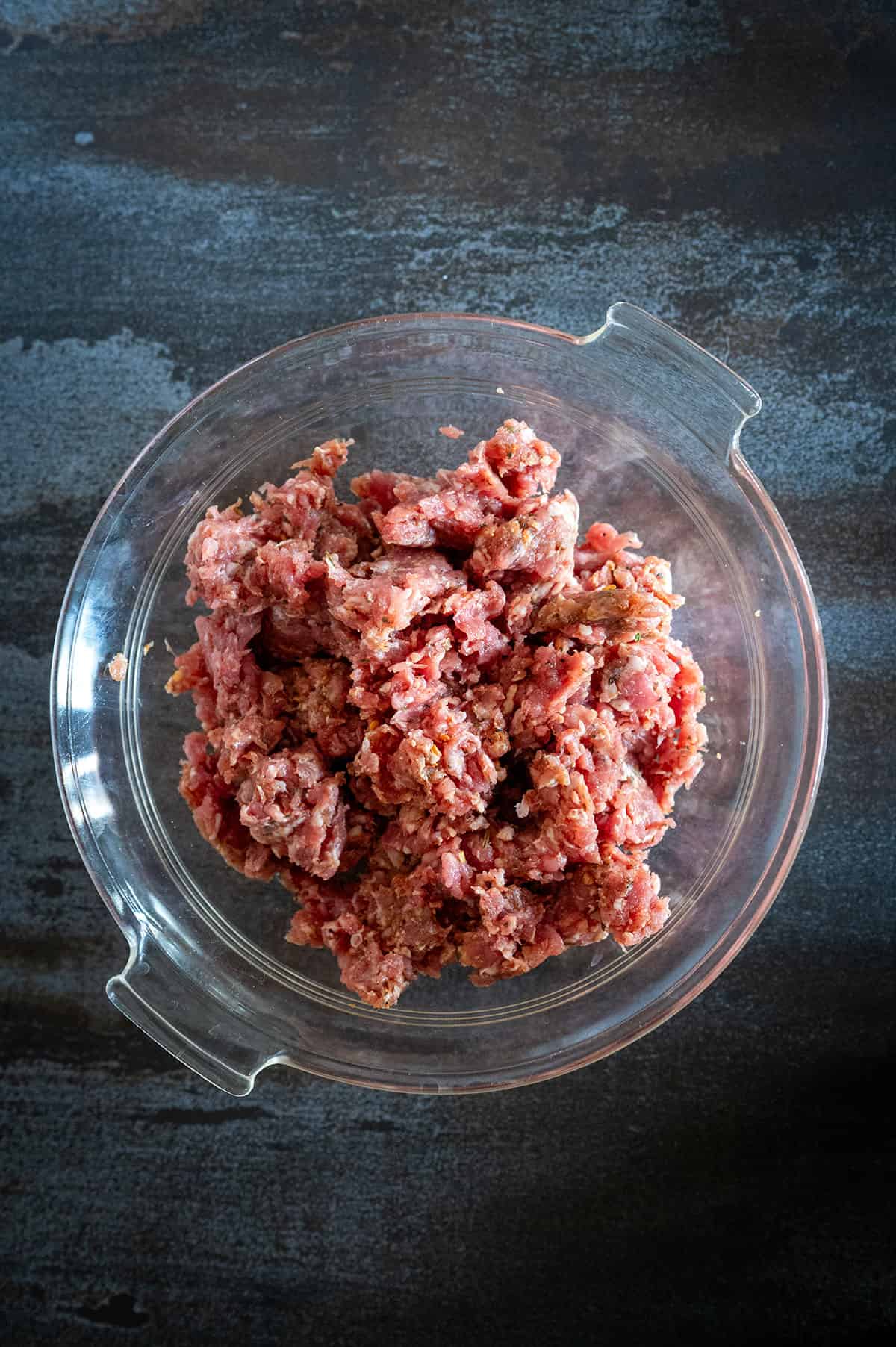
In a large mixing bowl, place the ground pork. Sprinkle the prepared seasoning blend evenly over the meat. Using clean hands, gently but thoroughly mix the seasonings into the ground pork. The key here is to avoid overmixing, which can result in a tough, dense sausage. Mix just until the seasonings are evenly distributed and no dry pockets remain.
Pro Tip: For optimal flavor development, it’s beneficial to chill the seasoned meat mixture for at least 30 minutes or up to overnight in the refrigerator. This allows the flavors to meld and the salt to begin its curing process.
Step 3: Storage Options
Once the sausage mixture is prepared, there are two primary avenues for storage:
-
Option 1: Store Uncooked:
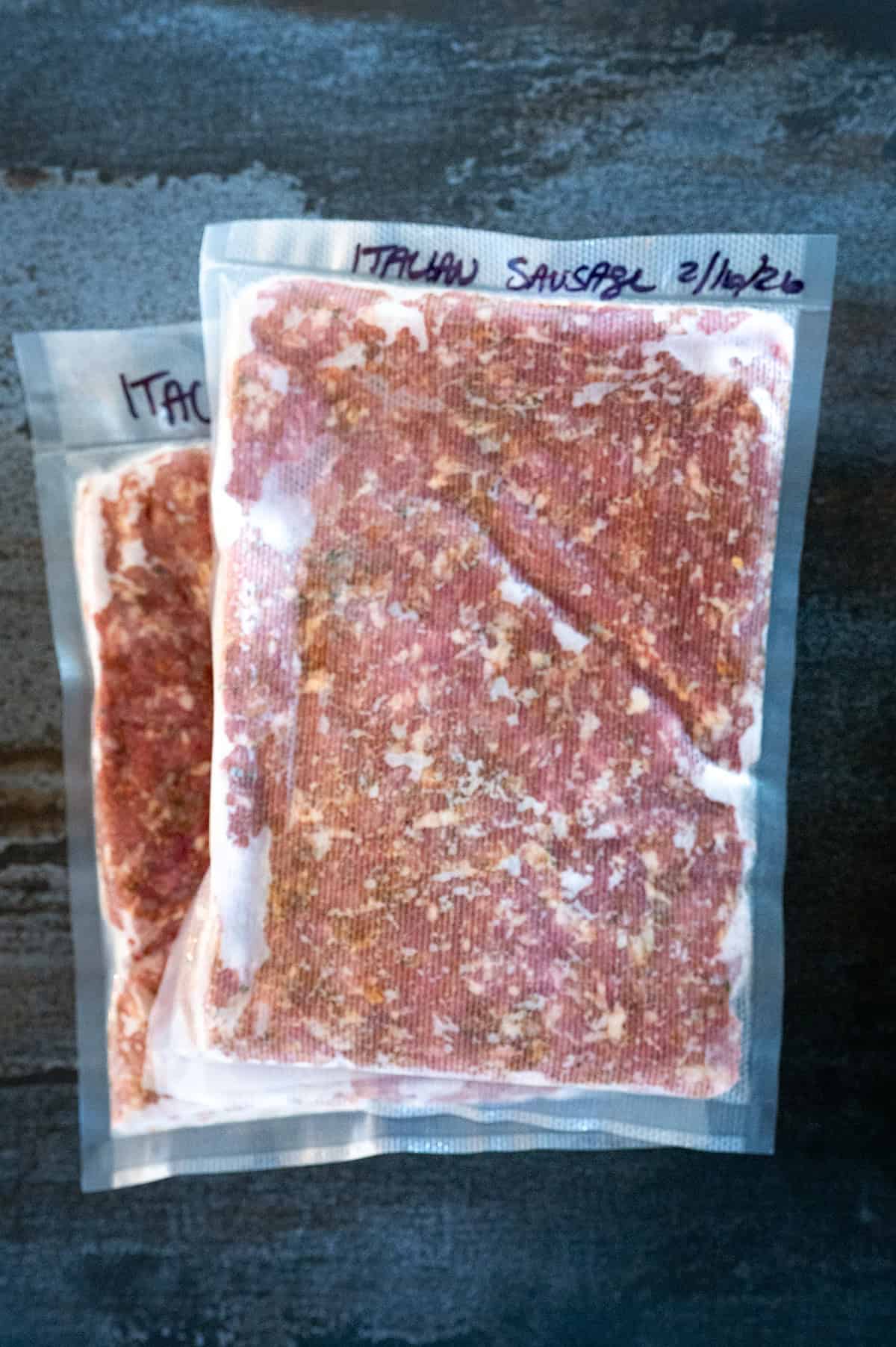
- Freezing for Long-Term Preservation: Divide the sausage mixture into desired portion sizes. Place each portion into heavy-duty freezer bags or vacuum sealer bags. Remove as much air as possible before sealing to prevent freezer burn. Label each bag with the date of preparation. Properly stored, homemade Italian sausage can maintain its quality in the freezer for up to one year.
- Refrigeration for Short-Term Use: For immediate or near-future use, store the uncooked sausage in an airtight container in the refrigerator. It is generally recommended to consume it within 2 to 3 days.
-
Option 2: Cook Immediately:
- If you plan to use the sausage right away, proceed directly to the cooking phase.
Step 4: Cooking the Sausage
To cook the homemade Italian sausage, a simple pan-frying method is highly effective.
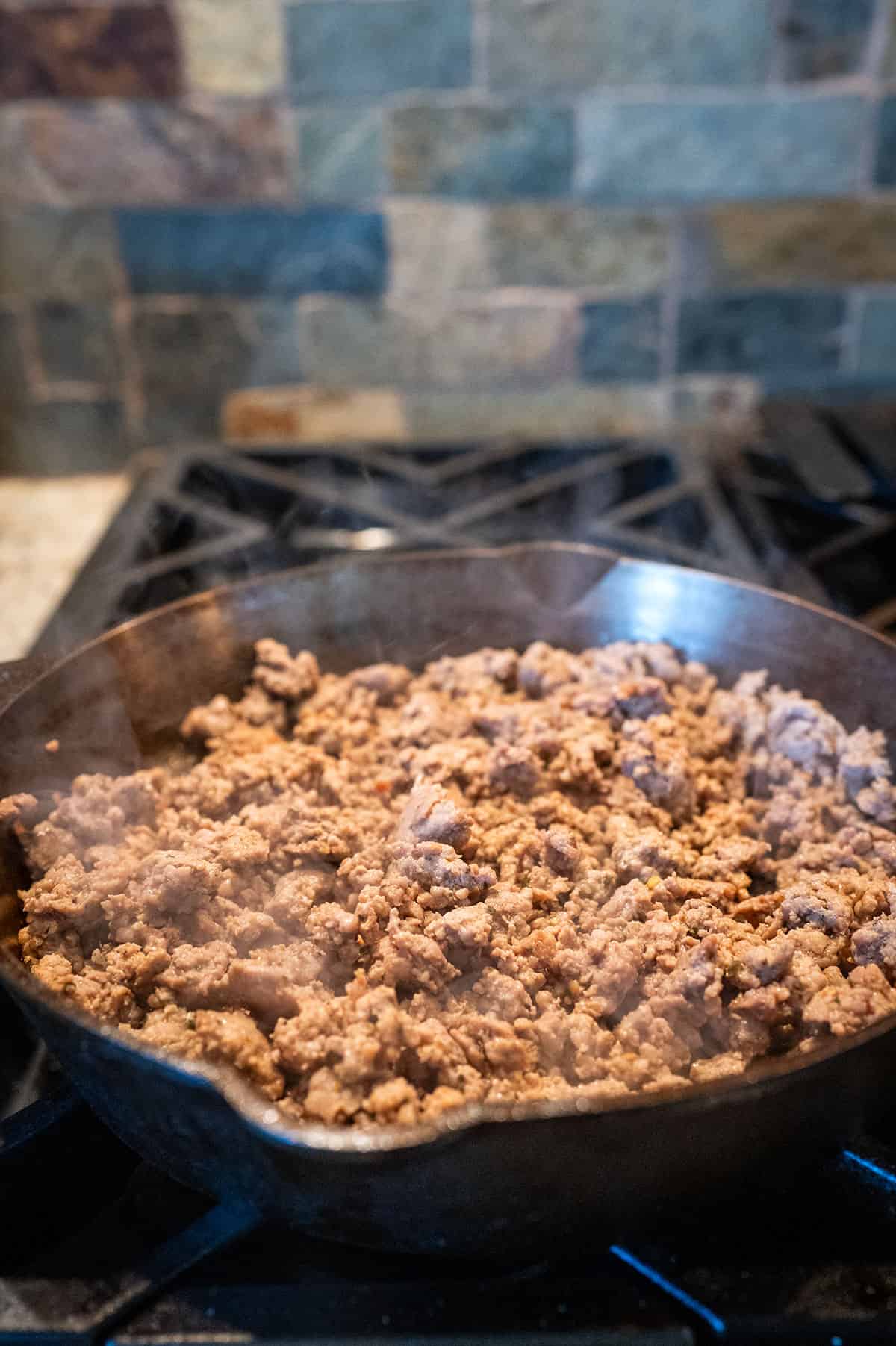
- Heat the Skillet: Place a large skillet over medium heat. Add a small amount of neutral cooking oil, such as vegetable or canola oil, if your pork is particularly lean.
- Add the Sausage: Add the seasoned sausage mixture to the hot skillet. Break it apart with a spoon or spatula as it cooks.
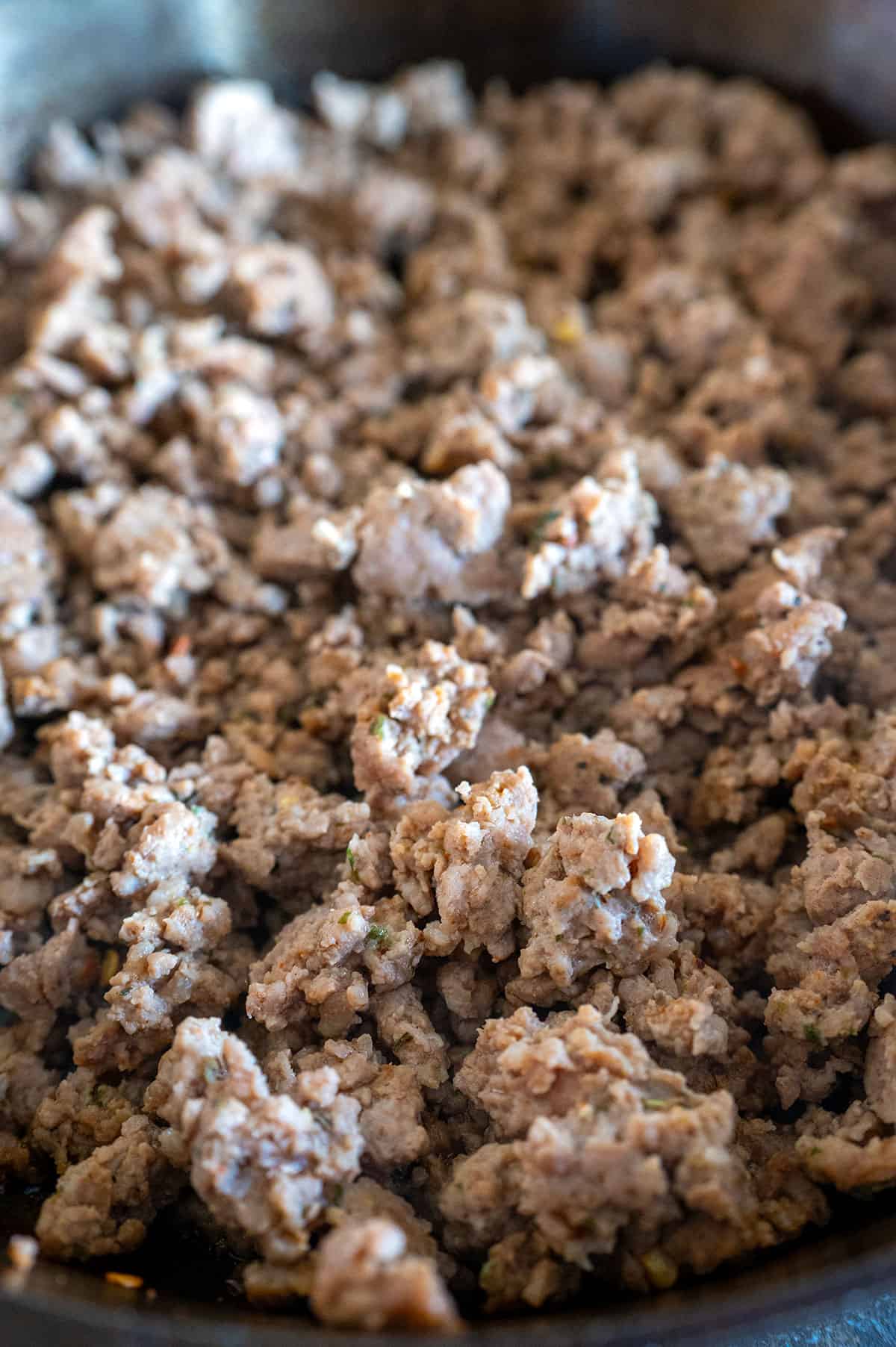
- Cook and Stir: Cook the sausage, stirring frequently, until it is evenly browned on all sides and cooked through. This process typically takes about 8-12 minutes, depending on the size of the pieces.
- Check for Doneness: The sausage is fully cooked when it reaches an internal temperature of 160°F (71°C) when tested with an instant-read thermometer.
- Drain Excess Fat (Optional): Depending on the fat content of the pork, there may be excess grease in the skillet. If desired, carefully tilt the skillet and spoon out the excess drippings.
The cooked sausage can then be used immediately in recipes or stored in the refrigerator for a few days or frozen for longer preservation.
Culinary Applications: Elevating Your Dishes
The versatility of homemade Italian sausage extends to an impressive array of culinary applications, transforming everyday meals into flavorful masterpieces.
- Pasta Dishes: Crumbled and browned Italian sausage is a classic addition to spaghetti sauce, lasagna, baked ziti, and other pasta bakes. Its savory depth enriches tomato-based sauces and creamy pasta dishes alike.
- Soups and Stews: From the hearty Zuppa Toscana, with its creamy broth, kale, and sausage, to the classic Italian Wedding Soup, where tiny meatballs of sausage are simmered with greens and pasta, this ingredient adds a robust and satisfying element.
- Pizza Toppings: Spiced sausage is a beloved pizza topping, offering a flavorful alternative to pepperoni. Its slightly crumbly texture and rich taste complement the cheese and sauce beautifully.
- Stuffed Peppers and Casseroles: Mixed with rice, vegetables, and cheese, Italian sausage makes a flavorful stuffing for bell peppers or a delightful component in various casseroles.
- Sandwiches and Hoagies: The cooked sausage, sliced or crumbled, is a delicious filling for Italian subs, paninis, or even as a topping for gourmet pizzas.
- Appetizers: Small sausage patties or crumbles can be incorporated into appetizers like sausage balls, stuffed mushrooms, or served alongside cheese and crackers.
Storage Best Practices and Food Safety
Proper storage is paramount to maintaining the quality and safety of homemade Italian sausage.
- Refrigeration: Uncooked, freshly made Italian sausage should be stored in an airtight container in the coldest part of the refrigerator. It is advisable to consume it within 2-3 days. Cooked sausage can also be stored in the refrigerator for up to 3-4 days.
- Freezing: For longer storage, freezing is the ideal method. Ensure the sausage is well-wrapped in freezer-safe materials, such as heavy-duty plastic wrap, aluminum foil, or vacuum-sealed bags, to prevent freezer burn and maintain quality. Frozen uncooked sausage can last for up to a year.
- Thawing: To thaw frozen sausage, it is best to transfer it from the freezer to the refrigerator and allow it to thaw slowly overnight. For quicker thawing, sealed sausage can be placed in a bowl of cold water, changing the water every 30 minutes. Avoid thawing at room temperature, as this can promote bacterial growth.
- Cooking Temperature: Always ensure that sausage is cooked to an internal temperature of 160°F (71°C) to eliminate any potential foodborne pathogens. Using an instant-read thermometer is the most reliable way to confirm doneness.
Frequently Asked Questions
Q: What gives Italian sausage its distinct flavor?
A: The distinct flavor of Italian sausage is primarily attributed to fennel seeds, which impart a unique sweet and aromatic note. Garlic and a blend of traditional Italian herbs further contribute to its signature taste.
Q: What cut of meat is typically used for Italian sausage?
A: Pork shoulder, also known as pork butt, is the preferred cut for Italian sausage due to its optimal balance of lean meat and fat. This ratio is crucial for achieving a moist and flavorful sausage.
Q: Is all Italian sausage spicy?
A: No, Italian sausage comes in both sweet (mild) and hot varieties. The "sweet" designation refers to the absence of significant heat, with the flavor profile dominated by fennel and herbs. The "hot" version incorporates red pepper flakes, providing a noticeable level of spiciness that can be adjusted by the maker.
Q: Can I make Italian sausage without a meat grinder?
A: Yes, while a meat grinder offers the best control over texture, you can purchase pre-ground pork shoulder from your butcher or grocery store to make Italian sausage.
Q: How long does homemade Italian sausage last?
A: Uncooked homemade Italian sausage can be stored in the refrigerator for 2-3 days or frozen for up to one year. Cooked sausage can be refrigerated for 3-4 days.
By understanding the fundamental ingredients, mastering the preparation techniques, and embracing the diverse culinary possibilities, home cooks can confidently create delicious and authentic Italian sausage that elevates any meal. The ability to control quality and flavor makes this a truly rewarding culinary endeavor.


