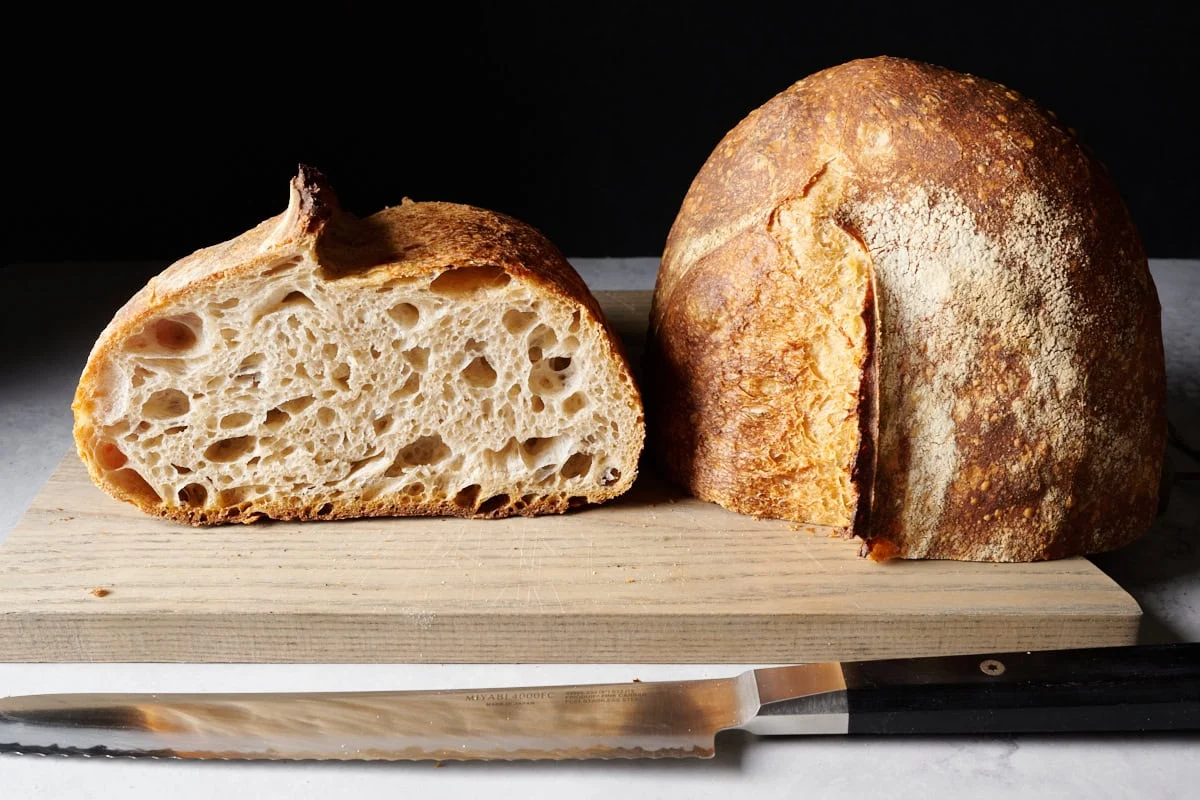
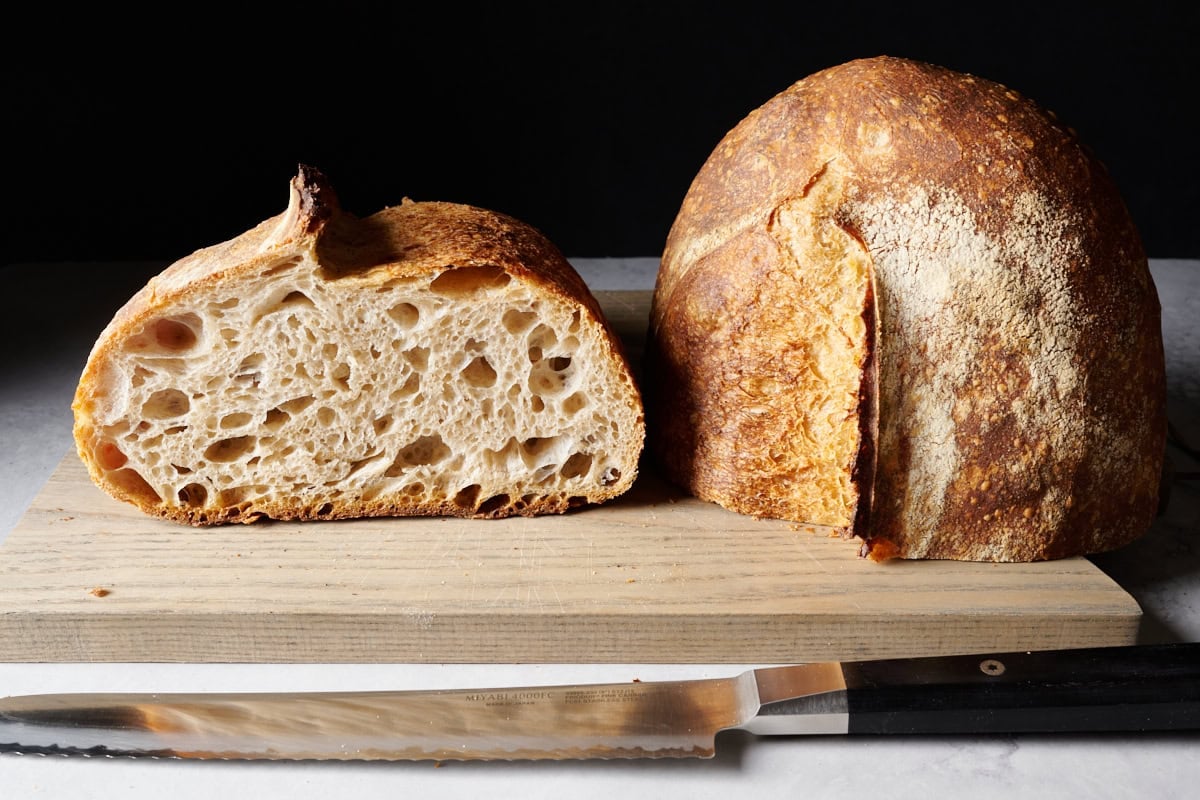
The distinctive tang of sourdough bread is a hallmark of this ancient leavening method, a complex flavor profile resulting from a delicate interplay of microbial activity, time, and temperature. While some bakers ardently pursue an assertive, palate-cleansing sourness, others prefer a more subtle, background acidity that enhances the bread’s inherent grain flavors. Fortunately, the degree of sourness in a sourdough loaf is not left to chance; it is a controllable variable influenced at nearly every stage of the breadmaking process, offering bakers precise command over their final product. This guide explores the intricate science and practical adjustments that empower bakers, from home enthusiasts to commercial artisans, to dial in their sourdough’s tang to perfection.
The Science of Sourdough Sourness: A Microbial Symphony
At the heart of sourdough’s characteristic flavor are the metabolic activities of a diverse community of microorganisms, primarily Lactic Acid Bacteria (LAB) and wild yeasts, residing within the starter. These microbes consume sugars present in the flour, producing a variety of byproducts, including carbon dioxide (for leavening) and a spectrum of organic acids that define the bread’s aroma and taste.
Lactic Acid vs. Acetic Acid: The Flavor Architects
The two principal organic acids responsible for sourdough’s sourness are lactic acid and acetic acid.
- Lactic Acid: This acid imparts a smooth, mellow, and often creamy or yogurt-like tang. It is the milder of the two and contributes to a broader, more integrated sourness. Lactic acid bacteria, predominantly homofermentative species like Lactobacillus plantarum, produce lactic acid as their primary metabolic end-product.
- Acetic Acid: Known for its sharper, more pungent, and vinegar-like notes, acetic acid delivers an assertive bite. Heterofermentative LAB, such as Lactobacillus sanfranciscensis (the eponymous bacterium of San Francisco sourdough), are key producers of acetic acid, especially under certain environmental conditions. Acetic acid also possesses a higher vapor pressure, making it more volatile and easily detectable by smell, hence the sharp, vinegary aroma often associated with an overripe starter.
The ratio of these two acids is critical to the perceived sourness. A higher proportion of lactic acid results in a softer, rounded tang, while an increase in acetic acid leads to a more pronounced, sharper sourness.
The pH Dynamic: Governing Microbial Activity
A fundamental principle governing acid production is the pH of the dough. As LAB metabolize sugars and produce acids, the dough’s pH gradually decreases (becomes more acidic). Bacteria are exquisitely sensitive to their environment, and as the pH drops below optimal ranges (typically around 5.5-6.0 for many LAB), their metabolic activity begins to slow significantly. Eventually, if the pH falls too low (e.g., below 3.8-4.0), bacterial activity can effectively cease. This self-limiting mechanism means that conditions allowing bacteria to function longer before reaching this inhibitory pH threshold will generally result in higher total acid production and, consequently, a more sour loaf.
Enzymatic Contributions: Beyond Acids
Beyond direct acid production, enzymes inherent in flour and those produced by sourdough microbes play a crucial role. Amylase enzymes break down complex starches into simpler sugars (maltose, glucose), providing a continuous food source for both yeast and bacteria. Protease enzymes degrade gluten proteins, impacting dough extensibility and, if excessive, potentially compromising gluten structure. The balance of these enzymatic activities, especially during extended fermentation, further influences the substrate availability for acid production and the overall dough rheology, indirectly affecting flavor and texture.
Historical Roots and Modern Interpretations
Sourdough baking is one of the oldest forms of leavening, predating commercial yeast by millennia. Archaeological evidence suggests its origins in ancient Egypt, where accidental fermentation of grain and water led to the discovery of naturally leavened bread. For centuries, sourdough was the sole method of bread leavening, with regional starters developing unique microbial profiles influenced by local grains, environmental conditions, and baking practices. The iconic San Francisco sourdough, for example, gained its distinct tang partly due to the prevalence of Lactobacillus sanfranciscensis in the Bay Area’s environment. The scientific understanding of these microbial interactions, however, only truly began to blossom with Louis Pasteur’s work in the 19th century and advanced significantly with modern microbiology techniques, allowing bakers to transition from intuitive practice to informed control.
Architecting Acidity: Practical Controls in the Baking Process
Controlling sourdough sourness involves manipulating the environment to favor specific microbial activities and acid production ratios. These adjustments can be systematically applied at various stages of the baking process.
Stage 1: Starter and Levain Management
The health and state of your starter or levain (a portion of starter fed specifically for a bake) are paramount.
-
Starter Ripeness: Timing is Everything:
- To Increase Sourness: Utilize a starter or levain that is past its peak ripeness. This means allowing it to ferment for several hours beyond its maximum rise, typically when it has begun to collapse, exhibits a strong pungent or vinegary aroma, and has a very loose, frothy consistency. At this stage, the microbes have consumed most available sugars and accumulated a significant amount of acids, which will carry through to the final dough. Microbiologists confirm that prolonged fermentation in the starter increases the concentration of both lactic and acetic acids.
- To Decrease Sourness: Employ a starter or levain at its peak ripeness. This is characterized by maximum volume, a dome-shaped top, abundant small bubbles, and a mild, pleasant sweet-sour aroma. At this point, the yeast activity is robust, but excessive acid accumulation has not yet occurred. A well-fed, regularly maintained starter (e.g., fed every 12-24 hours) typically yields a milder flavor profile due to the consistent dilution of accumulated acids.
-
Hydration Ratios: Stiff vs. Liquid Levains:
- To Increase Sourness (Acetic Acid): A stiffer levain (e.g., 50-65% hydration) tends to promote acetic acid production. In lower hydration environments, water activity is reduced, which can slow bacterial metabolism more than yeast activity. This imbalance, particularly when combined with sufficient ripening time, shifts the microbial balance towards heterofermentative LAB and increased acetic acid. Food scientists note that a thicker medium creates a less anaerobic environment, which can also favor acetic acid.
- To Decrease Sourness (Lactic Acid): A more liquid levain (e.g., 100% hydration or higher) generally leads to a smoother, more lactic tang. Higher hydration provides an environment where both yeast and homofermentative LAB thrive, producing more lactic acid relative to acetic acid. The increased water content facilitates nutrient diffusion and creates a more anaerobic condition, which tends to favor lactic acid production.
-
Flour Choice: Whole Grains as pH Buffers:
- To Increase Sourness: Incorporating a higher percentage of whole grain flours, especially rye, significantly increases sourness. Whole grain flours have a higher ash content, which refers to their mineral content. These minerals (e.g., calcium, magnesium) act as natural buffering agents, resisting changes in pH. This means the dough can absorb more acid before its pH drops to a level that inhibits bacterial activity, allowing for a greater total accumulation of acids. Rye flour is particularly potent due to its higher buffering capacity and its specific carbohydrate composition that favors certain LAB strains.
- To Decrease Sourness: Using primarily refined white flour, which has a lower ash content, results in less sour bread. With less buffering capacity, the dough’s pH drops more rapidly, signaling bacteria to slow down acid production sooner.
Stage 2: Bulk Fermentation and Dough Temperature
The bulk fermentation (first rise) is a critical period for flavor development.
-
Temperature’s Dual Role:
- To Increase Sourness (Total Acid): Fermenting dough at warmer temperatures (e.g., 78-82°F / 25-28°C) encourages overall greater bacterial activity. Most LAB have optimal growth temperatures in the range of 89-91°F (32-33°C), so warmer dough keeps them within a comfortable range, leading to higher total acid production, often with a more rounded, lactic character.
- To Increase Sourness (Acetic Acid) / Decrease Sourness (Total Acid): Cooler fermentation temperatures (e.g., 68-72°F / 20-22°C) can shift the type of acid produced towards acetic acid. Cooler conditions slow down bacteria more significantly than yeast. This imbalance can favor the production of acetic acid, even though the total amount of acid produced might be lower due to the overall slower fermentation. Therefore, if the goal is a sharp, vinegary tang, a cooler and longer bulk fermentation might be considered, though it often leads to a lower overall acid profile. Conversely, a cooler, shorter bulk fermentation generally reduces total acid and thus overall sourness.
-
Levain Percentage: The Nuanced Impact:
- To Increase Sourness: Counterintuitively, a smaller levain percentage (e.g., 10-15% of total flour weight as pre-fermented flour) can lead to a more sour loaf. A smaller inoculum means the dough starts at a higher pH, giving the bacteria a longer "runway" to produce acids before the pH drops to inhibitory levels. This requires a significantly extended bulk fermentation time to compensate for the slower start, but it allows for greater total acid accumulation.
- To Decrease Sourness: A larger levain percentage (e.g., 25-35% PFF) introduces more pre-formed acid and microbes, causing the dough’s pH to drop quickly from the outset. While this speeds up fermentation, the rapid drop in pH can prematurely inhibit further acid production by the bacteria. Coupled with the typically shorter fermentation times associated with larger levain percentages, this often results in a milder bread.
Stage 3: Cold Proofing – The Flavor Accelerator
The cold proof (retardation) in the refrigerator is a highly effective and reliable method for manipulating sourness.
- To Increase Sourness: Extending the cold proof duration (e.g., 24-48+ hours) is one of the most consistent ways to intensify sourness. While cold temperatures significantly slow microbial activity, they do not halt it entirely. Crucially, yeast activity is slowed less than bacterial activity under refrigeration. Yeast continue to produce sugars, which LAB convert into acids. Furthermore, colder conditions tend to favor the production of acetic acid over lactic acid. This double effect—more total acid accumulating over an extended period, and a higher proportion of it being the sharper acetic acid—results in a significantly more pronounced tang. Artisan bakers often employ extended cold proofs, sometimes up to 72 hours, for intensely flavored loaves, as documented in numerous professional baking texts. However, excessively long cold proofs can lead to gluten degradation by proteases, potentially compromising dough structure and oven spring.
- To Decrease Sourness: Shortening the cold proof (e.g., 10-12 hours) or skipping it entirely by proofing at room temperature (2-4 hours) will substantially reduce sourness. Less time in the cold means less time for acids to accumulate and for the acetic acid-favoring conditions to take effect, yielding a bread with a milder, more grain-forward flavor profile.
Cultivating Milder Profiles: Strategies for Subtlety
For bakers seeking a bread with present but subtle sourness, the reverse adjustments are employed:
- Keep Your Starter Well-Fed: Regularly feeding your starter (e.g., daily or every 12 hours) dilutes accumulated acids and provides fresh nutrients, preventing it from becoming overly acidic.
- Use a Young Levain: A "young" levain, one that has risen but not yet reached its absolute peak (e.g., 3-4 hours at 78-80°F with a 1:1:1 ratio of starter:flour:water), will contribute robust yeast activity for leavening with minimal accumulated acidity. This type of levain is popular for applications like sourdough pizza, where a mild flavor is desired.
- Shorten the Cold Proof: As detailed above, reducing refrigeration time curtails acid development.
- Use a Liquid Levain: A 100% hydration levain, by favoring lactic acid production, contributes a gentler, less aggressive sourness.
- Ferment Cooler (for less total acid): While cooler temperatures can shift acid type, a cooler, shorter bulk fermentation limits the overall time for acid production, resulting in a milder loaf, provided it is not underproofed.
- Use a Larger Levain Percentage: Paradoxically, a larger levain can lead to less sourness by rapidly lowering the dough’s pH, thereby inhibiting further acid production, and by accelerating fermentation, reducing the total time for acid accumulation.
Troubleshooting: When the Tang Goes Missing
A common frustration for new sourdough bakers is a lack of tang, resulting in bread that tastes merely "like bread" rather than distinctively sourdough.
- Immature Starter: A new starter (less than 2-3 weeks old) often lacks the established, diverse bacterial population needed for significant acid production. Patience and consistent feeding are key to developing a mature, flavorful starter.
- Premature Levain Use: If the levain is used before it has fully ripened, insufficient fermentation time will have passed for acids to accumulate. The levain should show clear signs of activity (doubled, bubbly, mild sweet/sour aroma).
- Insufficient Fermentation Time: Both bulk fermentation and final proof contribute to flavor. Rushing these stages, or allowing them to proceed too quickly in a warm environment, means less time for flavor-producing acids to develop. Extending bulk fermentation by 30-60 minutes or incorporating an overnight cold proof can resolve this.
- Overly Warm Environments: In very warm kitchens (above 80°F / 27°C), fermentation can proceed so rapidly that the dough reaches full proof before adequate acid development. This results in well-leavened but bland bread. Using cooler mixing water or moving to an extended cold proof can mitigate this.
- Refined Flour Focus: As previously discussed, low-ash refined flours have less buffering capacity, leading to a quicker pH drop and less total acid accumulation. Incorporating a small percentage of whole wheat or rye can significantly boost tang.
Beyond Flavor: The Broader Implications of Sourdough Fermentation
The meticulous control over sourdough fermentation extends beyond mere flavor.
- Nutritional Benefits and Digestibility: The prolonged fermentation process can predigest gluten proteins, potentially improving digestibility for some individuals sensitive to gluten. It also enhances the bioavailability of certain nutrients (e.g., minerals like iron, zinc, and magnesium) by breaking down phytic acid, an anti-nutrient found in grains. This makes sourdough a focus of nutritional research and a preferred choice for health-conscious consumers.
- Commercial Consistency and Artisanal Craft: For commercial bakeries, understanding these controls is vital for achieving consistent product quality and differentiating their offerings. Bakeries can establish signature flavor profiles by precisely managing their fermentation parameters, catering to specific market preferences. This blend of scientific understanding and artisanal skill defines much of the high-end bread market.
- The Home Baker’s Journey: Experimentation and Intuition: For home bakers, the journey of mastering sourdough sourness is one of continuous learning and experimentation. It cultivates an intuitive understanding of microbial behavior, dough rheology, and the profound impact of subtle environmental shifts. It transforms baking from a mere recipe-following exercise into a deeply engaging scientific and artistic pursuit.
Conclusion
Sourdough bread, with its dynamic flavor profile, offers an unparalleled canvas for bakers to express their preferences. The interplay of time, temperature, flour composition, and microbial management provides a comprehensive toolkit for manipulating sourness. There is no singular "correct" level of tang; the ideal sourdough is ultimately a matter of personal taste and culinary intent. By systematically experimenting with variables—changing one parameter at a time and meticulously observing the results—bakers can cultivate both the scientific understanding and the intuitive feel necessary to consistently produce loaves that perfectly align with their desired flavor spectrum. Happy baking is informed baking, where every loaf tells a story of microbial cooperation and thoughtful human intervention.