
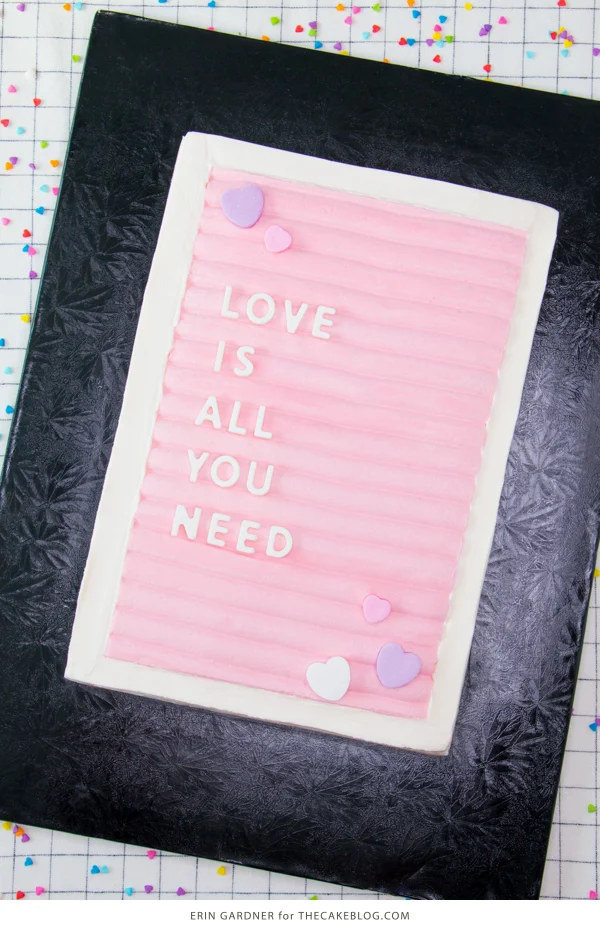
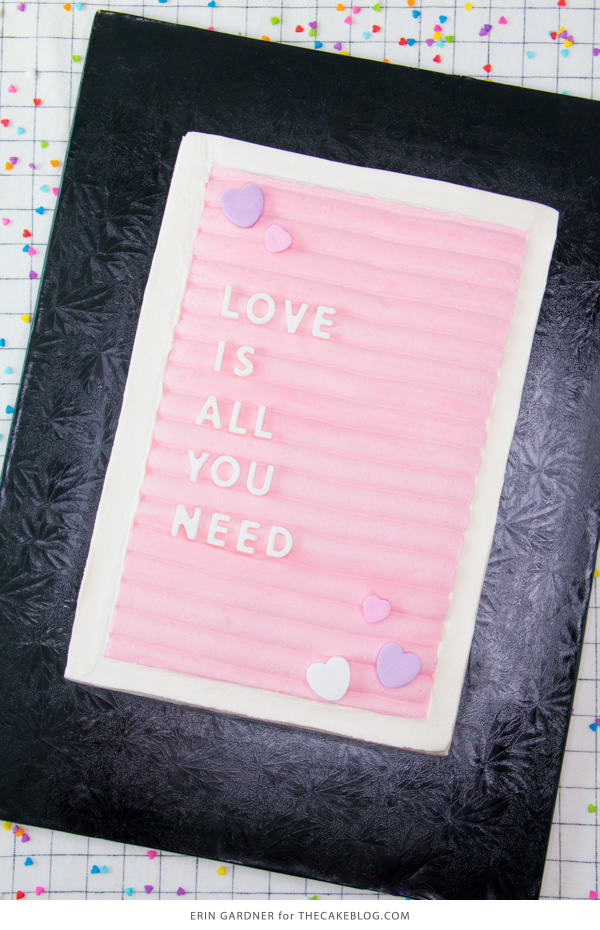
A new tutorial by cake decorator Erin Gardner offers a unique and interactive approach to cake design, transforming a simple sheet cake into a customizable "message board." This innovative technique allows individuals to convey messages, emotions, or announcements through edible art, making it suitable for a wide array of occasions. Gardner’s tutorial, featured on The Cake Blog, emphasizes adaptability, providing methods for achieving the signature look whether one possesses specialized tools or not.
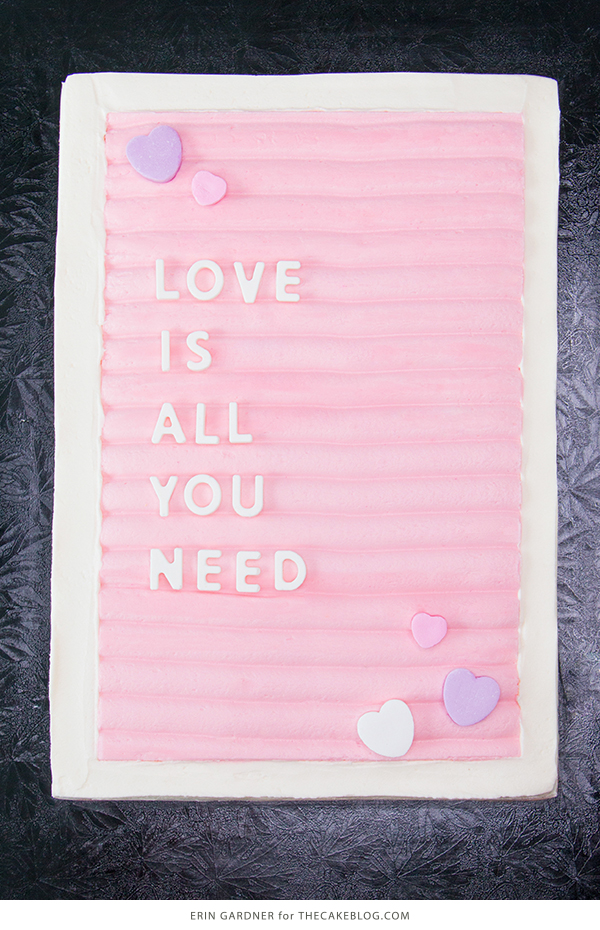
The core of the design lies in its ability to mimic the visual appeal of a traditional message board, complete with raised lettering and a textured surface. This allows for a highly personalized touch, moving beyond generic decorations to create a cake that speaks directly to the recipient or event. The versatility of this design means it can be adapted for everything from heartfelt Valentine’s Day greetings to celebratory birthday messages, gender reveals, baby showers, or even simple declarations of affection.
The Art of Edible Communication
Erin Gardner, a contributor to The Cake Blog, has developed a tutorial that democratizes creative cake decoration. "I’m a big fan of cake designs that offer many paths to the destination!" Gardner states in her tutorial. This philosophy is evident in the design, which can be executed with or without specific cake decorating tools like a scalloped cake comb or small letter molds. For those who have these tools, the process is streamlined. However, for those without, Gardner provides alternative methods, ensuring that the message board aesthetic is accessible to a broader audience.
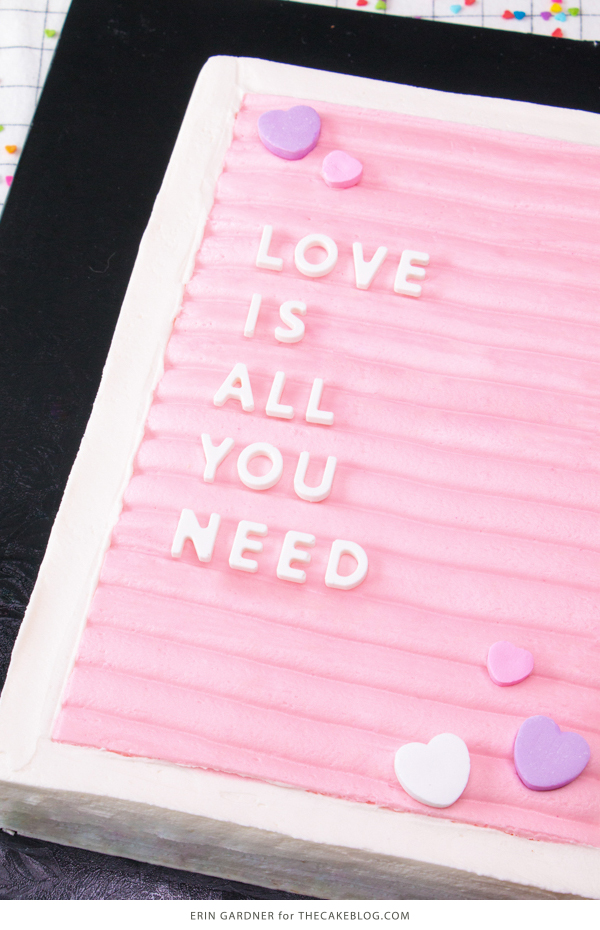
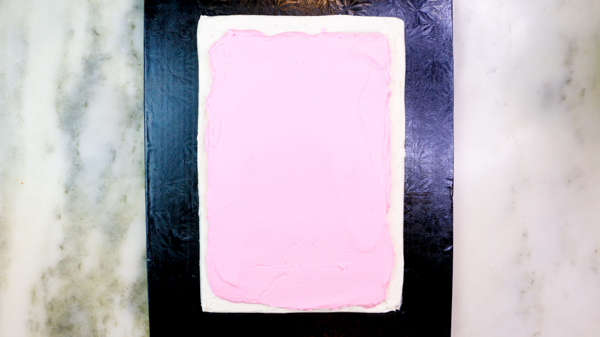
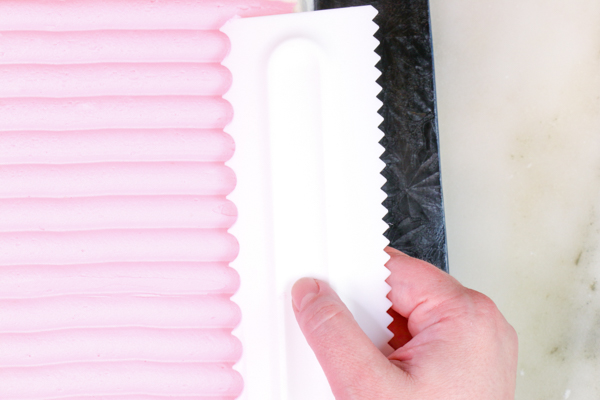
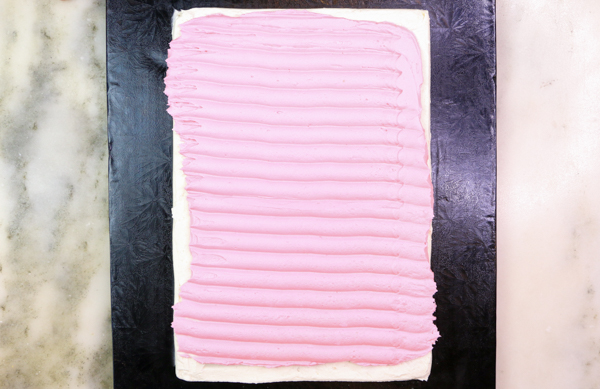
The tutorial breaks down the process into two key components: creating the "message board" surface and crafting the edible "letters." The message board effect is achieved by applying a generous, level layer of buttercream to the sheet cake. This is then textured to resemble the grooves of a message board. Gardner suggests using a scalloped cake comb, dragging it through the buttercream to create parallel lines. She advises overlapping the comb by a line or two as one works down the cake, ensuring a consistent pattern. For those without a comb, an alternative is to use a piping bag fitted with a large round tip to pipe straight lines across the cake. This method, while effective, is noted to be more buttercream-intensive.
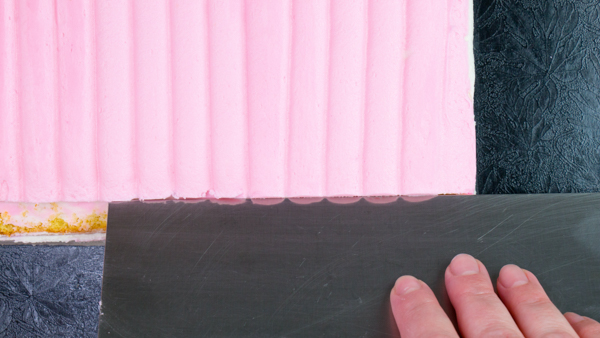
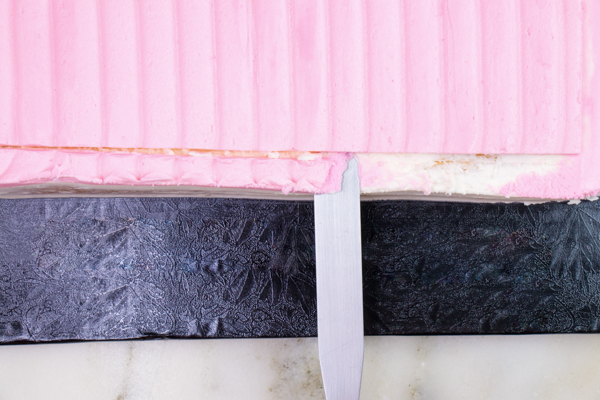
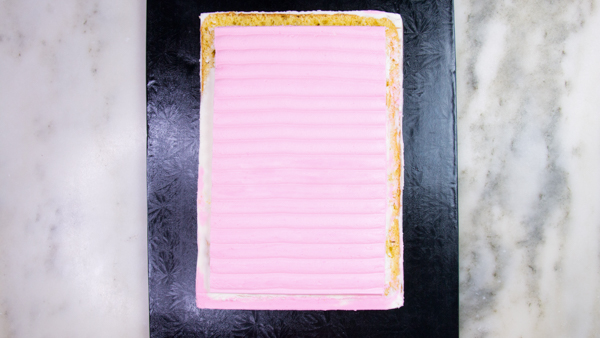
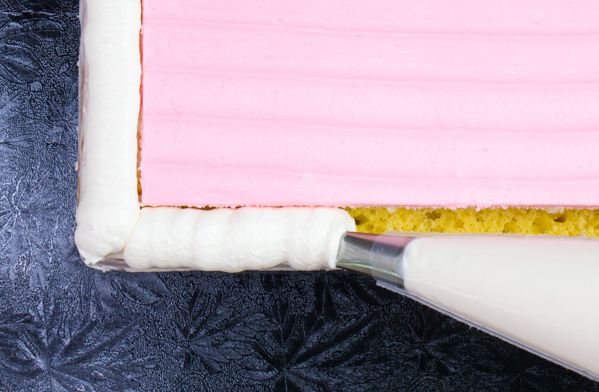
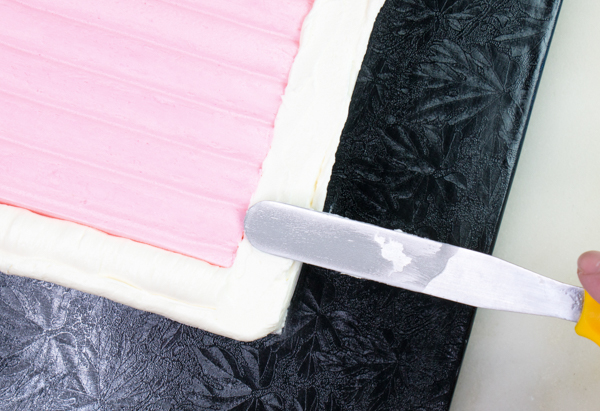
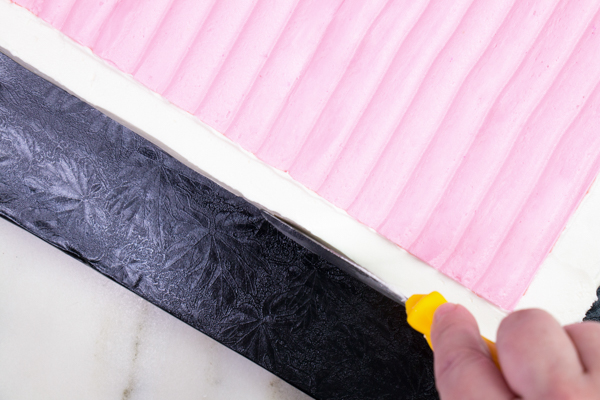
Following the creation of the textured surface, a border is added to frame the message board. This is achieved by using a bench scraper dipped in warm water to cut a clean border around the edges of the cake. Excess frosting is then carefully removed with a small icing spatula. The border itself is then decorated, typically with a basketweave pattern piped using a basketweave tip. This adds a classic, framed look that enhances the overall message board illusion.
Crafting the Message
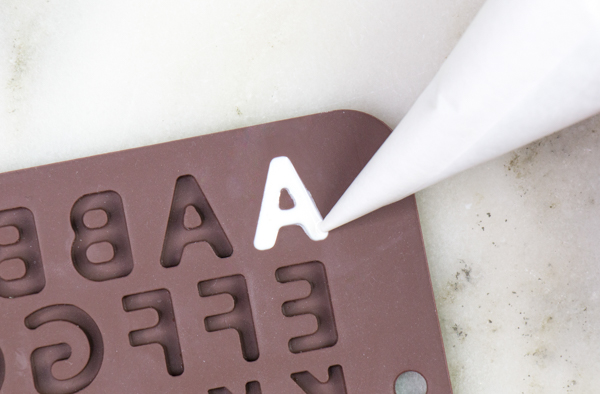
The second crucial element of this design is the creation of the edible letters. Gardner’s tutorial details how to form these using white chocolate. The process involves melting white chocolate and then carefully filling small letter molds. To ensure the letters are smooth and free of air bubbles, the mold is tapped gently against a work surface. Excess chocolate is scraped away with a knife or spatula, and the chocolate is then allowed to set. This can be done at room temperature or expedited by chilling the mold.
For individuals who do not have letter molds, Gardner offers an ingenious alternative. This involves printing or hand-writing the desired message on paper, covering it with parchment paper, and taping it down. The message is then traced onto the parchment paper using piped white chocolate. Once set, these hand-piped letters can be carefully peeled off and used on the cake. This adaptability ensures that the concept remains achievable regardless of available equipment.
Timeless Appeal and Modern Interpretation
The message board cake taps into a nostalgic sentiment, recalling the familiar signage of diners, community centers, and schools. This familiar visual cue instantly communicates a sense of directness and personalization. By translating this concept into a culinary medium, Gardner offers a novel way to engage with celebrations and expressions of sentiment.
The Valentine’s Day context mentioned in the tutorial highlights the design’s potential for conveying personal messages. In recent years, there has been a growing trend towards personalized gifts and experiences, particularly around holidays like Valentine’s Day. Data from the National Retail Federation has consistently shown a rise in spending on personalized gifts, reflecting a consumer desire for items that are unique and thoughtfully chosen. A message board cake fits perfectly within this trend, offering a memorable and edible expression of love or appreciation.
Beyond romantic gestures, the tutorial points out the design’s suitability for other significant life events. For baby showers, it could announce the gender of the baby or the due date. For birthdays, it can feature a personalized greeting or inside joke. The flexibility in color choices for the buttercream and chocolate allows for further customization to match any event’s theme or color scheme. For instance, a gender reveal cake could feature pink or blue buttercream and lettering, while a birthday cake might use vibrant colors and a playful font.
Broader Implications for the Baking Industry
Erin Gardner’s "Message Board Sheet Cake" tutorial represents a broader trend in the cake decorating world: the fusion of artistic expression with interactive and personalized elements. This approach not only elevates the aesthetic appeal of cakes but also enhances their communicative power. As consumers increasingly seek unique and shareable experiences, particularly through social media platforms, visually striking and conceptually interesting cakes like this one gain significant traction.
The emphasis on accessible techniques and alternative methods is also a crucial aspect. It demonstrates a commitment to inclusivity within the creative community, empowering individuals with varying skill levels and access to resources to achieve professional-looking results. This can lead to a wider adoption of such designs, fostering a more dynamic and engaged baking community.
The ability to adapt the message board cake for numerous occasions suggests a strong market demand for versatile decoration techniques. This can have implications for cake businesses, encouraging them to offer more customizable options and to showcase designs that allow for personal expression. The tutorial’s success on platforms like The Cake Blog, which garners significant traffic from both amateur bakers and industry professionals, underscores the appeal of such innovative and practical cake decorating ideas.
Conclusion
Erin Gardner’s "Message Board Sheet Cake" tutorial is more than just a recipe; it’s an invitation to be creative and to communicate through edible art. By offering a familiar yet novel design, coupled with adaptable techniques, Gardner has provided a valuable resource for anyone looking to add a personal and memorable touch to their baked creations. The design’s inherent versatility ensures its relevance for a wide range of celebrations, making it a standout example of modern cake artistry. As the demand for personalized experiences continues to grow, the message board cake stands as a testament to the power of creativity to make any occasion sweeter and more meaningful.


