
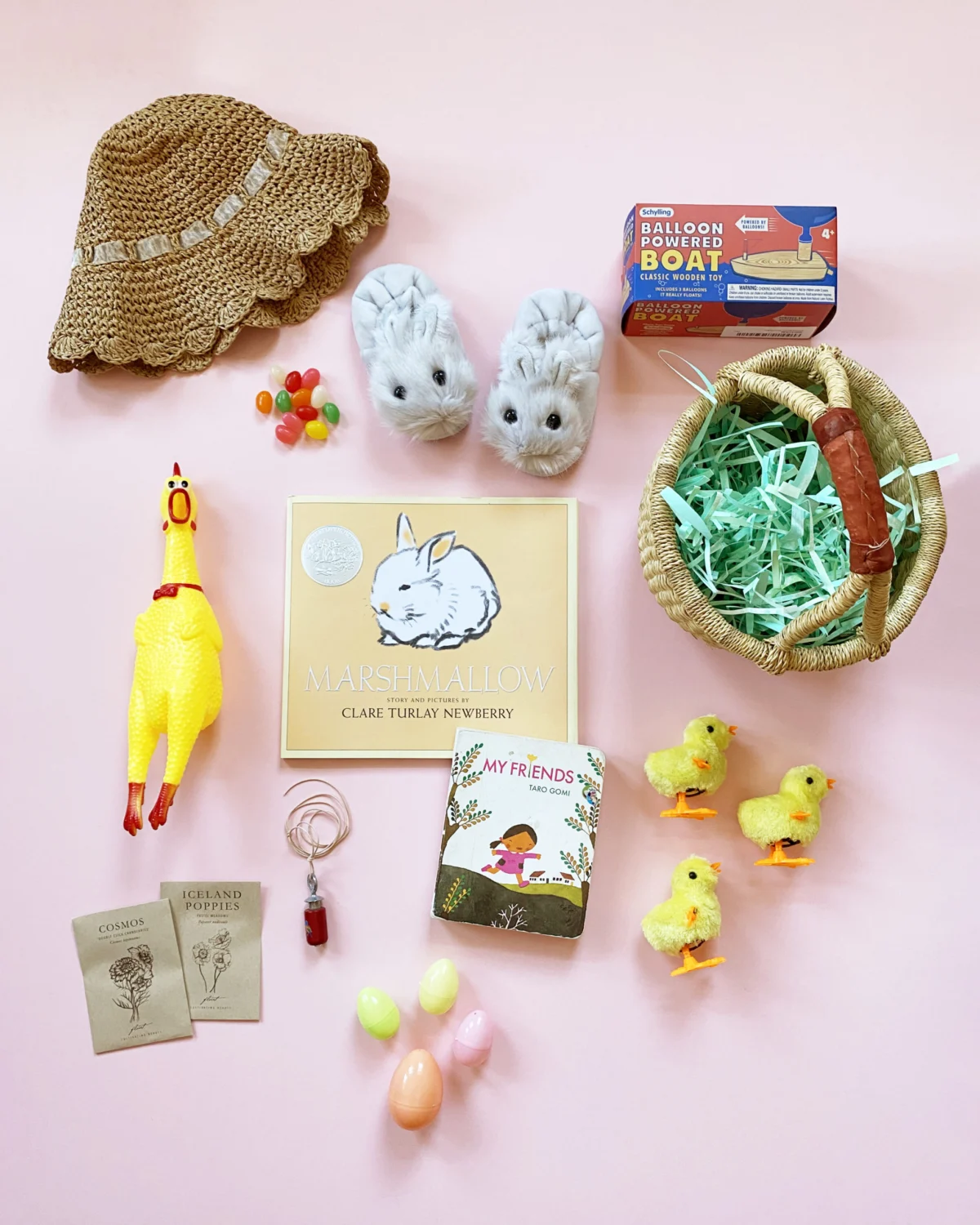
The digital landscape for lifestyle media and specialized e-commerce has undergone a significant transformation over the last decade, with Oh Happy Day emerging as a primary case study in successful brand scaling. Originally established as a design and lifestyle blog, the platform has effectively bridged the gap between inspirational content and retail execution, leveraging a massive social media footprint to command a significant share of the DIY (Do-It-Yourself) and party planning market. Recent data indicates that the brand has amassed a collective following exceeding 837,000 across its primary social channels, including 515,000 followers on its most prominent visual discovery platform, alongside 295,000 and 27,000 on secondary and tertiary networks respectively. This digital reach serves as the foundation for its integrated business model, which combines a high-volume e-commerce storefront, a multi-platform video production wing, and a highly engaged newsletter subscriber base.
The Evolution of the Oh Happy Day Ecosystem
The trajectory of Oh Happy Day from a niche creative outlet to a diversified commercial entity reflects broader trends in the global party supplies market, which was valued at approximately $12.7 billion in 2021 and is projected to reach $20.3 billion by 2030. The brand’s growth is characterized by a strategic move from content curation to product manufacturing and direct-to-consumer (DTC) sales. By positioning itself as both a source of aesthetic inspiration and a supplier of the necessary materials, Oh Happy Day has created a closed-loop consumer experience that bypasses traditional big-box retailers.
The organization’s current infrastructure is divided into three primary pillars: digital publishing, social media influence, and the Oh Happy Day Party Shop. The latter has become a significant revenue driver, offering curated aesthetic goods that cater to the "Instagrammable" event trend. This synergy between "how-to" content and "where-to-buy" functionality has allowed the brand to maintain high retention rates in an increasingly fragmented digital economy.
Chronology of Brand Development and Market Expansion
To understand the current market position of Oh Happy Day, it is necessary to examine the chronological milestones that defined its expansion:

- 2006 – 2010: The Formative Years: Launched during the initial "blogging boom," the platform focused on high-quality photography and unique DIY projects. It quickly gained traction among event planners and graphic designers seeking a modern alternative to traditional party aesthetics.
- 2011 – 2014: Diversification and Editorial Scaling: The brand expanded its editorial team, moving from a personal blog to a professionalized digital magazine. During this period, the brand began collaborating with major corporate partners, establishing its authority in the creative sector.
- 2015: The Launch of the Party Shop: Recognizing the monetization limits of display advertising, the leadership launched the Oh Happy Day Party Shop. This moved the company into the logistics and e-commerce space, requiring a significant investment in supply chain management and warehouse operations.
- 2017 – 2019: Physical Experiences and The Color Factory: The founder of Oh Happy Day, Jordan Ferney, co-founded The Color Factory, a massive experiential art exhibit. This move validated the brand’s ability to translate digital aesthetic trends into physical, high-traffic consumer experiences.
- 2020 – Present: Video Integration and Digital Resilience: Amidst the global shift toward home-based celebrations, the brand intensified its video production across Vimeo, YouTube, and Facebook. This period saw a surge in newsletter subscriptions as consumers sought curated home activities and sophisticated DIY resources.
Data-Driven Analysis of Social Influence and Reach
The strength of Oh Happy Day lies in its calculated distribution of content across various digital touchpoints. The brand’s internal metrics reveal a sophisticated understanding of audience demographics and platform-specific behavior.
The 515,000-strong following on its primary visual platform (Pinterest) serves as the top of the marketing funnel. In the DIY and party sector, Pinterest acts as a search engine for intent-based consumers. By maintaining a dominant presence here, Oh Happy Day captures users at the "inspiration phase" of the consumer journey. The 295,000 followers on its secondary platform (likely Instagram) represent the "engagement phase," where the brand fosters community and showcases lifestyle integration.
Furthermore, the brand’s video strategy is notably decentralized. Unlike many contemporary influencers who rely solely on a single platform, Oh Happy Day maintains active channels on Vimeo, Facebook, and YouTube. This prevents platform dependency and allows the brand to capture different demographic segments—Vimeo for high-end design professionals, YouTube for younger DIY enthusiasts, and Facebook for the established parental demographic.
The Role of the Weekly Newsletter in Consumer Retention
While social media metrics often garner the most attention, the "Join Our Weekly Newsletter" initiative remains a critical component of the brand’s stability. In an era of fluctuating social media algorithms, direct-to-inbox communication provides a reliable method for driving traffic to the Oh Happy Day Party Shop.
Market analysts note that email marketing in the hobby and stationery sector typically yields a higher Return on Investment (ROI) than social media advertising. For Oh Happy Day, the newsletter serves as a curated digest that reminds consumers of upcoming seasonal events—such as birthdays, holidays, and graduations—effectively acting as a recurring nudge toward the e-commerce platform. The integration of "Get posts straight to your inbox" features ensures that the editorial content continues to serve as a soft-sell for the retail inventory.

Industry Implications and the Rise of "Curated Commerce"
The success of Oh Happy Day is indicative of a larger shift toward "curated commerce." Consumers are increasingly moving away from the overwhelming and often low-quality selections found on mass-market platforms like Amazon or eBay. Instead, they are gravitating toward trusted tastemakers who provide a pre-vetted selection of goods.
By maintaining a "professional journalistic tone" in its DIY tutorials and editorial pieces, Oh Happy Day builds a level of trust that traditional retailers struggle to emulate. When the platform recommends a specific color palette or a particular type of streamer, it is viewed as an expert recommendation rather than a sales pitch. This authority allows the brand to command premium pricing for products that might otherwise be considered commodities.
Statements and Reactions from the Design Community
Industry peers and market observers have frequently cited Oh Happy Day as a benchmark for the "prosumer" movement. "What we see with Oh Happy Day is the professionalization of the hobbyist," says one digital marketing analyst specializing in the lifestyle sector. "They haven’t just built a blog; they’ve built a lifestyle infrastructure. Their influence on the ‘party aesthetic’ of the last decade—moving from cluttered, character-themed parties to minimalist, color-blocked events—cannot be overstated."
Retail competitors have also taken note. The success of the Oh Happy Day Party Shop has forced traditional party supply stores to reconsider their digital presence and aesthetic offerings. The "Oh Happy Day effect" has led to a market-wide increase in demand for eco-friendly materials, sophisticated color stories, and high-design disposable goods.
Future Outlook: Sustainability and the Digital-Physical Divide
As the brand moves forward, it faces the dual challenges of sustainability and digital saturation. The party supply industry is under increasing pressure to move away from single-use plastics. Oh Happy Day has the opportunity to lead this transition by leveraging its design expertise to create high-quality, reusable, or compostable party goods.

Additionally, the brand’s continued investment in video content suggests a move toward more immersive digital education. As augmented reality (AR) begins to play a role in interior design and event planning, Oh Happy Day’s massive archive of visual assets and its strong relationship with its 837,000+ followers position it to be an early adopter of new technologies that bridge the gap between digital inspiration and physical execution.
In conclusion, Oh Happy Day represents the successful evolution of the modern media company. By diversifying its revenue streams across e-commerce, video production, and digital publishing, and by maintaining a robust presence across multiple social platforms, the brand has secured its place as a dominant force in the global creative economy. Its ability to influence consumer behavior through high-quality content and a curated retail experience remains a blueprint for digital-first brands in the 21st century.


