
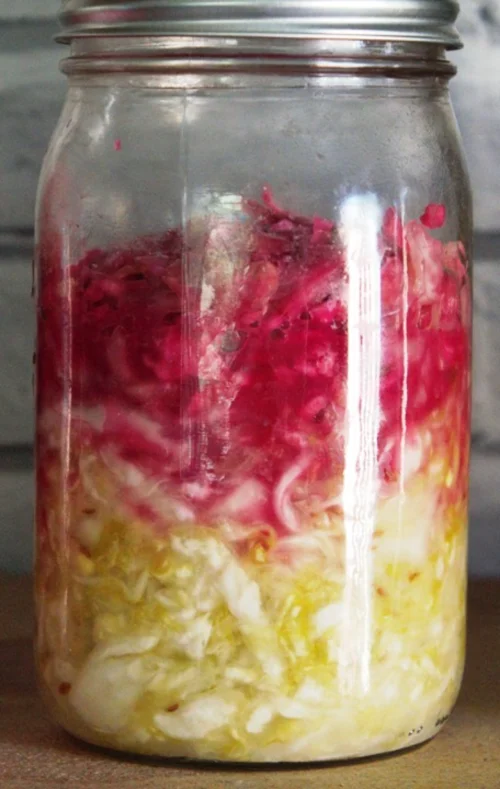
Temperature stands as an unseen conductor in the intricate symphony of fermentation, profoundly influencing the speed, safety, and sensory characteristics of fermented foods and beverages. From ancient root cellars to modern seedling mats, humanity has long understood that controlling the thermal environment is paramount to harnessing the power of microorganisms for preservation and flavor development. This fundamental principle dictates the very success of transforming raw ingredients into probiotic-rich, complex culinary creations.
The core of fermentation lies in the metabolic activities of various microbes—bacteria, yeasts, and molds—which convert sugars and other compounds into acids, alcohols, gases, and an array of flavor precursors. These microscopic workers, much like humans, exhibit optimal performance within specific thermal ranges. Deviations from these ideal conditions can dramatically alter their efficiency, favor undesirable organisms, or halt the process entirely, underscoring why temperature is not merely a preference but a critical control point in any successful ferment.
The Scientific Basis: Microbes, Metabolism, and Temperature Sensitivity
Microorganisms, whether lactic acid bacteria (LAB) responsible for sauerkraut and kimchi, yeasts driving kombucha, or fungi cultivating tempeh and koji, are biological entities whose enzymatic reactions are highly temperature-dependent. Enzymes, the catalysts of life, function optimally within narrow thermal windows. Below this range, enzyme activity slows significantly, leading to sluggish fermentation or complete dormancy. Above it, enzymes can denature, irreversibly losing their structure and function, effectively "killing" the culture.
Most common fermentation microbes are mesophilic, thriving in moderate temperatures, typically between 68°F and 104°F (20°C to 40°C). This preference explains why many traditional ferments were conducted at ambient "room temperatures" of pre-industrial homes. However, specific cultures, like those used in yogurt, are thermophilic, requiring higher temperatures for optimal growth and acid production, while others, less common in home fermentation, might be psychrophilic (cold-loving) or hyperthermophilic (extremely heat-loving).
When temperatures are too low (e.g., below 68°F/20°C), fermentation proceeds at a significantly reduced pace. This extended duration increases the risk of spoilage from opportunistic, non-beneficial microorganisms that might tolerate colder conditions better or simply have more time to establish themselves before the desired lactic acid bacteria can create an inhibitory acidic environment. The resulting product may lack the desired tang, texture, or probiotic potency. Conversely, excessively high temperatures (e.g., above 80°F/27°C for many vegetable ferments) can accelerate fermentation too rapidly, leading to undesirable off-flavors, mushy textures, and potentially favoring the growth of spoilage organisms or even some pathogenic bacteria before the pH drops sufficiently. A ferment that finishes too quickly often hasn’t had the time to develop the complex flavor compounds that make it desirable.
A Chronology of Temperature Control in Fermentation
The art of fermentation predates recorded history, with evidence suggesting its practice dates back thousands of years. Early humans likely discovered fermentation by accident, observing the transformative effects of microbes on various foods. Without the aid of modern science or technology, their understanding of temperature control was purely empirical, born from observation and necessity.
- Ancient Origins (Pre-Refrigeration Era): For millennia, fermentation was primarily a preservation technique, crucial for extending the shelf life of seasonal harvests. Lacking refrigeration, our ancestors ingeniously leveraged natural environments to manage fermentation temperatures. Basements, cellars, caves, and most notably, root cellars, served as natural incubators and storage facilities. These subterranean structures maintained a remarkably consistent cool temperature, typically around 55°F (13°C) – often referred to as "earth temperature" – year-round. This stable, cool environment allowed vegetables to ferment ever so slowly, sometimes over entire winters and springs, developing profound flavors and textures. The barrel of "kraut-chi" mentioned, put up at Sandor Katz’s Fermentation Residency, is a modern echo of these ancient practices, utilizing large containers for communal, slow fermentation.
- Industrial Revolution to Mid-20th Century: With industrialization came advances in food processing, but household temperature control remained largely manual. Iceboxes and later, early electric refrigerators, began to offer a means of cold storage, effectively pausing fermentation processes. However, these were primarily for storage of finished products, not for active fermentation.
- The Modern Era (Post-AI, Refrigerators, and Same-Day Prime): Today, most homes maintain relatively stable indoor temperatures, but these can still fluctuate significantly, especially during seasonal changes. Modern refrigerators have become indispensable for halting or dramatically slowing fermentation once a desired stage is reached. As the article notes, the refrigerator acts as a "pause button" or "super-slow-mo button," allowing microbes to enter a state of significant dormancy without being killed, thereby preserving the probiotic value and flavor of the fermented food or beverage for extended periods. This ability to precisely control the endpoint of fermentation has revolutionized both home and commercial production.
Addressing Modern Challenges: Maintaining Optimal Temperatures
While modern refrigeration solves the storage problem, active fermentation in contemporary homes often faces challenges. Indoor temperatures can be too cold in winter months (e.g., below 68°F/20°C) or too warm in summer, making consistent results difficult. This inconsistency can lead to frustratingly slow ferments or, conversely, rapid, uncontrolled processes resulting in off-flavors or spoilage.
To bridge this gap, modern fermenters have sought innovative, accessible solutions. One such device, highlighted in the original content, is a seedling mat commonly used by gardeners. These mats are designed to provide gentle, consistent bottom heat to plant seedlings, raising the temperature of items placed on them by approximately 10°F (5.5°C). This simple yet effective tool has found a secondary life in the fermentation community due to its:
- Inexpensiveness: Making temperature control accessible to a broader audience.
- Durability: Built to withstand continuous use.
- Ease of Cleaning: Essential for maintaining hygiene in food preparation.
- Multi-purpose Utility: Serving both gardening and fermentation needs.
By strategically placing fermentation vessels on a seedling mat, home fermenters can reliably elevate the temperature of their ferments into the ideal range, especially during colder seasons. This ensures that the microbes remain active and efficient, leading to predictable and desirable outcomes. Other solutions include dedicated fermentation chambers, temperature-controlled brewing belts, or even simply finding the warmest spot in a kitchen during winter.
Expert Insights and Best Practices for Specific Ferments
Understanding the specific temperature requirements for different types of ferments is crucial for achieving desired results in terms of flavor, texture, and probiotic content. Experts in fermentation, such as Austin Durant, founder of Fermenters Club and author of "Fearless Fermenting," consistently emphasize the importance of monitoring and controlling these conditions.
Here’s a detailed breakdown of common ferments and their ideal temperature ranges, along with contextual notes:
- Brined Vegetables (Sauerkraut, Kimchi, Pickles):
- Ideal Range: 55 to 80°F (13 to 27°C)
- Notes: This broad range accommodates different preferences. Cooler temperatures (55-65°F / 13-18°C) result in slower, more complex flavor development and crispier vegetables, favoring Leuconostoc mesenteroides in the early stages, which produces a variety of acids and gases. Warmer temperatures (68-75°F / 20-24°C) accelerate the process, leading to a tangier product, favoring Lactobacillus plantarum and Lactobacillus brevis. Above 80°F (27°C), fermentation can become too rapid, leading to mushy textures and potentially off-flavors or the growth of less desirable organisms. Below 55°F (13°C), the process can slow to a crawl, risking spoilage before sufficient acidification occurs.
- Kefir (Dairy):
- Ideal Range: 72 to 76°F (22 to 24°C)
- Notes: Dairy kefir relies on a symbiotic culture of bacteria and yeasts (SCOBY) contained within "grains." This mesophilic range promotes a balanced activity of both components, yielding a creamy, tangy beverage with optimal probiotic diversity. Cooler temperatures slow fermentation, making the kefir less tangy, while warmer temperatures can lead to over-fermentation, resulting in a very sour, separated product and potentially stressing the grains.
- Koji:
- Ideal Range: 86 to 91°F (30 to 33°C)
- Notes: Koji fermentation, the backbone of miso, sake, and soy sauce, involves the controlled growth of Aspergillus oryzae fungus on grains like rice or barley. This specific, higher temperature range is critical for the fungus to produce powerful enzymes (amylase, protease, lipase) that break down starches, proteins, and fats. Crucially, high humidity (around 75%) must also be maintained to facilitate optimal fungal growth and enzyme production. Precise temperature and humidity control are paramount, as deviations can lead to poor enzyme yield or the growth of undesirable molds.
- Kombucha (Primary Fermentation):
- Ideal Range: 68 to 80°F (20 to 27°C)
- Notes: The SCOBY (Symbiotic Culture of Bacteria and Yeast) for kombucha thrives in this mesophilic range. Temperatures within this spectrum influence the balance between yeast (alcohol production) and bacterial (acid production) activity. Cooler temperatures favor yeast, potentially leading to more alcohol and less acidity, while warmer temperatures favor bacteria, resulting in a tangier, more vinegary brew. Consistency within this range ensures predictable fermentation times and balanced flavor.
- Kombucha (Secondary Fermentation):
- Ideal Range: 76 to 80°F (24 to 27°C)
- Notes: Secondary fermentation, often conducted in sealed bottles with added fruit or flavorings, is about carbonation and infusing flavors. The slightly warmer temperature range here encourages yeast activity to produce CO2, creating effervescence. Too cold, and carbonation will be minimal; too hot, and it can lead to explosive bottles due to excessive pressure buildup.
- Tempeh:
- Ideal Range: 85 to 91°F (30 to 33°C)
- Notes: Tempeh production involves the fungus Rhizopus oligosporus binding cooked legumes (typically soybeans) into a firm cake. Similar to Koji, this requires a consistently high temperature and high humidity (around 75%) to encourage rapid mycelial growth. Precise control is essential; too low, and the fungus won’t grow properly; too high, and bacterial spoilage can occur, or the tempeh can develop off-flavors and textures.
- Water Kefir (Tibicos):
- Ideal Range: 68 to 78°F (20 to 25°C)
- Notes: Water kefir grains, a different SCOBY from dairy kefir, also prefer a mesophilic range. This allows for efficient conversion of sugars into a lightly carbonated, tangy beverage. Similar to dairy kefir, temperature affects the balance of microbial activity and the resulting flavor profile.
- Yogurt (Bulgarian type):
- Ideal Range: 110°F (43°C)
- Notes: Traditional yogurt relies on thermophilic bacteria like Lactobacillus bulgaricus and Streptococcus thermophilus. This significantly higher temperature is crucial for these specific cultures to coagulate milk proteins, resulting in the characteristic thick, tangy texture of yogurt. Maintaining this temperature consistently throughout the incubation period (often 4-8 hours) is vital for proper setting and flavor development.
Broader Impact and Implications
The meticulous control of fermentation temperatures has far-reaching implications, extending beyond the mere act of preserving food:
- Food Safety: Precise temperature management is a primary defense against foodborne pathogens. By fostering the rapid growth of beneficial microbes that produce acids or other inhibitory compounds, the environment quickly becomes inhospitable to harmful bacteria. Inconsistent temperatures can compromise this protective mechanism.
- Flavor and Aroma Development: Temperature directly influences the metabolic pathways of microorganisms, dictating the production of various organic acids, esters, aldehydes, and alcohols. These compounds are the very essence of a fermented food’s unique flavor profile. Subtle temperature shifts can yield distinct nuances, a principle well-understood by artisan producers.
- Nutritional Value and Probiotic Efficacy: For probiotic-rich foods, maintaining optimal temperatures ensures the viability and proliferation of beneficial bacterial strains. Extreme temperatures can diminish their numbers, reducing the intended health benefits.
- Consistency and Reproducibility: For commercial fermenters, strict temperature control is non-negotiable for producing consistent products that meet quality standards batch after batch. For home fermenters, it ensures predictable and satisfying results, encouraging continued engagement with this healthful practice.
- Economic Impact: For small businesses and large industries alike, efficient and controlled fermentation processes minimize waste, optimize production cycles, and enhance product quality, directly impacting profitability and market competitiveness.
In conclusion, while the allure of fermentation often lies in its seemingly magical transformation of ingredients, the underlying science reveals a precise, temperature-dependent biological process. Whether through the ancient wisdom of root cellars or the modern convenience of a seedling mat, understanding and managing temperature remains the cornerstone of successful fermentation, ensuring safe, delicious, and nutrient-rich foods for generations to come. As interest in fermented foods continues to grow, so too will the appreciation for the subtle yet profound influence of temperature on this ancient culinary art.


