
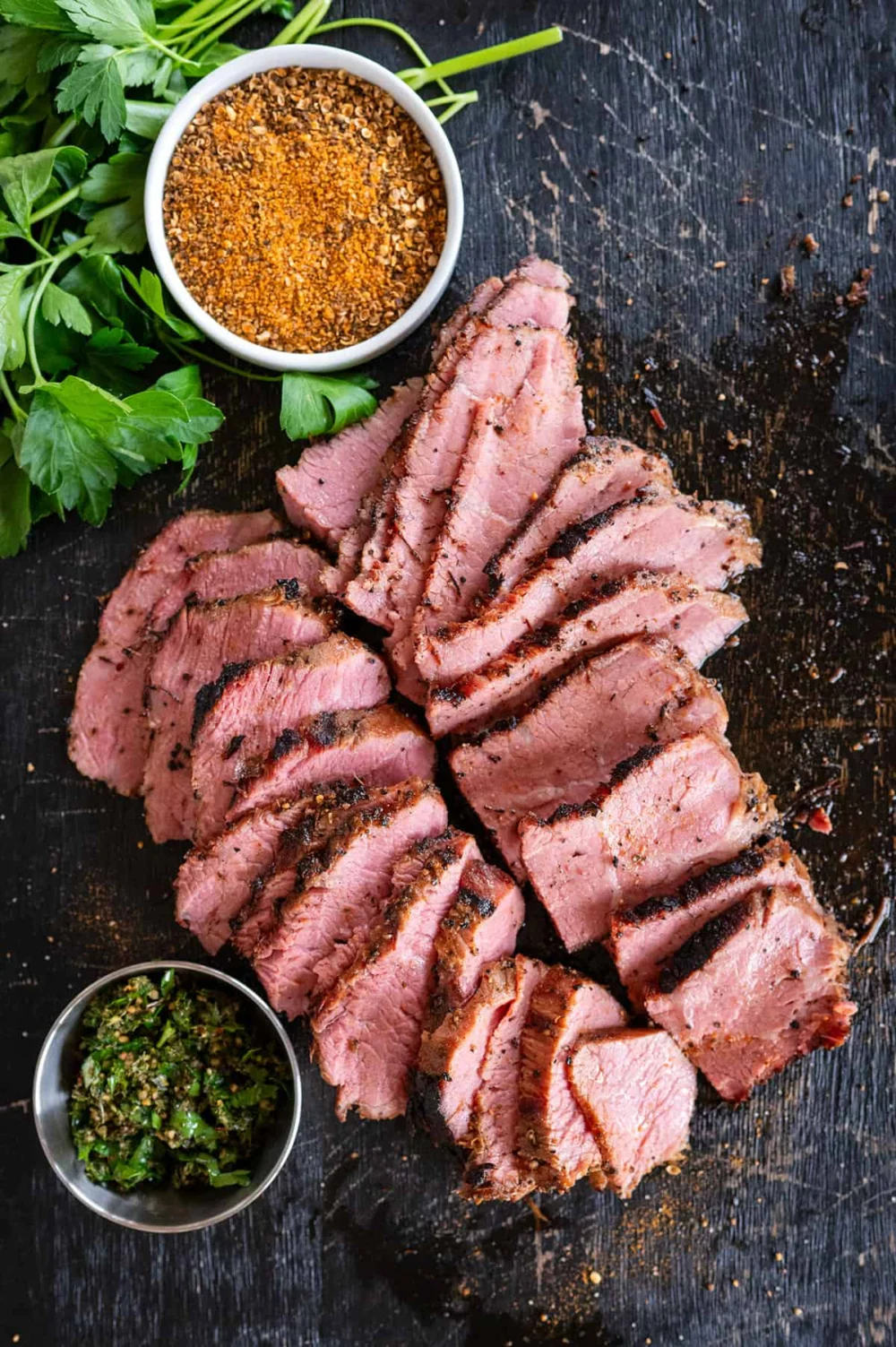
The art of transforming ordinary cuts of meat into extraordinary culinary experiences is a hallmark of barbecue culture. Among the most revered of these transformations is pastrami, a method that typically involves extensive curing and smoking. Traditionally associated with fattier cuts like brisket, a new application of this time-honored technique is gaining traction: pastrami tri-tip. This recipe, detailed by Girls Can Grill, outlines a meticulous weeklong brining process followed by a hot grilling method to achieve a tender, smoky beef that is as versatile for slicing as it is for crafting hearty sandwiches.
The foundation of authentic pastrami lies in its curing process. As explained by Girls Can Grill, "Virtually any type of meat can be made into homemade pastrami. It’s simply the process of curing it for several days in a wet corned beef brine. Then, seasoning it with pastrami rub and smoking it to the right temperature." This foundational step is crucial for imparting flavor and altering the meat’s texture, making it more amenable to high-heat cooking and yielding a distinct, deeply savory profile.
The Science Behind the Brine: A Week of Transformation
The weeklong brine is not merely a seasoning step; it’s a scientific process that fundamentally changes the tri-tip. A wet brine, typically composed of salt, sugar, and various spices, works through osmosis and diffusion. The salt draws moisture out of the meat initially, then allows the brine solution to penetrate the muscle fibers. This penetration tenderizes the meat by breaking down some of the connective tissues and, crucially, seasons the meat from within. The addition of sugar balances the saltiness and aids in browning during the cooking process. For the pastrami tri-tip, this extended brining period ensures that the lean cut of beef, typically from the bottom sirloin, absorbs the complex flavors of the brine thoroughly.
The recipe calls for mixing one cup of pastrami brine with eight cups of warm water, allowing the sugar and salts to dissolve before cooling. This solution is then used to submerge the tri-tip in a meat prep bag, refrigerated for six days. This extended duration is key for a leaner cut like tri-tip, which lacks the abundant marbling of brisket. Without adequate brining, a lean cut could easily become dry and tough when cooked quickly over high heat. The week-long immersion allows the brine to work its magic, ensuring moisture retention and a depth of flavor that would be otherwise unattainable.

From Brine to Smoke: The Cooking Process
Following the extensive brine, the tri-tip undergoes a critical drying and seasoning phase. After six days, the meat is removed, rinsed under cold water to eliminate excess salt, and thoroughly patted dry with paper towels. This drying step is vital for achieving a desirable crust during grilling. The tri-tip is then generously seasoned all over with a pastrami rub, a blend of spices that typically includes black pepper, coriander, mustard seed, and paprika, among others. Placing the seasoned meat back in the refrigerator uncovered for an additional day further dries the surface, promoting better bark formation when it hits the heat.
The cooking method employed here is hot grilling, a departure from the low-and-slow approach often associated with traditional pastrami. "Because we’re using tri-tip today, which is a lean cut that comes from the bottom of beef sirloin, you don’t have to smoke it for a long time like you do with brisket," the recipe notes. Instead, the focus is on achieving a perfect medium or medium-rare finish, with a target internal temperature of around 135°F. This typically takes only about 35-40 minutes.

The grill is preheated to a medium heat, between 350-375°F, with a direct heat zone established. The seasoned tri-tip is placed directly over the heat source, and cooked to the desired internal temperature, being flipped every five to seven minutes to ensure even cooking and a well-developed crust.
The Role of Basting
During the grilling process, a basting liquid is applied every time the tri-tip is flipped. This liquid, a simple mixture of oil, red wine vinegar, garlic, and salt, is heated in a small pot on the grill. Basting serves multiple purposes: it helps to keep the surface of the meat moist, adds another layer of flavor, and can contribute to the development of a richer crust. The acidity of the vinegar can also help to tenderize the exterior of the meat, complementing the internal tenderization achieved by the brine.

Serving and Storage: Maximizing Enjoyment
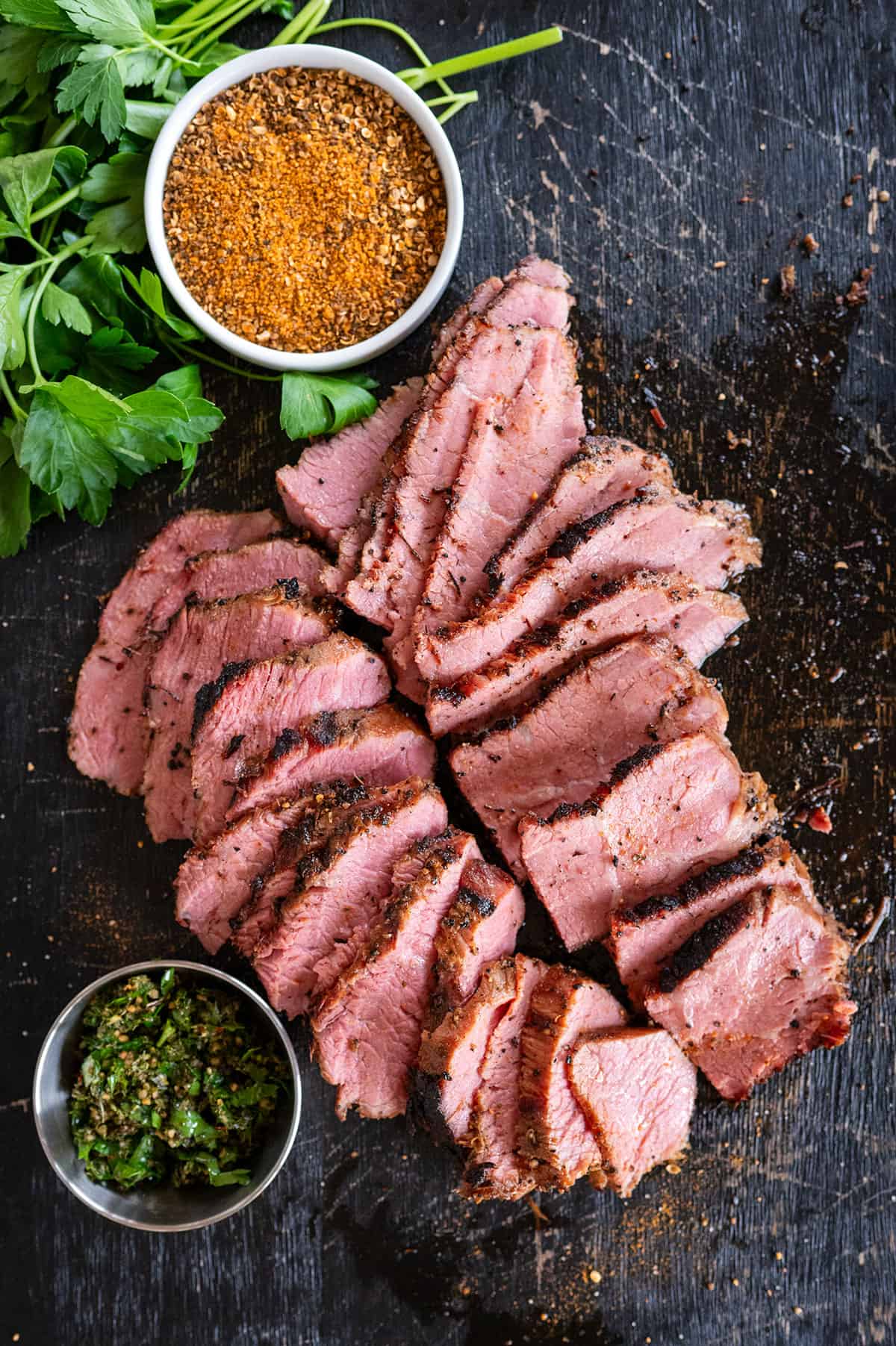
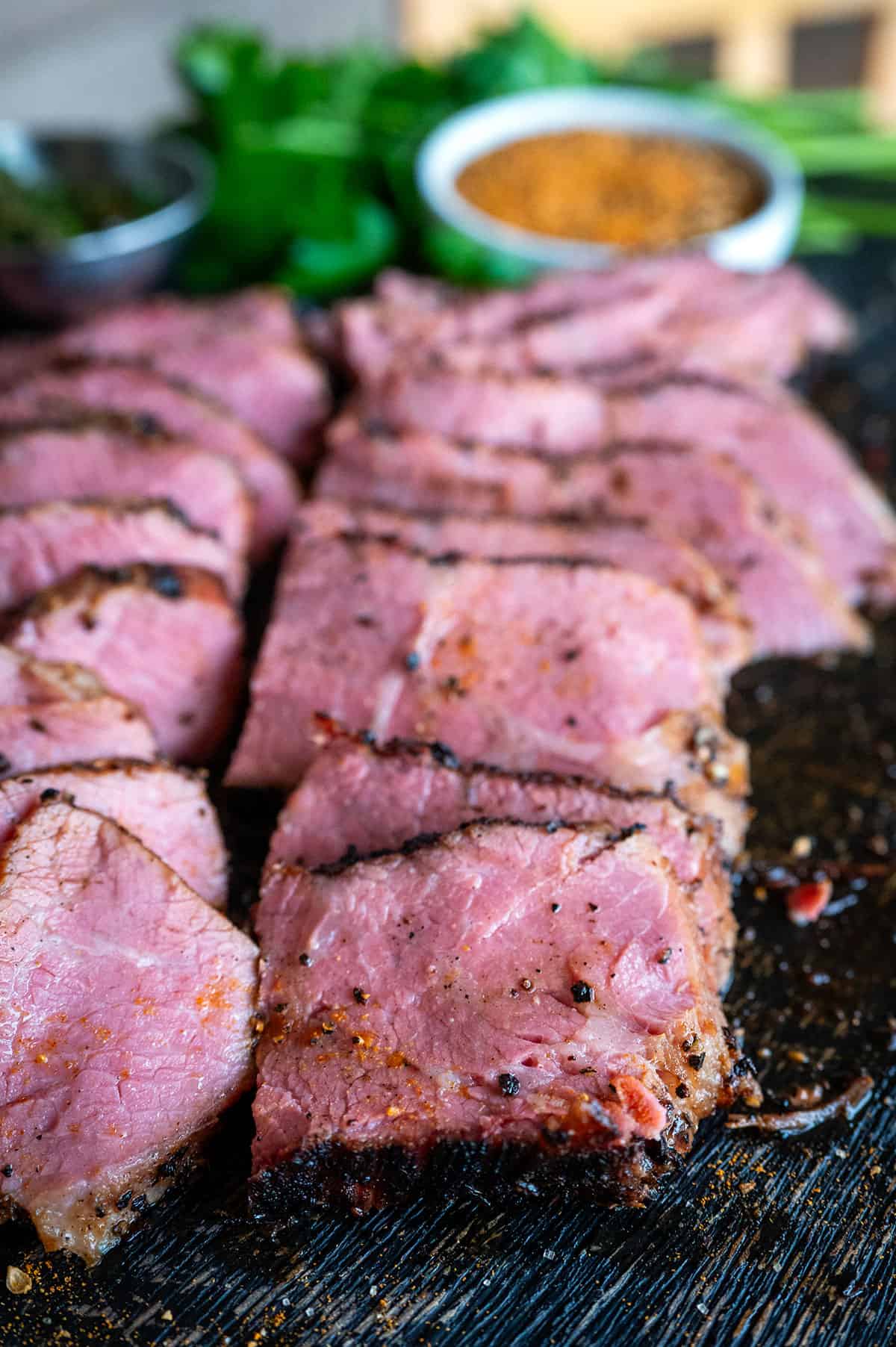
Once the pastrami tri-tip reaches its target internal temperature of 135°F, it is removed from the grill and allowed to rest for 10-15 minutes. This resting period is crucial for allowing the juices to redistribute throughout the meat, ensuring maximum tenderness and moisture. The tri-tip is then sliced against the grain, a technique that shortens the muscle fibers and makes the meat more tender to eat.
The versatility of this pastrami tri-tip is highlighted in its serving suggestions. It is described as being excellent on its own, paired with classic barbecue sides like potato salad and coleslaw. Alternatively, it shines as the star of a sandwich, piled high on bread or buns. This adaptability makes it a compelling option for various occasions, from casual gatherings to more formal meals.

For storage, leftovers can be kept in an airtight container in the refrigerator for up to a week. It can also be frozen for several months. Reheating can be done in the microwave or gently in a skillet, preserving its flavor and texture.
Understanding Pastrami: A Broader Context
The process of making pastrami is deeply rooted in the traditions of Ashkenazi Jewish immigrants who brought their culinary heritage to North America. Initially, cuts like brisket were used because they were more affordable and could benefit from the extensive curing and smoking processes to become palatable. The characteristic peppery crust is a defining feature, achieved by coating the cured and smoked meat with a generous amount of cracked black pepper and coriander.

While traditional pastrami is often steamed before serving to achieve a distinct moistness and tenderness, this tri-tip recipe opts for a hot grill finish. This method leverages the inherent leanness and relatively quick cooking time of tri-tip, offering a more accessible and faster route to a pastrami-inspired flavor profile. The difference in cooking method means that while the flavor profile will echo classic pastrami, the texture may be slightly firmer and less yielding than a traditionally steamed brisket pastrami, but with a more pronounced smoky char from the grilling.
Nutritional Considerations
The nutritional information provided indicates that a serving of this pastrami tri-tip contains approximately 322 calories, 1 gram of carbohydrates, 31 grams of protein, and 21 grams of fat. The breakdown of fats includes saturated, polyunsaturated, and monounsaturated fats, with a minimal amount of trans fat. It also provides a good source of potassium and iron, while being low in sodium and sugar due to the curing and subsequent rinsing. This profile positions it as a protein-rich option, though mindful consumption is advised due to the fat content.
Expert Insights and Variations
The recipe’s author, Christie Vanover of Girls Can Grill, is an award-winning competitive pitmaster with extensive experience in barbecue. Her expertise in transforming various cuts of meat, coupled with her background in competitive grilling, lends credibility to this innovative approach to pastrami. The inclusion of "GCG Pro Pitmaster Tips" suggests further insights and techniques that can enhance the cooking process, though these are not detailed in the provided text.
The fundamental principle of curing any meat for pastrami remains consistent: patience and precision. The seven-day process for the tri-tip is a testament to this. While the recipe focuses on grilling, alternative methods for finishing the pastrami tri-tip could include smoking at a higher temperature or even a brief period in an oven after the brine and seasoning. However, the direct grilling method, combined with basting, aims to create a flavorful exterior crust while cooking the interior to the desired medium-rare.

Conclusion: A Modern Take on a Classic Flavor
The pastrami tri-tip recipe represents a successful fusion of traditional curing techniques with modern grilling practices. By applying the weeklong brine and pastrami rub to a lean cut like tri-tip, and then finishing it with hot grilling, this recipe delivers a flavorful, tender, and versatile beef product. It offers barbecue enthusiasts a novel way to experience the beloved flavors of pastrami, making it accessible for quicker preparation compared to traditional methods, while still yielding a result that is both impressive and delicious, whether served as a standalone dish or as the foundation for a memorable sandwich.


