
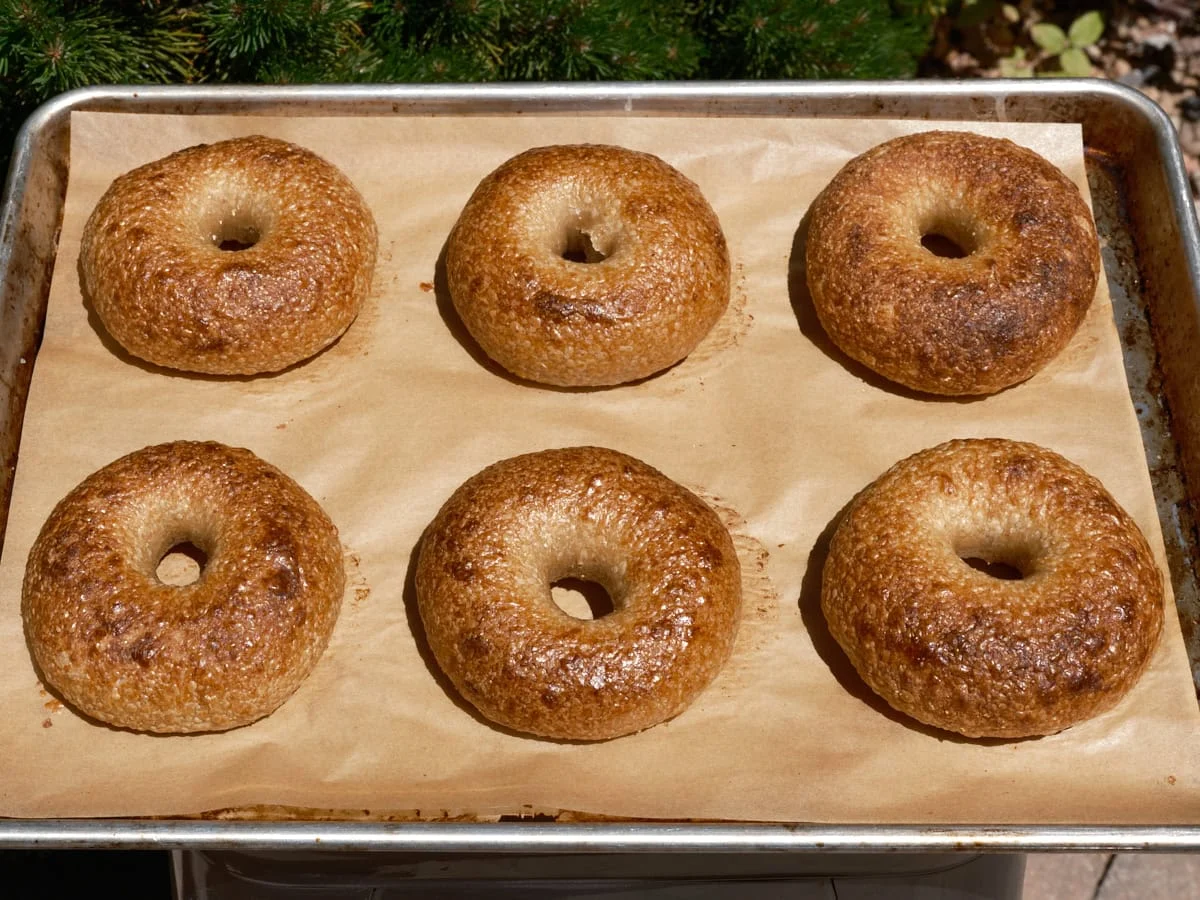
A groundbreaking new sourdough bagel recipe, meticulously developed and refined by a leading authority in artisanal baking, has been released, promising to elevate the home bagel-making experience with its distinctive "new wave" characteristics. This innovative formula moves beyond traditional New York-style bagels, introducing a series of strategic adjustments that yield a lighter, glossier, and more complex product with a uniquely blistered crust and an open, tender crumb, setting a new benchmark for what can be achieved in a home kitchen. The culmination of extensive experimentation, this recipe embodies a blend of scientific precision and culinary artistry, challenging conventional approaches to deliver an unparalleled textural and flavor profile that caters to evolving palates.
The Evolution of the Bagel: A Culinary Backdrop
The bagel, a seemingly simple ring of dough, boasts a rich history spanning centuries, originating from Jewish communities in Poland before gaining iconic status in New York City. Traditionally, the New York bagel is characterized by its dense chewiness, a robust crust, and a relatively tight, closed crumb—achieved through specific flour choices, a brief cold fermentation, and a signature boil in malted water. However, the culinary landscape is perpetually in motion, and the rise of artisanal bakeries and the sourdough movement has fueled a desire for innovation, pushing boundaries beyond established norms. This has given birth to a "new wave" of bagels, exemplified by establishments like Los Angeles’s highly popular Courage Bagels, which prioritize nuanced textures, lighter structures, and more intricate flavor development, often incorporating whole grains and extended fermentation.
The home baking revolution, significantly accelerated in recent years, has seen a surge in enthusiasts eager to replicate professional-grade results. Sourdough baking, in particular, has captivated a global audience, transforming complex techniques into accessible practices. It is within this dynamic environment that the new sourdough bagel recipe emerges, bridging the gap between sophisticated bakery techniques and the domestic kitchen. The creator, known for their detailed and scientifically informed approach to bread-making, recognized that while existing sourdough bagel recipes were good, there was an opportunity for profound refinement, pushing the boundaries of what a home-baked bagel could be. This pursuit wasn’t about radical departure but rather a deliberate sharpening of an already beloved classic, focusing on subtle yet impactful modifications.
The Genesis of a Refined Recipe: A Journey of Culinary Iteration
The development of this "new wave" sourdough bagel was an iterative process, characterized by a series of precise adjustments, each designed to address specific textural and flavor goals. The baker posed fundamental questions: Could sweetness be integrated differently, perhaps through the levain, rather than simply added to the final dough? How would a more diverse flour blend, incorporating whole grains and varying protein levels, impact character and tenderness? Could shaping be simplified for higher hydration doughs, and what transformative effects might an extended cold rest and an alternative boiling medium offer? Each question guided a phase of experimentation, meticulously tweaking variables one at a time, much like a scientific inquiry.
The initial focus centered on the flour blend. Departing from a single, high-protein flour, the new formula integrates a carefully proportioned mix: high-protein white flour (12-14% protein) for structure and chew, a medium-protein white flour (such as Central Milling’s Artisan Bakers Craft) for tenderness and openness, and a judicious inclusion of whole wheat and whole rye flours. This blend, comprising 15% whole grains, was not merely for perceived health benefits but a strategic decision to imbue the bagels with a deeper, more complex flavor profile—a warm, nutty undertone from the whole wheat and a subtle earthiness from the rye, without compromising the desired light texture.
Next, the levain itself underwent a significant modification. Instead of a standard sourdough starter, a "sweet levain" was introduced, created by adding a small amount of superfine (caster) sugar directly to the starter culture. This seemingly minor alteration has a profound microbiological impact: the sugar encourages increased yeast activity within the levain, shifting the balance away from dominant lactobacillus bacteria, which are primarily responsible for sourness. The result is a more vigorous preferment that contributes substantial rise and fermentation power to the dough while significantly reducing the characteristic sour tang often associated with sourdough, allowing other flavors to shine.
Shaping techniques were also re-evaluated. Traditional bagel shaping often involves rolling dough ropes and joining the ends, a method that can be challenging with higher hydration doughs and prone to seam separation during boiling. The baker adopted the "poke method," a simpler, more forgiving approach where a hole is gently pressed through a balled piece of dough and then stretched. This not only streamlines the process but also contributes to a more uniform ring and the desired slightly less-uniform, artisanal aesthetic.
Finally, the impact of an overnight cold retard (fermentation in the refrigerator) proved unexpectedly transformative. While cold fermentation is a staple in sourdough bread making for flavor development, its effect on bagels was revelatory. The extended cold rest not only deepened the overall flavor complexity but also dramatically influenced the crust, promoting the formation of desirable micro-blisters and contributing to a delightful crispness upon baking. The crumb, too, benefited, exhibiting a more open and tender structure than typically found in traditional bagels. This comprehensive, iterative refinement process underscores the dedication to achieving a specific vision: a bagel that is light, subtly chewy, crispy, malty, and imbued with character, designed to be savored with minimal accompaniment.
Deconstructing the "New Wave" Approach: A Deep Dive into the Recipe’s Science
The success of these "new wave" sourdough bagels lies in a sophisticated interplay of ingredients and techniques, each carefully selected for its scientific contribution to the final product.
-
The Sophisticated Flour Blend: The precise ratio of flours is fundamental. High-protein white flour (e.g., King Arthur Bread Flour) is critical for forming a strong gluten network, which provides the characteristic chew and structural integrity that prevents the bagel from collapsing. However, an excess of high-protein flour can lead to a dense, tough texture. The inclusion of medium-protein white flour (e.g., Central Milling Artisan Bakers Craft, typically 11-12% protein) balances this, contributing to a more tender crumb and aiding in the desired openness. The 15% blend of whole wheat and whole rye flours is a masterstroke for flavor. Whole wheat adds a rich, nutty, almost caramel-like depth, while whole rye contributes subtle earthy notes and beneficial enzymes that further assist fermentation and crust browning. This blend ensures a bagel that is robust in flavor without being heavy or overly dense.
-
Sweet Levain and Enzymatic Precision: The "sweet levain" is a cornerstone of this recipe’s distinct flavor profile. By feeding the sourdough starter with a small amount of sugar, the baker encourages the metabolic activity of yeast strains within the culture, leading to a faster, more voluminous rise. Concurrently, this environment can slightly suppress the activity of lactic acid bacteria, resulting in a finished bagel that carries less overt sourness, allowing the malty and nutty notes to come to the forefront. Complementing this is the inclusion of diastatic malt powder (DMP) in the main dough. Unlike non-diastatic barley malt syrup, DMP contains active enzymes (amylase) that break down starches in the flour into simpler sugars during fermentation and baking. These newly available sugars serve as additional fuel for the yeast, enhancing oven spring (the rapid expansion of the dough in the hot oven) and promoting superior crust color through increased Maillard reactions. Furthermore, the enzymatic activity of DMP contributes to a slightly more open and tender crumb, aligning perfectly with the "new wave" textural goals. At 1% of the total flour weight, its impact is significant, making it a powerful tool in artisanal baking.
-
Innovative Shaping and Fermentation: The "poke method" for shaping is not just about ease; it’s about control, especially with higher hydration doughs that can be more difficult to handle with traditional rolling methods. By gently stretching the dough after poking a hole, the baker can achieve a consistent ring without excessive handling, which might otherwise lead to a tougher crumb. The overnight cold retard, a period of slow fermentation in the refrigerator, is crucial for flavor development. During this extended chilling, enzymes in the dough continue to break down complex carbohydrates into simpler sugars, and microbial activity (though slowed) produces a wider array of aromatic compounds. This process contributes to the deeper, more nuanced flavor of the baked bagel and also strengthens the gluten network, leading to a more robust structure that holds its shape better during boiling and baking. The cold environment also allows for the slow accumulation of carbon dioxide, which contributes to the desired open crumb and aids in the formation of surface blisters.
The Art of the Boil and Bake
The boiling and baking phases are critical, transforming the fermented dough into the iconic bagel. The boiling water itself is a key component, infused with both barley malt syrup and a touch of baking soda. Barley malt syrup is a classic bagel inclusion, providing a distinctive malty sweetness and, more importantly, a high concentration of sugars that caramelize rapidly during baking, contributing to the bagel’s rich, deep brown crust and complex flavor. Baking soda, an alkaline agent, increases the pH of the boiling water. This alkaline environment helps to gelatinize the starch on the bagel’s surface more efficiently and promotes the Maillard reaction (the chemical reaction between amino acids and reducing sugars that gives browned foods their distinctive flavor), further enhancing crust color and contributing to the formation of small, desirable blisters.
The duration and intensity of the boil are meticulously controlled. A vigorous, rolling boil is essential to ensure rapid gelatinization of the dough’s surface, which sets the crust and prevents the bagel from flattening. For this "new wave" style, a shorter boil of 20-30 seconds per side is recommended. This brief immersion creates a thinner, crispier crust—a hallmark of the desired texture—without developing the thicker, chewier skin characteristic of a longer, more traditional boil.
Finally, the baking environment is optimized for maximum impact. Baking on a preheated stone or steel provides intense, direct heat from below, mimicking the conditions of a professional hearth oven. This high initial heat contributes to a rapid and explosive oven spring, giving the bagels their characteristic puff and ensuring a well-developed bottom crust. The introduction of steam into the oven immediately after loading the bagels is another nuanced technique. Steam prevents the crust from setting too quickly, allowing the dough to expand fully and promoting the formation of those coveted micro-blisters on the surface, resulting in a glossy, delicate, and crispy exterior. The baking temperature starts high (500°F/260°C convection) to achieve initial rise and browning, then is reduced (450°F/230°C) to ensure even cooking through the interior. The deep golden-brown color, aided by the malt syrup and baking soda, serves as the visual cue for a perfectly baked bagel.
A New Standard for Home Bakers: Accessibility and Craft
This "new wave" sourdough bagel recipe represents more than just a culinary formula; it signifies a new frontier for home baking. It demonstrates that with careful attention to detail and an understanding of underlying principles, amateur bakers can achieve results that rival professional establishments. The comprehensive instructions, combined with the detailed explanations of why certain steps are taken, empower bakers not just to follow a recipe but to truly understand the craft. The three-day schedule, while requiring foresight, is designed for flexibility, allowing bakers to integrate the process into busy lives and culminate in fresh bagels on demand. The incorporation of ingredients like diastatic malt powder, once considered niche, is now openly encouraged, reflecting a broader trend towards making advanced baking techniques accessible to a wider audience. This recipe is a testament to the idea that patience, precision, and a willingness to experiment can transform the simple act of baking into an art form.
Culinary Context and Market Trends
The introduction of this recipe aligns perfectly with contemporary culinary trends that celebrate artisanal quality, nuanced flavors, and textural diversity. It offers a distinct alternative to the widely recognized traditional New York bagel, which prioritizes a dense, chewy interior and a thick, resilient crust. The "new wave" bagel, with its emphasis on a lighter, crispier, and more blistered exterior, coupled with an open and tender crumb, caters to a growing demand for baked goods that offer a more delicate yet equally satisfying experience. This shift reflects a broader appreciation for regional variations and innovative interpretations within classic food categories. The recipe’s creator openly acknowledges inspiration from modern bagel shops, positioning this home-baking guide squarely within the vanguard of evolving bagel aesthetics and tastes. This development not only enriches the repertoire of home bakers but also contributes to the ongoing dialogue about what constitutes the "perfect" bagel in an ever-evolving food landscape.
Acknowledgement and Future Outlook
The rigorous development of this recipe benefited from collaborative insights, notably from baking colleague Josh Fairbanks, underscoring the communal spirit often found within the artisanal baking community. This cooperative approach highlights how shared knowledge and experimentation drive culinary progress. The release of this "new wave" sourdough bagel recipe is poised to inspire countless home bakers, encouraging them to explore the intricate science and art behind exceptional bread. It suggests a future where the lines between professional and home baking continue to blur, driven by innovation, detailed guidance, and an unwavering pursuit of culinary excellence.


