
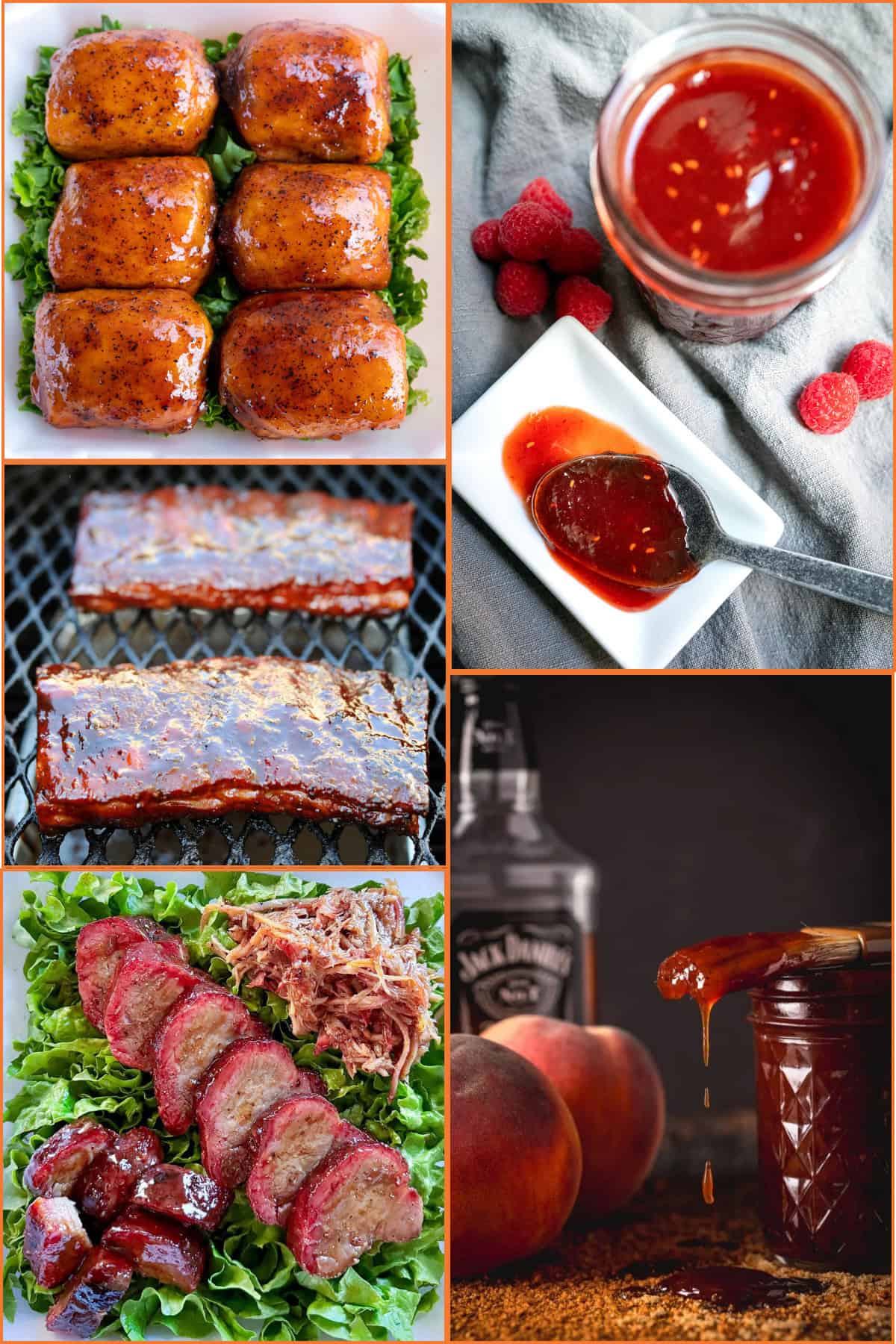
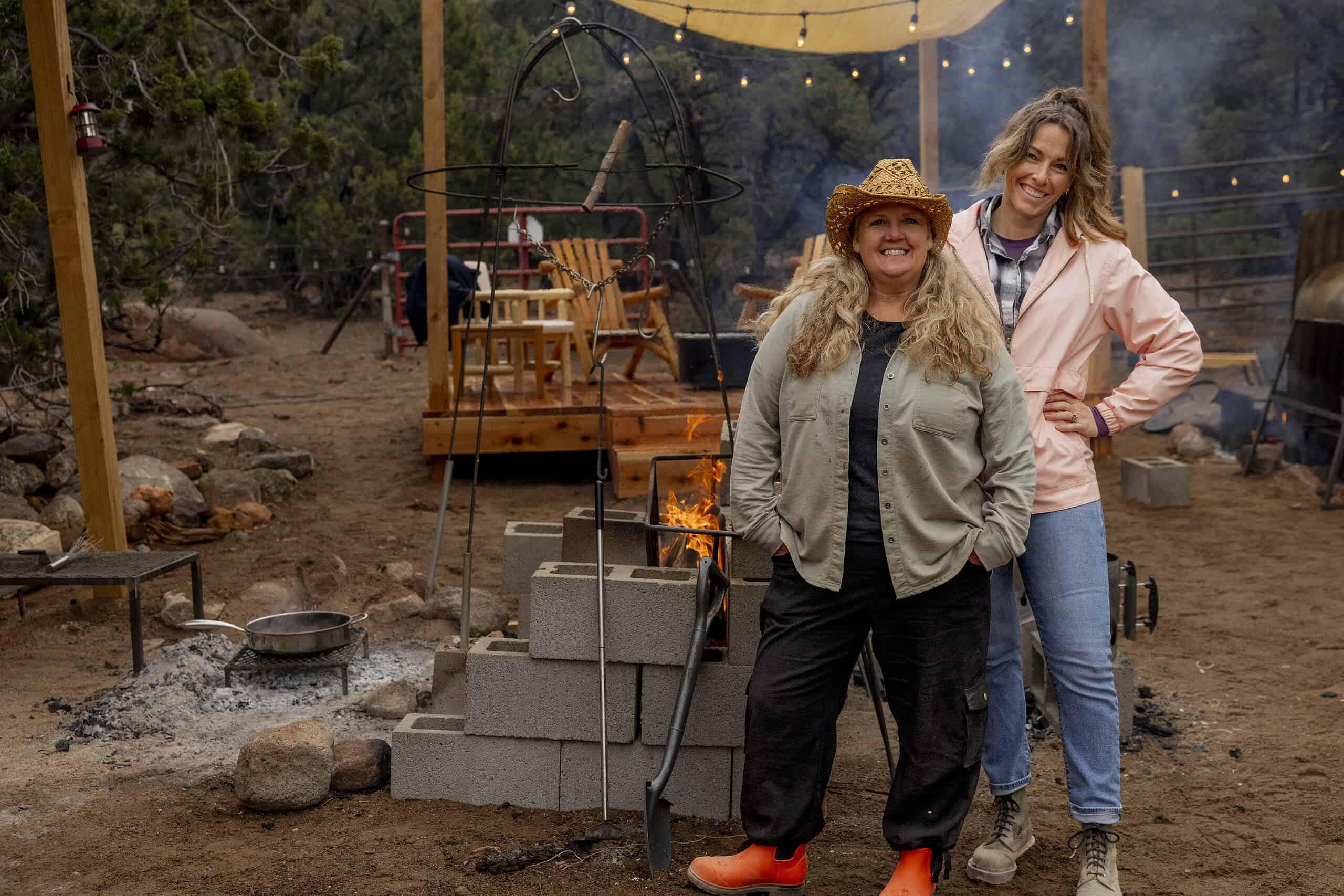
Episode five of Food Network’s acclaimed barbecue competition series, Pitmasters, concluded with a nail-biting cliffhanger, leaving viewers on the edge of their seats as competitors Christie Vanover of Hey Grill Hey and Susie Bulloch of Girls Can Grill faced a gauntlet of challenges. The episode showcased not only the intense pressure of professional barbecue contests but also the strategic thinking and culinary creativity required to excel under the scrutiny of seasoned judges. While the ultimate outcome of the episode remained in suspense, the broadcast offered a detailed look at the preparation and execution of several core barbecue meats, providing an opportunity for enthusiasts to recreate these dishes at home.
The competition format of Pitmasters is designed to test a wide range of skills, from speed and efficiency to flavor development and presentation. This particular episode zeroed in on what is often referred to as the "Core Four" of barbecue: chicken, pork ribs, pork shoulder, and brisket. These meats represent the foundational elements of traditional American barbecue, each requiring distinct cooking techniques and time commitments. The contestants were tasked with preparing these four meats within a strict 12-hour timeframe, with a rolling schedule for turn-ins. This means that as soon as one dish was judged, the next had to be ready for submission, demanding exceptional time management and the ability to multitask under extreme pressure.
The "Big Burn": Mastering the Core Four Meats
The challenge began with the announcement of the "Big Burn," a comprehensive test of the contestants’ ability to master the four essential barbecue proteins. The 12-hour clock started ticking, with specific windows allocated for each meat: three hours for chicken, five hours for ribs, eight hours for pork shoulder, and the full 12 hours for brisket. For seasoned competitors like Vanover and Bulloch, this presented a familiar, albeit demanding, scenario. Vanover noted her comfort with this type of rolling schedule, stating that it is a routine practice in her regular competition circuit, often starting as early as 5 a.m. and concluding by 2 p.m. This experience provided a distinct advantage, allowing them to focus on the nuances of flavor rather than the fundamental techniques.
A significant constraint of the competition was the prohibition of using pre-made rubs and sauces. Contestants were required to craft all their flavor profiles from scratch. This added a layer of complexity, forcing them to draw upon their extensive knowledge of spice blends and sauce compositions. Vanover and Bulloch opted for a thematic approach, incorporating fruits into their sauces to create a unique twist on classic barbecue flavors. Their planned menu included:
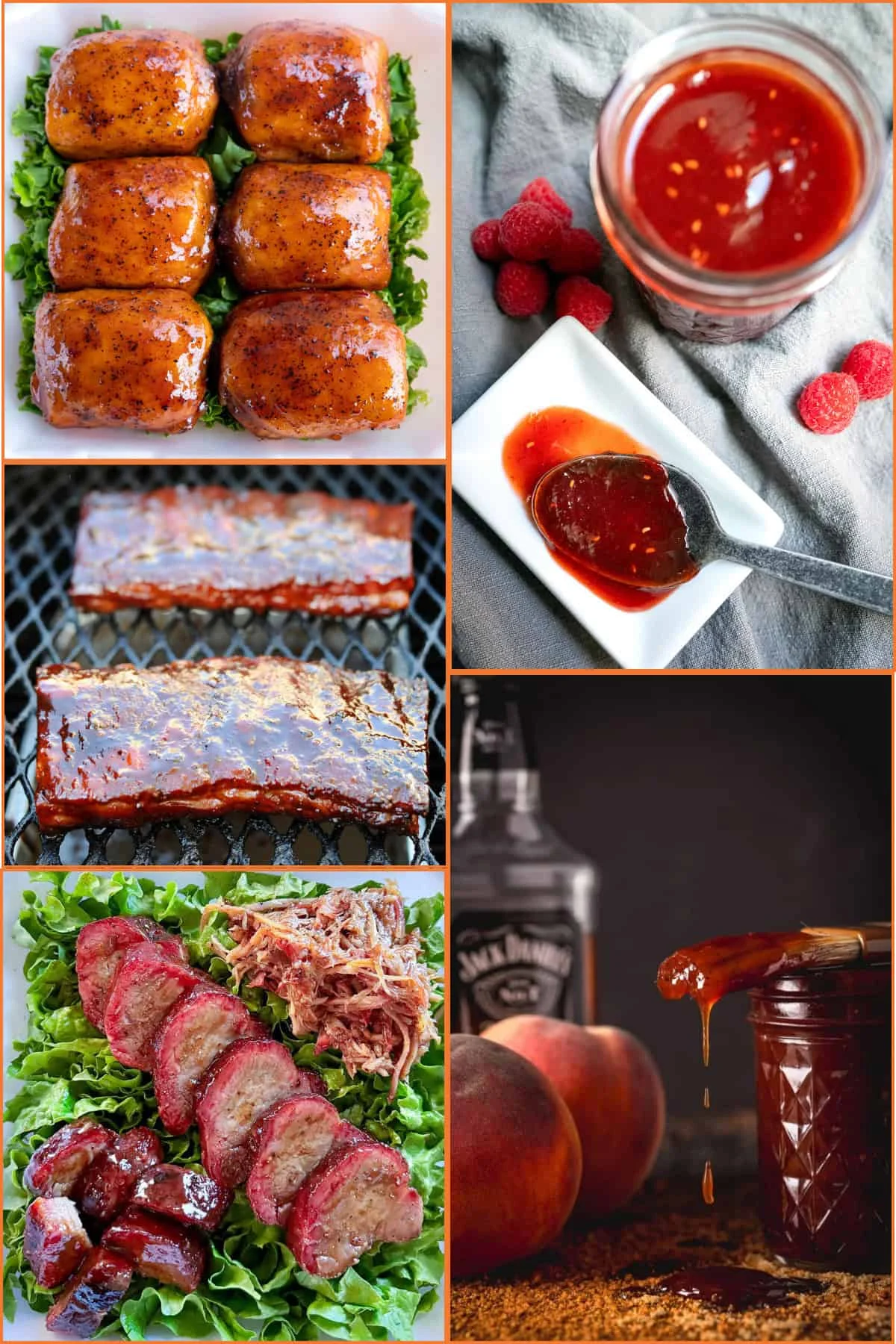
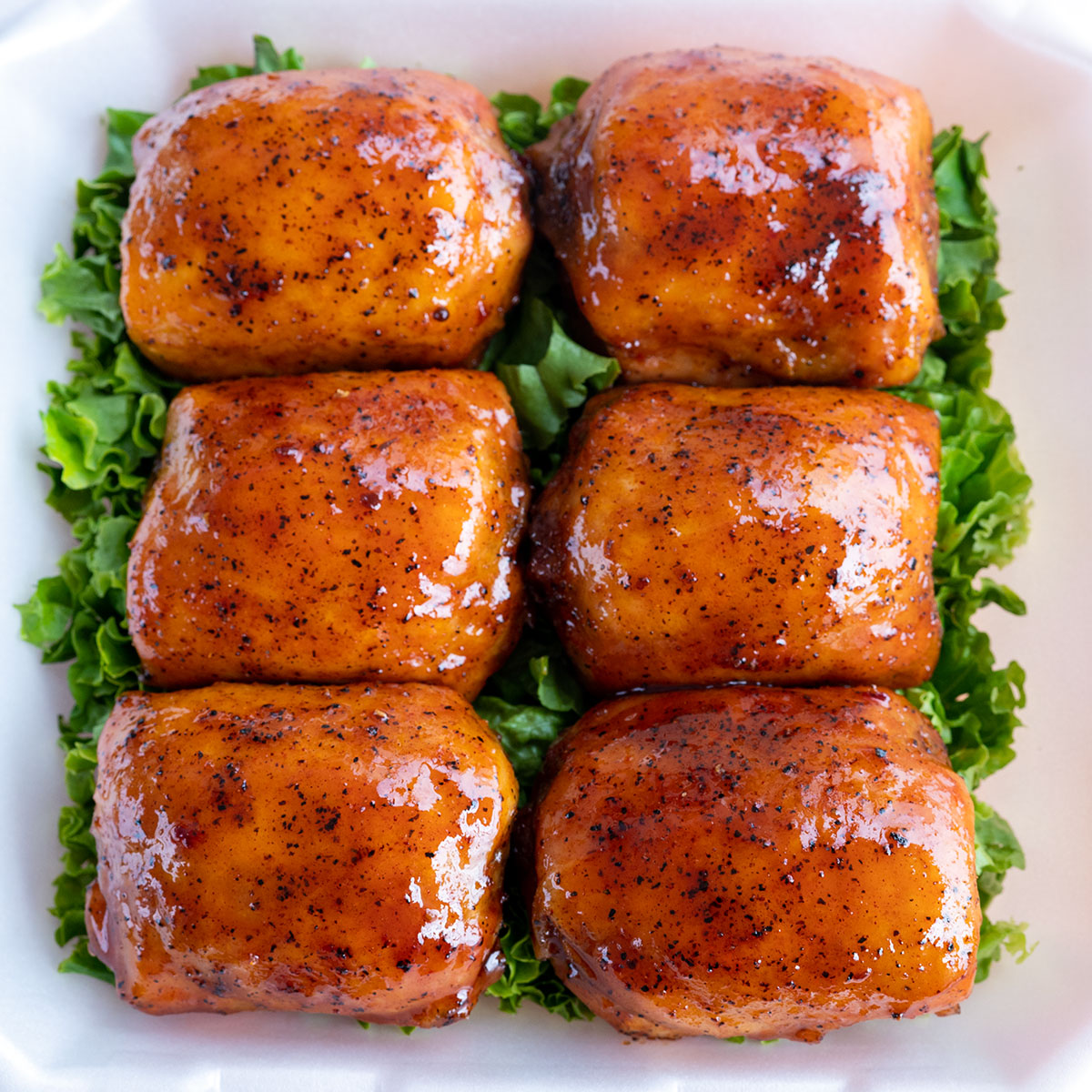
- Raspberry Chipotle Chicken: A sweet and smoky combination.
- Yuzu Citrus Pork Ribs: Leveraging the tartness of yuzu for a bright flavor profile.
- Whiskey Peach Pork: A classic pairing with a sophisticated edge.
- Cherry Smoked Brisket: Infusing the rich meat with a subtle fruit essence.
This strategic menu planning highlighted their commitment to innovation and their understanding of flavor pairings that could impress the discerning panel of judges.

Meat 1: Chicken – Precision and Brine
The first meat to be prepared was chicken. In competitive barbecue, chicken is typically cooked in pieces rather than as a whole bird. While some teams opted for spatchcocking, Vanover and Bulloch meticulously broke down their chickens. A crucial step for Vanover was the application of Susie Bulloch’s signature chicken brine, a technique known for enhancing moisture and tenderness. Vanover then executed a full competition trim on the chicken thighs, which involved removing the skin, scraping excess fat to promote quicker rendering, and then reattaching the skin for a perfectly crisp finish. For the legs, the removal of the tendon was another detail aimed at achieving optimal texture and bite-through quality.
Following the brine and trim, the chicken pieces were seasoned with a dual rub approach, utilizing both the Girls Can Grill Chicken Rub and the Hey Grill Hey Chicken Rub. After a brief period on the smoker, the chicken was finished in pans with butter to further enhance its succulence and flavor. The fruit element was introduced through a homemade raspberry chipotle sauce, blended with Hey Grill Hey barbecue sauce. This meticulous preparation, from brining to the final sauce application, underscored their dedication to producing a top-tier chicken dish.
The Unexpected Challenge: Weather Disruptions
Midway through the cooking process, the competition was hit by a dramatic shift in weather. What began as a drop in temperature and an increase in wind quickly escalated into a full-blown hail storm, complete with rain. This environmental challenge sent many teams into a frenzy as they scrambled to protect their cooking stations and food. However, Vanover and Bulloch found themselves in a relatively stable position. Their chicken was already on the smoker, shielded from the elements, and their primary concern was the food cooling down rather than being ruined. Vanover, who hails from Las Vegas, a region with minimal rainfall, embraced the unusual weather, finding a sense of exhilaration in the storm. This resilience in the face of unforeseen circumstances is a testament to the mental fortitude required in competitive environments.
Chicken Judging: Texture and Flavor
As the storm subsided and the turn-in window approached, the focus shifted to presentation. The team opted for a clean and simple presentation, using plates that resembled upscale paper plates to allow the quality of the meat to take center stage. A surprising, yet effective, garnish of crispy chicken skins was added, which caught the eye of judge Jess. The judges’ feedback on the chicken turn-ins varied across the teams. For Vanover and Bulloch’s chicken, judge Big Moe specifically praised the perfect tenderness of the skin, while judges Jess and Ernest described the chicken as "finger-licking good." While the full results for the chicken round were not immediately revealed, the initial feedback indicated a strong performance for the duo.
Meat 2: Pork Ribs – Precision Trimming and Flavor Fusion
Immediately after the chicken turn-in, Susie Bulloch rejoined Christie Vanover at their station to prepare the pork ribs. The challenge involved cooking spare pork ribs. Vanover expressed a personal preference for trimming spare ribs due to the presence of cartilage from the brisket bone. Consequently, they transformed the spare ribs into St. Louis Style Ribs through a precise competition trim.
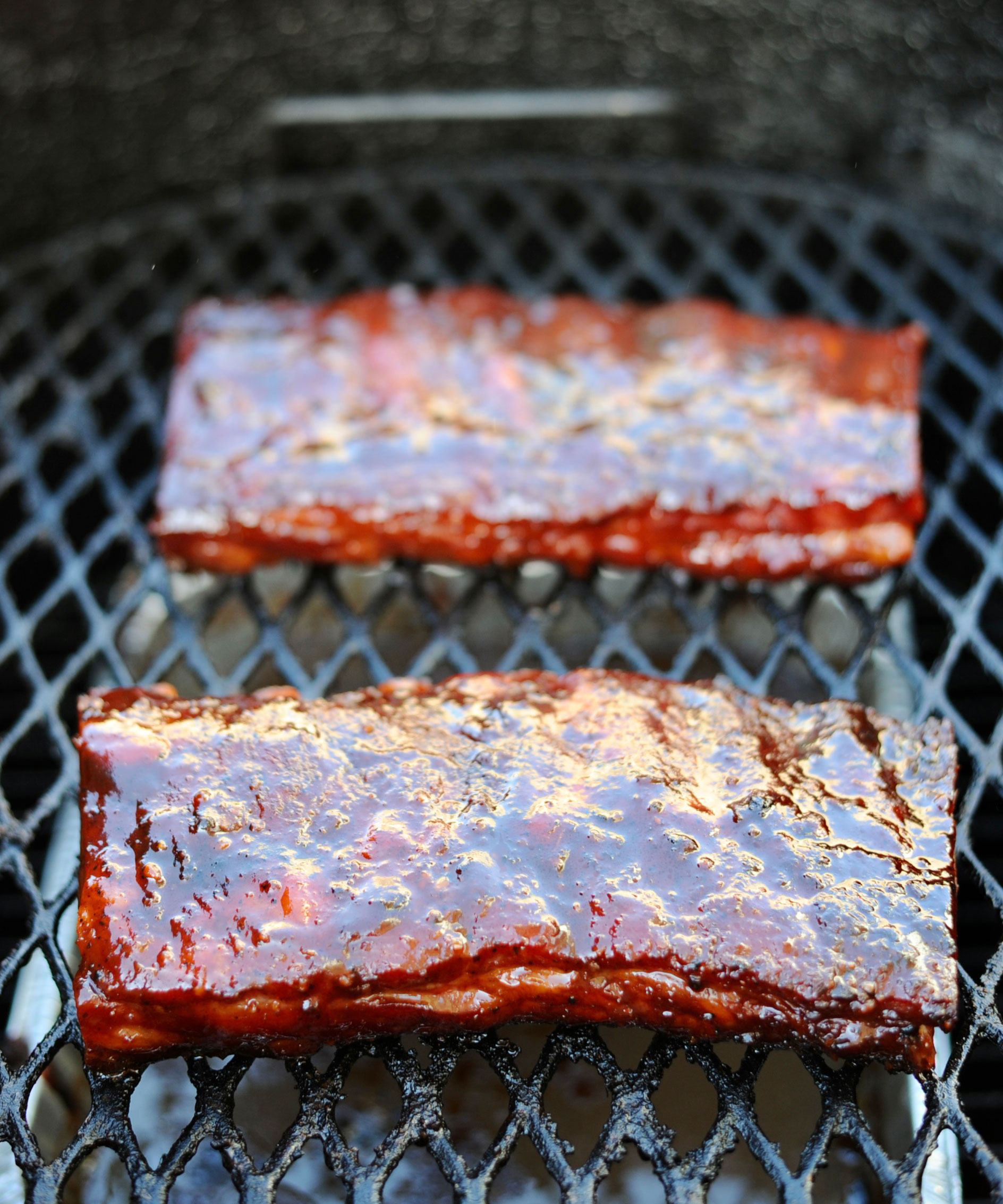
The team employed the "hot and fast" rib cooking method. The ribs were seasoned with a combination of Girls Can Grill Pork Rub and Hey Grill Hey Sweet Rub and cooked on an offset smoker. The hot and fast technique involves an initial smoking period followed by a braising stage in a liquid-filled wrap to ensure tenderness. For their fruit component, the initial plan was to incorporate pineapple for an Asian-inspired flavor profile. However, upon discovering a lack of pineapple in the pantry, they pivoted to yuzu, an Asian citrus fruit known for its balance of sweetness and sourness, akin to a combination of orange and lemon. After achieving the desired tenderness through braising, the ribs were finished with a yuzu glaze and garnished with sliced green onions.

Ribs Judging: Texture Appreciated, Flavor Questioned
For the rib judging, Vanover presented a plate of their yuzu-glazed ribs. They felt confident in their presentation, especially compared to other teams who largely presented untrimmed spare ribs. The judges, Ernest, Big Moe, and Jess, acknowledged the pleasing texture of the ribs but expressed reservations about the sauce’s flavor profile. Judge Andrew specifically called for more pronounced yuzu flavor, indicating that the citrus element, while present, may not have been as impactful as desired.
Meat 3: Pork Shoulder – Efficiency and Sweetness
Without knowledge of the judges’ critiques on the ribs until later, the team pressed on to the pork shoulder. Vanover performed another comprehensive competition trim on the pork shoulders, which were significantly larger than typical grocery store cuts, likely weighing around 15 pounds each and including both the Boston butt and picnic shoulder. The trimming was strategic, aiming to isolate the prized "money muscle" for medallions and prepare portions for pulled pork and bacon. This aggressive trimming allowed for a faster cooking time on the offset smoker.
The pork was seasoned identically to the ribs, using Girls Can Grill Pork Rub and Hey Grill Hey Sweet Rub. During the cook, the meat was wrapped with butter, syrup, and juice to enhance moisture and flavor. The fruit component for this dish came in the form of Hey Grill Hey Whiskey Peach BBQ Sauce, a popular choice known for its rich, fruity notes.
Pork Judging: A Sweet Success with Room for Improvement
Susie Bulloch handled the pork shoulder turn-in while Vanover continued to monitor the brisket. The judging for the pork round revealed a diversity in approaches among the teams, with some presenting plates similar to Vanover and Bulloch’s, while others created more elaborate composed dishes. The judges were impressed with the duo’s pork preparation. Ernest commented, "Susie and Christie know their way around a pork shoulder. The money muscle, perfect. The pulled pork, perfect texture." However, a consensus emerged that the pork was slightly too sweet, and a more pronounced salty element was needed. Big Moe suggested that they had "played it safe," implying a need for bolder flavor choices in future rounds.
The Cliffhanger Ending
Despite completing the turn-ins for chicken, ribs, and pork shoulder, the episode concluded before the judges announced the results for these categories or revealed the fate of their brisket. This narrative device left viewers in suspense, eagerly anticipating the next episode to discover whether Vanover and Bulloch would secure a victory or face elimination. The judges did confirm that winners were announced for each of the three categories, and while the duo did not claim any of these individual wins, they expressed satisfaction with the overall positive feedback received on their dishes. This suggests a strong foundation for their continued participation in the competition.
Looking Ahead: The Grand Champion of the Pitmasters Core Four
The "Core Four" challenge is a critical juncture in the Pitmasters competition, testing the fundamental skills that define a champion pitmaster. The ability to consistently produce high-quality results across a diverse range of proteins, under immense pressure and within strict time constraints, is paramount. Vanover and Bulloch’s performance in this episode showcased their technical expertise, their ability to innovate with flavor profiles, and their resilience in the face of unexpected challenges. Their approach, characterized by meticulous preparation, strategic flavor development, and a keen understanding of competition barbecue techniques, positions them as strong contenders.
Fans can continue to follow Christie Vanover and Susie Bulloch’s journey on Pitmasters by tuning into new episodes every Monday at 9/8c on Food Network, or by streaming the show the following day on HBO Max. The upcoming episode will reveal the results of the "Core Four" challenge and detail their performance in the final stage of the competition, culminating in the naming of the Grand Champion. The episode’s narrative arc, emphasizing both the culinary artistry and the dramatic tension inherent in high-stakes cooking competitions, promises continued engagement for viewers. The strategic decisions, the unforeseen obstacles, and the judges’ critiques all contribute to the compelling storyline of Pitmasters, making it a must-watch for barbecue enthusiasts and fans of competitive reality television alike.


