
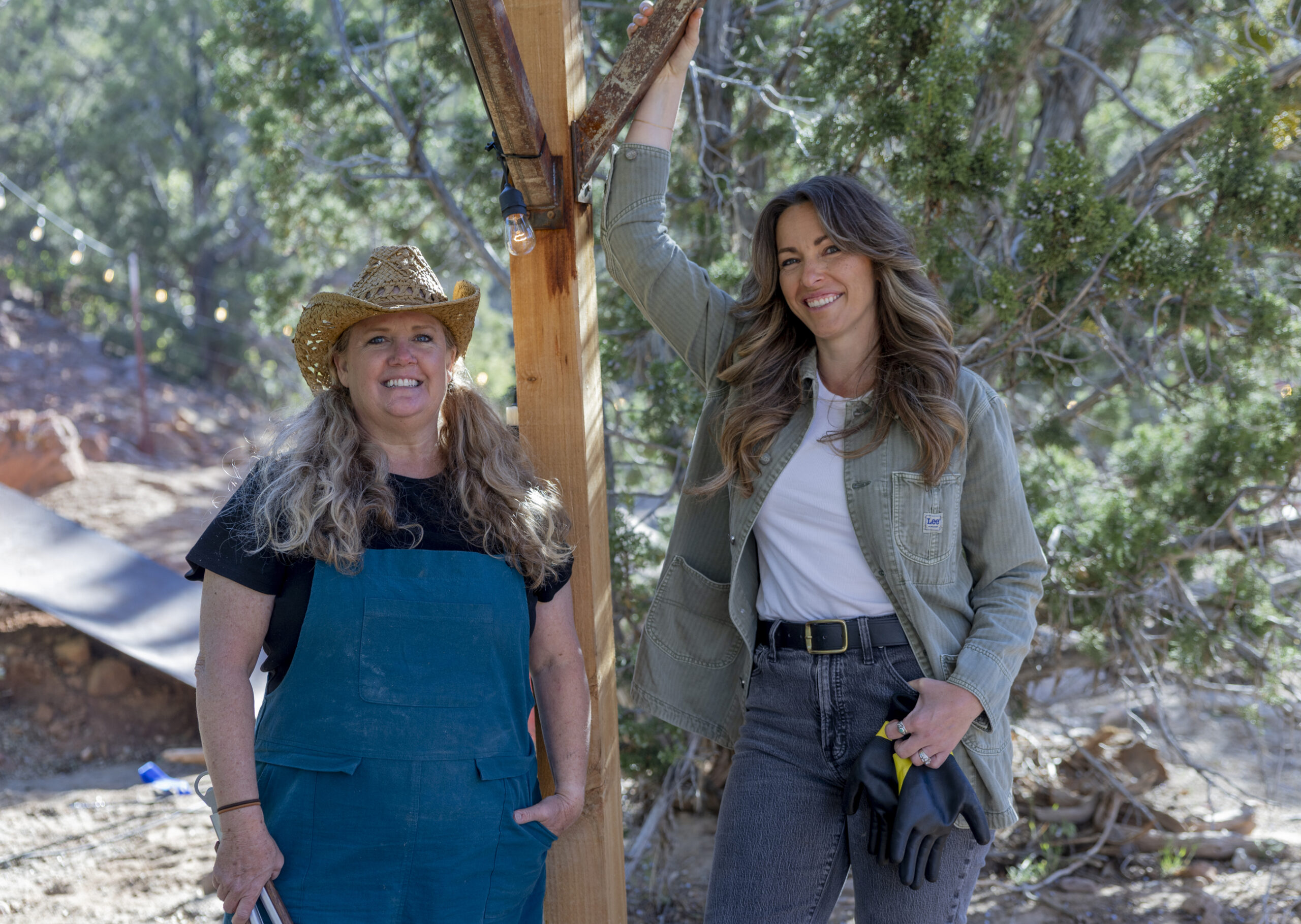
The inaugural episode of Food Network’s highly anticipated competition series, Pitmasters, thrust competitors into an unforgiving environment, demanding not just culinary skill but also resilience and adaptability. Among the hopefuls were Christie Vanover, known for her success with Team Girls Can Grill, and Susie Bulloch of Hey Grill Hey, two formidable figures in the barbecue circuit. Their partnership immediately set the stage for a dynamic collaboration, trading the comfort of their familiar backyards for a week of intense, open-fire cooking in a remote, challenging setting. The series pits ten two-person teams against each other in a series of live-fire culinary duels, judged by an esteemed panel: Andrew Zimmern, Big Moe Cason, Ernest Servantes, and Jess Pryles. These judges are renowned for their discerning palates and no-nonsense critiques, promising a high level of pressure for all involved.
The premiere episode immediately distinguished itself from previous barbecue competitions by emphasizing the fundamental act of pit construction. Unlike shows where pre-existing grills and established fire pits are provided, Pitmasters required teams to build their own cooking infrastructure from the ground up. Vanover and Bulloch, upon entering their designated cooking area, discovered a single offset smoker and a limited, roped-off space. Their first task was a race against time to gather essential materials such as cinder blocks and grill grates, a critical step in establishing their culinary battleground. This initial challenge underscored the show’s commitment to raw, primal barbecue techniques, forcing contestants to demonstrate not only their ability to cook but also their foundational understanding of fire management and pit design. The immediate need to construct their own cooking apparatus immediately set a tone of urgency and resourcefulness, a stark contrast to the more controlled environments often found in culinary competitions.
With their pits under construction, the teams were soon faced with their first major challenge: a 10-hour cook to prepare two proteins and at least one side dish, sufficient to feed all competitors and judges. This extended timeframe, while seemingly generous, was significantly compressed by the preceding need to build their cooking stations and meticulously prepare their fires. Vanover, known for her organizational prowess in competitive barbecue, found the initial setup chaotic. "Spices and tools were everywhere," she noted, highlighting a personal preference for order that was immediately disrupted by the competition’s environment. The distance to the central pantry, approximately 150 feet each way, further added to the logistical hurdles, demanding strategic planning for ingredient and equipment acquisition. This early phase of the competition tested not only culinary expertise but also the teams’ ability to manage time, resources, and an unpredictable environment.
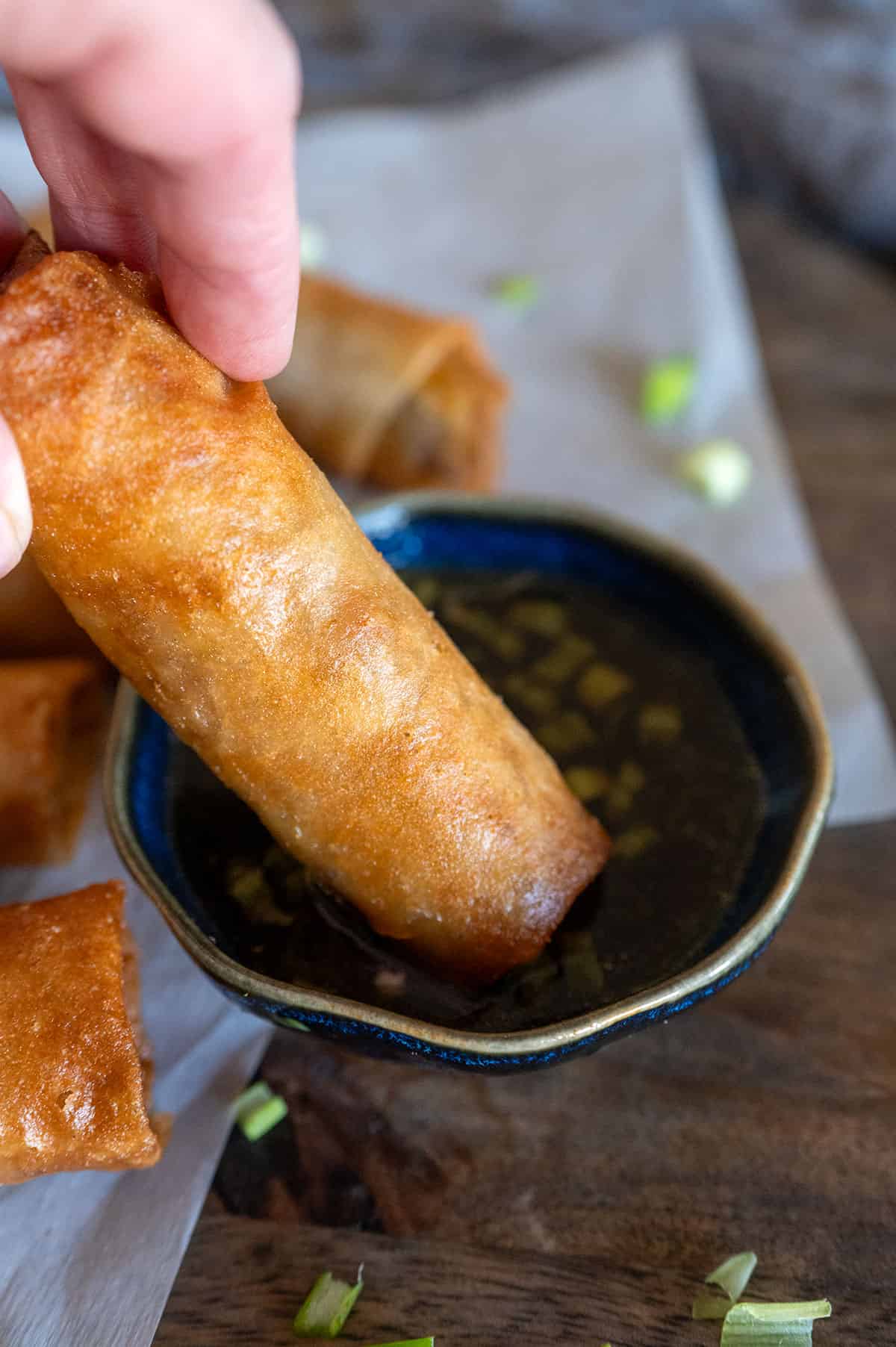
Just as the teams began to find their rhythm, approximately five hours into the cook, a significant twist was introduced: the "Flash Burn" challenge. This rapid-fire round offered a tantalizing $2,000 prize for the team that could produce the "perfect one-bite dish" within a strict 60-minute window. Recognizing the common success of fried items with appealing textures in such challenges, Vanover and Bulloch opted to create buffalo chicken lumpia, a dish that would reflect both their collaborative styles and their family’s culinary preferences. This rapid pivot demanded quick thinking and flawless execution under immense pressure.
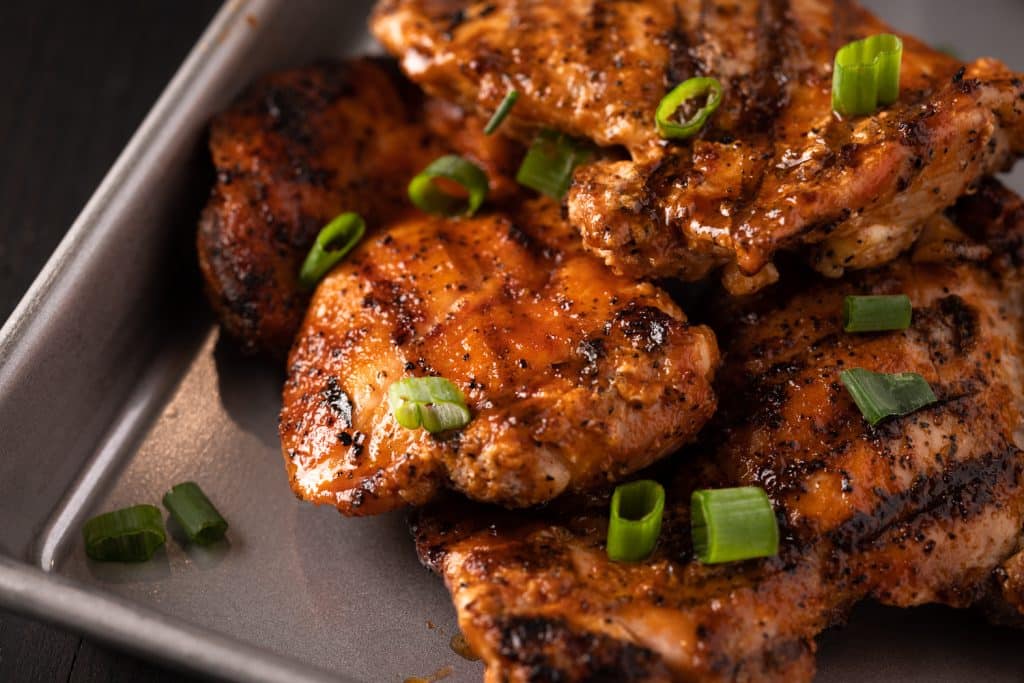
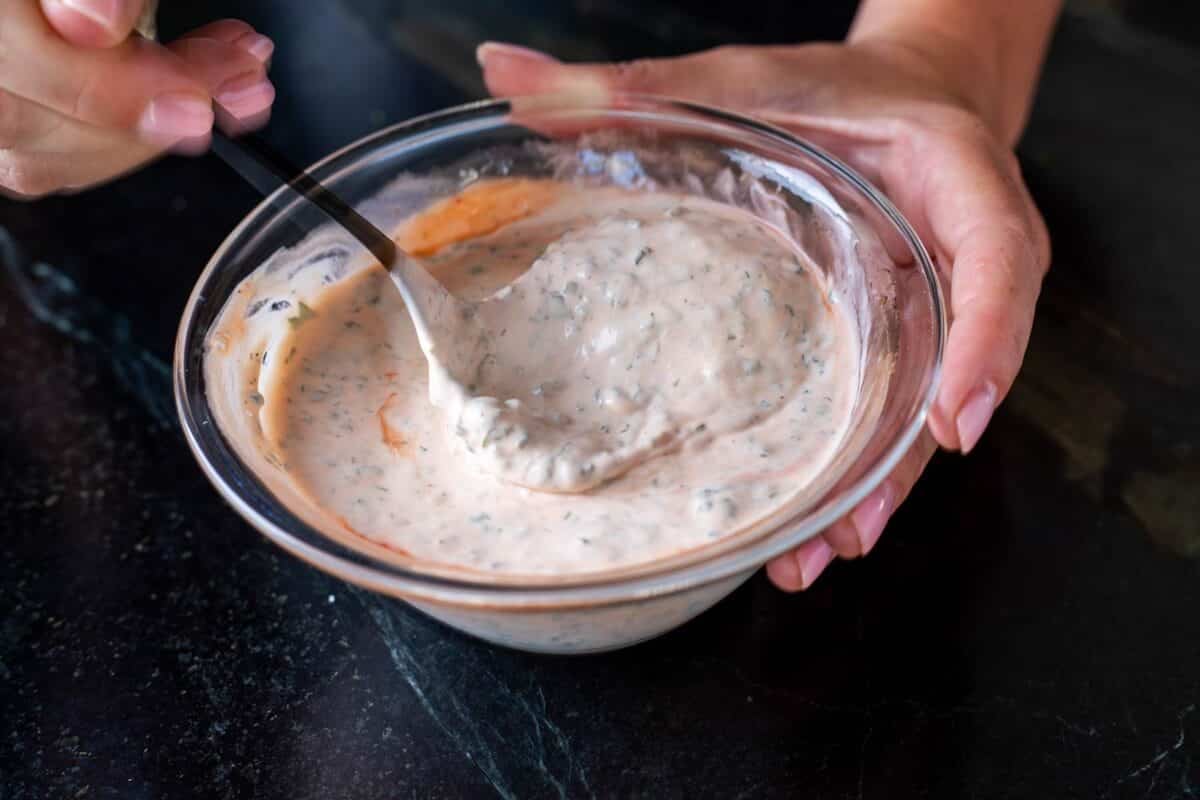
The creation of the lumpia presented its own set of difficulties. The intense heat of the day, exacerbated by the outdoor cooking environment, caused the delicate lumpia wrappers to dry out rapidly. Vanover meticulously worked to keep them pliable as she rolled each one, a testament to her attention to detail. Simultaneously, the team had to bring a pot of oil to the optimal frying temperature of 375°F over an open fire, a process that proved more challenging than anticipated. Despite these obstacles, they managed to complete and plate their lumpia just as time expired. The presentation, while perhaps not visually perfect, held up to the judges’ scrutiny. Andrew Zimmern initially expressed skepticism, stating he was "prepared to dislike it immensely," but was ultimately impressed by the dish’s flavor, deeming it "very, very nice." Big Moe Cason also lauded the taste of the chicken and sauce, signaling a positive reception for their innovative one-bite creation.
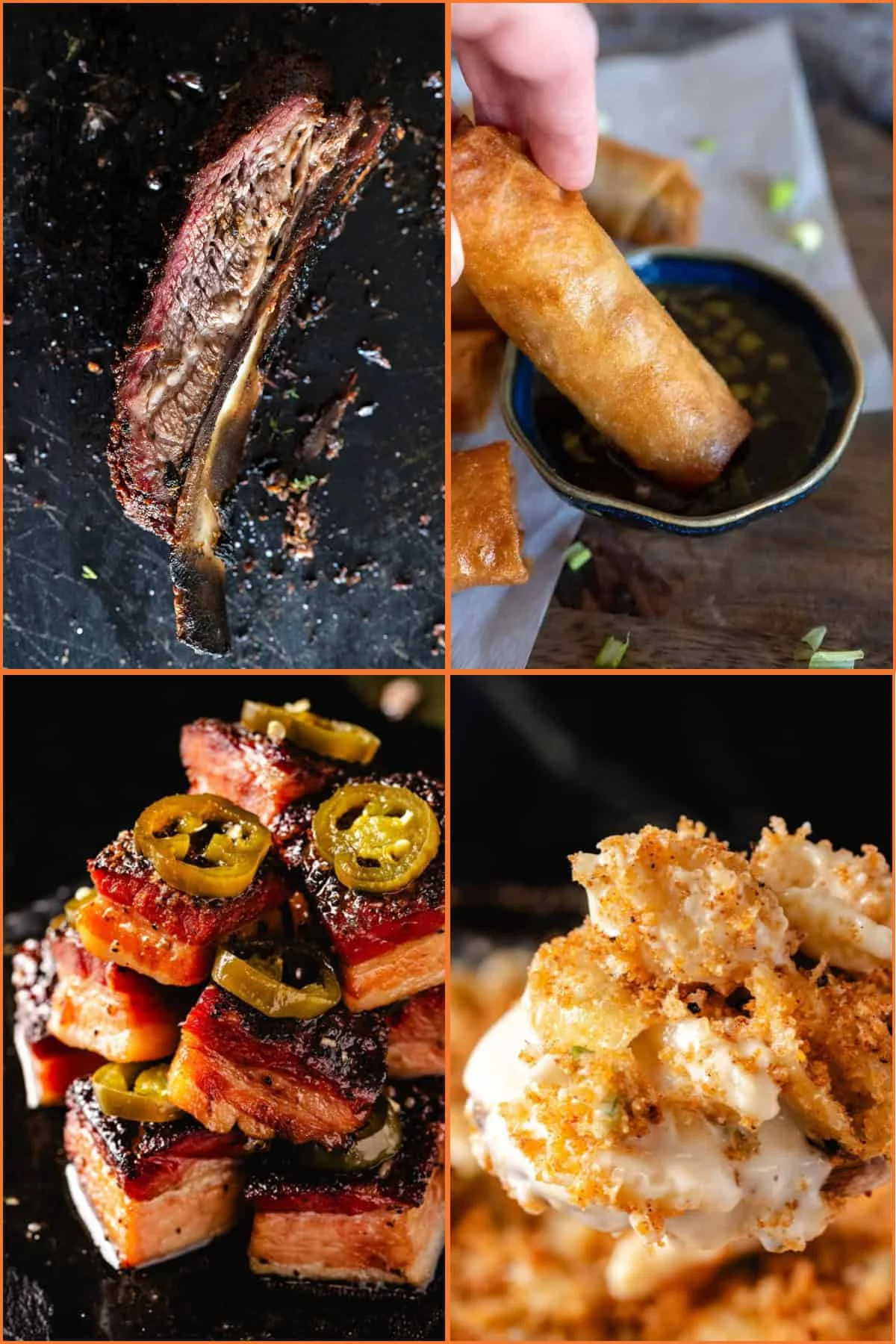
Following the intense "Flash Burn" round, the teams returned their focus to the main "Big Burn" challenge, which required the preparation of two proteins and one side dish within the initial 10-hour window. Vanover chose to feature smoked beef plate ribs, a personal favorite known for its rich flavor and tender texture. Complementing this, Bulloch prepared candied jalapeño pork belly burnt ends, a popular and flavorful barbecue staple. The cooking process for the beef ribs proved particularly challenging due to the competition’s high-altitude location, situated above 5,000 feet. This elevation significantly impacts cooking dynamics, requiring adjustments to temperature and cooking times. Vanover struggled to achieve adequate airflow in the offset smoker to reach the desired temperature, a common issue for pitmasters operating at such altitudes.
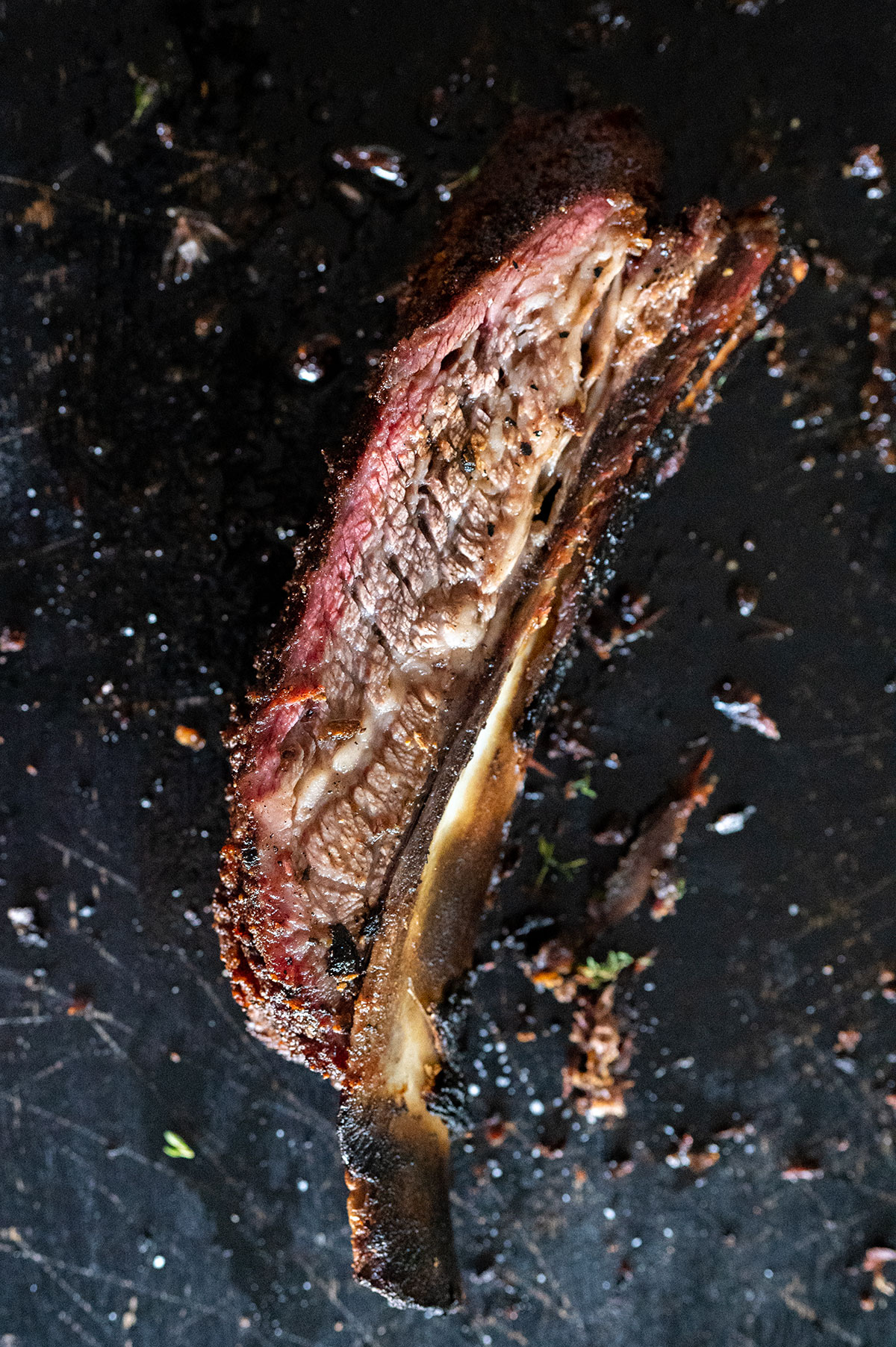
To expedite the cooking process for the beef ribs, Vanover employed the "Texas Crutch" technique, wrapping them in butcher paper and foil. While this successfully tenderized the meat, Vanover felt the ribs could benefit from additional textural elements. In a last-minute maneuver, she sliced the ribs into medallions and seared them over live fire on a plancha, aiming to caramelize the fat and enhance their appeal.

The side dish component of the "Big Burn" presented its own unforeseen challenges. Bulloch prepared a smoked mac and cheese with poblanos and white cheddar, a dish that garnered significant attention for its generous portion size and rich flavor profile. Vanover, initially planning a charred and blanched kale salad designed to cut through the richness of the meats, encountered a critical flavor issue with the kale, describing it as having a "really skunky flavor." This necessitated an immediate pivot. She quickly sourced fresh spinach from the pantry and, unable to char and blanch it in the remaining time, opted to lightly smoke it to impart flavor. She then dressed the spinach with a sweet and smoky vinaigrette, adding toasted breadcrumbs, charred carrots, and manchego cheese for complexity. Despite the successful improvisation, Vanover expressed a lack of complete confidence in both her beef rib preparation and her hastily conceived spinach salad, acknowledging the demanding nature of the competition.

The judging of the "Big Burn" dishes provided a crucial insight into the judges’ assessments and the competitive landscape. The communal judging table, where teams shared their creations and stories, offered a moment of camaraderie amidst the intense rivalry. Bulloch’s impressive skillet of smoked mac and cheese was a visual and gustatory highlight. However, the judges’ feedback on Vanover’s beef ribs was mixed. Andrew Zimmern commented on the texture, while Jess Pryles, though appreciating the diverse techniques employed, indicated that Vanover’s preparation was not her personal favorite. This critical feedback underscored the high caliber of the competition and the exacting standards of the judges, prompting Vanover to internally acknowledge the need to elevate her performance in subsequent rounds.
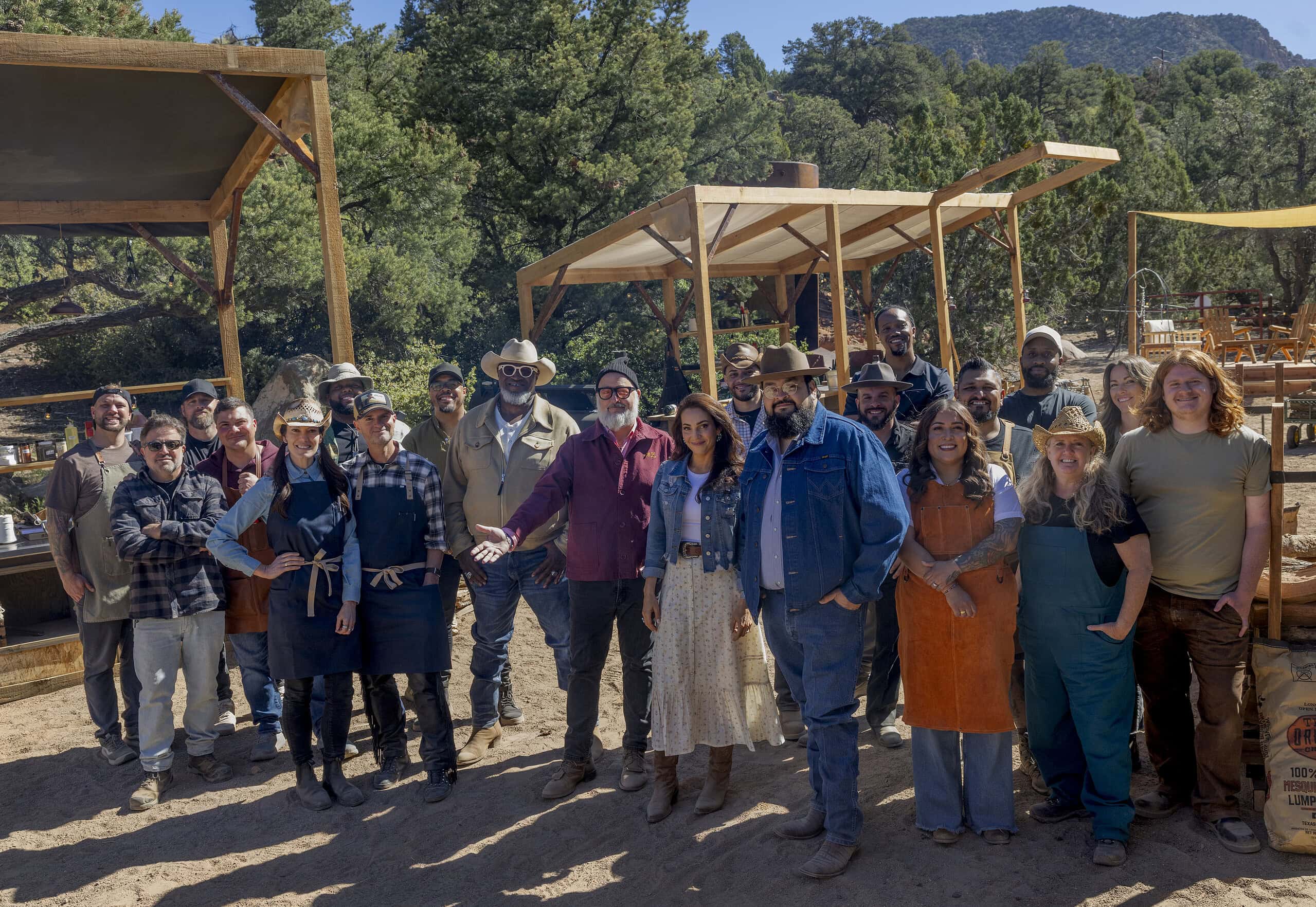
Despite landing in the bottom two for the premiere episode, Vanover and Bulloch managed to secure their position in the competition, a testament to their resilience and the overall strength of their offerings, particularly the acclaimed lumpia and mac and cheese. This narrow escape highlighted the razor-thin margins that define elite barbecue competitions.
New episodes of Pitmasters air live at 9/8c on Food Network, with subsequent streaming available on HBO Max the following day. The show’s format promises a continuous exploration of diverse barbecue traditions and innovative techniques, pushing contestants to their limits. The success of the premiere episode, with its emphasis on fundamental pitcraft and challenging real-world cooking conditions, sets a compelling precedent for the remainder of the season. As the competition progresses, viewers can expect to witness further displays of culinary ingenuity, strategic adaptation, and the sheer grit required to excel in the demanding world of professional barbecue. The series not only showcases the artistry of barbecue but also the personal journeys of the pitmasters who dedicate themselves to mastering the craft, often under the most trying circumstances. The early challenges have already established that Pitmasters is more than just a cooking show; it’s a test of character, resourcefulness, and an unwavering passion for live-fire cooking.


