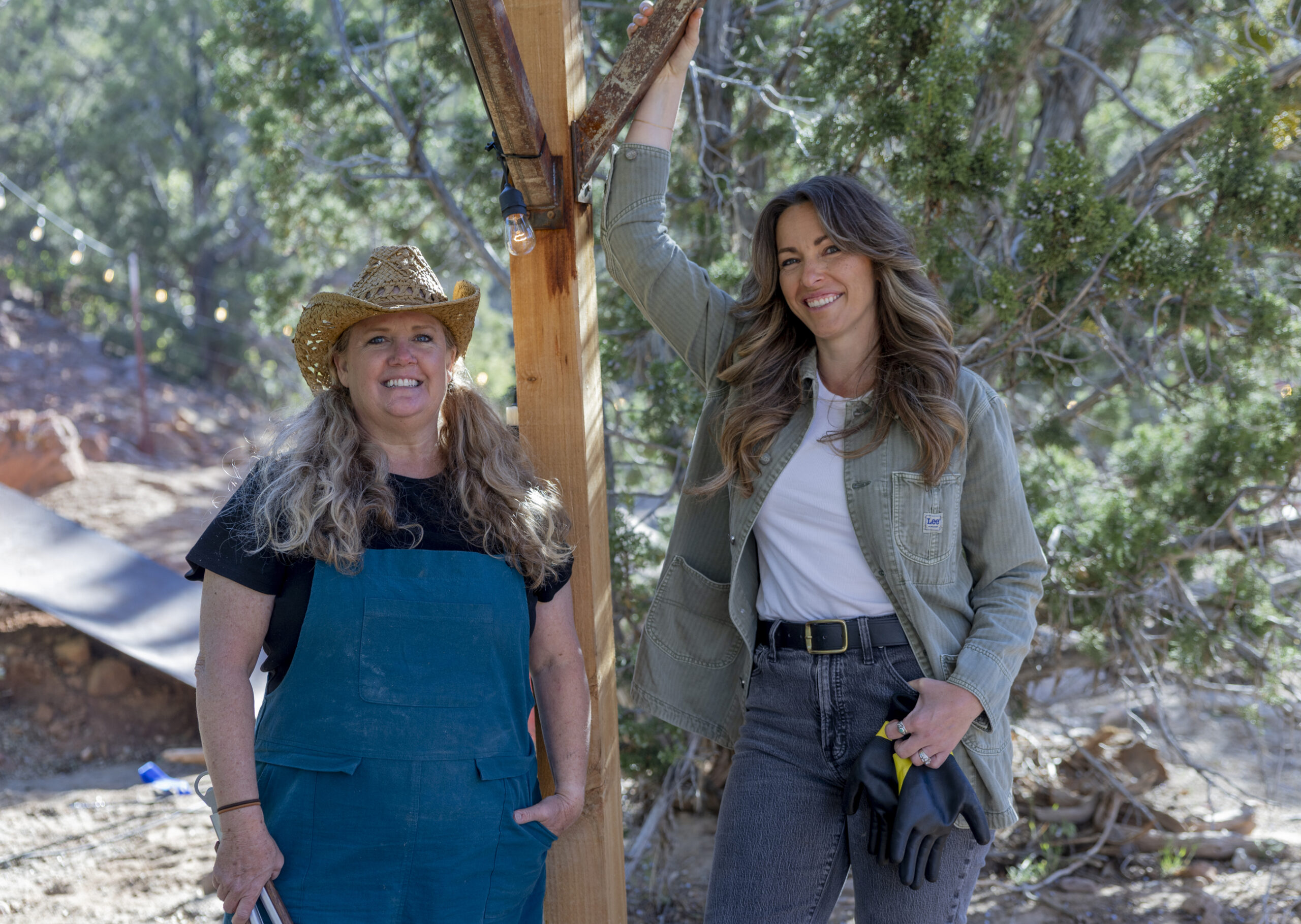
The highly anticipated premiere of Food Network’s new competition series, Pitmasters, has officially launched, showcasing an intense culinary battle set against a rugged, remote backdrop. The inaugural episode saw competitive pitmasters Christie Vanover of "Girls Can Grill" and Susie Bulloch of "Hey Grill Hey" teaming up, trading their familiar backyard setups for a week of high-stakes, open-fire cooking. Their journey began amidst the challenges of constructing their own cooking pits from scratch, a stark contrast to the more prepared environments of previous barbecue-centric shows.
The series pits sixteen contestants, organized into eight two-person teams, against each other in a series of demanding live-fire cooking challenges. Presiding over these culinary trials are four esteemed judges: Andrew Zimmern, Big Moe Cason, Ernest Servantes, and Jess Pryles. Their discerning palates and no-holds-barred critiques set a formidable standard for the aspiring pitmasters. The premiere episode immediately established the show’s rigorous nature, demanding not only culinary skill but also adaptability and resourcefulness under pressure.
The Genesis of a Pit: From Concept to Creation
Upon arriving at the competition site, Vanover and Bulloch, along with the other teams, were met with an unexpected first task: building their own cooking pits. This differed significantly from their previous experiences on shows like BBQ Brawl, where pre-established grills and existing fires were provided. The Pitmasters set, however, offered a more elemental starting point. Each team was allocated a six-foot roped-off area containing a single offset smoker and tasked with sourcing and assembling the necessary components for their cooking apparatus. This included a race to gather cinder blocks, grill grates, and other materials, transforming a raw space into a functional culinary battleground.
The immediate aftermath of this initial setup phase involved a scramble to organize the chaotic staging area. Spices, tools, and ingredients were scattered, presenting a significant hurdle for competitors like Vanover, who prides herself on meticulous organization in competition barbecue. The distance to the main pantry, approximately 150 feet each way, further complicated the process of acquiring necessary supplies, adding a layer of logistical challenge to the culinary demands.
The First Challenge: A Race Against Time and Elements
With the pits under construction, the judges soon announced the primary objective for the premiere: a ten-hour cook to produce two distinct proteins and at least one accompanying side dish, sufficient to feed all competitors and judges. While the ten-hour timeframe was perceived as a considerable advantage, allowing ample time for complex barbecue preparations, the initial hours were consumed by pit construction, ingredient gathering, and the crucial task of establishing controlled fires.
The unpredictable nature of live-fire cooking was amplified by the environmental factors. The competition site, situated at an altitude exceeding 5,000 feet, presented unique challenges that significantly impact cooking processes, particularly temperature regulation. Vanover noted that achieving sufficient oxygen flow into the offset smoker to maintain optimal cooking temperatures proved exceptionally difficult in the high-altitude environment. This inherent difficulty underscored the importance of adaptability and problem-solving in real-time.
The Flash Burn: A Test of Speed and Precision
Approximately five hours into the main cook, a new twist was introduced: the "Flash Burn" challenge. This rapid-fire segment gave teams just 60 minutes to create a perfect, single-bite dish. The incentive for success was substantial: a $2,000 prize for the winning team. Drawing on their experience with similar challenges in competitive barbecue, Vanover and Bulloch opted for a fried item, a category that frequently excels in such contests due to its textural appeal.
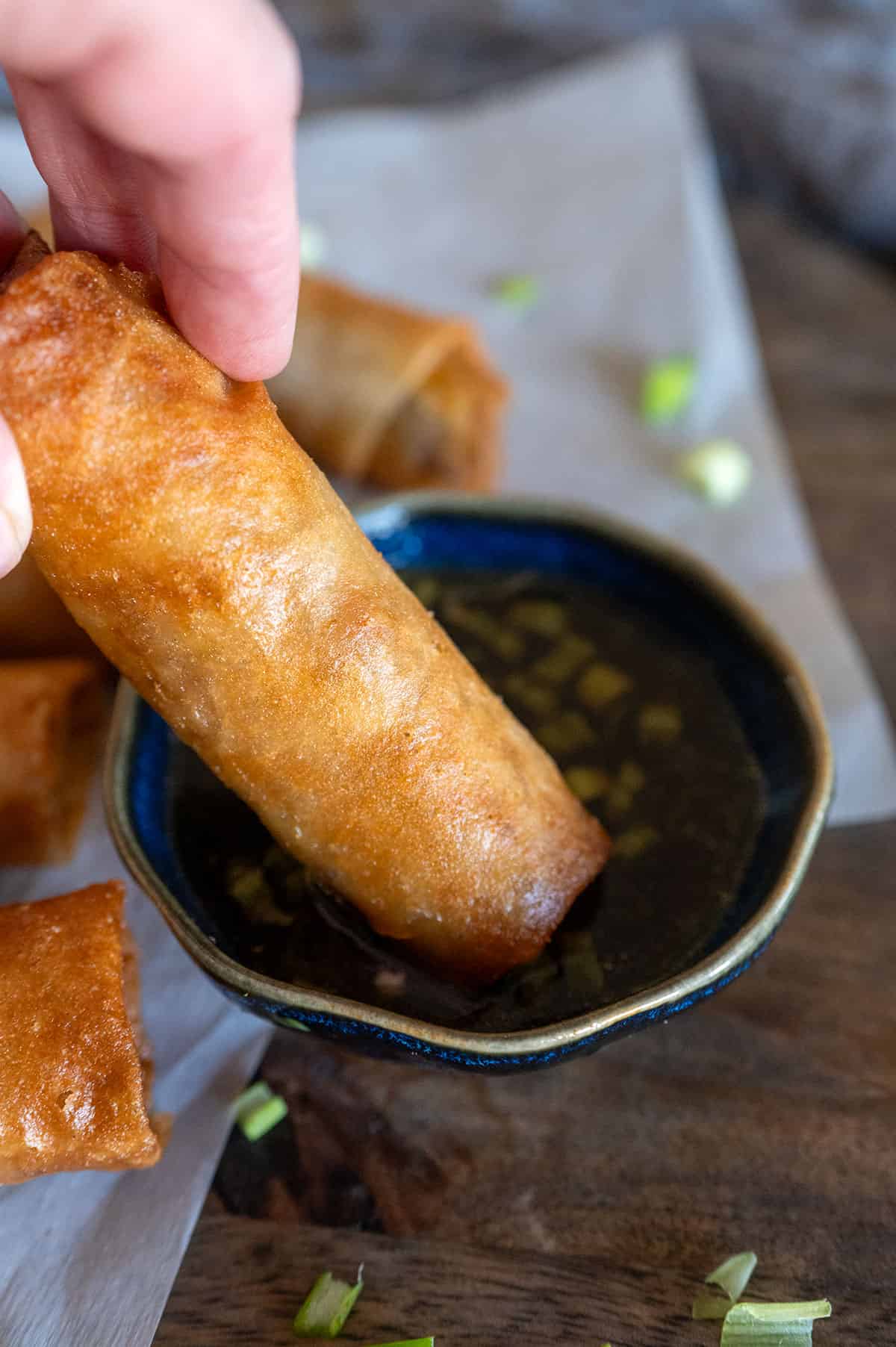
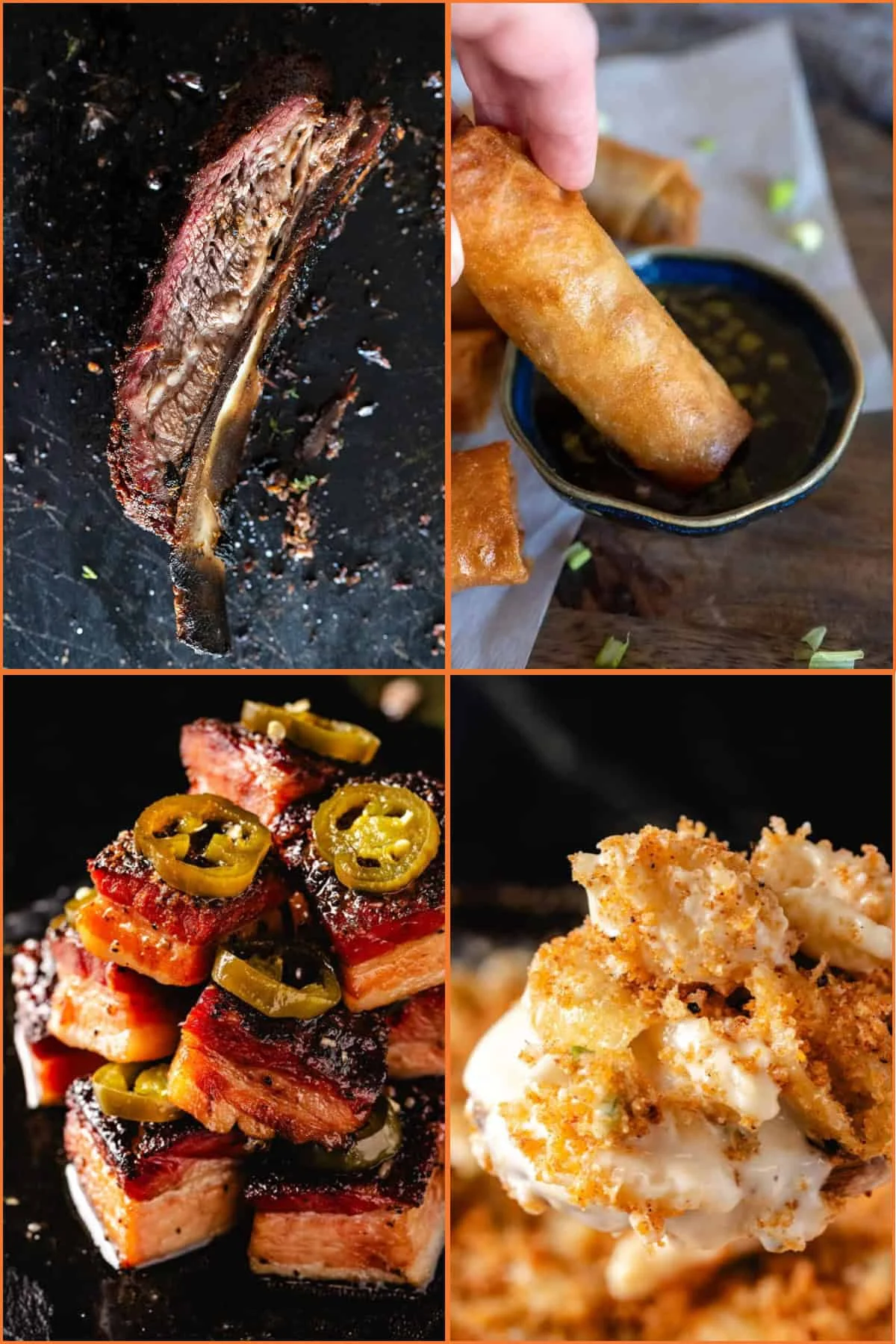
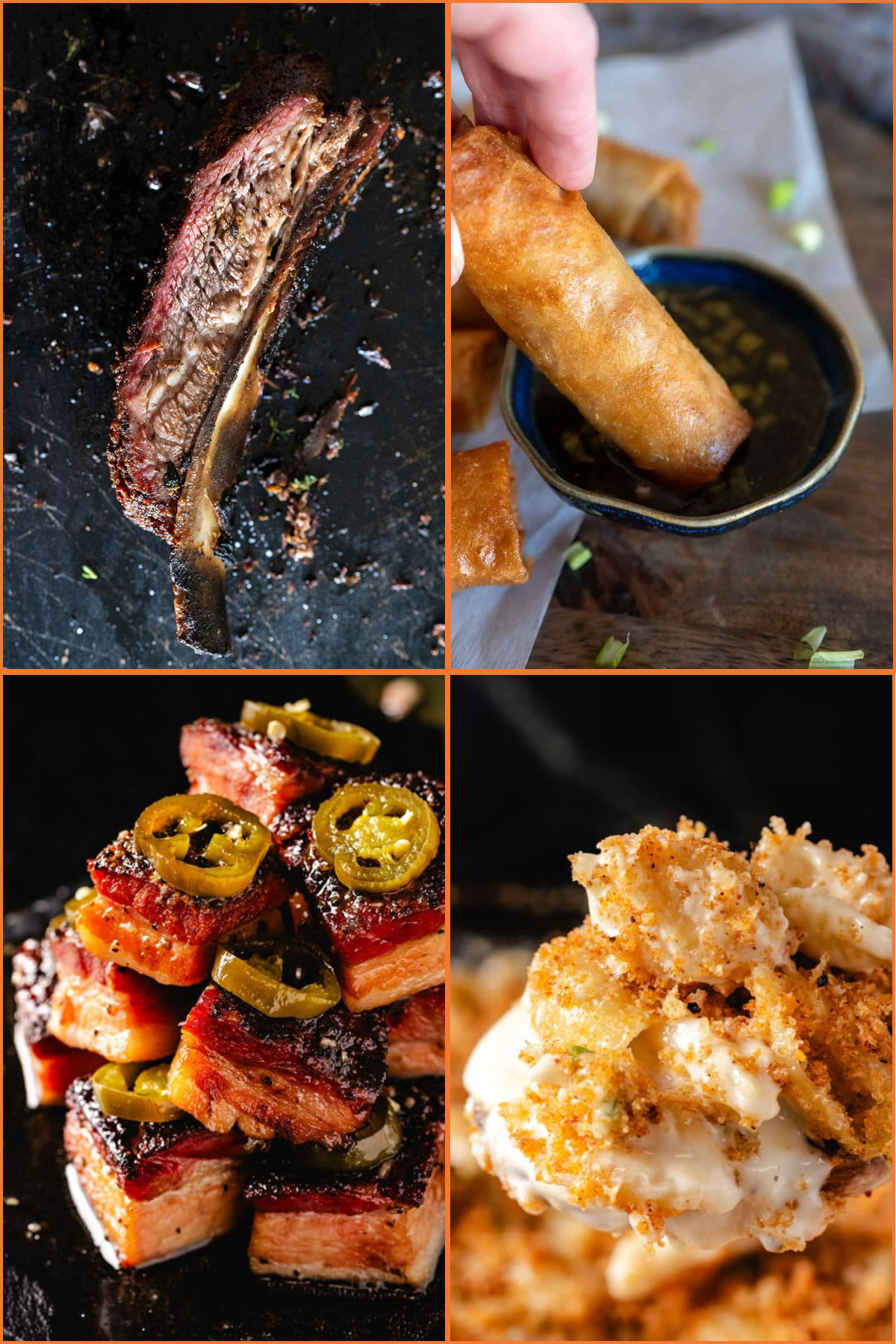
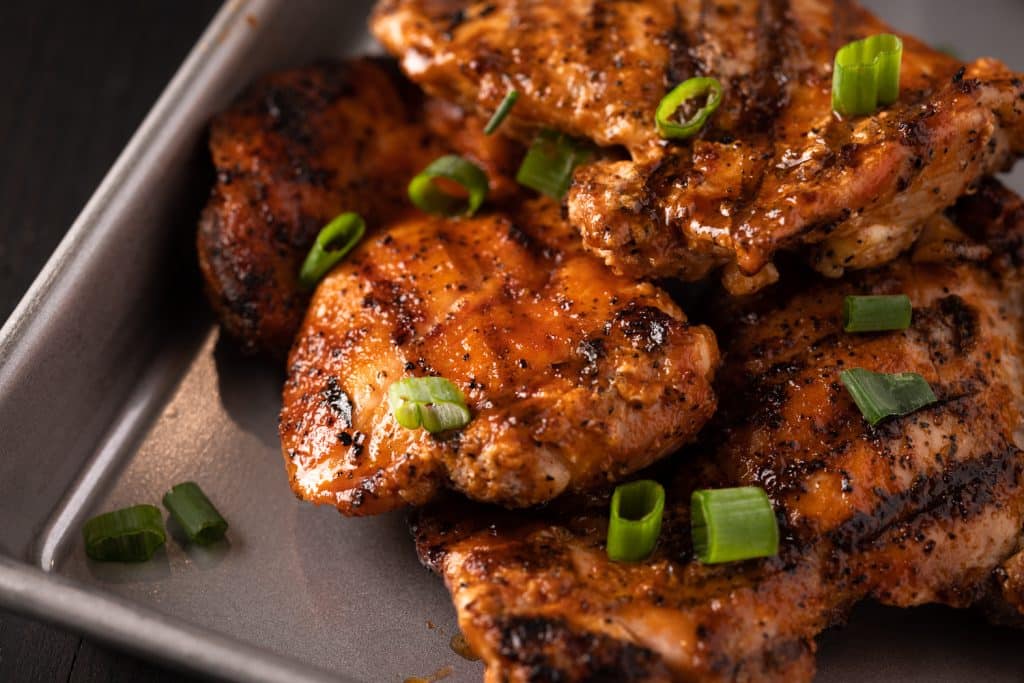
Their chosen dish was buffalo chicken lumpia, a fusion of their respective culinary styles and family favorites. The preparation involved grilling chicken, infusing it with buffalo flavor, and then encasing it in delicate lumpia wrappers. This process was fraught with challenges, including the intense midday sun bearing down on their prep table, causing the wrappers to dry out rapidly. Vanover meticulously worked to keep the wrappers pliable while simultaneously managing the critical task of heating a pot of oil over the open fire to the target temperature of 375°F.
Despite the time constraints and environmental pressures, the team managed to complete and plate a batch of lumpia just moments before the deadline. While the visual presentation was not their strongest, the flavors were met with positive, albeit initially cautious, reception from the judges. Andrew Zimmern expressed his surprise, stating he was "prepared to dislike it immensely" but ultimately found it "very, very nice." Big Moe Cason also commended the flavor profile of the chicken and the accompanying sauce.
The Big Burn: Mastering the Core Proteins and Sides
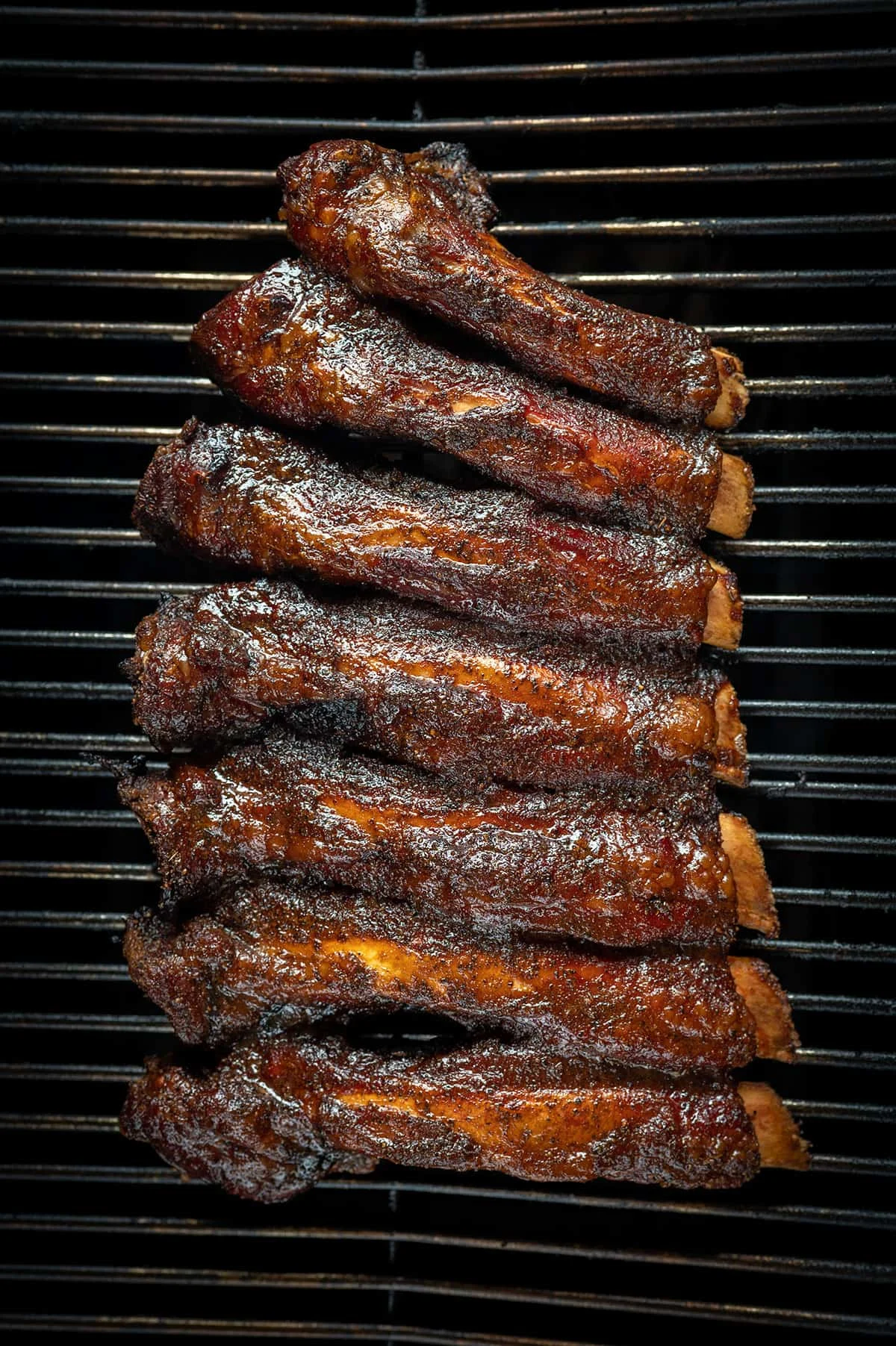
Following the Flash Burn, competitors returned to their primary cook, focusing on the main dishes. Vanover’s choice of smoked beef plate ribs, a personal favorite known for its rich flavor and tender texture, formed the foundation of their protein offerings. Complementing this, Bulloch prepared candied jalapeño pork belly burnt ends, a popular and flavorful barbecue staple.
The challenge of maintaining consistent temperatures in the offset smoker at high altitude continued to be a significant hurdle. To accelerate the cooking process for the beef ribs, Vanover employed the "Texas Crutch" technique, wrapping them in butcher paper and foil. This intervention proved effective in tenderizing the meat. However, seeking to enhance the dish further, Vanover decided to slice the ribs into medallions and sear them over live fire on a plancha, aiming to achieve a more caramelized texture and render the fat.
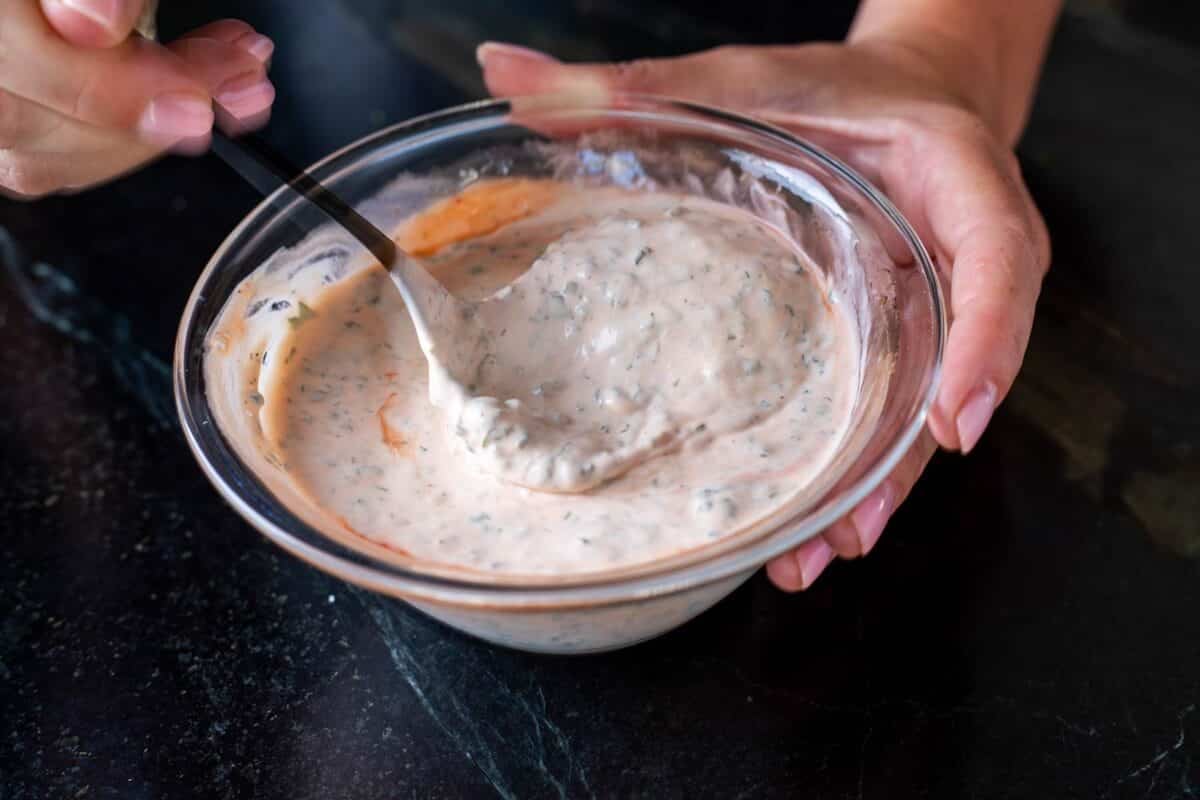
The side dish component presented its own set of complications. Bulloch prepared a smoked mac and cheese with poblanos and white cheddar, a rich and comforting dish. Vanover, initially planning a charred and blanched kale salad to cut through the richness of the meats, encountered an issue with the kale’s flavor, describing it as "skunky." This necessitated an immediate pivot. She raced to the pantry, sourced fresh spinach, and instead of charring and blanching, tossed it over smoke to impart flavor. The spinach was then dressed with a sweet and smoky vinaigrette, enhanced with charred carrots, toasted breadcrumbs, and Manchego cheese. Despite the successful last-minute save, Vanover expressed a lack of complete confidence in her protein and side dish preparations.
The Judging: A Critical Evaluation and a Glimpse of the Competition
The judging segment brought all teams and judges together, offering a communal experience of shared food and stories. Bulloch’s expansive skillet of mac and cheese, loaded with pork belly, was a visual centerpiece. The combination of Vanover’s beef ribs and Bulloch’s mac and cheese was intended to showcase their Southwestern culinary roots.
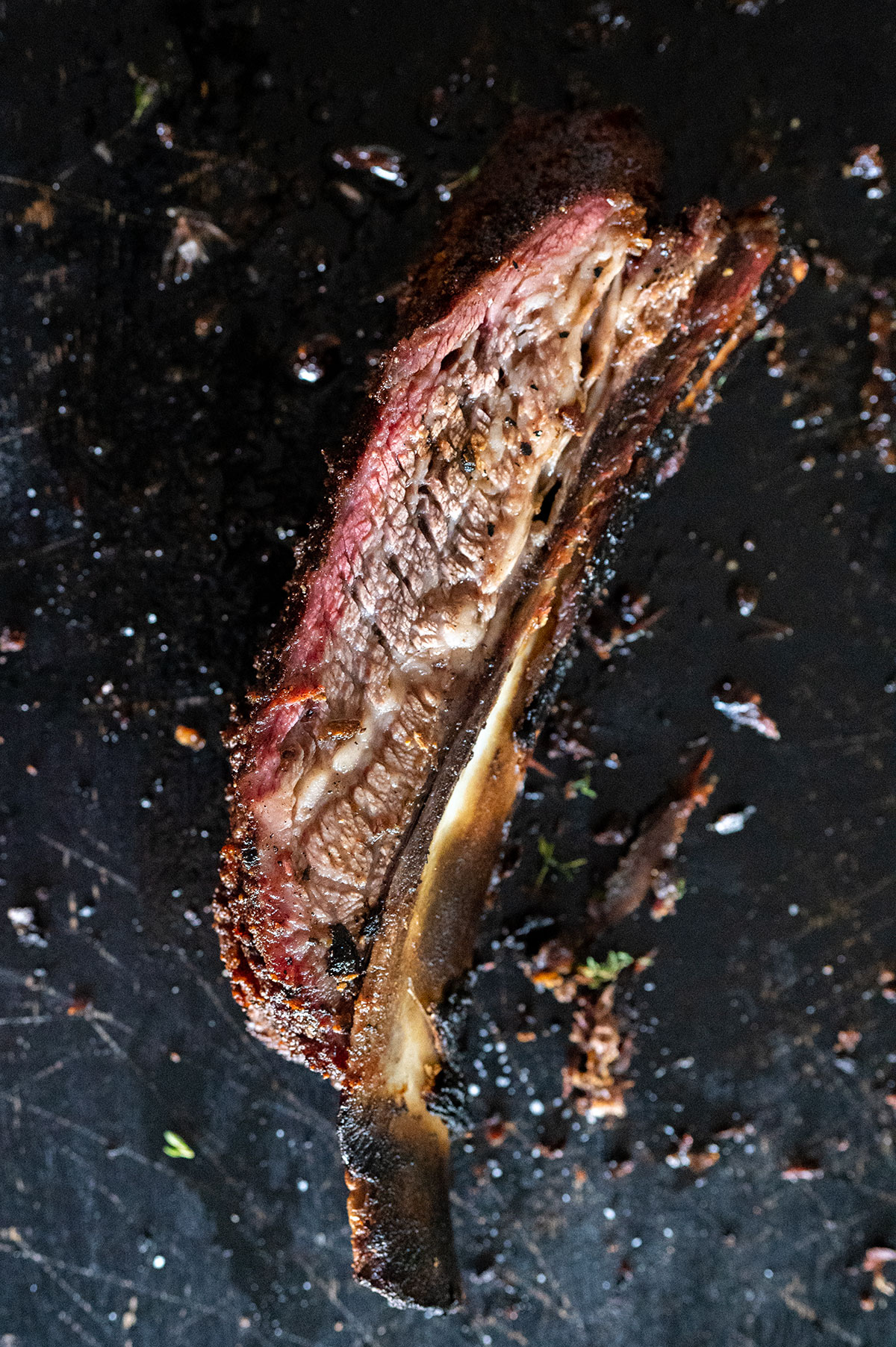
However, the judges’ feedback highlighted areas for improvement. Andrew Zimmern noted that the texture of Vanover’s beef ribs was not to his preference. Jess Pryles, while acknowledging the diverse techniques employed, also indicated that Vanover’s preparation was not her favorite. These critiques underscored the formidable level of competition and the need for Vanover and Bulloch to refine their strategies for subsequent challenges.
Despite facing criticism, the team’s performance was sufficient to avoid elimination. They landed in the bottom two for the premiere episode but secured a spot to continue in the competition, a testament to their resilience and the overall quality of their efforts under extreme pressure.

Looking Ahead: The Fierce Competition Continues
The premiere of Pitmasters has set a high bar for culinary intensity and strategic gameplay. The challenges of building pits from scratch, adapting to extreme environmental conditions, and executing complex dishes within tight deadlines have been vividly illustrated. The judges’ critiques, while direct, provide valuable insights for the competitors as they move forward.
The series promises further exploration of diverse barbecue techniques and regional influences as teams navigate increasingly difficult challenges. The dynamic between the seasoned judges and the diverse array of pitmasters, each bringing their unique expertise and personality to the forefront, is a key element that will drive viewer engagement. The initial episode has established that survival in this competition will require not only exceptional cooking skills but also unwavering adaptability and a keen understanding of how to leverage every advantage presented.

New episodes of Pitmasters air Mondays at 9/8c on Food Network and are available for streaming the following day on HBO Max. The ongoing narrative promises to reveal how Vanover, Bulloch, and the remaining teams will tackle future culinary trials, pushing the boundaries of live-fire barbecue and vying for the ultimate title of Pitmaster. The success of their initial dishes, while facing critiques, suggests that their combined strengths and willingness to innovate will be crucial as the competition intensifies. The early survival of Vanover and Bulloch indicates their capacity to learn from feedback and adjust their approach, a vital trait for any champion in a high-stakes culinary arena.