The intense culinary competition on Food Network’s Pitmasters reached a critical juncture in its seventh episode, a pivotal moment that saw contestants Susie Bulloch of Hey Grill Hey and Christie Vanover of Girls Can Grill navigate the demanding challenge of cooking a whole hog. This episode, representing the penultimate stage of the competition, pushed the remaining three teams to their limits, testing their skills, endurance, and strategic decision-making under immense pressure.
The Ultimate Test: Whole Hog Cook
The episode commenced with a significant challenge: the "Big Burn," requiring contestants to cook a whole hog in nine hours, accompanied by complementary side dishes. This was not merely a repetition of previous challenges; the specific stipulation this time was that the hog must remain intact, a departure from an earlier episode where contestants were tasked with breaking down the animal. For Bulloch and Vanover, who had already demonstrated proficiency in whole hog preparation, this presented an opportunity to refine their existing expertise and showcase a mastery of traditional barbecue techniques.
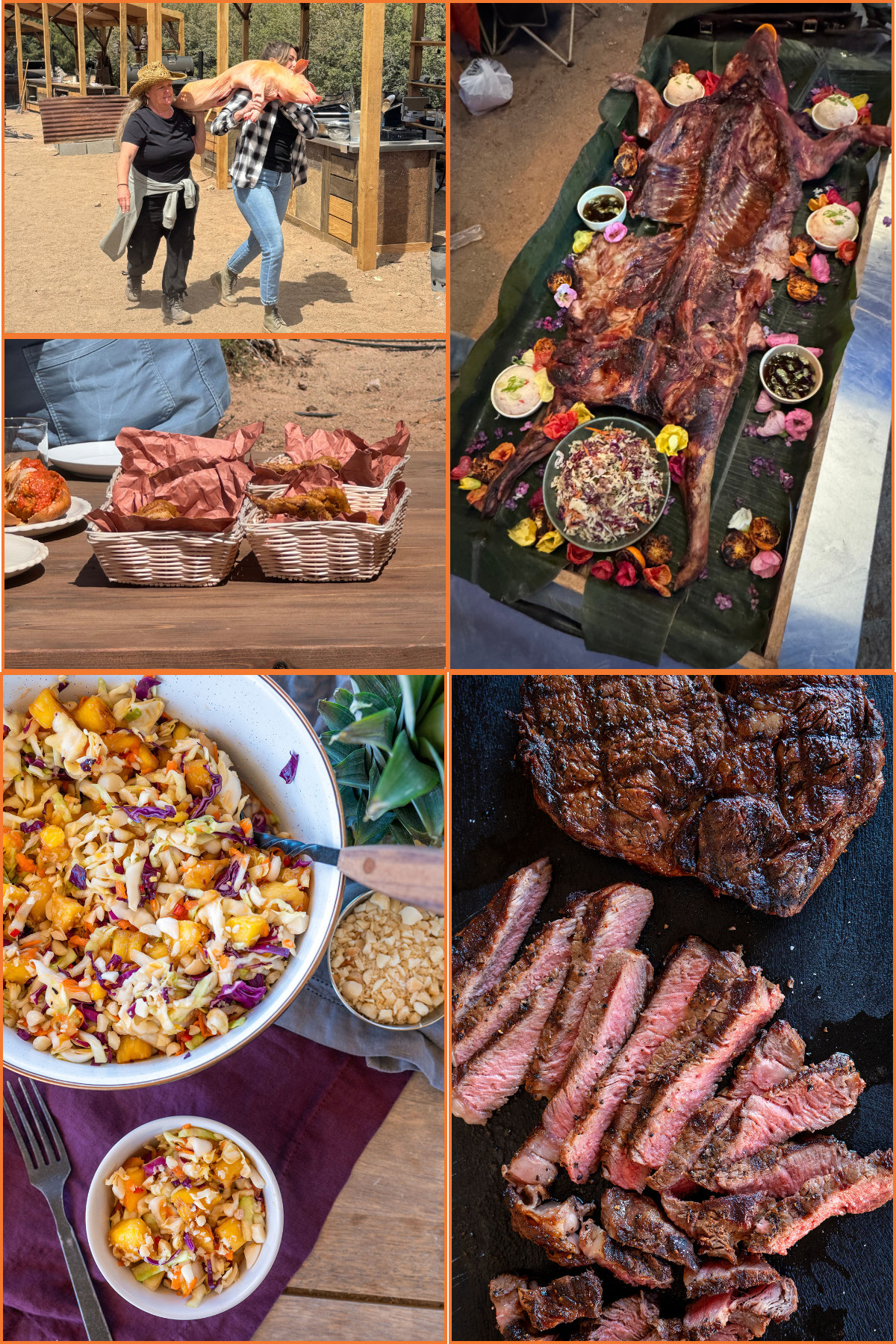
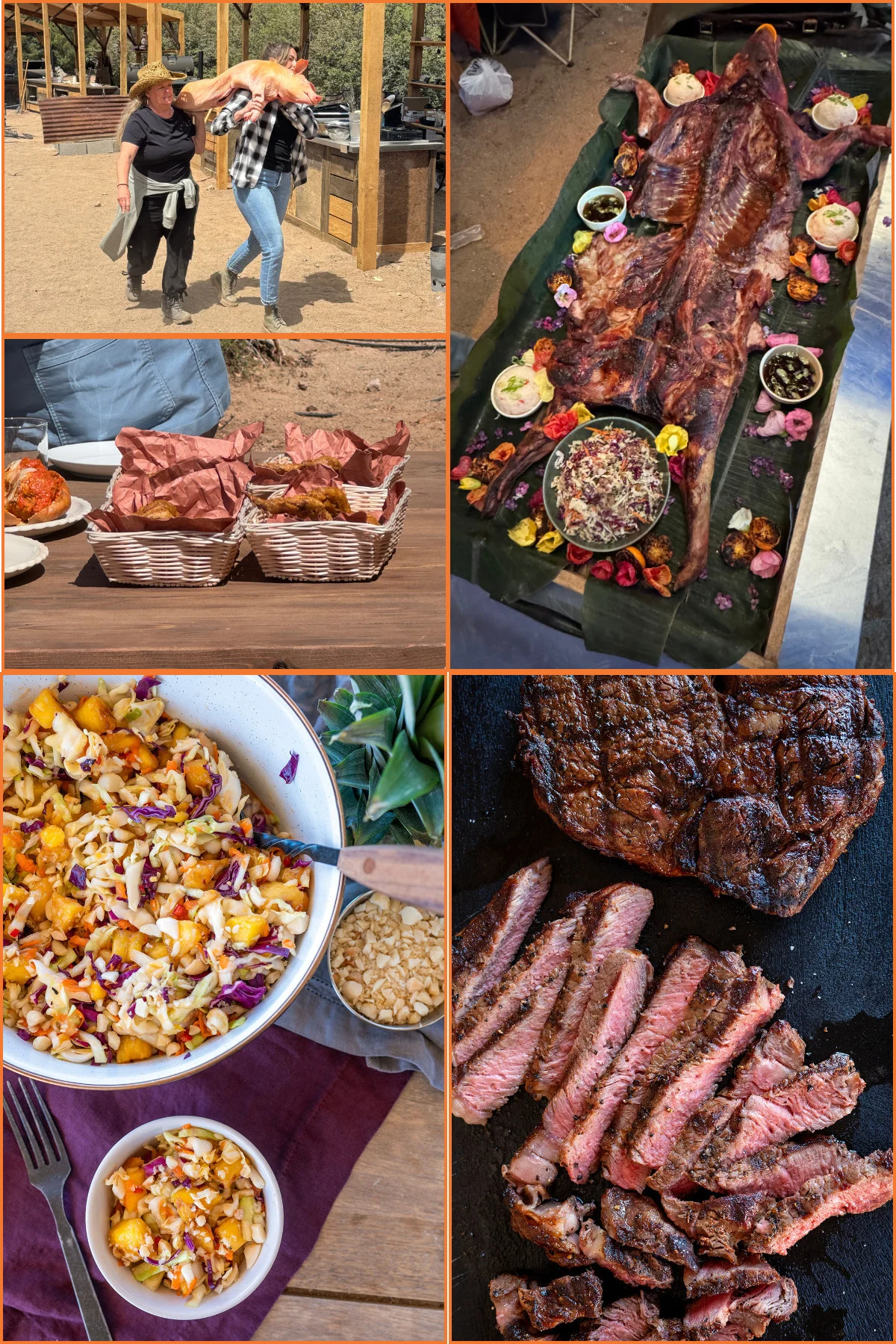
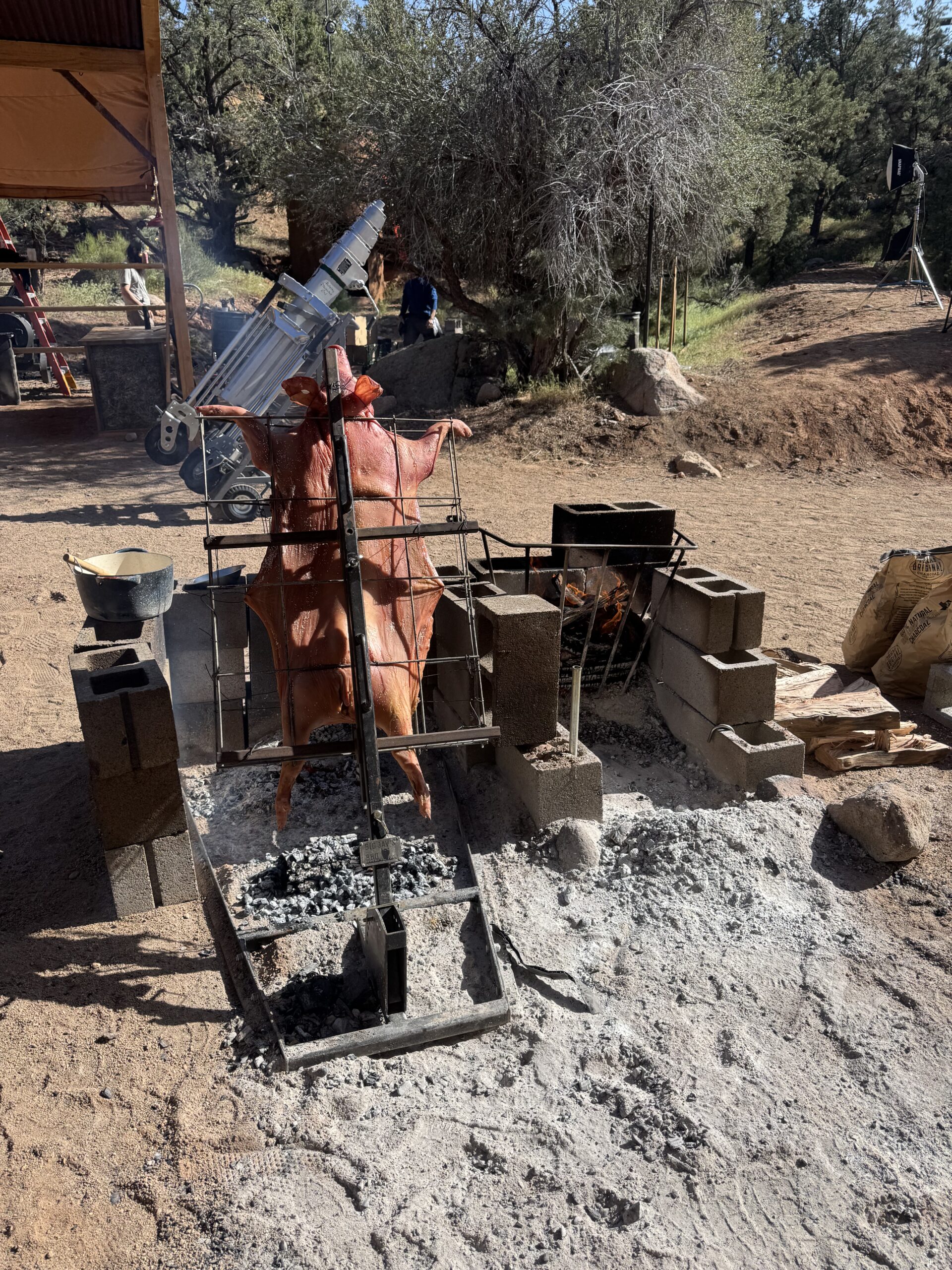
The duo, identifying themselves as "The Fierce Ladies of BBQ," opted for a visually striking and technically challenging cooking method: the asado cross. This method involves suspending the animal over an open flame, a technique renowned for imparting a distinct smoky flavor and creating exceptionally crispy skin. This choice, while aesthetically impressive, carried inherent risks, particularly concerning temperature control and the unpredictable nature of outdoor cooking elements like wind and fluctuating temperatures.
The chosen animal was a suckling pig, weighing approximately 30 pounds. While colloquially referred to as a "hog" within the competition’s context, it is important to note that a traditional hog typically weighs over 120 pounds, suggesting the scale of the challenge was adapted for the show’s format and time constraints. The strategy involved not only the precise rigging of the pig onto the asado cross, drawing upon techniques learned from renowned pitmaster Marcio Borguezan of Hog Addiction, but also the meticulous preparation of a basting sauce. Their chosen flavor profile for the basting sauce drew inspiration from Filipino adobo, a testament to their culinary creativity and willingness to incorporate diverse influences.
The judges, including renowned pitmasters Ernest Byner, Jess Pryles, and Andrew Zimmern, observed the contestants’ bold approach with a mixture of apprehension and intrigue. Byner expressed overt surprise at the chosen cooking method, stating, "I’m very very shocked that they’re doing that." This sentiment was echoed by Pryles and Zimmern, indicating a potential divergence between the contestants’ calculated risk and the judges’ established expectations for such a high-stakes challenge. However, Big Moe Cason, another prominent figure in the barbecue world and a fellow judge, offered a counterpoint, emphasizing the unparalleled flavor imparted by cooking over coals: "As far as flavor, I love cooking over coals like that… I would take that all day long. There is nothing that puts flavor like that." This highlights a fundamental tension in competitive barbecue: the balance between innovation, presentation, and the pursuit of pure, unadulterated flavor.
Flash Burns: Unexpected Challenges and Culinary Adaptations

The intense focus on the whole hog was abruptly interrupted by "Flash Burns," a recurring segment in Pitmasters designed to test contestants’ adaptability and speed. These impromptu challenges often introduce unexpected demands, forcing teams to pivot their strategies and showcase their versatility.
The first Flash Burn of the episode presented the judges with lunch orders, requiring immediate attention. Bulloch and Vanover were tasked with preparing seasoned chicken wings, a request that initially caused some confusion as the judges’ specific preferences were not fully captured amidst the chaos of the main cook. Ernest Byner’s request was for "seasoned chicken wings, not too saucy." Andrew Zimmern opted for a meatball sub, and Big Moe requested a pork burger with feta, onion, and garlic.
For the chicken wings, Bulloch’s expertise in creating "smoked fried wings" was immediately leveraged. Her signature method involves smoking the wings over coals before coating them in a crispy batter and then frying them. The use of beef tallow for frying, a technique known for imparting exceptional crispness and flavor, demonstrated a sophisticated approach to elevating a seemingly simple dish. The visual appeal and anticipated flavor profile of these wings were high, showcasing Bulloch’s ability to translate her successful home-based recipes into a competitive arena.
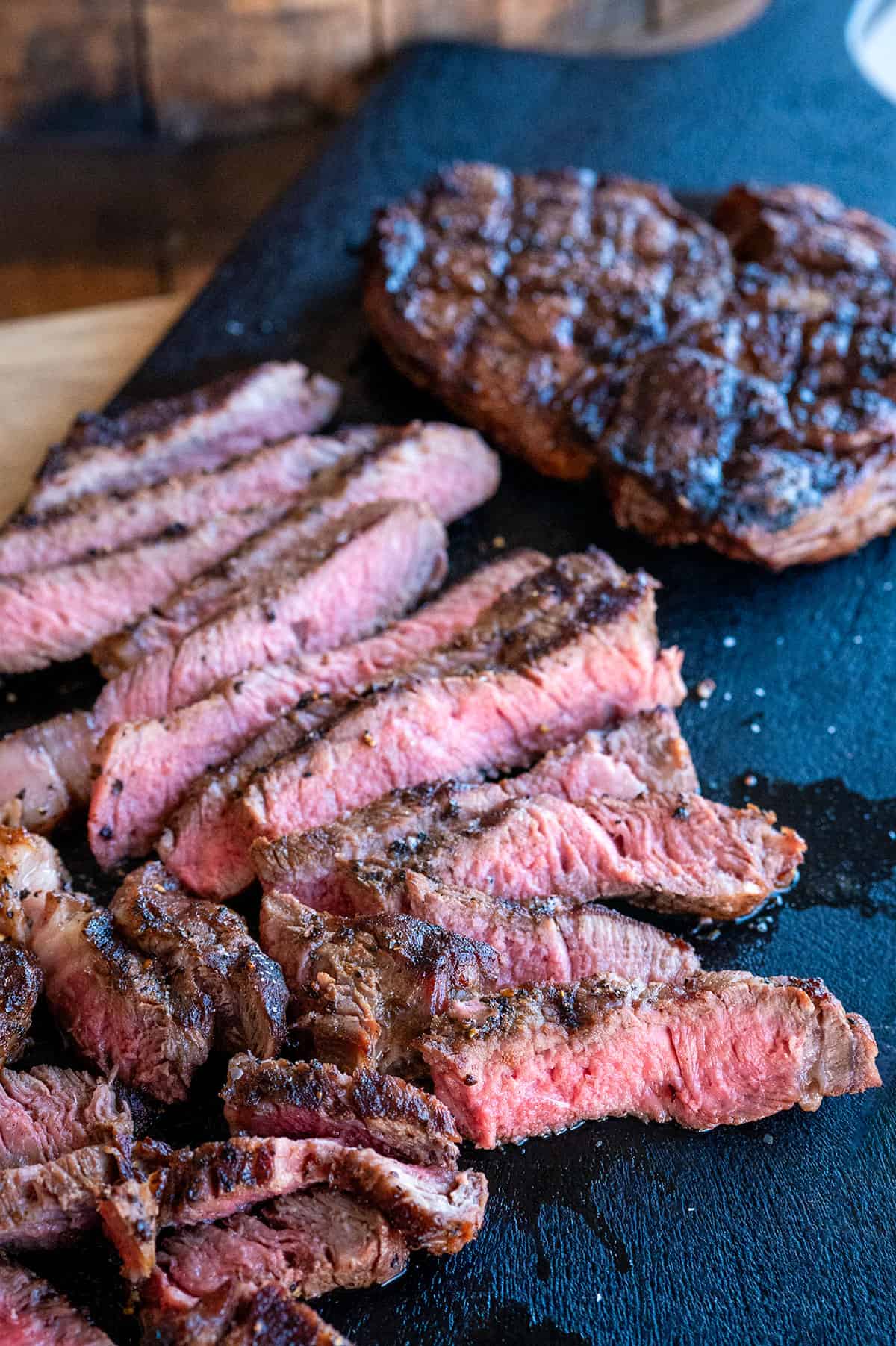
However, the competitive landscape shifted once again with a second Flash Burn, this time initiated by Jess Pryles. Pryles requested a perfectly cooked medium-rare ribeye steak with a hard-seared crust, to be prepared within a tight 30-minute timeframe. Vanover took the lead on this challenge, opting for a minimalist approach with kosher salt and black pepper, respecting Pryles’ known preference for tasting the pure essence of the beef. The steak was initially cooked over indirect heat to absorb smoke before being seared over direct coals. A small amount of butter was added at the end, a decision that would later become a point of contention during judging.

Judging the Flash Burns: A Mixed Verdict
The judges’ feedback on the Flash Burn dishes revealed the fine margins of competitive cooking. While Pryles acknowledged the steak was "cooked really well," she noted that the butter impacted the sear and that she "prefers her steaks butter-free" to better appreciate the beef’s natural tallow. This critique underscored the importance of adhering to subtle preferences, even when the core execution of the dish is sound.
Interestingly, while not captured on camera, Andrew Zimmern reportedly expressed strong approval of Vanover’s steak, calling it "the best steak." This disparity between private commendation and public critique highlights the subjective nature of judging and the pressure to conform to specific culinary criteria.
Susie Bulloch’s chicken wings, while praised for their flavor and juiciness by Ernest Byner, did not secure a win in this Flash Burn. Byner’s preference was for grilled wings, a detail that was apparently missed during the initial order. The decision to fry the wings, rather than grill them, led to the missed opportunity for a win and the associated prize money. This incident emphasized the critical need for precise information gathering and communication under pressure.
The Home Stretch: Completing the Whole Hog and Side Dishes
With the Flash Burns concluded, Bulloch and Vanover returned their focus to the whole hog, which had been cooking for a significant duration. The passage of time during the Flash Burns had resulted in the hog’s temperature lagging, particularly in the hams and shoulders, which needed to reach an internal temperature of at least 180 degrees Fahrenheit for optimal doneness.
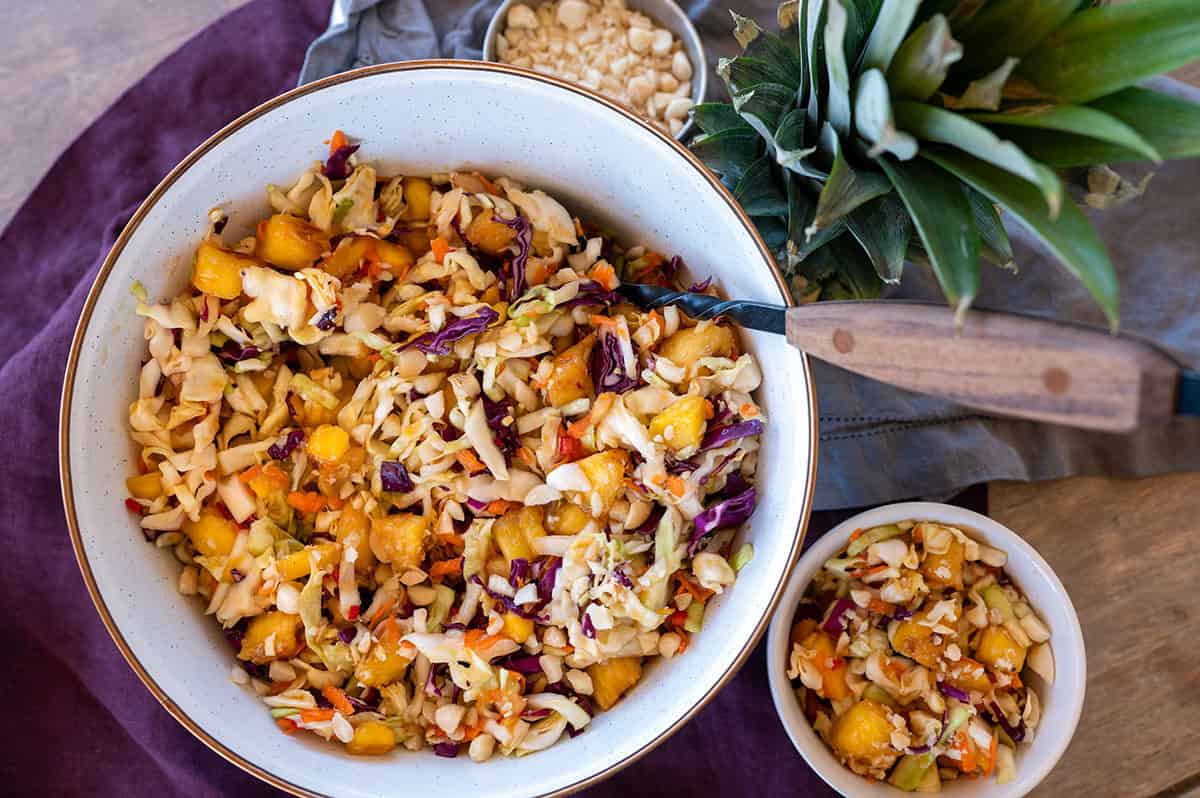
To accelerate the cooking process, they adjusted their strategy by adding more wood to the fire and lowering the hog closer to the coals. Simultaneously, they prepared their side dishes. The first side was a "grilled pineapple Hawaiian coleslaw," chosen for its bright, acidic profile, designed to cut through the richness of the pork. The second side was "Marcio’s garlic rice," a recipe learned from Marcio Borguezan, characterized by a unique cooking method involving sautéing garlic and red peppers in mayonnaise before adding rice and water, allowing it to bubble like porridge before being covered to finish cooking. The crew’s enthusiastic reception of this rice underscored its deliciousness. The third side was a vinegar-soy dipping sauce, a familiar component from Vanover’s Filipino-inspired grilled chicken lumpia recipe.
The Final Push and the Unfolding of the Whole Hog

As the clock wound down, the pressure intensified. The sides were prepared, but the whole hog was not yet at the desired temperature. A moment of palpable anxiety arose as Vanover confessed to cracking under the pressure, driven by a desire for "whole hog redemption," referencing past experiences on other cooking shows where similar challenges proved difficult. The goal was to present a perfectly cooked whole hog, a feat that had eluded them previously.
In a last-ditch effort, they moved the hog directly over the coals, resting it on cinder blocks, and piled coals underneath to maximize heat exposure. This maneuver was aimed at achieving the crucial internal temperatures in the hams and shoulders within the remaining time. Despite their efforts, the hams and shoulders remained "tight" and "firm" when presented to the judges, indicating they had not reached the ideal level of tenderness.
However, the hog’s skin, or "crackling," was deemed exceptional. Ernest Byner exclaimed, "Oh baby, that’s good!" and Jess Pryles later revealed that the other judges were so enamored with the crispy skin that they had to be "pulled from our pig because they couldn’t stop eating the skin." This highlights a dichotomy: while the meat’s texture was not optimal, the external presentation and flavor of the skin were a triumph.
Judging and Elimination: A Gracious Exit
The judges’ final assessment of the whole hog acknowledged the flavorful elements, with Andrew Zimmern praising the adobo-inspired baste and Jess Pryles commending the cohesive bite of the pork with the rice and dipping sauce. However, the undercooked hams and shoulders ultimately led to their elimination. Zimmern eloquently summarized their performance: "Your shoulders and your hams were a little firm, but man those flavors were absolutely fantastic and you’ve given us superb work, it’s really been an honor."
Despite their elimination, Bulloch and Vanover expressed a sense of relief, having completed one of the most physically and mentally demanding challenges of the competition. They departed with pride, having competed against seasoned pitmasters and renowned chefs as two "backyard cooks." Their emphasis on creating accessible, replicable dishes for home cooks resonated throughout their participation, reinforcing their commitment to sharing their passion for barbecue.
Looking Ahead and a Post-Show Triumph
The episode concluded with a "Funny Side Note" revealing that shortly after filming Pitmasters, Bulloch and Vanover reunited with fellow pitmaster Carla Hall at Memphis in May, where they successfully cooked another whole hog to perfection, free from the pressures of competition and Flash Burns. This anecdote serves as a testament to their enduring skill and camaraderie.
The final episode of Pitmasters aired on Food Network and was available for streaming on HBO Max. The journey of Susie Bulloch and Christie Vanover on Pitmasters exemplified resilience, creativity, and a deep-seated passion for barbecue, leaving a lasting impression on viewers and fellow competitors alike. Their participation underscored the growing influence of women in the competitive barbecue circuit and their ability to excel in a traditionally male-dominated field.