The resurgence of traditional herbalism in the 21st century has brought renewed attention to common garden plants often dismissed as invasive weeds. Among these, Lamium purpureum, commonly known as purple dead nettle, has emerged as a primary resource for beginning and experienced herbalists alike. This early spring annual, a member of the Lamiaceae (mint) family, is currently being recognized not merely for its hardiness in various climates but for its significant anti-inflammatory, antibacterial, and antifungal properties. As domestic interest in sustainable, self-reliant skincare grows, the production of purple dead nettle salve has become a cornerstone practice for those looking to harness the bioactive potential of their immediate environment.
Botanical Profile and Identification
Purple dead nettle is native to Europe and Asia but has become widely naturalized across North America, thriving in disturbed soils, gardens, and meadows. Unlike its namesake, the stinging nettle (Urtica dioica), the "dead" in its name refers to the fact that its leaves lack the stinging hairs that characterize the Urtica genus, making it safe to handle without protective equipment.
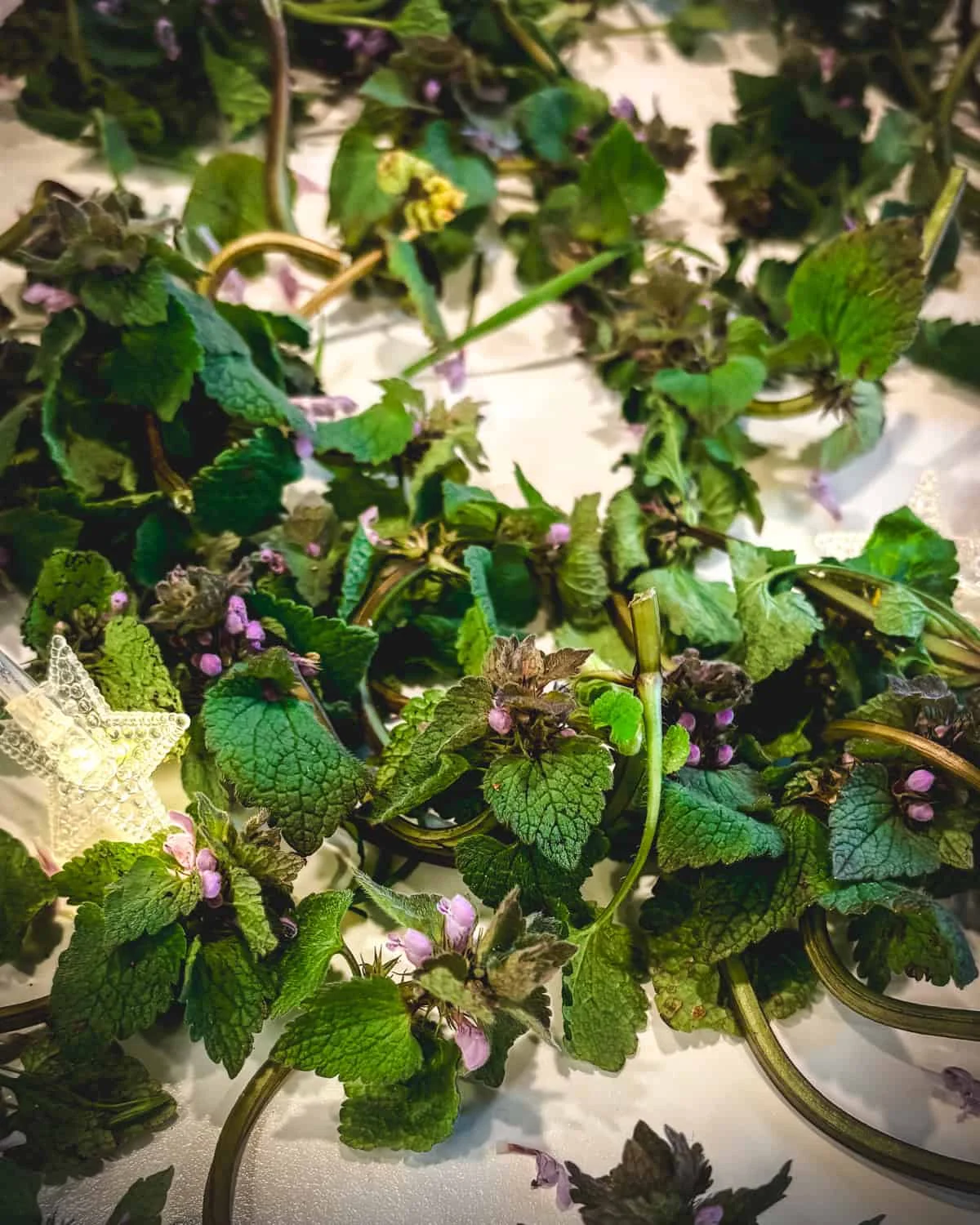
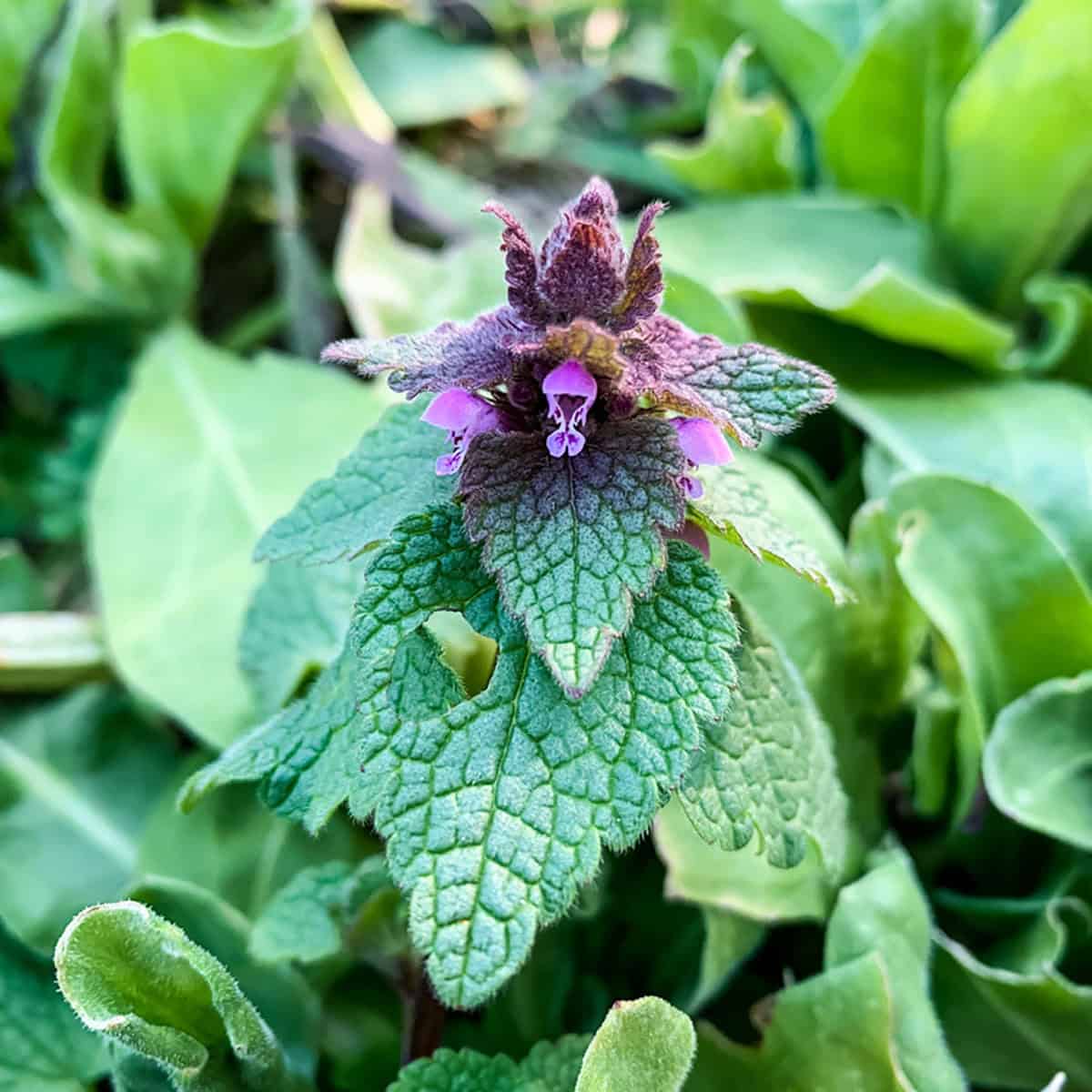
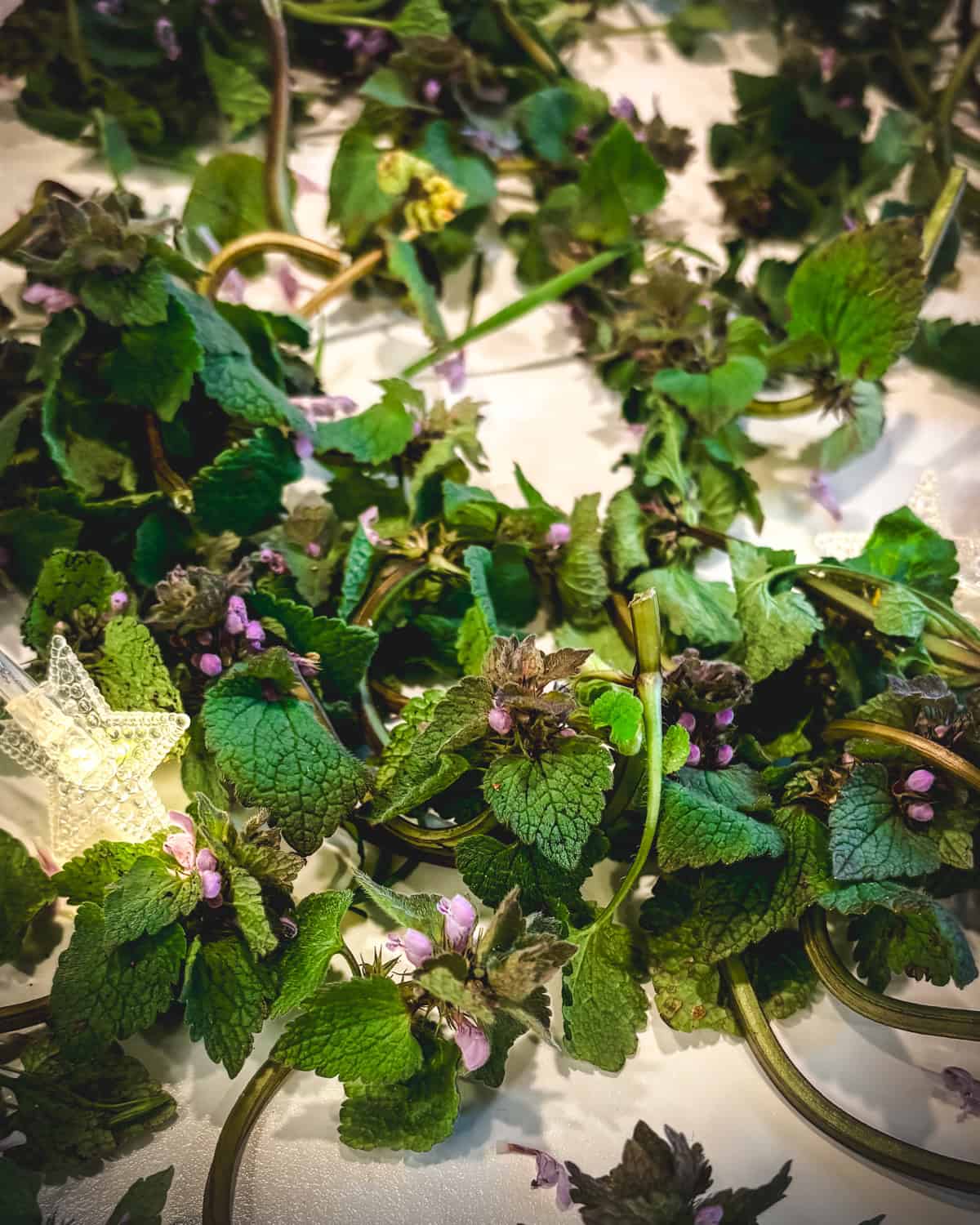
Identification of the plant relies on several key morphological features. As a member of the mint family, it possesses a characteristic square stem. The leaves are heart-shaped, finely haired, and serrated along the edges. The most distinctive feature is the color gradient of the foliage; while the lower leaves remain green, the upper leaves transition into a vibrant purple or reddish hue as the plant matures and prepares to flower. The flowers themselves are small, tubular, and light purple, providing an essential early-season nectar source for bees and other pollinators during the transition from late winter to early spring.
Phytochemical Composition and Medicinal Benefits
Scientific analysis of Lamium purpureum reveals a complex profile of bioactive compounds that support its traditional use in folk medicine. Research suggests that the plant contains high concentrations of flavonoids, phenolic acids, and iridoid glycosides. These components contribute to several documented therapeutic effects:
- Anti-inflammatory Action: The presence of quercetin and other flavonoids helps to inhibit pro-inflammatory enzymes, making the plant effective in reducing redness and swelling associated with skin irritations.
- Antimicrobial and Antifungal Properties: Studies have indicated that extracts from the Lamium genus can inhibit the growth of certain bacterial and fungal strains, which justifies its topical application on minor cuts and fungal skin conditions.
- High Nutritional Density: When consumed, purple dead nettle is considered a "superfood," rich in vitamins C and K, iron, and fiber. While the salve is intended for topical use, the nutritional profile underscores the plant’s overall biological potency.
- Astringent Qualities: The plant acts as a mild astringent, helping to tighten tissues and assist in the cessation of minor bleeding from abrasions.
The Seasonal Chronology of Harvest and Preparation
The lifecycle of purple dead nettle dictates a specific timeline for those seeking to produce high-quality medicinal salves. The plant typically emerges in late winter or early spring, often appearing as soon as the ground thaws.
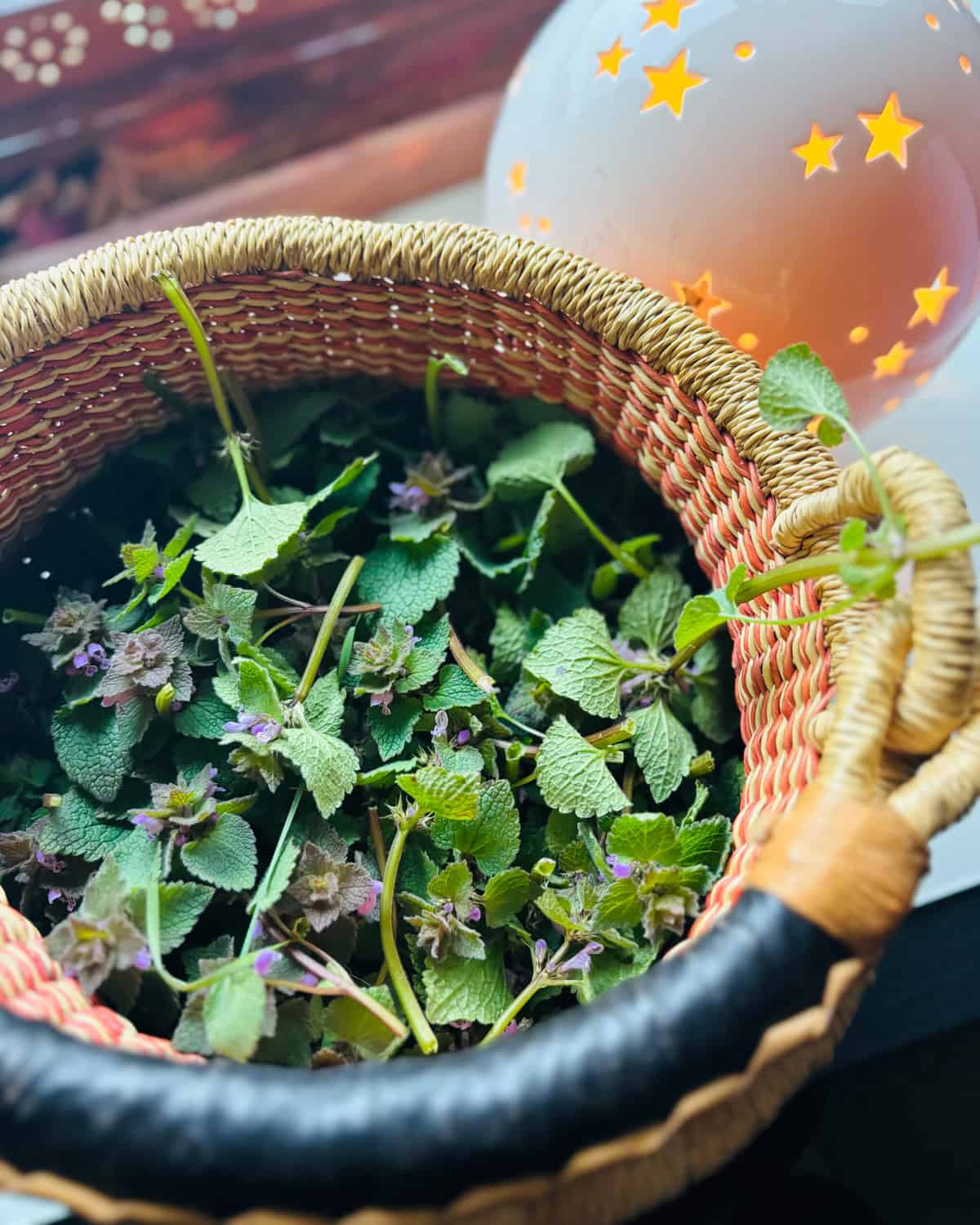
Early to Mid-Spring (The Harvest Window): This is the optimal time for foraging. Herbalists recommend harvesting the top third of the plant, where the concentration of purple leaves and flowers is highest. Because the plant grows in abundance, it can be harvested sustainably by "thinning" patches rather than clear-cutting an area.
Late Spring (The Drying Phase): Fresh plant material contains a high moisture content, which can lead to mold if introduced directly into an oil infusion. Therefore, a crucial step in the chronology is the wilting or drying phase. Foragers typically lay the harvested nettle on drying racks for 24 to 48 hours to allow moisture to evaporate while preserving the volatile oils.
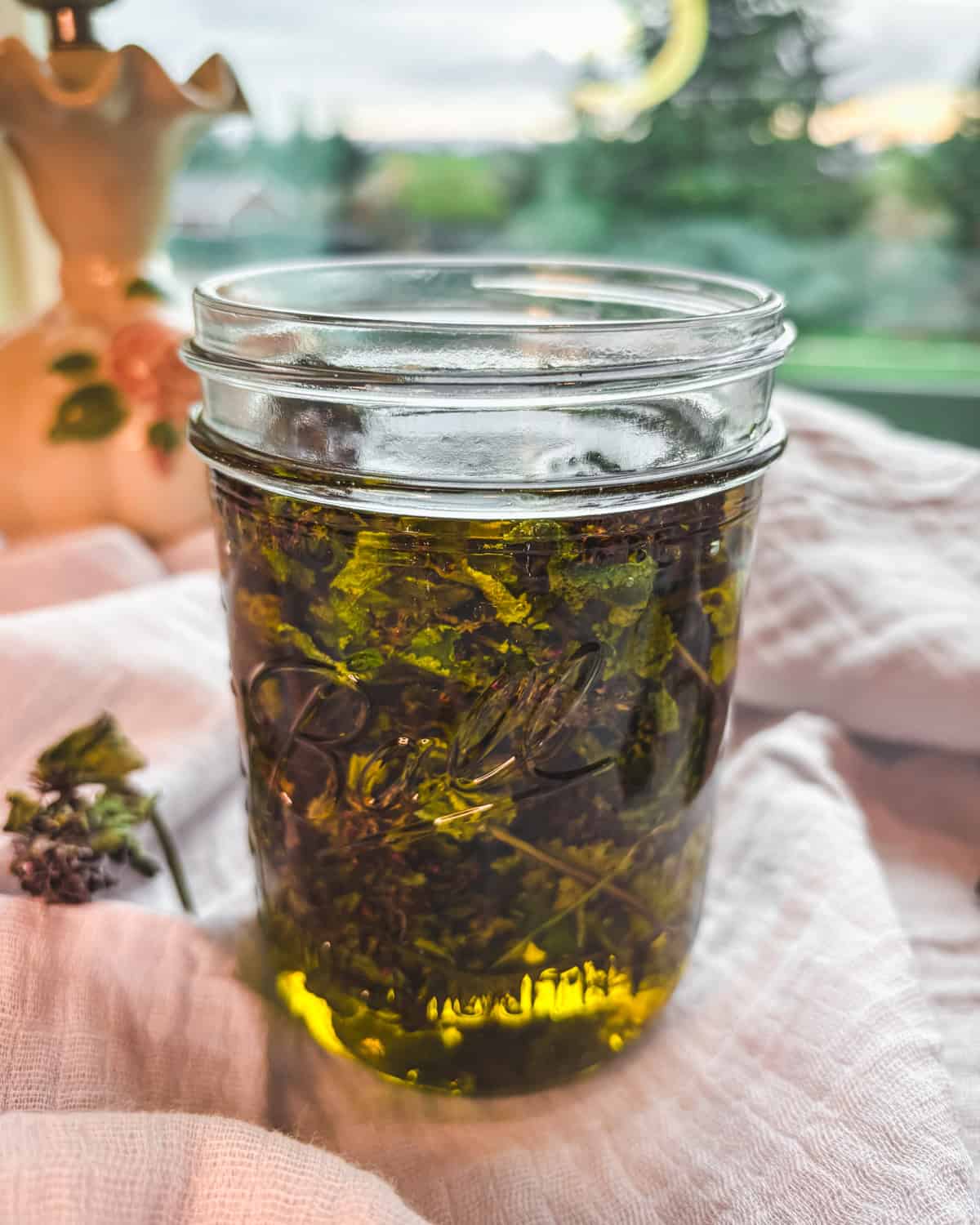
The Infusion Period (1 to 6 Weeks): The extraction of medicinal compounds into a carrier oil—usually extra virgin olive oil, sweet almond oil, or coconut oil—can take place via two primary methods. The "solar" or "cold" method involves steeping the dried herbs in oil for four to six weeks in a cool, dark place. For those requiring a faster turnaround, the "quick heat" method utilizes a double boiler to gently warm the oil and herbs for several hours, accelerating the transfer of bioactive molecules.
Industrial and Market Context: The Shift Toward DIY Skincare
The rise in popularity of purple dead nettle salve coincides with a broader market trend toward "clean beauty" and transparent ingredient lists. According to recent consumer data, the global organic skincare market is projected to reach significant valuations by 2030, driven by a growing distrust of synthetic preservatives and stabilizers found in commercial products.
By producing salves at home, consumers exercise total control over the supply chain. The use of organic carrier oils and locally foraged herbs eliminates the carbon footprint associated with industrial manufacturing and shipping. Furthermore, the cost-effectiveness of DIY herbalism is significant. While a high-end botanical salve may retail for $20 to $40 per ounce, a home-produced version using backyard "weeds" and pantry staples costs a fraction of that amount, often yielding a more potent product.
Step-by-Step Formulation of Purple Dead Nettle Salve
The transition from raw plant material to a finished topical application requires precision in measurement and temperature control.

Required Ingredients:
- 1 cup Infused Purple Dead Nettle Oil: The foundation of the salve, containing the extracted phytochemicals.
- 1 ounce Beeswax Pastilles: Acts as a hardening agent and provides a protective occlusive barrier on the skin.
- Essential Oils (Optional): Lavender or peppermint are frequently added for their complementary soothing properties and scent.
Manufacturing Process:

- Preparation of the Double Boiler: A makeshift double boiler is created to ensure the oil does not reach a smoke point, which would degrade the medicinal compounds.
- Melting the Matrix: The infused oil and beeswax are combined in the heat-safe vessel. The mixture is stirred gently until the beeswax has completely liquified into the oil.
- Incorporating Volatiles: Once removed from the heat, any essential oils are added. This is done at the last possible moment to prevent the heat from evaporating the aromatic compounds.
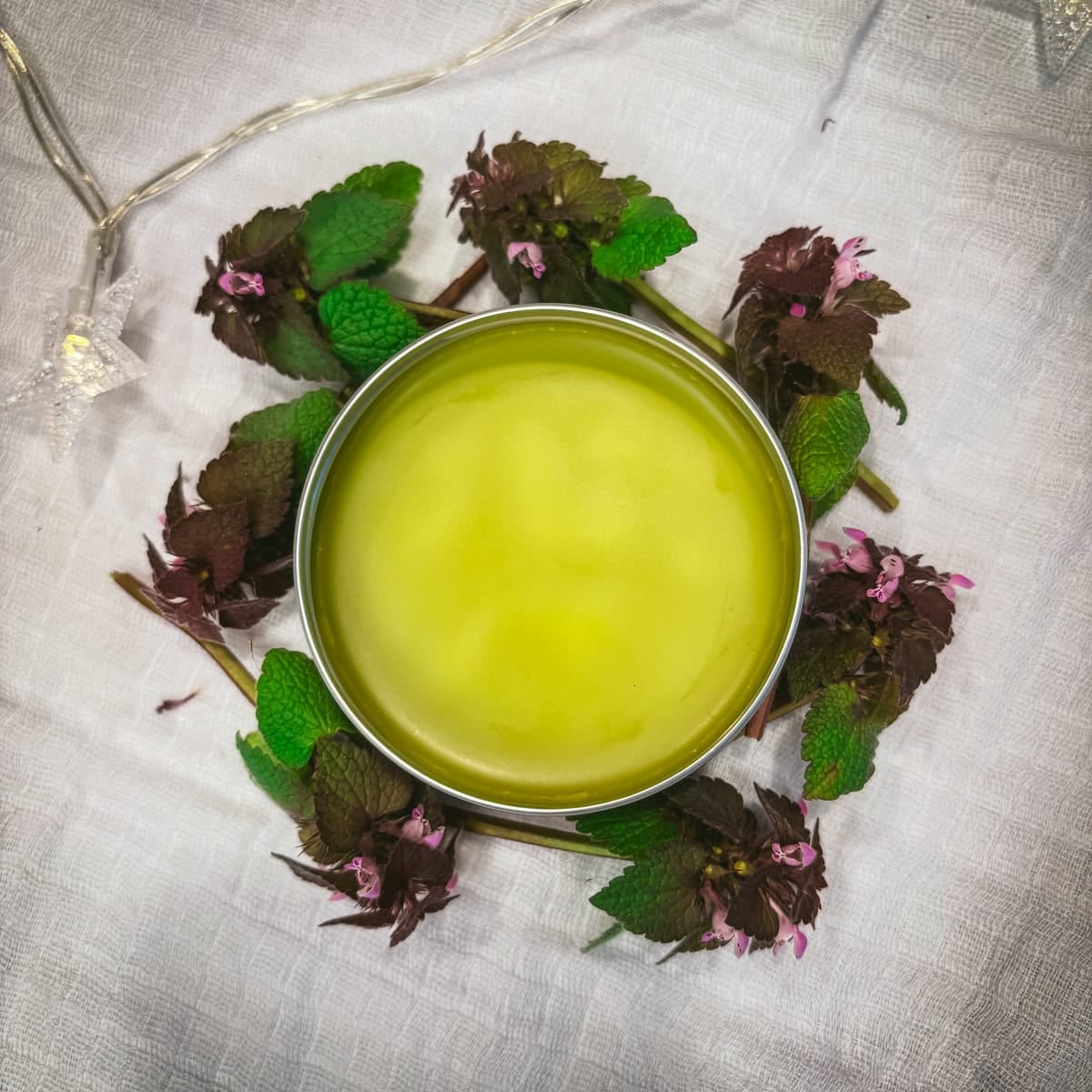
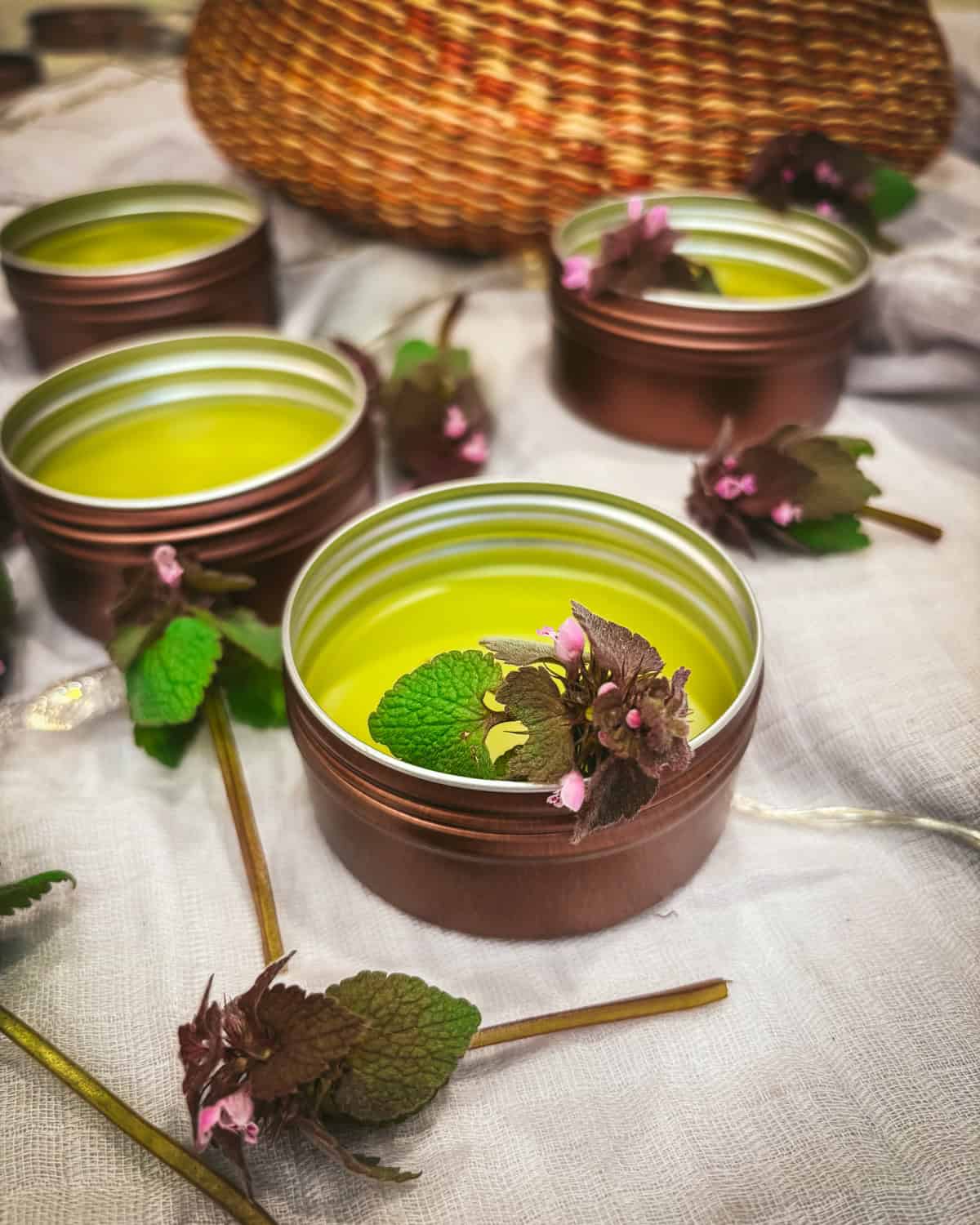
- Setting and Curing: The liquid is poured into sterilized tins or glass jars. The salve must sit undisturbed for several hours to reach its final semi-solid consistency.
Expert Perspectives and Safety Considerations
While purple dead nettle is widely regarded as safe, botanical experts and dermatologists emphasize several precautionary measures. First, foraging should only occur in areas known to be free of chemical pesticides, herbicides, and heavy metal contamination. Roadside patches should be avoided due to the accumulation of exhaust pollutants.
From a dermatological standpoint, although the salve is designed to soothe irritation, individuals with sensitive skin should perform a patch test before widespread application. There are no known toxic look-alikes for purple dead nettle; however, it is frequently confused with "Henbit" (Lamium amplexicaule). Fortunately, Henbit is also edible and possesses similar medicinal qualities, making the risk of accidental poisoning exceptionally low for beginners.
Broader Impact and Implications for Biodiversity
The practice of foraging for purple dead nettle has implications that extend beyond personal health. By reclassifying "weeds" as valuable resources, homeowners are often encouraged to reduce their reliance on chemical lawn treatments. This shift supports local biodiversity, as purple dead nettle is a vital early-season food source for bees emerging from hibernation.
Furthermore, the democratization of herbal knowledge empowers individuals to manage minor ailments—such as bug bites, dry skin, and small scratches—independently. This reduces the burden on primary healthcare systems for minor dermatological issues and fosters a deeper connection between the individual and the local ecosystem.
Conclusion
Purple dead nettle salve represents a successful intersection of traditional wisdom and modern wellness. As a common, easily identified, and highly effective botanical resource, it serves as an ideal entry point for those interested in herbal medicine. As scientific research continues to validate the traditional uses of the Lamium genus, it is likely that this "backyard weed" will move from the fringes of folk medicine into the mainstream of natural skincare. The process of foraging, infusing, and creating the salve is more than a DIY project; it is an act of environmental stewardship and self-sufficiency that honors the seasonal rhythms of the natural world.