
The Botanical Profile and Global Ubiquity of Portulaca Oleracea
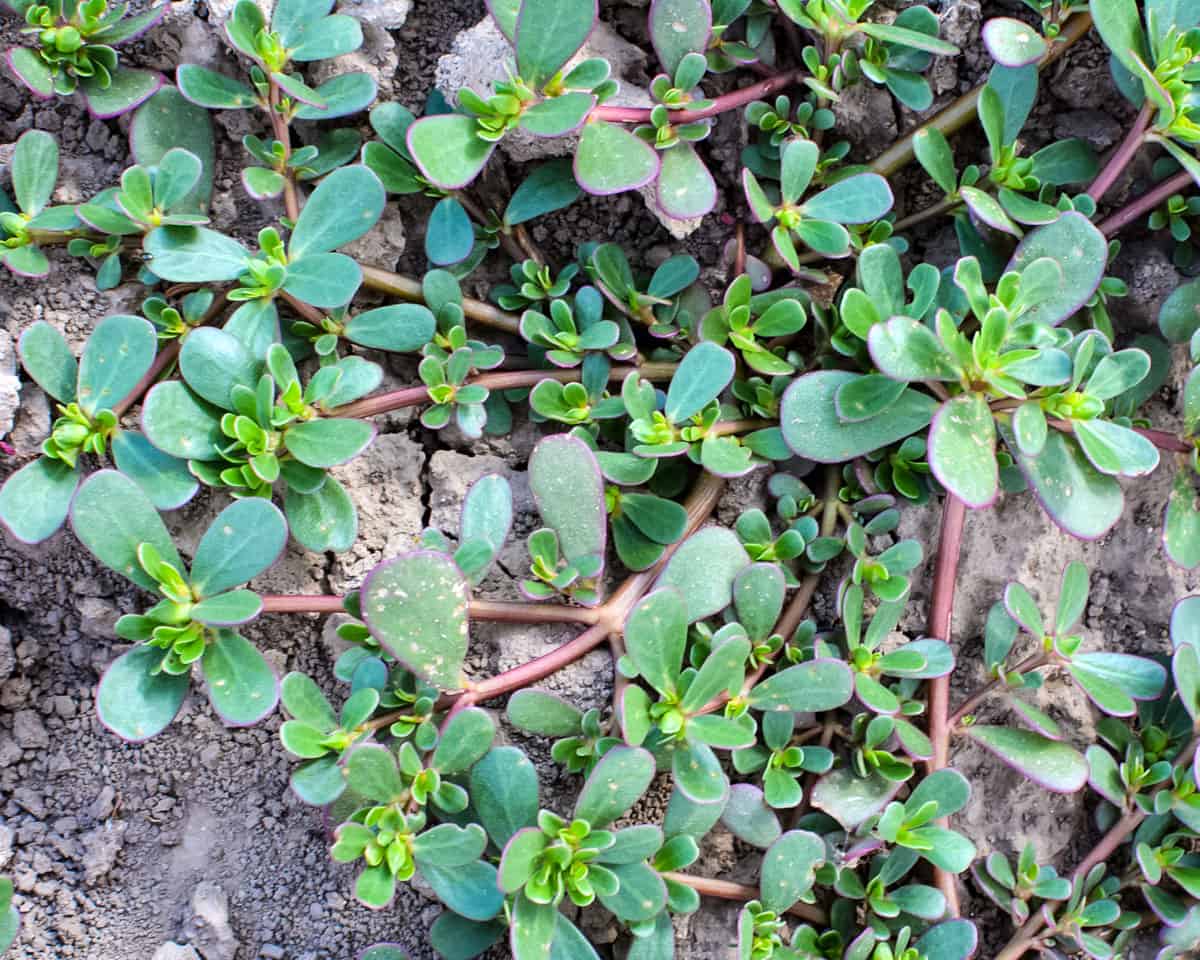
Purslane is a member of the Portulacaceae family and is noted for its extraordinary resilience. It is a cosmopolitan species, found across nearly every continent, thriving in environments ranging from fertile agricultural fields to the restrictive confines of urban sidewalk cracks. Biologically, the plant is a marvel of adaptation; it utilizes both C4 and CAM (Crassulacean Acid Metabolism) photosynthetic pathways, allowing it to remain productive during intense heat and severe drought. This dual-pathway system is rare in the plant kingdom and explains why purslane often remains vibrant and turgid when surrounding vegetation has succumbed to the summer sun.
Historically, the plant’s origins are traced to North Africa and the Middle East, specifically the Persian Empire, where it was cultivated for thousands of years. It eventually migrated to Europe and the Americas, where it integrated into various culinary traditions. In the United States, however, the mid-20th-century push for manicured monoculture lawns led to its reclassification as a weed. Only recently has the farm-to-table movement and an increased interest in wild foraging brought this nutrient-dense succulent back into the American culinary consciousness.
Nutritional Data: The Omega-3 Powerhouse
The resurgence of purslane is driven primarily by its staggering nutritional profile. According to research published in the Journal of the American College of Nutrition and various studies archived by the National Center for Biotechnology Information (NCBI), purslane contains the highest levels of alpha-linolenic acid (ALA)—an essential omega-3 fatty acid—of any green leafy vegetable yet studied. While most omega-3s are sourced from fatty fish, purslane offers a critical plant-based alternative for cardiovascular health.
A 100-gram serving of fresh purslane leaves contains approximately 300 to 400 mg of ALA. In addition to its healthy fats, the plant is rich in:
- Vitamin A: Crucial for ocular health and immune function.
- Vitamin C: A potent antioxidant that supports collagen synthesis.
- Vitamin E (Alpha-tocopherol): Present at levels six times higher than in spinach.
- Minerals: Significant concentrations of magnesium, calcium, potassium, and iron.
- Antioxidants: High levels of glutathione and melatonin, which help regulate circadian rhythms and combat oxidative stress.
Medical experts suggest that the regular consumption of purslane can contribute to lowering blood pressure and reducing the risk of stroke, making it a functional food with genuine therapeutic potential.
Cultural Context: The Mexican Tradition of Verdolagas
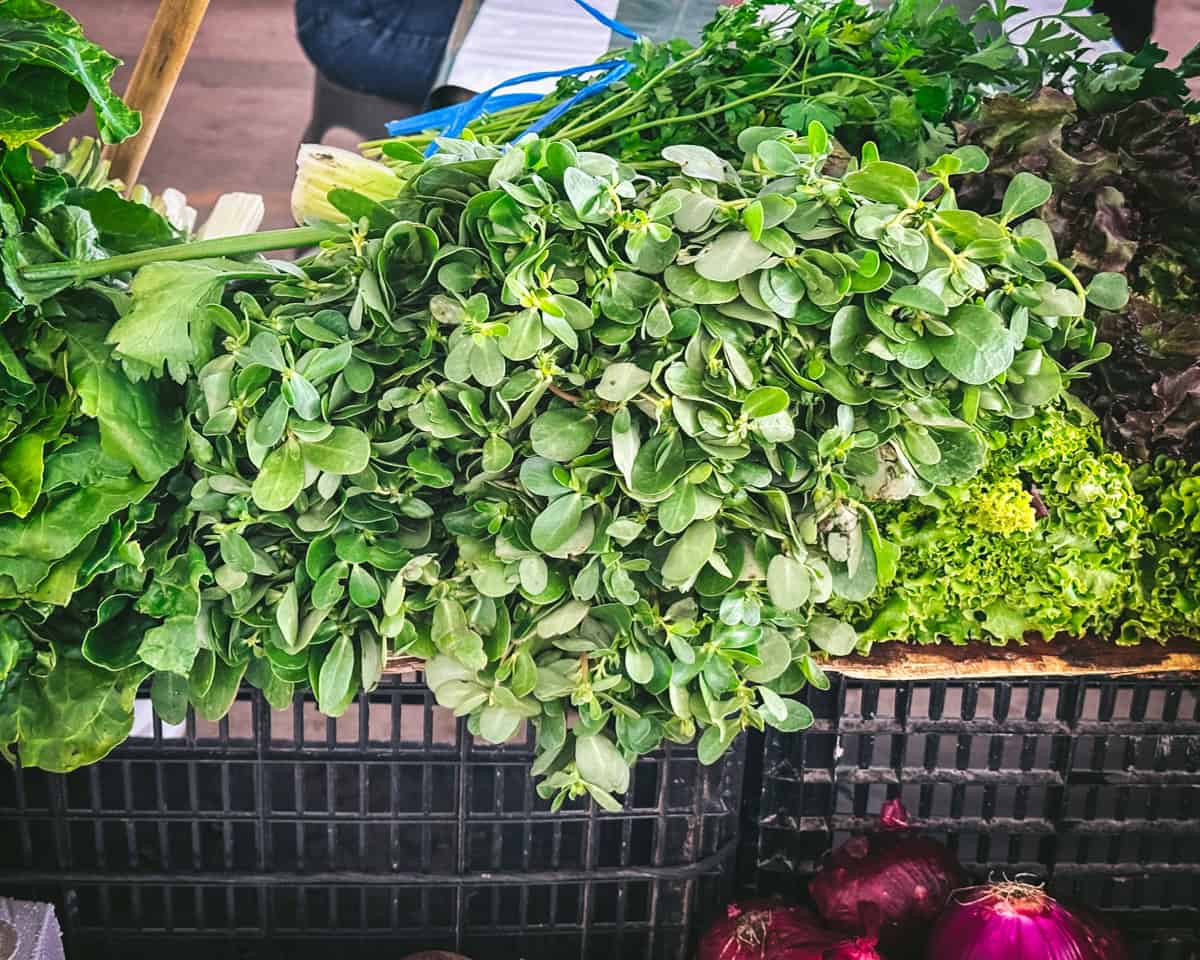
While the United States is rediscovering purslane, the plant has never lost its status as a dietary staple in Mexico. Known locally as verdolagas, purslane is a common sight in tianguis (outdoor markets) across the country. It is deeply embedded in the Mexican culinary identity, valued for its slightly acidic, salty flavor profile that bridges the gap between spinach and watercress.
In Mexican households, verdolagas are rarely eaten in isolation. They are typically integrated into hearty stews, often paired with pork, tomatillos, and serrano peppers. A popular variation, Verdolagas con Puerco, utilizes the mucilaginous properties of the plant to thicken the sauce, creating a silky texture that is highly prized. Another common preparation is Huevos con Verdolagas, where the greens are sautéed with onions and garlic before being scrambled with eggs for a high-protein, nutrient-dense breakfast. This cultural legacy provides a blueprint for how modern consumers can integrate foraged greens into a balanced diet.
The Foraging Chronology: Identification and Safety
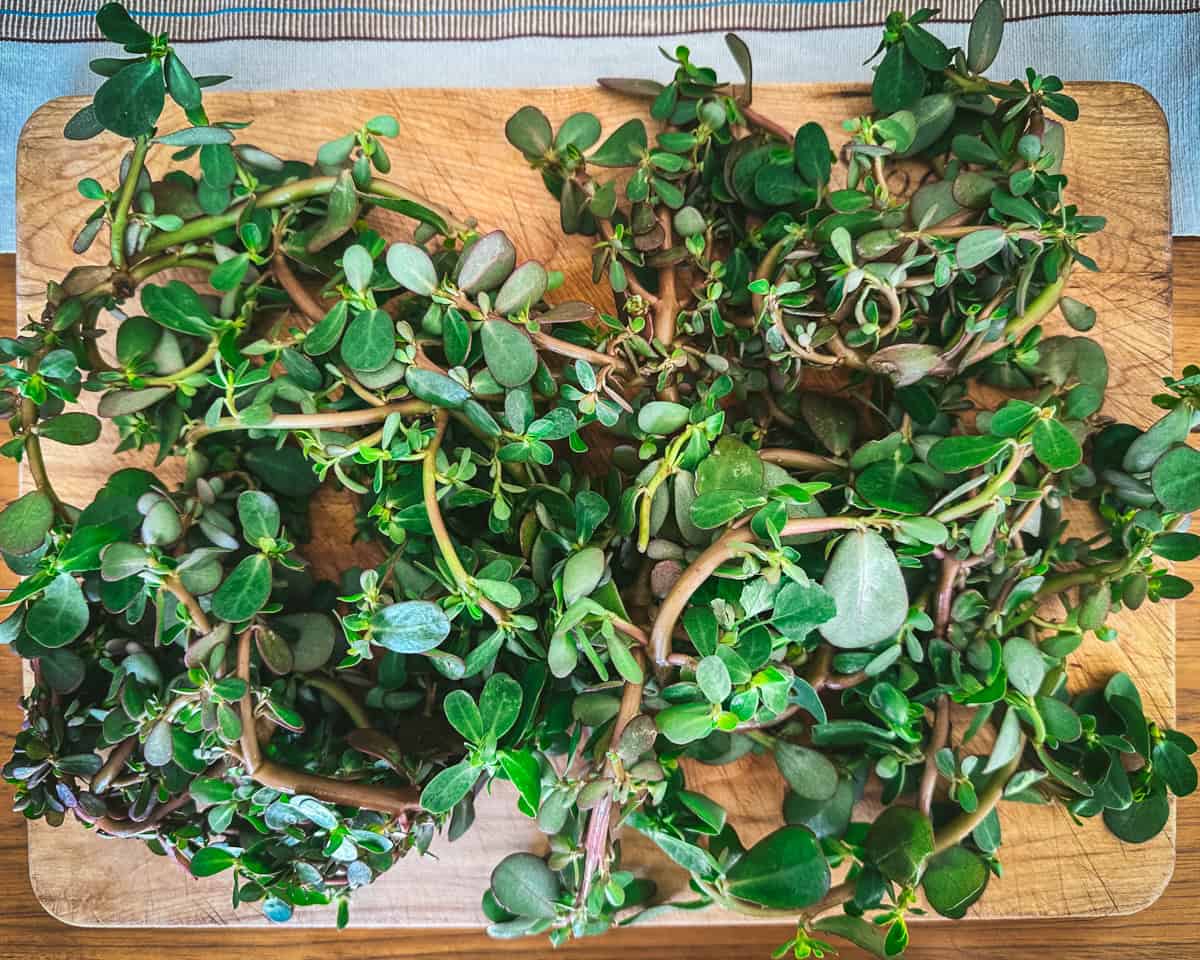
The process of bringing purslane from the ground to the table begins with precise identification. The foraging season typically peaks in late spring and continues through the hottest months of summer. Because purslane is a "volunteer" plant, it often appears in disturbed soils, such as garden beds or the edges of agricultural fields.
However, expert foragers issue a stern warning regarding look-alikes. The primary concern is the "hairy-pitted spurge" (Euphorbia), which often grows in the same vicinity as purslane. Unlike the edible purslane, spurge is toxic and contains a milky white sap that can irritate the skin and digestive tract. A definitive identification can be made by breaking the stem; purslane will yield a clear, watery juice, whereas spurge will produce a white, latex-like substance.

Furthermore, because purslane is a succulent that absorbs moisture and nutrients through its root system, foragers must be cautious of the environment. Plants found near heavy traffic areas or industrial sites may have sequestered heavy metals or pesticides. The most reliable foraged purslane is found in home gardens where chemical use is restricted or in certified organic agricultural settings.
Culinary Technique: The Science of the Sauté
To maximize the flavor and nutritional retention of purslane, the sautéing method is the preferred approach among culinary professionals. This technique involves brief exposure to high heat, which softens the plant’s fibrous stems while maintaining the integrity of its leaves.

Ingredients for a Professional Sauté
- 1 large bunch of Purslane: Foraged or market-sourced, thoroughly washed.
- Organic Extra Virgin Olive Oil: To provide healthy fats and a medium for heat transfer.
- Allium Base: Red or white onions and thinly sliced garlic cloves.
- Acidic Element: Fresh lemon juice to balance the plant’s natural salinity.
- Seasoning: Sea salt and optional cracked black pepper.
Chronology of Preparation
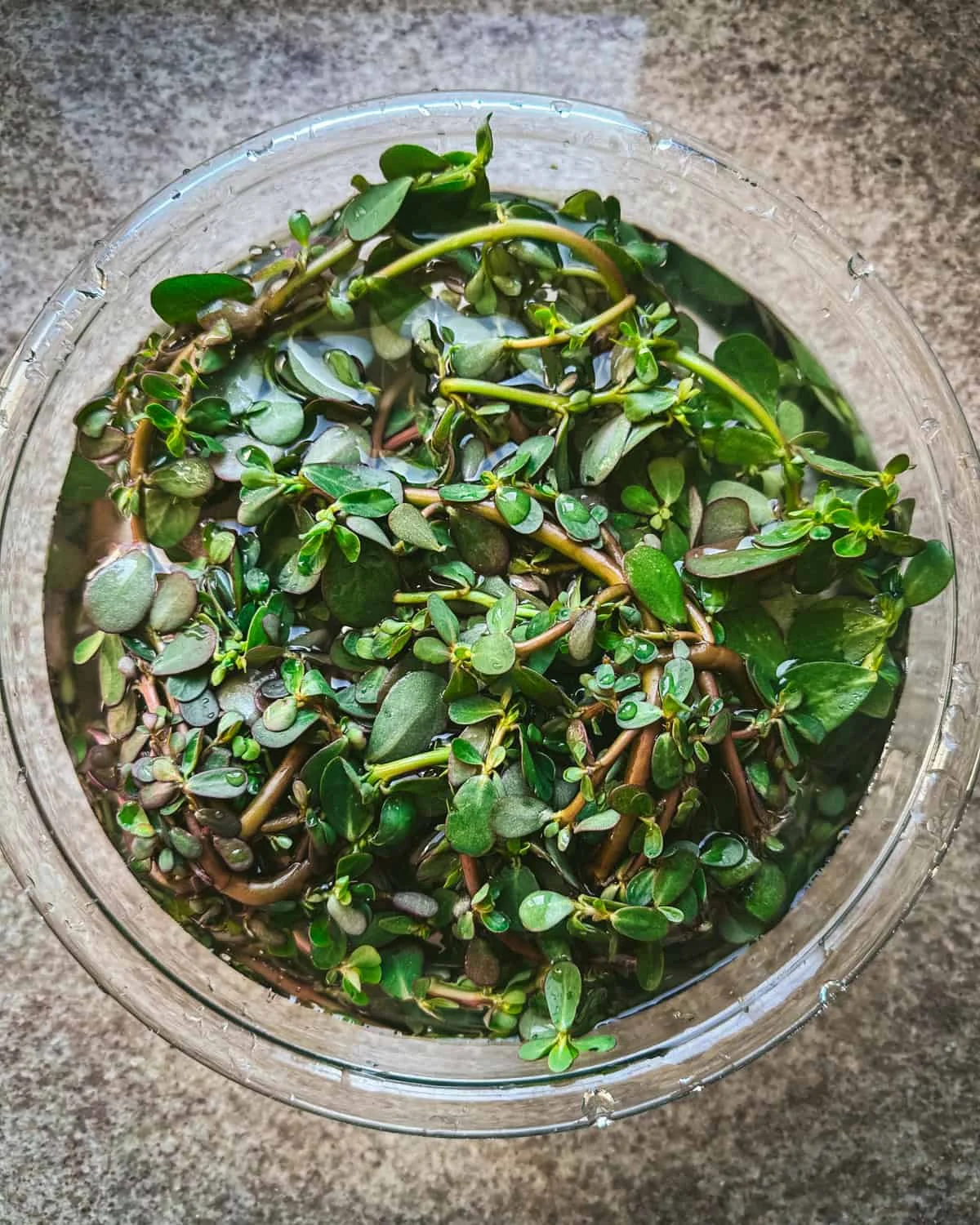
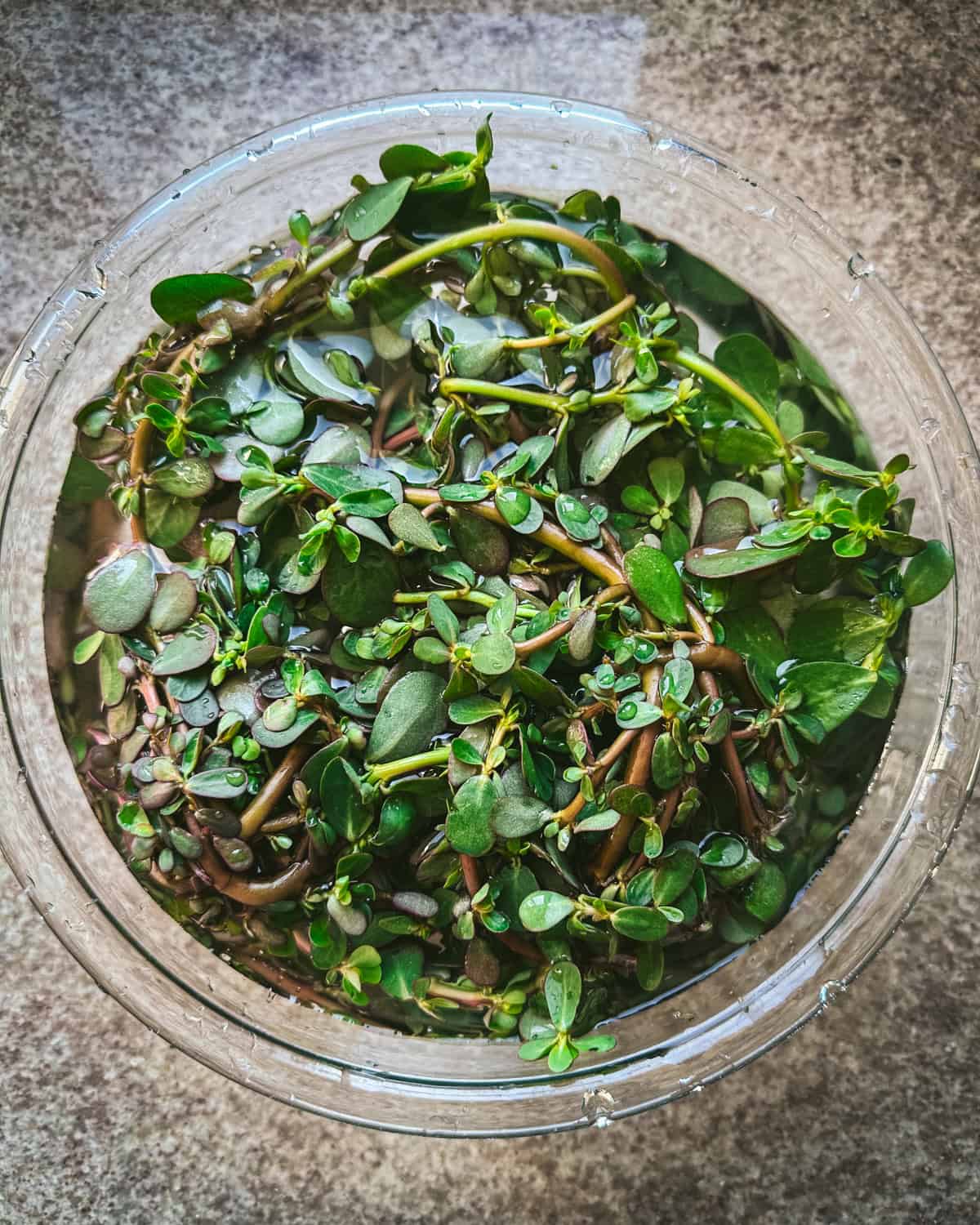
- Hydration and Cleaning: The plant’s prostrate growth habit means it is often in direct contact with soil. A 10-minute soak in cold water is recommended to loosen debris, followed by a thorough rinse.
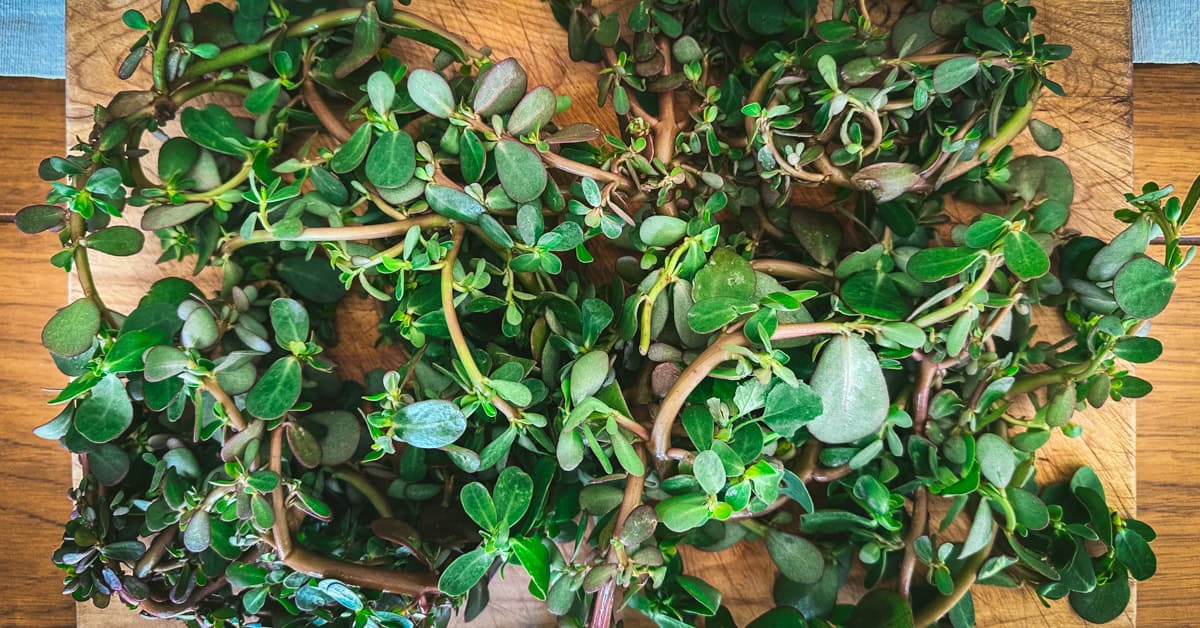
- Mise en Place: The purslane should be chopped into 2- to 3-inch sections. While the leaves are the most tender, the stems are entirely edible and provide a satisfying crunch, provided they are not excessively woody.
- Aromatic Infusion: The sauté begins by heating olive oil over medium heat. Onions and garlic are added first, cooked for approximately 3 minutes until translucent. This creates a flavor base that permeates the purslane.
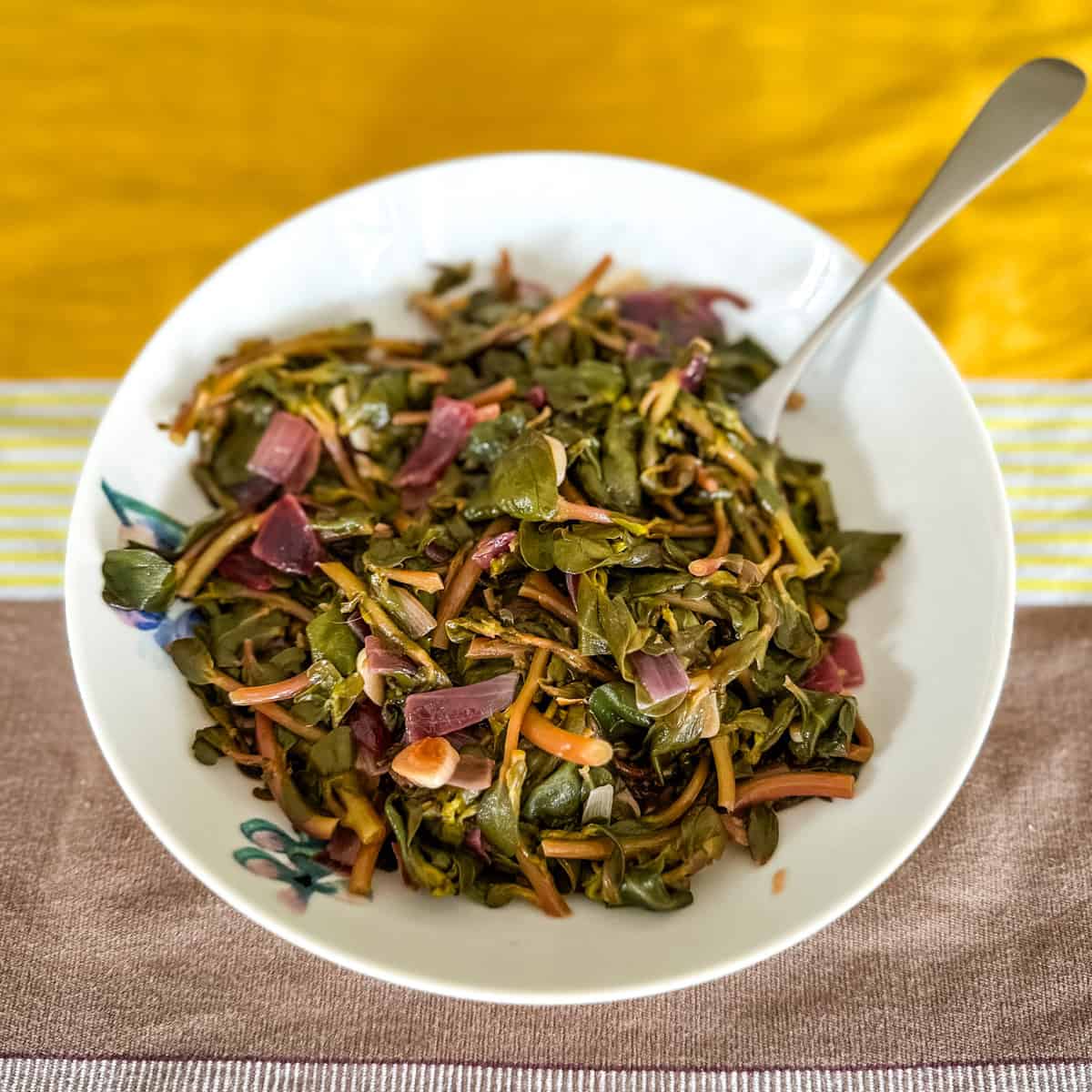
- The Wilt: The purslane is added to the skillet and covered. The lid is essential, as it traps the steam released by the succulent leaves, allowing the plant to cook in its own juices. This process takes 5 to 6 minutes, during which the volume of the greens will reduce significantly.
- Acidic Finish: Once the greens are tender, fresh lemon juice is folded in. The citric acid reacts with the minerals in the purslane to brighten the flavor profile and mitigate the slight bitterness that can occur in older plants.
Broader Impact and Environmental Implications
The promotion of purslane consumption carries significant implications for sustainable agriculture. As the global food system faces the challenges of soil depletion and water scarcity, "weeds" like purslane offer a path forward. Because it requires minimal intervention, no irrigation beyond natural rainfall, and no synthetic fertilizers, purslane is an exceptionally low-impact crop.
Agricultural analysts suggest that if purslane were transitioned from a wild forage to a mainstream commercial crop, it could reduce the reliance on water-intensive greens like lettuce and kale. Furthermore, its ability to grow in saline soils makes it a candidate for "biosaline agriculture," providing a food source in regions where traditional crops fail due to high salt content in the soil.
From a public health perspective, the "democratization" of superfoods through foraging allows low-income communities to access high-quality nutrition without the premium prices often found in specialty grocery stores. Purslane is, in essence, a free source of medicine that grows in the backyard of the average citizen.
Expert Reactions and Future Outlook
Nutritionists have expressed enthusiasm for the mainstreaming of Portulaca oleracea. Dr. Artemis Simopoulos, a leading researcher on omega-3 fatty acids, has long advocated for the inclusion of purslane in the Western diet, noting that the modern shift away from wild greens has contributed to the prevalence of chronic inflammatory diseases.
In the culinary world, high-end restaurants in New York, Chicago, and Mexico City have begun featuring purslane in salads, chilled soups, and as a garnish for grilled fish. This "gourmetization" of a common weed helps to break the stigma associated with eating foraged foods, framing purslane as a sophisticated ingredient rather than a food of last resort.
Looking ahead, the trajectory of purslane mirrors that of kale or arugula—once obscure or ignored, now ubiquitous. As consumers become more conscious of both their health and the environmental footprint of their food, purslane is poised to become a staple of the 21st-century pantry. Whether served simply sautéed with garlic and lemon or integrated into complex Mexican stews, this resilient succulent represents a vital link between the wisdom of traditional diets and the requirements of a sustainable future.


