Halloween Baking Trends and the Rise of Skull Cupcakes
As the autumn air grows crisp and the nights lengthen, communities across the nation begin to embrace the spirit of Halloween. This beloved holiday, steeped in traditions of folklore, costume, and spirited revelry, has also become a significant cultural event for culinary creativity. Among the myriad of festive treats that emerge, cupcakes have consistently held a popular place, offering a canvas for imaginative and often spooky designs. This year, the spotlight is firmly on "Skull Cupcakes," a visually striking and surprisingly accessible dessert that combines the eerie aesthetic of the season with the joy of homemade baking.
The appeal of skull-themed desserts for Halloween is deeply rooted in the holiday’s iconography. Skulls, often associated with mortality and the macabre, are transformed into playful and endearing symbols when incorporated into confections. This juxtaposition of the frightening and the charming is a hallmark of successful Halloween decorations and treats, allowing individuals to engage with the spookier elements of the season in a lighthearted and enjoyable manner. The "creepy-cute" aesthetic, as described by enthusiasts, perfectly encapsulates this trend, where the inherent creepiness of a skull is softened by its presentation in a delectable, bite-sized format.
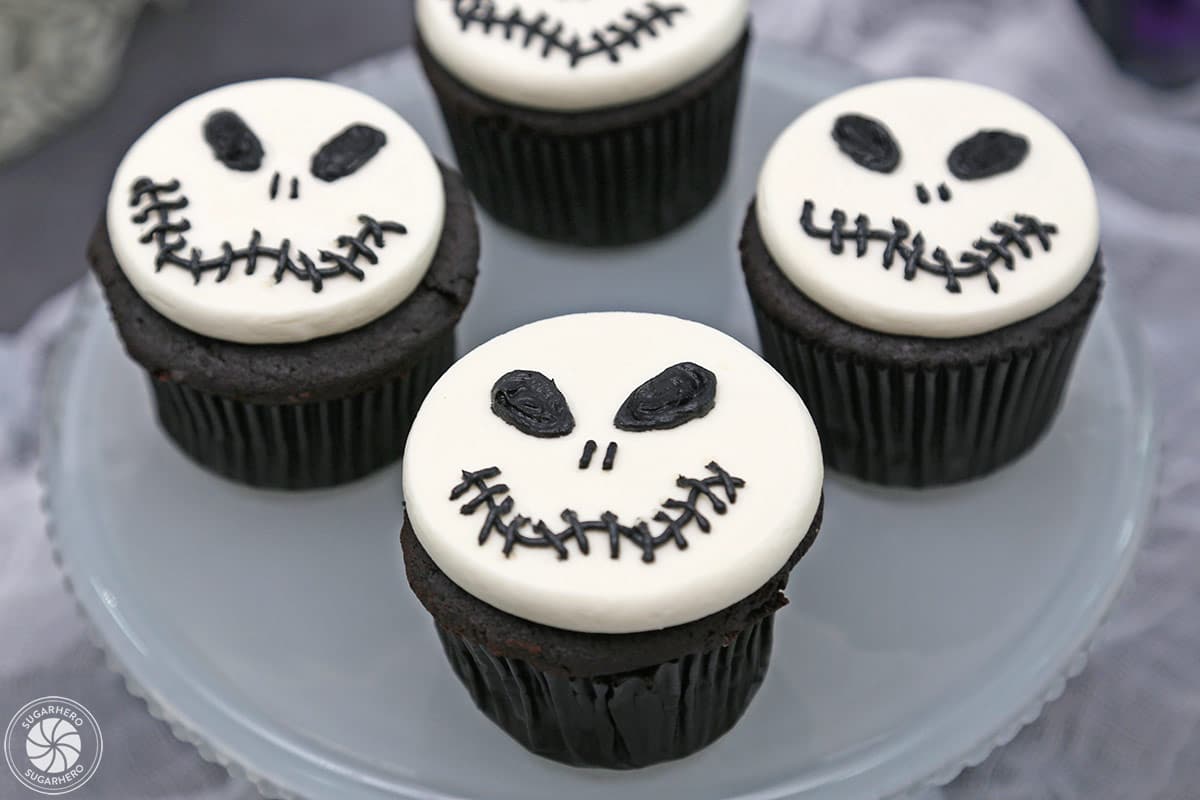
These Skull Cupcakes, in particular, have garnered attention for their simplicity and effectiveness. Unlike more elaborate confectionery projects that might require specialized skills or extensive time commitments, this particular recipe emphasizes a straightforward buttercream application to achieve a recognizable skull design. This accessibility is a key factor in their growing popularity, making them an ideal choice for home bakers of all skill levels, from seasoned decorators to those just beginning their culinary journey. The ease of execution means that more people can participate in the festive spirit, bringing a touch of Halloween magic to their own gatherings.
The availability of resources, such as detailed photo tutorials and accessible ingredient lists, further democratizes the creation of these festive treats. Online platforms and recipe blogs have become vital hubs for sharing such information, enabling a wider audience to replicate and adapt these popular designs. The accompanying recipe and step-by-step guide are designed to demystify the process, breaking down the decoration into manageable steps. This approach not only empowers individuals to create visually impressive desserts but also fosters a sense of accomplishment and shared experience within the baking community.
The Anatomy of a Skull Cupcake: Ingredients and Equipment
The creation of these engaging Skull Cupcakes hinges on a curated selection of ingredients and essential baking tools. The foundation of the treat, of course, begins with the cupcakes themselves. While home bakers are encouraged to utilize their preferred recipes, whether from scratch or a convenient cake mix, the recipe provides guidance for those seeking inspiration. A diverse range of cupcake recipes can be found, offering options to suit various flavor preferences, from classic vanilla and rich chocolate to more adventurous seasonal offerings like pumpkin spice or gingerbread.
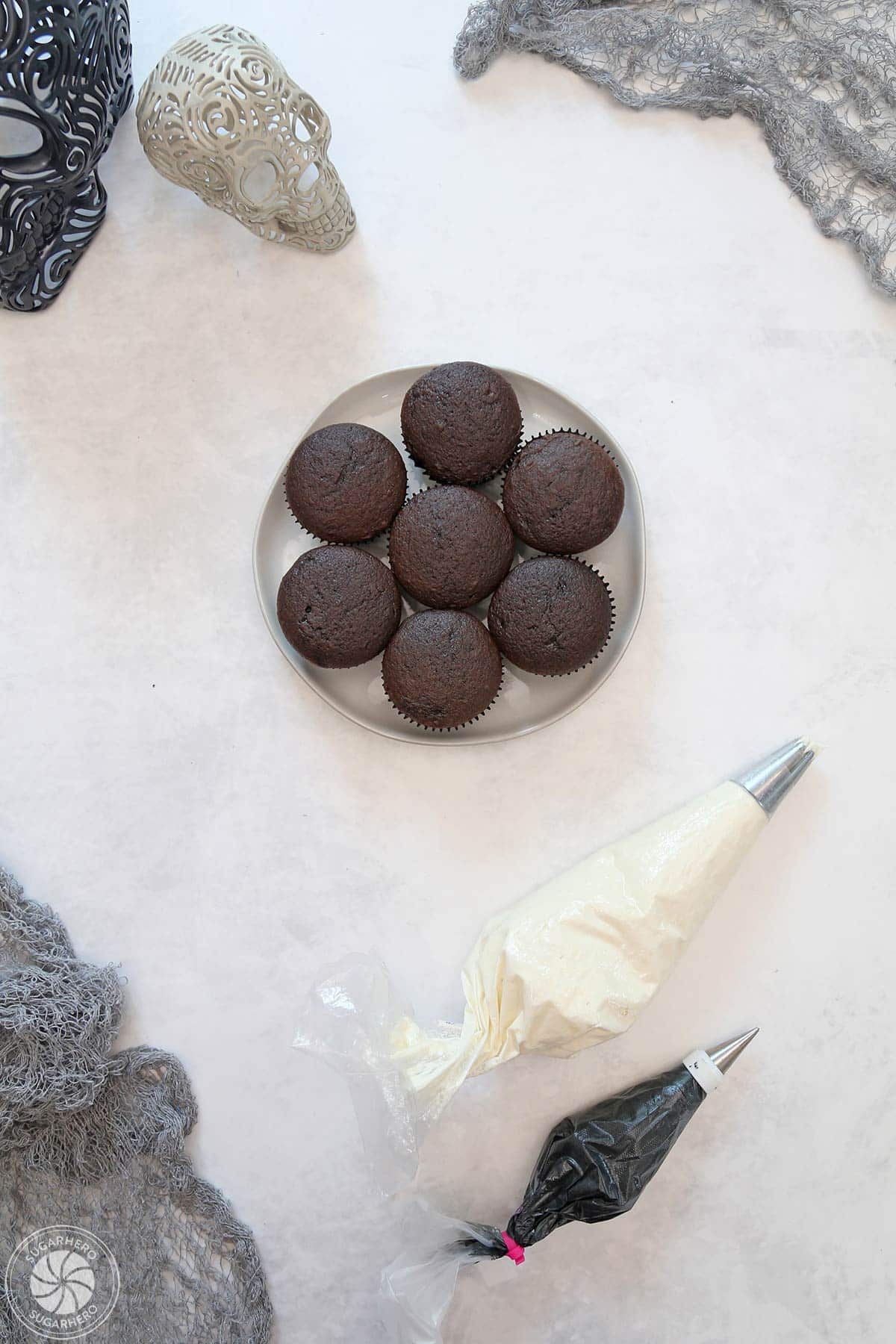
The true artistry of the Skull Cupcake lies in its frosting. The recipe calls for two distinct colors of buttercream: one for the base "face" of the skull and another, typically a deep black, for the facial features. Achieving a true, vibrant black frosting can be a culinary challenge, and the provided notes offer invaluable insights into this process. It is often recommended to allow black frosting to rest for at least 24 hours, a technique that enables the color to fully develop and achieve a more intense hue. This preparatory step is crucial for replicating the iconic look of a skull and adds an element of planning to the baking process. For those aiming for the deepest black, high-quality gel or powdered food coloring is advised, as liquid colorings may not provide sufficient pigment without altering the frosting’s consistency. The inclusion of black cocoa powder is also suggested as a method to deepen the color while adding a subtle chocolate flavor.
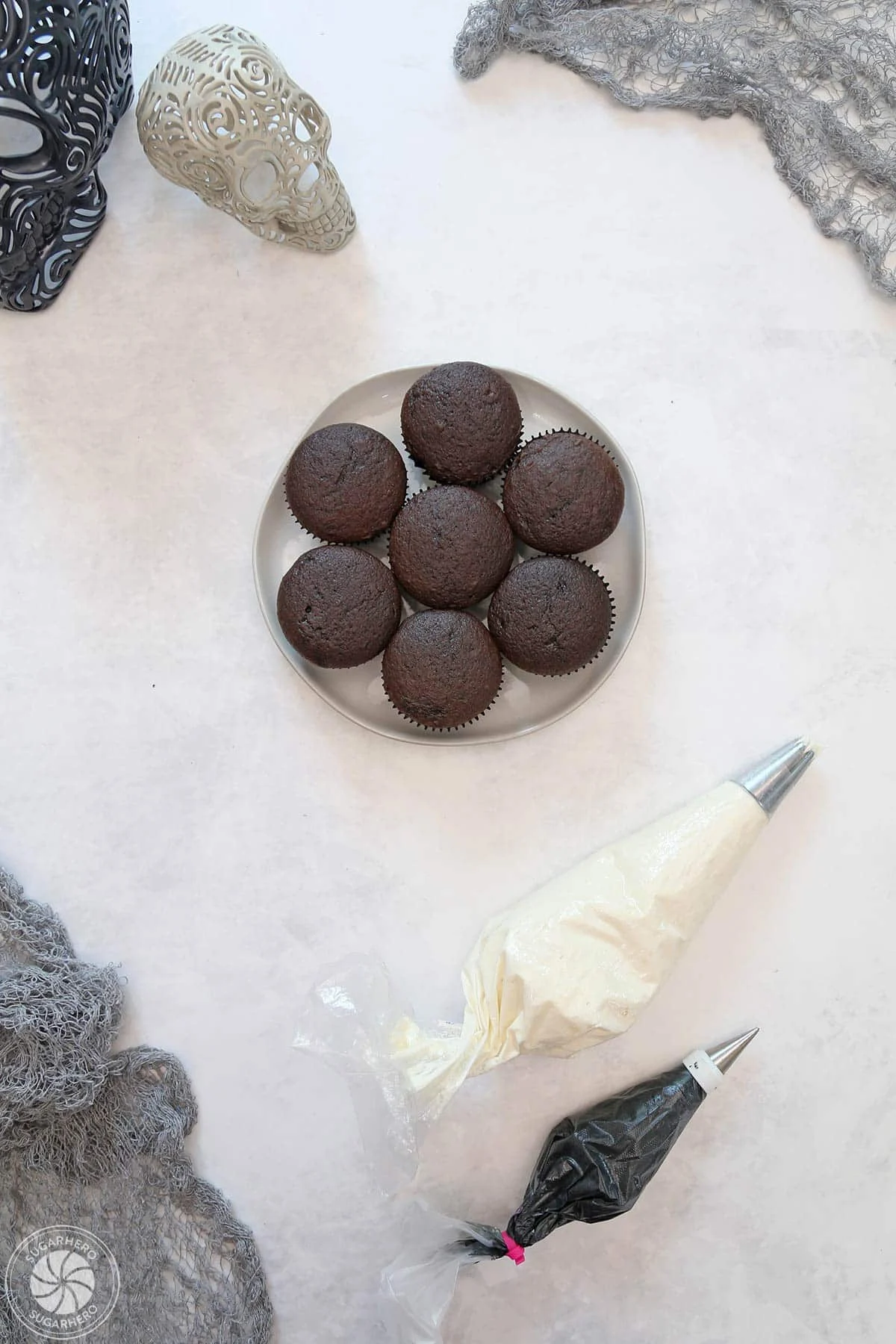
Beyond the core ingredients, a few key pieces of equipment elevate the decoration process. Piping bags and tips are instrumental in creating the clean lines and defined shapes necessary for the skull’s features. For those who may not possess professional piping tools, a common and effective alternative is to utilize resealable plastic bags, with a small corner snipped off to serve as a makeshift piping nozzle. This adaptability ensures that the trend remains accessible even to those with limited baking equipment.
The recipe also provides important notes on adjusting frosting consistency, acknowledging that factors such as butter temperature and ambient kitchen warmth can influence its texture. This practical advice empowers bakers to troubleshoot and achieve the desired consistency for smooth and precise decorating. Furthermore, the recipe includes comprehensive nutritional information, offering a breakdown of calories, macronutrients, and micronutrients per serving, a detail that is increasingly valued by consumers seeking transparency in their food choices.
A Step-by-Step Guide to Crafting Your Halloween Confections
The process of transforming a simple cupcake into a festive Skull Cupcake is presented through a detailed photo tutorial, designed to guide bakers through each stage of decoration. This visual aid is invaluable, offering clear representations of each step, from initial frosting application to the final artistic touches.
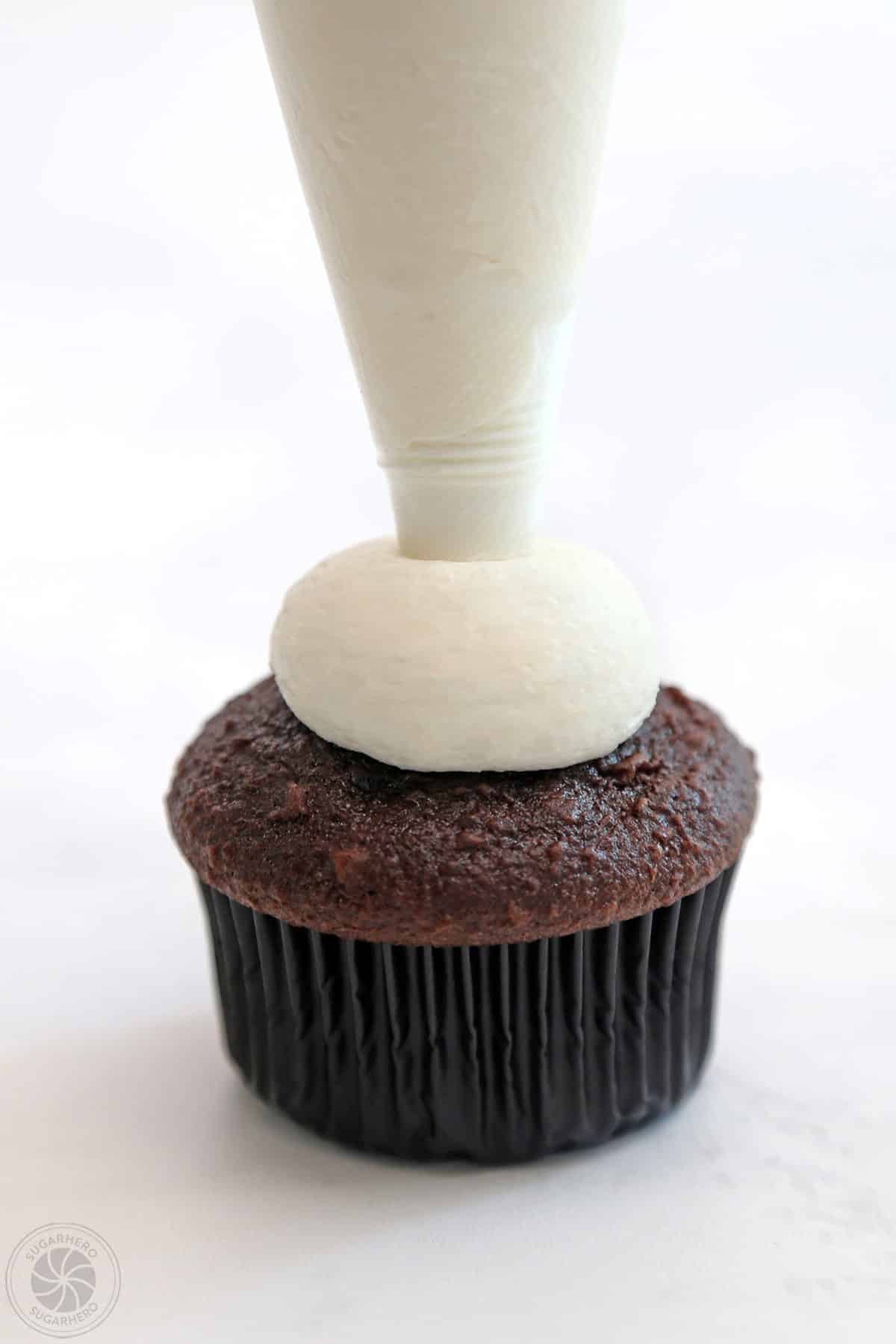
The tutorial typically begins with the preparation of the cupcakes. Once baked and fully cooled, they serve as the base for the edible artwork. The next critical step involves frosting the cupcakes. A generous layer of the base-colored buttercream is applied to each cupcake, creating a smooth, uniform surface that will serve as the canvas for the skull’s features. The method for applying this base layer is often demonstrated, whether it involves using an offset spatula for a smooth finish or employing a piping bag with a round tip for a more structured swirl.
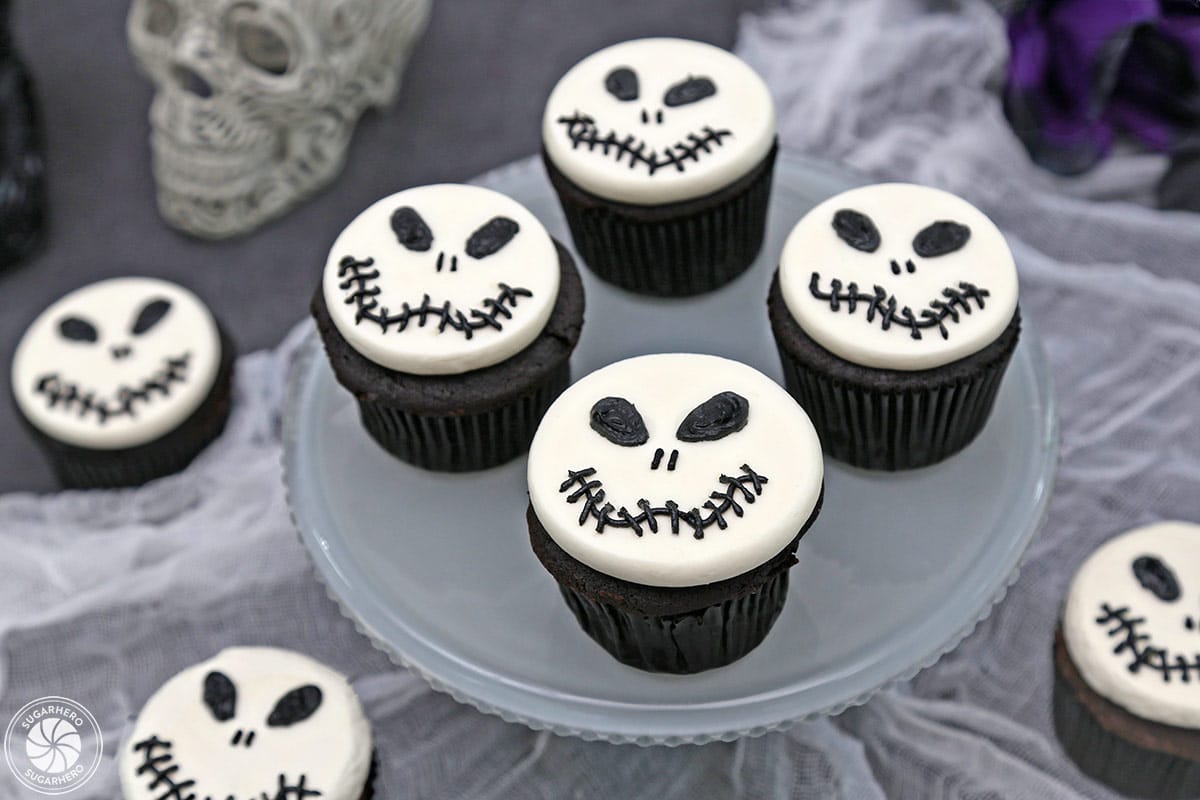
Following the application of the base frosting, the focus shifts to creating the iconic skull features. This is where the second color of buttercream, typically black, comes into play. Using a piping bag fitted with a fine tip, the eyes, nose, and mouth of the skull are carefully drawn onto the frosted surface. The tutorial illustrates the precise placement and shape of these features, demonstrating how to create two distinct eye sockets, often depicted as simple circles or slightly elongated ovals, and a triangular or inverted heart shape for the nose. The mouth is typically rendered as a series of jagged lines, suggesting the teeth of the skull.
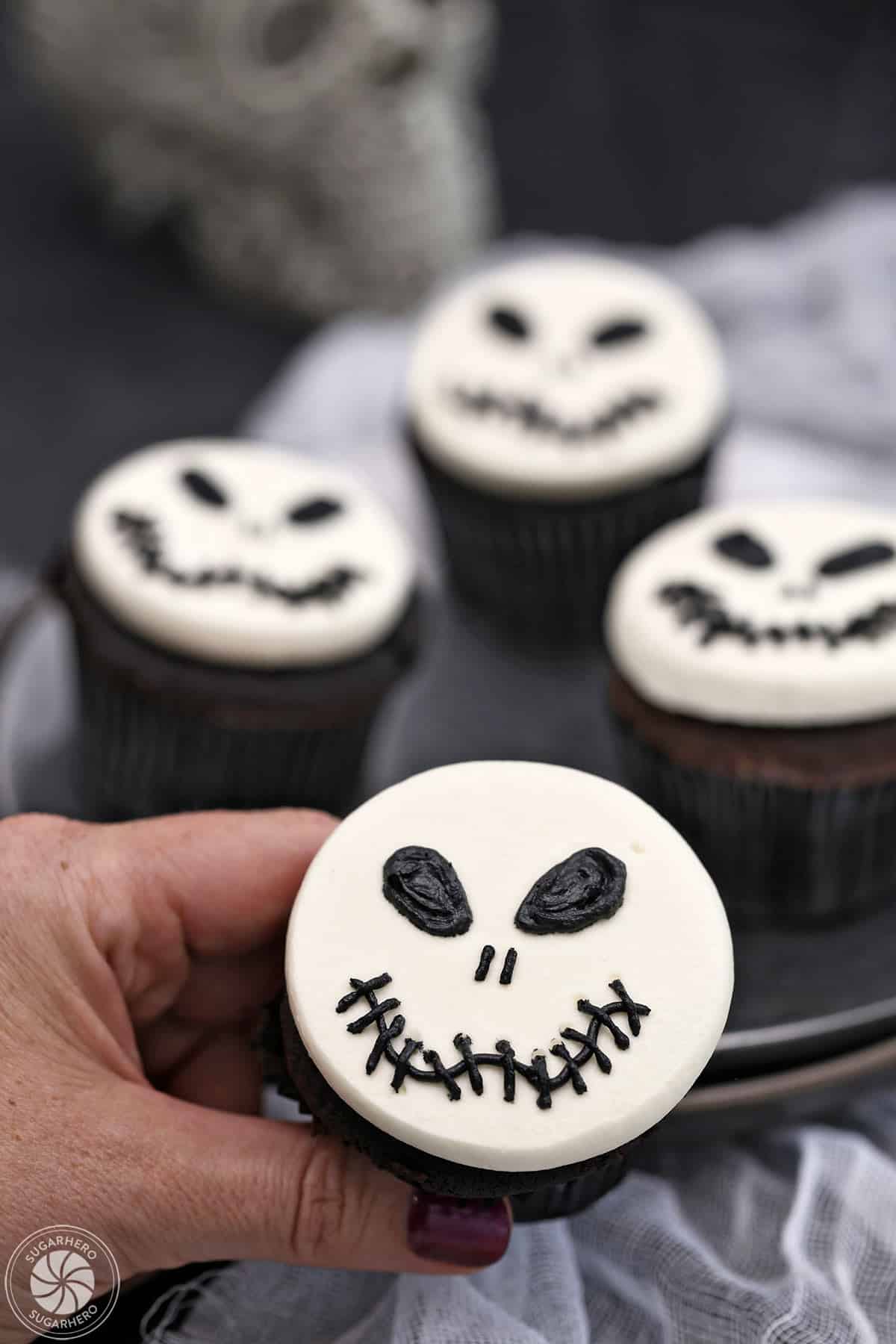
The visual guide meticulously details the technique for piping each element, emphasizing steady pressure and controlled movements to achieve clean and defined lines. For instance, the tutorial might show how to create a consistent stream of frosting for the eye sockets and then transition to finer lines for the nose and mouth. The spacing and proportions of these features are crucial in achieving a recognizable and appealing skull design. The photographic sequence allows aspiring decorators to observe the exact strokes and pressure required, minimizing guesswork and enhancing the likelihood of a successful outcome.
The final images in the tutorial showcase the completed Skull Cupcakes, often presented in an aesthetically pleasing arrangement. These finished products serve as inspiration and confirmation of the decorative process. The emphasis on clear, high-resolution images ensures that every detail is visible, allowing users to replicate the design with confidence. The inclusion of various angles and close-ups further aids in understanding the nuances of the piping techniques.
Make-Ahead Strategies and Storage Solutions for Festive Baking
The festive nature of Halloween often necessitates advance preparation, and the Skull Cupcakes are designed with this in mind. The recipe provides practical make-ahead tips, allowing bakers to streamline their holiday preparations and reduce last-minute stress. Both the cupcakes and the frosting can be prepared in advance, offering flexibility in scheduling.
Frosting Preparation: The buttercream, particularly the black frosting, can be made up to a week in advance. To ensure its freshness and prevent a crust from forming, it is recommended to store the frosting in an airtight container. A crucial step in this storage process is to press a layer of plastic wrap directly onto the surface of the frosting before sealing the container. This technique effectively seals out air and maintains the frosting’s smooth, creamy texture. When ready to use, the frosting should be allowed to come to room temperature on the counter. Subsequently, it can be revitalized by beating it on a medium speed until it regains its light and creamy consistency. This advance preparation is particularly beneficial for achieving the deep black color, as it allows ample time for the pigments to fully develop and meld.
Cupcake Storage: Baked and cooled cupcakes can also be prepared ahead of time and stored effectively. For optimal freshness and to prevent drying out, cupcakes can be frozen in airtight containers. It is important to allow the cupcakes to defrost completely in their container on the countertop before proceeding with decoration. This gradual defrosting helps to prevent condensation from affecting the cake’s texture.
Storage of Finished Cupcakes: Once decorated, the Skull Cupcakes can be stored at room temperature in an airtight container for approximately 2 to 3 days. For longer storage, they can be kept in the refrigerator for up to a week. As with unfrosted cupcakes, it is essential to allow chilled cupcakes to return to room temperature before serving. This ensures that the frosting and cake are at their optimal taste and texture, providing the best possible culinary experience.
These make-ahead strategies are not only practical for busy holiday schedules but also contribute to the overall success of the baking project. By separating the baking and decorating processes, individuals can dedicate focused time to each element, ensuring a higher quality end product. This thoughtful planning allows for a more relaxed and enjoyable Halloween celebration, with delicious and visually appealing treats ready to impress guests.
Addressing Common Baking Queries: Tips and FAQs
In the spirit of empowering home bakers, the article includes a section dedicated to frequently asked questions and helpful tips, addressing potential challenges and offering solutions. This proactive approach ensures that even novice decorators can achieve successful and impressive results.
Alternative Piping Methods: A common query revolves around the availability of specialized piping equipment. The article directly addresses this by offering a practical alternative: resealable plastic bags. By carefully snipping a small corner from a Ziplock bag, bakers can create a makeshift piping tool that functions effectively for applying buttercream. This simple hack makes the intricate decorating process accessible to anyone, regardless of their existing kitchen inventory.
Achieving Ultra Black Frosting: The challenge of creating a true, deep black frosting is a recurring theme in cake decorating. The provided information delves into the nuances of this process, recommending the use of high-quality gel or powdered food colorings over liquid alternatives, which can dilute the frosting’s consistency and require excessive amounts. The critical importance of allowing the colored frosting to rest for at least 24 hours is re-emphasized, explaining that this resting period is essential for the color to fully develop and achieve its intended vibrancy. The suggestion to incorporate black cocoa powder is also highlighted as a method to enhance the black hue while subtly enriching the flavor profile.
Make-Ahead and Storage Considerations: Reinforcing the make-ahead strategies, the FAQ section reiterates the importance of proper storage for both unfrosted and finished cupcakes. The guidance on using airtight containers, pressing plastic wrap directly onto frosting surfaces, and allowing baked goods to come to room temperature before serving is crucial for maintaining optimal texture and flavor. This detailed advice ensures that the festive treats remain appealing throughout the celebratory period.
Broader Implications of Halloween Baking Trends: The popularity of visually striking and theme-specific desserts like Skull Cupcakes reflects a broader cultural engagement with holidays. These trends are often driven by social media platforms, where visually appealing content is readily shared and emulated. The accessibility of recipes and tutorials online democratizes culinary creativity, allowing a wider audience to participate in these festive traditions. This phenomenon not only fosters a sense of community among bakers but also contributes to the economic ecosystem of food-related businesses, from ingredient suppliers to baking equipment manufacturers. The ability to easily replicate these designs can also influence family traditions, creating shared experiences and lasting memories around holiday baking. The Skull Cupcakes, in their charming simplicity, embody this modern approach to holiday celebration, blending tradition with contemporary accessibility.