
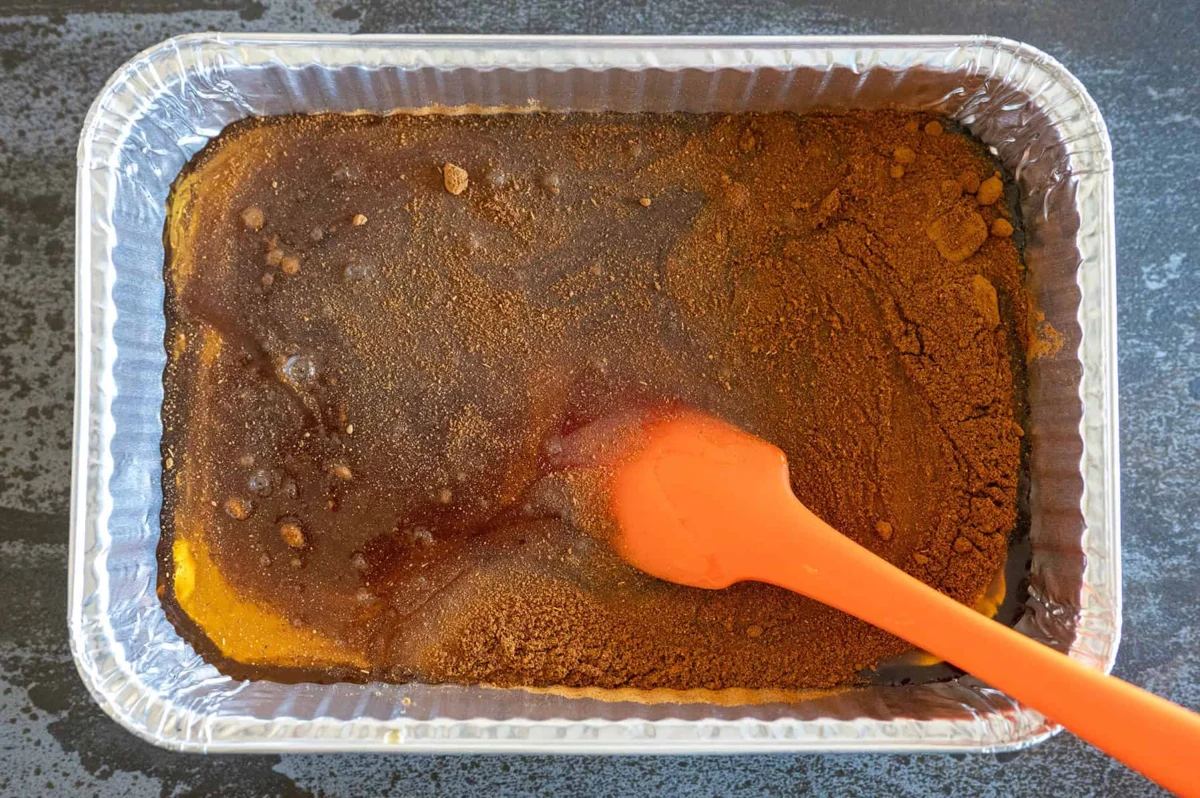
Smoked hot honey is rapidly transforming the culinary landscape, pushing the boundaries of the beloved sweet-heat condiment. This innovative preparation method, detailed in a recent culinary guide, involves infusing honey with chipotle powder and infusing it with cherry wood smoke. The result is a deeply complex flavor profile that harmoniously balances smoky, spicy, and subtly sweet notes. This technique, predominantly executed on a smoker at a consistent temperature of 225°F (107°C), allows the smoke to permeate the honey as it gently warms. This process imbues the condiment with a depth of flavor that is virtually unattainable through conventional stovetop methods.
The versatility of smoked hot honey is a significant factor in its growing popularity. It is recommended for a wide array of dishes, from classic barbecue staples like ribs and chicken to everyday favorites such as pizza and biscuits. Its ability to add a "little fire" to any dish makes it a sought-after ingredient for both home cooks and professional chefs. For those without access to a smoker, the article acknowledges alternative methods, referencing a stovetop hot honey recipe that utilizes gochugaru for a quicker, albeit smokeless, rendition.
The Science and Art of Smoked Hot Honey
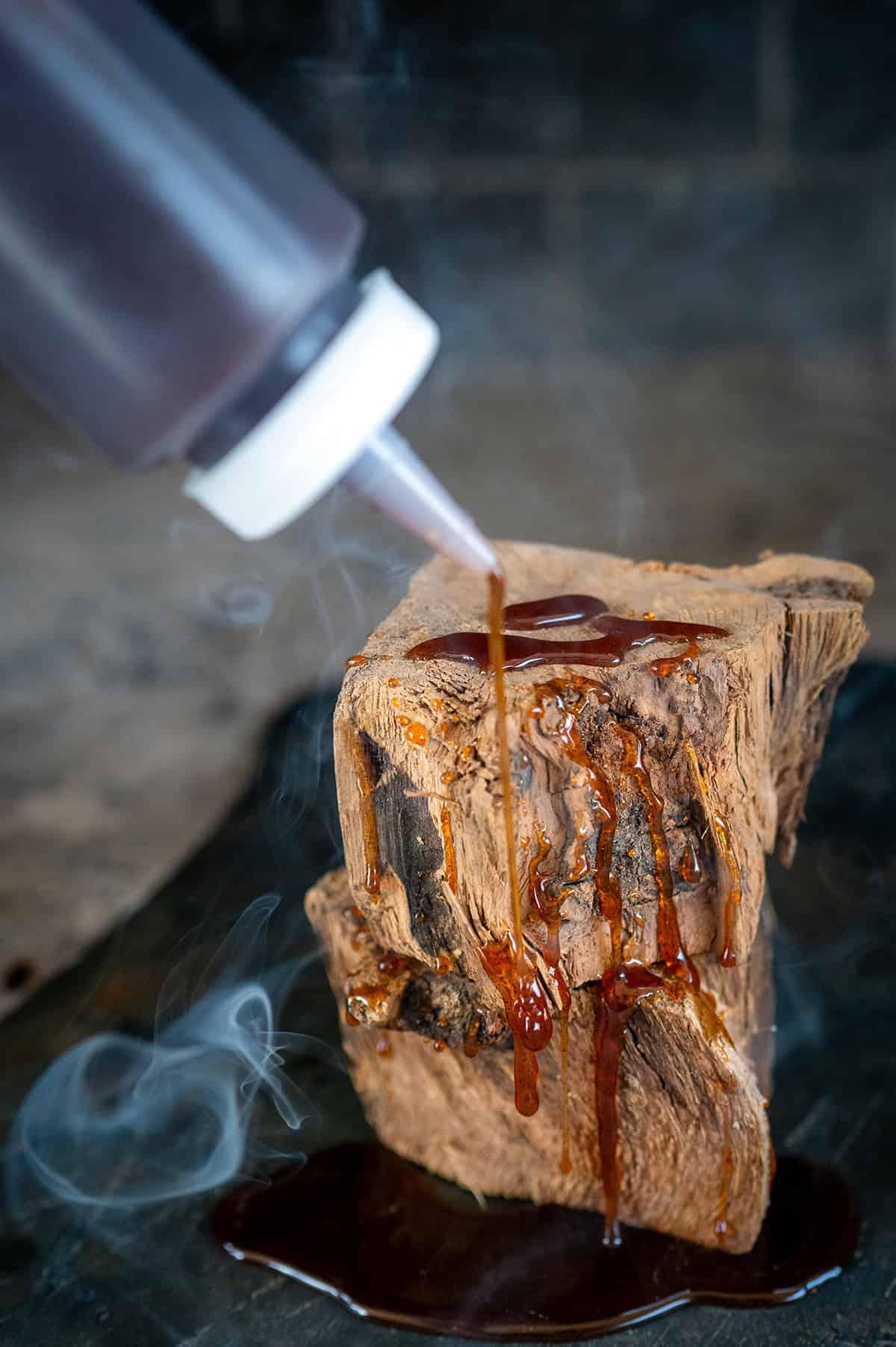
The creation of smoked hot honey is rooted in a fundamental understanding of how heat and smoke interact with viscous liquids. By maintaining a controlled temperature of 225°F (107°C) on a smoker, the honey is gently heated, increasing its fluidity and making it more receptive to the aromatic compounds present in the smoke. The choice of wood is crucial; cherry wood, as specified in the recipe, is favored for its mild, slightly sweet smoke, which complements the honey’s natural sweetness without becoming overpowering. This contrasts with more aggressive woods like mesquite, which are generally advised against for this application due to their potent flavor.
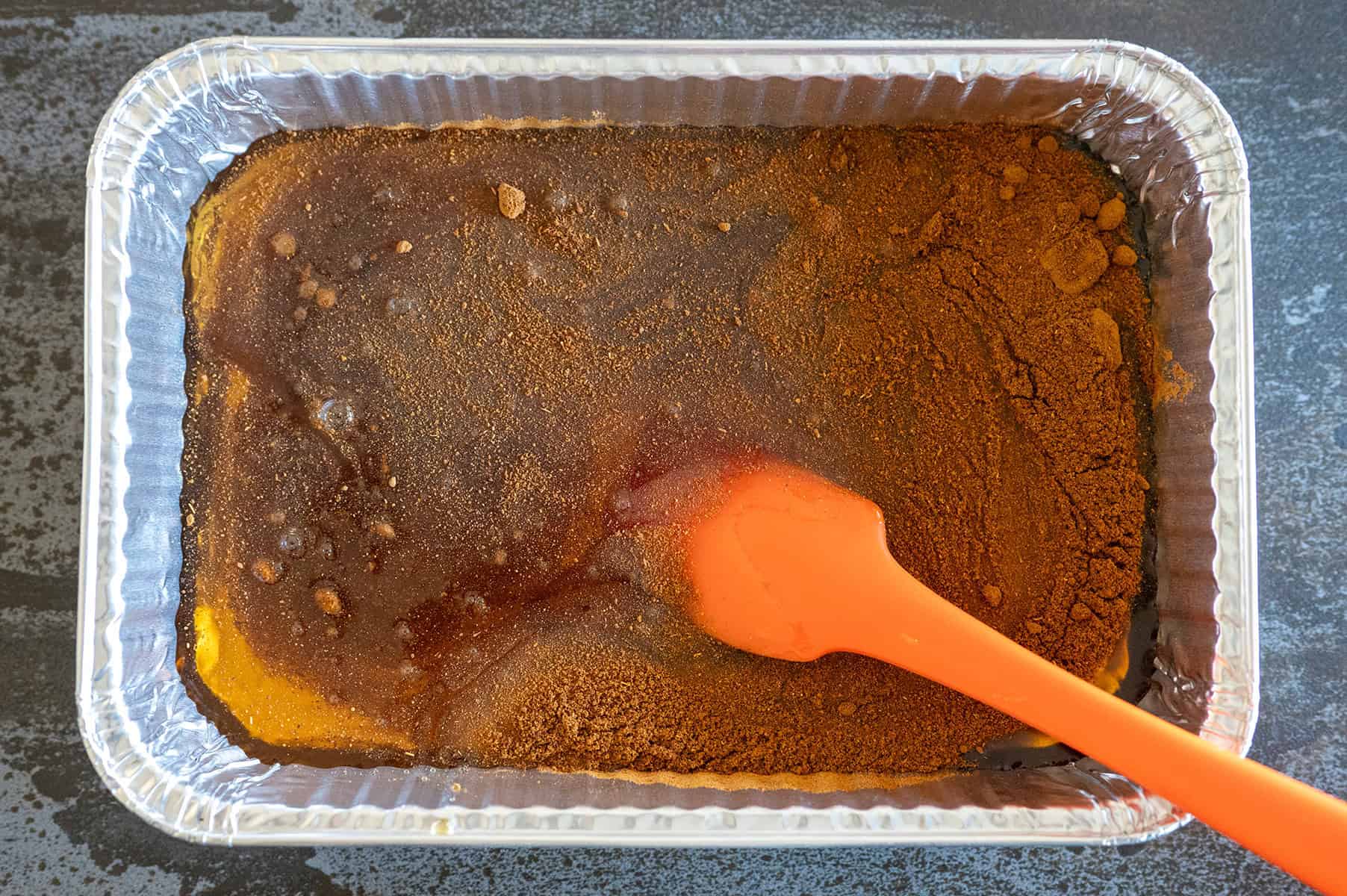
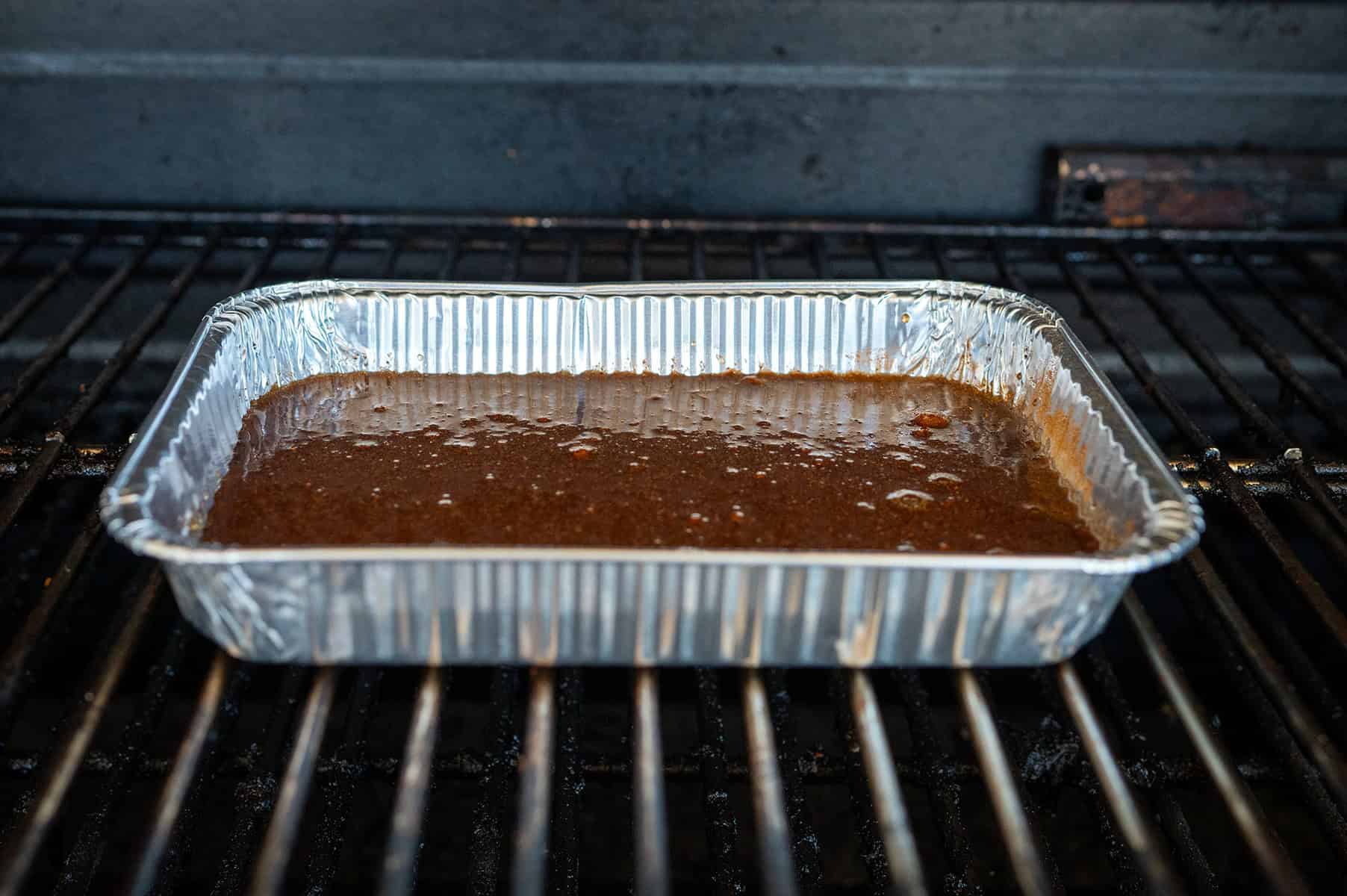
The process involves placing an open, disposable aluminum pan filled with honey and chipotle powder directly on the smoker grate. This direct exposure to the smoke is critical, as any covering would trap steam, potentially diluting the flavor and hindering the smoke’s penetration. The recommended smoking time is approximately 45 minutes, with occasional stirring to ensure even flavor distribution. This duration allows the honey to absorb a substantial amount of smoke, resulting in a richer, more pronounced smoky character.
Following the smoking period, apple cider vinegar is introduced to the warm honey. This addition serves multiple purposes: it adds a subtle tang that balances the sweetness and heat, and it can also help to slightly adjust the viscosity of the final product. The recipe encourages tasting and adjusting the seasoning, with the option to add more chipotle powder for increased heat.

A Deeper Dive into Flavor Profiles
The appeal of smoked hot honey lies in its multifaceted flavor profile. The smoky element, derived from the cherry wood, provides an earthy foundation that complements the inherent sweetness of the honey. The chipotle powder contributes a distinct, slow-burning heat that is both warming and complex, offering a different kind of spiciness than the sharper bite of red pepper flakes. This combination creates a condiment that is not merely sweet and spicy, but also nuanced and sophisticated.
The article highlights that this particular blend is designed to be a conversation starter, prompting diners to inquire about the unique flavor they are experiencing. This suggests a culinary impact that goes beyond mere seasoning, elevating dishes to a new level of sensory engagement. The prolonged development of the smoky flavor over the first 24 hours after preparation further underscores its complexity and evolving character.
Broader Culinary Implications and Market Trends
The emergence of smoked hot honey reflects a broader trend in the food industry towards more complex, artisanal condiments. Consumers are increasingly seeking out unique flavor experiences that move beyond traditional offerings. This demand has spurred innovation in how everyday ingredients are prepared and presented. The ability to infuse a common ingredient like honey with the distinct characteristics of smoke and spice demonstrates a creative approach to product development that resonates with modern palates.
This trend is supported by growing consumer interest in barbecue and live-fire cooking techniques. As more individuals engage with these methods at home, there is a corresponding demand for specialized ingredients and flavor enhancers that can replicate or elevate the experience. Smoked hot honey fits perfectly into this niche, offering a readily accessible way to impart sophisticated smoky and spicy notes to a wide range of foods.
The market for hot sauces and condiments has seen significant growth in recent years. According to various market research reports, the global hot sauce market alone is projected to reach substantial figures in the coming years, driven by increasing consumer demand for spicy and flavorful food products. Innovations like smoked hot honey are key drivers of this expansion, offering novel taste profiles that capture consumer attention.
Accessibility and Alternative Preparations
While the smoker method is presented as the premium approach for achieving authentic smoked flavor, the article is mindful of accessibility. It explicitly provides a link to a stovetop hot honey recipe, acknowledging that not everyone has access to specialized smoking equipment. This inclusive approach ensures that the broader appeal of hot honey, in its various forms, can be enjoyed by a wider audience. The stovetop method, while lacking the smoky dimension, still delivers the essential sweet and spicy characteristics that define hot honey.
The mention of using a pellet grill as an alternative for smoking also reflects the evolving landscape of home cooking equipment. Pellet grills offer a convenient and controlled way to achieve smoking results, making this technique more attainable for a broader range of home cooks.
Nutritional Considerations and Storage
The article also includes nutritional information for the smoked hot honey, providing approximate values for calories, carbohydrates, and other macronutrients. This transparency is in line with modern consumer expectations for food products. The data indicates that the condiment is primarily composed of carbohydrates from the honey, with negligible amounts of protein and fat.
Regarding storage, the guidelines provided are consistent with best practices for honey-based products. Storing in an airtight glass jar or squeeze bottle at room temperature for up to two months is recommended. The natural antimicrobial properties of honey contribute to its long shelf life, though the infused flavors are best enjoyed within this timeframe for optimal quality. The advice to keep the honey away from direct sunlight and heat sources is crucial for maintaining its integrity and flavor.
Expert Insights and Community Engagement
The inclusion of "GCG Pro Pitmaster Tips" and a detailed FAQ section suggests a commitment to providing comprehensive guidance and addressing common questions from users. These elements enhance the educational value of the content, positioning the source as an authoritative voice in the culinary community. The call to action for users to rate the recipe, leave comments, and share their results on social media, tagging a specific handle, fosters community engagement and provides valuable feedback for the creators. This interactive approach is a hallmark of successful online culinary platforms.
The "What You’ll Need" section, although appearing as a placeholder in the provided text, would typically list essential ingredients and equipment. The substitution note, offering red pepper flakes as an alternative to chipotle powder for a classic hot honey, further adds to the recipe’s adaptability.
The overall presentation of the article, with its clear subheadings, informative prose, and visual aids (implied by the image tags), aims to guide the reader through the process of creating and utilizing smoked hot honey effectively. The emphasis on a controlled smoking environment and the deliberate choice of ingredients underscore the dedication to achieving a superior flavor profile. This meticulous approach to recipe development and presentation is what elevates a simple condiment to a culinary focal point.


