
The culinary landscape is constantly evolving, with innovative twists on classic flavors emerging to captivate the palates of food enthusiasts. One such recent development generating significant buzz is the advent of smoked hot honey, a sophisticated evolution of the popular sweet and spicy condiment. By artfully infusing honey with the rich, smoky essence of chipotle powder and the subtle, nuanced aroma of cherry wood smoke, this new iteration offers a deeply complex flavor profile that is simultaneously smoky, spicy, and delicately sweet. This meticulous process elevates hot honey from a simple drizzle to a gourmet ingredient, promising to transform ordinary dishes into extraordinary culinary experiences.
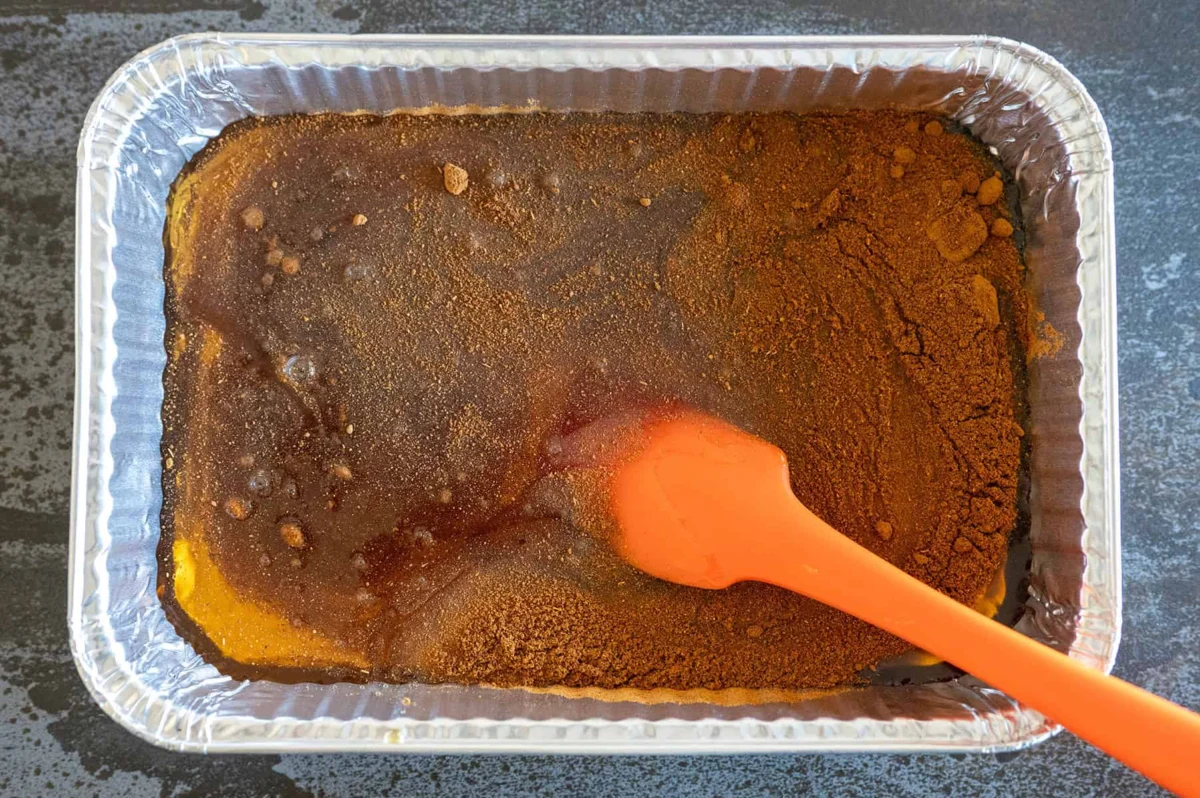
The creation of smoked hot honey is a testament to the power of slow-cooking techniques, specifically leveraging the unique capabilities of a smoker. The preparation involves placing honey infused with chipotle powder in a disposable aluminum pan, which is then subjected to a low and slow smoking process at a controlled temperature of 225°F (approximately 107°C). This method allows the smoke to permeate the honey as it gently warms, imparting a depth of flavor that is virtually impossible to replicate through conventional stovetop methods. The indirect heat and sustained smoke exposure create a rich, woodsy undertone that complements the inherent sweetness of the honey and the piquant kick of the chiles, resulting in a condiment that is both familiar and thrillingly novel.
The versatility of smoked hot honey is one of its most compelling attributes. Its complex flavor profile makes it an ideal accompaniment to a wide array of dishes. Culinary experts suggest drizzling it over barbecued ribs and chicken, adding an unexpected layer of flavor to pizzas, enhancing the savory notes of biscuits, and generally elevating any dish that benefits from a touch of sweet heat. The condiment’s ability to bridge the gap between sweet and savory makes it a dynamic ingredient for both professional chefs and home cooks alike.
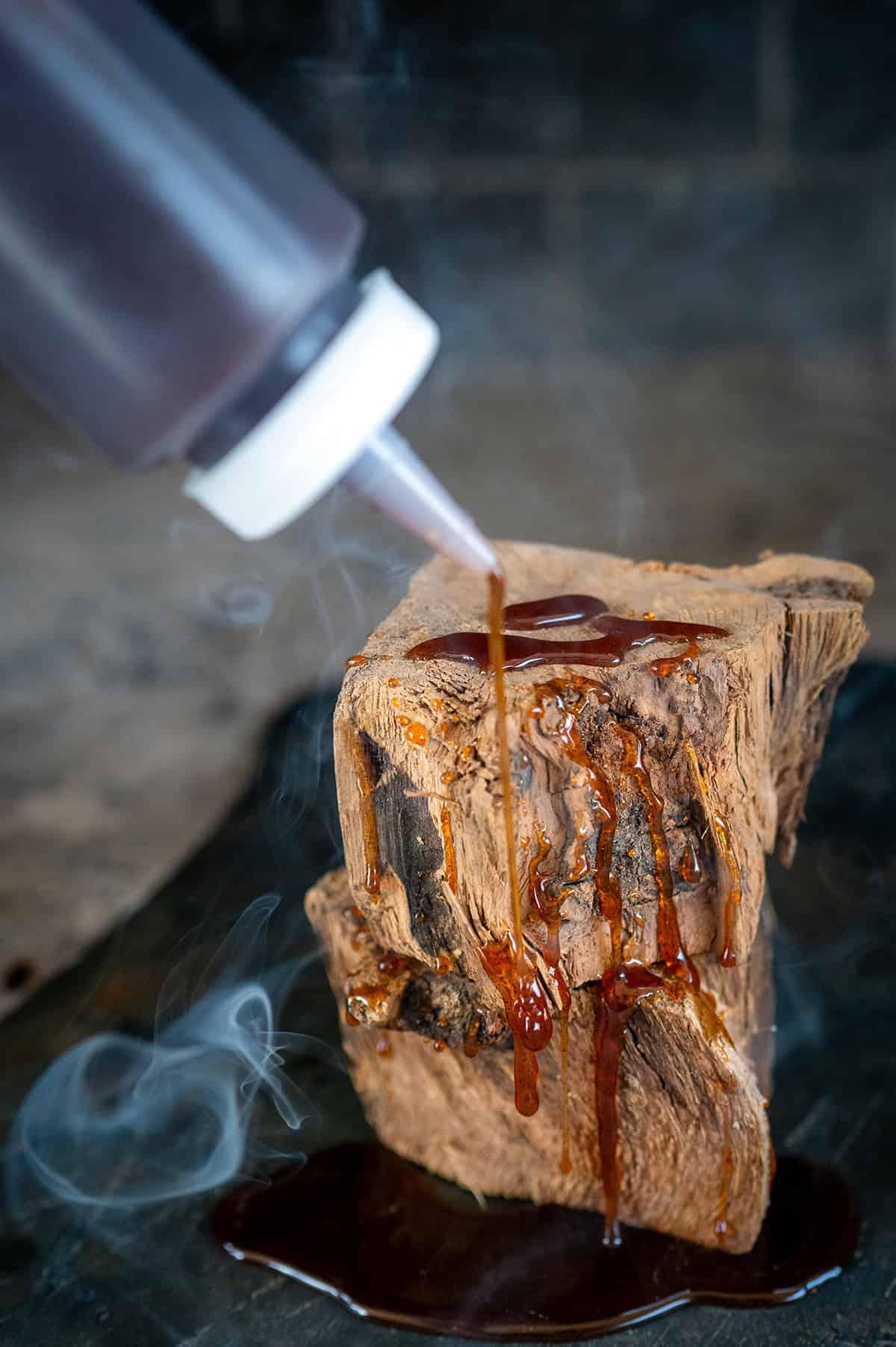
For those without access to a smoker, the development of a comparable, albeit non-smoked, hot honey remains an achievable endeavor. A readily available stovetop recipe for hot honey, often utilizing ingredients like gochugaru for a Korean-inspired twist, provides a viable alternative for achieving a delightful sweet and spicy balance. While this method may not capture the intricate smoky notes, it still offers a flavorful condiment that can be enjoyed on various dishes. This accessibility ensures that the broader appeal of hot honey, in its various forms, continues to grow.
The Genesis of Smoked Hot Honey: A Culinary Innovation
The rise of hot honey has been a significant trend in recent years, appearing on menus across the globe and becoming a staple at backyard barbecues. Its appeal lies in its ability to deliver a satisfying balance of sweetness, heat, and a subtle tang. Smoked hot honey represents the next logical evolution of this beloved condiment, building upon its established popularity by introducing an entirely new dimension of flavor.
The process of creating smoked hot honey is remarkably straightforward, yet the results are profoundly sophisticated. It begins with a simple mixture of honey and chile, typically placed in a shallow, uncovered pan. This pan is then introduced to the controlled environment of a smoker, where it is gently warmed by the circulating smoke. Over the course of the cooking period, the honey absorbs the aromatic compounds from the wood smoke, developing a rich, earthy, and woodsy character that sets it apart from any other hot honey variant. This immersive smoking process is key to achieving the unique flavor profile that has captivated culinary enthusiasts.
In this particular iteration of smoked hot honey, chipotle powder is the chile of choice. This decision is strategic, as chipotle peppers are inherently smoky, thereby amplifying the overall smoky essence of the final product. The use of chipotle powder also contributes to a heat that is often described as slower and more earthy, offering a sustained warmth rather than an immediate, sharp burn. This nuanced heat profile, combined with the smoky undertones and the sweetness of the honey, creates a condiment that is not only delicious but also intriguing, often prompting diners to pause and inquire about the source of its distinctive flavor. For individuals who embrace smoked foods and live-fire cooking, this smoked hot honey is poised to become a recurring favorite throughout the barbecue season and beyond.

Key Ingredients and Preparation Method
The creation of smoked hot honey is rooted in a few key components and a precise cooking methodology. At its core, the recipe requires high-quality honey, chosen for its natural sweetness and viscosity. The heat element is primarily derived from chipotle powder, a dried and smoked jalapeño pepper, which contributes both spice and a foundational smoky flavor. For the smoking process, cherry wood is recommended, known for its mild, slightly sweet smoke that harmonizes beautifully with honey without overpowering its delicate flavors. Apple wood is cited as a suitable alternative, while more aggressive woods like mesquite are generally advised against for this particular application.
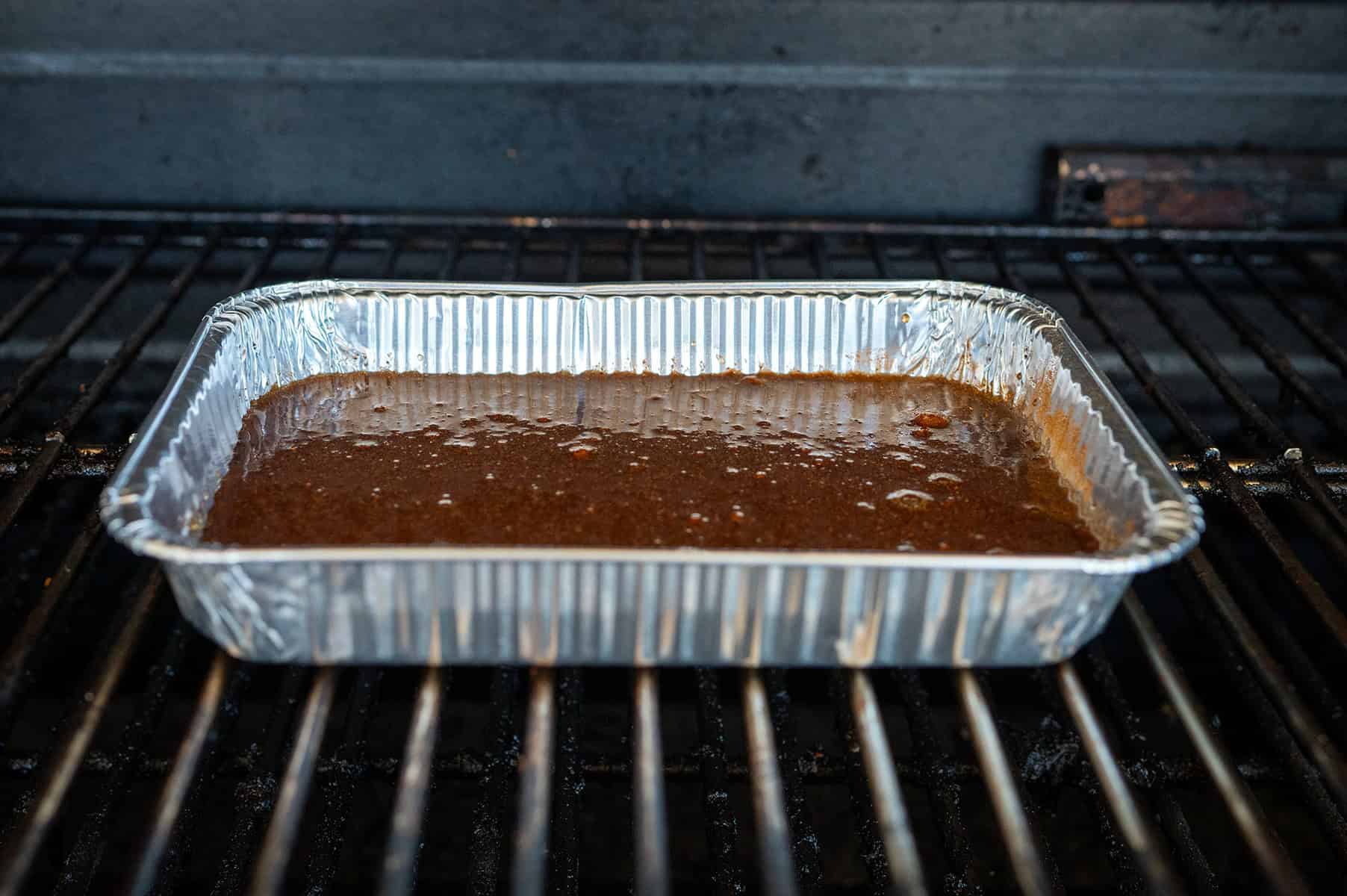
The preparation method, as outlined, centers on a low-temperature smoker, ideally maintained at 225°F (107°C). This temperature is crucial; it is warm enough to render the honey more fluid, allowing for effective smoke absorption, but not so hot as to cause boiling or scorching, which could compromise the flavor and texture. The honey and chipotle powder are combined in a shallow, disposable aluminum pan, ensuring maximum surface area for smoke penetration. This pan is then placed directly on the smoker grate, uncovered, to allow the smoke unfettered access. The smoking duration typically ranges from 30 to 45 minutes. A shorter period will yield a lighter smoke flavor, while the longer duration results in a more pronounced smokiness. Tasting the honey at the 30-minute mark allows for personalized adjustments to achieve the desired flavor intensity.
A critical aspect of the smoking process is leaving the pan uncovered. This is not merely a suggestion but a fundamental requirement for successful smoke infusion. Covering the pan would trap steam, diluting the honey and diminishing the smoke’s ability to permeate the liquid. The honey will naturally thin as it warms, and its color will deepen as it absorbs the smoky essence. Upon removal from the smoker, apple cider vinegar is stirred into the warm honey. This addition serves to balance the sweetness and add a subtle tang, further enhancing the condiment’s complexity. A final tasting and adjustment for heat, with the option to add more chipotle powder, allows for complete customization.
Versatile Applications for Smoked Hot Honey
The rich, smoky depth imparted by the smoking process makes this hot honey particularly well-suited for grilled and smoked meats. Its ability to cut through richness while simultaneously adding layers of flavor makes it a standout condiment. Some of the most recommended applications include:
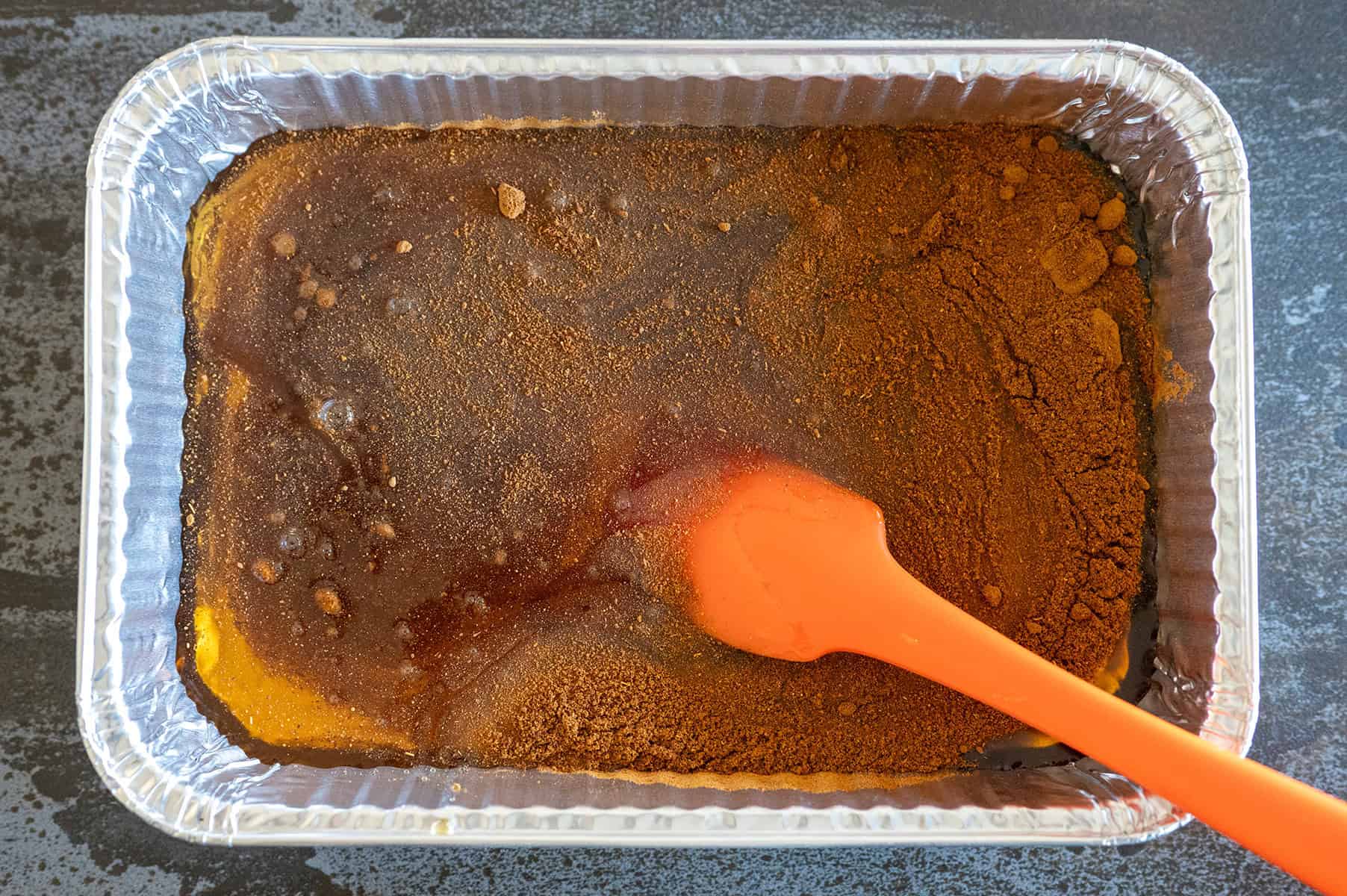
- Barbecued Meats: Drizzled over pork ribs, pulled pork, brisket, and smoked chicken wings, it provides a sweet and spicy glaze that caramelizes beautifully during the cooking process.
- Pizza: A swirl of smoked hot honey atop a savory pizza, particularly one featuring spicy pepperoni or sausage, offers a delightful contrast of flavors and textures.
- Breakfast Foods: It can elevate humble biscuits, cornbread, and even pancakes with a sophisticated sweet and spicy kick.
- Roasted Vegetables: Tossed with roasted Brussels sprouts, sweet potatoes, or carrots, it adds an unexpected depth that transforms simple vegetables into a flavorful side dish.
- Cheese Pairings: Smoked hot honey pairs exceptionally well with artisanal cheeses, offering a complex counterpoint to sharp cheddars, creamy bries, or pungent blue cheeses.
- Cocktail Enhancements: For the adventurous mixologist, a dash of smoked hot honey can add a unique smoky and sweet dimension to cocktails, particularly those with whiskey or bourbon bases.
Storage and Shelf Life
Proper storage is essential to maintain the quality and flavor of smoked hot honey. It is recommended to store the condiment in an airtight glass jar or a convenient squeeze bottle. At room temperature, it can retain its optimal flavor for up to two months. Honey, by its very nature, possesses natural antimicrobial properties, eliminating the need for refrigeration. However, it is advisable to keep the storage container away from direct sunlight and sources of heat, as these can degrade the quality over time. While honey is inherently stable, the infused flavors in this particular preparation are best enjoyed within the initial two-month period to fully appreciate the nuances developed during the smoking process.
Addressing Common Queries: Expert Insights
The growing interest in smoked hot honey has naturally led to a series of frequently asked questions, which are often addressed by culinary experts and pitmasters to guide enthusiasts.
What temperature should I smoke hot honey at?
The optimal temperature for smoking hot honey is 225°F (107°C). This temperature is crucial as it allows the honey to become fluid enough to absorb smoke effectively without reaching a boiling point, which could lead to scorching or evaporation of delicate flavor compounds. Exceeding 250°F (121°C) is generally not recommended.
How long does it take to smoke hot honey?
The smoking process typically lasts between 30 to 45 minutes. A 30-minute smoke will result in a lighter, more subtle smoke flavor, while extending the time to 45 minutes will produce a deeper, more pronounced smokiness. Many recommend tasting the honey around the 30-minute mark to gauge the desired intensity and adjust accordingly.
What type of wood is best for smoking hot honey?
Cherry wood is frequently cited as the ideal choice for smoking hot honey. Its smoke is characterized by a mild, slightly sweet profile that complements the honey’s sweetness without becoming overpowering. Apple wood is another excellent option that offers a similar mildness. Woods like mesquite, which produce a more intense and aggressive smoke, are generally considered too strong for the delicate flavor of honey.
Can smoked hot honey be made without a smoker?
Yes, it is possible to create a delicious hot honey without a smoker. In such cases, a stovetop method is employed. While this approach will yield a flavorful sweet and spicy condiment, it will lack the distinctive smoky notes that define smoked hot honey. Recipes for stovetop hot honey, such as those featuring gochugaru, offer a valuable alternative for those without smoking equipment.
Is it possible to smoke hot honey on a pellet grill?
Absolutely. Pellet grills are well-suited for this recipe. By setting the grill to 225°F (107°C) and using cherry wood pellets, one can achieve excellent results that mirror those obtained from a traditional smoker. The consistent temperature control offered by pellet grills makes them a convenient tool for this culinary endeavor.
Expanding the Condiment Repertoire
For those who have embraced the world of smoked hot honey, a broader exploration of related sauce and condiment recipes can further enhance their culinary repertoire. Many resources offer a variety of rubs, marinades, and sauces designed to complement grilled and smoked foods, providing a wealth of inspiration for future cooking projects. This extends to exploring different flavor profiles within the hot honey category itself, such as the aforementioned Gochugaru Hot Honey, which offers a Korean-inspired heat and flavor. The continuous innovation in the realm of condiments underscores a vibrant culinary scene that values both tradition and experimentation, encouraging home cooks and professional chefs alike to push the boundaries of flavor.


