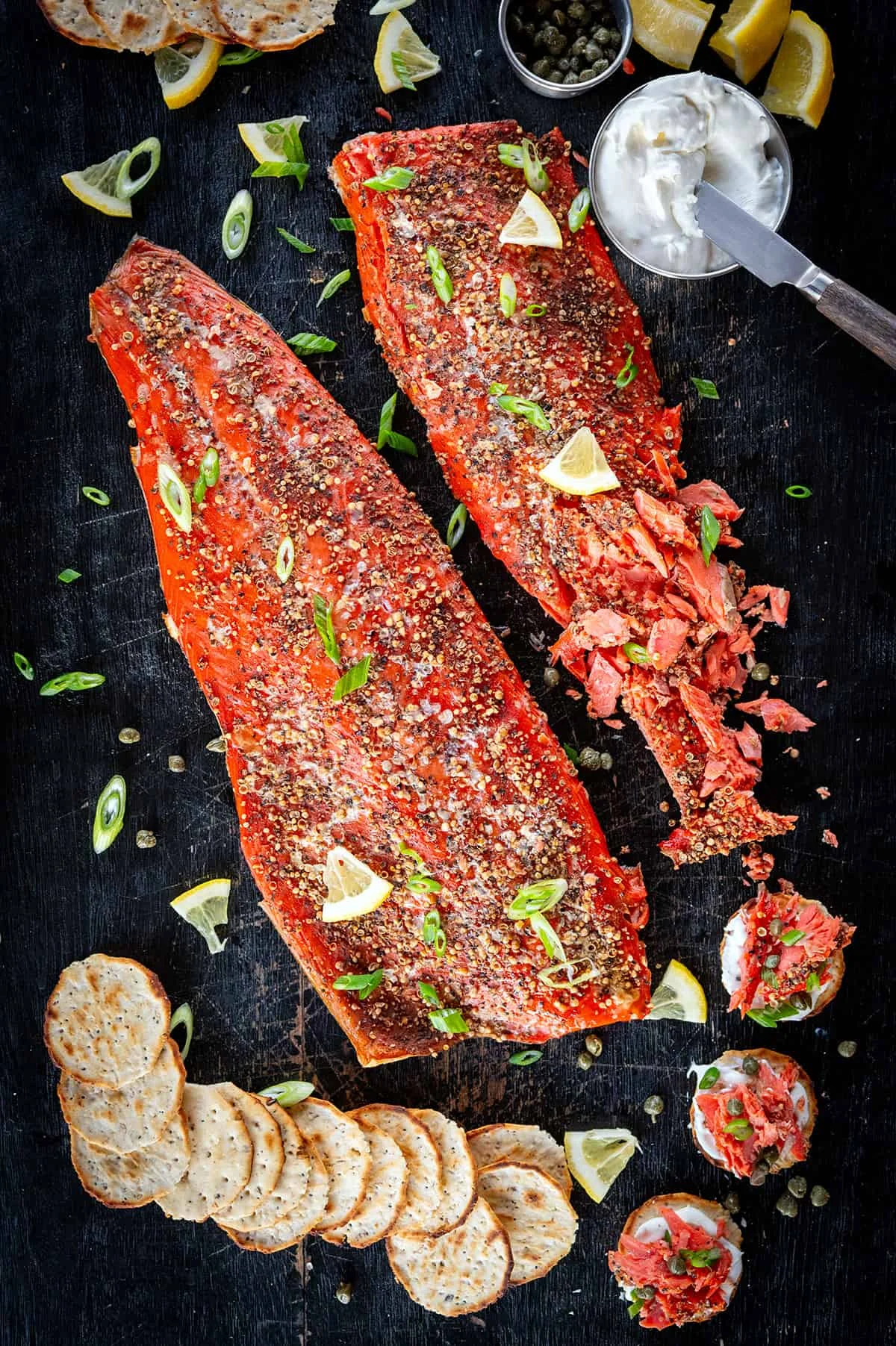
A groundbreaking approach to a beloved deli staple is emerging from the kitchens of culinary enthusiasts and pitmasters alike: smoked salmon pastrami. This innovative dish transforms the rich, flaky texture of sockeye salmon into a flavor-packed experience reminiscent of traditional beef pastrami, utilizing a specialized brine and smoking process. The technique, detailed by grilling and barbecue expert Christie Vanover of Girls Can Grill, offers a unique twist on both seafood preparation and classic cured meats, potentially broadening the appeal of both.
The Genesis of Salmon Pastrami
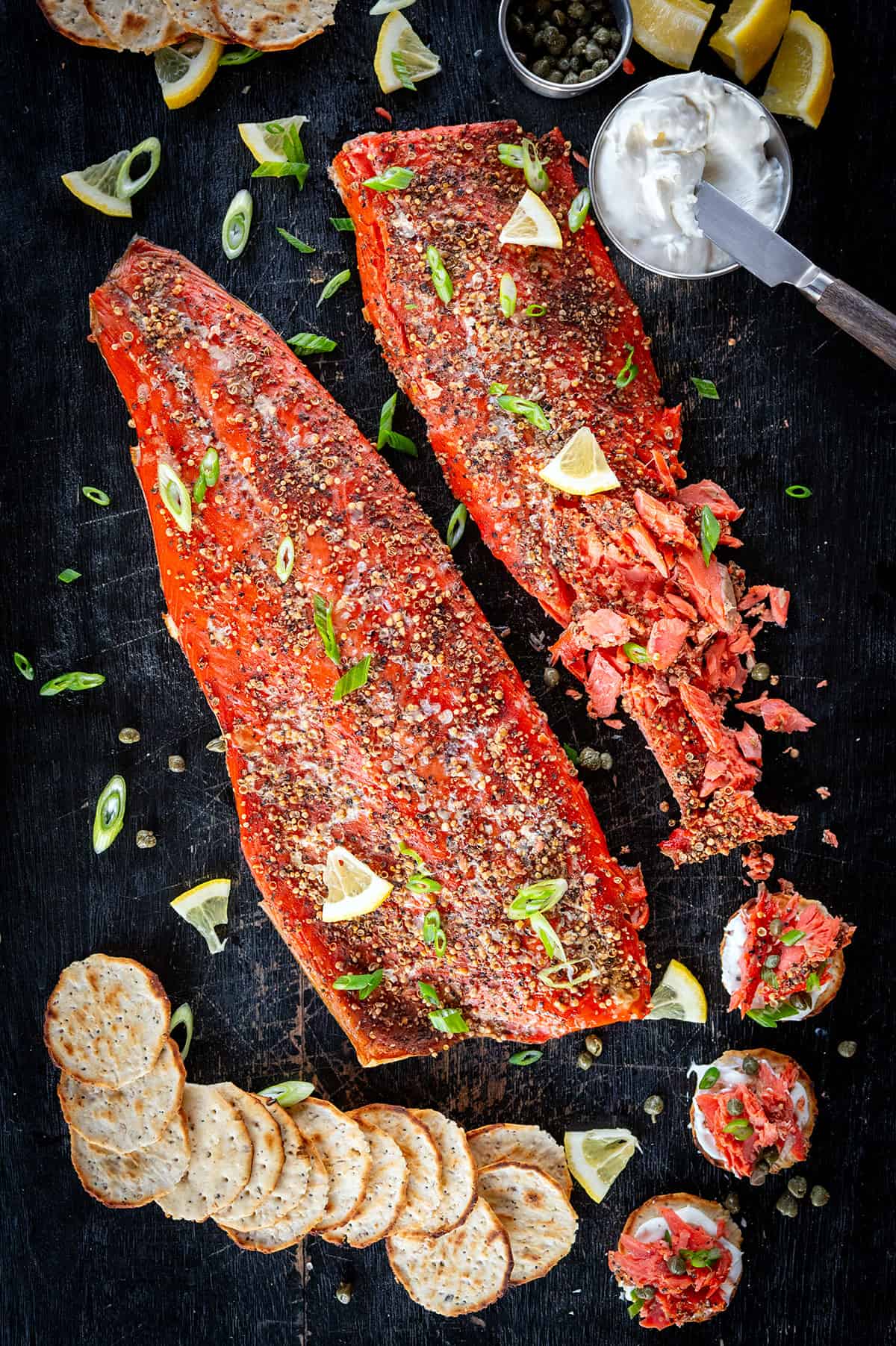
Salmon pastrami is not merely smoked salmon; it is a meticulously crafted delicacy. The process begins with a high-quality filet of sockeye salmon, renowned for its vibrant color and robust flavor. This salmon is then subjected to a multi-day curing process, involving a proprietary brine that imbues the fish with essential flavors and preserves its texture. Following the brine, the salmon is seasoned with a distinctive pastrami rub, which typically features a blend of black pepper, coriander, mustard seeds, sugar, paprika, and garlic, creating the characteristic peppery crust. The final stage involves smoking the seasoned salmon, imparting a deep, smoky aroma and a complex flavor profile that distinguishes it from lighter preparations like lox.
Unlike traditional lox, which is often cured but not smoked or heavily spiced, salmon pastrami embraces the bold, assertive character of its namesake. This distinction lies in the intensity of the seasoning and the application of smoke, resulting in a product that offers a more pronounced and layered taste experience. The development of this culinary fusion speaks to a growing trend in food innovation, where established techniques are applied to new ingredients to create novel and exciting dishes.
A Step-by-Step Culinary Journey
The creation of salmon pastrami is a multi-stage process that requires patience and precision, typically spanning several days.
Step 1: The Brining Process
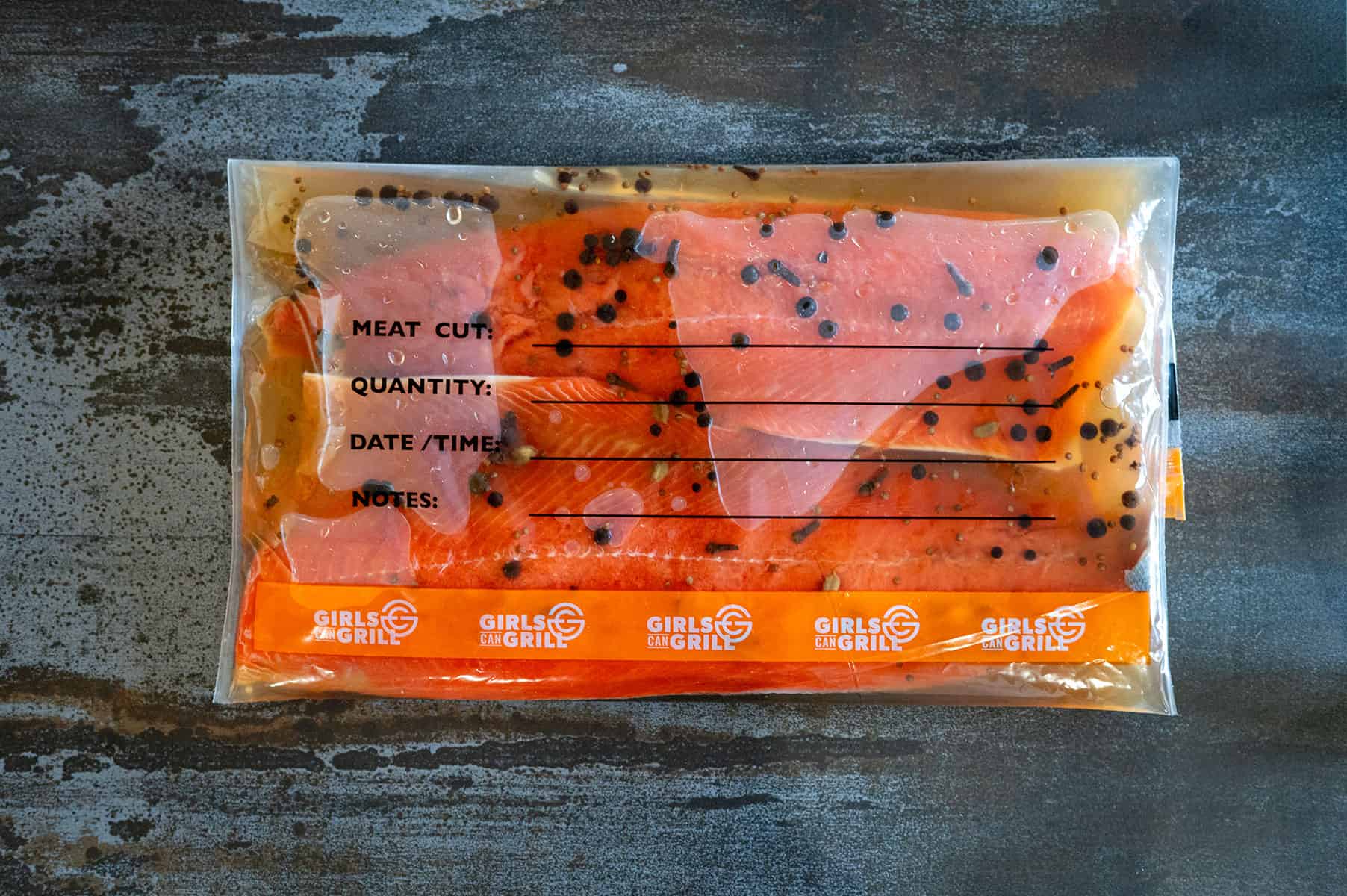
The initial phase involves brining the sockeye salmon. A specialized pastrami brine is prepared by dissolving its components in warm water, followed by a cooling period. The salmon filets are then placed in a meat preparation bag and fully submerged in the cooled brine. This step is crucial for both flavor infusion and moisture retention. The bag is sealed to remove air, ensuring maximum contact between the salmon and the brine. The filets are then refrigerated for approximately two days, allowing the curing agents and seasonings to penetrate the fish.
Step 2: Dry Brining and Seasoning
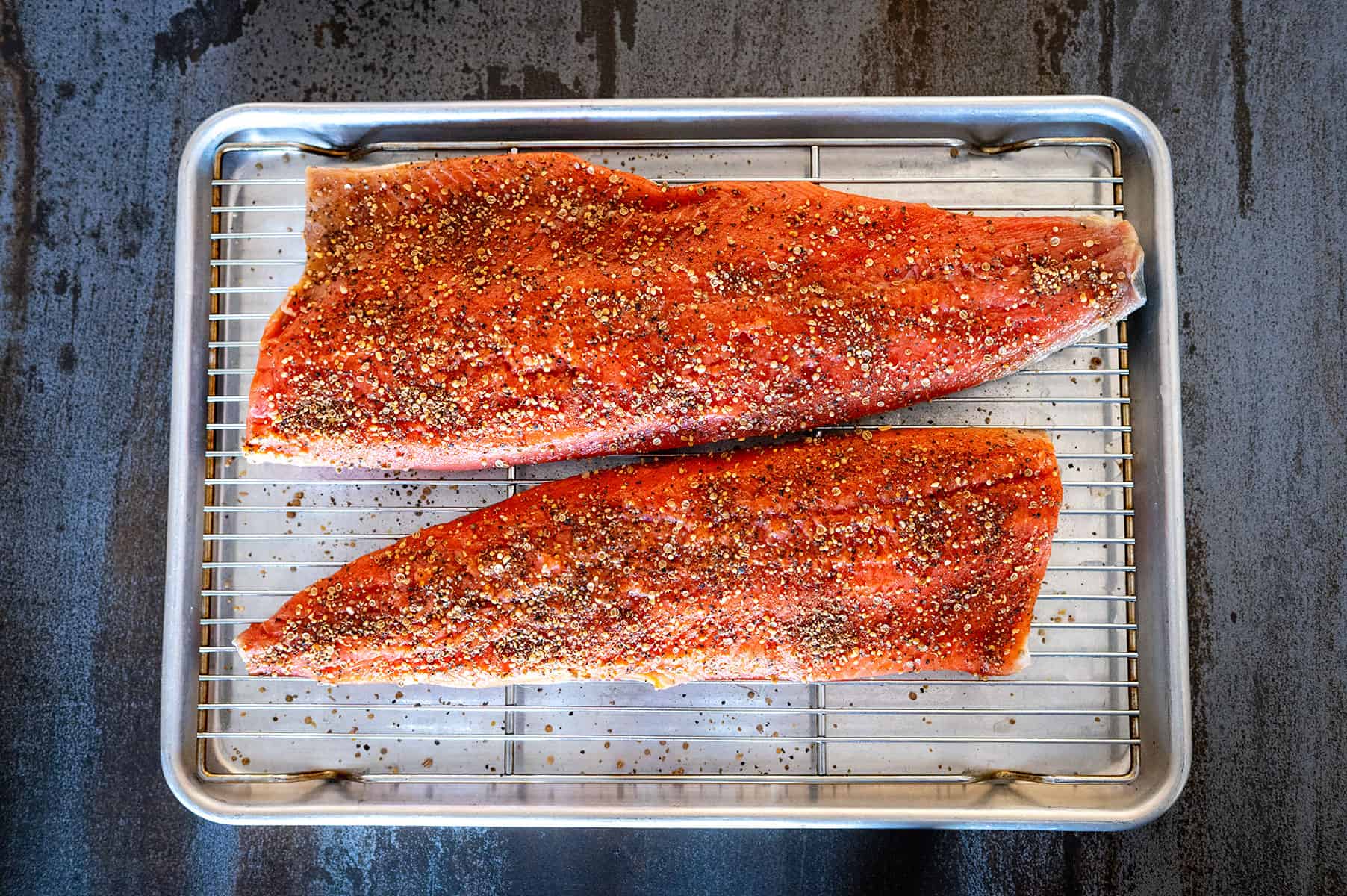
After the initial brine, the salmon is removed and gently rinsed to eliminate excess salt. A light coating of oil is applied to a wire rack, which is set over a baking sheet. The rinsed salmon filets are placed on the oiled rack, skin-side down. The top surface of each filet is then generously seasoned with the pastrami rub. This dry brining period, which can last from a few hours to overnight, allows the exterior of the salmon to dry out, creating a surface conducive to forming the desired crust during smoking. Refrigeration in this uncovered state is essential for this dehydration process.
Step 3: The Smoking Ritual
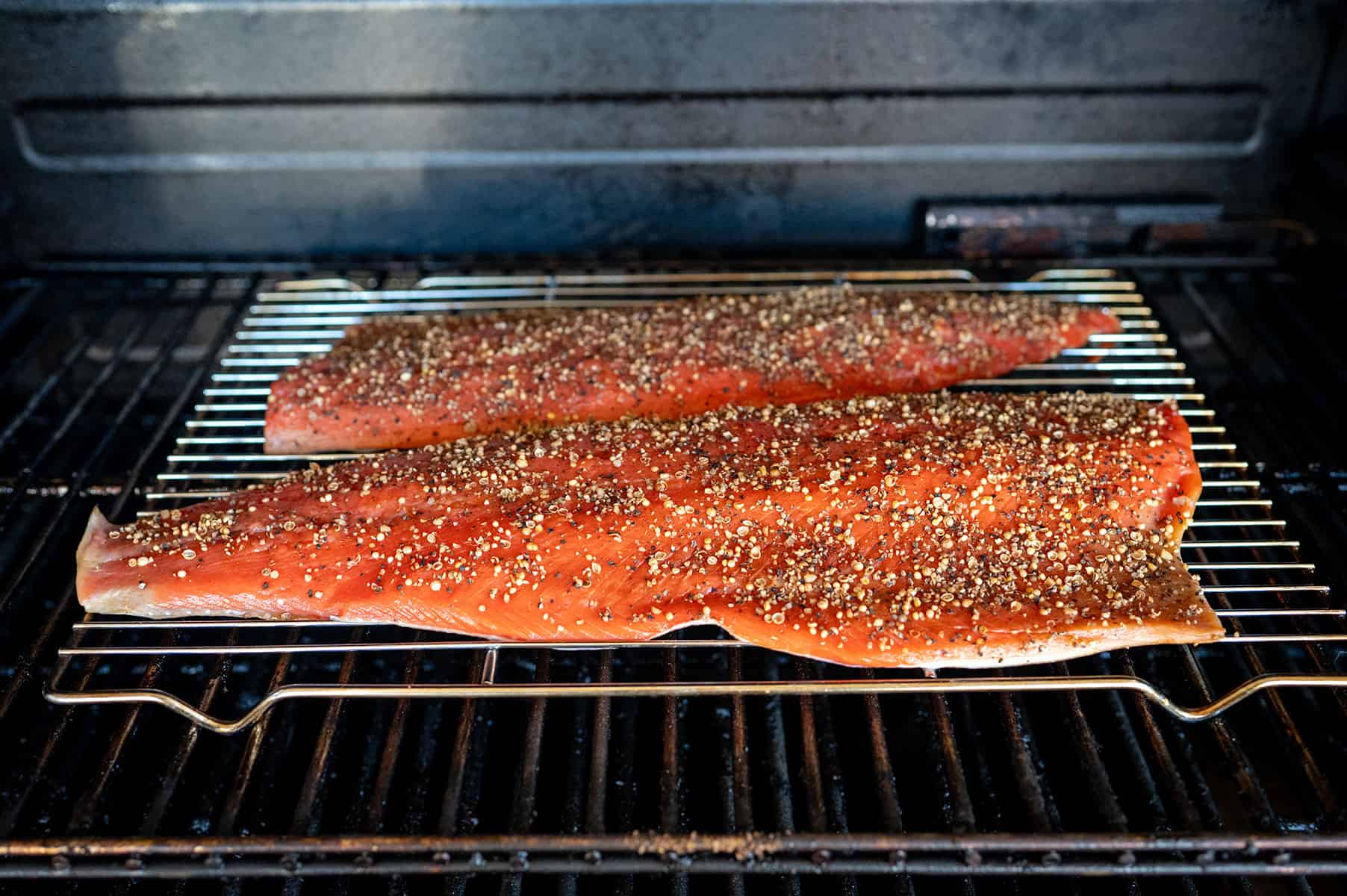
The final culinary transformation occurs through smoking. The smoker is preheated to a temperature of 225 degrees Fahrenheit (approximately 107 degrees Celsius). The salmon, resting on its rack, is placed in the smoker over indirect heat. This controlled environment allows the salmon to gradually absorb the smoky essence without cooking too rapidly. The smoking process typically takes between 50 to 60 minutes, or until the internal temperature of the salmon reaches 140 degrees Fahrenheit (approximately 60 degrees Celsius). This target temperature ensures the salmon is cooked through while remaining moist and flaky. Upon removal from the smoker, the salmon is allowed to rest for 5 to 10 minutes, allowing the juices to redistribute and the flavors to meld.
Serving and Presentation: A Versatile Delicacy
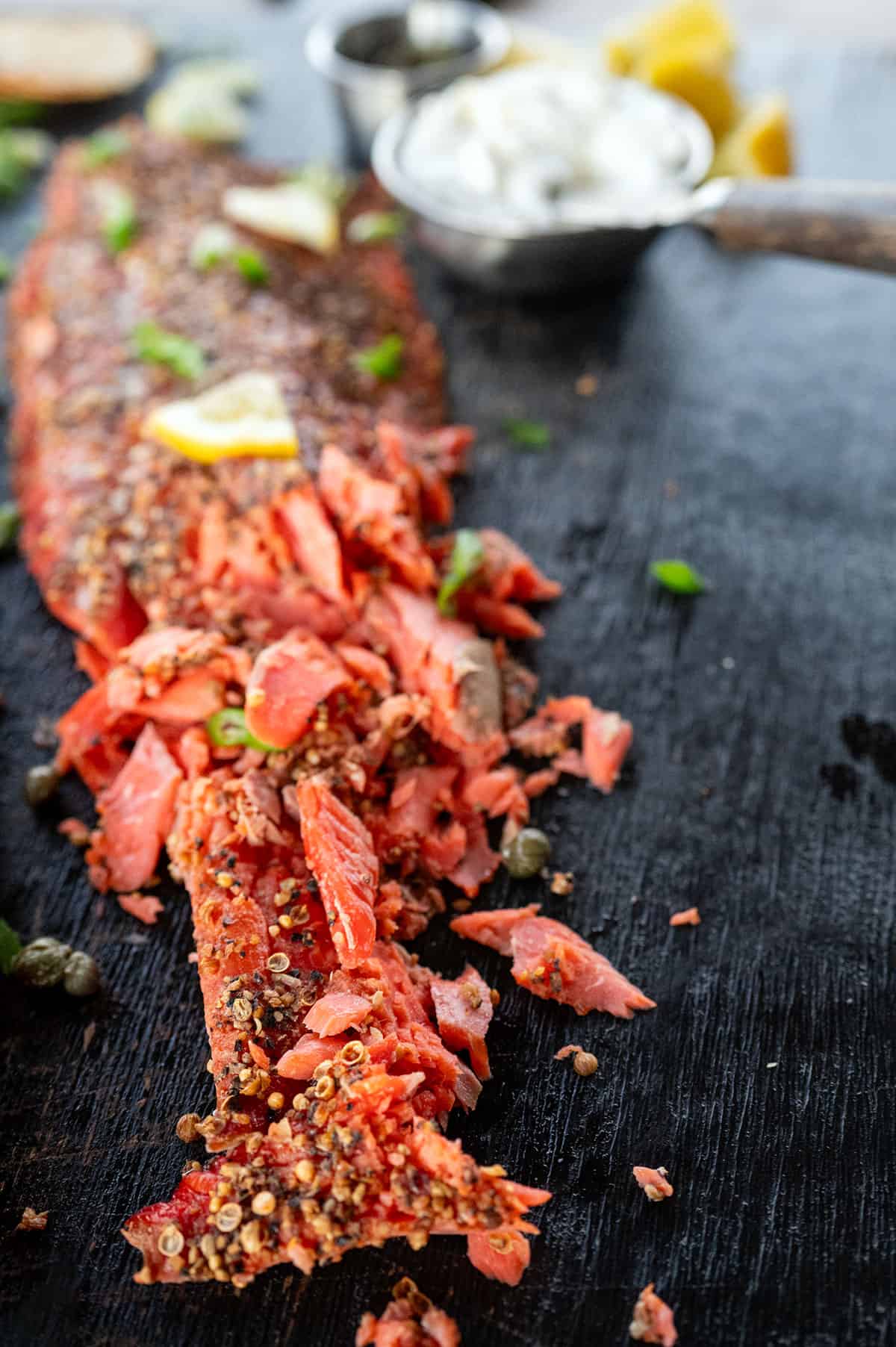
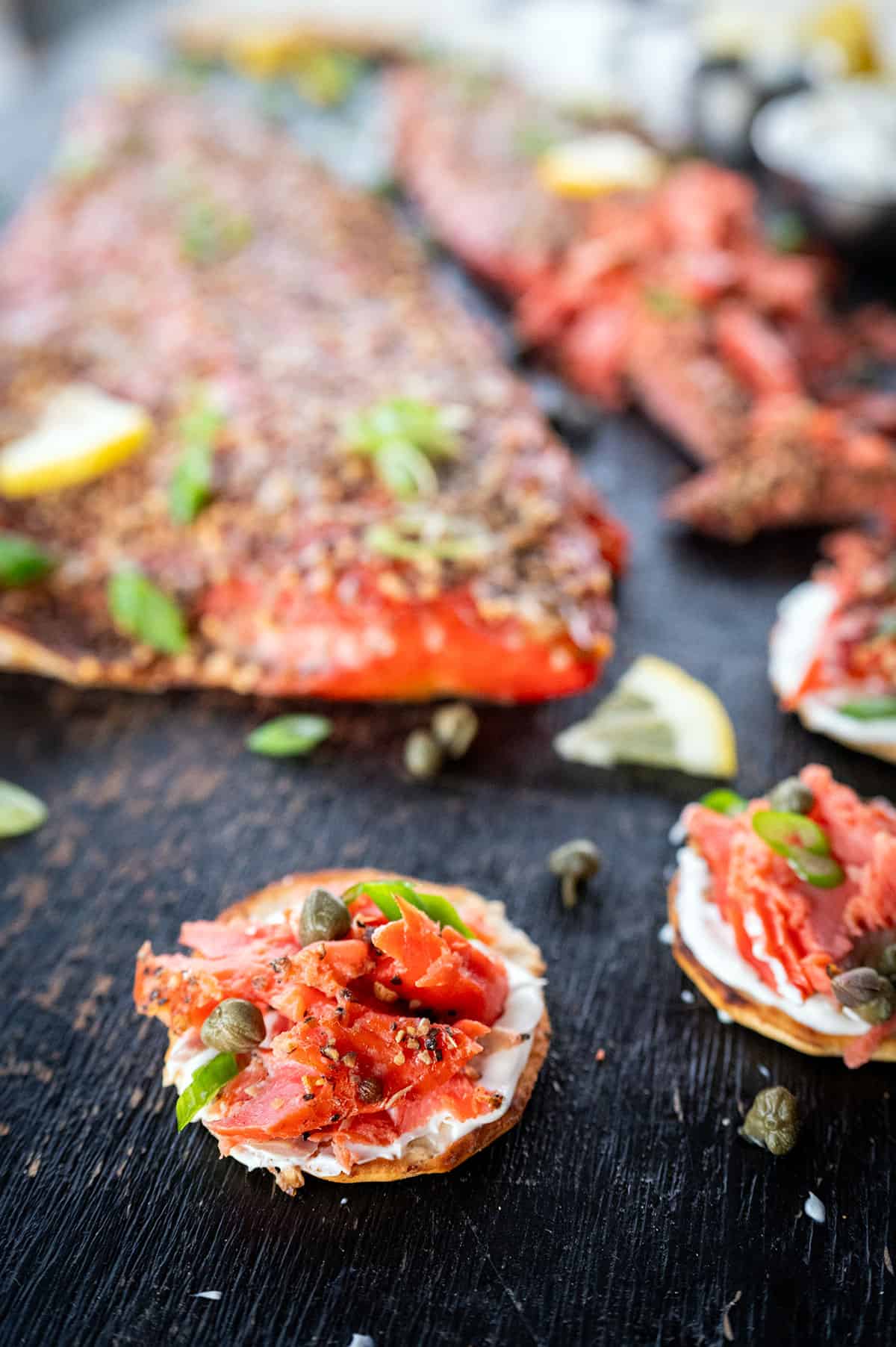
The versatility of smoked salmon pastrami lends itself to a variety of serving styles, catering to different occasions and preferences. It can be presented as a hearty entree, sliced into thick portions, showcasing its rich texture and deep color. Alternatively, it can be flaked or shredded and served as an elegant appetizer.
For appetizer presentations, the shredded salmon pastrami is particularly well-suited for pairing with classic accompaniments. Serving it atop crackers with a dollop of cream cheese, garnished with fresh green onions or herbs, capers, and a squeeze of lemon, creates a sophisticated bite. Another popular serving suggestion includes placing it on toasted bagels or slices of rye bread, echoing the traditional deli sandwich experience but with a distinctly piscine twist. These serving suggestions highlight the adaptability of the dish, bridging the gap between casual snacking and more formal entertaining.
Nutritional Profile and Considerations
The nutritional information for this salmon pastrami preparation indicates a moderate caloric content. A typical serving of approximately 10 portions yields around 161 calories, with a significant protein contribution of 22 grams. The fat content is approximately 7 grams, with a small proportion of saturated fat (1 gram). It also provides beneficial polyunsaturated and monounsaturated fats, along with a notable amount of potassium and trace amounts of vitamins and minerals. It is important to note that nutritional information is often an approximation and can vary based on exact ingredients and portion sizes.
The question of saltiness is a common consideration with cured and smoked meats. Salmon pastrami, by its nature, will have an elevated salt level due to the brining process. The recipe emphasizes rinsing the salmon after brining to mitigate excessive saltiness. For those sensitive to salt, reducing the brining time from two days to one day is a suggested adjustment. The recipe also highlights the availability of a salt-free pastrami rub from Girls Can Grill, which can further control the sodium content while still delivering the characteristic pastrami flavor profile.
Storage and Longevity
Proper storage is key to preserving the quality of smoked salmon pastrami. Leftovers should be stored in an airtight container in the refrigerator and are best consumed within 4 to 5 days. Freezing is also an option, although it may result in a slight alteration of the texture upon thawing.
Expert Insights and Resources
Christie Vanover, the originator of this recipe, provides extensive resources for those interested in mastering pastrami preparation. Her "1-Page Pastrami Game Plan" offers a concise overview of the brining, seasoning, and smoking stages, making it an accessible guide for beginners. For a more in-depth exploration of pastrami techniques, her "Ultimate Pastrami Guide" offers comprehensive details and tips. The Girls Can Grill website also offers specialized pastrami kits, simplifying the acquisition of necessary rubs and seasonings for home cooks.
The development and popularization of salmon pastrami represent a fascinating intersection of culinary tradition and innovation. By applying the time-honored techniques of pastrami making to the delicate and flavorful sockeye salmon, a new category of gourmet seafood has emerged. This dish not only honors the heritage of cured and smoked meats but also celebrates the bounty of the Pacific Northwest, offering a unique and delicious experience for discerning palates. As consumers increasingly seek novel and high-quality food experiences, salmon pastrami stands poised to become a sought-after delicacy.