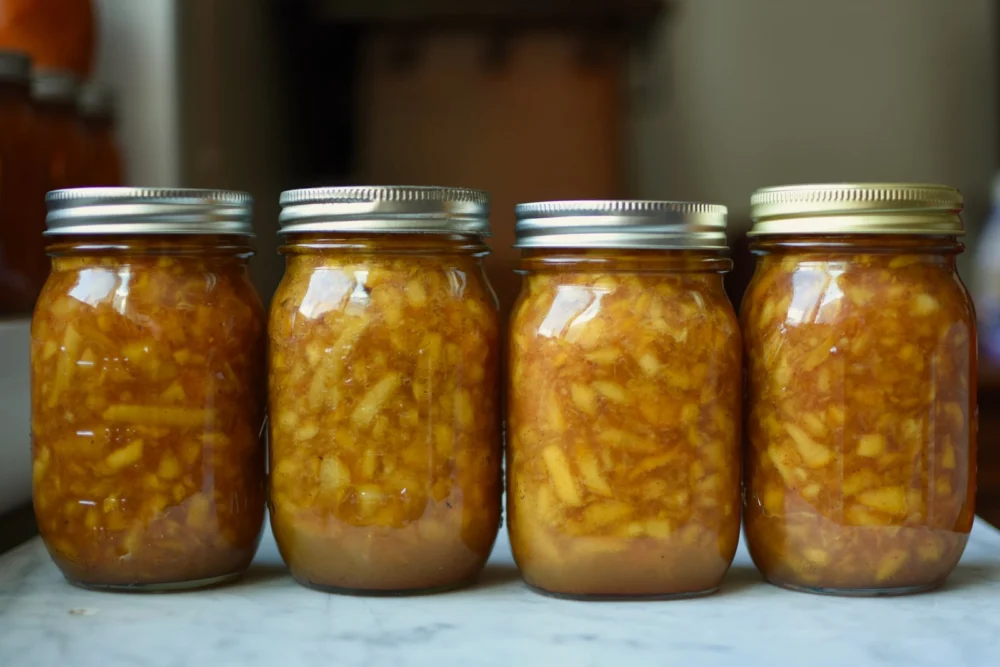
A groundbreaking sugar-free peach jam recipe has been successfully developed, offering a highly anticipated solution for home canners and consumers seeking healthier preservation options. This innovative recipe, utilizing Mrs. Wages Sugar Free Fruit Pectin Home Jell in conjunction with the non-sugar sweetener Swerve, promises a spreadable, flavorful, and satisfying jam that addresses a long-standing demand within the food preservation community. The successful formulation marks a significant step in making traditional homemade preserves accessible to individuals managing sugar intake due to dietary restrictions or health preferences.
For many years, home canning enthusiasts and those with specific dietary needs have expressed a keen interest in creating jams without traditional sugar. Sugar, historically, plays a multifaceted role in jam making: it acts as a preservative, contributes to the desired texture and set, and, of course, provides sweetness. The absence of sugar fundamentally alters the chemical and physical processes involved, making the development of a high-quality sugar-free jam a considerable challenge. Previous attempts by various home preservers using sweeteners like stevia and monk fruit often yielded unsatisfactory results, failing to achieve the balanced flavor, proper set, or appealing consistency that defines a good jam. This struggle underscored the technical complexities involved in replacing such a critical ingredient in a centuries-old culinary art.

The Quest for Alternative Sweeteners in Preservation
The increasing prevalence of health-conscious dietary choices, including low-carbohydrate, ketogenic, and diabetic-friendly diets, has amplified the call for sugar-free alternatives in all food categories, including preserved goods. According to data from various health organizations, the incidence of diabetes continues to rise globally, and a significant portion of the population is actively reducing sugar intake for general wellness. This societal shift has spurred food manufacturers and home cooks alike to explore viable sugar substitutes that can mimic the functional properties of sugar without the caloric and glycemic impact. The difficulty in translating these substitutes to home canning, where precise ratios and chemical reactions are paramount for safety and quality, has been a persistent hurdle. Traditional jams rely on pectin, sugar, and acid to form a gel. Without sugar, alternative gelling agents or specialized pectins are required to achieve the desired consistency.
The recent breakthrough was catalyzed by the introduction of specialized products designed for this purpose. Mrs. Wages, a long-standing and respected name in the home canning industry, provided a pivotal component: their Sugar Free Fruit Pectin Home Jell. This product is specifically engineered to facilitate gelling in low-sugar or no-sugar recipes, overcoming one of the primary technical barriers. The collaboration between the recipe developer and Mrs. Wages highlights a growing trend in the food industry to cater to diverse dietary requirements through targeted product innovation. The development of this recipe was supported by Mrs. Wages, underscoring their commitment to expanding options for the modern home preserver.

An Innovative Approach to Flavor and Texture
The newly unveiled recipe demonstrates a thoughtful and methodical approach to achieving a balanced and beautifully set sugar-free peach jam. The success hinges on a carefully selected combination of ingredients and precise methodology. Ripe peaches, known for their vibrant flavor and natural sweetness, form the base. The choice of Swerve, an erythritol-based sweetener, was critical. Unlike some other sugar substitutes that can impart off-flavors or struggle with heat stability, Swerve proved effective in delivering a clean sweetness without bitterness, even after cooking.
Beyond the primary ingredients, the recipe incorporates apple juice and bottled lemon juice. The apple juice serves a crucial role often overlooked in sugar-free jam development. In traditional jam making, sugar helps draw out liquid from the fruit, preventing burning and contributing to the jam’s final consistency. Sugar-free sweeteners do not possess this osmotic property. The addition of apple juice ensures a sufficient liquid base for the peaches to cook down properly without scorching, while also contributing a subtle sweetness and body. Bottled lemon juice, standardized for acidity, is essential for both flavor balance and ensuring a safe pH level for water bath canning.

A Detailed Chronology of the Jam-Making Process
The creation of this jam follows a meticulous, multi-step process designed to optimize both flavor and texture.
-
Peach Preparation (Initial Phase): The journey begins with four pounds of ripe peaches. A key technique for easy peeling involves blanching. Peaches are halved, pitted, and arranged cut-side down on a deep baking sheet. Boiling water is poured over them, allowing them to sit for exactly two minutes. This brief exposure to heat loosens the skins. The hot water is then carefully drained, and cool tap water is run over the peaches, facilitating the easy removal of peels, a step that is often tedious but crucial for a smooth jam.

-
Fruit Breakdown and Initial Mixture (Pre-Boil): Once peeled, the peach halves are transferred to an 8-quart Dutch oven. A potato masher is used to break the fruit into smaller, uniform bits, creating a desirable chunky texture. At this stage, one cup of apple juice, one-third cup of bottled lemon juice, and one packet of Mrs. Wages Sugar Free Fruit Pectin Home Jell are added. The mixture is then allowed to sit for ten minutes. This resting period allows the pectin to begin hydrating and interacting with the fruit, preparing it for the gelling process.
-
Heat Application and Spice Infusion (Boiling Phase): The pot is placed on the stove and brought to a hard boil. As the mixture heats, a blend of spices is introduced: one teaspoon of cinnamon, one-half teaspoon of ground cloves, and one-half teaspoon of freshly grated nutmeg. These spices are carefully chosen to complement the natural sweetness of peaches, adding warmth and complexity without overpowering the fruit’s delicate flavor. Once a hard boil is reached, a timer is set for precisely one minute. Adhering strictly to this timing is critical, as overcooking the specialized pectin can compromise its ability to set properly, a specific instruction highlighted by Mrs. Wages.
-
Sweetener Integration (Post-Boil): Immediately after the one-minute hard boil, the pot is removed from the heat. This is a crucial step for incorporating the sugar substitute. One and one-quarter cups of Swerve are stirred into the hot jam off the heat. Adding the sweetener post-boil is important because prolonged boiling can alter the taste of some non-sugar sweeteners, potentially leading to bitterness. This method ensures the sweetener’s integrity and the jam’s final flavor profile.

-
Canning and Processing (Preservation): The prepared jam is then funneled into hot pint jars, leaving a precise one-quarter inch headspace. The jar rims are wiped clean, new lids and rings are applied, and the jars are processed in a boiling water bath canner for ten minutes. It is imperative for home canners to adjust processing times for altitude if they reside above 1,000 feet in elevation, a standard safety protocol for home preservation to ensure adequate sterilization.
-
Cooling and Sealing (Finalization): After processing, the heat is turned off, the canner lid is removed, and the jars are allowed to rest in the cooling water for five minutes. This gradual cooling helps prevent thermal shock to the jars. They are then removed and placed on a folded kitchen towel or wooden board to cool completely, typically for at least 24 hours. Once fully cooled, seals are checked. Properly sealed jars can be stored in a pantry, while any with failed seals should be refrigerated and consumed promptly.
Troubleshooting and Storage Considerations for Sugar-Free Jams

A key aspect of sugar-free jam success lies in understanding its unique characteristics post-processing. It is common for the jam to appear somewhat runny immediately after being removed from the canner. Patience is vital, as this particular recipe can take a full day to achieve its final, desired set. This differs from traditional jams where the set is often more immediate.
Furthermore, it is critical to note that sugar-free jams generally have a shorter shelf life once opened compared to their sugar-laden counterparts. Sugar acts as a natural preservative, inhibiting microbial growth. Without it, the jam is more susceptible to spoilage. To mitigate this, it is strongly recommended to use smaller jars, such as half-pint or even four-ounce sizes. This strategy ensures that an opened jar can be consumed within a couple of weeks, minimizing waste and preventing mold development. This practical advice empowers home canners to enjoy their creations safely and efficiently.
Broader Implications for Health and Home Preservation

The successful development of this sugar-free peach jam recipe carries significant implications for both individual health and the wider home preservation community. For individuals managing conditions like diabetes or adhering to low-carb diets, this recipe offers a delicious and satisfying alternative that was previously difficult to achieve at home. It allows them to enjoy the taste of summer peaches in a traditional format without compromising their dietary goals.
From an industry perspective, Mrs. Wages’ continued innovation in specialized pectin products demonstrates a responsiveness to evolving consumer needs. A spokesperson for Mrs. Wages noted, "We are dedicated to supporting home preservers with diverse dietary needs, ensuring that the joy of homemade goods is accessible to everyone. Our Sugar Free Fruit Pectin Home Jell is a testament to this commitment, and we are thrilled to see it enabling delicious recipes like this peach jam." This commitment signals a potential for further advancements in sugar-free and reduced-sugar canning options across various fruit types.
Moreover, the recipe reinforces the enduring appeal of home canning as a means of self-sufficiency and connecting with food sources. By providing reliable methods for sugar-free preservation, it expands the demographic of individuals who can participate in and benefit from this time-honored tradition. Health experts suggest that making healthier choices more accessible in daily life is crucial for public health, and this jam contributes positively to that objective by offering a wholesome, homemade alternative to commercially produced, often highly processed, sugar-free options.

This achievement in sugar-free peach jam represents more than just a recipe; it symbolizes a successful marriage of traditional preservation techniques with modern dietary demands, offering a path forward for health-conscious individuals to enjoy the bounty of seasonal fruits through the art of home canning. It stands as a testament to persistent innovation in the kitchen and the continuous effort to make delicious, healthy food accessible to all.