
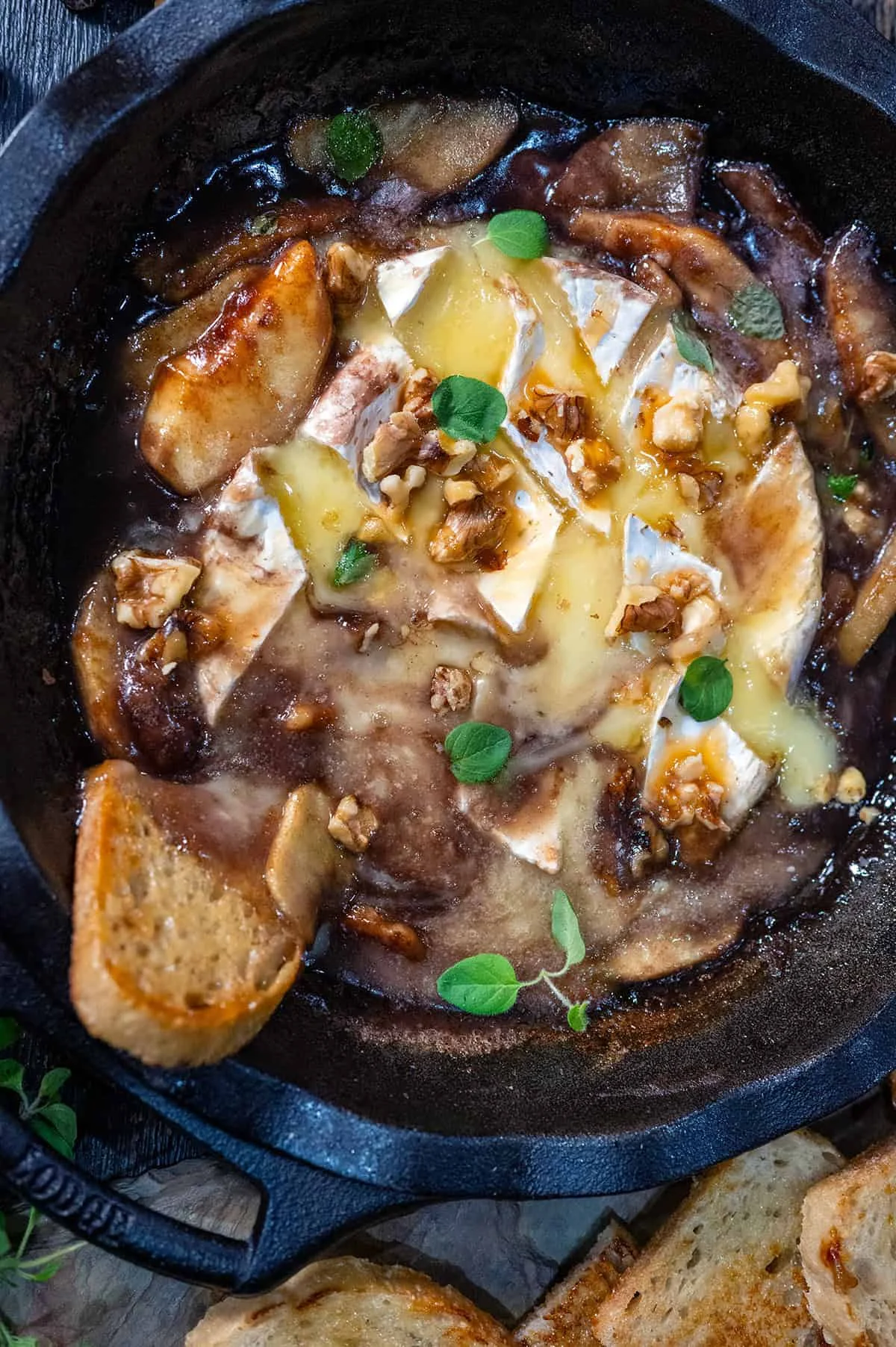
As the vibrant hues of summer begin to yield to the warm, earthy tones of autumn, culinary enthusiasts are instinctively shifting their focus from sun-kissed fruits to the comforting bounty of the fall harvest. This seasonal transition is perfectly encapsulated in the emergence of the Apple Brie Dip, a dish that transforms a simple wheel of melty cheese into a sophisticated yet remarkably accessible appetizer. Crafted with the quintessential flavors of fall – crisp apples, toasted walnuts, and a hint of sweet caramel, all brought together in a single, convenient skillet – this recipe promises a delightful culinary experience that can be prepared in approximately 30 minutes, requiring little more than a skillet and a spoon.

The genesis of this recipe lies in a deep appreciation for the versatility of skillet-based cheese dips, a trend that has seen considerable traction throughout the summer months. However, the narrative of the Apple Brie Dip underscores a deliberate and flavorful pivot towards the characteristic ingredients of autumn. This evolution from summer berries and peaches to apples and warm spices signifies not just a change in ingredients, but a broader cultural embrace of seasonal eating and the comforting, nostalgic flavors that accompany it.
The Culinary Appeal of Skillet Brie Dips
Skillet brie dips have gained considerable popularity for their inherent simplicity and impressive presentation. The act of transforming a whole wheel of creamy brie into a bubbling, dippable delight in a single pan offers a visually appealing and interactive appetizer. Historically, cheese and fruit pairings have been a cornerstone of celebratory and communal dining, with brie, in particular, lending itself to a wide array of accompaniments due to its mild, creamy, and slightly tangy profile. The ease of preparation, often requiring minimal steps and readily available ingredients, further contributes to their widespread appeal. This particular iteration, the Apple Brie Dip, leverages the seasonal availability and distinct textural and flavor profiles of fall fruits to create a dish that resonates with the spirit of the season.

Understanding the Seasonal Shift in Fruits
A fundamental aspect of the Apple Brie Dip’s success lies in understanding the differing characteristics of fruits harvested in various seasons. Summer fruits, such as berries and stone fruits, are generally characterized by their tender flesh. This inherent tenderness means they require minimal cooking to soften and integrate into dishes. When added to a hot skillet alongside cheese, they readily soften and contribute their juices to the overall flavor profile, melting seamlessly into the creamy cheese.
In contrast, fruits harvested in the fall, like apples and pears, possess a firmer structure. If introduced to heat at the same stage as softer fruits, they risk remaining stubbornly firm when the cheese is perfectly melted and ready for serving. This is precisely why the preparation of the Apple Brie Dip involves a crucial preliminary step: partially cooking the apple slices. By softening the apples before incorporating the brie, the recipe ensures that by the time the cheese achieves its characteristic molten state, the apples have also softened to a tender consistency, allowing them to meld beautifully with the cheese and create a harmonious texture when spread onto a cracker or bread. This nuanced approach to fruit preparation is a hallmark of thoughtful autumnal cooking.
A Deep Dive into the Apple Brie Dip Recipe
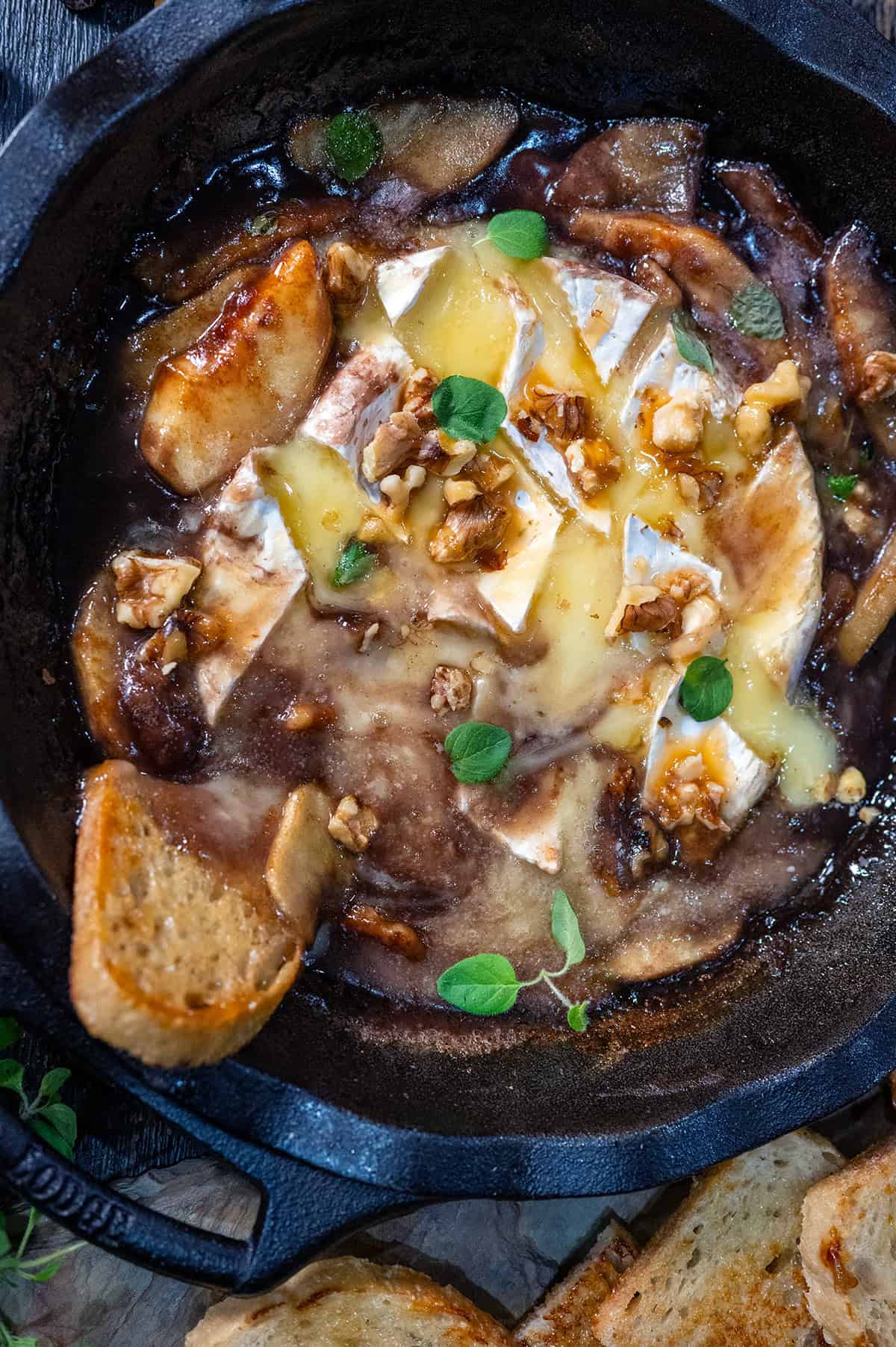
The Apple Brie Dip is more than just a combination of ingredients; it is a carefully orchestrated symphony of flavors and textures designed to evoke the warmth and comfort of autumn. At its core, the recipe features a wheel of brie cheese, its creamy interior destined to become luxuriously molten. This is complemented by thinly sliced apples, which are first softened to a tender consistency, ensuring they integrate seamlessly into the cheesy base rather than providing an unpleasantly crisp counterpoint. Toasted walnuts introduce a delightful crunch and a nutty depth, adding another layer of complexity to the palate. The entire concoction is then finished with a drizzle of caramel, a sweet and indulgent accent that ties the autumnal flavors together.
The preparation is notably efficient, designed for the modern home cook who values both quality and expediency. The recipe typically requires a single skillet, minimizing cleanup and streamlining the cooking process. The foundational ingredients include a wheel of brie cheese, a few apples (varieties like Honeycrisp, Fuji, or Gala are often recommended for their balance of sweetness and tartness), butter for sautéing, and a selection of spices that evoke the essence of fall. Cinnamon is a primary player, its warm, sweet aroma being synonymous with autumn baking and cooking. However, the recipe also offers flexibility, suggesting substitutions such as nutmeg, cloves, or pre-mixed apple pie spice, allowing for personalization and catering to individual taste preferences.
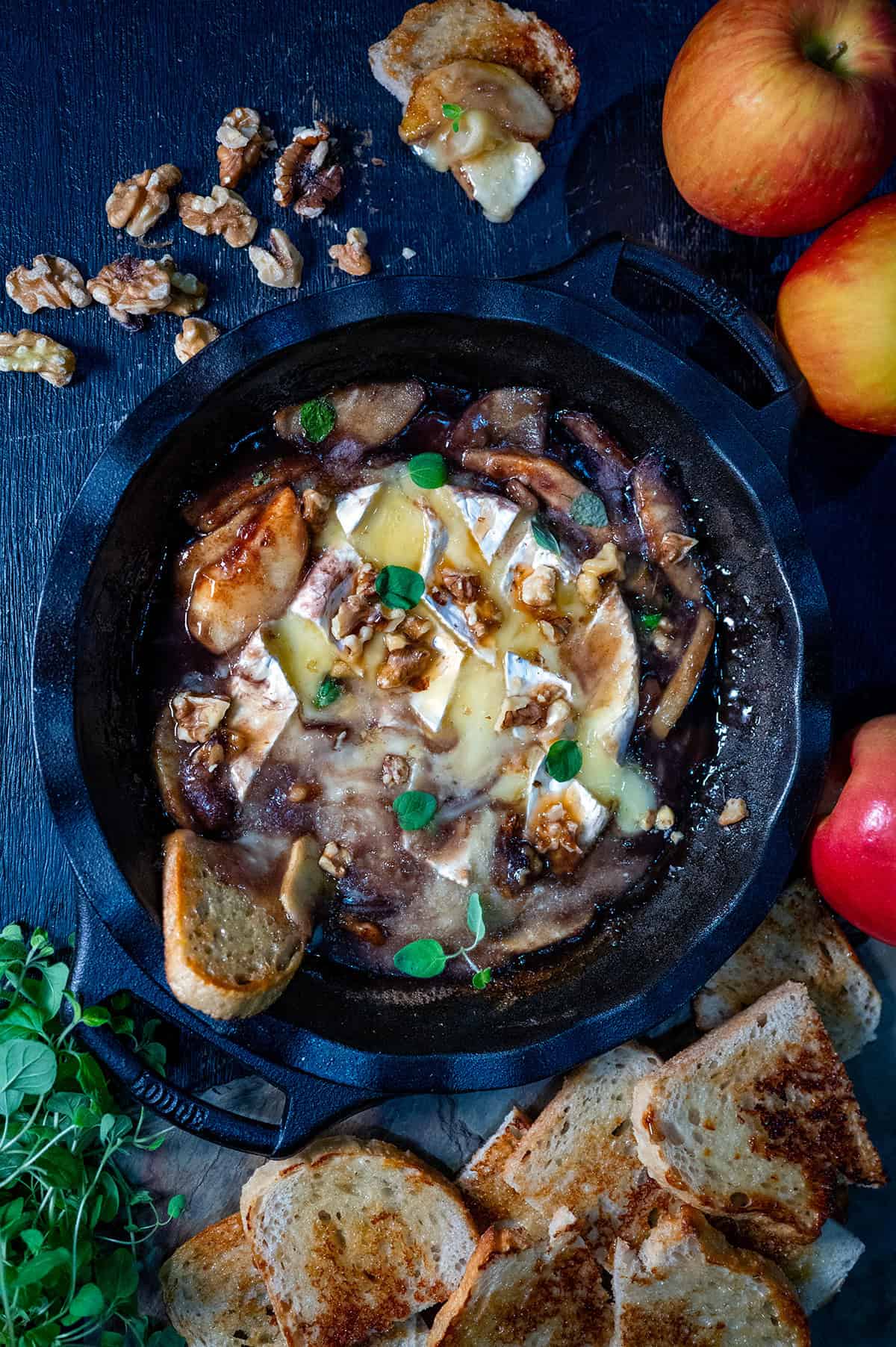
The inclusion of walnuts adds a crucial textural element. Toasting them beforehand, often directly in the skillet before adding other ingredients or as a separate step, enhances their nutty flavor and creates a satisfying crunch that contrasts beautifully with the smooth, melted cheese and tender apples. Caramel, whether store-bought or homemade, serves as a final flourish, its rich sweetness amplifying the apple and spice notes and providing a decadent finish.
The Cooking Process: A Step-by-Step Guide
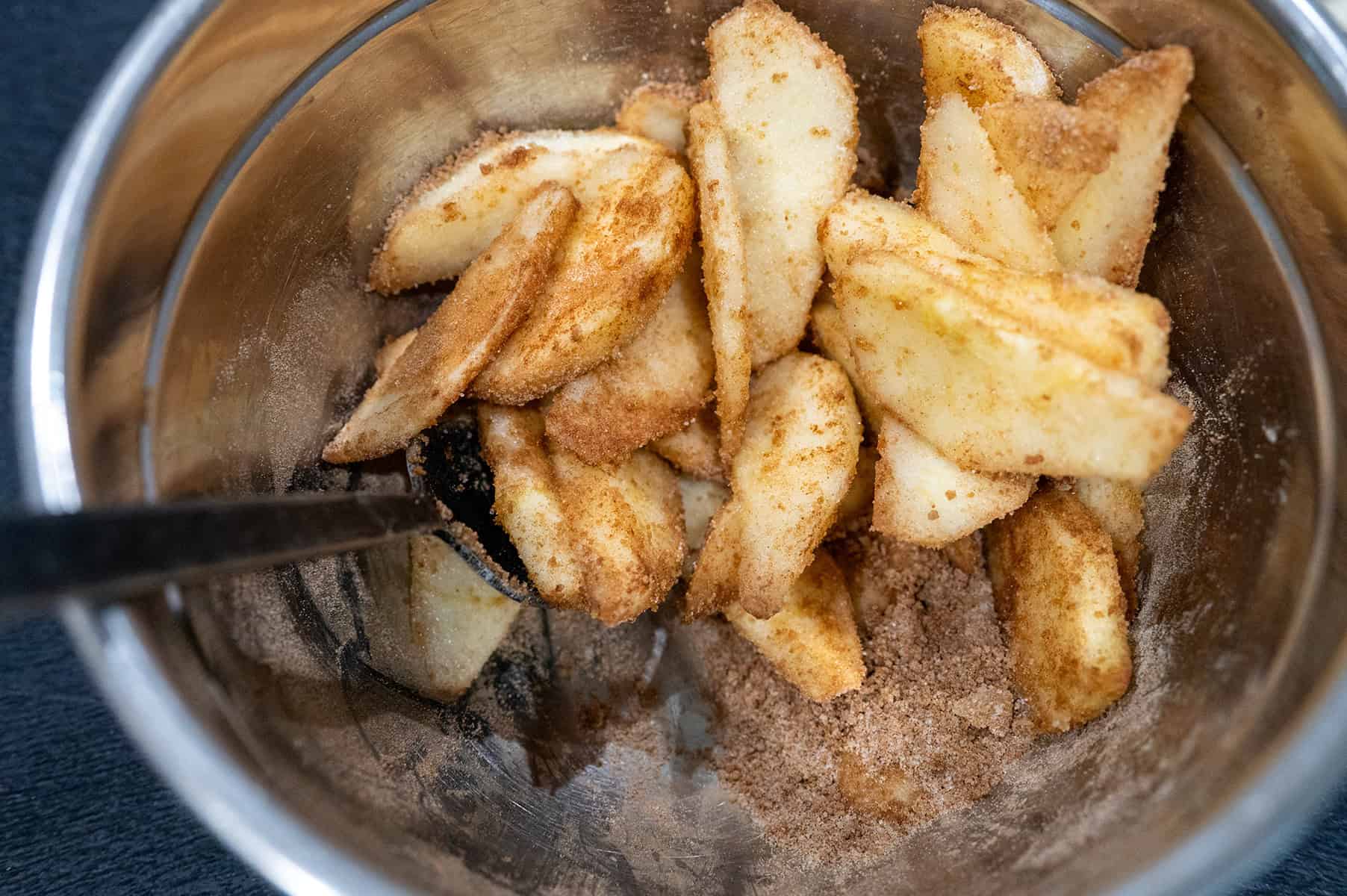
The creation of the Apple Brie Dip is a straightforward process that can be executed with relative ease, even for novice cooks. The initial step involves preparing the apples. This typically entails peeling, coring, and slicing the apples into uniform pieces. These slices are then tossed in a bowl with sugar (both white and brown sugar are often used to provide depth of flavor), flour, cinnamon, and a pinch of salt. The flour acts as a subtle thickener for the apple juices, preventing the dip from becoming overly watery once the cheese begins to melt.
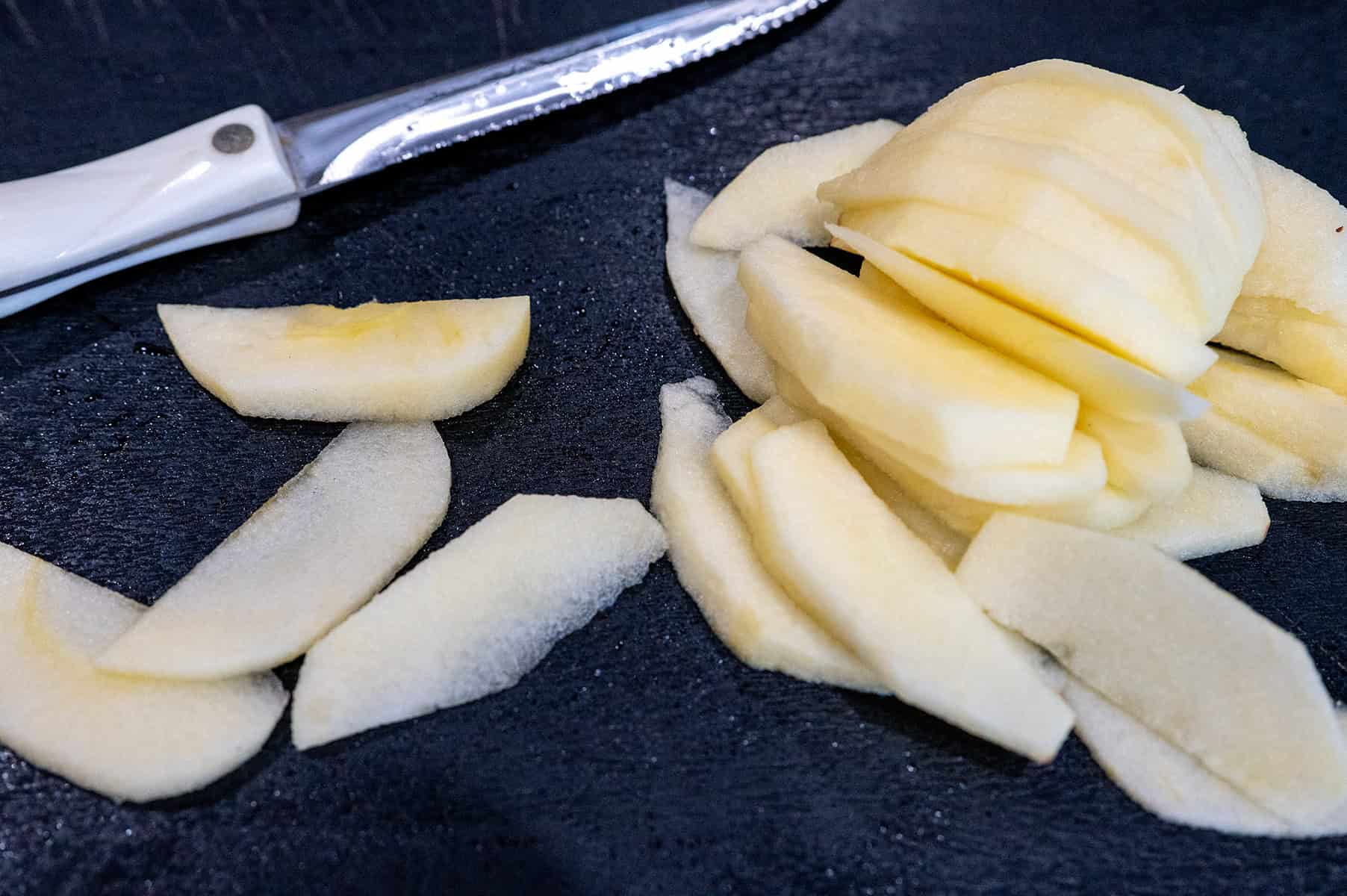
Following the apple preparation, the skillet is placed over medium heat, whether on a stovetop or, as often recommended for an authentic touch, over the glowing embers of a charcoal grill. Butter is melted in the skillet, and the seasoned apple mixture is added. The apples are cooked for approximately five minutes, allowing them to begin softening and release their fragrant juices. This pre-cooking phase is critical for achieving the desired texture.
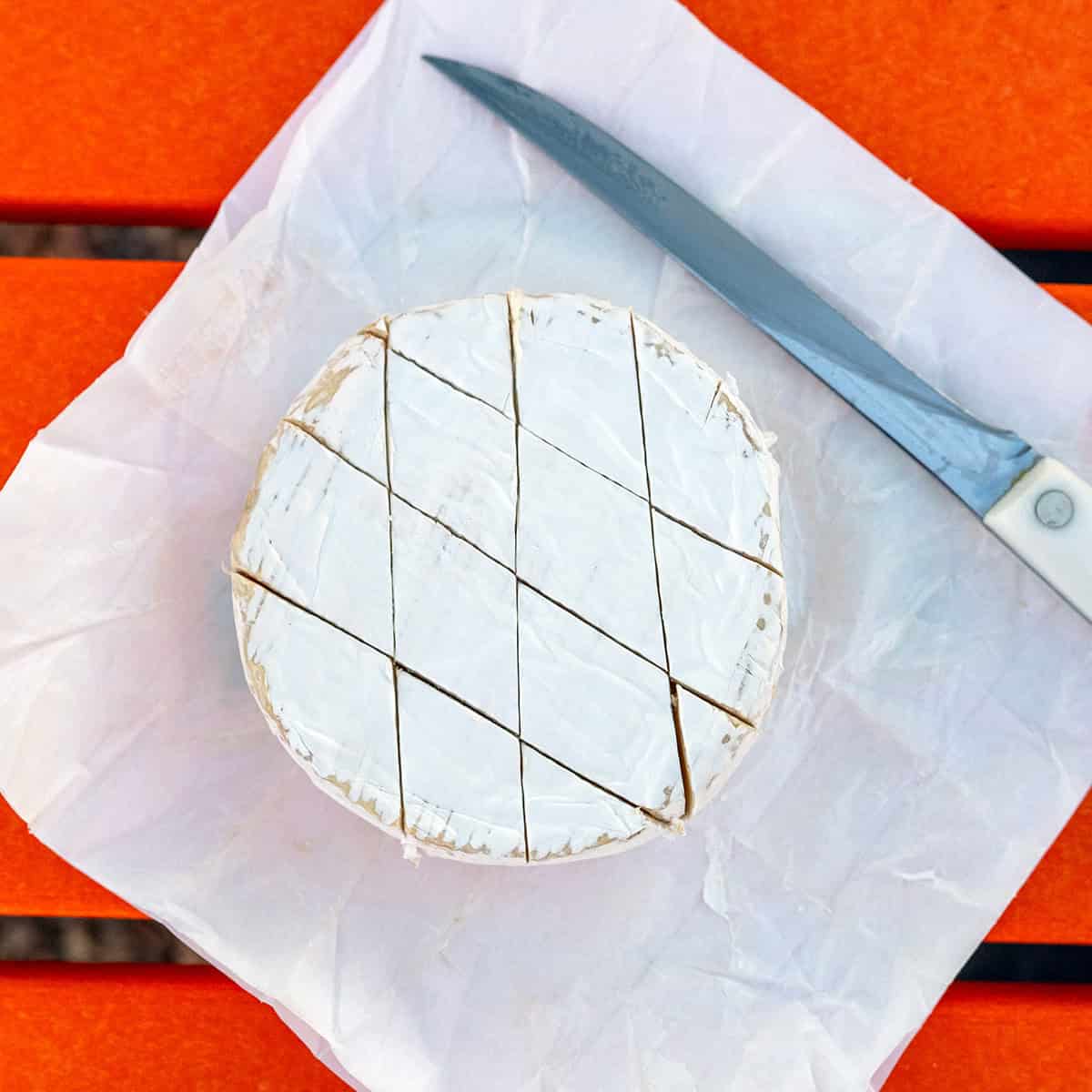
Once the apples have reached a semi-tender state, they are pushed to the edges of the skillet. The wheel of brie cheese is then placed in the center. To encourage even melting and allow the cheese to ooze outwards, deep diamond-shaped scores are made into the top rind of the brie. This scoring not only facilitates melting but also creates visual appeal.
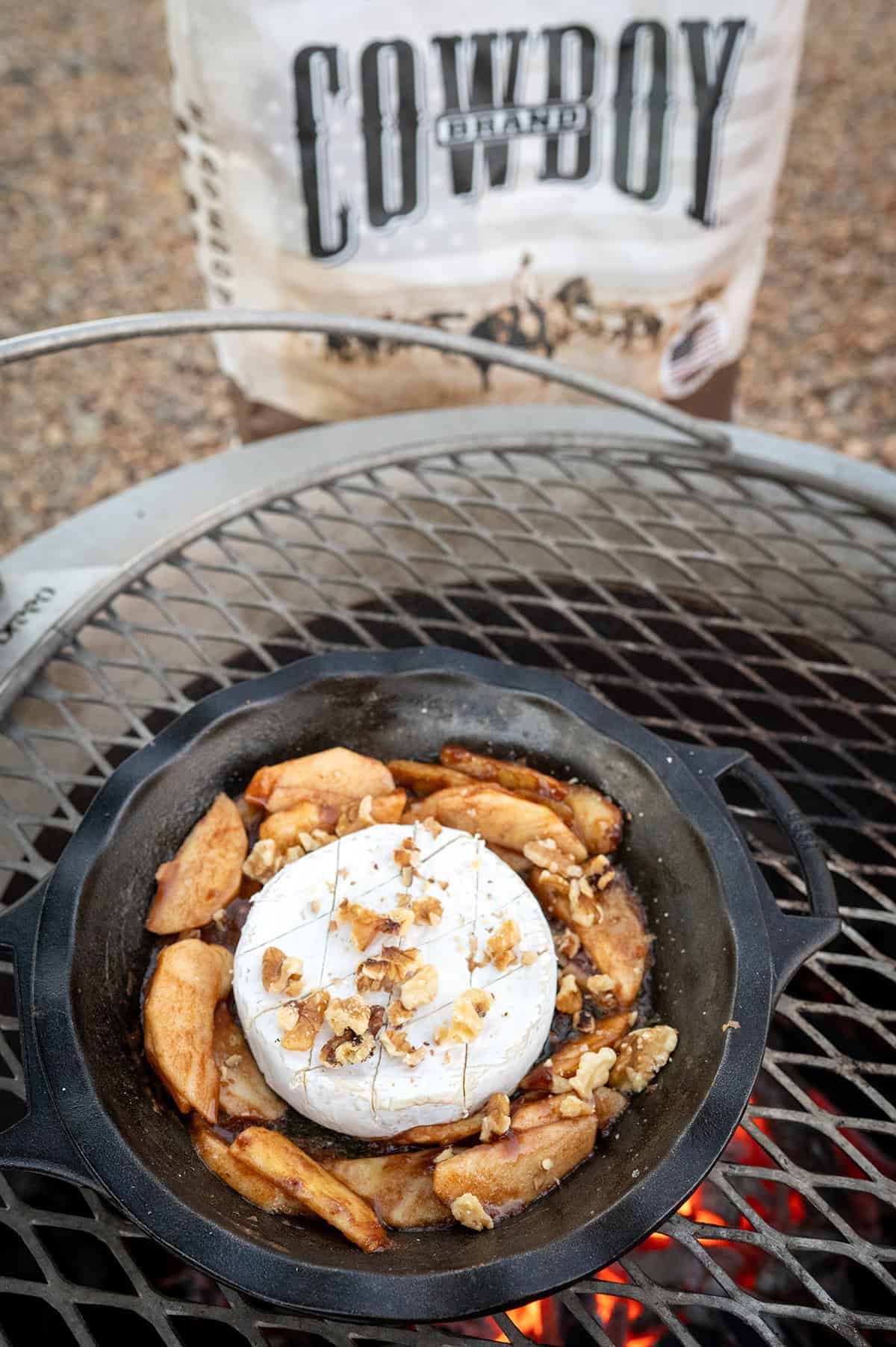
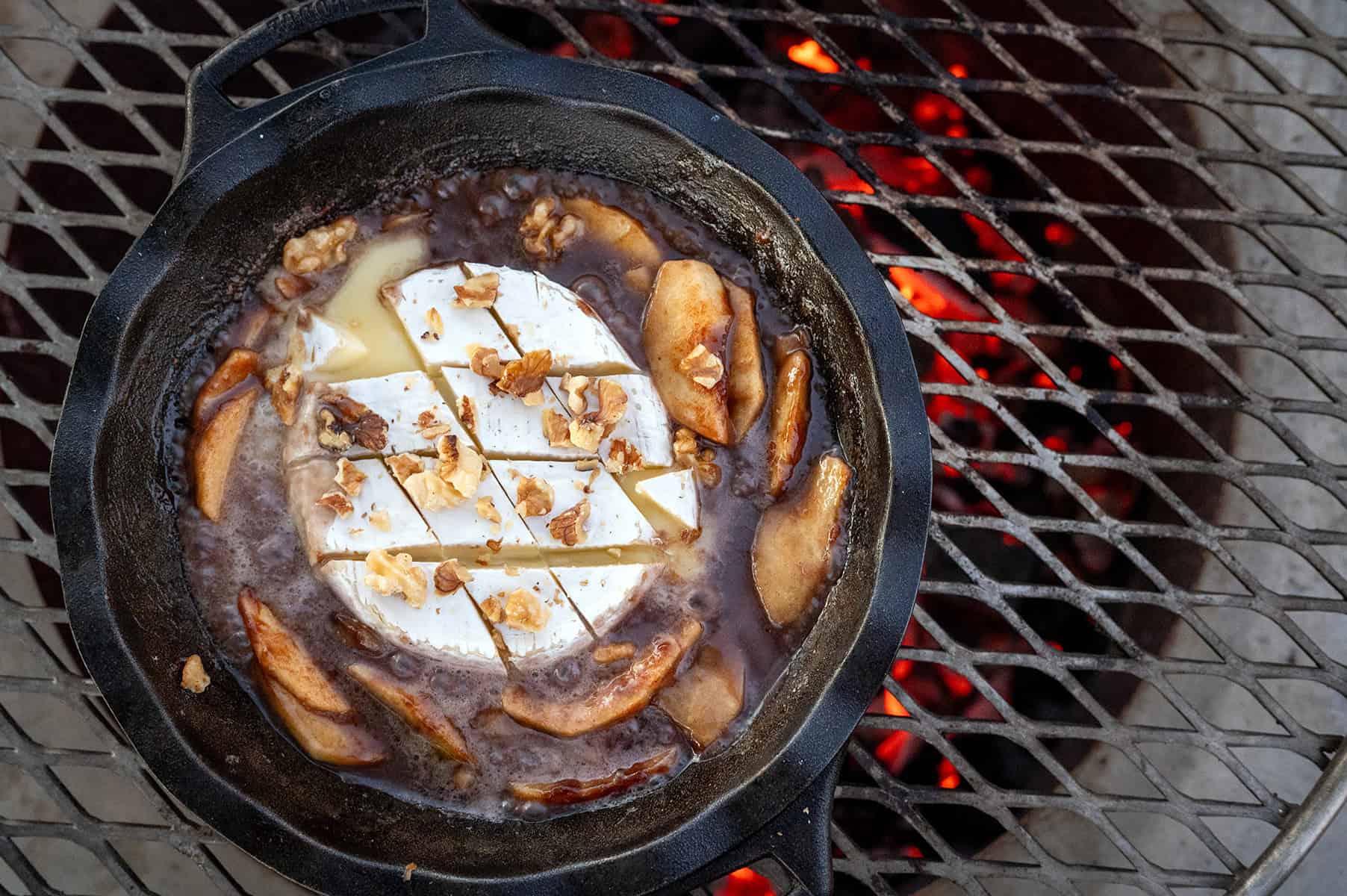
A small amount of apple juice is then poured around the brie, creating a moist environment for melting and preventing the sugars from burning. The toasted walnuts are scattered over the apples and the brie. The skillet is then returned to the heat, allowing the cheese to gradually melt and become gooey. This process can take several minutes, and during this time, additional apple juice may be added if the liquid evaporates too quickly, ensuring the sugars don’t scorch. The goal is a perfectly melted, oozing center of brie, enveloped by softened, spiced apples and crunchy walnuts.
The final touch, applied just before removing the skillet from the heat, is a generous drizzle of caramel. This adds a layer of sweetness and visual appeal. A garnish of fresh herbs, such as oregano, can provide a subtle herbaceous note and a pop of color, though this is often optional.
Pro Tips for Culinary Excellence
Seasoned cooks and pitmasters often share insights that elevate a good recipe to an exceptional one. For the Apple Brie Dip, several "pro tips" are frequently offered. One of the most critical is managing the heat. If cooking over live fire or on a grill, a fire that is too intense can scorch the bottom of the skillet before the cheese has a chance to melt thoroughly. Maintaining a steady, medium heat is paramount. Should the liquid in the skillet begin to evaporate too rapidly due to the heat, a small splash of additional apple juice can be added to prevent burning and maintain the necessary moisture for the caramelization of the sugars.
When it comes to substitutions, the recipe offers ample room for creativity. For those who prefer not to use cinnamon, nutmeg, cloves, or a pre-made apple pie spice blend can be used to impart similar warm, autumnal notes. Similarly, if brie is not readily available or if a slightly different flavor profile is desired, Camembert, a close relative of brie with a similar texture and melting quality, makes an excellent substitute. For the walnuts, pecans or almonds can be used to achieve a comparable nutty crunch.
Serving Suggestions and Presentation
The Apple Brie Dip is designed to be served directly from the skillet, maintaining its warm, molten appeal. It is an ideal centerpiece for gatherings, parties, and casual get-togethers, particularly during the fall and holiday seasons. A variety of accompaniments are recommended to fully enjoy the dip. Slices of toasted baguette, sturdy crackers, or a rustic bread like buttercream bread are perfect for scooping up the creamy, flavorful mixture. The visual appeal of the bubbling cheese, interspersed with tender apples and topped with glistening caramel and crunchy nuts, makes it a natural conversation starter and a crowd-pleaser.
Storage and Reheating
While the Apple Brie Dip is undoubtedly best enjoyed fresh from the skillet, leftovers can be stored. It is recommended to transfer any remaining dip to an airtight container and refrigerate it for up to five days. Reheating can be done effectively in a microwave, which will remelt the cheese and warm the other ingredients. For those who prefer to retain a slight crispness, a brief period in a low oven or toaster oven can also be employed.
Nutritional Considerations
The provided nutritional information for the Apple Brie Dip, while automatically calculated, offers an approximation of its caloric and macronutrient content. For a typical serving, the dip is estimated to be around 679 kcal, with approximately 76g of carbohydrates, 25g of protein, and 31g of fat, including 15g of saturated fat. It also contains fiber, sugar, and various vitamins and minerals. It is important to note that these figures are estimates and can vary based on specific ingredient choices and portion sizes.
Frequently Asked Questions
The inherent appeal and versatility of the Apple Brie Dip often lead to common inquiries from home cooks.
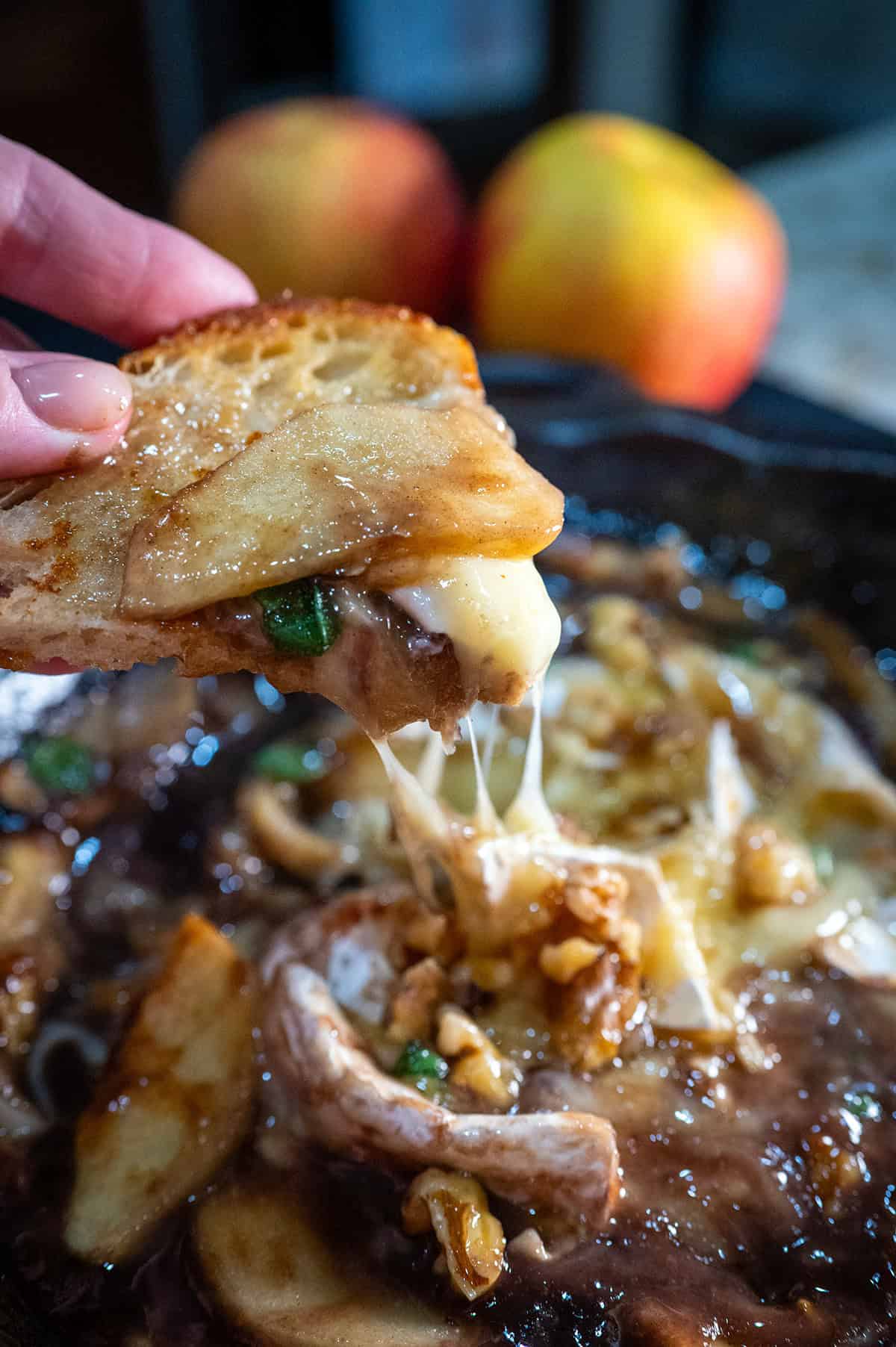
- What is apple brie dip? It is a warm, skillet-based appetizer featuring melted brie cheese, softened apples, toasted walnuts, and a caramel drizzle, embodying autumnal flavors.
- What can I substitute for brie? Camembert cheese is an excellent and readily available substitute that offers a similar creamy texture and melting quality.
- Can I use a different spice instead of cinnamon? Absolutely. Nutmeg, cloves, or a general apple pie spice blend can be used to achieve a similar warm spice profile.
- What do you serve with apple brie dip? A variety of dippers are recommended, including toasted bread, baguette slices, crackers, and even apple slices themselves.
- Can I make apple brie dip in the oven? Yes, the dip can be prepared in the oven. A temperature of 375°F (190°C) for approximately 15 minutes is generally sufficient for melting the cheese.
- How long does apple brie dip last? While best consumed immediately, leftovers can be stored in an airtight container in the refrigerator for up to five days.
The Apple Brie Dip stands as a testament to the art of seasonal cooking, transforming humble ingredients into a sophisticated yet accessible appetizer that captures the very essence of autumn. Its ease of preparation, delightful flavor profile, and comforting warmth make it an indispensable addition to any fall or holiday gathering.


