
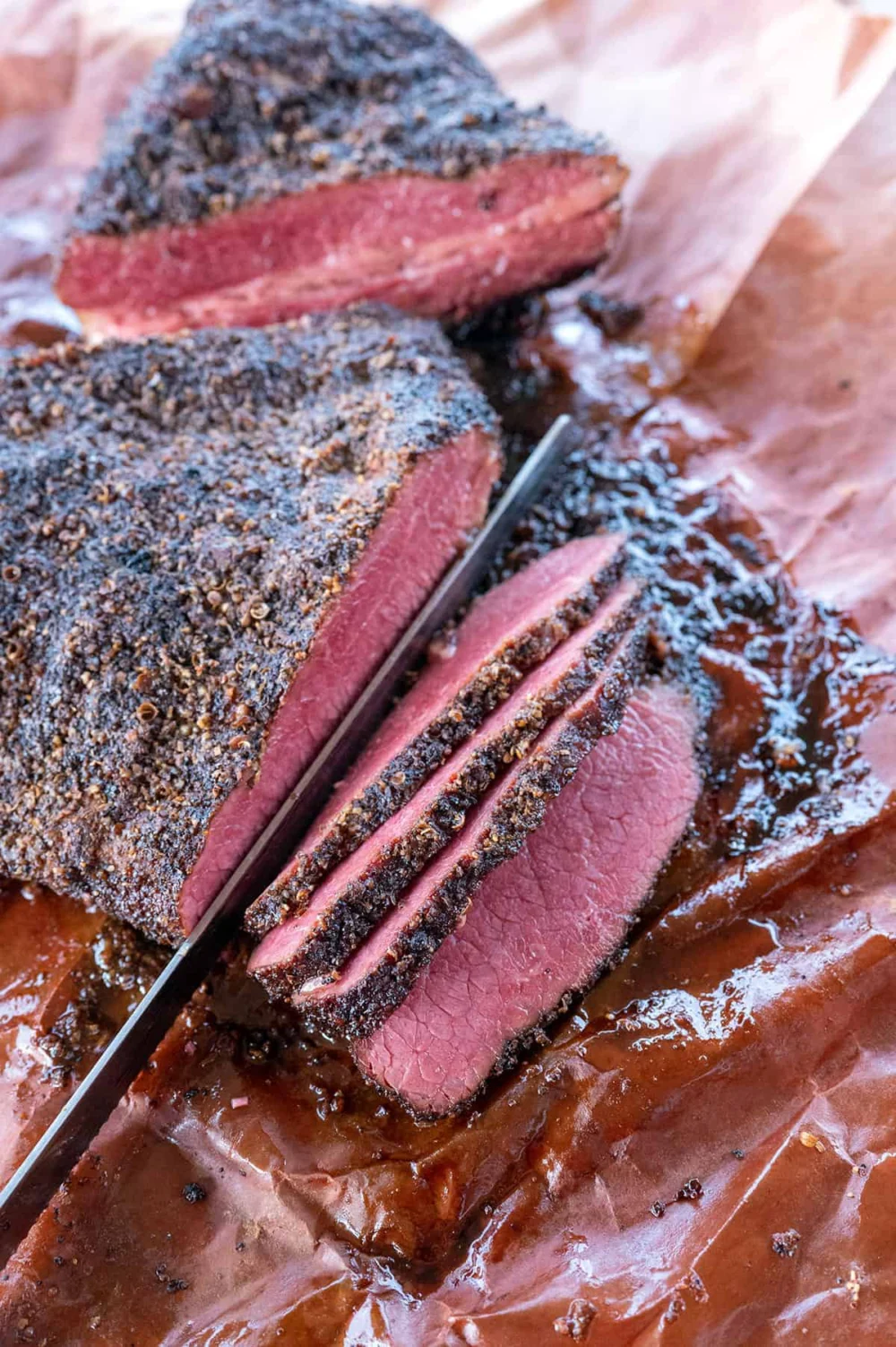
For culinary enthusiasts seeking to replicate the iconic, robust flavors of authentic deli-style brisket pastrami, a comprehensive guide reveals the meticulous process involved. This detailed recipe outlines a multi-day approach, beginning with curing the brisket in a savory corned beef brine, followed by a generous application of a bold pastrami rub, and culminating in a slow, low smoke that renders the meat exceptionally tender and develops its signature peppery crust. While the commitment of several days is required, the reward is a succulent, perfectly sliceable pastrami that rivals, and often surpasses, its commercially prepared counterparts.
Understanding the Essence of Pastrami
Pastrami, at its core, is a highly flavorful cured and smoked meat, most commonly derived from beef brisket or beef navel. The defining characteristic is the intensely spiced crust that forms during the smoking process, imbuing the meat with a rich, complex taste. While beef is the most prevalent, historical accounts suggest origins where pastrami was prepared from goat, mutton, and even geese by Turks and Eastern Europeans, as explored in various culinary histories. The fundamental distinction between pastrami and its close relative, corned beef, lies in the smoking stage; corned beef is cured and then cooked without smoke, whereas pastrami undergoes the transformative process of smoking.
The Multi-Stage Process for Superior Pastrami
The journey to homemade pastrami is a testament to patience and precision, broken down into distinct phases:
Step 1: Preparing the Brisket
The initial step involves selecting and preparing the brisket. For optimal results, starting with an untrimmed brisket weighing 10-11 pounds is recommended to achieve a finished product of approximately 6 pounds. Alternatively, pre-trimmed brisket flats or points can be sourced from grocery stores. The process begins with trimming any excess fat from the brisket, a crucial step for achieving the desired texture and even cooking. Further details on brisket trimming techniques can be found in specialized BBQ resources.
Step 2: The Crucial Curing Phase
This stage is pivotal for developing the characteristic flavor and preservation of pastrami. A homemade corned beef brine, prepared according to established recipes, is the foundation. This brine is then cooled completely before being introduced to the brisket. The meat is placed in a specialized meat preparation bag, and the cooled brine is poured over it. The brisket is then refrigerated for an extended period of 5 to 7 days, allowing the curing process to deeply penetrate the meat.

Step 3: Seasoning for the Signature Crust
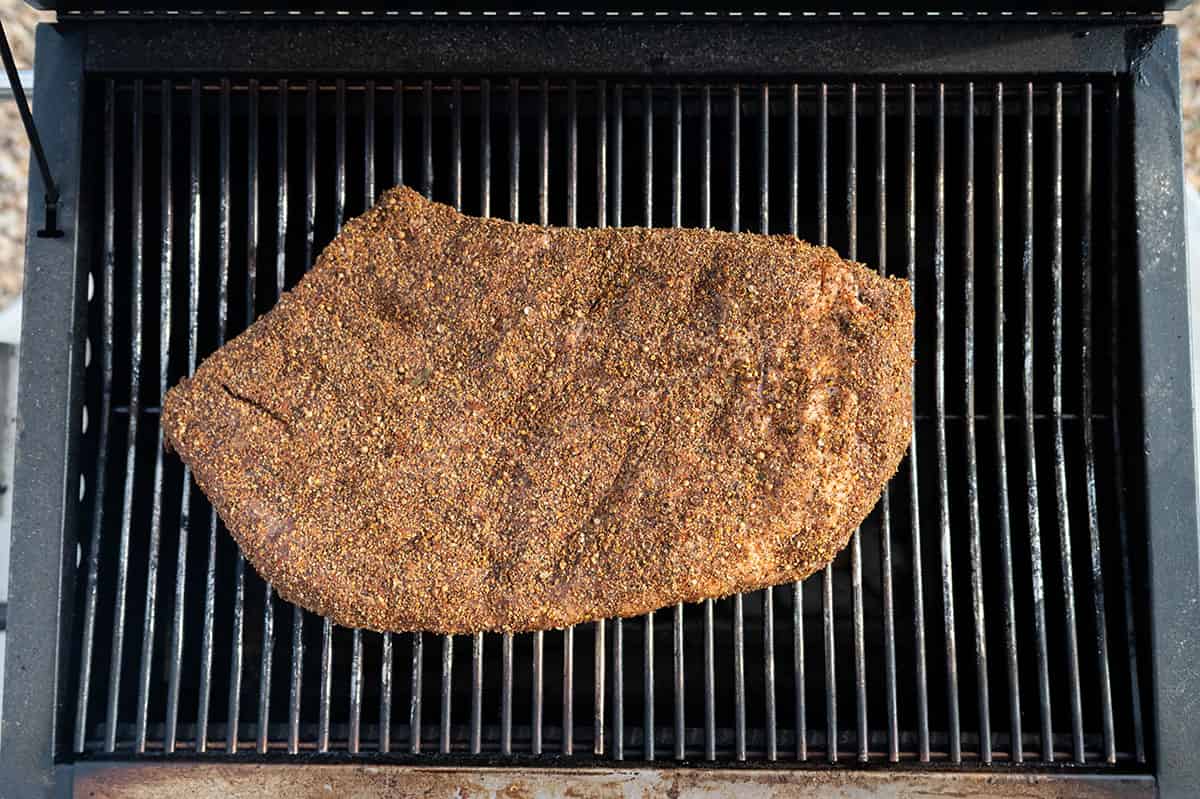
Following the brine, the brisket is removed and thoroughly rinsed to eliminate any residual curing solution. It is then patted dry, a prerequisite for the rub to adhere effectively. The brisket is generously coated with a homemade pastrami rub, specifically formulated to create the desired spicy, peppery crust. To allow the seasonings to meld and further dry the surface for optimal bark formation, the seasoned brisket is placed on a rack and refrigerated for an additional day.
Step 4: The Art of Smoking
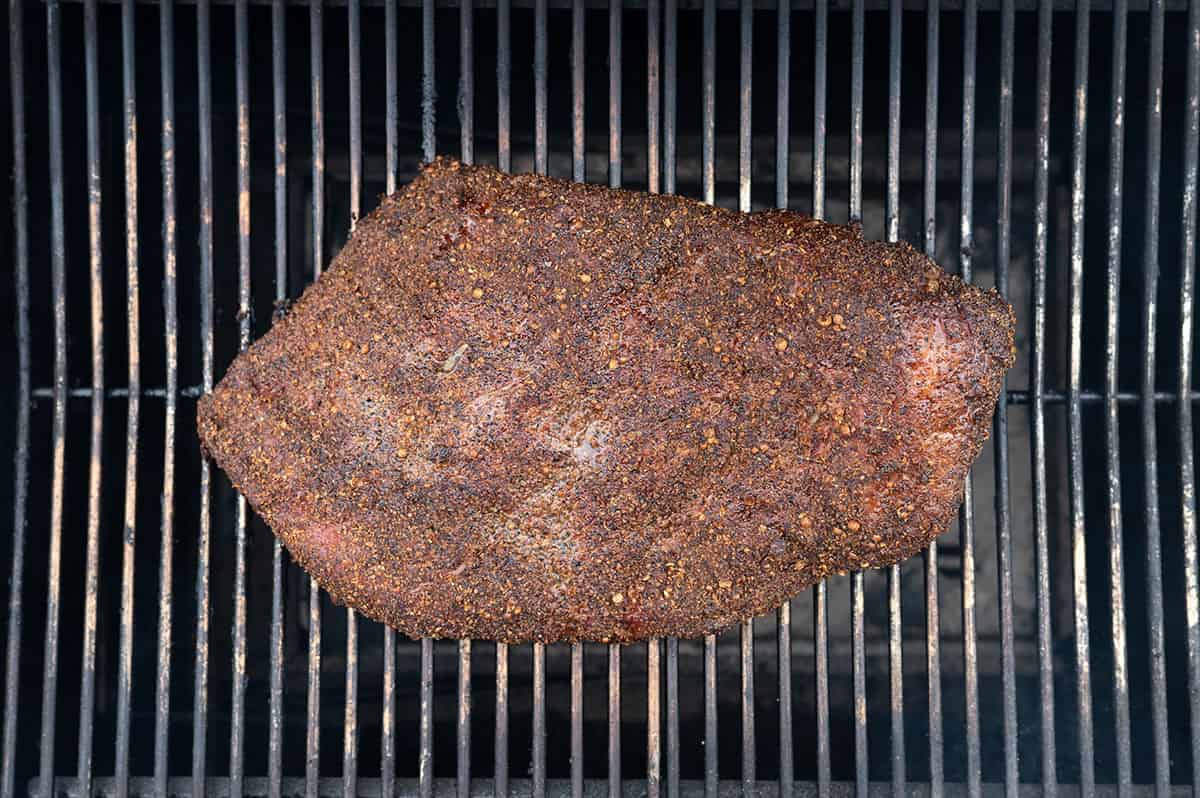
The smoking phase is where the magic truly happens. The grill or smoker is preheated to a temperature range of 225-275°F (107-135°C), ensuring an indirect heat zone is established. The seasoned brisket is then placed on the smoker, positioned over the indirect heat. To maintain moisture and aid in smoke adhesion, the brisket is spritzed every 30 minutes with apple cider vinegar throughout this stage.
A 6-pound brisket, when smoked at 250-275°F, typically requires approximately 4 hours to reach the initial target temperature. Smoking at a lower temperature, such as 225°F, will extend this cooking time.
Step 5: The Wrap for Tenderness
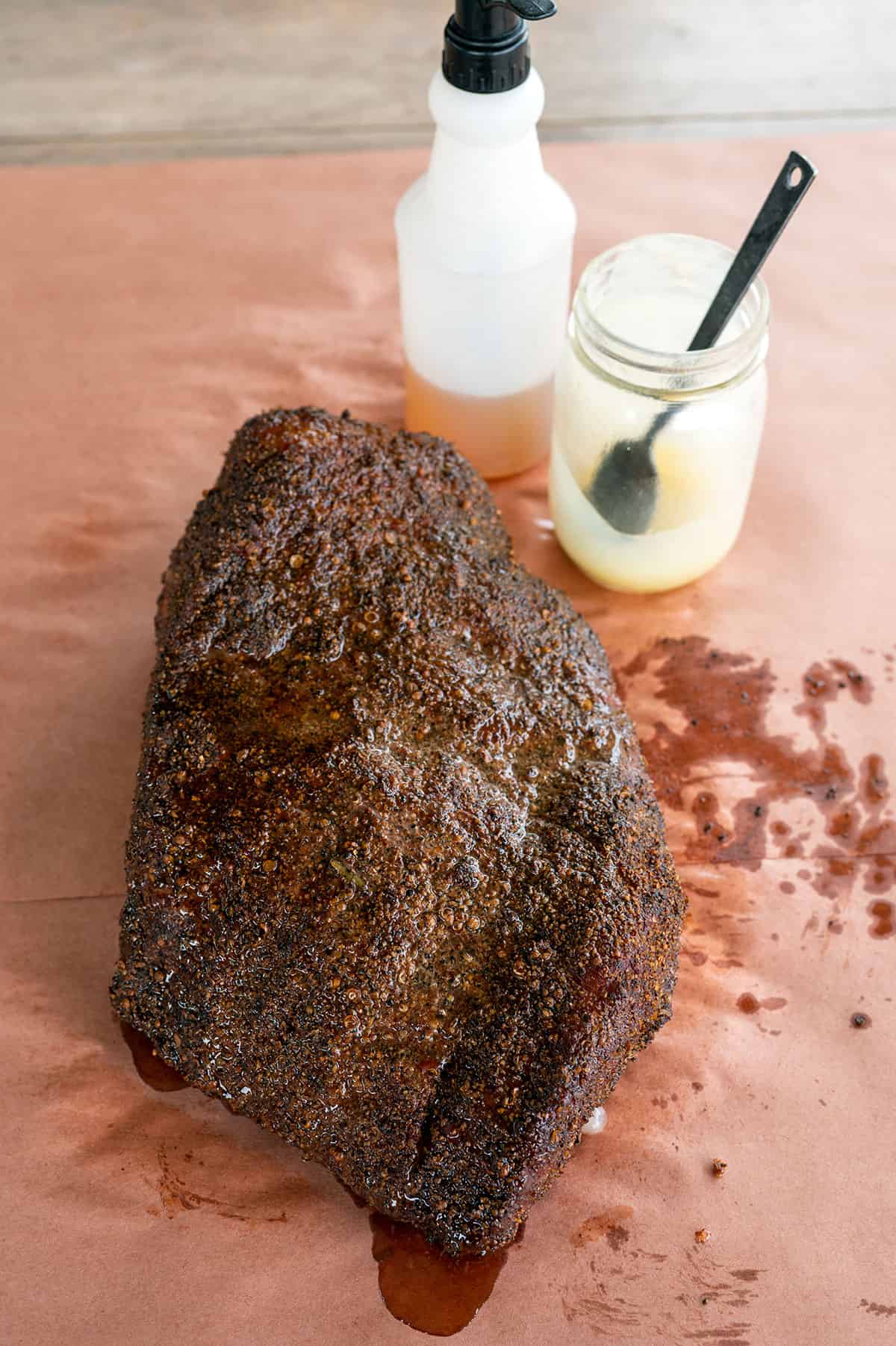
Once the brisket achieves an internal temperature of 160-170°F (71-77°C) and a desirable bark has formed, it is removed from the grill. The meat is then placed on two sheets of heavy-duty butcher paper. The surface of the brisket is spritzed once more with apple cider vinegar, and then a few tablespoons of beef tallow are added. The butcher paper is then used to wrap the brisket tightly, creating a sealed environment for the remainder of the cooking process. This wrapping technique helps to push the cooking process forward and retain moisture, crucial for achieving a tender final product.
Step 6: Finishing the Cook
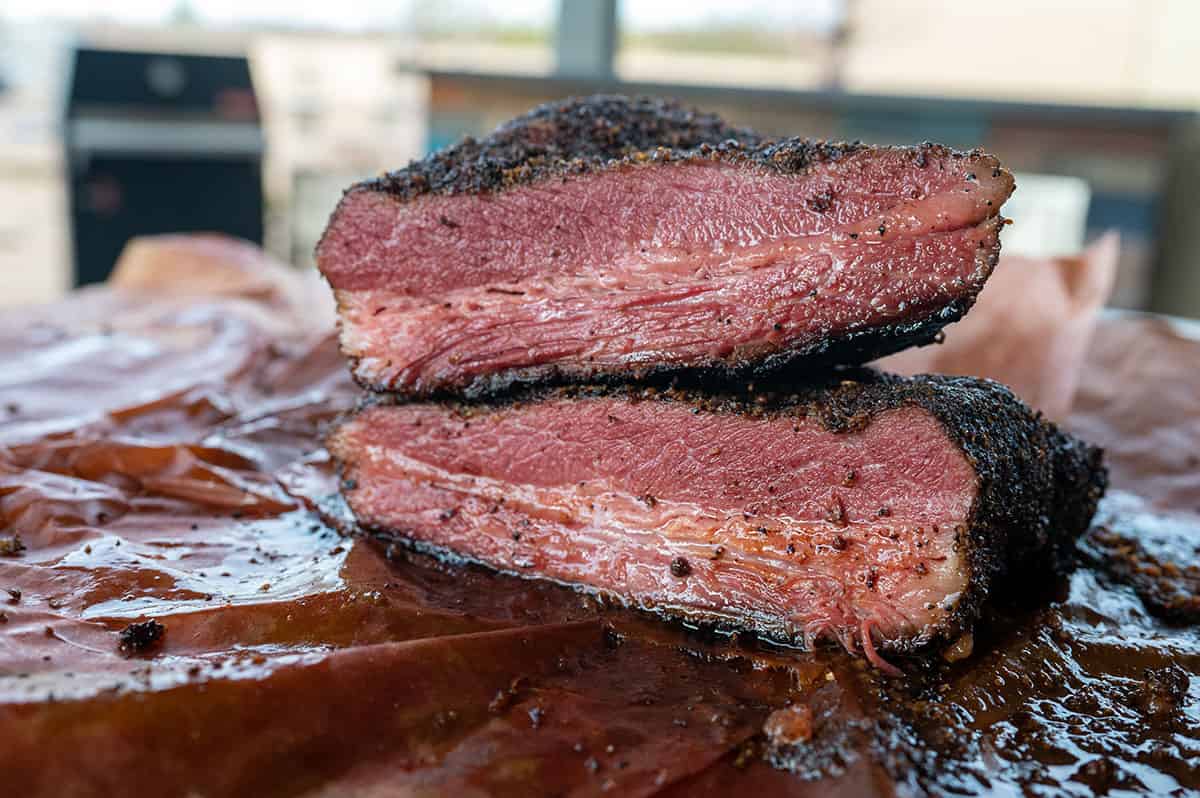
The wrapped brisket is returned to the smoker. The cooking continues until the internal temperature reaches a range of 205-210°F (96-99°C). This higher temperature range is critical for breaking down the connective tissues in the brisket, resulting in its characteristic melt-in-your-mouth tenderness.
Step 7: The Essential Rest
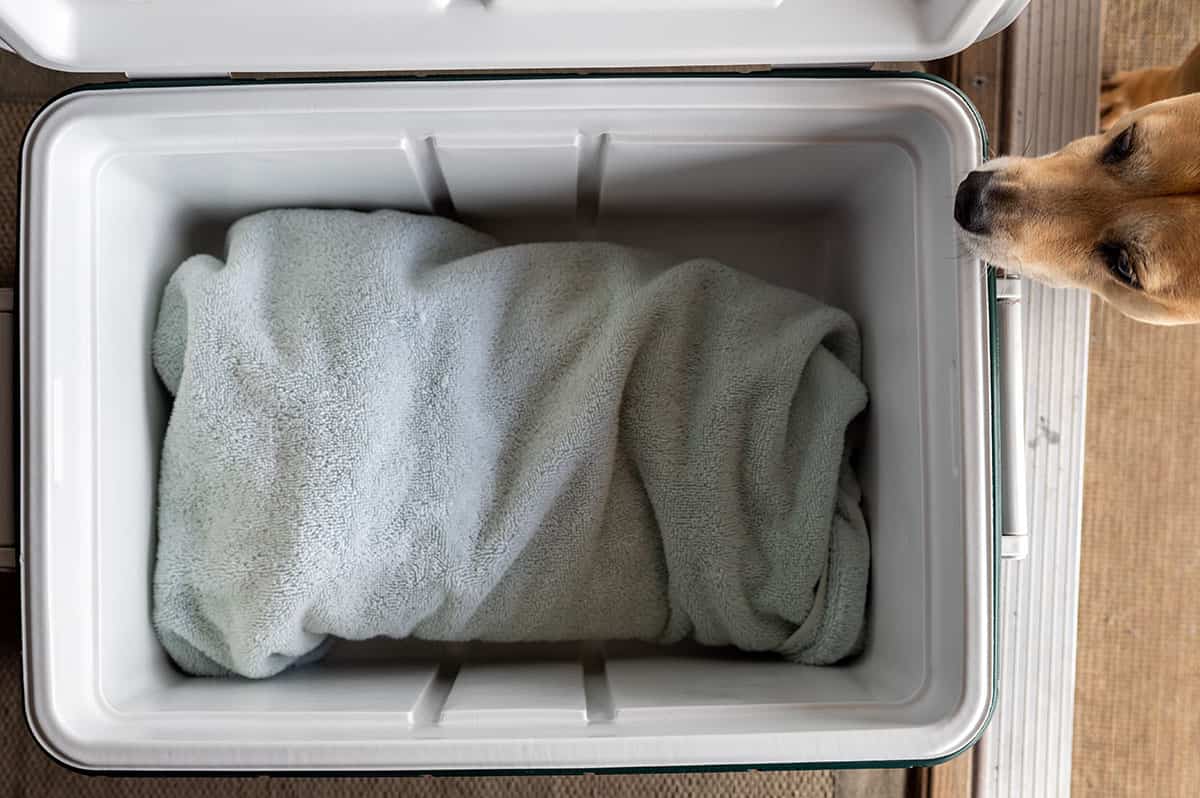
Proper resting is as vital as the cooking itself. Once the brisket reaches the target temperature, it is removed from the smoker. It is then carefully wrapped in a clean towel and placed inside a cooler without ice. The cooler is closed, and the brisket is allowed to rest for a minimum of one hour. This resting period allows the juices to redistribute throughout the meat, ensuring maximum moisture and flavor in every slice.
Serving and Storing Your Culinary Masterpiece
The culmination of this meticulous process is a pastrami that is both visually appealing and exceptionally delicious.
Serving Suggestions
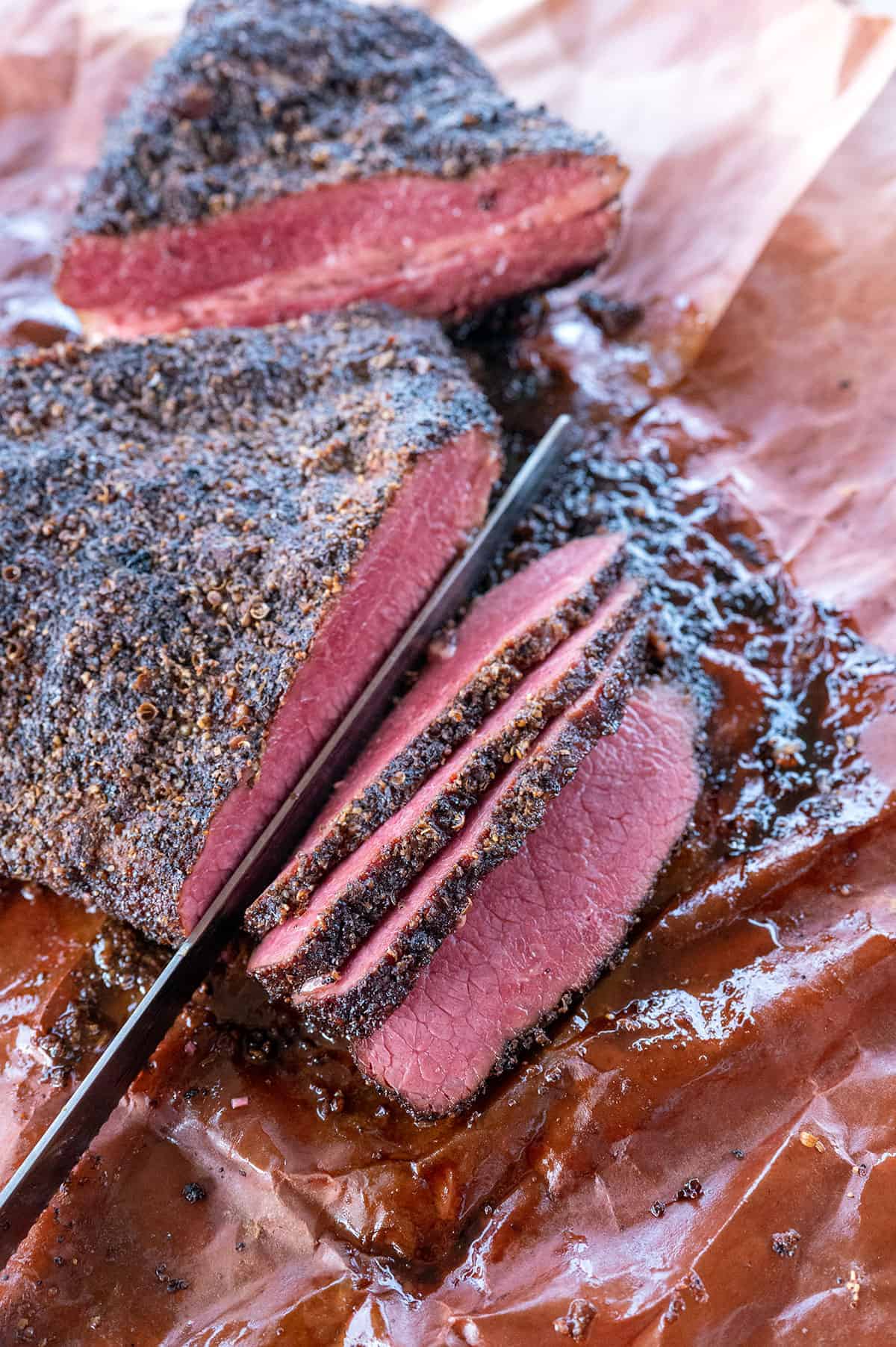
For brisket pastrami, it is imperative to slice the flat end of the meat against the grain. The thickness of the slices can be adjusted to personal preference, with thinner slices being ideal for traditional pastrami sandwiches. The point meat, often more marbled and tender, can be pulled apart and shredded. This pulling or shredding technique is also recommended for pastrami made from pork shoulder or lamb shoulder.
For achieving the ultra-thin, shaved slices characteristic of a deli, chilling the meat for approximately an hour after resting can facilitate the process. Utilizing a meat slicer set to a thin setting will yield professional-quality results.
A classic pastrami sandwich is traditionally served on rye bread, layered with pastrami, Russian dressing, Swiss cheese, and sauerkraut. However, the versatility of homemade pastrami extends far beyond this iconic preparation. It is equally enjoyable on its own, served alongside traditional accompaniments like cabbage and potatoes. Many families also appreciate it cold on a charcuterie board. Creative applications include incorporating pastrami into breakfast hashes, adding it to macaroni and cheese, using it in stir-fried rice, or as a pizza topping.
Storage Guidelines
Due to its curing and cooking process, pastrami can be safely stored in the refrigerator for up to 40 days when kept in an airtight container, according to USDA guidelines. For longer-term storage, freezing is a highly effective method. Properly wrapped pastrami can maintain its quality in the freezer for several months.
The Broader Context of Pastrami Production
The popularity of pastrami has seen a resurgence, driven by a renewed interest in artisanal food production and the desire for authentic culinary experiences. This recipe not only provides a pathway to creating exceptional pastrami at home but also highlights the historical and cultural significance of this beloved cured and smoked meat. The intricate steps involved underscore the craftsmanship that defines traditional deli fare, offering a tangible connection to culinary heritage.
Expert Insights and Frequently Asked Questions
To further demystify the process and address common queries, culinary experts often provide insights into the nuances of pastrami preparation.
What is the difference between pastrami and corned beef?
The primary distinction lies in the cooking method. Corned beef is cured and then cooked without smoke, often through methods like boiling, baking, or slow cooking. Pastrami, on the other hand, is cured and subsequently smoked, imparting a distinct flavor profile.
Is pastrami healthy?
The health profile of pastrami is contingent on the cut of meat used. Cuts higher in fat, such as pork belly or brisket, will naturally be less healthy than leaner options like poultry or pork loin. Additionally, pastrami typically contains high levels of sodium, necessitating moderation, particularly for individuals monitoring their blood pressure.
Can dogs eat pastrami?
While a small, occasional piece of pastrami is unlikely to cause severe harm to a dog, it is generally advisable to keep it out of their diet. The high salt and fat content can be detrimental to a dog’s health. Consulting with a veterinarian for specific dietary advice for pets is always recommended.
The pursuit of authentic deli-style brisket pastrami is a rewarding endeavor, offering a deep dive into traditional charcuterie techniques and culminating in a truly exceptional culinary creation. The multi-day process, from curing to smoking and resting, ensures a product that embodies the rich flavors and textures that have made pastrami a timeless favorite.


