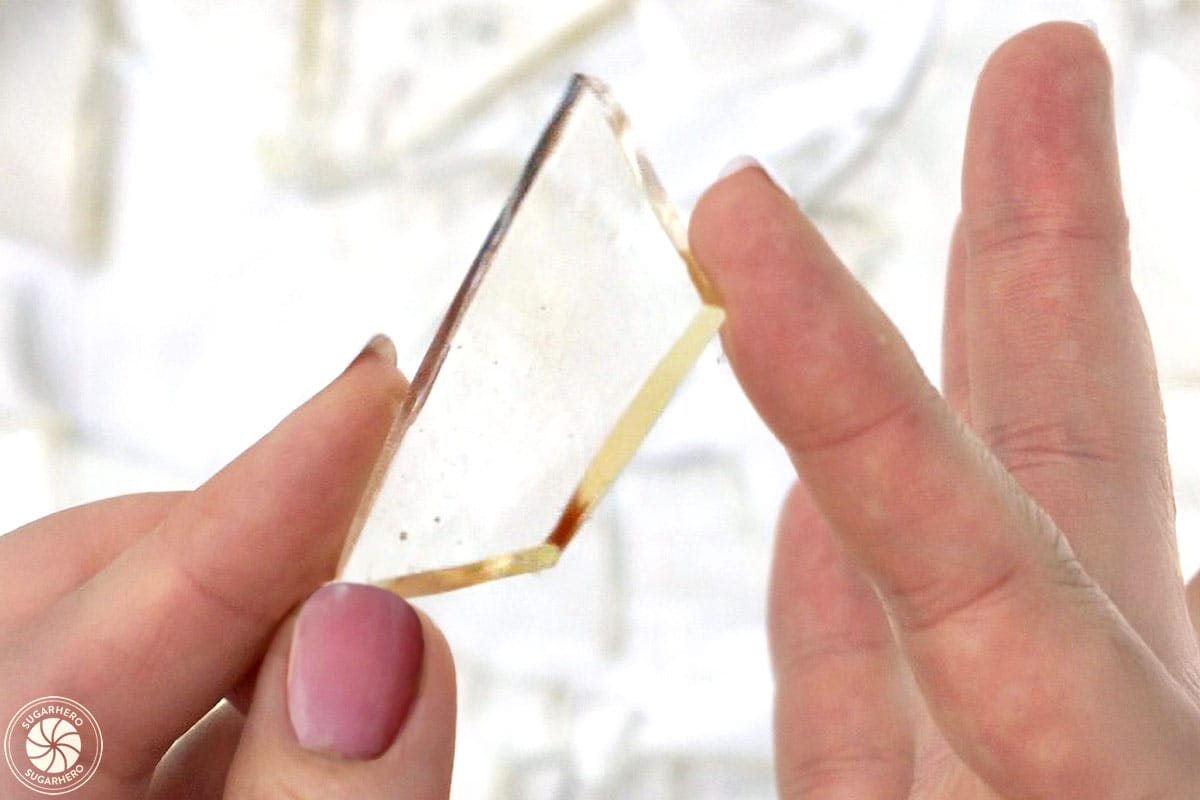
The culinary world is abuzz with the innovative creation of edible sugar glass, a versatile ingredient that is revolutionizing dessert decoration and offering a new canvas for pastry chefs and home bakers alike. This transparent, hard candy, meticulously crafted through a precise sugar-syrup process, provides an unparalleled ability to mimic the appearance of real glass, opening up a realm of creative possibilities for confections ranging from whimsical gingerbread houses to avant-garde dessert presentations.
Crafting Crystal Clarity: The Science and Art of Sugar Glass
At its core, edible sugar glass is a triumph of controlled crystallization and temperature management. The process involves heating a mixture of sugar, corn syrup, and water to a specific temperature, typically the hard crack stage (around 300-310°F or 149-154°C). This critical temperature ensures that the sugar syrup reaches a state where it will solidify into a brittle, glass-like structure upon cooling, rather than a chewy or crystalline candy. The inclusion of corn syrup is pivotal, acting as an invert sugar that significantly inhibits crystallization, thereby maintaining the clarity and smooth texture characteristic of true sugar glass. Without it, the sugar mixture would be far more prone to forming undesirable sugar crystals, resulting in an opaque or crumbly product.
The creation of this culinary marvel is not merely about following a recipe; it’s an exercise in precision and environmental awareness. Factors such as ambient humidity can play a significant role in the success of sugar glass production. High humidity levels can cause the sugar to absorb moisture from the air, leading to a sticky or soft final product. Therefore, the optimal conditions for making sugar glass are dry environments, often necessitating careful planning by bakers to avoid attempting this delicate process on particularly humid or rainy days.
A Spectrum of Applications: From Gingerbread Windows to Edgy Accents
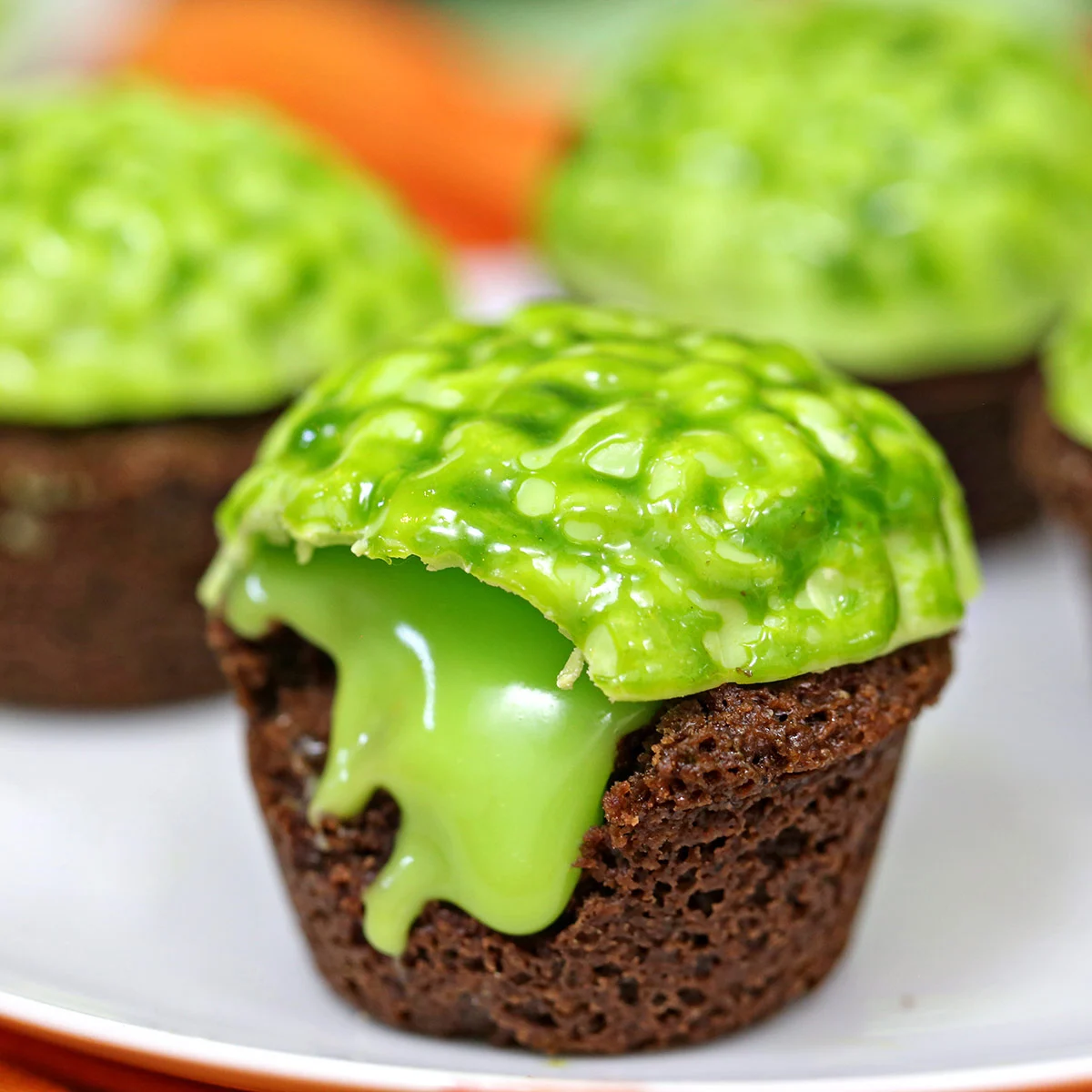
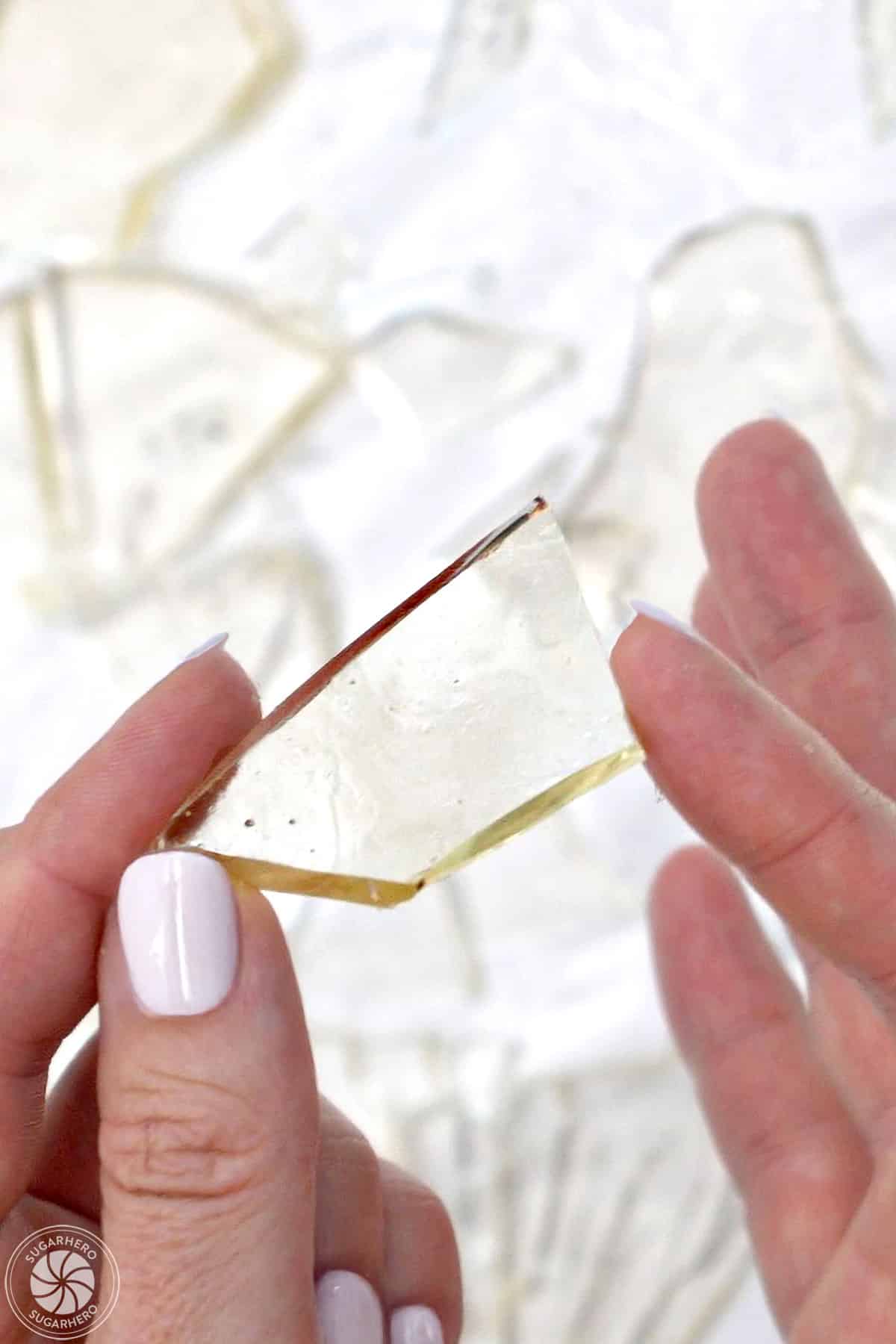
The appeal of edible sugar glass lies in its remarkable adaptability. Its inherent transparency makes it an ideal medium for creating realistic stained-glass windows for intricately designed gingerbread houses, offering a luminous and inviting aesthetic. Beyond architectural elements, this culinary glass can be shattered into sharp, irregular shards, providing a dramatic and visually striking accent for cakes and cupcakes, particularly for themed events like Halloween, where it can evoke an atmosphere of gothic intrigue or broken-mirror effects.
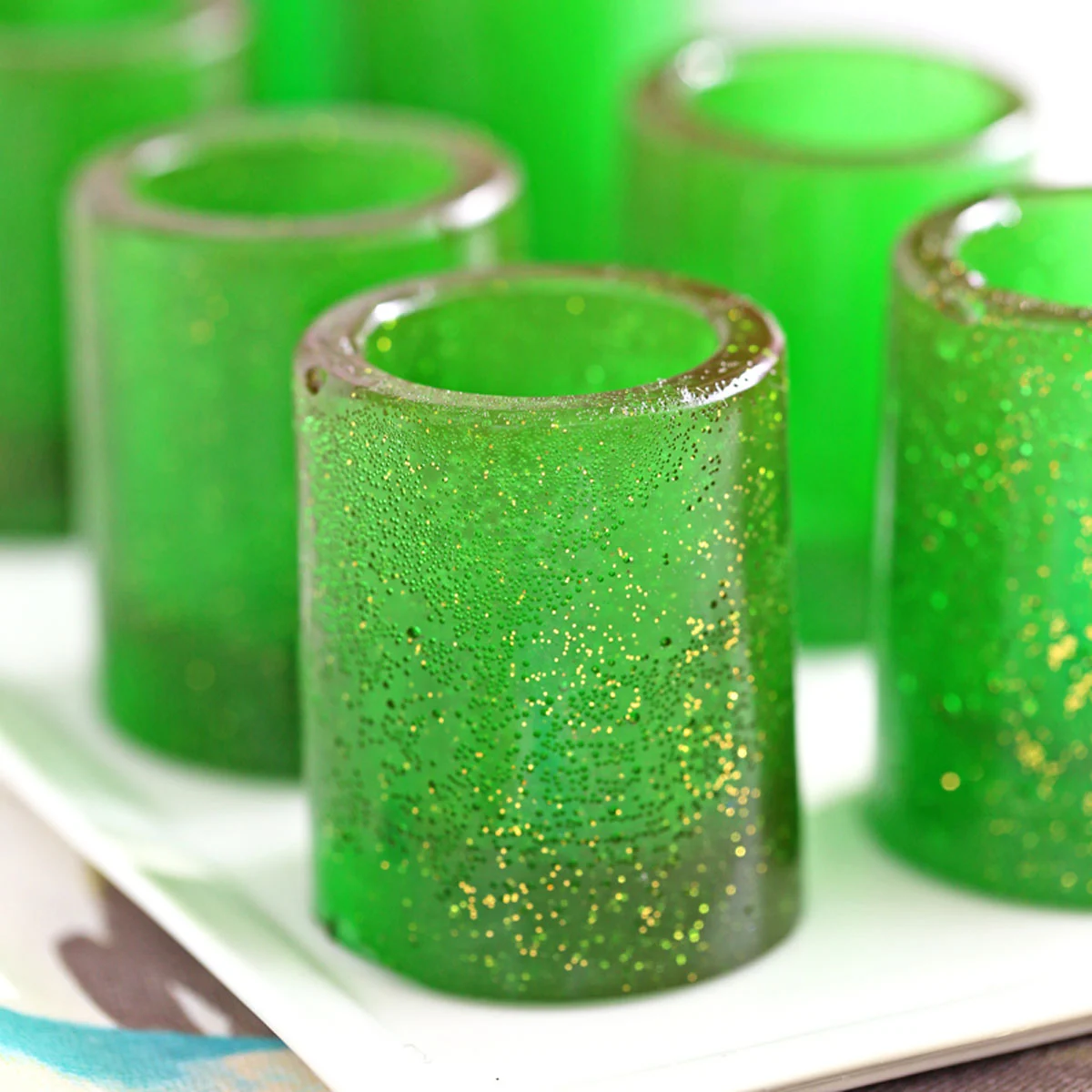
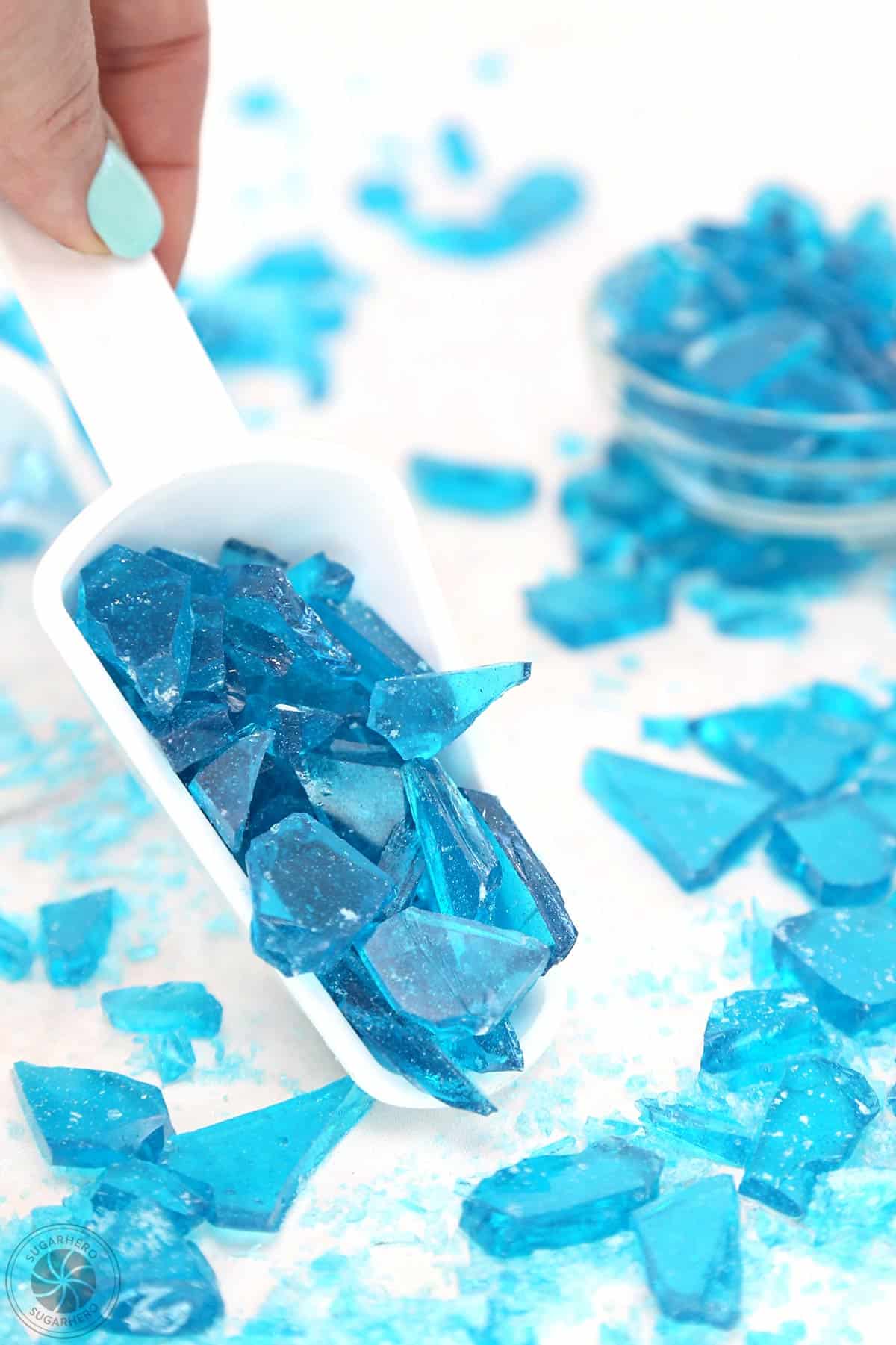
Furthermore, the recipe’s inherent versatility extends to its ability to be infused with a wide array of colors and flavors. This allows for a truly personalized touch, enabling bakers to match the sugar glass to the specific color palette of their dessert creations or to introduce complementary flavor notes. The potential applications are vast, from creating vibrant, gem-like structures to replicating the allure of precious stones or even, as some daring chefs have explored, emulating the appearance of specific materials for thematic desserts inspired by popular culture, such as the "Breaking Bad" rock candy.
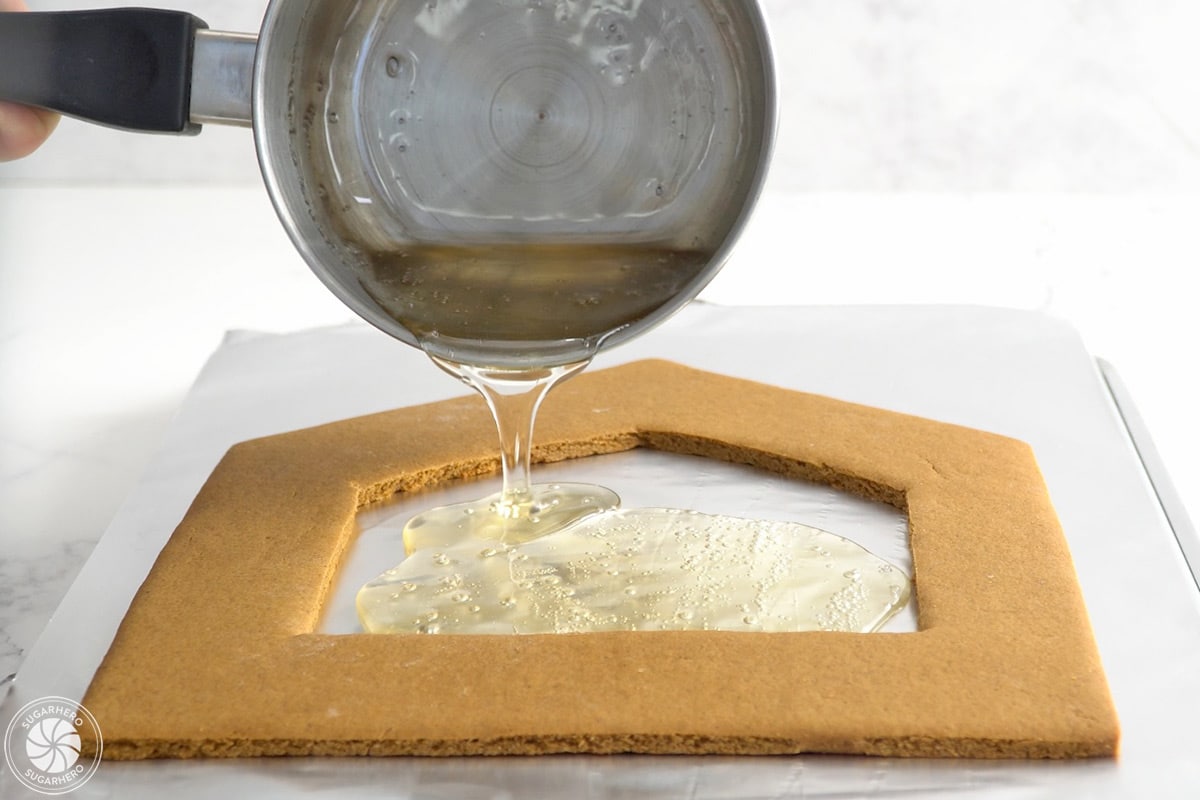
The shaping possibilities are equally diverse. Sugar glass can be poured onto a prepared surface and then broken into smaller, more manageable pieces after cooling. Alternatively, it can be molded into specific shapes using silicone molds, or even poured directly into pre-cut openings in cookies or baked structures, effectively creating integrated windows. This level of control over form and finish empowers bakers to translate their most ambitious dessert visions into tangible realities.
Mastering the Method: A Step-by-Step Guide to Culinary Glass
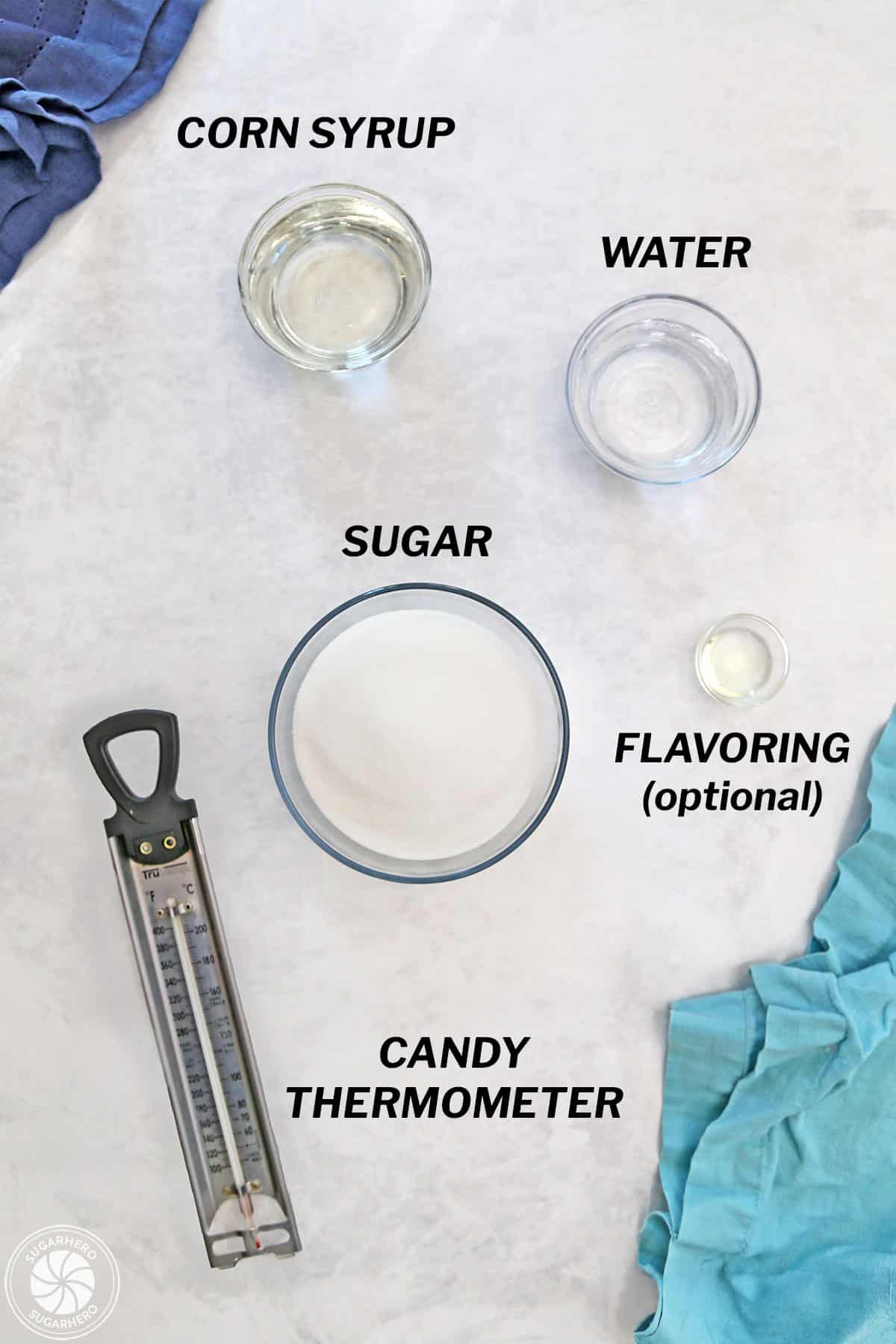
The process of creating flawless edible sugar glass, while demanding precision, is remarkably accessible, even for novice candy makers. The foundational elements for success include:
Essential Ingredients for Sugar Glass Purity
The composition of edible sugar glass relies on a few fundamental ingredients, each playing a crucial role in achieving the desired texture and appearance.
- Granulated Sugar: The primary structural component, providing the sweetness and the base for the glassy matrix. High-quality, fine granulated sugar is recommended for optimal dissolution and clarity.
- Corn Syrup: This viscous liquid is indispensable for preventing sugar crystallization. It interferes with the formation of sugar crystals, ensuring a smooth, translucent product rather than a grainy or opaque one. Light corn syrup is typically preferred for its neutral flavor and minimal impact on color.
- Water: Acts as the solvent, allowing the sugars to dissolve and form a syrup. The precise amount of water is critical for achieving the correct boiling point and consistency.
- Flavoring Extracts (Optional): A few drops of concentrated extracts, such as vanilla, peppermint, or fruit flavors, can be added once the syrup has reached the correct temperature to impart subtle or pronounced taste profiles. It’s important to note that some extracts, particularly oil-based ones, can affect clarity.
- Food Coloring (Optional): Gel or liquid food colorings can be incorporated to achieve vibrant hues. Gel colorings are often preferred as they are more concentrated and less likely to dilute the sugar syrup significantly.
Crucial Equipment for Precision Candy Making
The right tools are paramount for safely and effectively crafting edible sugar glass.
- Heavy-Bottomed Saucepan: A saucepan with a thick, heavy bottom is essential for even heat distribution, preventing scorching and ensuring consistent cooking of the sugar syrup.
- Candy Thermometer: A reliable candy thermometer is non-negotiable. It must be calibrated accurately to ensure the syrup reaches the precise hard crack stage.
- Silicone Baking Mat or Parchment Paper: A heat-resistant silicone baking mat or parchment paper, lightly greased, provides a non-stick surface for pouring and cooling the sugar syrup.
- Heat-Resistant Spatula or Wooden Spoon: Used for stirring the initial sugar mixture. Once boiling, stirring is generally avoided to prevent crystallization.
- Pastry Brush and Water: A clean pastry brush dipped in water is used to wash down the sides of the saucepan, removing any stray sugar crystals that could initiate premature crystallization.
- Heat-Resistant Gloves: Highly recommended for handling hot pans and syrup to prevent severe burns.
Pro Candy Thermometer Tips for Unwavering Accuracy
The accuracy of a candy thermometer is paramount in achieving successful sugar glass. Regular calibration is a prudent step for any serious candy maker.
- Boiling Water Test: Submerge the thermometer in boiling water (212°F or 100°C at sea level). If the thermometer does not read exactly 212°F, adjust your temperature readings accordingly or recalibrate the thermometer if possible.
- Ice Bath Calibration: Place the thermometer in an ice bath (water and ice). It should read 32°F (0°C).
- Secure Placement: Ensure the thermometer is securely clipped to the side of the saucepan, with the tip submerged in the syrup but not touching the bottom of the pan, which can register a hotter temperature.
- Avoid Stirring Near the Thermometer: Be cautious not to dislodge the thermometer or introduce sugar crystals near it during the cooking process.
The Transformative Process: A Photo Tutorial in Culinary Alchemy
The journey from simple ingredients to shimmering sugar glass is a captivating one, best understood through visual guidance.
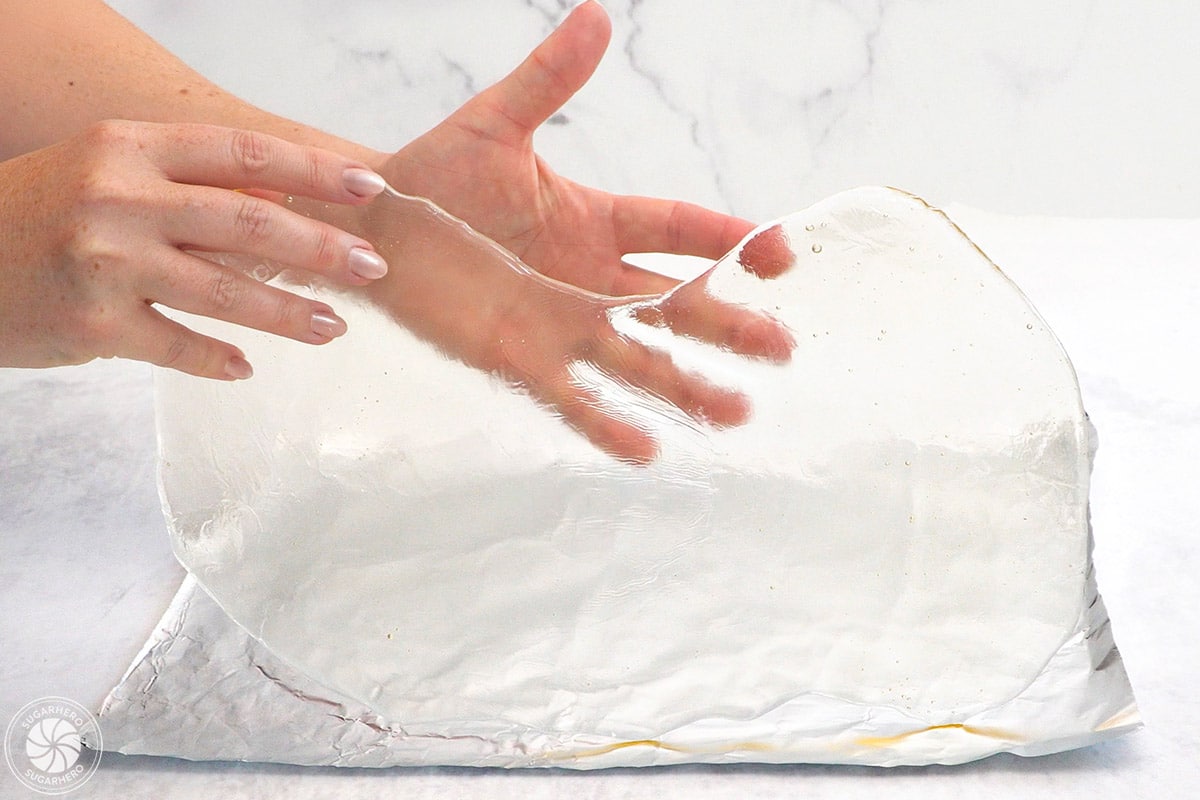
(Imagine a series of high-quality photographs here, illustrating each step of the process: mixing ingredients, heating the syrup, checking temperature, washing down pan sides, pouring the syrup onto a prepared surface, cooling, and finally, breaking or shaping the hardened sugar glass. Each image would be accompanied by a concise, instructional caption.)
Step 1: The Initial Blend
Combine granulated sugar, corn syrup, and water in a heavy-bottomed saucepan. Stir over medium heat until the sugar is completely dissolved.
Step 2: Reaching the Hard Crack Stage
Increase the heat and bring the mixture to a boil. Insert the candy thermometer. Avoid stirring once the syrup boils. Use a wet pastry brush to gently wash down any sugar crystals that form on the sides of the pan. Cook until the thermometer registers 300-310°F (149-154°C), the hard crack stage.
Step 3: Incorporating Color and Flavor
Remove the pan from the heat. Carefully stir in desired food coloring and flavoring extracts, if using. Be cautious, as the mixture will bubble vigorously.
Step 4: The Pour and Set
Quickly and carefully pour the hot syrup onto a prepared silicone baking mat or parchment-lined baking sheet. Work swiftly, as the syrup will begin to set.
Step 5: Cooling to Perfection
Allow the sugar syrup to cool completely and harden. This can take anywhere from 30 minutes to a few hours, depending on the thickness and ambient temperature.
Step 6: Shaping the Glass
Once fully hardened, the sugar glass can be gently broken into shards with a mallet or the back of a sturdy spoon. For specific shapes, it can be carefully cut with a sharp, oiled knife while still slightly pliable, or broken after hardening.
Frequently Asked Questions for Sugar Glass Mastery
Addressing common concerns can significantly enhance the success rate for aspiring sugar glass creators.
Why is my candy sticky?
Stickiness in hardened candy is almost invariably a sign of humidity. Sugar is hygroscopic, meaning it absorbs moisture from the air. If your candy becomes sticky shortly after cooling, or over time, it’s likely due to high ambient humidity. The best solution is to make candy on dry days and store the finished product in an airtight container. In extremely humid climates, including silica gel packets in the storage container can help absorb excess moisture.
Why is my candy not hardening?
A candy that remains soft or won’t set has not been cooked to a high enough temperature. The hard crack stage (300-310°F or 149-154°C) is critical for achieving a brittle, glass-like consistency. If you suspect your thermometer is inaccurate, test it by boiling it in water. Ensure you are using the correct ingredient ratios as specified in the recipe.
Why is my glass candy opaque or crumbly?
This indicates that the sugar has crystallized during the cooking process. Crystallization can be triggered by stirring the syrup after it begins to boil, not washing down the sides of the pan to remove stray sugar crystals, or introducing existing sugar crystals from utensils or the pan itself. The corn syrup in the recipe is designed to minimize this, so using a substitute for corn syrup may increase the likelihood of crystallization. While still edible, crystallized sugar glass will lack the desired transparency and brittle texture.
What are the optimal storage conditions for sugar glass?
Edible sugar glass is best stored at room temperature in an airtight container. It can typically remain fresh for up to seven days under ideal dry conditions. Avoid refrigerating or freezing sugar glass, as the condensation that forms upon removal can cause it to become sticky and lose its structural integrity. For those in very humid regions, expect a shorter shelf life of perhaps two to three days, or utilize moisture-absorbing packets.
The development and popularization of edible sugar glass represent a significant advancement in the realm of decorative confectionery. This ingredient not only enhances the visual appeal of desserts but also provides a tangible medium for culinary artists to express their creativity. As the techniques for its production become more refined and accessible, the presence of this shimmering, glass-like element is set to become an increasingly common and celebrated feature on the plates of discerning dessert enthusiasts worldwide.