
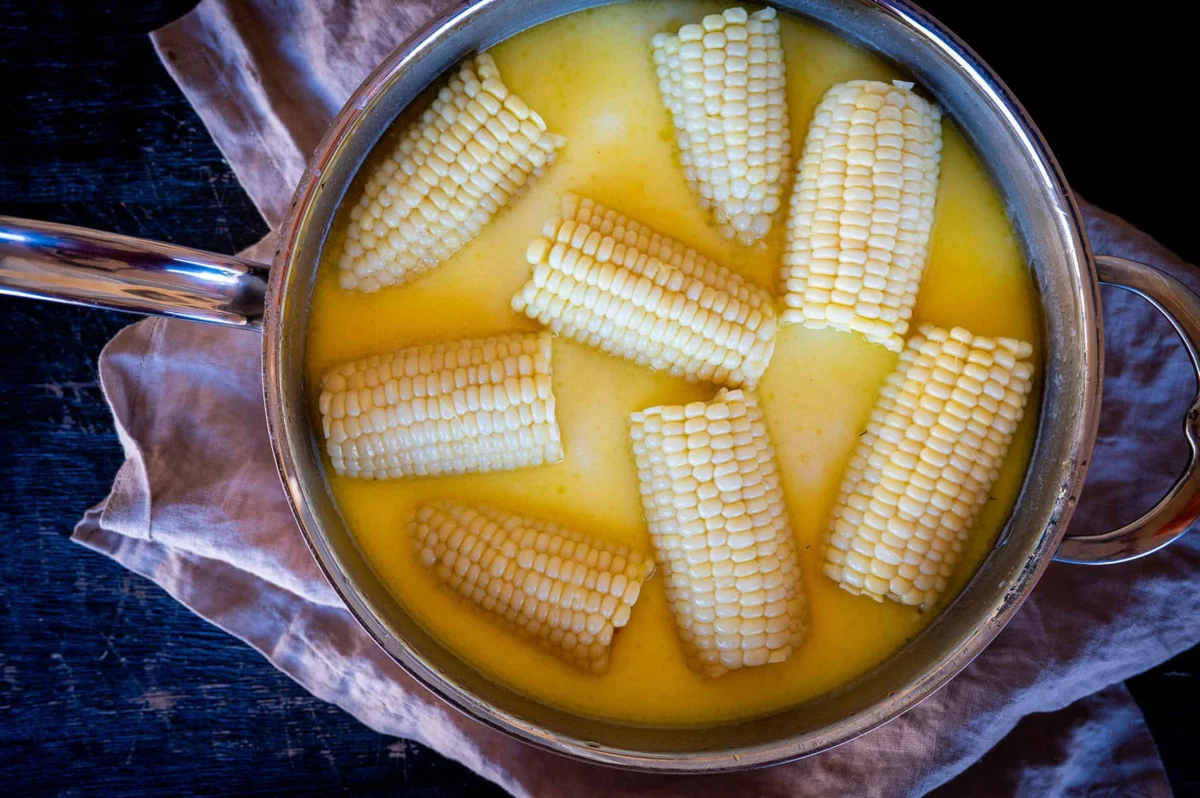
For generations, the humble act of boiling corn on the cob has been a summer staple, a simple pleasure often taken for granted. However, a nuanced culinary technique is emerging from home kitchens and expert pitmasters alike, promising to redefine this beloved side dish. By moving beyond the conventional water bath and embracing the art of poaching corn in a rich mixture of milk, butter, and sugar, cooks can unlock a depth of flavor and a silken tenderness previously unattainable through traditional boiling. This method, while requiring a slight shift in technique, yields a corn experience that is demonstrably sweeter, more succulent, and profoundly more satisfying, elevating a familiar favorite to gourmet status.
The distinction between boiling and poaching lies in the controlled application of heat. Boiling, characterized by vigorous, rolling bubbles, can be a harsh environment for delicate ingredients. In contrast, poaching operates at a gentle simmer, a temperature range that allows for a more gradual infusion of flavor without the risk of scorching or curdling the dairy-based liquid. This gentle heat is precisely what allows each kernel of corn to absorb the sweet, buttery essence of the poaching liquid, transforming the corn from a mere vegetable into a decadent treat. The process, while taking approximately the same amount of time as a conventional boil, yields results that are qualitatively superior, offering a richer mouthfeel and a more pronounced sweetness that lingers long after the last bite.
A Culinary Revelation: Beyond the Water Boil
The traditional method of boiling corn in salted water, while functional, often results in a dish that tastes predominantly of the water it was cooked in, with any inherent sweetness of the corn diluted. This is a common lament among home cooks seeking to enhance the flavor profiles of their summer fare. The milk-poaching technique serves as a direct and effective solution to this culinary conundrum. By introducing dairy and sugar into the cooking liquid, the corn’s natural sugars are amplified, and the fat from the butter and milk contributes to a lusiously tender texture.
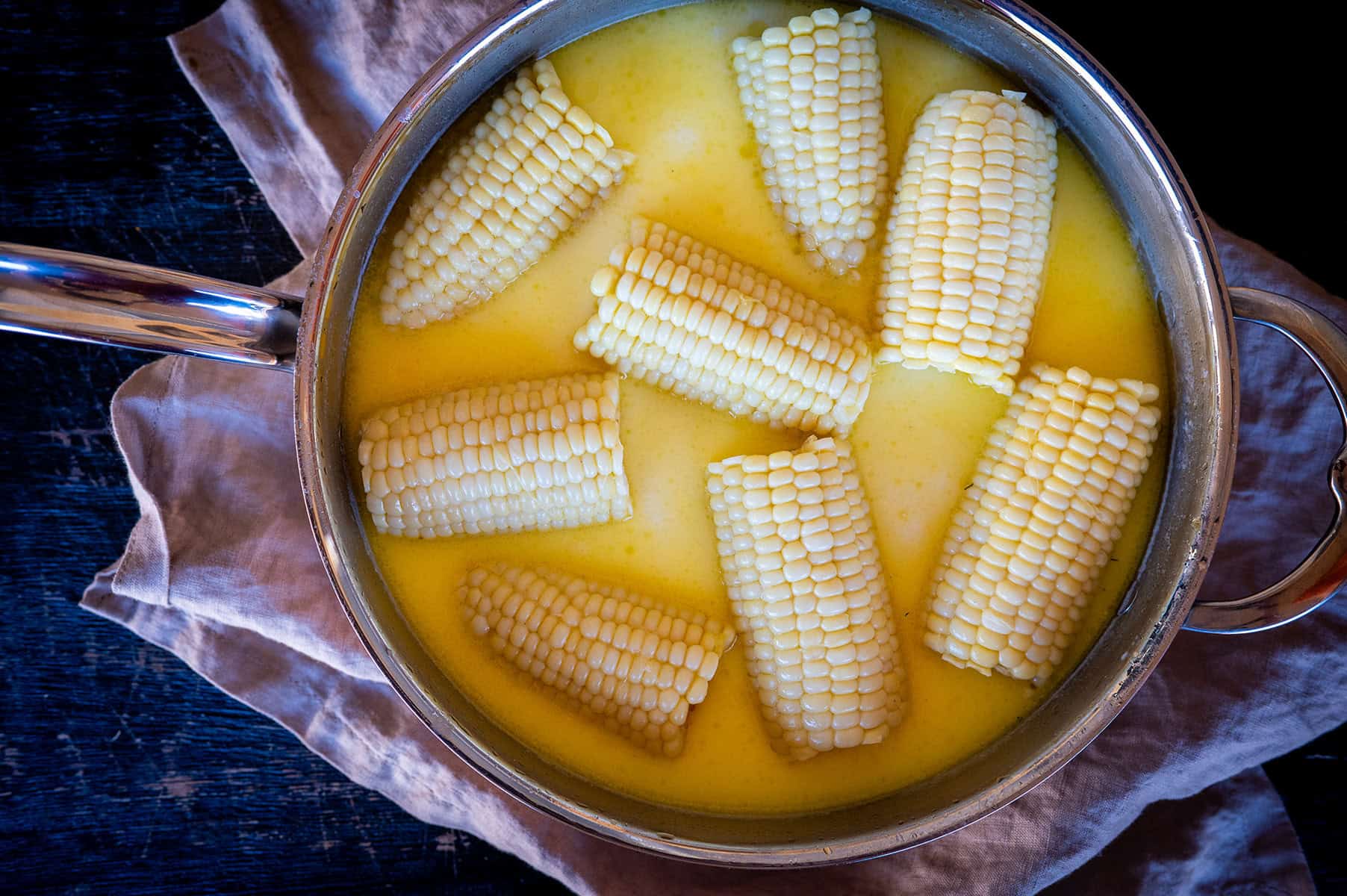
Christie Vanover, an award-winning competitive pitmaster and founder of Girls Can Grill, emphasizes this transformation. With a background forged in the demanding world of competition barbecue, Vanover has encountered countless iterations of corn preparation, from grilling to smoking. Yet, it is the milk-poaching method that consistently captures her culinary imagination. "I grew up moving around a lot as part of a military family, and corn on the cob was one of those dishes that showed up at nearly every summer cookout no matter which state, or country, we were stationed in," Vanover recounts. "Between that and years spent behind the smoker developing recipes for competition barbecue, I’ve boiled and grilled corn more times than I can count. Poaching it in milk is still the method I come back to when I want to really bring out the corn’s sweetness." This personal endorsement from an experienced culinary professional highlights the profound impact of this technique.
Understanding the Nuances of Milk Poaching
At its core, corn poached in milk involves cooking fresh or thawed frozen corn on the cob in a carefully prepared liquid. This liquid is a harmonious blend of whole milk, unsalted butter, granulated sugar, and a touch of salt. Unlike the aggressive heat of boiling, poaching maintains a low simmer, preventing the milk from breaking down or developing a scorched flavor. This gentle cooking process ensures that the dairy and sugar molecules effectively coat each kernel, infusing them with their inherent sweetness and richness. The result is a corn that is not only visually appealing but also texturally superior, offering a tender bite that bursts with flavor.
The technical advantage of poaching over boiling lies in its controlled heat management. Boiling can cause the proteins in milk to denature rapidly, leading to curdling and a less desirable texture. Moreover, the high heat can cause the sugars to burn, imparting a bitter note. Poaching, by keeping the temperature between 160°F and 180°F (71°C to 82°C), allows the milk to cook the corn gently, ensuring that the fats and sugars emulsify into the kernels without becoming overly aggressive. This meticulous control is what distinguishes a truly exceptional batch of corn from one that is merely adequate.
Recipe for Elevated Corn: A Detailed Guide
The preparation of milk-poached corn is straightforward, requiring minimal equipment and readily available ingredients. The key lies in adhering to the gentle poaching process.

Ingredients:
- 8 ears of fresh corn, shucked and cleaned
- 4 cups of whole milk
- 2 cups of water
- 1/2 cup (1 stick) of unsalted butter
- 1/4 cup of granulated sugar
- 1 teaspoon of salt
Equipment:
- A large, high-walled skillet or sauté pan (at least 12 inches in diameter)
- Tongs
- Measuring cups and spoons
Instructions:
- Prepare the Poaching Liquid: In the large skillet or sauté pan, combine the whole milk, water, unsalted butter, granulated sugar, and salt. Place the pan over medium-low heat. Stir the mixture gently and continuously until the butter has fully melted and the sugar has completely dissolved. It is crucial to maintain a moderate heat at this stage to prevent the milk from scorching or boiling over.
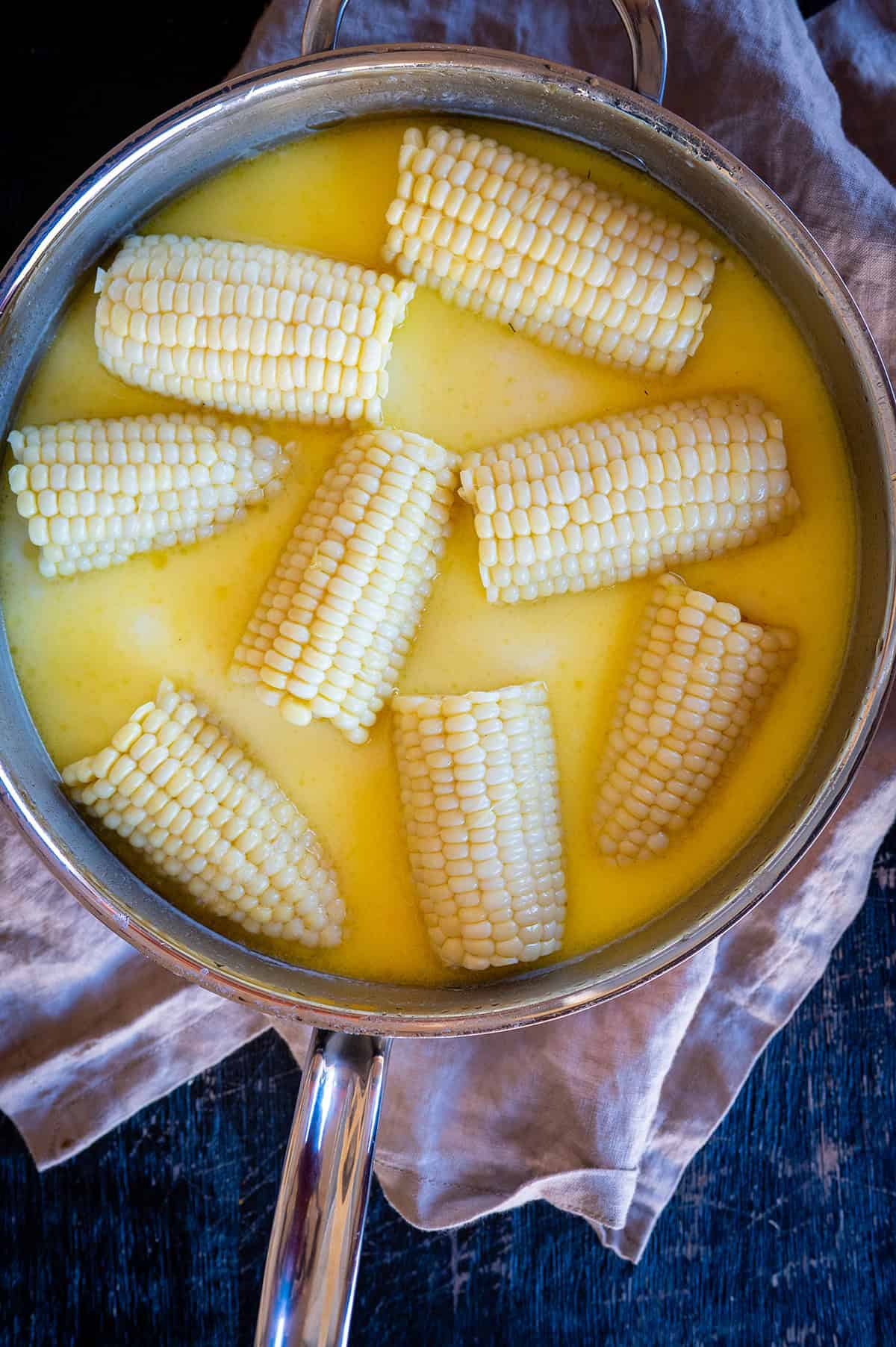
- Introduce the Corn: Once the poaching liquid is prepared and the butter and sugar are dissolved, carefully add the shucked ears of corn to the pan. It is normal for the liquid not to completely submerge the corn; the poaching process will ensure even cooking.
- Poach the Corn: Reduce the heat to low, ensuring the liquid is at a gentle simmer – small bubbles should occasionally rise to the surface, but a rolling boil must be avoided. Cover the pan and allow the corn to poach for approximately 20 to 30 minutes. During this time, it is essential to turn the corn ears every 5 to 7 minutes. This ensures that all sides of the corn are evenly coated with the poaching liquid and cook uniformly, maximizing flavor infusion and tenderness.
- Check for Doneness: The corn is ready when the kernels are plump and tender. A gentle poke with a fork should reveal a soft interior. The exact cooking time may vary slightly depending on the freshness and thickness of the corn.
Pro-Tips for Poaching Perfection:
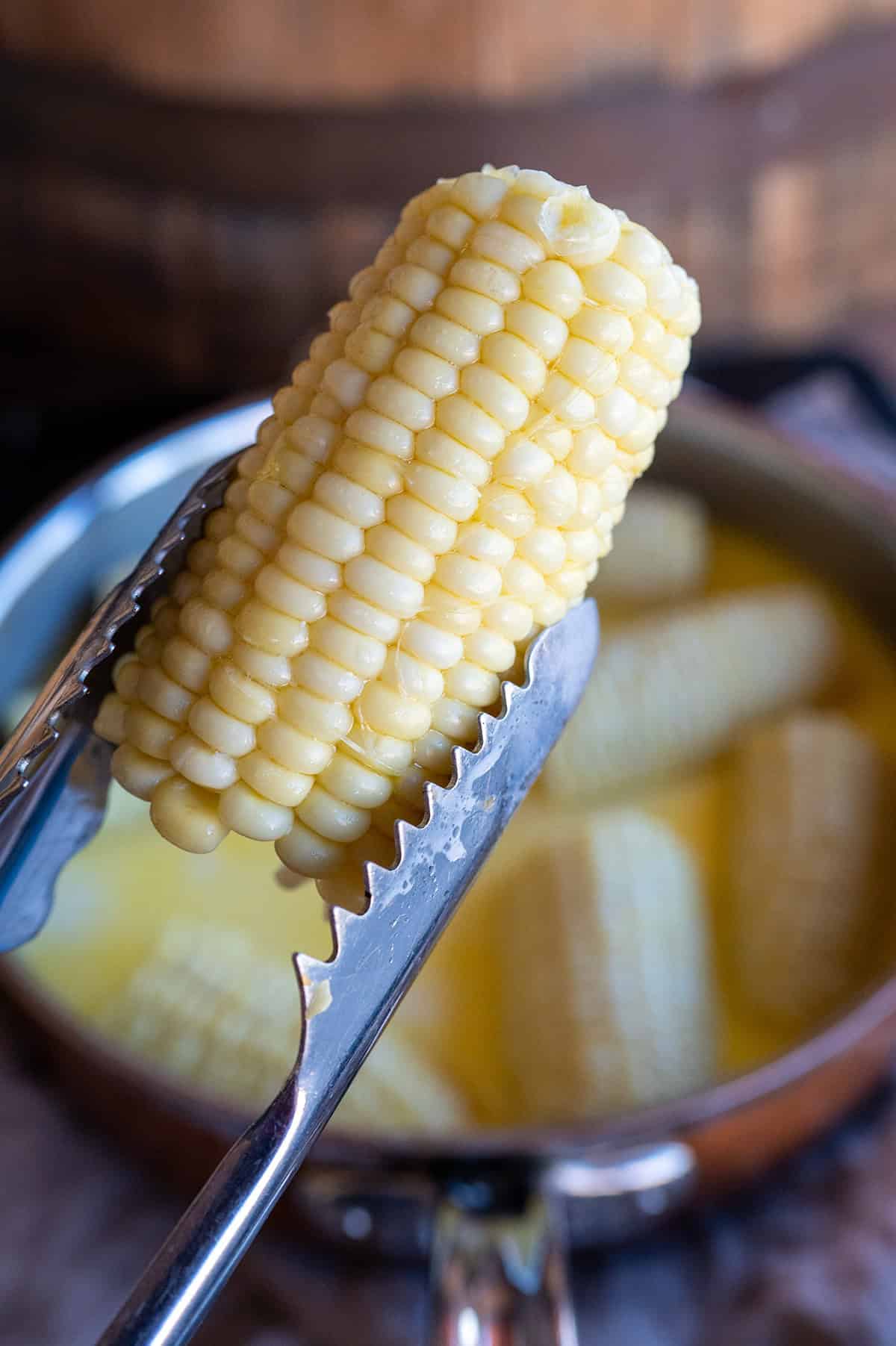
- Maintain Gentle Heat: The cardinal rule of milk poaching is to avoid a hard boil. If the liquid begins to bubble vigorously, immediately reduce the heat. Scorched or curdled milk will negatively impact the flavor and texture of the corn.
- Turning is Key: Consistent turning ensures that each kernel benefits from the rich poaching liquid. This step is vital for achieving uniform sweetness and tenderness.
- Substitutions for Richness: For an even more decadent experience, consider substituting half-and-half for the whole milk. This will introduce a higher fat content, resulting in a richer, creamier corn.
- Sweetness Adjustment: The sugar content can be adjusted to personal preference. If you prefer a less sweet corn, you can reduce the sugar to 1 tablespoon. However, the sugar plays a crucial role in tenderizing the kernels and enhancing their natural sweetness.
- Frozen Corn Considerations: If using frozen corn on the cob, ensure it is fully thawed before adding it to the poaching liquid. This will guarantee even cooking and prevent a watery outcome.
Serving and Maximizing Flavor
Once the corn has reached optimal tenderness, remove it from the poaching liquid using tongs. Serve the milk-poached corn immediately while warm. A simple sprinkle of flaky sea salt can enhance the inherent sweetness. This elevated corn serves as an exceptional side dish for a variety of main courses, particularly grilled or smoked meats, where its sweetness and richness provide a delightful counterpoint to savory flavors.
For those seeking an additional layer of complexity, a unique finishing technique involves brushing the poached corn with a small amount of the warm poaching liquid and then charring it briefly on a high-heat grill for a few minutes. This imparts a subtle smoky flavor that complements the sweet, buttery notes of the corn, creating a truly multi-dimensional taste experience.
Storage and Reheating
Leftover milk-poached corn can be stored in an airtight container in the refrigerator for up to four days. It is advisable to discard the poaching liquid rather than storing the corn in it, as this can affect the texture and longevity of the corn. To reheat, the corn can be gently warmed in a skillet with a touch of butter or quickly heated in a microwave until it reaches the desired temperature.
Broader Implications and Culinary Evolution
The milk-poaching technique for corn represents a subtle yet significant evolution in home and professional cooking. It underscores a growing appreciation for ingredient-driven flavor development and the power of precise culinary techniques. As home cooks increasingly seek to elevate everyday dishes, methods that transform simple ingredients into extraordinary experiences gain traction. The popularity of this technique can be seen as part of a larger trend towards mindful cooking, where understanding the science behind flavor and texture unlocks new culinary possibilities.
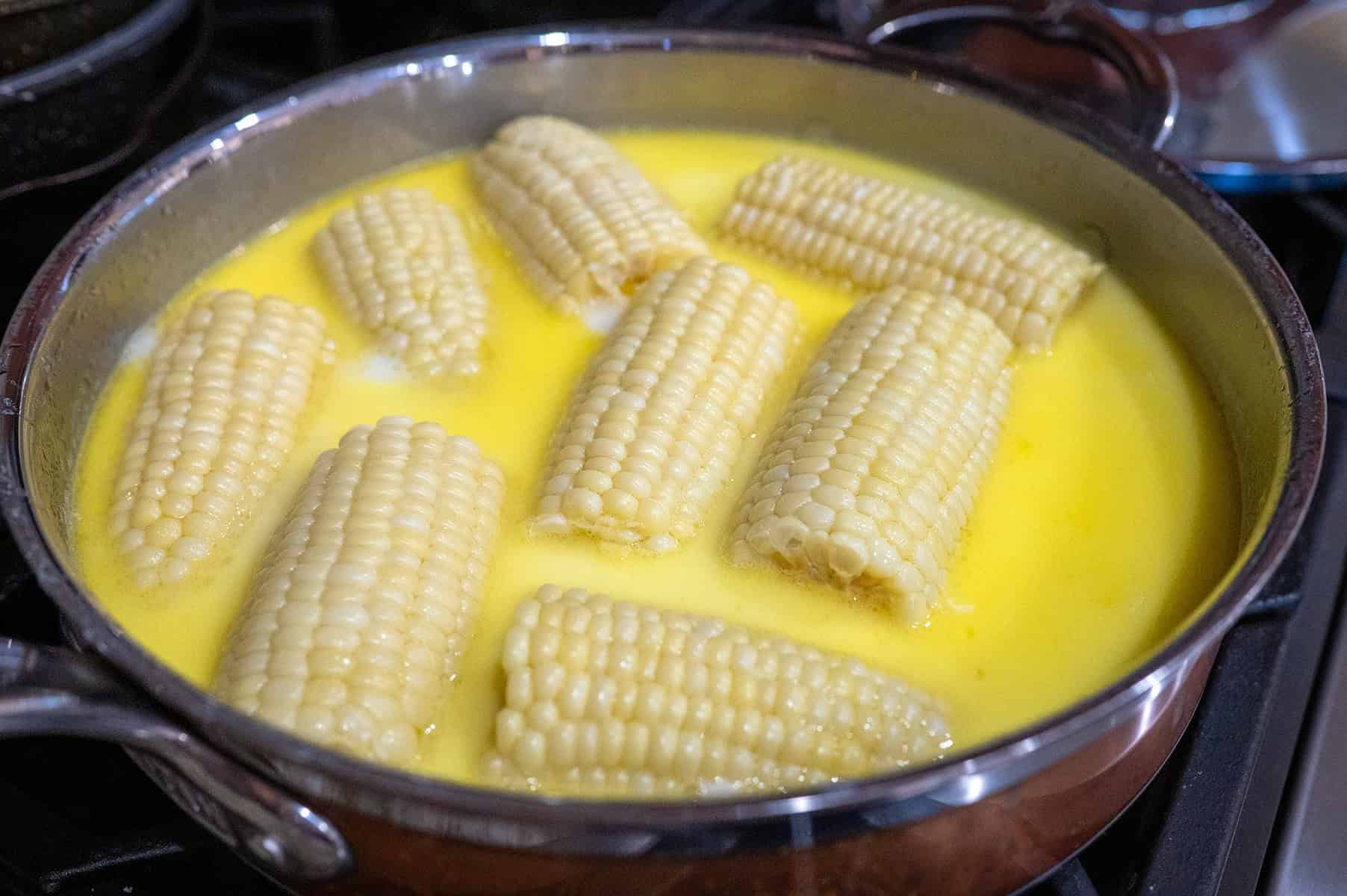
This method also speaks to the enduring appeal of comfort food, reimagined with a sophisticated touch. While the ingredients remain familiar, the execution elevates the final product, offering a nostalgic yet novel experience. The widespread sharing of such recipes through platforms like Girls Can Grill reflects a desire within the culinary community to explore and disseminate these elevated approaches, fostering a culture of continuous learning and culinary innovation. The positive feedback and engagement generated by such techniques, as evidenced by calls for readers to rate and share their results, indicate a strong consumer interest in mastering these flavor-enhancing methods.
Frequently Asked Questions Addressed
Why poach corn instead of boiling it?
Poaching employs a gentler heat than boiling. This allows the corn to absorb the flavors of the milk, butter, and sugar more effectively, resulting in a sweeter and more buttery taste throughout each kernel. Boiling can be too aggressive, diluting flavors and potentially overcooking the corn.
Can I use frozen corn on the cob?
Yes, frozen corn on the cob can be used. It is imperative, however, to ensure that the corn is fully thawed before introducing it to the poaching liquid. This ensures even cooking and prevents the poaching liquid from becoming diluted.
Why poach corn in milk instead of boiling it in water?
The primary reason is flavor and texture. Milk, butter, and sugar coat the corn kernels as they cook, imparting a richer, sweeter, and more tender quality than is achievable with plain water. Water-based boiling tends to simply cook the corn, whereas milk poaching infuses it with flavor.
Can this recipe be made ahead of time?
While milk-poached corn is best enjoyed fresh, it can be prepared in advance. Poach the corn as directed, then cool and refrigerate it. Reheat gently before serving.
How do you make corn on the cob boiled in milk?
It is generally not recommended to boil corn directly in milk due to the high risk of curdling and scorching. The correct technique is to poach the corn in milk at a controlled, low simmer. This gentle heat is essential for the milk-based liquid to cook the corn without breaking down.


