
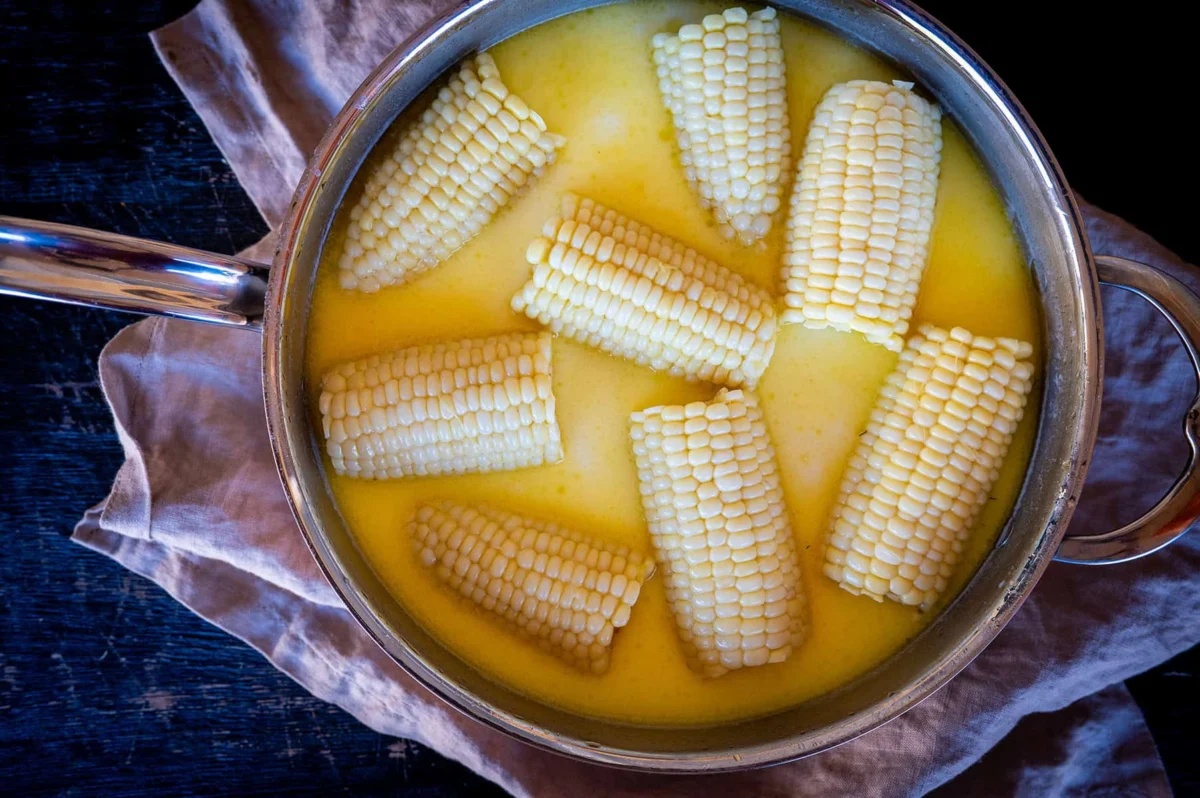
For those accustomed to the simple act of boiling corn in salted water, a world of enhanced flavor and texture remains undiscovered. The technique of poaching corn in a rich bath of milk, butter, and sugar offers a profound culinary upgrade, transforming a humble summer staple into an experience of unparalleled sweetness and tenderness. This method, distinct from a vigorous boil, relies on a gentle simmer to infuse every kernel with a velvety richness, preventing the milk from scorching or separating while maximizing flavor absorption. The result is a corn on the cob that transcends its watery origins, delivering a more succulent and decadent bite.
The Genesis of a Superior Corn Preparation
The practice of infusing vegetables with dairy and sugar is not new, often appearing in traditional cuisines as a method to tenderize and enrich. In the context of corn, this approach addresses a common culinary critique: corn that tastes merely of the water it was cooked in. The milk poaching method directly counters this by creating a flavorful liquid that actively enhances the natural sweetness of the corn. This technique, while taking approximately the same amount of time as a traditional boil, yields a demonstrably superior product.
A Culinary Journey Through a Military Family’s Kitchen
The inspiration behind this elevated corn preparation often stems from personal culinary histories. For many, like Christie Vanover, an award-winning competitive pitmaster and founder of Girls Can Grill, corn on the cob has been a constant presence. Vanover recounts a childhood marked by frequent relocations as part of a military family, during which corn on the cob consistently appeared at summer gatherings, regardless of the geographical location. This enduring association, coupled with years spent developing recipes for competition barbecue, has provided her with extensive experience in various corn cooking methods, including boiling and grilling. However, it is the milk poaching technique that she consistently returns to when aiming to fully unlock the inherent sweetness of corn.
Understanding the Mechanics of Milk Poaching
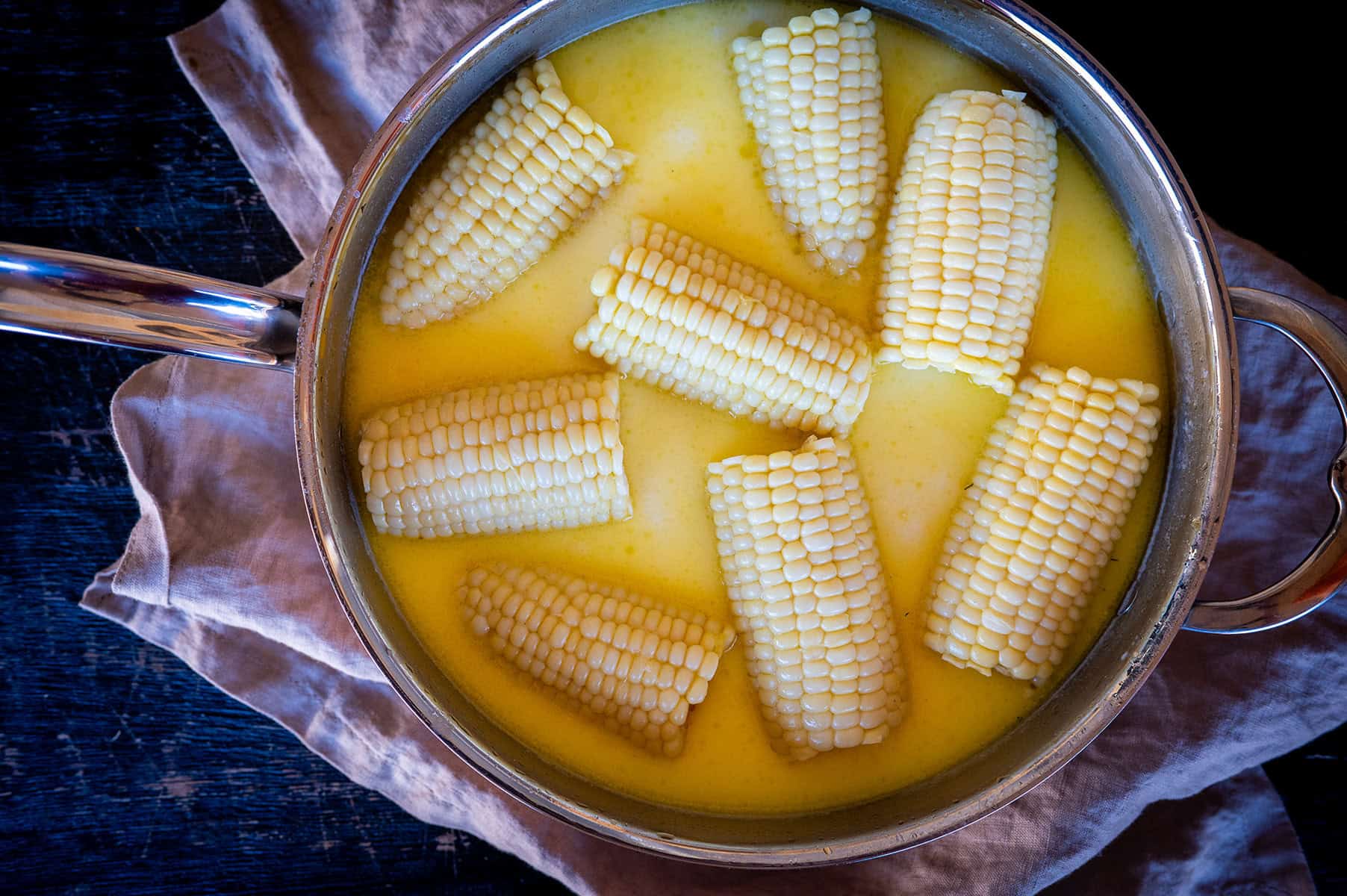
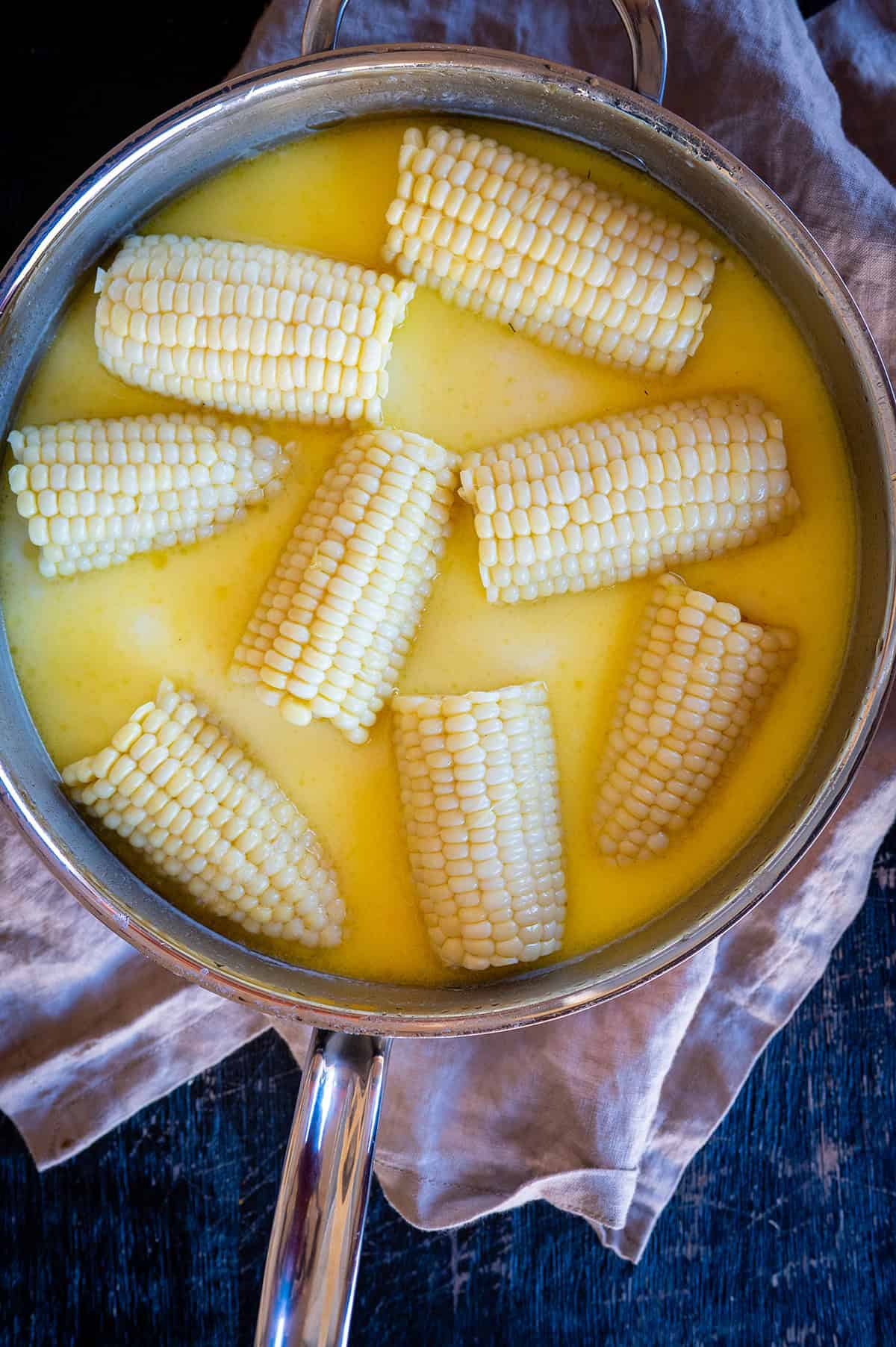
Corn poached in milk is fundamentally corn on the cob cooked in a meticulously prepared liquid. This mixture typically comprises milk, butter, sugar, and salt, replacing the conventional water-based cooking medium. As the corn cooks, the dairy and sugar components gently coat each kernel, imparting a sweetness and richness that far surpasses that achieved through a standard boil. The distinction lies in the cooking process itself. A gentle poach maintains a low simmer, a controlled environment that is crucial for preventing the milk from curdling or scorching. This controlled heat allows the corn to gradually absorb the flavorful liquid without becoming tough or losing its delicate texture.
Recipe for Elevated Corn: A Detailed Guide
The following outlines the essential components and steps for preparing corn poached in milk, a method that promises a more delectable corn experience.

Ingredients:
The core ingredients for this recipe are as follows:
- Fresh corn on the cob, husked and cleaned
- Whole milk
- Butter
- Granulated sugar
- Salt
Substitutions and Variations:
For an even richer flavor profile, whole milk can be substituted with half-and-half. Those who prefer a less sweet corn may reduce the sugar content by half. If using frozen corn, it is imperative that it is fully thawed before being introduced to the poaching liquid to ensure even cooking.
Equipment:
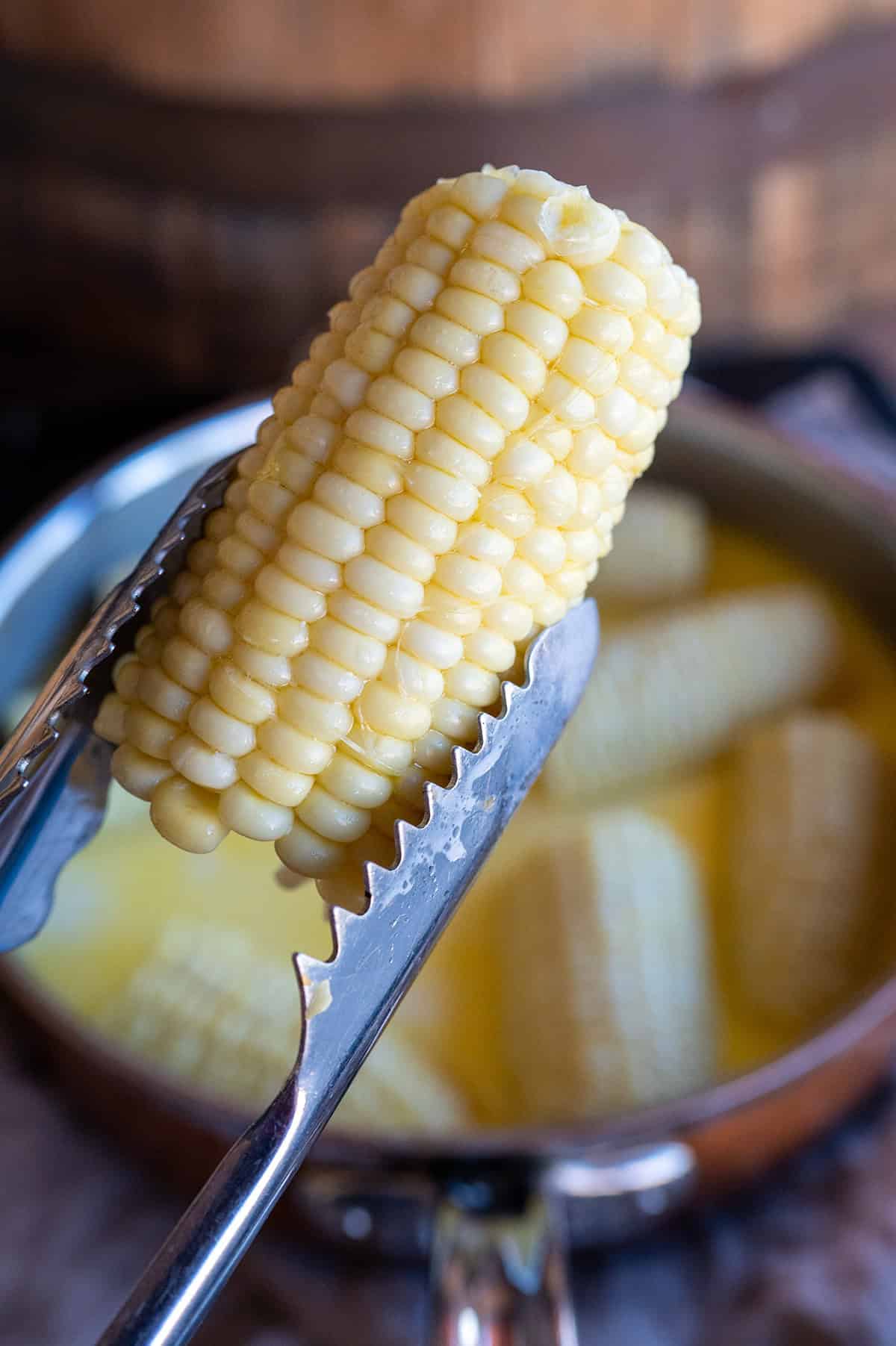
A large, high-walled skillet or a sauté pan is ideal for this preparation, providing ample space for the corn and poaching liquid on the stovetop.
Step-by-Step Preparation:
-
Heating the Poaching Liquid: Begin by combining the milk, water, butter, sugar, and salt in the chosen skillet or pan. Place over medium-low heat. Stir the mixture occasionally until the butter has fully melted and the sugar has dissolved completely. It is crucial to maintain a medium-low heat to prevent the milk from reaching a rolling boil, which could lead to scorching or curdling.
-
Poaching the Corn: Once the poaching liquid is prepared, add the husked corn to the skillet. Reduce the heat to low, cover the pan, and allow the corn to poach for approximately 20 to 30 minutes. To ensure even cooking and flavor distribution, turn the corn occasionally. It is important to note that the liquid may not fully cover the corn, which is typical for this method.
Serving Suggestions:
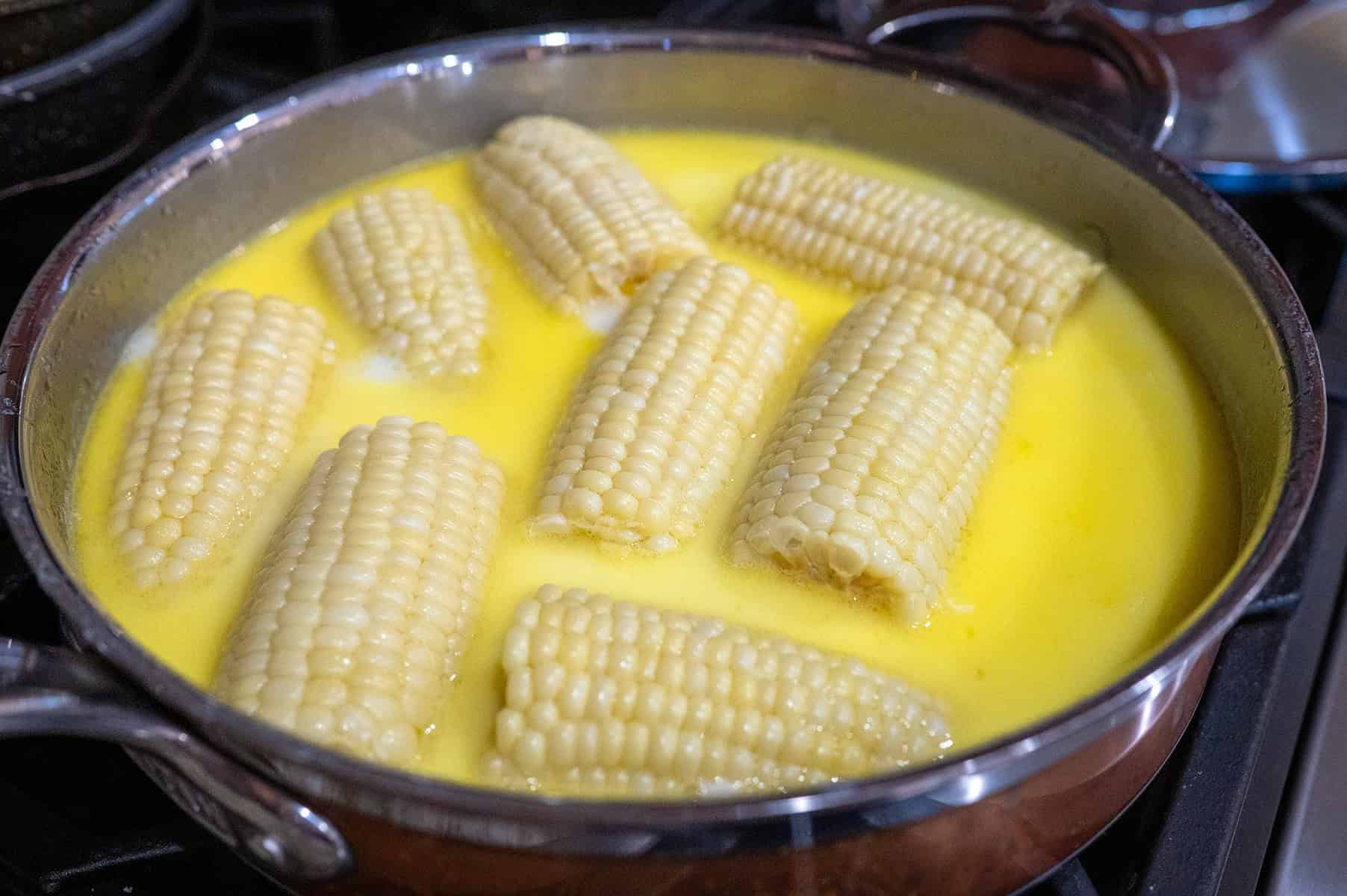
Upon completion of the poaching process, carefully remove the corn from the liquid and serve it warm. A light sprinkle of flaky salt can further enhance the flavors. This milk-poached corn serves as an excellent accompaniment to grilled or smoked meats, offering a sweet and tender contrast.
For those seeking to introduce a smoky dimension to the dish, a quick char on the grill can be achieved by brushing the poached corn with some of the poaching liquid and grilling over high heat for a few minutes.
Storage Recommendations:
Leftover milk-poached corn can be stored in an airtight container in the refrigerator for up to four days. It is advisable to discard the poaching liquid rather than storing the corn in it. To reheat, the corn can be gently warmed in a skillet with a small amount of butter or in the microwave until heated through.
Nutritional Information:
The estimated nutritional breakdown for a serving of this milk-poached corn is approximately 150 calories, 17g carbohydrates, 4g protein, and 8g fat, including 5g of saturated fat. It also provides small amounts of fiber, vitamins, and minerals. These figures are approximations and can vary based on specific ingredient quantities and brands used.
Addressing Common Queries: The FAQs of Milk-Poached Corn
A series of frequently asked questions often arise concerning the preparation and benefits of poaching corn in milk.
-
Why poach corn instead of boiling it?
Poaching offers a gentler cooking method than boiling. This controlled heat allows the corn to absorb the milk, butter, and sugar more effectively, resulting in a sweeter and more buttery flavor profile for each kernel. -
Can frozen corn on the cob be used?
Yes, frozen corn on the cob can be utilized, provided it is completely thawed before being added to the poaching liquid. This ensures uniform cooking.
-
What is the advantage of poaching corn in milk over boiling in water?
The milk, butter, and sugar in the poaching liquid create a rich coating around the corn kernels as they cook. This process enhances both the sweetness and tenderness of the corn, surpassing the results of a plain water boil. -
Is it possible to prepare this dish in advance?
While this dish is best enjoyed fresh, it can be prepared ahead of time. The corn can be poached in advance and then reheated before serving, either in the microwave or on the grill. -
How does one make corn on the cob boiled in milk?
While boiling corn on the cob in water is a standard practice, boiling it directly in milk is not recommended due to the risk of curdling or scorching. Instead, the corn should be poached in milk over a lower heat setting to achieve the desired results without compromising the milk’s integrity.
Broader Culinary Context and Implications
The technique of milk poaching corn represents a deliberate departure from conventional cooking methods, driven by a desire for enhanced flavor and texture. In a culinary landscape that increasingly values ingredient transformation and nuanced flavor development, this method stands out. It highlights how simple adjustments to cooking temperature and liquid composition can yield significantly different and more desirable outcomes. The practice aligns with a broader culinary trend of revisiting and refining traditional techniques to achieve superior results, moving beyond mere sustenance to a more sophisticated gastronomic experience. This elevated approach to corn preparation underscores the principle that even the most common ingredients can be elevated through thoughtful culinary intervention, offering a richer, more satisfying dining experience.


