
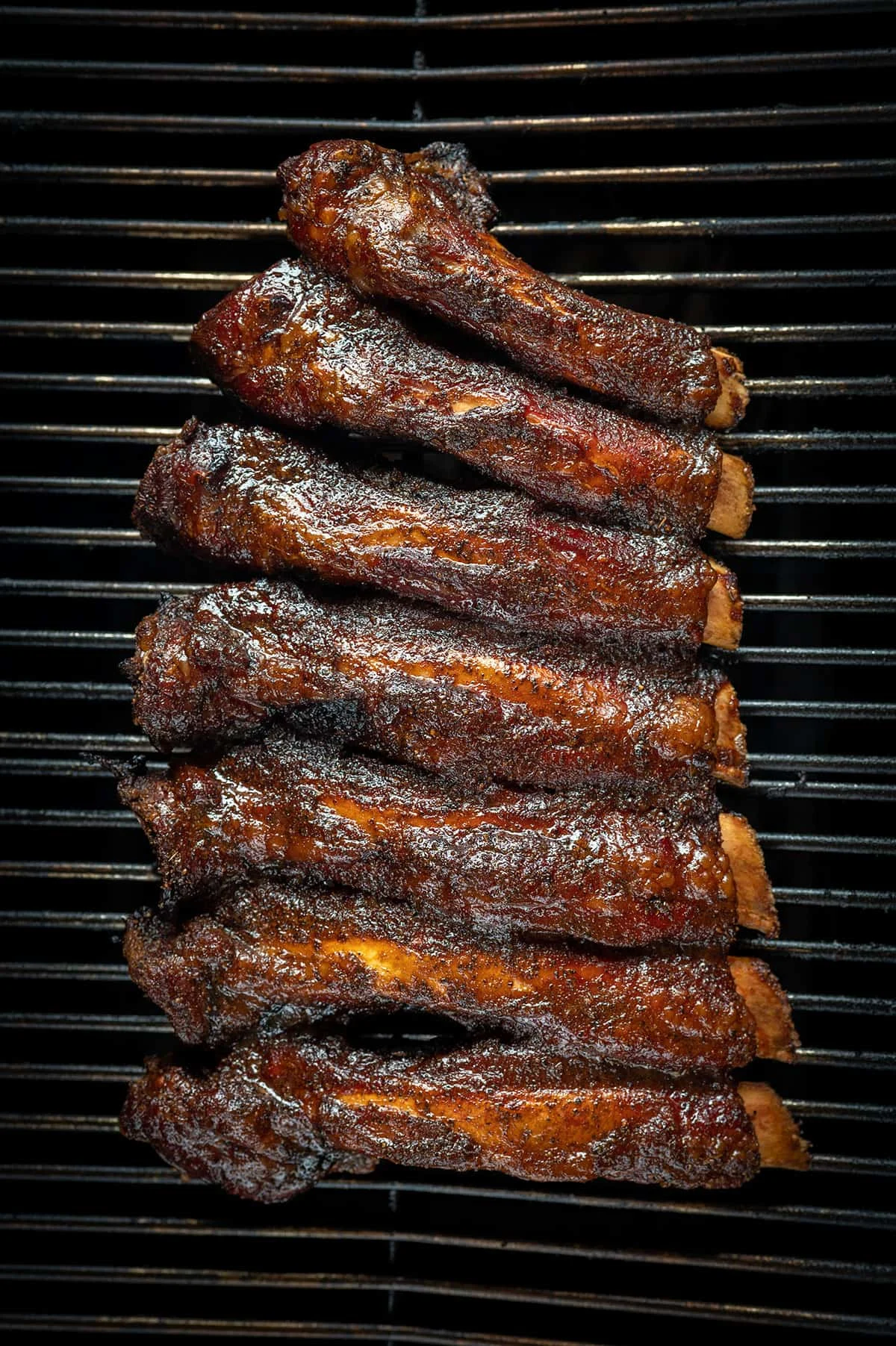
Beef back ribs, often overlooked in favor of their more opulent counterparts like short ribs or plate ribs, present a compelling opportunity for pitmasters and home cooks seeking robust beefy flavor without a hefty price tag. These cuts, derived from the rib primal section near the coveted ribeye steaks, offer a unique texture and taste profile that, with the right approach, can rival more expensive options. While they may carry less meat per bone compared to short ribs, the intense flavor packed between the bones makes them a budget-friendly champion for any grilling or smoking enthusiast, particularly as barbecue season approaches and gatherings become more frequent.

Understanding Beef Back Ribs: A Cost-Effective Choice
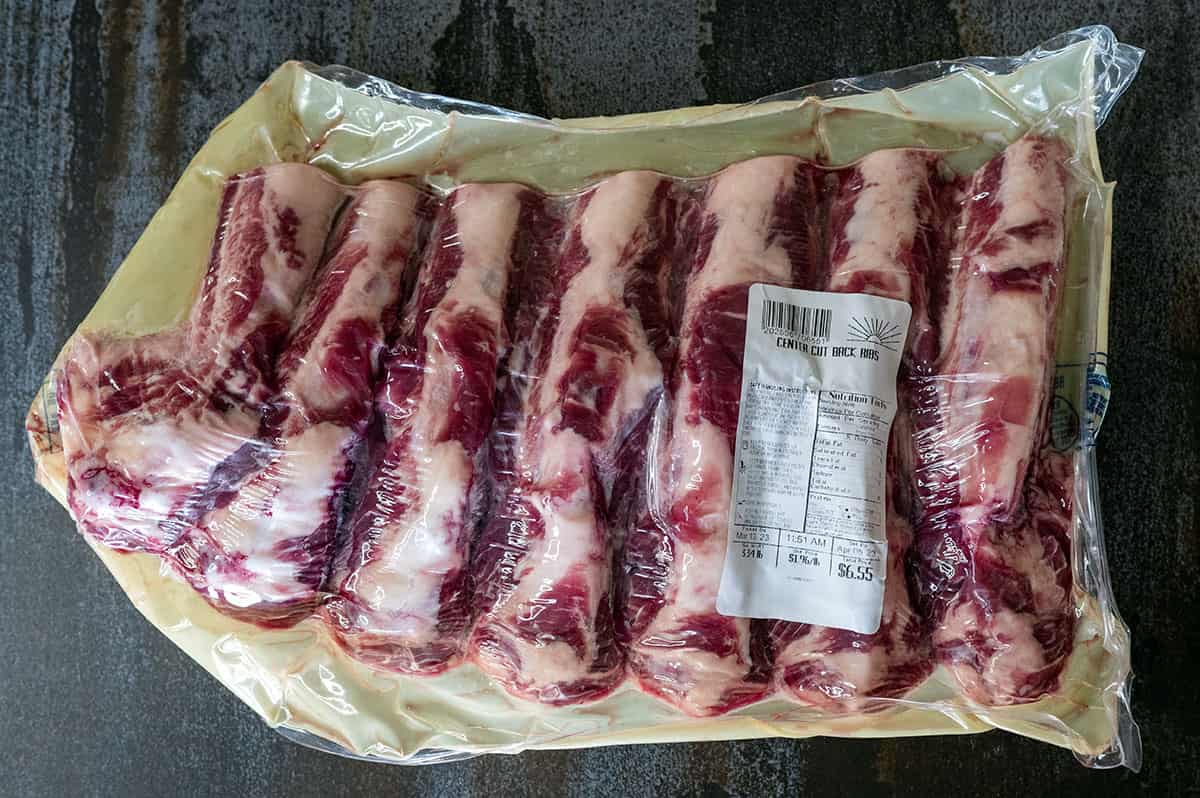
Beef back ribs are characterized by their smaller size and the distribution of meat, which is primarily intercostal – situated between the ribs. A typical rack of beef back ribs weighs between 3 to 5 pounds. Historically, the cost per pound for these ribs has been significantly lower than other beef rib cuts. For instance, in 2023, prices were noted to be less than $2 per pound, a stark contrast to the often higher market value of prime beef rib selections. This economic advantage, coupled with their inherent beefy essence, positions them as an ideal candidate for large-scale events like football season tailgates or weekend barbecues where cost-effectiveness is a key consideration.
The Versatility of Smoking Methods
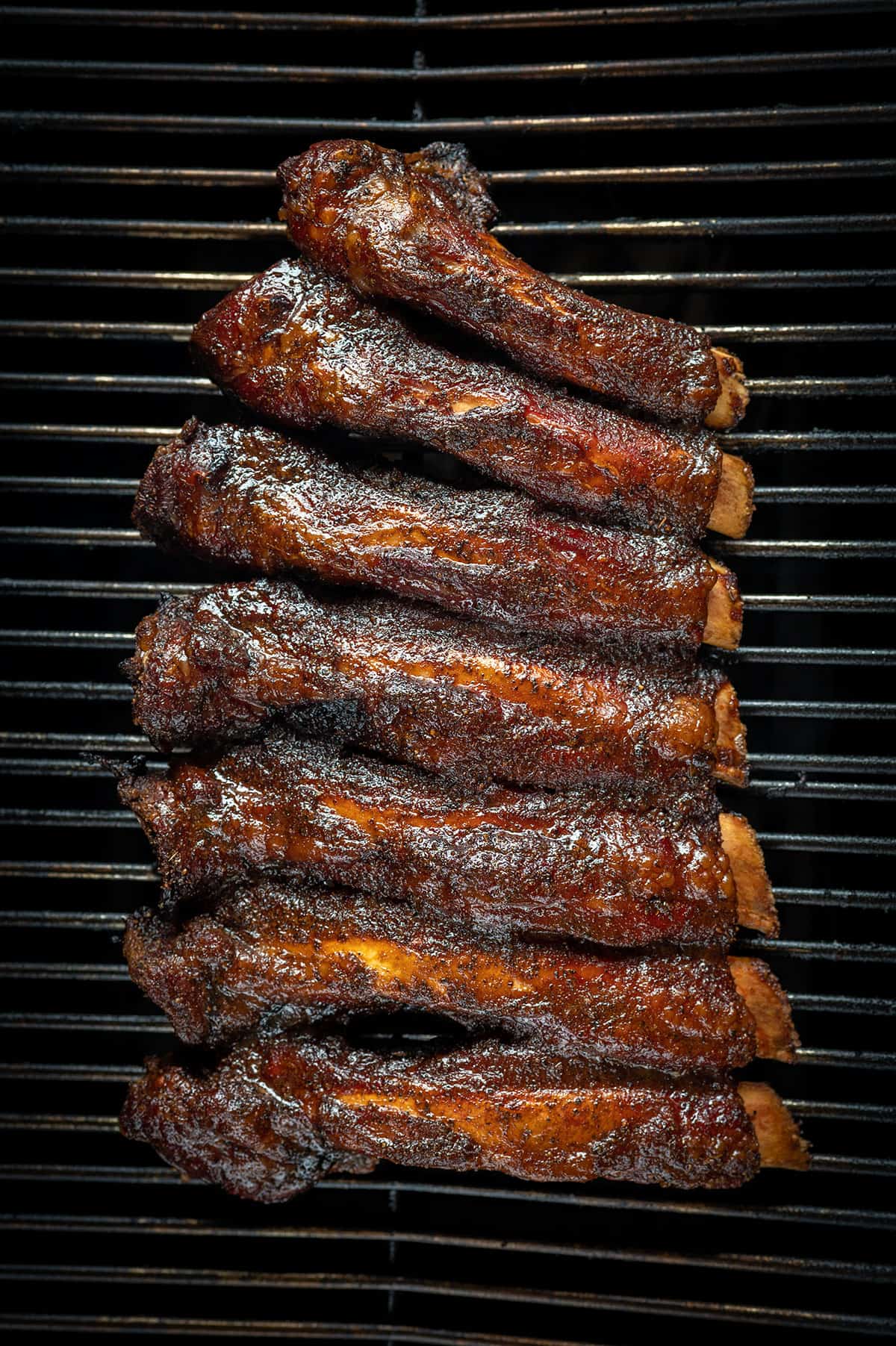
The method for smoking beef back ribs has been tested and validated across a spectrum of popular grilling apparatuses, demonstrating its adaptability and reliability. Whether employing a traditional charcoal grill, a convenient gas grill, a modern pellet grill, or even specialized units like the Ninja Woodfire Grill, the fundamental principles of achieving maximum flavor from this economical cut remain consistent. This broad applicability ensures that home cooks can achieve professional-grade results regardless of their preferred cooking equipment.
Preparing for the Smoke: The Crucial First Steps
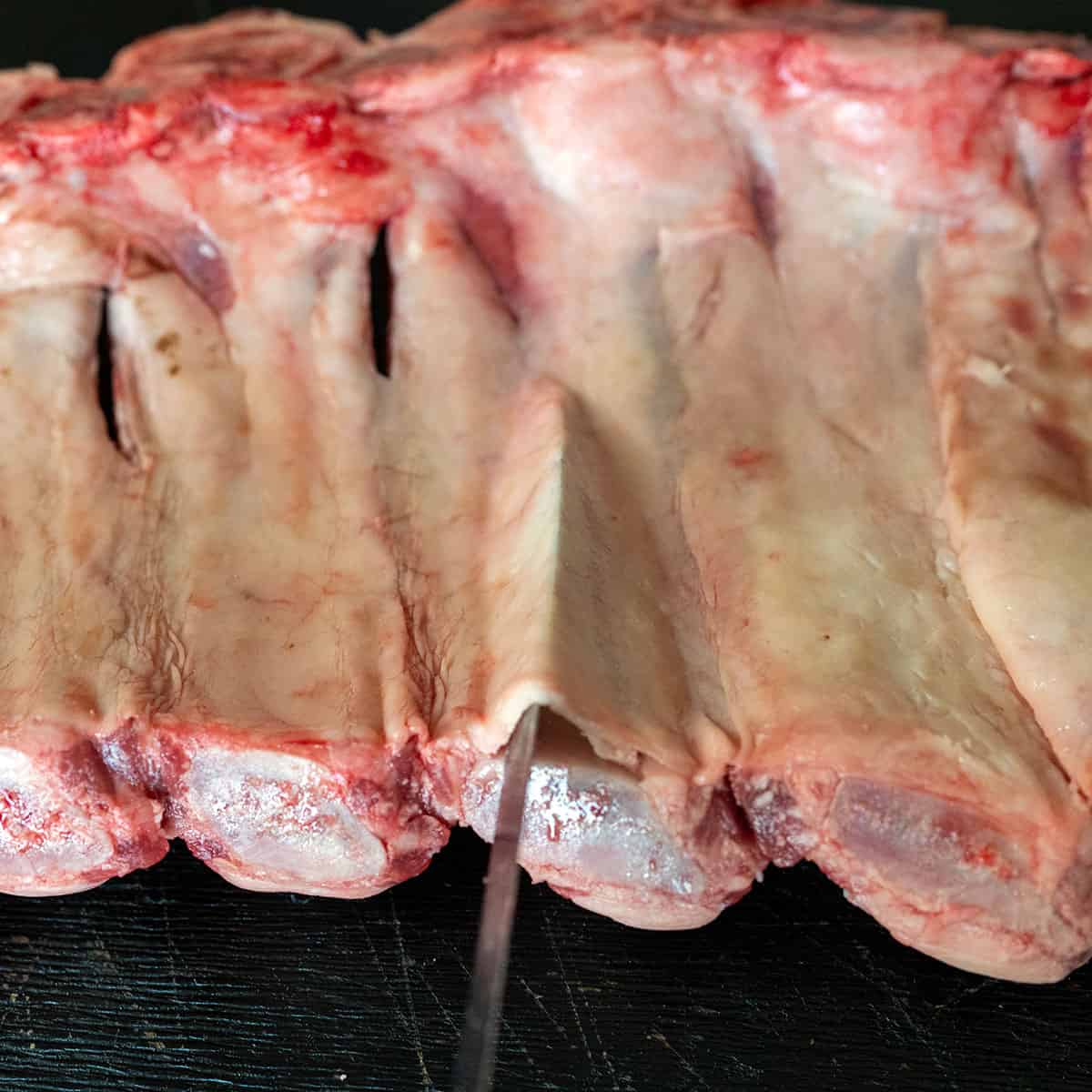
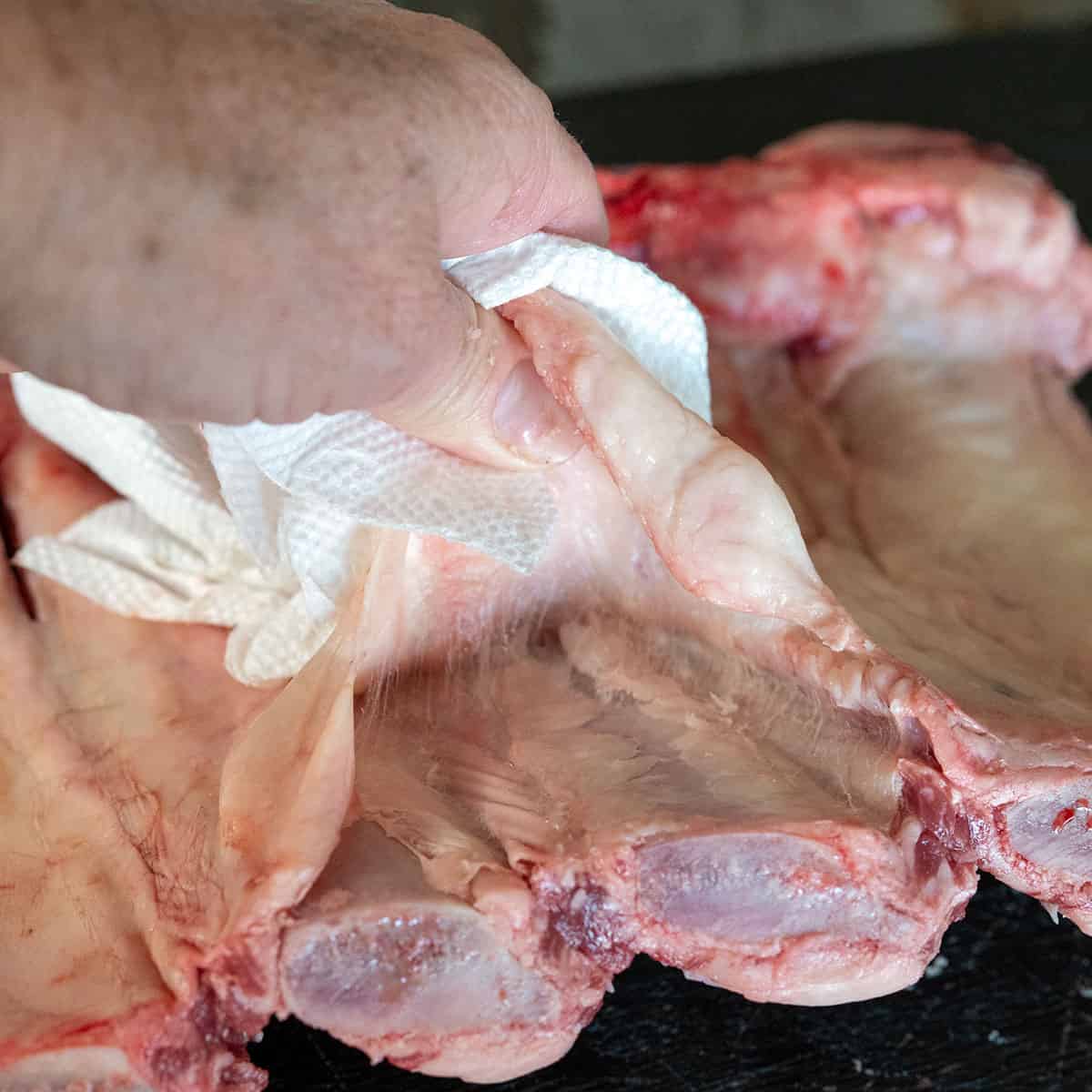
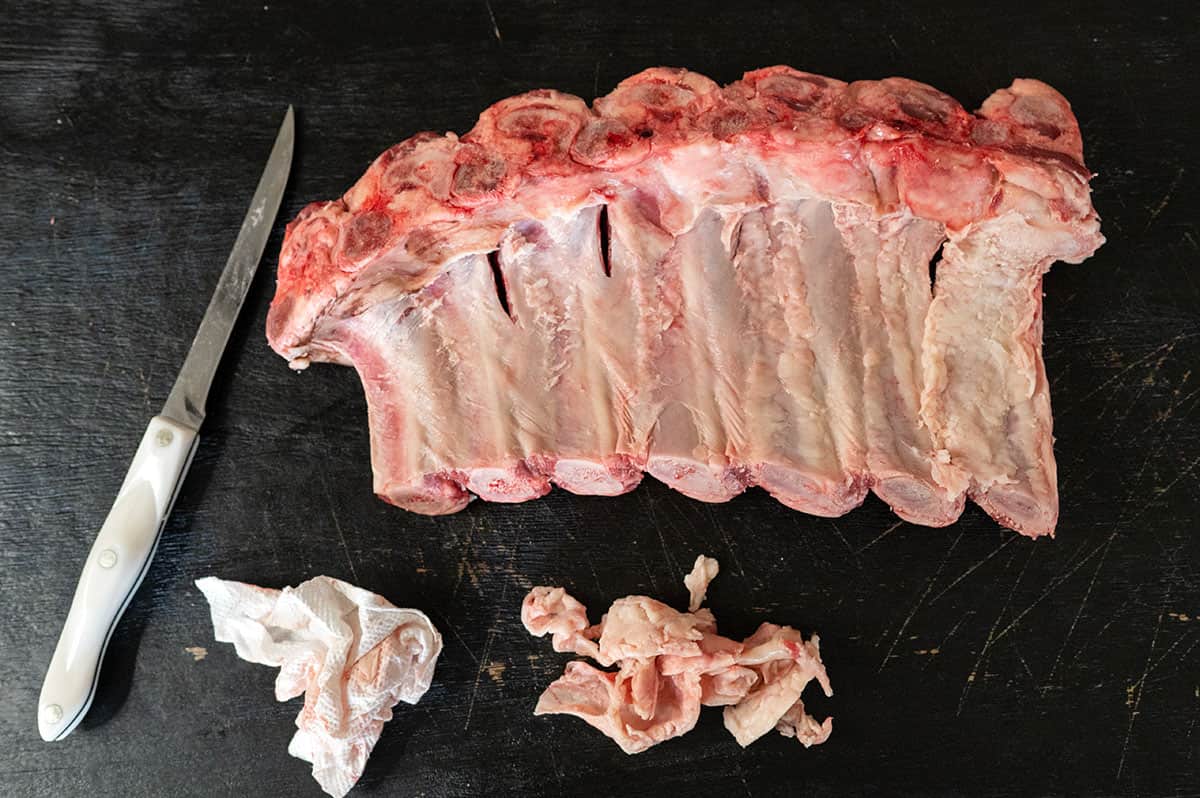
The preparation of beef back ribs begins with a critical step: removing the membrane. Similar to the process for pork baby back ribs, the thin, papery membrane on the bone side of the beef ribs should be carefully peeled away. This is typically accomplished by sliding a thin knife, such as a butter knife or fillet knife, under the membrane to lift it. Once a section is lifted, a paper towel can provide the necessary grip to pull the membrane off cleanly. This step is essential as it allows for better penetration of rubs and smoke, ultimately contributing to a more tender and flavorful final product.
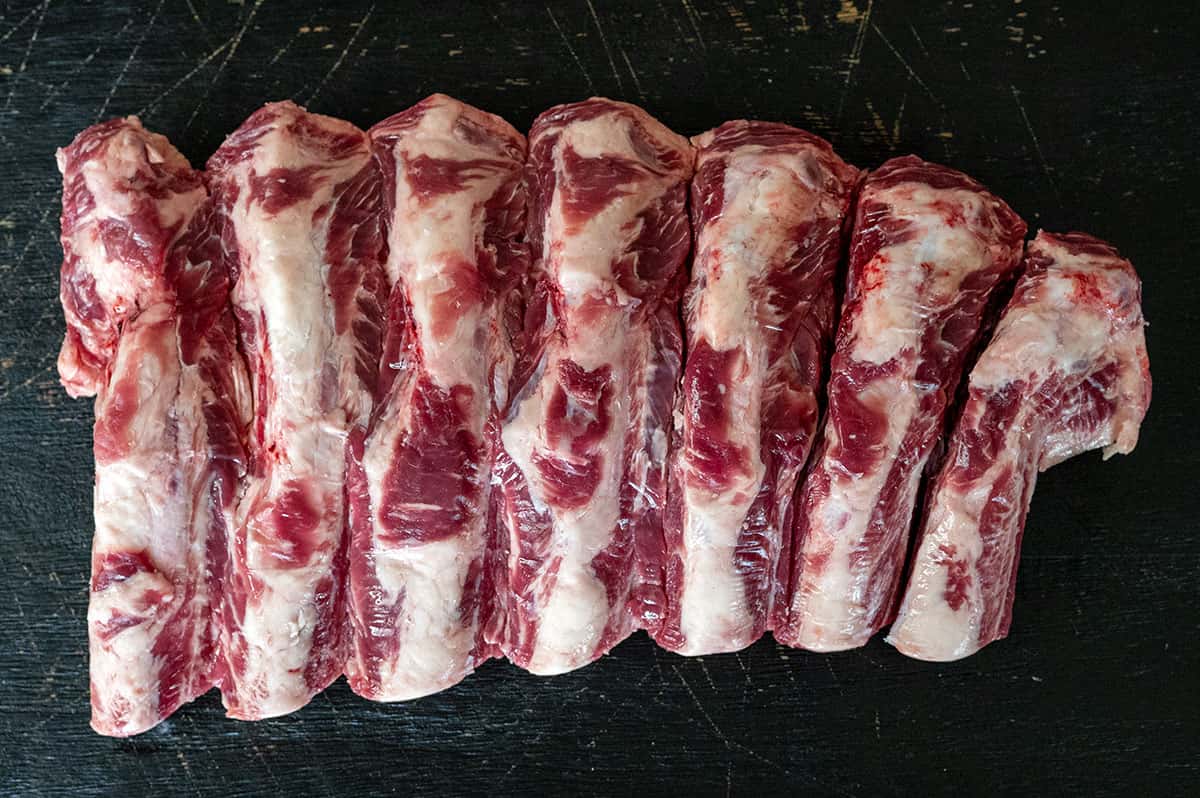
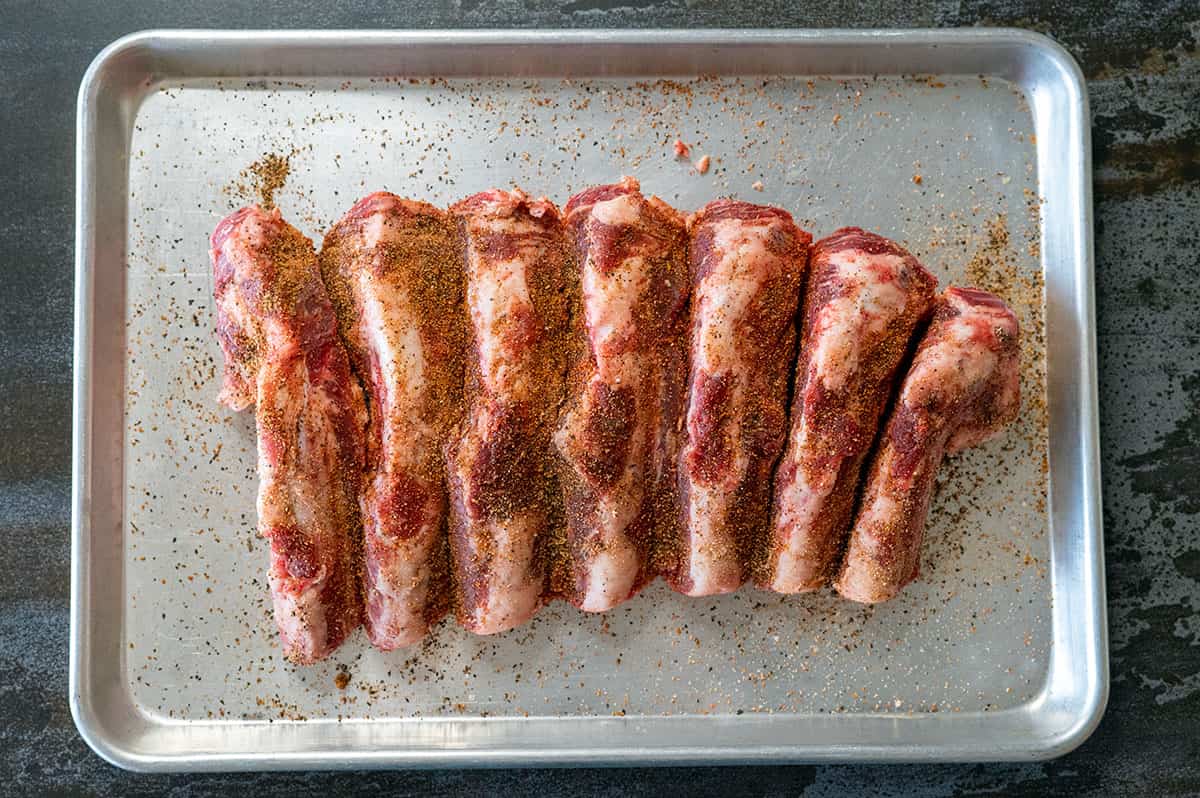
Following the membrane removal, the ribs are ready for seasoning. A generous application of a well-crafted beef rub is paramount. While a commercial brisket rub is often recommended for its complementary flavor profile, a simple yet effective blend of equal parts kosher salt, coarse-ground black pepper, and granulated garlic also yields excellent results. For an even deeper infusion of flavor, the seasoned ribs can be prepared the night before smoking and refrigerated, allowing the rub to penetrate the meat more thoroughly.
The Smoking Process: Building Flavor and Tenderness
The smoking process itself is initiated by preheating the smoker to a consistent temperature of 275°F (135°C) with an indirect heat zone. This temperature is crucial as it allows the rub to adhere and develop a beautiful bark while simultaneously rendering the connective tissues and fat, leading to tender, succulent meat without drying out the thinner sections.
- Charcoal Grill: For charcoal enthusiasts, this involves arranging lit coals to one side of the grill, creating an indirect heat zone where the ribs will be placed over the area without direct flame.
- Gas Grill: On a gas grill, one burner is typically ignited and adjusted to maintain the target temperature. The ribs are then positioned on the side of the grill with the burners turned off. To introduce smoke, wood chips can be placed in a foil pouch and positioned over the active burner.
- Pellet Grill: Pellet grills offer a more straightforward approach, requiring only the temperature to be set to 275°F (135°C). The grill automatically manages the smoke and heat.
- Ninja Woodfire Grill: For users of the Ninja Woodfire Grill, the process involves adding pellets to the smoke box, selecting the "smoke" function, and setting the temperature to 275°F (135°C).
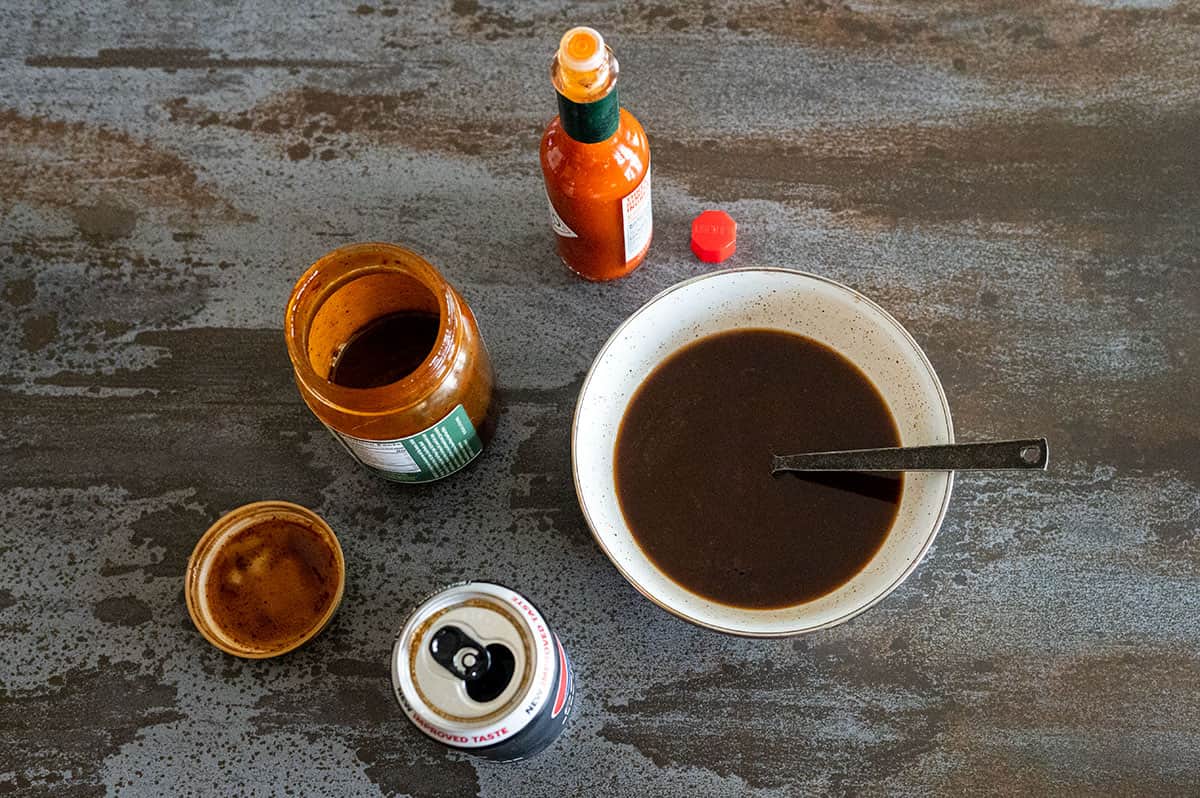
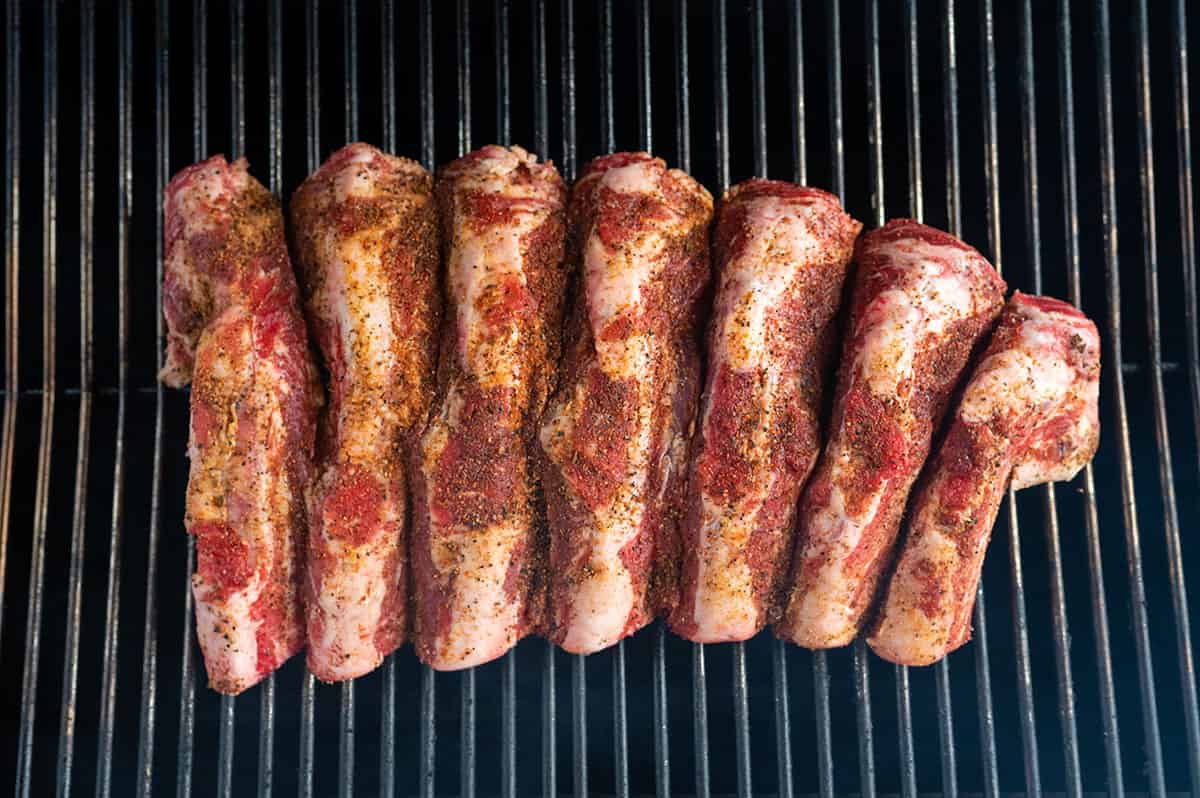
Once the smoker is prepared, the seasoned ribs are placed directly on the grill grates, bone-side down. The smoking duration typically ranges from 2 to 3 hours. During this period, a spritz of a mixture comprising cola and Worcestershire sauce is applied every 30 minutes. This not only helps to keep the ribs moist but also contributes to the development of a rich, caramelized exterior.
Achieving the Perfect Internal Temperature and Glaze
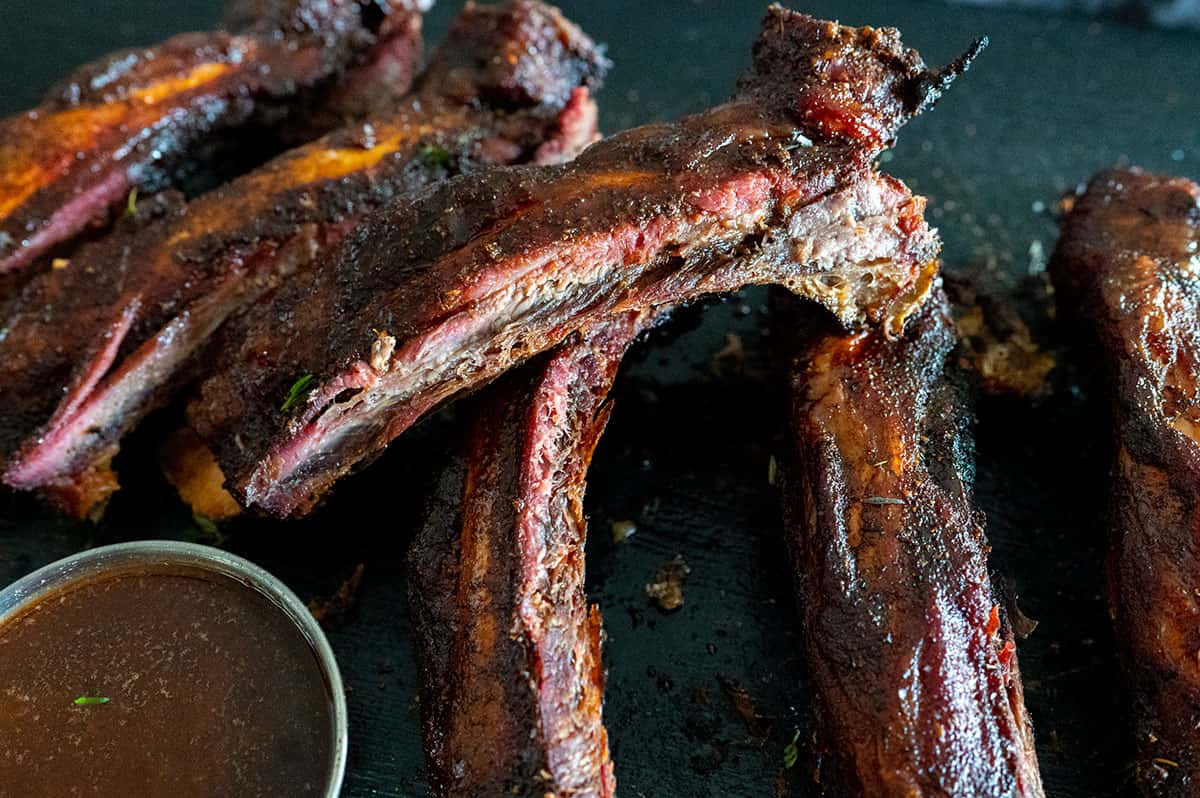
The hallmark of perfectly smoked beef back ribs is their internal temperature. The goal is to reach approximately 205°F (96°C) in the meat between the bones. This temperature indicates that the collagen has broken down, resulting in a melt-in-your-mouth texture. This temperature is best monitored with an instant-read thermometer inserted into the thickest part of the meat, avoiding the bone.
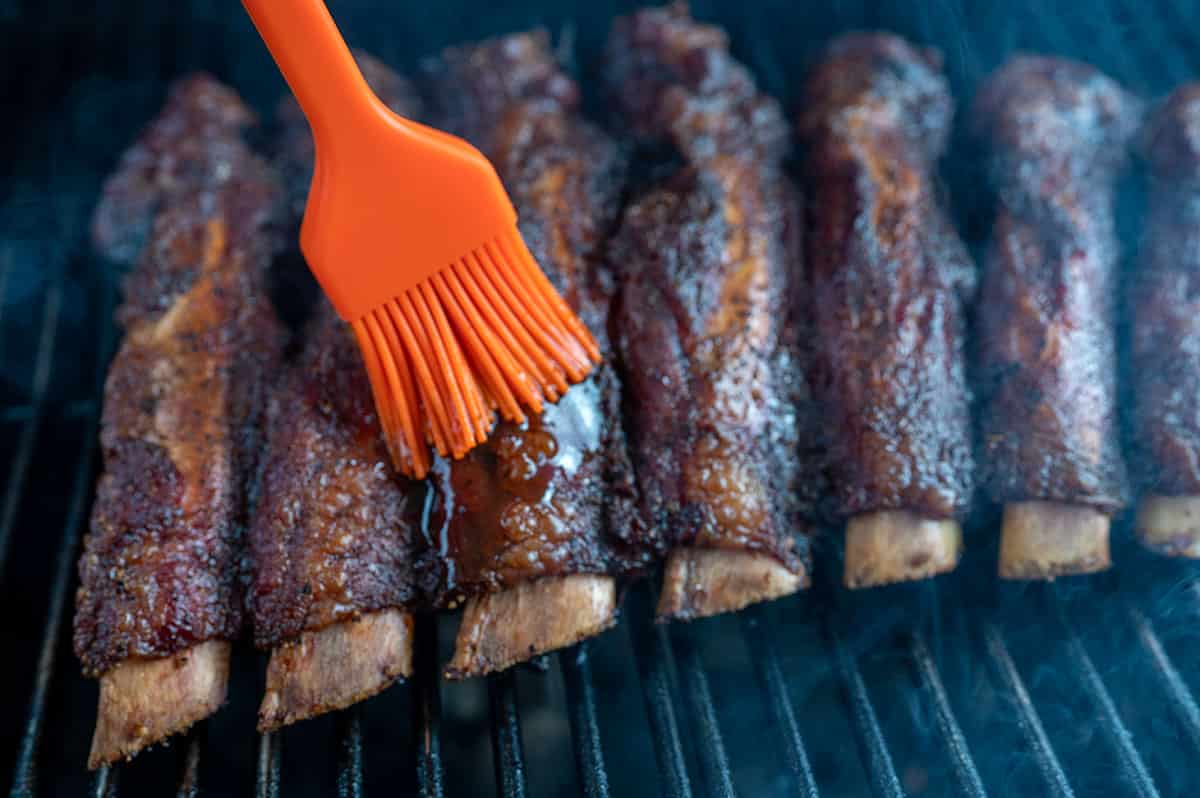
Once the desired internal temperature is achieved, the optional sauce application begins. A glaze made from barbecue sauce, more cola, and a touch of hot sauce is brushed generously over the ribs. This glaze is allowed to set and caramelize for an additional 15 minutes in the smoker. This final step imparts a glossy finish and an extra layer of sweet and tangy flavor.
The Importance of Resting and Serving
As with any smoked meat, a resting period is crucial for allowing the juices to redistribute throughout the ribs. After removing them from the smoker, the beef back ribs should rest for at least 15 minutes before slicing. This ensures that the meat remains moist and flavorful when served.
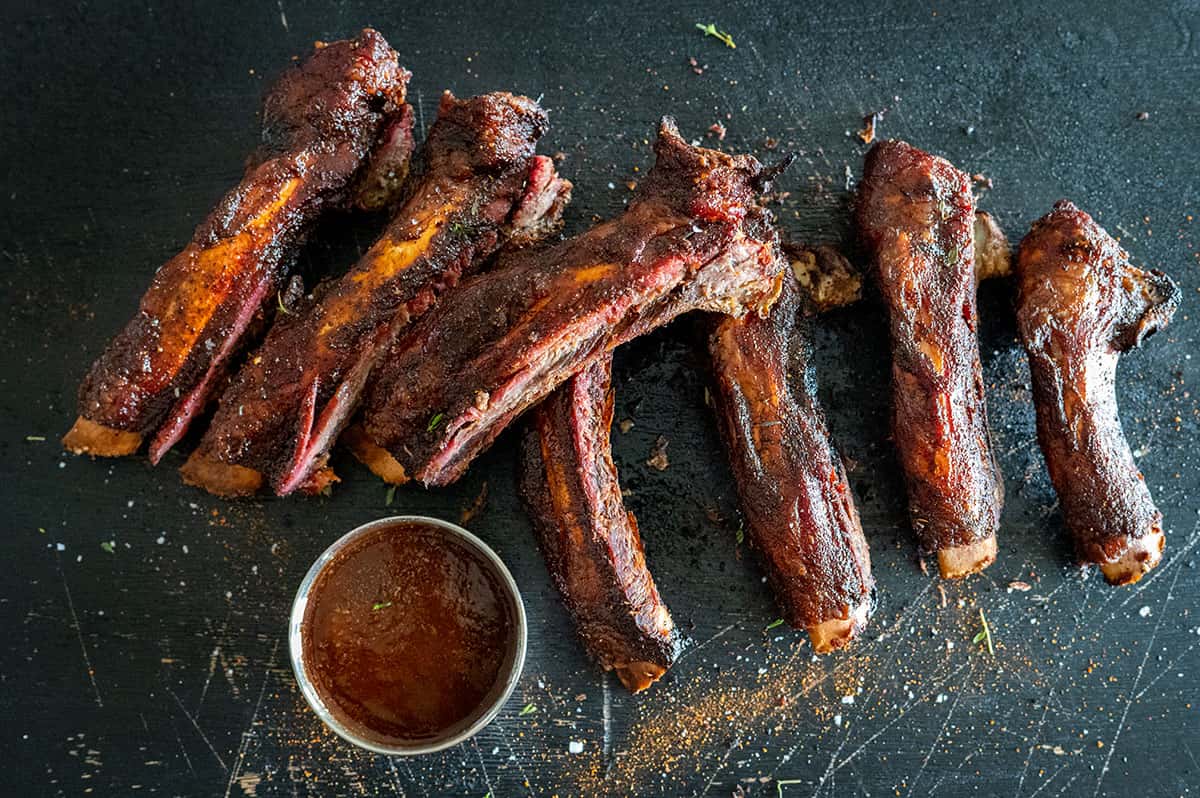
The yield of meat from beef back ribs is modest, with one rack generally serving two people. They are best sliced into individual ribs and served with additional cola barbecue sauce and complementary side dishes.
Storage and Nutritional Considerations
Leftover smoked beef back ribs can be stored in an airtight container in the refrigerator for 3 to 5 days or frozen for up to six months. From a nutritional standpoint, a serving of these ribs is estimated to provide around 677 calories, with significant contributions from protein (34g) and fat (41g), including healthy monounsaturated fats. Carbohydrate content is also notable, largely due to the rub and sauce, at approximately 41g.
Addressing Common Queries: Expert Insights
Several common questions arise regarding the preparation of beef back ribs, highlighting the need for clear guidance:
- Beef Back Ribs vs. Pork Baby Back Ribs: It is essential to distinguish that beef back ribs originate from cattle, while baby back ribs are sourced from pigs. Their flavor profiles and cooking characteristics differ significantly.
- Beef Back Ribs vs. Short Ribs/Plate Ribs: While all are beef ribs, beef back ribs are distinct from short ribs and plate ribs (often referred to as "dino ribs"). Back ribs are generally leaner with meat located between the bones, whereas short and plate ribs tend to have a more substantial cap of meat on top and are often more expensive. Understanding these distinctions is key to selecting the right cut for one’s needs.
- The Necessity of Wrapping: For beef back ribs, wrapping (often termed the "Texas Crutch") is generally considered unnecessary. Their inherent fat content typically ensures sufficient moisture throughout the cooking process. However, individuals who prefer the results of wrapping can still employ butcher paper or aluminum foil.
- Oven Preparation: While smoking imparts a distinct flavor, beef back ribs can be prepared in an oven at 275°F (135°C) on a wire rack over a baking sheet. This method will yield tender ribs but will lack the smoky essence.
- Optimal Smoking Temperature and Time: A smoking temperature of 275°F (135°C) is recommended for beef back ribs. The cooking time is variable, typically ranging from 2 to 3 hours, but should be guided by internal temperature rather than a strict clock, aiming for approximately 205°F (96°C).
- Membrane Removal: As with pork ribs, removing the membrane from the bone side of beef back ribs is a critical step for optimal flavor and texture.
By understanding the unique characteristics of beef back ribs and applying proven smoking techniques, even the most budget-conscious cooks can achieve a deeply flavorful and satisfying barbecue experience.


