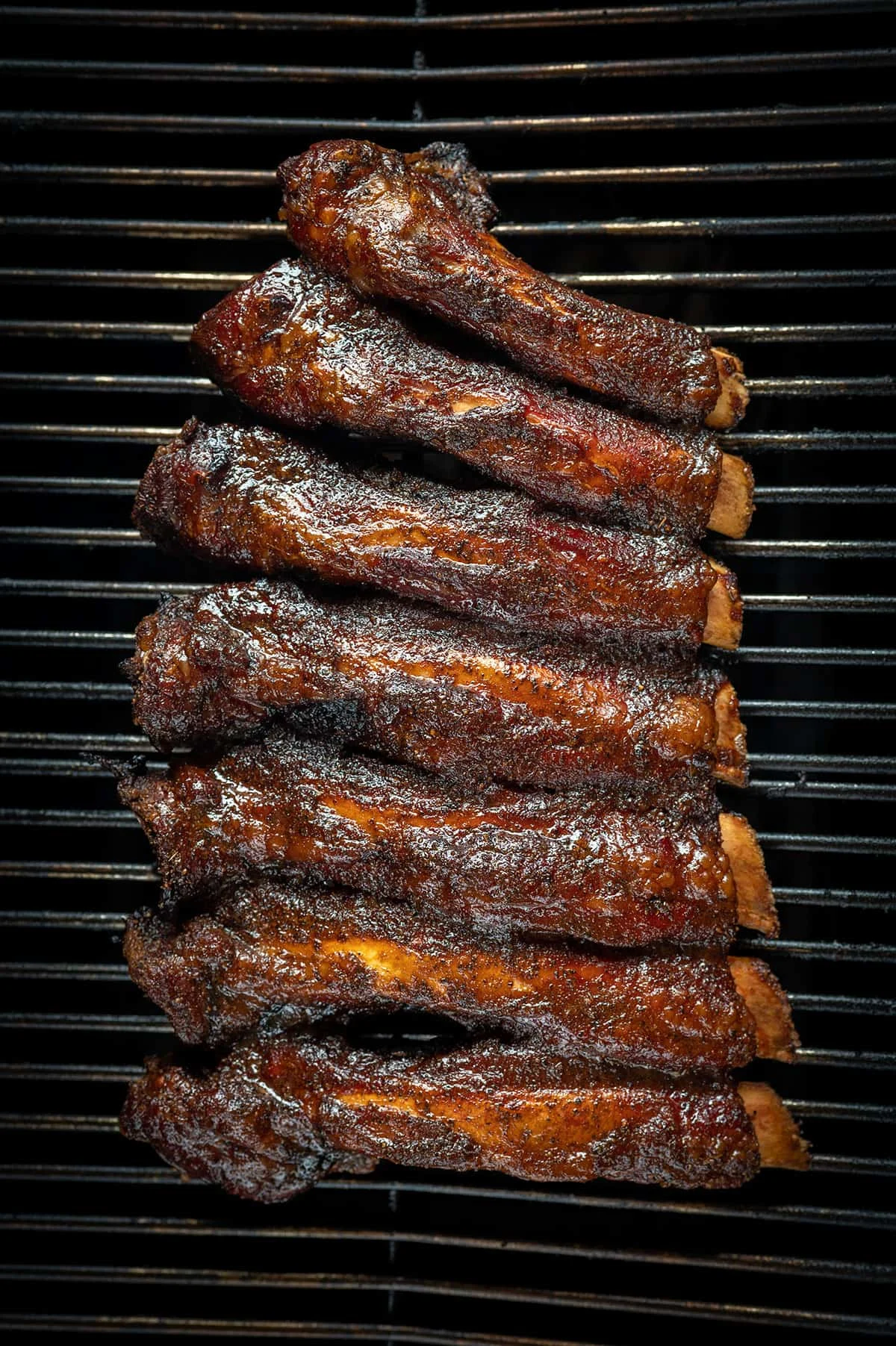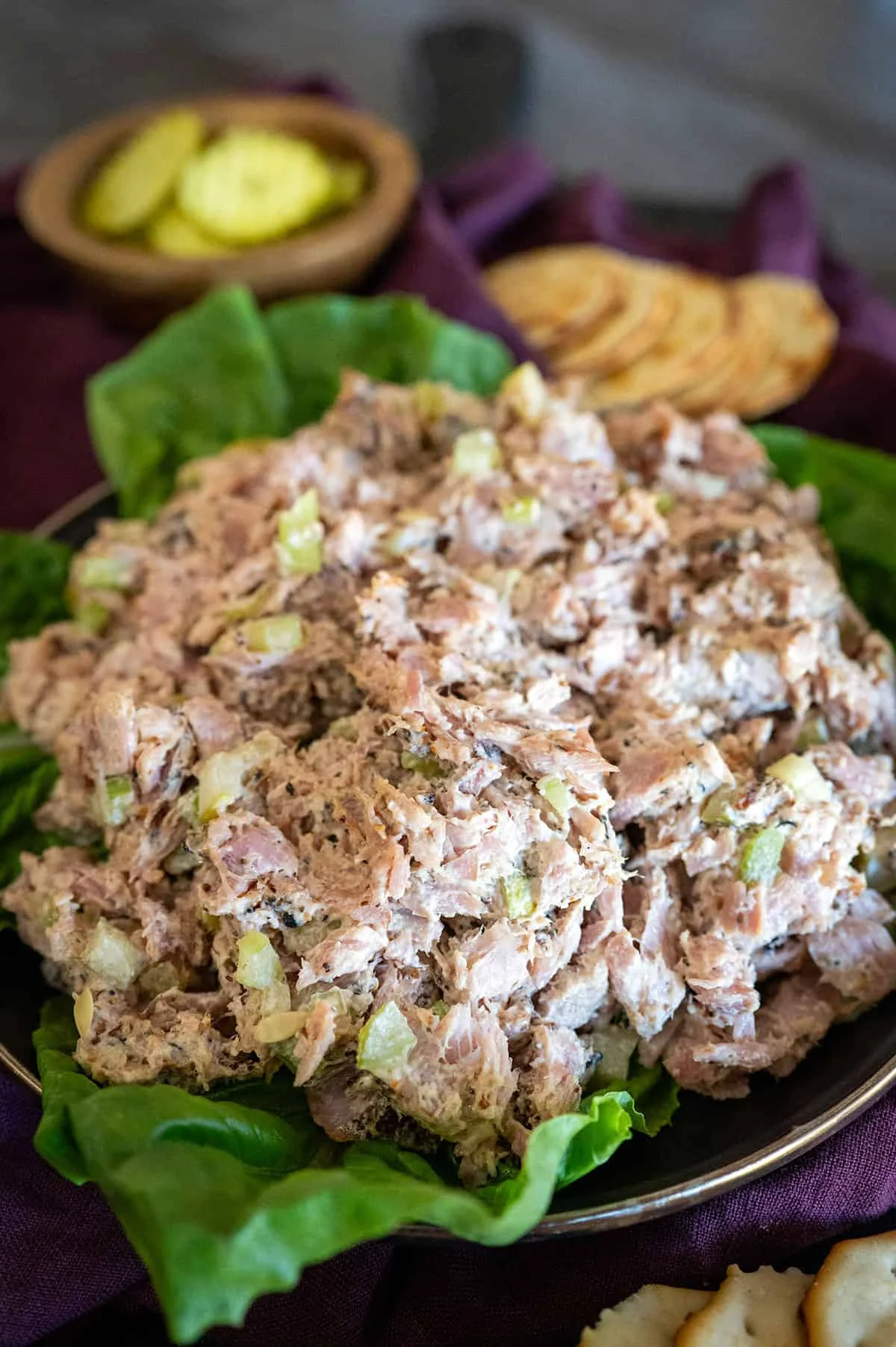
The culinary world is constantly abuzz with innovative twists on beloved classics, and a recent development in the realm of gourmet deli preparations is capturing the attention of food enthusiasts and professional chefs alike. This innovation centers on the creation of "tuna pastrami," a technique that reimagines a traditional cured meat by applying its characteristic brining, seasoning, and cooking methods to fresh tuna steaks. The result is a uniquely flavored seafood product that can be enjoyed on its own or transformed into an elevated tuna salad.
This culinary adaptation stems from the desire to infuse familiar flavors with unexpected ingredients, offering a novel experience for the palate. Traditional pastrami, a heavily spiced and cured beef brisket, is a staple in delis, renowned for its smoky, peppery, and slightly tangy profile. The concept of translating these sensory attributes to a delicate fish like tuna presents a compelling challenge and an exciting opportunity for culinary exploration.
The Process: From Brine to Grill
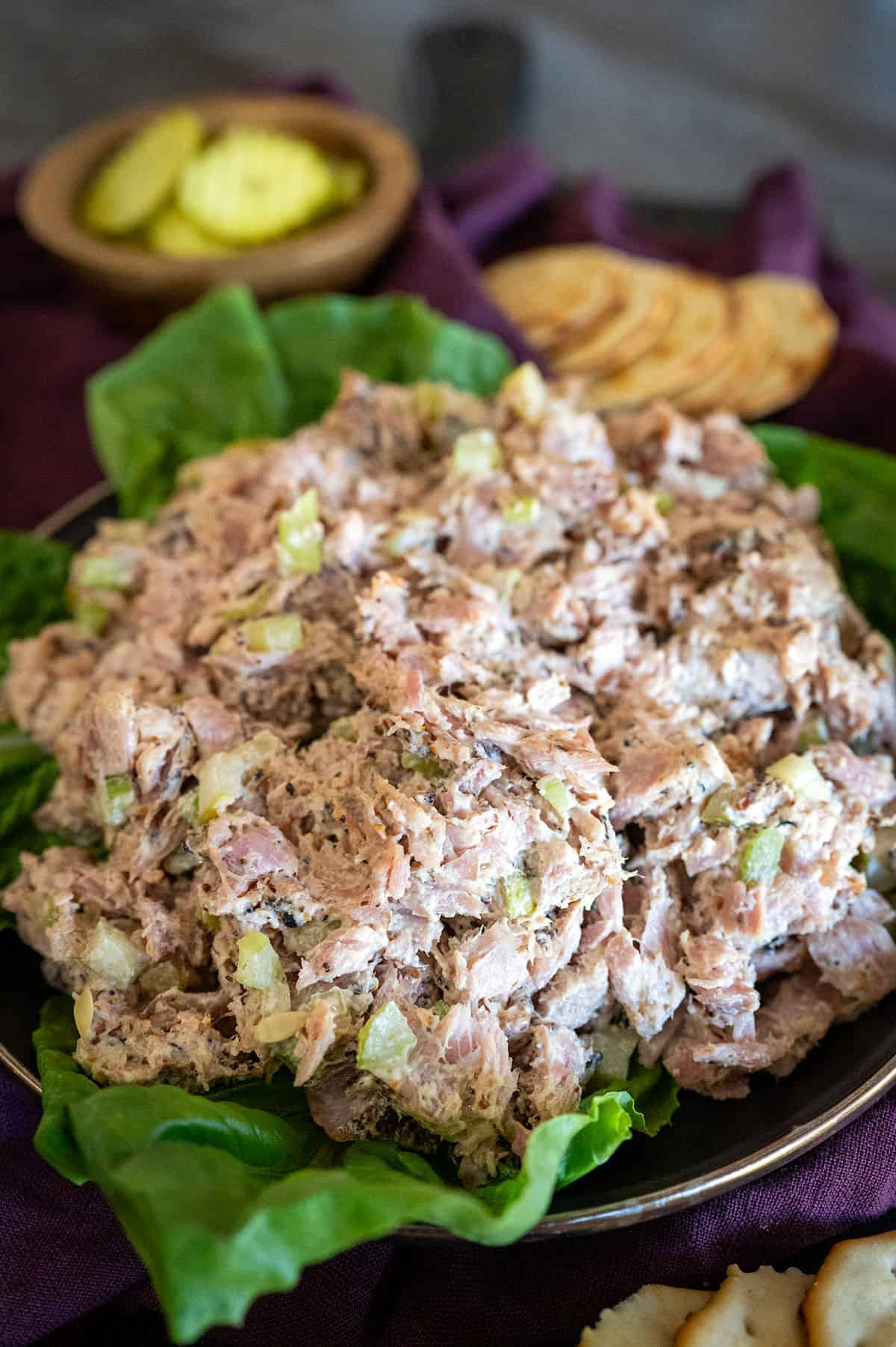
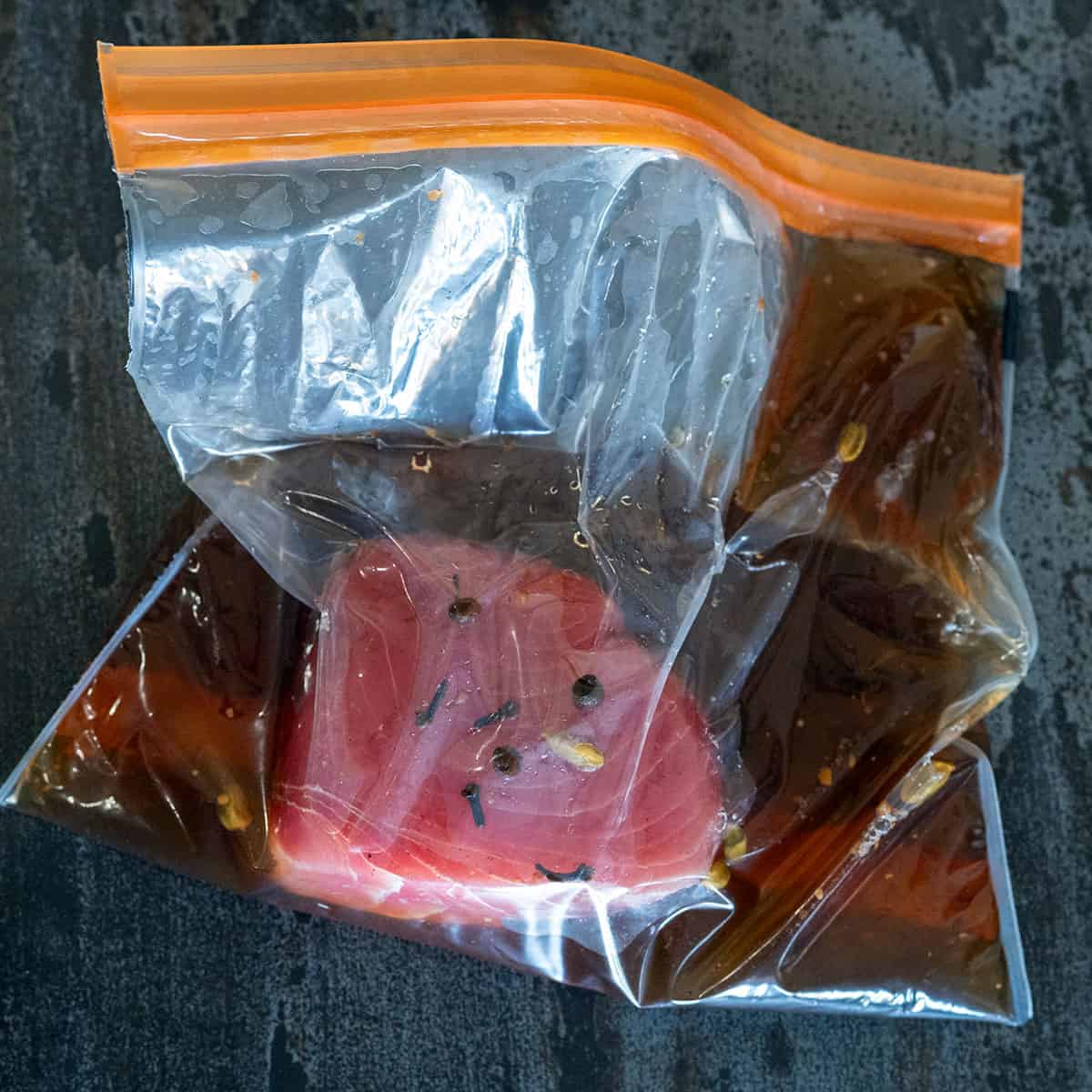
At its core, the creation of tuna pastrami involves a multi-step process that draws inspiration from classic pastrami preparation but is adapted for seafood. The initial phase involves brining fresh tuna steaks. Unlike beef, which requires a longer curing period, tuna’s inherent texture and flavor profile necessitate a more nuanced approach to brining. This step aims to infuse the tuna with the foundational salty and slightly spiced notes that are characteristic of pastrami. The brine typically includes a blend of salt, sugar, and a selection of spices, carefully balanced to penetrate the fish without overwhelming its natural taste.
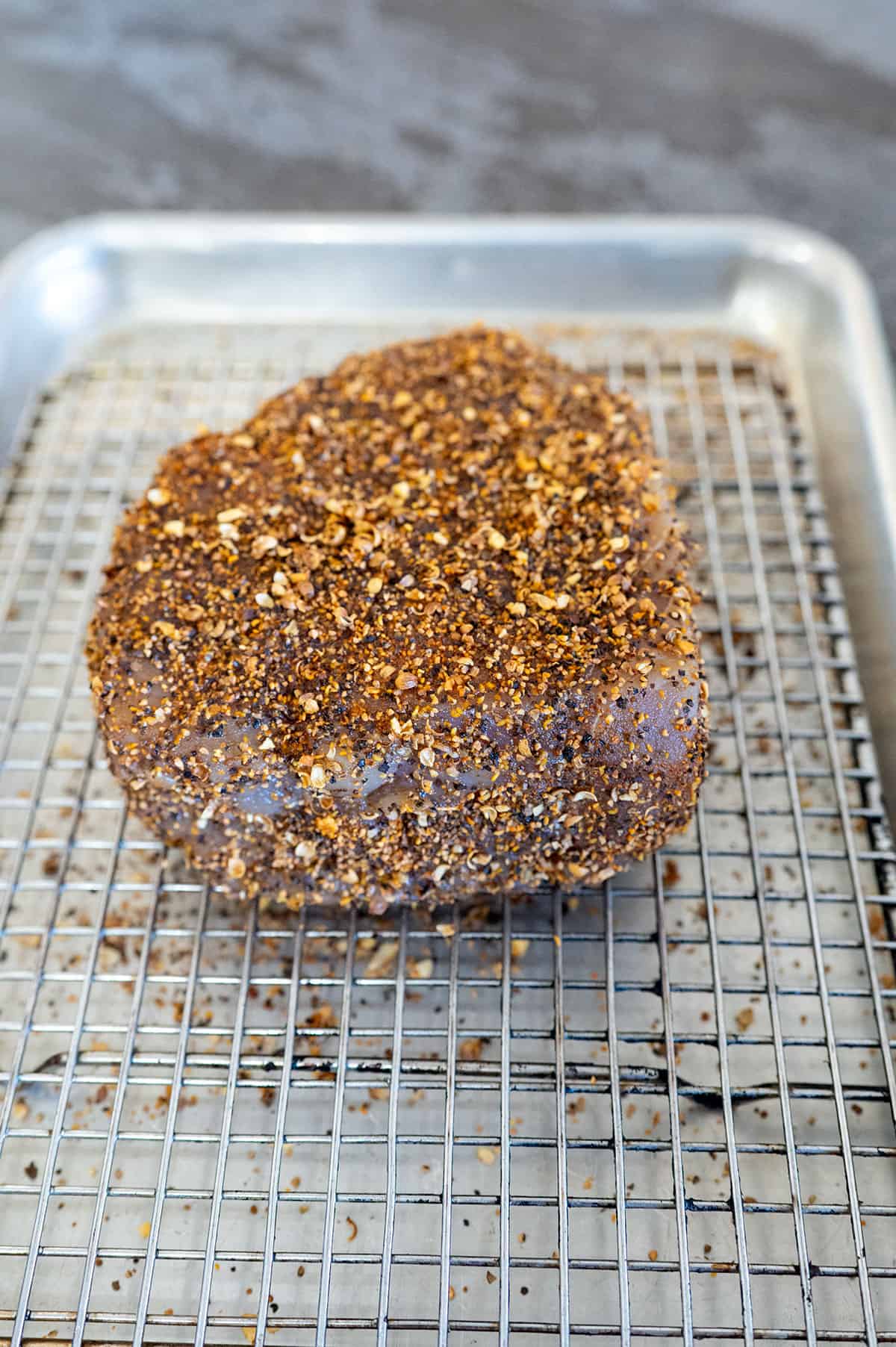
Following the brining period, which is significantly shorter than that for beef brisket, the tuna steaks are removed from the brine and thoroughly rinsed. This is a crucial step to prevent the final product from being overly salty. Once rinsed and patted dry, the tuna steaks are then coated generously with a specialized "Pastrami Rub." This rub is the second key element in imparting the signature pastrami flavor. It typically features a robust combination of black pepper, coriander, paprika, and other aromatics, designed to create a flavorful crust when cooked.

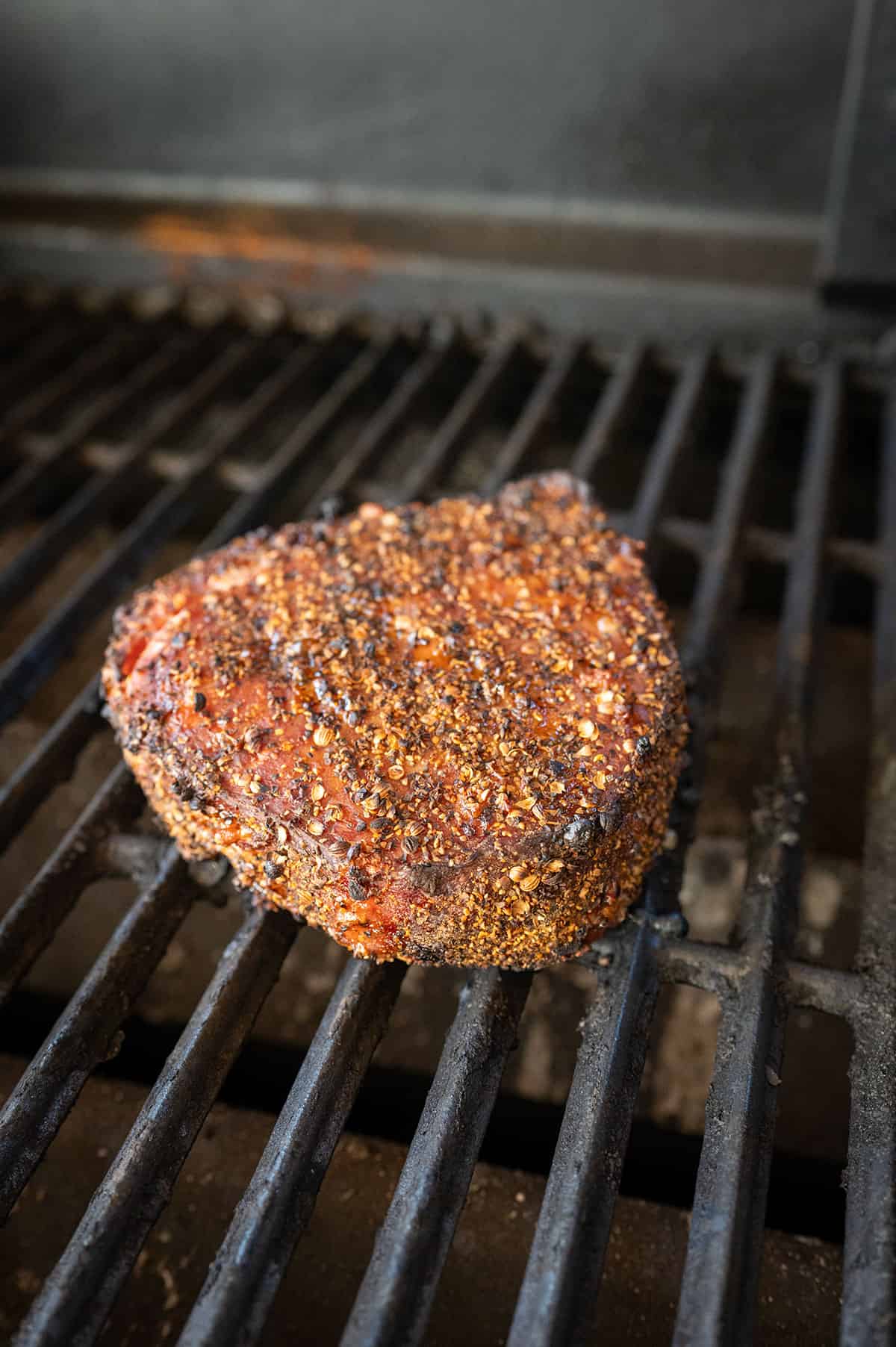
The final stage of preparation involves a high-heat, fast grilling method. The seasoned tuna steaks are seared over medium-high heat on a grill. This rapid cooking process is designed to achieve a desirable sear on the exterior while keeping the interior of the tuna steak moist and tender, ideally cooked to an internal temperature of 145°F (63°C) for optimal texture and safety. This grilling technique not only cooks the tuna but also toasts the spices in the rub, further developing the smoky and peppery notes.
The Transformation into Tuna Salad
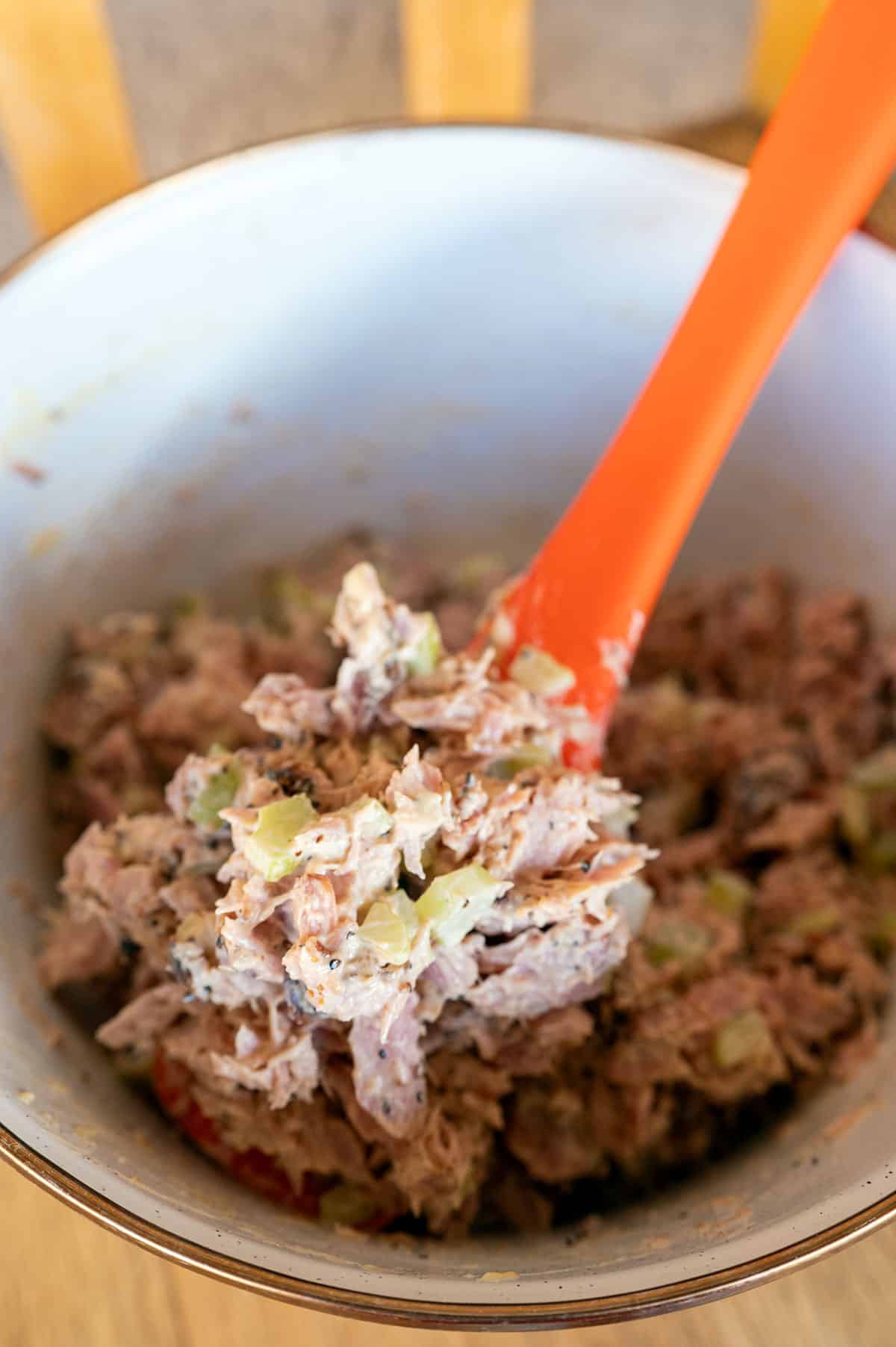
The versatility of tuna pastrami is a significant factor in its growing appeal. Once grilled, the tuna pastrami can be sliced and served as a unique entree, offering a departure from conventional seafood dishes. However, its potential truly shines when it is incorporated into a tuna salad. The inherent flavors of the pastrami rub—smoky, peppery, and subtly tangy—infuse the tuna salad with a complexity and depth of flavor that far surpasses traditional preparations.
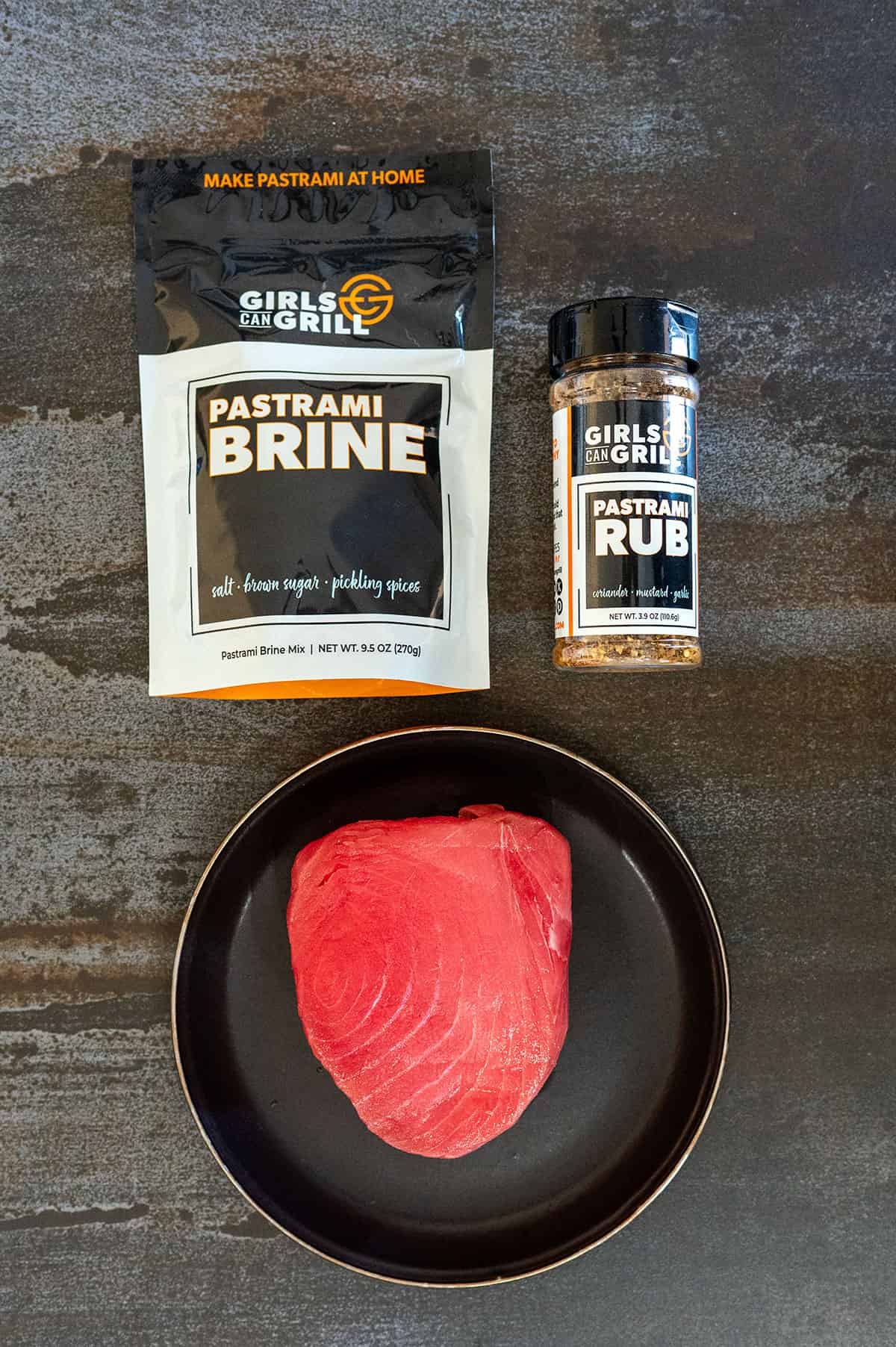
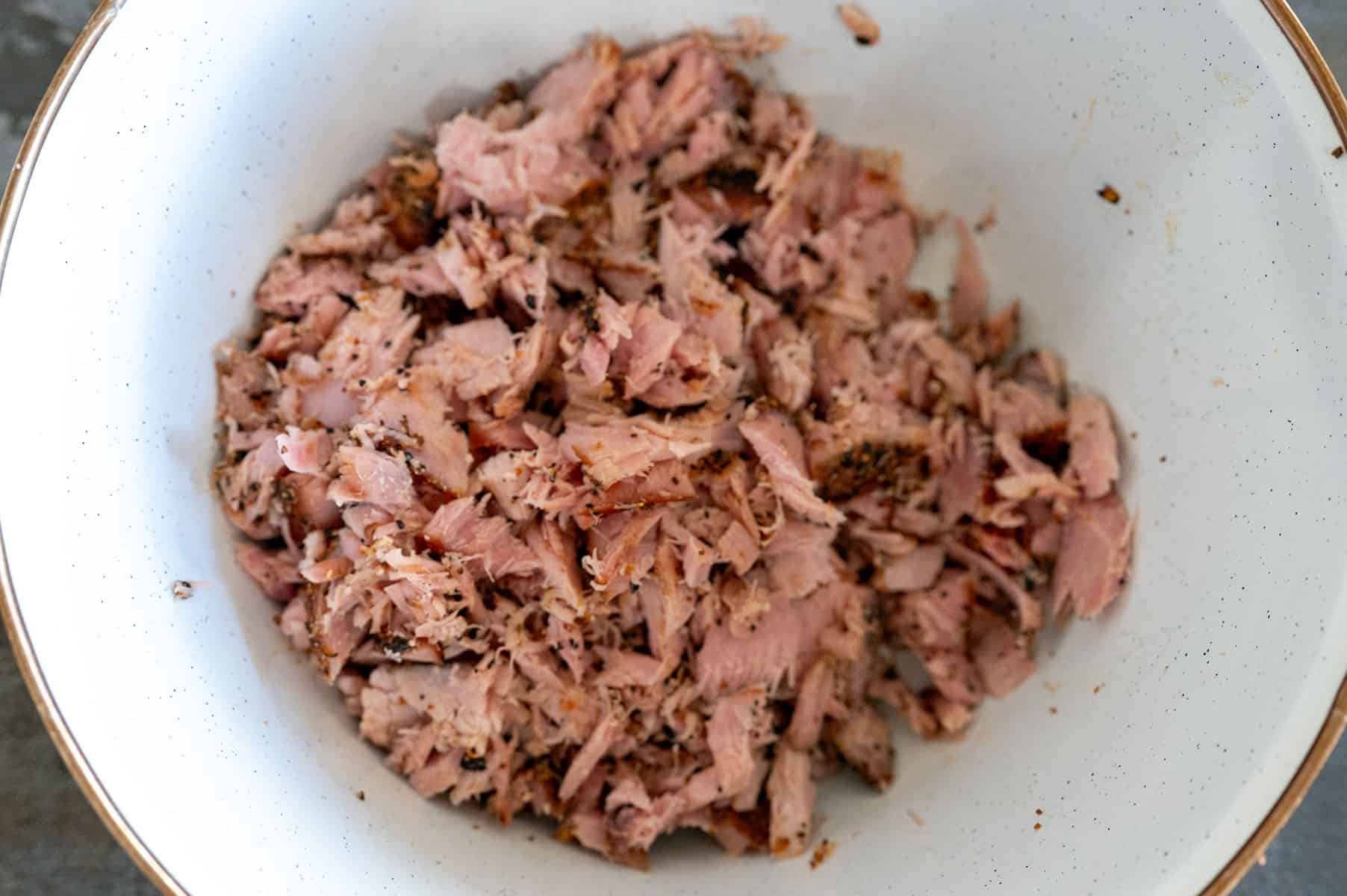
To create this elevated tuna salad, the grilled tuna pastrami is typically flaked or shredded. This shredded tuna is then combined with classic tuna salad accompaniments such as mayonnaise, finely diced celery for crunch, chopped onions for a pungent bite, and often hard-boiled eggs for added richness and texture. The seasoning is adjusted with salt and pepper to taste, allowing the unique pastrami notes of the tuna to be the star. The resulting tuna salad is described as a revelation, offering a savory, multi-layered experience that redefines the humble deli sandwich filling.
Background and Context: The Evolution of Deli Flavors
The innovation of tuna pastrami can be seen as part of a broader trend in the culinary industry: the deconstruction and reinterpretation of classic dishes. For decades, the deli experience has been a cornerstone of casual dining, with sandwiches like the Reuben and the pastrami on rye holding iconic status. These dishes are often celebrated for their bold flavors and hearty ingredients.
The development of tuna pastrami by entities such as Girls Can Grill, a culinary platform focused on grilling and barbecue, reflects a growing interest in applying barbecue and grilling techniques to a wider range of ingredients. This approach often involves taking established flavor profiles and applying them to unexpected proteins, thereby expanding the culinary landscape. The pastrami rub itself, a blend of spices traditionally used for beef, is now being utilized to impart similar flavor characteristics to seafood, demonstrating a creative cross-pollination of culinary traditions.
The evolution of the deli sandwich has seen various iterations, from the classic cold cuts to more elaborate creations. The introduction of tuna pastrami represents a sophisticated evolution, appealing to consumers who seek both familiarity and novelty. It taps into the nostalgic appeal of deli sandwiches while simultaneously offering a contemporary and health-conscious alternative, given that tuna is generally perceived as a leaner protein option compared to beef.
Timeline and Chronology of Development
While the exact origin point of the "tuna pastrami" concept is difficult to pinpoint with a specific date, its emergence and popularization can be traced to recent years, driven by food bloggers, chefs, and home cooks experimenting with advanced grilling techniques. Platforms like Girls Can Grill have played a significant role in documenting and sharing these innovative recipes.
The process, as outlined, typically requires a multi-day commitment:
- Day 1: Preparation of the pastrami brine and immersion of the tuna steaks.
- Day 2: Removal from brine, rinsing, seasoning with the pastrami rub, and refrigeration for a few hours to allow the rub to adhere.
- Day 3: Grilling the tuna steaks, followed by resting and preparation for serving, either whole or as part of a salad.
This timeline underscores the deliberate nature of the preparation, emphasizing that while the cooking itself is relatively quick, the flavor development through brining and seasoning is a crucial, time-intensive element.
Supporting Data and Culinary Analysis
The appeal of tuna pastrami can be analyzed through several culinary lenses:
- Flavor Profile: The combination of the brining process and the specific spices in a pastrami rub creates a complex flavor profile that is both savory and aromatic. The black pepper provides a pungent heat, coriander adds citrusy and earthy notes, and paprika contributes a mild sweetness and color. These elements, when applied to the mild, slightly sweet flavor of tuna, create a synergistic effect.
- Texture: Grilling tuna steaks hot and fast results in a flaky, yet firm texture that can hold up well to shredding. This contrasts with the often softer texture of traditional canned tuna salad, offering a more substantial and satisfying mouthfeel.
- Nutritional Considerations: Tuna is a good source of lean protein and omega-3 fatty acids. By utilizing grilling instead of frying and incorporating fresh ingredients in the tuna salad, this preparation can be positioned as a relatively healthy option, appealing to a health-conscious demographic. Data from the USDA indicates that tuna is a nutrient-dense food, providing essential vitamins and minerals.
- Market Trends: The popularity of artisanal food products, gourmet sandwiches, and elevated comfort food continues to grow. Tuna pastrami fits squarely within these trends, offering a unique product that caters to consumers seeking novel culinary experiences. Reports from market research firms consistently highlight the demand for innovative food offerings in the foodservice and retail sectors.
Statements and Reactions from Related Parties
Culinary influencers and recipe developers who have championed this technique often express enthusiasm for its transformative potential. Christie Vanover, the pitmaster behind Girls Can Grill, is a vocal proponent of this method. Her commentary highlights the surprising deliciousness and versatility of tuna pastrami, emphasizing its ability to elevate simple ingredients into something extraordinary. She often shares her passion for experimentation, encouraging home cooks to explore new flavor combinations.
Anecdotal evidence from individuals who have tried the recipe suggests widespread approval. Online reviews and social media comments frequently describe the tuna pastrami as "incredible," "a game-changer," and "the best tuna salad I’ve ever had." This positive reception indicates a strong market appeal and a successful translation of traditional flavors to a new ingredient.
Broader Impact and Implications
The innovation of tuna pastrami has several broader implications for the culinary landscape:
- Expansion of Seafood Applications: This technique demonstrates that seafood can be prepared and seasoned using methods traditionally reserved for red meats, opening up new avenues for creativity in seafood cookery. It challenges the perception that pastrami flavors are exclusively for beef.
- Elevating Deli Culture: By introducing a sophisticated twist on a deli staple, tuna pastrami contributes to the ongoing evolution of casual dining. It offers delis and sandwich shops an opportunity to differentiate themselves and attract a wider customer base seeking innovative menu items.
- Inspiring Culinary Experimentation: The success of tuna pastrami encourages other chefs and home cooks to experiment with similar flavor-transfer techniques, potentially leading to further innovations in the fusion of different culinary traditions and ingredients.
- Potential for Commercialization: The clear appeal and distinctiveness of tuna pastrami suggest a potential for commercialization, either as a pre-prepared deli item or as a featured sandwich on restaurant menus. The existence of specialized "pastrami kits" for tuna further indicates a market demand.
In conclusion, the development of tuna pastrami is more than just a culinary novelty; it represents a thoughtful and innovative application of established flavor principles to a new ingredient. By meticulously brining, seasoning, and grilling tuna steaks, this technique unlocks a rich, smoky, and peppery profile that transforms a familiar seafood into an exciting new deli experience. Its versatility, both as a standalone dish and as the base for an exceptional tuna salad, positions it as a significant culinary development with the potential to redefine expectations for seafood preparation and deli offerings.