
As the calendar pages turn to September, a common refrain echoes across suburban landscapes: summer’s reign is over, it’s time to cover the grill and store the smoker. However, for many outdoor cooking enthusiasts, this sentiment marks not an end, but a beginning. The oppressive heat of a brutal summer often pushes the nuanced art of low-and-slow smoking and the vibrant intensity of live-fire grilling to the sidelines. Yet, as the mercury begins to recede and comfortable evening temperatures return, a renewed enthusiasm for these culinary pursuits ignites. This year, particularly after a summer characterized by record-breaking heatwaves across much of the United States, this shift from reluctant pause to active engagement is more pronounced, signaling a deeper appreciation for the diverse possibilities of open-flame cooking beyond the traditional summer months.
The narrative that "grill season" concludes with the summer solstice or the Labor Day holiday is increasingly being challenged by dedicated pitmasters and home cooks alike. Meteorological fall commenced on September 1st, with astronomical fall arriving on September 22nd. While these dates are often associated with the winding down of outdoor activities, for those who embrace the complexities of barbecue and grilling, they represent an opportune transition. The cooler air that accompanies autumn is not a deterrent but a significant advantage for specific cooking techniques.

The Advantage of Cooler Air for Low-and-Slow Cooking
The pursuit of perfectly smoked brisket, pork butt, or other large cuts of meat demands consistent, steady heat for extended periods. During the sweltering summer months, maintaining precise pit temperatures can become a Herculean task. Ambient temperatures exceeding 100 degrees Fahrenheit, as experienced in regions like Las Vegas for weeks on end, create a challenging environment for pitmasters. The heat radiating from the smoker itself, combined with the already high external temperatures, can lead to overheating and difficulty in achieving the delicate balance required for low-and-slow cooking. This often forces enthusiasts to opt for quicker, high-heat methods or to retreat indoors.
However, as the autumnal equinox ushers in cooler evenings, the dynamics shift favorably. A drop in ambient temperature makes it significantly easier to manage and maintain stable temperatures within a smoker. This is crucial for achieving the desired smoke penetration and rendering of fats that define classic barbecue. The reduced ambient heat means less struggle to keep the smoker within the ideal 225-275°F range, allowing for longer, more consistent cooks without the constant battle against the sun. For many, the return of comfortable nighttime temperatures in the 70s and below is not just a welcome relief from the summer’s intensity but a catalyst for embarking on ambitious, multi-hour smoking projects that were either impractical or unenjoyable during the peak heat.

Reigniting the Flames: The Return of Live-Fire Grilling
Beyond the technical advantages for smoking, the cooler weather also reawakens a desire for the primal experience of cooking over open flame. For much of the summer, equipment like live-fire grills, designed for direct heat and searing, often sit dormant. The act of standing over an intense open fire at 110°F is less about culinary enjoyment and more about enduring a heat challenge. Anecdotal evidence from pitmasters suggests that even electronic devices, like iPhones used for documenting the cooking process, can overheat rapidly in such extreme conditions, mirroring the discomfort of cooking oneself before the food is ready.
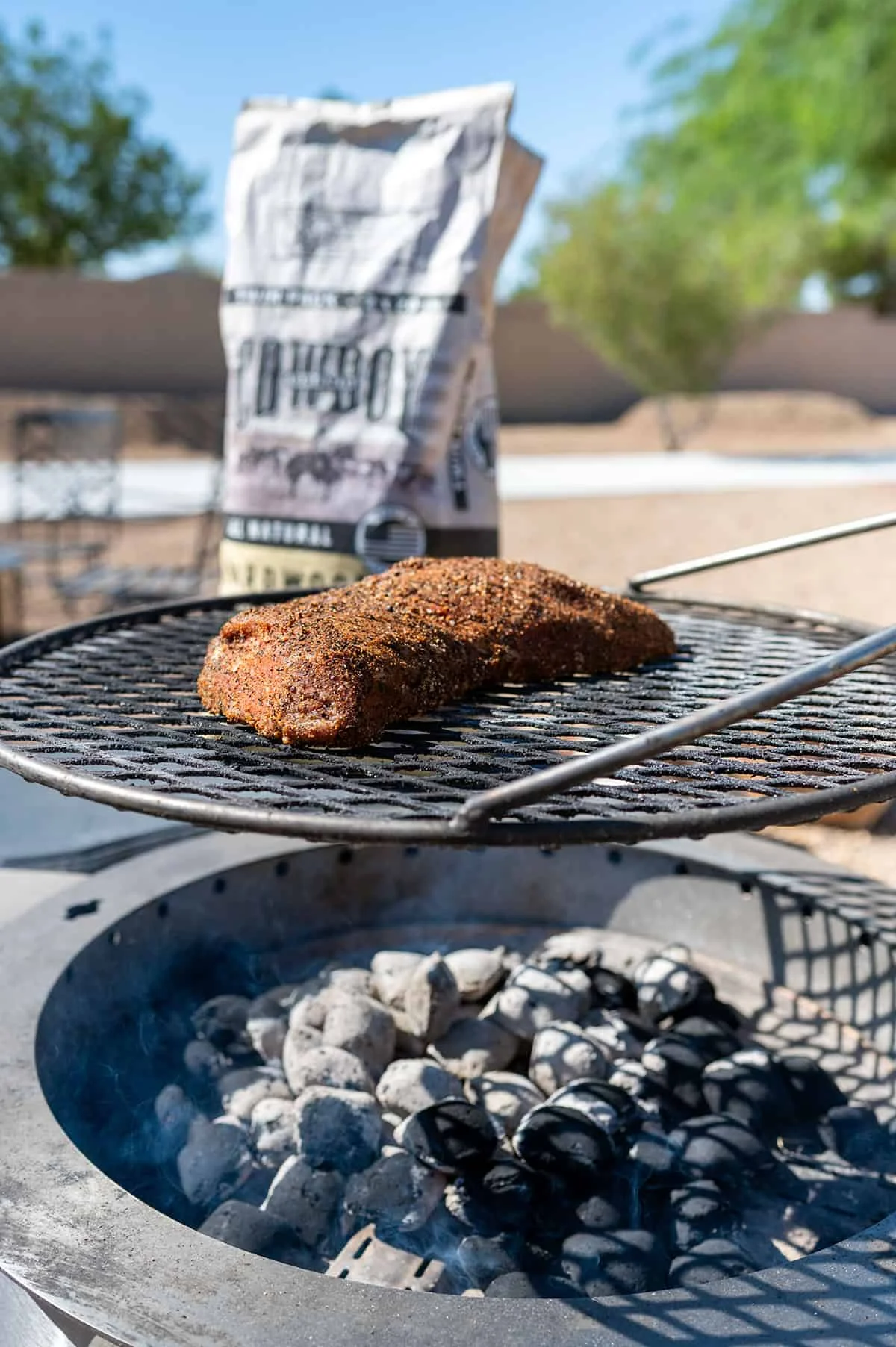
As the sun’s intensity diminishes and the air becomes more temperate, the appeal of direct, high-heat cooking experiences returns. Grilling over charcoal, employing techniques such as those used with Cowboy Charcoal, becomes an inviting prospect once more. This allows for the execution of "hot and fast" cooking methods, ideal for achieving perfectly seared steaks and other quick-cooking items. The ability to interact directly with the flame, to control the intensity of the sear, and to impart that distinctive smoky char without becoming overwhelmed by the heat transforms the cooking experience from an ordeal to a pleasure.
Autumnal Culinary Horizons: What’s on the Menu
With the changing season, the culinary repertoire expands and shifts. While large cuts for the smoker continue to dominate weekend gatherings, particularly during football season, the types of meats and preparations are often tailored to the cooler weather.
- Smoker Staples: Brisket, pork shoulder, and chuck roast pastrami remain quintessential autumn barbecue fare. The extended cooking times associated with these cuts are more palatable when the environment is conducive to spending hours tending to the pit. The richer, deeper flavors that develop over long smokes are particularly satisfying as the air grows crisp.
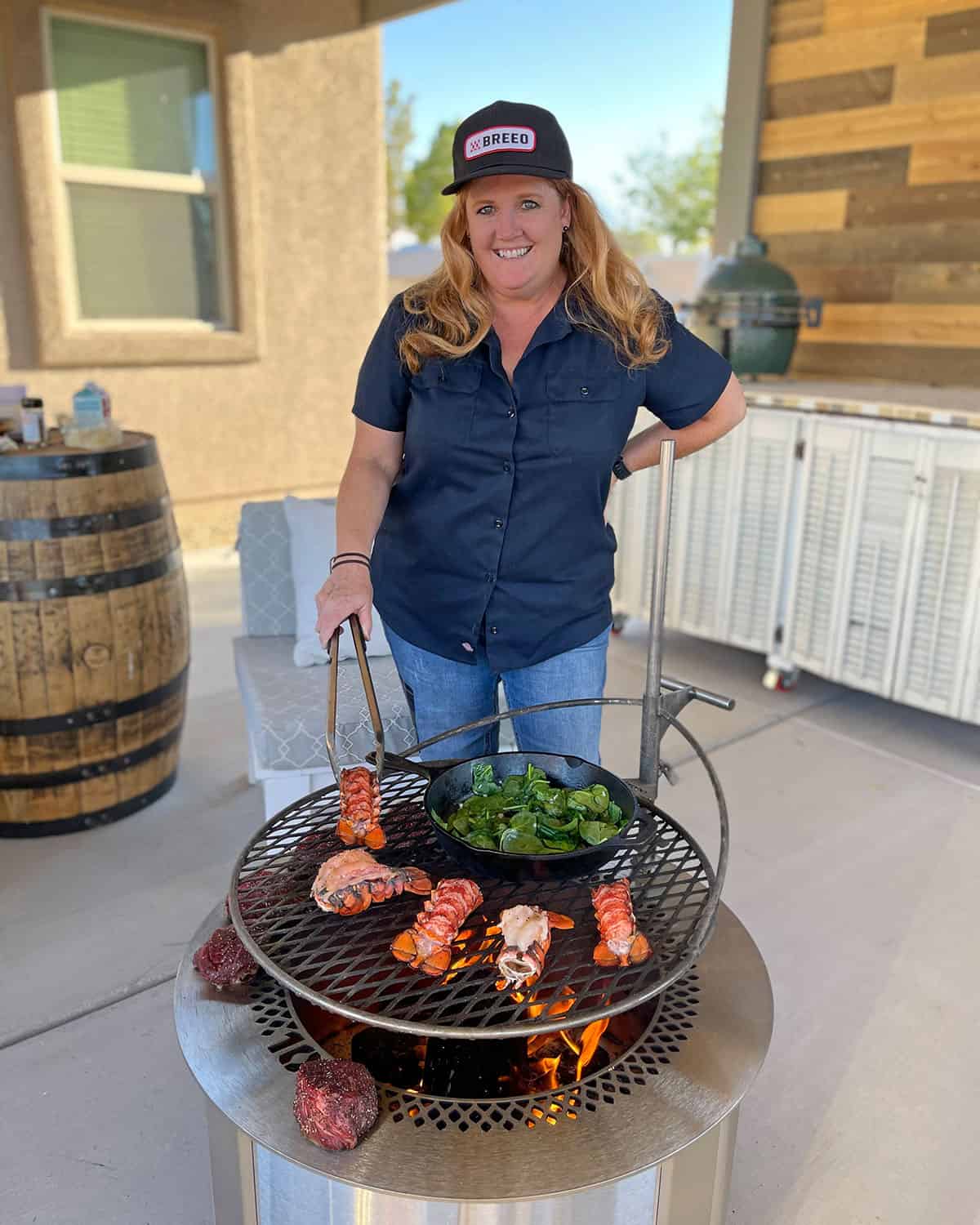
- Live-Fire Favorites: The return of comfortable evening temperatures reintroduces the joy of "hot and fast" grilling. This includes beloved cuts like tomahawk steak, Santa Maria-style tri-tip, and picanha. The intense heat of a live-fire grill allows for rapid searing, locking in juices and creating a beautiful crust, while the cooler ambient air makes the process enjoyable. The ability to achieve a perfect medium-rare on a thick steak without overheating is a hallmark of this seasonal transition.
Navigating End-of-Season Sales and the Start of a New Cooking Season
Ironically, the period often labeled as the "end of season" for outdoor cooking equipment is precisely when significant discounts become available. Retailers, looking to clear inventory before the colder months set in, often offer substantial price reductions on grills, smokers, and accessories. This presents an opportune moment for both seasoned enthusiasts looking to upgrade and newcomers considering their first foray into outdoor cooking.
While the traditional mindset might suggest storing away grilling equipment, the reality for many is that the cooler, more comfortable temperatures of autumn and even early winter provide an extended period for active cooking. This "shoulder season" offers a sweet spot where the challenges of extreme heat are absent, and the harshness of winter has yet to fully set in.
For those seeking to invest in new equipment, the current market presents a favorable landscape. Major retailers like Ace Hardware and Home Depot are featuring attractive promotions. Home Depot, for instance, is offering discounts of up to 30% on select patio grills and outdoor lighting. Amazon is providing a 20% discount on the popular Breeo X Series 24 live-fire grill. These "end-of-season" sales, while seemingly counterintuitive to the start of a renewed cooking season, represent a strategic opportunity for consumers to acquire high-quality equipment at reduced prices, extending their grilling and smoking enjoyment well into the cooler months.
The Broader Impact: A Shift in Culinary Seasons
The phenomenon of extending outdoor cooking beyond the summer months reflects a growing sophistication and passion within the barbecue community. It acknowledges that the desire to cook with fire is not solely dictated by the calendar but by environmental conditions and culinary ambition. This shift has several implications:
- Economic Impact: Increased year-round demand for grilling and smoking products can lead to more consistent sales for manufacturers and retailers, potentially stabilizing business cycles that were once heavily reliant on a short summer season.
- Culinary Innovation: The ability to experiment with different techniques and ingredients across a broader range of temperatures encourages culinary creativity. Pitmasters may develop new recipes and approaches that leverage the specific conditions of autumn and spring.
- Community Engagement: Outdoor cooking events, competitions, and gatherings can extend their duration, fostering a more robust and engaged community of enthusiasts throughout the year. The shared experience of cooking and dining outdoors becomes less of a seasonal event and more of an ongoing lifestyle.
- Personal Well-being: For many, the act of cooking outdoors is a form of stress relief and a connection to nature. Extending this activity into cooler months allows for continued enjoyment of these benefits, contributing to overall well-being.
In conclusion, the notion that grill season concludes with the end of summer is an outdated perception. The cooler, more comfortable temperatures of autumn present an ideal environment for a wide array of outdoor cooking techniques, from the patient art of smoking to the exhilarating intensity of live-fire grilling. As enthusiasts embrace these extended culinary opportunities, they not only enhance their cooking experiences but also contribute to a growing cultural appreciation for the year-round possibilities of cooking with fire. The market’s response, with end-of-season sales offering significant value, further supports this evolving trend, making it more accessible than ever for individuals to continue their outdoor cooking passions throughout the cooler parts of the year.


