The digital platform Food in Jars has announced the launch of its ambitious new initiative, the Community Canning Challenge, designed to revitalize the age-old practice of food preservation while simultaneously fostering robust in-person community connections. This year-long endeavor marks a significant evolution for the platform, which has previously hosted successful challenges centered solely on food preservation skills. The revamped format introduces a unique dual-topic structure each month, inviting participants to engage with both a specific food preservation technique and a complementary community-building activity.
A Legacy of Preservation and a New Vision for Connection
Food preservation, an essential skill passed down through generations, has experienced a resurgence in recent years, driven by a growing interest in sustainable living, food security, and a desire to understand the provenance of one’s food. Historically, canning, pickling, and drying were communal activities, often undertaken during peak harvest seasons to ensure sustenance through leaner months. This communal aspect, however, has largely diminished in modern times, with food preservation often relegated to an individual pursuit. The modern context, marked by heightened awareness of food waste and a desire for self-sufficiency, has reignited public interest in these traditional methods.
Food in Jars, a widely recognized online resource and community in the home canning sphere, has been at the forefront of this revival. The platform previously spearheaded two highly successful year-long "Mastery Challenges," where participants delved into a series of monthly food preservation topics. These challenges collaboratively expanded participants’ knowledge and honed their techniques, cultivating a vibrant online community that demonstrated a strong appetite for structured learning and shared culinary experiences. The success of these previous iterations underscored the demand for accessible, guided instruction in home preservation.
The genesis of the Community Canning Challenge stems from a recognition that while online communities are invaluable for knowledge sharing and virtual camaraderie, there is an increasing need to translate these digital connections into tangible, real-world interactions. The founder of Food in Jars articulated a clear intention to "shake the dust off, pull my brain back together and get back to the business of canning and making connections with all of you." This statement underscores a strategic shift, acknowledging that true resilience and well-being are often rooted in local networks and mutual support. The new challenge aims to bridge the gap between digital engagement and physical community building, transforming shared interests into shared experiences and actively combating social isolation through practical, shared endeavors.
The Dual-Pillar Approach: Skill Development and Social Engagement
Central to the Community Canning Challenge is its innovative dual-topic model. Each month, participants will be presented with two distinct, yet thematically linked, objectives. The first objective will continue the tradition of the previous challenges, focusing on a specific art of food preservation. This might involve mastering a particular canning method, experimenting with fermentation, or exploring diverse techniques for extending the shelf life of seasonal produce. These topics are carefully curated to align with seasonal availability and build a comprehensive skill set over the year, covering a broad spectrum of preservation methods suitable for various produce types.
The second, equally important, objective is designed to actively encourage the development of in-person community ties. These tasks range from sharing preserved goods with neighbors to actively participating in local food initiatives, thereby fostering a sense of collective responsibility and mutual aid. The intention is to gently "push us to build out our in-person communities just a little bit each month." This deliberate inclusion of social action aims to counter increasing social fragmentation and loneliness, leveraging a shared passion for food as a catalyst for genuine human connection. Participants retain the flexibility to engage with one or both topics, or simply follow along, ensuring accessibility for all levels of commitment and experience. This voluntary nature emphasizes participation and learning over strict adherence, fostering an inclusive and supportive environment.

A Multi-Platform Ecosystem for Engagement
To facilitate broad participation and maintain an organized flow of information, the Community Canning Challenge will leverage an integrated multi-platform strategy. The initiative will operate across the Food in Jars blog, its dedicated Substack newsletter, and the Food in Jars Facebook Community group. This approach aims to utilize established channels of communication, avoiding the complexity and potential fragmentation that could arise from introducing entirely new platforms.
The Food in Jars blog will serve as the primary hub for initial monthly announcements, offering comprehensive introductions to the challenge topics and curating relevant recipe round-ups. A few days after the initial announcement, the blog will also feature a fresh, new recipe specifically tailored to the month’s preservation theme, providing practical guidance and inspiration for participants. This ensures that foundational content remains readily accessible and discoverable.
The Substack newsletter, "Food in Jars Fam," will be a crucial component for deeper engagement and community reporting. All challenge-related posts on Substack will be freely accessible to participants, regardless of their subscriber status, ensuring that financial barriers do not impede participation. This platform will host mid-month check-in posts, allowing participants to share their progress, ask questions, and offer support to one another in a more curated environment. Furthermore, the Substack will be the primary channel for reporting back on the collective experiences of the community, compiling feedback, anecdotes, and insights gathered throughout the month. This strategic use of Substack for non-recipe content is a deliberate move to optimize the main blog for search engine visibility and revenue generation, ensuring the long-term sustainability of the platform.
The Food in Jars Facebook Community group will function as a dynamic, real-time forum for discussion and peer-to-peer interaction. This group offers an immediate space for participants to share photos of their projects, troubleshoot challenges in real-time, celebrate successes, and forge direct connections with fellow canning enthusiasts. The Facebook group’s interactive nature complements the more structured content delivered via the blog and Substack, creating a holistic and multi-faceted engagement ecosystem.
The monthly cadence of the challenge is structured for consistent engagement:
- Beginning of the Month: An introductory post published simultaneously on both the blog and Substack, outlining the month’s preservation and community topics, accompanied by relevant recipe round-ups and practical ideas.
- A Few Days Later: A brand-new recipe published on the blog, directly supporting the month’s preservation theme and offering fresh culinary inspiration.
- 15th of the Month: Check-in posts initiated on Substack and within the Facebook group, facilitating progress sharing and communal support.
- Around 25th of the Month: A request for participant feedback, primarily via Substack and Facebook, to gather insights and shape future challenge iterations, ensuring the program remains responsive to its community.
This clear timeline ensures participants are well-informed and have ample opportunities to engage with the challenge content and the broader community, fostering a sense of continuity and shared purpose.
A Year-Long Journey: Monthly Themes Unpacked
The comprehensive calendar of monthly themes is meticulously designed to guide participants through a diverse range of food preservation techniques and community-building actions, aligning with seasonal availability and progressive skill development. The flexibility of the challenge allows participants to adapt the schedule to their local seasons and personal circumstances, emphasizing the joy of the activity over strict adherence.
-
January: Root Vegetables & Brassicas / Share a Jar. Kicking off the year, this month focuses on hearty winter produce like carrots, beets, and cabbage, often available locally even in colder climates. The community task encourages participants to share a jar of their preserved goods, extending goodwill and making someone’s day with a homemade treat. This immediately sets the tone for community engagement and acts of kindness.
-
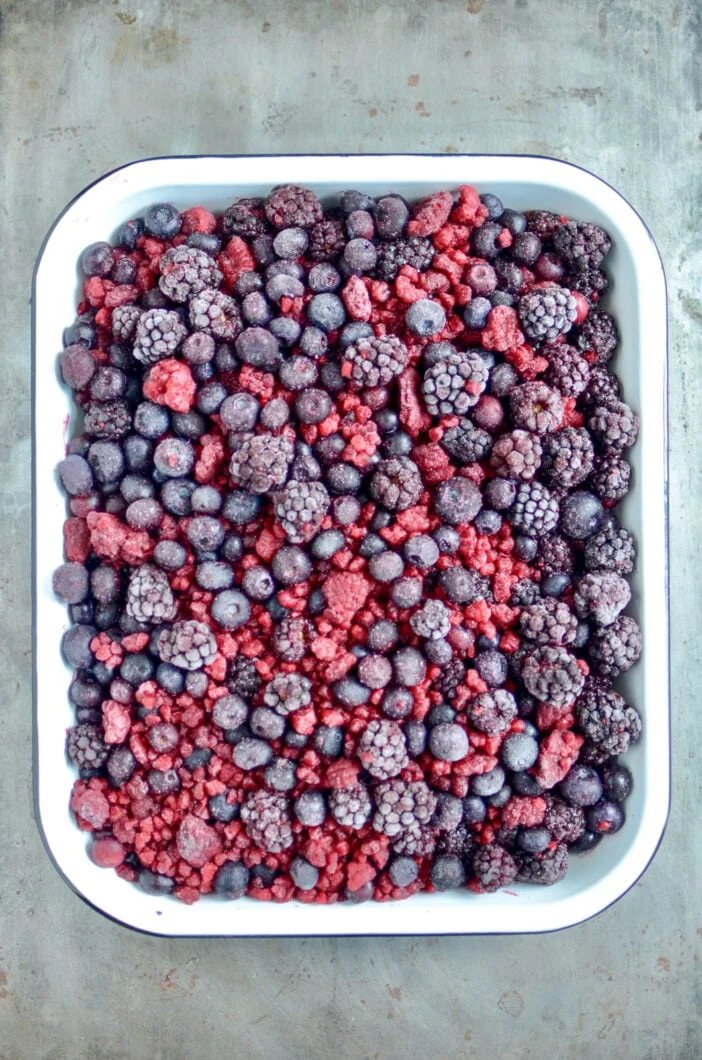
February: Frozen Fruit / Freezer Excavation. This practical month encourages participants to make the most of previously frozen fruits, transforming them into jams, sauces, or pie fillings, thereby reducing waste from past harvests. The community task, "Freezer Excavation," promotes resourcefulness and reduces food waste by challenging participants to utilize forgotten items, potentially sharing excess with others in their local network.
-
March: Make a Mix / Contribute to a Community Fridge or Pantry. This theme moves beyond single-ingredient preservation to creating value-added mixes like soup starters or muffin blends, enhancing culinary convenience. The community action encourages charitable giving, directing preserved goods or pantry staples to those in need, fostering a sense of collective responsibility and addressing local food insecurity.
-
April: Herbs and Alliums / Plant Something. As spring awakens, this month focuses on fragrant herbs and pungent alliums, often among the first crops of the growing season. The community task, "Plant Something," encourages participants to start a garden, connect with local growers, or contribute to community gardens, linking preservation directly to cultivation and local food sovereignty.
-
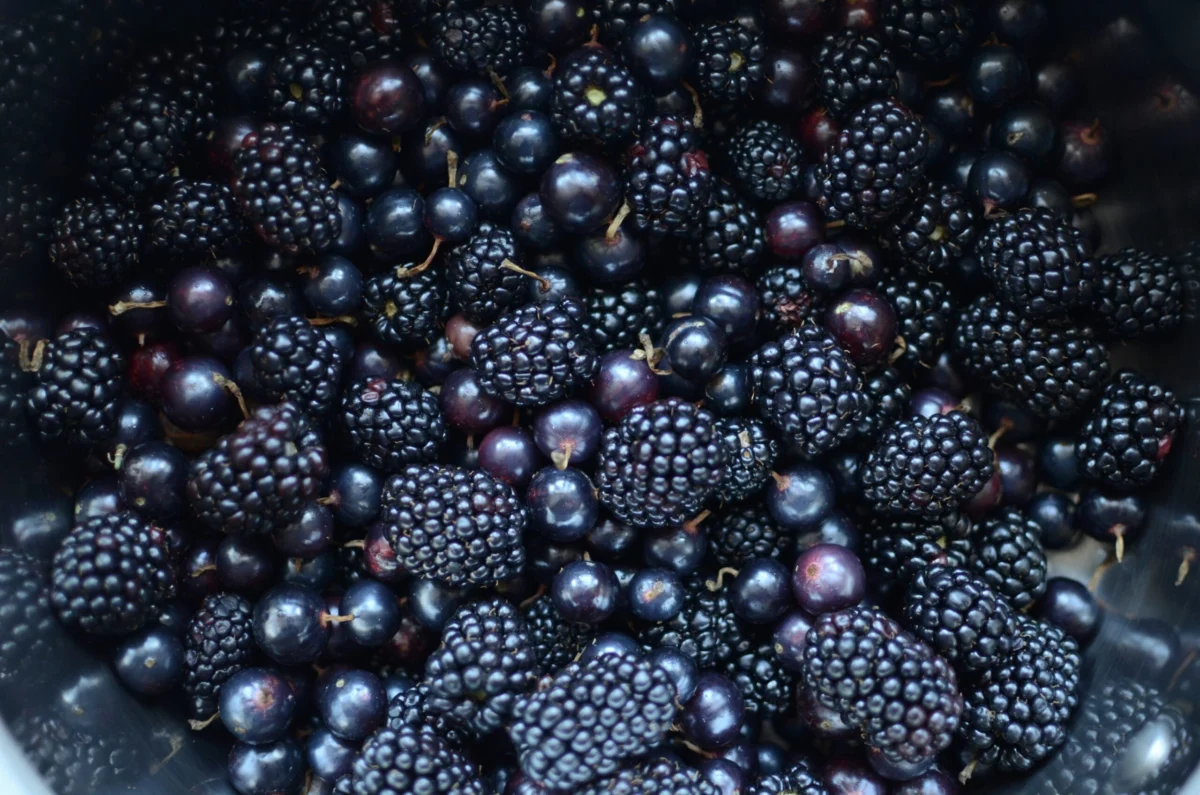
May: Berries / Learn from a Friend. Celebrating the arrival of early summer berries, this month delves into jams, jellies, and sauces made from nature’s candy. The community objective, "Learn from a Friend," champions knowledge sharing, encouraging participants to seek out or offer mentorship in preservation techniques, reinforcing intergenerational skill transfer.
-
June: Jam / Attend a Potluck. A classic of home preservation, jam-making takes center stage, often coinciding with peak fruit season. The communal aspect is highlighted by encouraging participation in a potluck, bringing homemade creations to share and fostering social dining experiences, which are vital for community cohesion.
-
July: Pickles (Quick, Processed, or Fermented) / Support a Local Farmer/Grower. The versatility of pickling is explored, from quick refrigerator pickles to traditional fermented varieties, ideal for summer vegetables. The community task emphasizes supporting local agriculture, strengthening the farm-to-jar connection and bolstering local economies, directly impacting food systems.

-
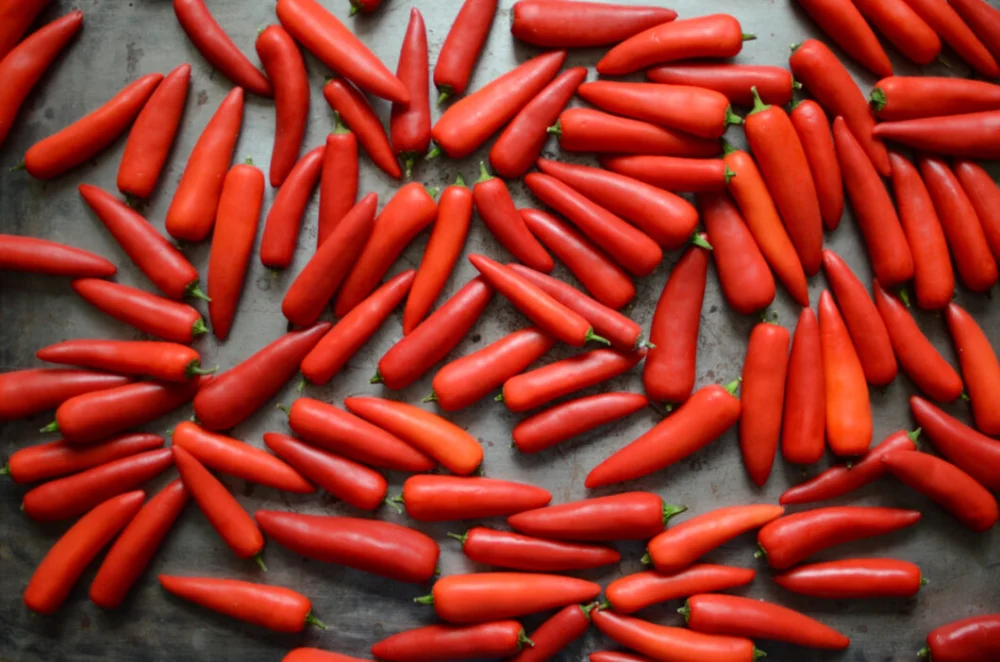
August: Sauces (Apple, Chili, Tomato, Hot, etc.) / Gather or Glean. Capitalizing on peak summer harvests, this month focuses on making various sauces from abundant produce. The community objective, "Gather or Glean," promotes ethical foraging or gleaning (with permission), reducing food waste and making use of surplus produce that might otherwise go unutilized.
-
September: Condiments (Ketchup, Relish, Mustard, etc.) / Host a Swap. As the harvest season continues, participants explore making homemade condiments, adding flavor and reducing reliance on store-bought options. The "Host a Swap" community task encourages the exchange of preserved goods, seeds, or garden produce among neighbors, fostering a circular economy and diverse culinary experiences.
-
October: Drying and Dehydration / Share Your Knowledge. This month introduces alternative preservation methods like drying fruits, vegetables, and herbs, offering energy-efficient options. The community focus, "Share Your Knowledge," encourages participants to teach others, host workshops, or simply share tips, actively perpetuating traditional skills and building local expertise.
-
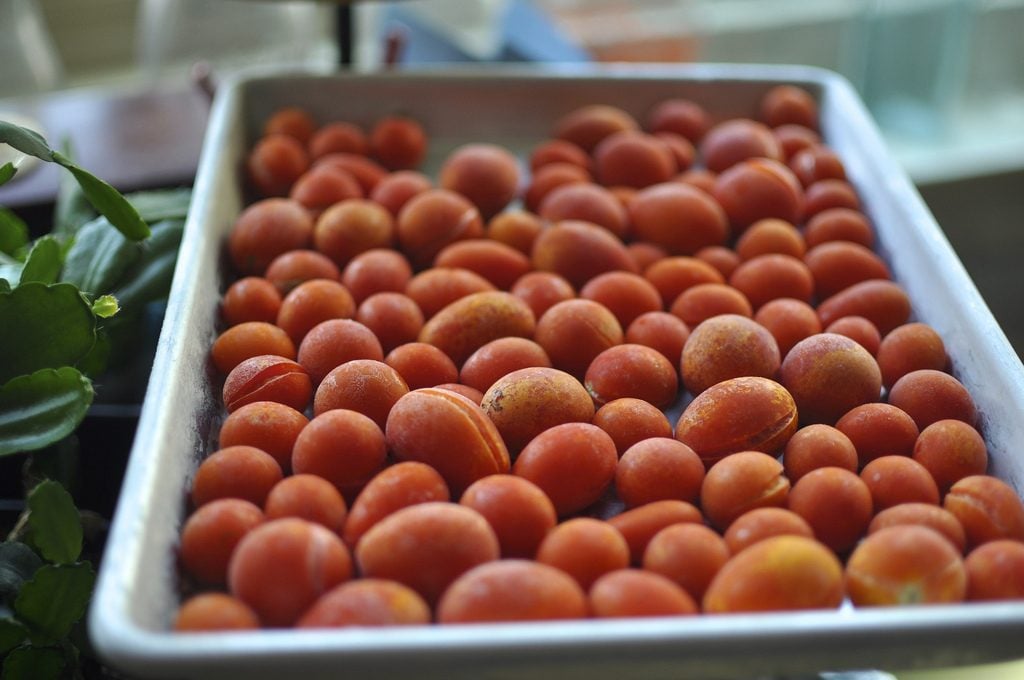
November: Apples / Barter with a Friend or Neighbor. A quintessential autumn harvest, apples offer myriad preservation possibilities, from applesauce to pie filling. The community task, "Barter with a Friend or Neighbor," promotes a localized exchange economy, fostering direct interaction and mutual benefit within personal networks.
-
December: Use It Up! / Bake for Others. The year culminates with a focus on utilizing existing preserved goods in creative recipes, emptying pantries for the new year. The festive community task, "Bake for Others," encourages participants to share homemade baked goods, spreading holiday cheer and strengthening social bonds during the festive season.
Broader Implications: Cultivating Resilience and Sustainability
The Community Canning Challenge transcends mere culinary instruction; it embodies a broader vision for community resilience, sustainability, and personal well-being. By empowering individuals with food preservation skills, the initiative directly contributes to household food security, reducing reliance on industrial food systems and mitigating food waste. Global estimates suggest that a significant portion of food produced is wasted, much of it at the consumer level. Home preservation offers a tangible solution, allowing participants to maximize the utility of seasonal gluts, transforming perishable produce into shelf-stable assets. This practice not only saves money but also instills a deeper appreciation for food resources.
Furthermore, the challenge’s emphasis on in-person community building addresses a critical societal need. In an increasingly digitized world, many individuals experience social isolation and a decline in local community engagement. Initiatives that create structured opportunities for face-to-face interaction, skill-sharing, and mutual support can significantly enhance mental well-being and strengthen local social fabrics. Sociologists and public health experts often highlight the power of shared practical activities, like cooking or gardening, in forging durable bonds between neighbors. These connections can translate into stronger local support networks, essential during times of crisis or simply for enhancing daily life, fostering a sense of belonging and collective efficacy.
The economic implications are also noteworthy. Home preservation can lead to significant cost savings on groceries, especially when coupled with supporting local farmers or utilizing gleaned produce. The "Support a Local Farmer/Grower" and "Barter with a Friend or Neighbor" tasks directly stimulate local economies and foster more equitable, localized food systems. This localized approach to food acquisition and distribution builds a more sustainable model, reducing transportation costs and carbon footprints associated with long supply chains, aligning with broader environmental goals.
The educational aspect of the challenge is profound. It serves as a practical conduit for transmitting traditional knowledge, ensuring that valuable skills do not fade in an era dominated by convenience foods. By encouraging participants to "Share your knowledge" and "Learn from a friend," the challenge creates a dynamic learning environment that benefits individuals and the broader community alike. This intergenerational and peer-to-peer learning model reinforces social capital and strengthens collective expertise, building a more knowledgeable and self-reliant populace.
Joining the Movement: An Invitation to Connect
For those eager to participate in this innovative blend of culinary skill development and community engagement, the Food in Jars platform has streamlined the enrollment process. Prospective participants are encouraged to indicate their intention to join via a dedicated Google Form, which helps the organizers gauge interest and tailor support. Beyond formal registration, active participation in the challenge’s online communities is vital for maximizing the experience. Subscribing to the free "Food in Jars Fam" Substack newsletter and joining the "Food in Jars Community group" on Facebook are essential steps to engage with the monthly content, interact with fellow participants, and access check-ins and feedback opportunities. These platforms are designed to be the nexus of interaction and shared progress.
While January is already underway, the organizers acknowledge the compressed timeline for the initial month and assure participants that subsequent months will follow the established schedule, allowing ample time for preparation and engagement. The immediate launch of an introductory post and a new recipe for January signals the swift commencement of this promising endeavor. The Community Canning Challenge represents more than just a series of monthly tasks; it is an invitation to cultivate a more resilient, connected, and sustainable way of life, one jar at a time. The organizers express enthusiasm for the journey ahead and encourage any questions in the comments section, fostering an open and responsive environment from the outset, aiming to build a truly engaged and empowered community.