
Honeydew melon dehydration has emerged as a sophisticated technique for home food preservationists seeking to maximize the shelf life of seasonal produce while creating nutrient-dense, shelf-stable snacks. As global food supply chains face increasing volatility and consumers look for ways to mitigate the rising costs of fresh produce, the practice of dehydrating high-moisture fruits like the honeydew melon (Cucumis melo Inodorus) has transitioned from a niche hobby to a practical economic strategy. While traditionally consumed fresh due to its high water content—averaging approximately 90%—honeydew melon undergoes a transformative process when subjected to controlled low-heat dehydration, resulting in a concentrated, leathery treat that retains a significant portion of its original nutritional profile.
The Technical Protocol for Melon Dehydration
The process of successfully dehydrating honeydew melon requires strict adherence to temperature and timing protocols to ensure food safety and optimal texture. Unlike denser fruits such as apples or pears, melons possess a cellular structure that holds significant amounts of sugar and water, making them susceptible to spoilage if not processed correctly.
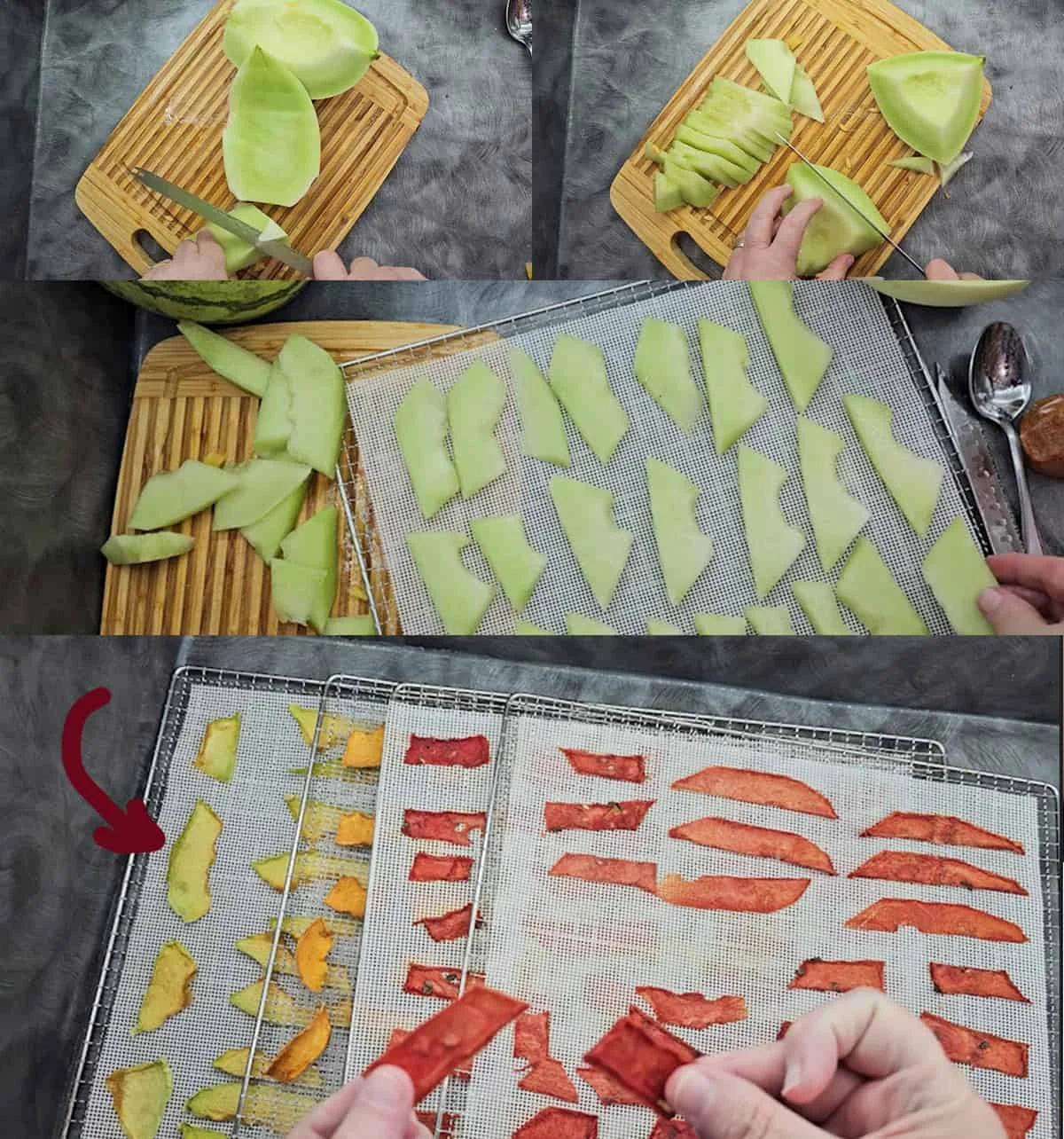
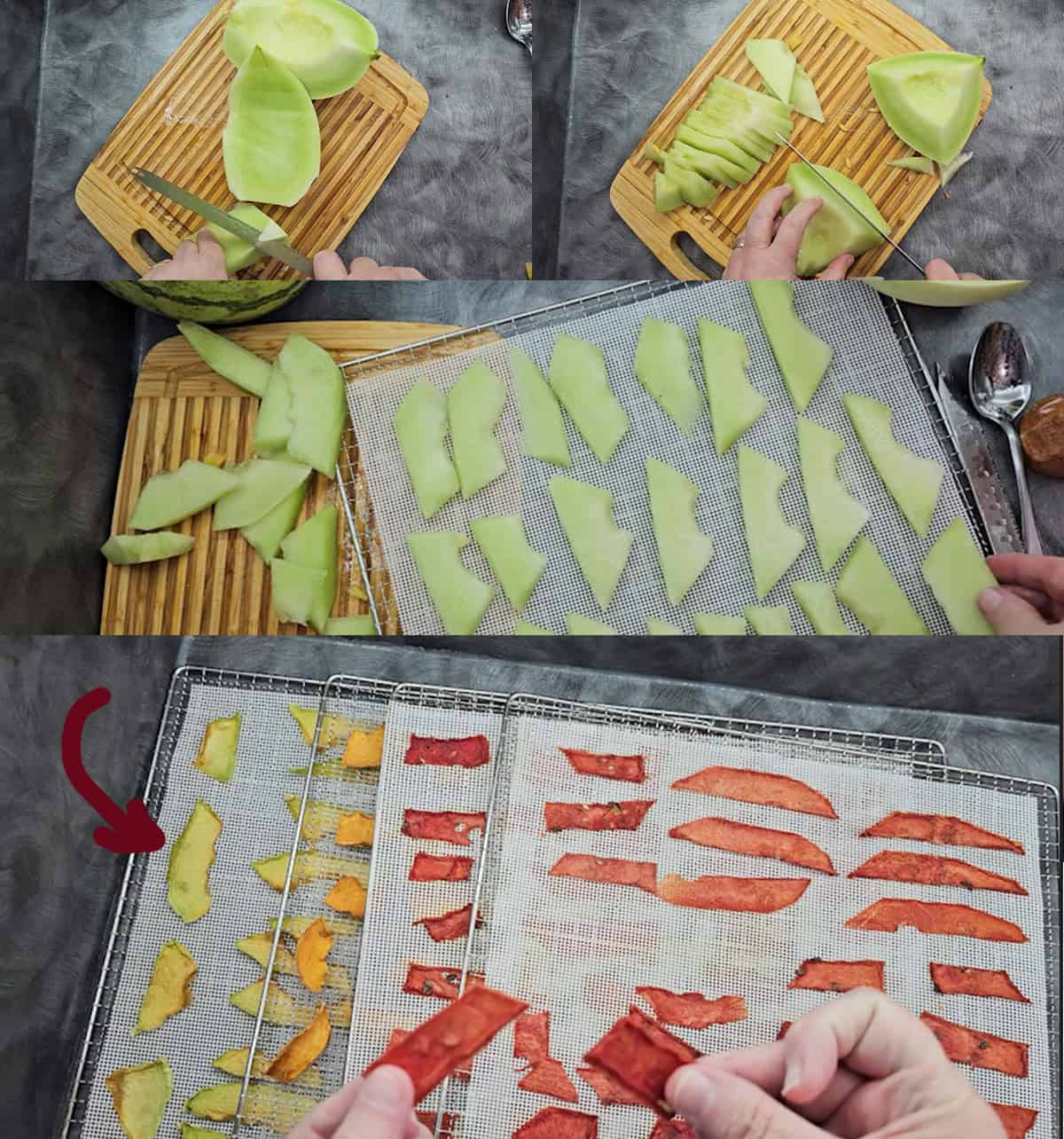
To begin the preservation cycle, the melon must be thoroughly washed to remove any soil-borne pathogens from the rind, which could be transferred to the flesh during slicing. The fruit is then halved, deseeded, and sliced into uniform sections. Journalistic observations of food preservation experts suggest that a thickness of 1/4 inch (approximately 6 millimeters) is the industry standard for home dehydration. Uniformity is critical; uneven slices result in some pieces remaining dangerously moist while others become overly brittle.
The dehydration equipment is typically set to 135°F (57°C). This specific temperature is utilized to balance the rate of evaporation with the preservation of heat-sensitive vitamins, such as Vitamin C. If the temperature is set too high, the fruit may undergo "case hardening," a phenomenon where the exterior dries into a hard shell, trapping moisture inside and leading to internal mold growth during storage. The duration of the process typically spans 10 to 14 hours, depending on the ambient humidity of the processing environment and the specific sugar concentration of the fruit.
Scientific Analysis of Nutritional Concentration and Water Activity
From a nutritional standpoint, dehydrating honeydew melon does not remove its caloric or sugar content but rather concentrates it. According to nutritional data, a standard serving of fresh honeydew (approximately one cup) contains roughly 60 calories and 14 grams of sugar. When dehydrated, the volume of the fruit decreases by nearly 80%, meaning that a much smaller portion of dried melon contains the same caloric density as a full cup of fresh fruit.
The primary goal of dehydration is the reduction of water activity ($a_w$). Microbial growth, including bacteria, yeast, and mold, requires a certain level of available moisture to proliferate. By reducing the water content until the fruit reaches a "leathery" or "pliable" state, preservationists effectively lower the water activity below the threshold required for most pathogens to survive.
Furthermore, honeydew is a significant source of potassium and Vitamin C. While Vitamin C is somewhat degraded by heat and oxygen exposure, potassium remains stable throughout the dehydration process. This makes dehydrated honeydew an excellent electrolyte-rich snack for high-exertion activities such as hiking or long-distance cycling, where weight-to-nutrient ratios are a primary concern for participants.
Economic Implications and Food Waste Mitigation
The push toward dehydrating melons is often driven by economic necessity and a growing awareness of food waste statistics. Data from the United States Department of Agriculture (USDA) indicates that between 30 and 40 percent of the food supply in the U.S. is wasted, with fresh produce being the most significant contributor to this figure. Melons, which have a relatively short window of peak ripeness, are frequently discarded by consumers when they cannot be finished in a single sitting.
By implementing dehydration protocols, a single large honeydew melon—which might otherwise spoil within five to seven days in a refrigerator—can be converted into a shelf-stable product that remains viable for up to twelve months. This allows consumers to purchase melons in bulk during peak harvest seasons when prices are at their lowest, effectively "locking in" the lower price point for year-round consumption.
Market analysts suggest that the rise in home preservation equipment sales, including high-efficiency dehydrators, reflects a broader trend of "pantry loading" and self-sufficiency. As the cost of commercially prepared dried fruits continues to rise due to processing and packaging overheads, the return on investment for a home dehydrator is increasingly realized through the preservation of high-value fruits like honeydew and cantaloupe.
Chronology of the Dehydration Process
The transition from fresh fruit to a shelf-stable snack follows a specific timeline that ensures the integrity of the final product:

- Selection and Preparation (Hour 0): Only ripe melons should be selected, as the dehydration process concentrates flavors; underripe fruit will result in a bland, starchy product.
- Initial Evaporation (Hours 1–4): During the first few hours, the surface moisture is removed. The fruit remains soft and appears bright green.
- Sugar Concentration (Hours 5–8): As the water evaporates, the natural sugars begin to concentrate. The slices will start to shrink significantly and may become slightly sticky to the touch.
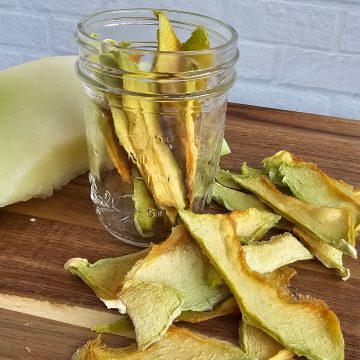
- Final Texture Setting (Hours 9–14): The fruit reaches its final state. It should be leathery and pliable, not sticky. If the slices snap when bent, they have been over-dried, though they remain safe for consumption.
- The Conditioning Phase (Days 1–7 post-dehydration): This is a critical safety step often overlooked by novices. Dried pieces are placed in a clear, airtight jar and shaken daily. If any condensation appears on the glass, the fruit must be returned to the dehydrator. This ensures that moisture levels are equalized across all pieces.
Storage Standards and Longevity Protocols
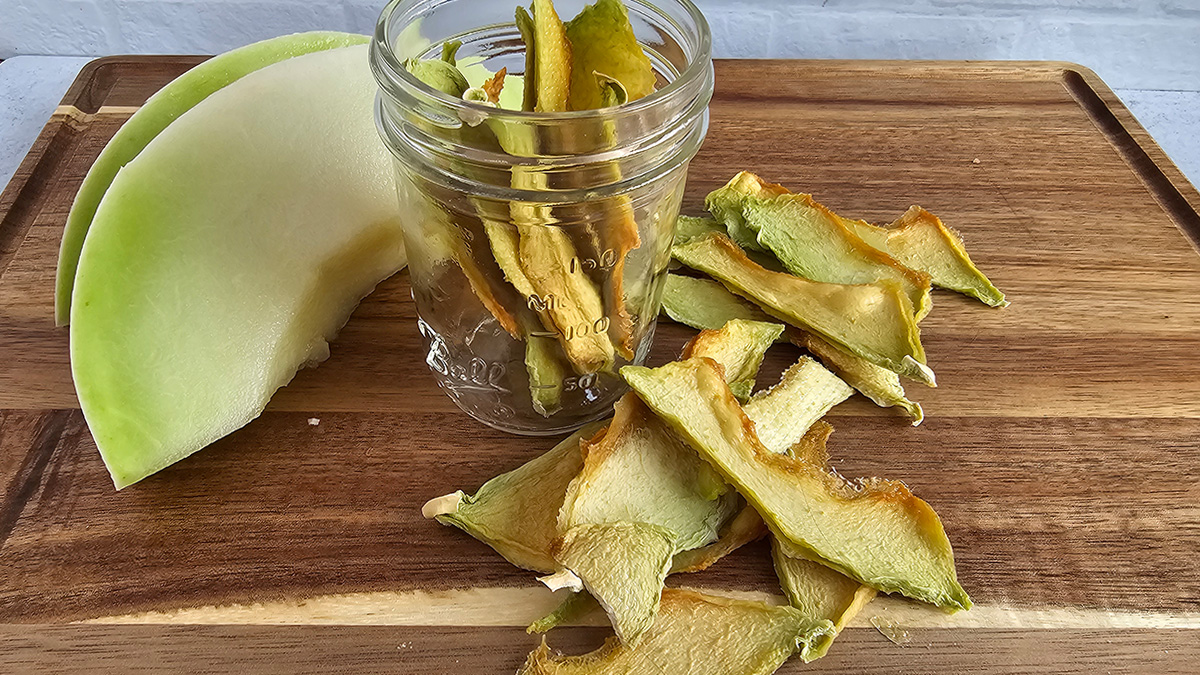
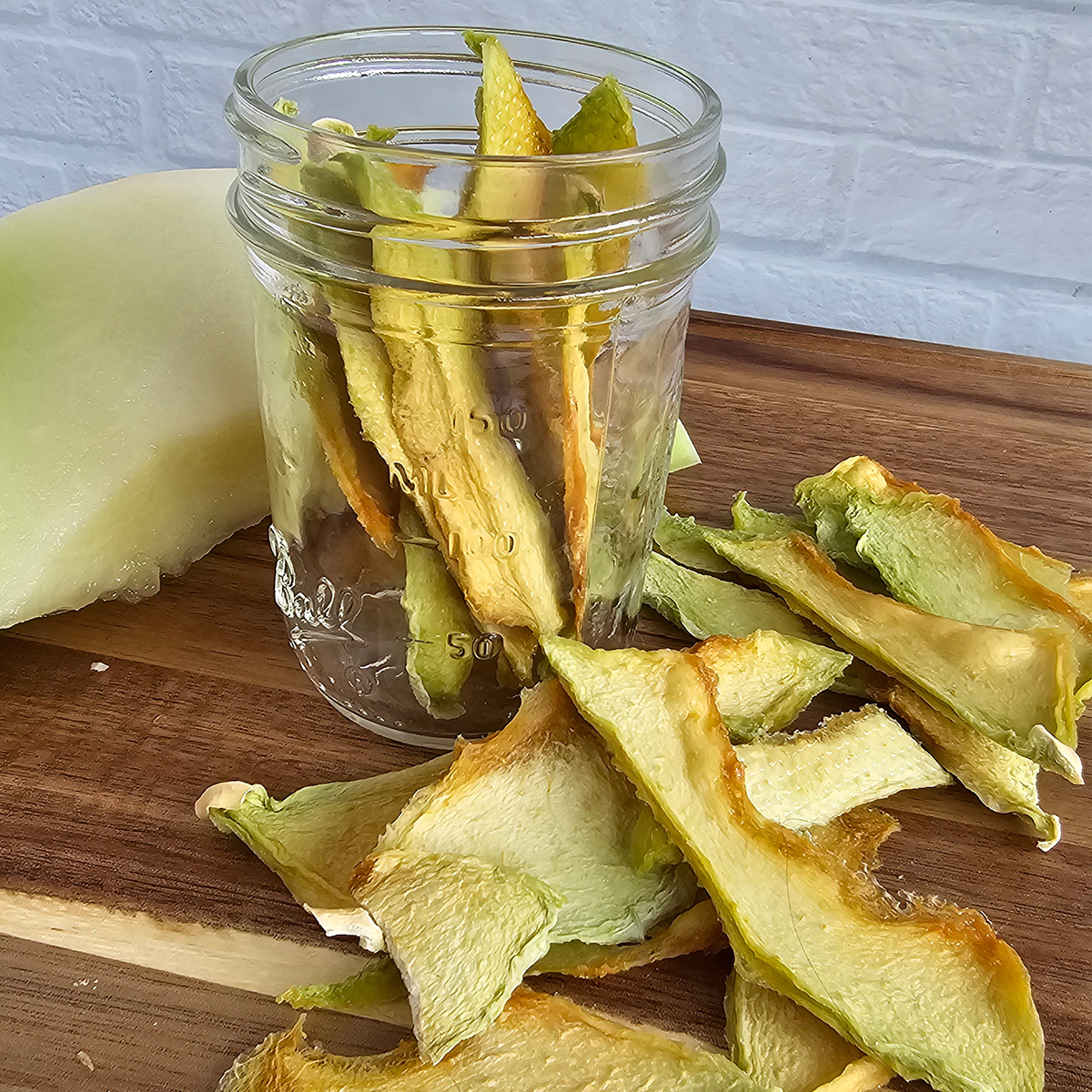
Post-dehydration handling is as vital as the drying process itself. Professional preservationists recommend storing dehydrated honeydew in airtight glass containers, such as Mason jars, or vacuum-sealed Mylar bags for long-term storage. Because the sugars in honeydew are hygroscopic—meaning they actively absorb moisture from the air—exposure to high humidity can quickly turn a crisp or leathery snack into a sticky, perishable mass.
The use of oxygen absorbers or silica gel packets is frequently cited as a best practice for maintaining the quality of the fruit for the full one-year shelf life. Storing the containers in a cool, dark, and dry environment (ideally below 70°F) prevents the oxidation of fats and the degradation of vitamins, ensuring that the fruit remains as palatable in mid-winter as it was during the summer harvest.
Comparative Analysis of Melon Varieties
While honeydew is the primary focus of recent preservation trends, it is part of a broader category of melons that respond well to dehydration. Cantaloupe, for instance, offers a different flavor profile, often described as more "musky" and intense when dried. Watermelon, conversely, produces a product often referred to as "watermelon jerky" or "taffy" due to its extremely high sugar-to-fiber ratio.

Honeydew is often preferred by culinary professionals for its subtle sweetness and ability to take on external seasonings. Unlike watermelon, which can become overwhelmingly sweet, honeydew provides a neutral yet pleasant base that pairs well with lime zest, chili powder (Tajín), or a light dusting of sea salt. This versatility has led to its inclusion in gourmet trail mixes and as a sophisticated garnish for charcuterie boards.
Statements from the Food Preservation Community
Advocates for the "Purposeful Pantry" movement emphasize that dehydrating honeydew is not merely about snacking; it is about "stocking the pantry well." Experts in the field argue that the psychological benefits of food security, combined with the tangible reduction in grocery expenditures, create a compelling case for the wider adoption of these techniques.
"Drying honeydew is a way to extend the life of your melon even if you can’t finish it all," states Darcy Baldwin, a prominent figure in the food preservation space. "It’s a sweet, tasty treat that is shelf-stable and perfect for lunches or after-school snacks." This sentiment is echoed by sustainable living proponents who view home dehydration as a primary tool in the fight against household food waste.
Broader Implications for the Future of Food Storage
The enrichment of the home pantry through dehydrated goods represents a shift in consumer behavior toward more resilient food systems. As climate change affects crop yields and seasonal availability, the ability to process and store produce locally reduces the carbon footprint associated with transporting fresh fruit over long distances during the off-season.
In conclusion, the dehydration of honeydew melon is a multi-faceted process that intersects culinary art, nutritional science, and economic strategy. By understanding the technical requirements of temperature control, the importance of conditioning, and the necessity of airtight storage, consumers can successfully transform a perishable summer fruit into a year-round nutritional resource. As this practice continues to gain traction, it serves as a testament to the enduring value of traditional preservation methods in a modern, fast-paced world.