
Kimchi, the iconic staple of Korean cuisine, has transitioned from a traditional fermented side dish to a global culinary phenomenon, celebrated for its complex flavor profile and significant probiotic benefits. As the demand for fermented foods continues to rise alongside a growing interest in long-term food preservation, dehydrating kimchi has emerged as a sophisticated method for extending the shelf life of this perishable product while creating versatile new ingredients such as kimchi powder. This process, while seemingly straightforward, requires a precise understanding of microbiology and thermal dynamics to ensure that the health benefits of the fermentation process—specifically the presence of live Lactobacillus bacteria—remain intact.
The Historical and Cultural Context of Kimchi
To understand the value of preserving kimchi through dehydration, one must first consider its origins. Kimchi is a product of necessity, born from the need to preserve vegetables during the harsh winters of the Korean Peninsula. While there are hundreds of varieties, the most common form involves napa cabbage, radishes, garlic, ginger, and chili flakes (gochugaru), which undergo lacto-fermentation. This process not only preserves the vegetables but also enhances their nutritional value, producing B vitamins, vitamin C, and various probiotics.
In 2013, "Kimjang," the traditional process of making and sharing kimchi, was inscribed on the UNESCO Representative List of the Intangible Cultural Heritage of Humanity. This cultural significance has translated into a massive global market. According to recent market analysis, the global kimchi market is projected to reach several billion dollars by the end of the decade, driven by the "Hallyu" or Korean Wave and a heightened focus on gut health. Dehydration offers a modern solution for consumers who purchase kimchi in bulk or produce large quantities at home, preventing food waste while concentrating the dish’s signature "umami" flavor.
The Science of Probiotic Preservation
The primary challenge in dehydrating kimchi is the preservation of its biological activity. Kimchi is categorized as a "living" food due to the presence of lactic acid bacteria (LAB). These microorganisms are sensitive to heat; exposing them to high temperatures can denature the enzymes and kill the beneficial bacteria that contribute to digestive health.
Food scientists and preservation experts emphasize the "115°F rule." To maintain the probiotic integrity of fermented foods, the dehydration temperature must remain below 115°F (approximately 46°C). Drying at lower temperatures, such as 100°F to 110°F, is even safer for ensuring the survival of Lactobacillus. Conversely, if the kimchi is commercially shelf-stable (meaning it was pasteurized or heat-treated during canning), the probiotics are already inactive. In such cases, the kimchi can be dehydrated at higher temperatures, such as 140°F (60°C), primarily for the purpose of flavor and texture preservation.
Chronology of the Dehydration Process
The transition from a wet, fermented product to a shelf-stable dried ingredient involves several critical stages. Each step is designed to minimize the risk of spoilage while maximizing the quality of the final product.
Preparation and Tray Loading
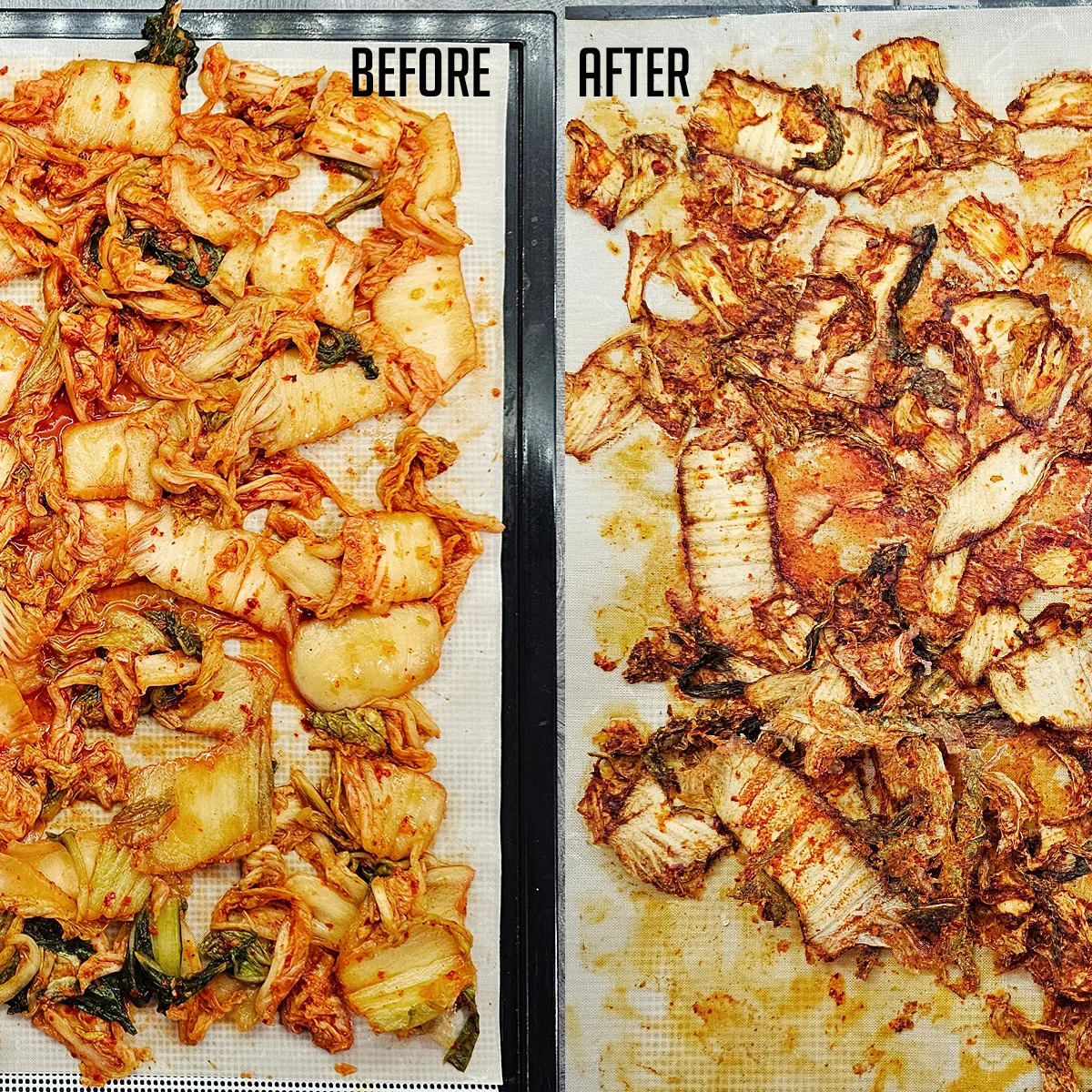
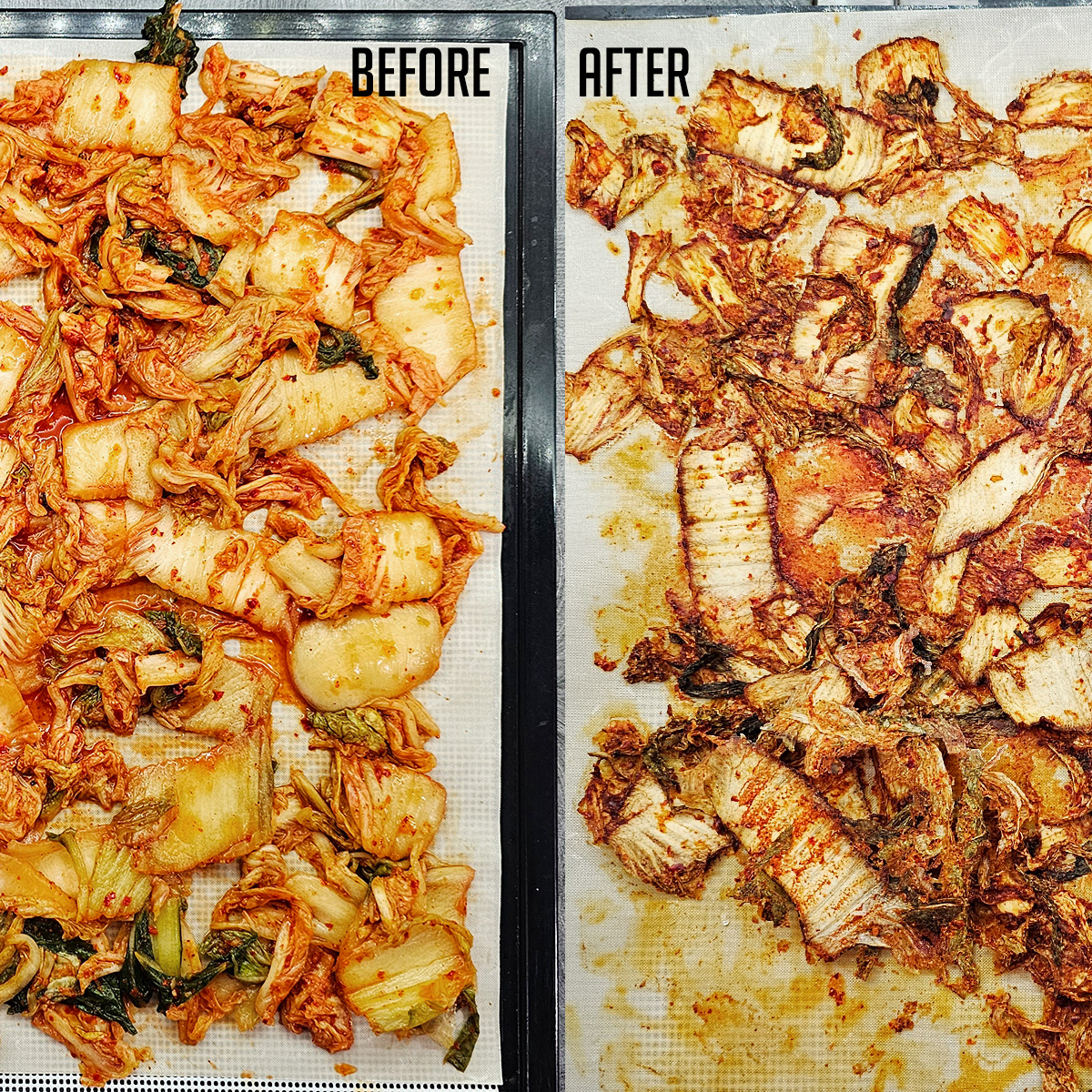
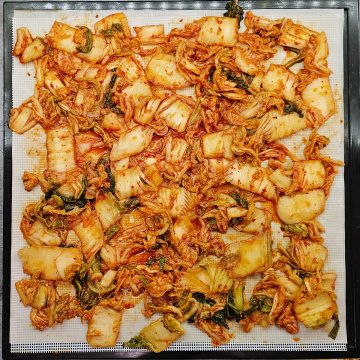
Kimchi is inherently high in moisture and acidity. Before beginning the dehydration process, it is recommended to line dehydrator trays with parchment paper or silicone fruit leather sheets. This prevents the liquid seasoning—which contains sugars and spices—from dripping onto the dehydrator’s heating element and prevents the cabbage from sticking to the mesh trays. Furthermore, the pigments in gochugaru (Korean chili flakes) are known to stain plastic components, making liners an essential protective measure.
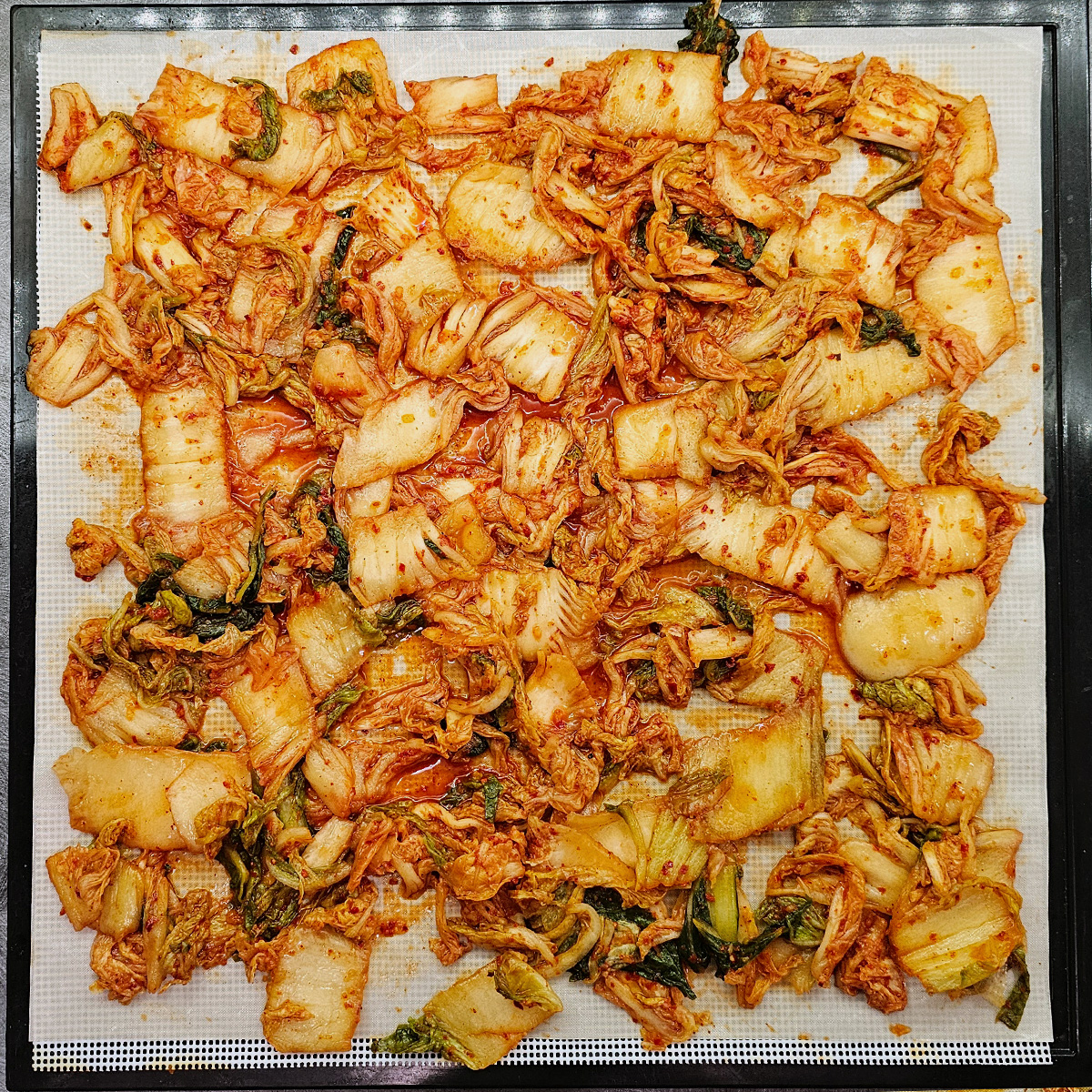
When spreading the kimchi, density is a primary factor. While the cabbage will shrink significantly as water evaporates, overcrowding the trays can lead to uneven drying and the potential for "case hardening," where the exterior dries too quickly, trapping moisture inside and inviting mold growth.
Thermal Exposure and Duration
The dehydration cycle typically lasts between 12 and 24 hours. This timeframe is influenced by the ambient humidity of the kitchen, the specific model of the dehydrator, and the thickness of the cabbage stalks. A low-and-slow approach is preferred for kimchi to ensure that the delicate volatile compounds responsible for its pungent aroma and sharp taste are not lost to rapid evaporation.
The Testing and Conditioning Phase
Once the kimchi appears dry, it must undergo a "break test." Properly dehydrated kimchi should be brittle or slightly pliable but should snap easily when bent. Because napa cabbage has thick ribs and thin leaves, the ribs often require more time than the leafy portions.
After removal from the dehydrator, "conditioning" is a mandatory safety step. This involves placing the dried kimchi in a sealed glass jar for five to seven days. The jar is shaken daily to redistribute any remaining internal moisture. If condensation appears on the glass, the kimchi is not yet shelf-stable and must be returned to the dehydrator. This phase is critical for preventing the growth of pathogens during long-term storage.
Nutritional Profile and Data Analysis
Dehydrated kimchi is a nutrient-dense ingredient, though its profile changes slightly compared to its fresh counterpart. Based on standard nutritional data, a single serving of dehydrated kimchi (approximately 1/4 of the fresh volume) contains:
- Calories: 17 kcal
- Sodium: 573 mg (representing a high concentration due to the salt used in the brining process)
- Potassium: 174 mg
- Fiber: 2 g
- Carbohydrates: 3 g
- Vitamin Content: High levels of Vitamin A and C, though some Vitamin C may be lost during the drying process depending on light and heat exposure.
The high sodium content makes dehydrated kimchi an excellent electrolyte source for hikers and backpackers, but it should be used judiciously by individuals on salt-restricted diets.
Culinary Applications: From Snacks to Seasoning
The transformation of kimchi through dehydration opens a variety of culinary avenues. The dried leaves can be eaten as a "kimchi chip," providing a spicy, sour, and crunchy snack that appeals to the growing market for healthy, plant-based alternatives to potato chips.
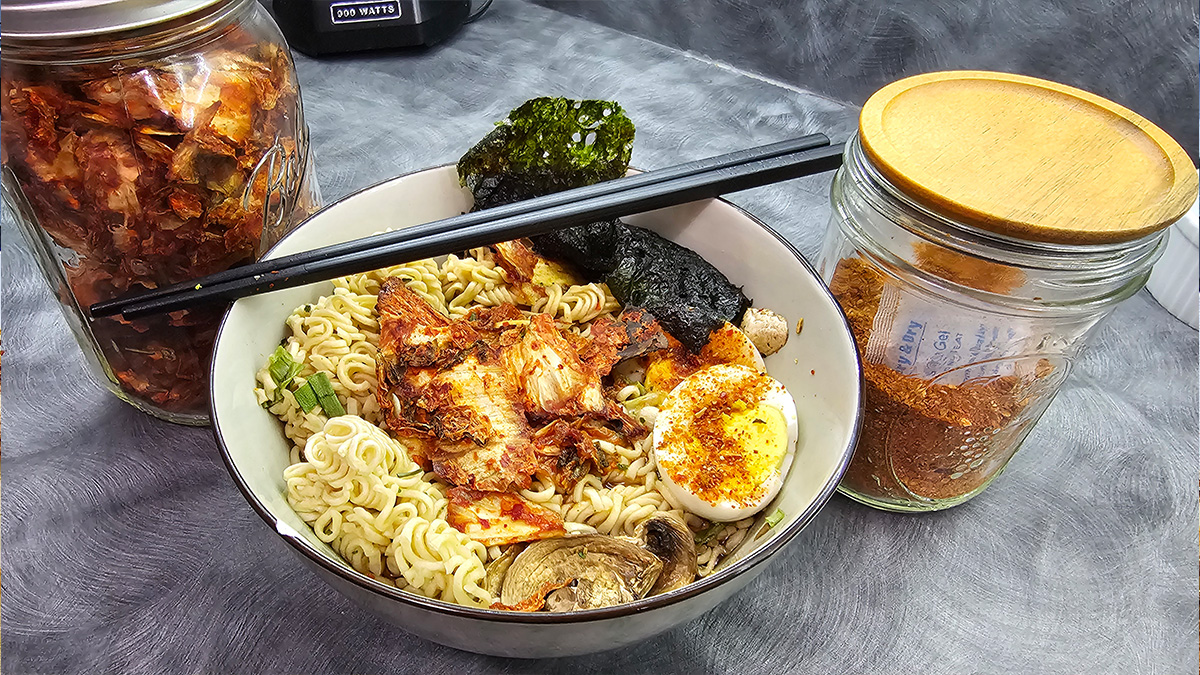
One of the most significant innovations in this space is the creation of kimchi powder. By grinding the fully dehydrated pieces in a high-speed blender, cooks can produce a potent "umami bomb" seasoning. This powder is increasingly used in professional kitchens as a dry rub for meats, a popcorn seasoning, or a flavor enhancer for fries and roasted vegetables.
In the context of emergency preparedness and outdoor recreation, dehydrated kimchi is a premier ingredient for "dry" meal kits. It rehydrates rapidly in hot water, making it a favorite for enhancing instant ramen or rice bowls in backcountry settings. The acidity of the kimchi helps to cut through the richness of fats, providing a balanced flavor profile that is often lacking in preserved foods.
Storage and Longevity
The shelf life of dehydrated kimchi is impressive when compared to the 3–6 month refrigerated lifespan of fresh kimchi. When stored in an airtight container—such as a vacuum-sealed Mylar bag or a glass canning jar with an oxygen absorber—dehydrated kimchi can remain viable for up to two years.
To maintain the best quality, the storage environment should be "cool, dark, and dry." Exposure to ultraviolet light can degrade the pigments in the chili and break down the vitamins, while heat can lead to the oxidation of the small amounts of fats present in the seeds and spices.
Broader Implications for Food Sustainability
The practice of dehydrating fermented foods like kimchi aligns with broader global movements toward food sustainability and waste reduction. According to the Food and Agriculture Organization (FAO), roughly one-third of all food produced for human consumption is lost or wasted. For home gardeners and small-scale farmers, fermentation followed by dehydration represents a "double-lock" preservation system that ensures seasonal gluts of cabbage and radish are utilized effectively.
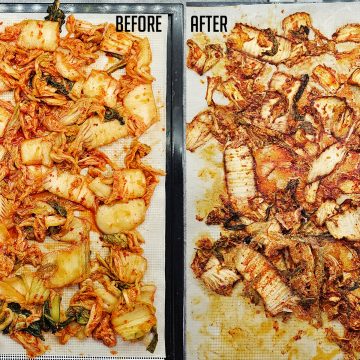
Furthermore, the reduction in weight and volume achieved through dehydration significantly lowers the carbon footprint associated with shipping and logistics. A jar of kimchi that weighs two pounds can be reduced to just a few ounces of dried product, making it an efficient way to transport high-flavor, high-nutrition food over long distances.
Conclusion
Dehydrating kimchi is more than a preservation tactic; it is a bridge between ancient fermentation traditions and modern culinary technology. By adhering to strict temperature controls and conditioning protocols, individuals can preserve the complex microbiological ecosystem of kimchi while gaining a versatile ingredient that enhances a wide array of dishes. As the intersection of health, flavor, and sustainability continues to define modern food trends, dehydrated kimchi stands as a testament to the enduring relevance of fermented foods in the 21st century.


