

The ubiquitous pizza, a global culinary phenomenon originating from Italy, owes much of its universal appeal to the transformative power of cheese. A pizza truly comes to life when adorned with the right cheese—one that melts enticingly, develops a sensational flavor, and releases a delectable aroma. This comprehensive guide delves into the intricate world of pizza cheese, exploring its diverse types, optimal applications, and broader implications for the global pizza industry.
The Foundational Role of Cheese in Pizza Alchemy

Pizza has transcended its humble Neapolitan origins to become one of the world’s most beloved and consumed dishes. While the dough and sauce form the canvas, it is the cheese that provides the quintessential character, binding flavors, contributing texture, and defining the overall experience. The selection of cheese is not merely a matter of preference but a critical decision impacting the pizza’s melt characteristics, browning, elasticity, and flavor harmony. Centuries of culinary innovation and regional rivalries have underscored the undisputed fact that the perfect pizza is fundamentally reliant on the best cheese. Extensive research into this culinary cornerstone reveals the multifaceted attributes that elevate certain cheeses to legendary status in the realm of pizza.
The Science of the Perfect Melt and Stretch
The ideal pizza cheese possesses a unique combination of physical and chemical properties that allow it to melt smoothly, stretch satisfyingly, and brown beautifully without burning. Key factors include fat content, moisture levels, and protein structure. Higher fat content contributes to a creamier melt and rich flavor, while balanced moisture prevents excessive sogginess or dryness. The protein matrix, particularly in cheeses like mozzarella, is crucial for developing the characteristic stretch, a phenomenon known as filata. Food scientists explain that during heating, the casein proteins in cheese denature and reorganize, forming a stretchy network that traps fat and water. The optimal pH level (typically between 5.0 and 5.4) further enhances this elasticity and reduces blistering. Achieving this trifecta of melt, stretch, and browning is the holy grail for pizzaiolos worldwide, often leading to blends of cheeses to harness the best attributes of each.

Mozzarella: The Undisputed King of Pizza Cheese
Mozzarella holds an unparalleled position as the quintessential pizza cheese, embodying the traditional Italian spirit. Legend suggests its creation was an accident in Naples, where cheesemakers inadvertently dropped curds into hot water, leading to the discovery of its unique elastic properties. Traditionally made from rich buffalo milk (Mozzarella di Bufala Campana), modern versions often utilize cow’s milk. Its soft, moist, milky, and spongy texture transforms dramatically under heat, developing that iconic stringy and gooey consistency beloved by pizza enthusiasts.
There are two primary types crucial for pizza:

- High-Moisture Mozzarella: This very fresh cheese has a short shelf-life, offering a subtle, creamy flavor. Its high water content can make crusts soggy if not properly drained, thus it is often preferred for Neapolitan-style pizzas where quick, high-temperature cooking minimizes water release, or added fresh after baking.
- Low-Moisture Mozzarella: This variety is specifically engineered for cooking. With less water, it boasts a more concentrated, saltier flavor and melts faster and more evenly in the oven, making it ideal for a wide range of pizzas. Its reduced moisture content also promotes better browning and crispier crusts.
Culinary experts, such as renowned pizzaiolo Enzo Cacialli, often emphasize that "low-moisture mozzarella is the backbone of consistent, high-quality pizza." Market data supports this, with mozzarella consistently accounting for over 70% of cheese used in global pizza production, underscoring its economic and cultural dominance. It performs exceptionally well either on its own or as part of a cheese blend, complementing virtually any topping combination. For those seeking the authentic Italian touch, mozzarella remains the ultimate choice. Ambitious home cooks can even explore crafting fresh mozzarella, a process that deepens appreciation for its artisanal roots and delicate flavor.
Cheddar: The Versatile Contributor
Originating in Somerset, England, as early as the 12th century, Cheddar cheese was one of the first cheeses to be mass-produced and exported globally, establishing itself as a pantry staple. Its flavor spectrum ranges from mild and crumbly young cheeses to sharper, more robust aged varieties, offering a cheddar for every palate.

While not traditionally Italian, Cheddar has found a significant role in pizza, particularly in North American and fusion styles. Its limited elasticity and resistance to blistering under intense heat make it an excellent blending cheese. When combined with mozzarella, cheddar contributes a deeper, more pronounced savory flavor and a pleasant golden-orange hue, enriching the overall taste profile without compromising the desired melt and stretch. Industry analysts note a growing trend of "cheese blends" in commercial pizzas, where cheddar often plays a crucial role in enhancing flavor complexity and improving browning. Its robust character stands up particularly well to strong toppings such as pepperoni, sausage, chili flakes, and even unconventional choices like pineapple, demonstrating its remarkable versatility. For a universally appealing pizza, often a blend incorporating cheddar is preferred. Home cheesemakers can delve into making farmhouse cheddar, experiencing the rich history behind this global favorite.
Ricotta: The Light and Creamy Alternative
Ricotta, a light and fluffy soft cheese, is cherished globally for its cloud-like texture and fresh, slightly tangy flavor. Uniquely, ricotta is a whey cheese, primarily made from the leftover whey and residual curds after other cheeses have been produced, showcasing a sustainable aspect of cheesemaking. It can be made from cow, goat, sheep, or water buffalo milk, offering subtle variations in taste.

This very moist cheese, similar in many ways to cream cheese, does not melt into a gooey sheet like mozzarella. Instead, it softens and maintains its distinct curdy texture, adding pockets of creamy richness. Its best application on pizza is often as a component of a "white sauce" base, replacing the traditional tomato. Blending ricotta with mozzarella and a stronger, piquant cheese like blue cheese, Gorgonzola, or Gruyère creates a sophisticated and rich base. This approach pairs beautifully with seafood, grilled chicken, broccoli, fresh rocket, pears, or pancetta, offering a refreshing departure from conventional pizza flavors. The rise of gourmet and artisanal pizza has seen ricotta’s popularity soar, with culinary commentators noting its ability to introduce a delicate, almost dessert-like quality to savory dishes. Ricotta is also remarkably simple to make at home, serving as an excellent entry point for aspiring cheesemakers.
Gouda: The Sweet and Buttery Inclusion
Hailing from the Netherlands, Gouda is a soft-hard cheese, immediately recognizable by its characteristic bright red wax seal. Known for its sweet, smooth, and widely appealing flavor, it’s an ideal choice for everyday pizzas due to its excellent melting properties. Made from cow’s milk, young Gouda presents a mild, sweet, and nutty taste that evolves into a sharper flavor profile and a more crumbly texture as it ages.
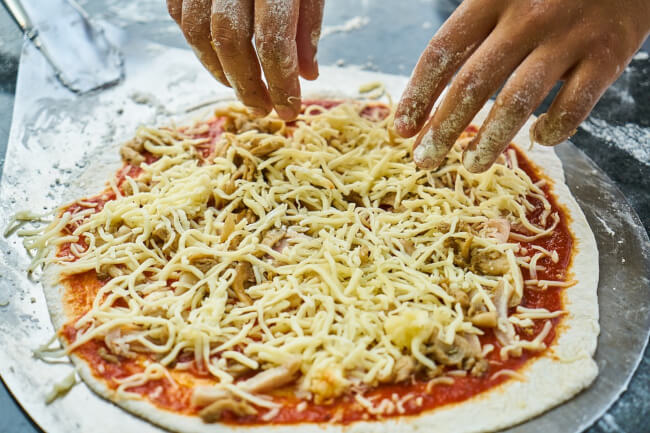
Often compared to cheddar for its versatility, Gouda generally offers a softer, more buttery flavor. Its consistent melt and rich taste make it a strong contender on the "best cheese for pizza" list, particularly when paired with specific toppings. Culinary trends indicate Gouda’s increasing presence in globally inspired pizzas. Its creamy texture and mild sweetness complement hearty toppings such as pulled pork, BBQ chicken, roasted peppers, bacon, and smoked sausage exceptionally well. Food writers often highlight Gouda’s ability to "bridge the gap between mild and bold flavors," making it a versatile choice for diverse palates. For those interested in traditional Dutch cheesemaking, crafting Gouda at home offers a rewarding experience.
Parmesan: The Umami Enhancer
Parmesan, or Parmigiano-Reggiano, is an ancient Italian hard cheese with roots dating back to Roman times. Protected by strict Designation of Origin (DOP) regulations, authentic Parmesan is aged for months to years, developing an intensely savory, nutty, and fruity flavor profile rich in umami. It is typically finely grated or shaved and used to finish a wide array of dishes, from pasta to salads.

On pizza, Parmesan’s delicate and dry nature dictates a specific application: it should never be added before cooking. Baking Parmesan cheese diminishes its complex flavor and prized umami characteristics, often rendering it dry and brittle. Instead, it serves as a powerful flavor enhancer when generously garnished onto the pizza just before serving. This approach allows its sharp, salty notes to cut through the richness of other ingredients, adding depth and complexity. Food critics frequently praise Parmesan’s ability to "elevate simple pizzas into gastronomic experiences." It pairs exceptionally well with plainer pizzas, such as classic cheese or garlic variations, and enhances toppings like prosciutto, arugula, fresh tomatoes, and rocket. When using a blend of cheeses and aiming to introduce a salty, umami kick to the finished product, Parmesan is indispensable. For those seeking to replicate this ancient Italian art, home cheesemaking guides exist for crafting your own Parmesan.
Chevre (Goat Cheese): The Adventurous and Lactose-Friendly Option
Chevre, a French cheese made from goat’s milk, offers a distinct departure from traditional cow’s milk cheeses. Rindless, soft, white, and creamy, it possesses a strong, tart, and earthy flavor that intensifies with age. While not a conventional pizza cheese, its unique characteristics have garnered a following among adventurous eaters and those seeking alternatives.

Unlike mozzarella or cheddar, goat cheese does not melt into a homogenous liquid but rather softens, maintaining its structural integrity. For this reason, it is best applied in small, evenly distributed chunks over the pizza base before cooking. Its tangy profile, which becomes more pronounced in mature varieties, pairs surprisingly well with unusual toppings. Sweet elements like caramelized onions, figs, and roasted peppers balance its tartness, while peppery arugula and roasted butternut squash also complement its robust flavor. A significant benefit of chevre is its lower lactic acid content, making it a viable and delicious option for individuals with lactose intolerance. This attribute has contributed to its growing popularity in health-conscious and gourmet pizza markets. For beginners in cheesemaking, chevre is an accessible and rewarding project.
Gruyère: A Rich and Savory European Classic
Gruyère, a celebrated Swiss cheese, is renowned for its complex flavor profile that evolves significantly with age. Starting as a dense cheese, it becomes flakier and more granular over time. Its initial full-bodied and fruity notes deepen into nutty and earthy tones, culminating in a soft, lingering finish. Made exclusively from cow’s milk, the distinct flavors of authentic Gruyère are often attributed to the unique pastures grazed by cows in the Gruyère region, making its exact replication a challenge outside of Switzerland.
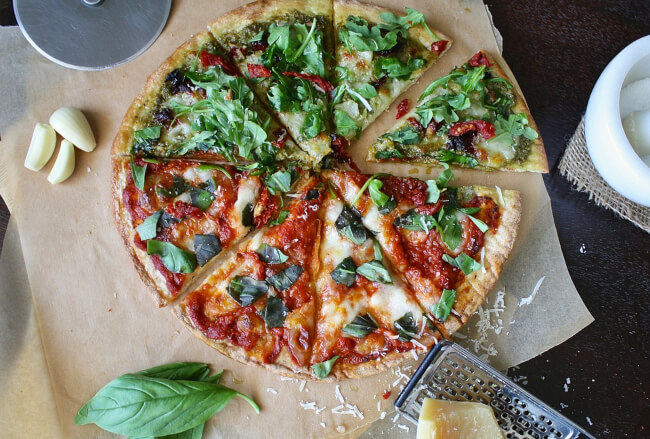
As a pizza cheese, Gruyère stands out for its excellent melting properties and its resistance to blistering, providing a consistently appealing texture. It imparts a rich and savory depth to pizzas, distinguishing them with its sophisticated character. Due to its strong flavor, Gruyère is best utilized without an abundance of competing toppings. A light hand with ingredients such as smoked sausage, peppers, smoked ham, or thinly sliced potatoes allows the cheese’s complexity to shine. Culinary analysts often point to Gruyère as a choice for "elevated pizza experiences," where flavor nuances are paramount. For ambitious cheesemakers, crafting Gruyère at home represents a significant, yet rewarding, challenge.
Camembert: The Gourmet Frontier
Camembert, a soft French cheese originating from Normandy, holds the distinction of being the most popular white mold cheese globally. It offers a mild, creamy flavor that is more adventurous than standard mozzarella but less intense than blue cheese. Traditionally, Camembert is enjoyed with breads, crackers, wine, and fruit, not typically pizza. However, its distinctive qualities have led to its adoption in more non-traditional and gourmet pizza creations.

On a pizza, Camembert melts into a luxuriously rich, creamy layer. Instead of a tomato base, a simple brush of olive oil on the crust provides an ideal foundation for generous slices of Camembert. Its rich, earthy flavor profile, enhanced by melting, pairs exquisitely with a variety of toppings. Garlic, cherry tomatoes, fresh rocket, prosciutto, and caramelized onions are classic complements. For a truly innovative approach, some chefs combine Camembert with nuts, honey, and cranberries, pushing the boundaries of sweet and savory on a pizza. Camembert is the cheese of choice for those seeking to explore new flavor dimensions and offer a truly unique pizza experience. Home cheesemakers can embark on creating their own Camembert, unlocking the secrets of this beloved French delicacy.
The Art of the Blend and Future Directions
The ultimate pizza cheese experience often lies not in a single variety, but in the strategic combination of several. Pizzaiolos frequently employ blends—such as low-moisture mozzarella for stretch and melt, cheddar for flavor and browning, and Parmesan for umami finish—to achieve a harmonious balance of texture, taste, and visual appeal. This art of blending allows for customization that caters to regional preferences and culinary innovations.
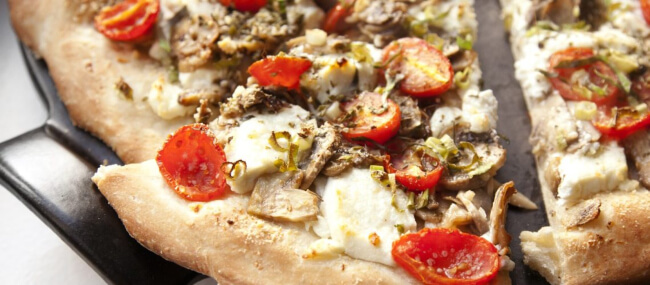
Looking forward, the pizza cheese market continues to evolve. Emerging trends include the increased demand for artisanal, regionally specific cheeses, as well as plant-based alternatives that mimic the melt and stretch of dairy. The ongoing global love affair with pizza ensures that the quest for the perfect cheese will continue, driving innovation in dairy science and culinary exploration. The implications for the food industry are significant, with manufacturers constantly developing new cheese formulations to meet the diverse and exacting demands of both commercial pizzerias and home cooks.
In conclusion, the cheese on a pizza is far more than a simple topping; it is a critical component that defines its character and appeal. From the traditional excellence of mozzarella to the adventurous spirit of chevre and the sophisticated depth of Gruyère, each cheese contributes a unique facet to the world’s most famous dish. Understanding these nuances allows for an appreciation of pizza that extends beyond mere consumption, delving into a rich tapestry of history, science, and culinary artistry. The endless possibilities offered by cheese ensure that pizza will continue to evolve, delighting palates across generations and cultures.


