
The pursuit of perfectly tender brisket, a cornerstone of barbecue culture, is often fraught with frustration. Many pitmasters and home cooks alike have encountered the disheartening scenario where a brisket, seemingly cooked to the correct visual cues and internal temperature, remains stubbornly tough, chewy, or resistant to the probe. This common culinary conundrum stems from a fundamental misunderstanding of brisket’s unique composition and the biological processes required for its transformation from a tough cut into a melt-in-your-mouth delicacy. The key to unlocking tender brisket lies not solely in achieving a specific temperature, but in allowing sufficient time and heat for the meat’s connective tissues to break down, a process that dictates the ultimate texture.
Understanding what constitutes a truly tender brisket goes beyond mere visual appeal. A tender brisket offers a distinct tactile experience. When properly rendered, the meat should yield effortlessly to the probe, akin to inserting it into softened butter. The probe should glide through the meat with minimal resistance, indicating that the collagen within the muscle fibers has successfully gelatinized. Conversely, if the probe meets resistance, even if the thermometer registers an apparently ideal temperature, the brisket has not yet reached its peak tenderness. This phenomenon is a critical indicator that the collagen, the tough connective tissue that binds muscle fibers together, has not fully broken down.

The most prevalent reason for a brisket’s refusal to tenderize is deceptively simple: insufficient cooking time. Brisket, particularly the leaner flat cut, is inherently tough due to its high concentration of collagen and elastin. These proteins require prolonged exposure to specific temperatures to transform into gelatin, which lubricates the muscle fibers and imparts succulence and tenderness. Until this molecular metamorphosis occurs, the meat will remain firm and unyielding. This is why briskets can experience a "stall"—a period where the internal temperature plateaus, despite ongoing heat application. This stall is not an indication of the cooking process ending, but rather a phase where evaporative cooling counteracts the heat, and more importantly, the connective tissues are still undergoing their crucial breakdown.
The reliance on internal temperature alone as the sole determinant of brisket tenderness can be profoundly misleading. While temperature serves as a valuable guideline, it is not the definitive endpoint. Many aspiring pitmasters mistakenly believe that a target temperature, often cited around 203°F (95°C), guarantees tenderness. However, this is a generalization that overlooks critical variables. Factors such as the specific cut of brisket, its marbling, the thickness of the meat, the cooking environment (e.g., smoker type, humidity levels), and even the ambient temperature can all influence the rate at which collagen breaks down. Consequently, a brisket might reach 203°F and still require further cooking to achieve the desired tenderness, while another might become tender at a slightly lower temperature. Tenderness is a multi-faceted outcome influenced by the interplay of time, temperature, and the inherent characteristics of the meat itself.
A common observation in brisket preparation is the differential in tenderness between the flat and the point. The flat, a leaner section, often remains firmer for longer than the richer, fattier point. This disparity arises from their distinct fat content and muscle structure. The point, with its generous marbling and intramuscular fat, benefits from the rendering process, contributing to its quicker tenderization. The flat, conversely, has less fat to lubricate its fibers, making it more susceptible to drying out and remaining tough if not cooked adequately. Therefore, when assessing tenderness, it is imperative to probe multiple locations across the brisket. If the flat section still exhibits resistance, the entire brisket requires additional cooking time, regardless of how tender the point may feel. The Pro Tip from pitmaster Christie Vanover highlights the importance of fat rendering, especially in higher-grade briskets: "If you’re cooking a higher-grade brisket, you need to make sure the fat in the point fully renders. Otherwise, when it starts to cool it will become chewy. This is where relying on both temperature and probe tenderness will make you an all-star." This underscores the nuanced approach required, combining empirical temperature readings with the sensory feedback of probe tenderness.

Fortunately, in most instances, a tough brisket can be salvaged. If the meat is still intact and warm, extending the cooking time with consistent, steady heat is the most effective solution. This allows the collagen to continue its breakdown process, ultimately yielding a more tender product. The crucial element here is patience; rushing the process often exacerbates the problem.
If the brisket has already undergone its resting period but remains tough, it can often be returned to a low heat environment for additional cooking. For briskets that have already been sliced, the options for improvement are more limited, but gentle reheating with the addition of moisture, such as broth or au jus, can still help to rehydrate and improve the texture. The overarching principle remains consistent: a tough brisket is almost invariably an unfinished brisket.
To proactively prevent the disappointment of a tough brisket in future endeavors, several best practices should be integrated into the cooking process. These include selecting a well-marbled cut of brisket, allowing adequate time for rendering and collagen breakdown, employing a reliable thermometer to monitor internal temperature, and crucially, relying on the probe test as the ultimate arbiter of tenderness. Furthermore, understanding the unique characteristics of the brisket flat and point can inform cooking strategies and expectations.

Christie Vanover, an award-winning competitive pitmaster and the driving force behind Team Girls Can Grill, offers her seasoned perspective on this common pitfall. "When brisket won’t get tender, it’s almost always asking for more time," she states. "I’ve cooked plenty of briskets that felt stubborn right up until the very end. Then, almost suddenly, the probe slides in and everything changes. Trust the feel. If it’s tight, it’s not done yet." This sentiment encapsulates the experience of countless pitmasters who have learned to trust their instincts and the tactile feedback of their probes over rigid adherence to temperature charts.
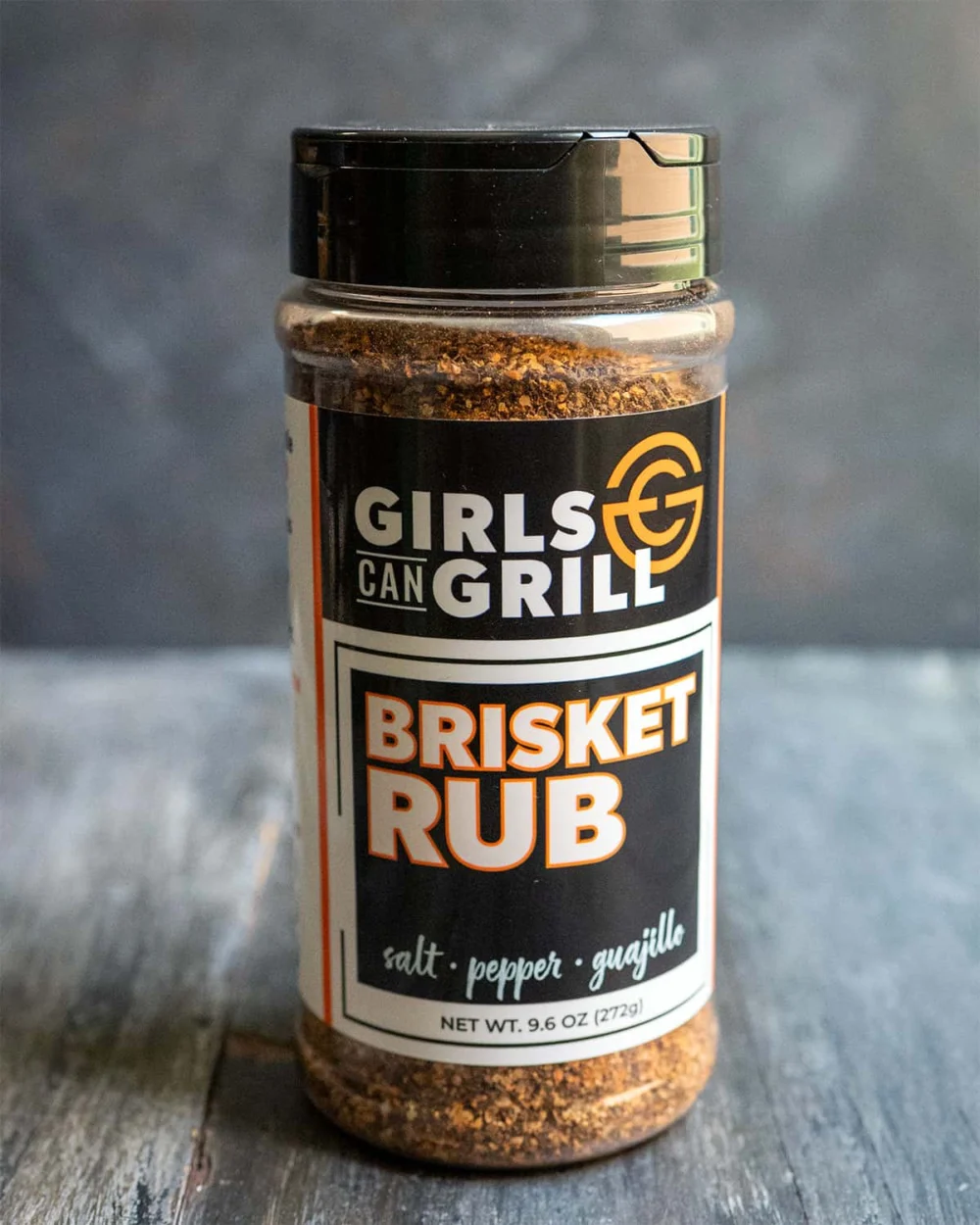
This advice is part of a comprehensive approach to brisket mastery. The Girls Can Grill website offers an extensive "Ultimate Brisket Guide," detailing every facet of preparation, from understanding brisket anatomy and proper trimming techniques to advanced cooking methodologies. The guide delves into critical foundational elements such as the importance of a quality rub, like the Girls Can Grill Brisket Rub, which is designed to enhance natural beef flavor and promote the development of an even bark through its balanced blend of salt, pepper, garlic, and savory spices.
The journey to a perfectly tender brisket is a testament to the art and science of barbecue. It demands an understanding that while temperature is a vital metric, it is the patient transformation of tough connective tissues into luscious gelatin that ultimately defines success. By embracing the lessons of time, temperature, and tactile assessment, pitmasters can elevate their brisket game, transforming potential frustration into consistently delicious results. The pursuit of this culinary ideal is an ongoing education, one that rewards patience, observation, and a deep respect for the cooking process.


