
The blackberry crisp represents a cornerstone of seasonal American confectionery, particularly during the peak harvest months of July and August when the genus Rubus reaches its physiological maturity. Characterized by a dual-texture profile—a viscous, tart fruit base contrasted by a friable, oat-based topping—this dessert serves as more than a culinary staple; it is a reflection of regional foraging traditions and the historical evolution of fruit preservation in domestic kitchens. As agricultural cycles dictate the availability of fresh produce, the transition from wild foraging to structured baking remains a significant ritual for both home cooks and professional pastry chefs across the United States.
The Culinary Dichotomy: Distinguishing the Crisp from the Cobbler
To understand the blackberry crisp, one must first analyze its position within the hierarchy of fruit-based desserts. Historically, American baking has produced a variety of "deep-dish" fruit desserts, including the cobbler, the crumble, the betty, and the grunt. The primary distinction lies in the composition of the topping. A cobbler is defined by a biscuit or dumpling-style dough that, when baked, resembles a "cobbled" stone street. This results in a cake-like or bread-heavy texture that absorbs the juices of the fruit.
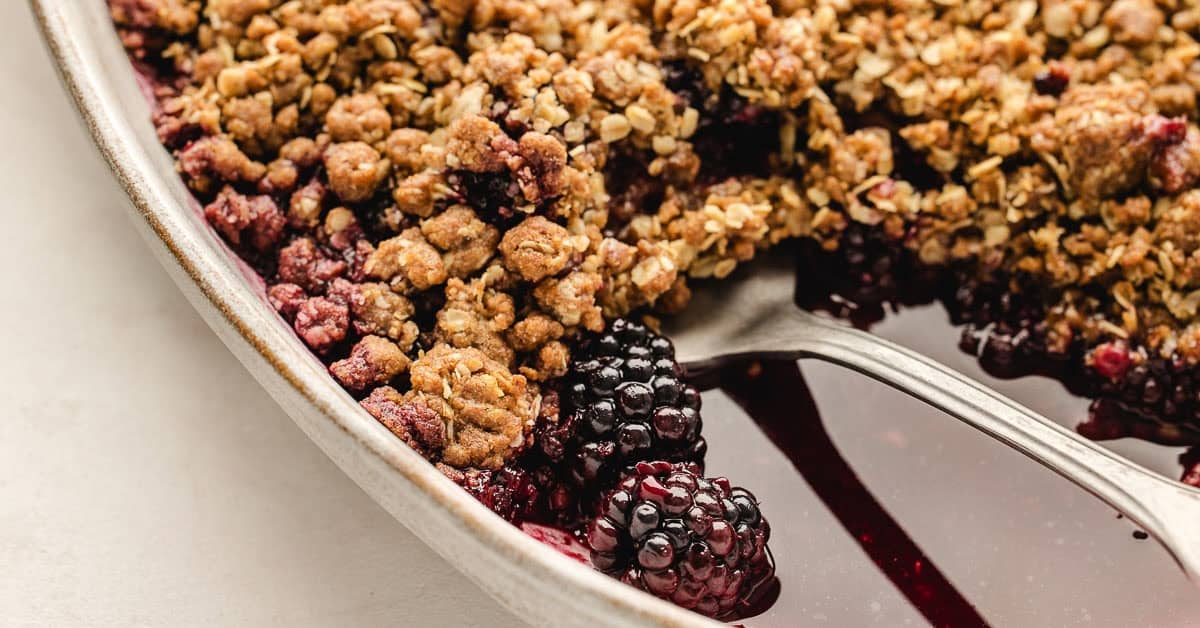
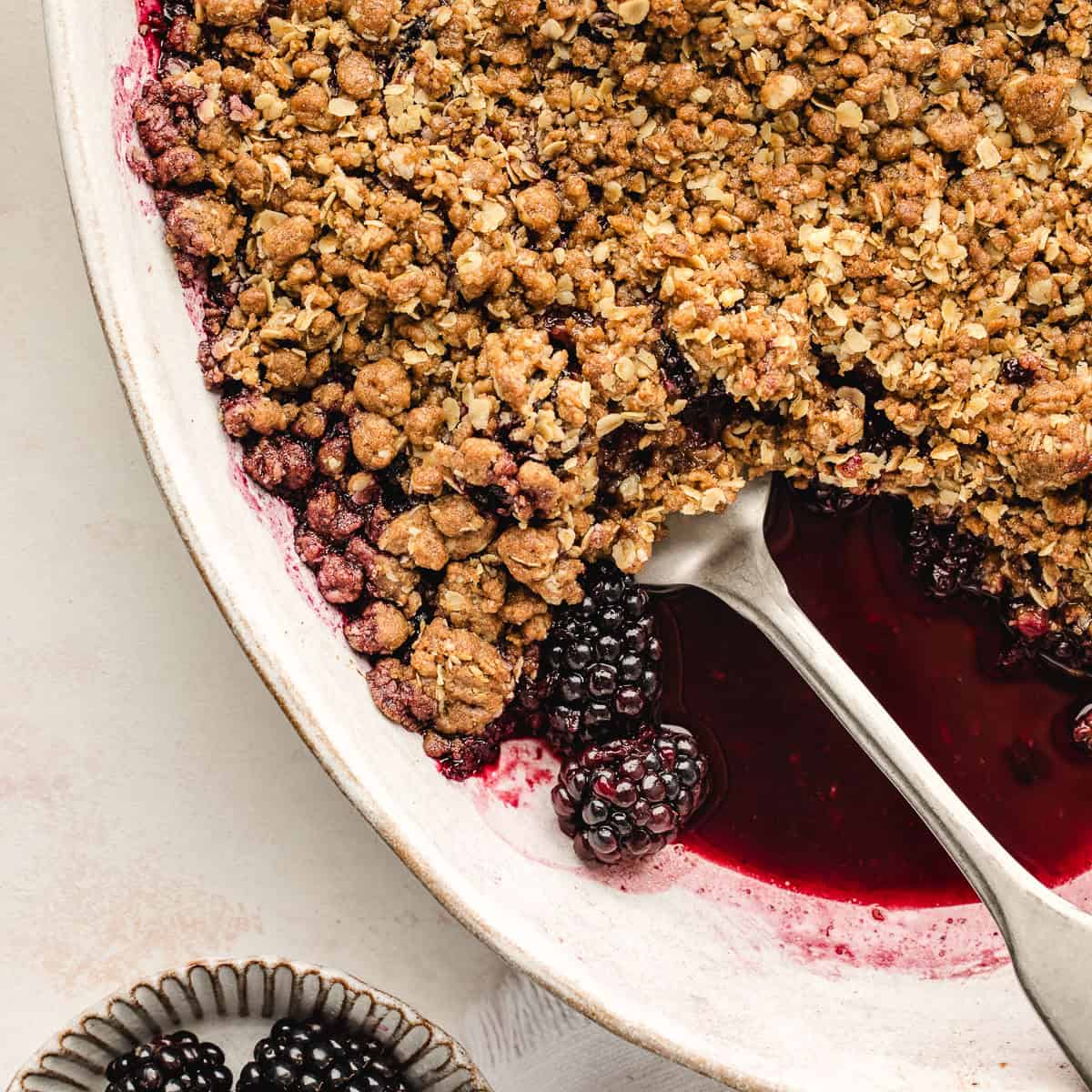
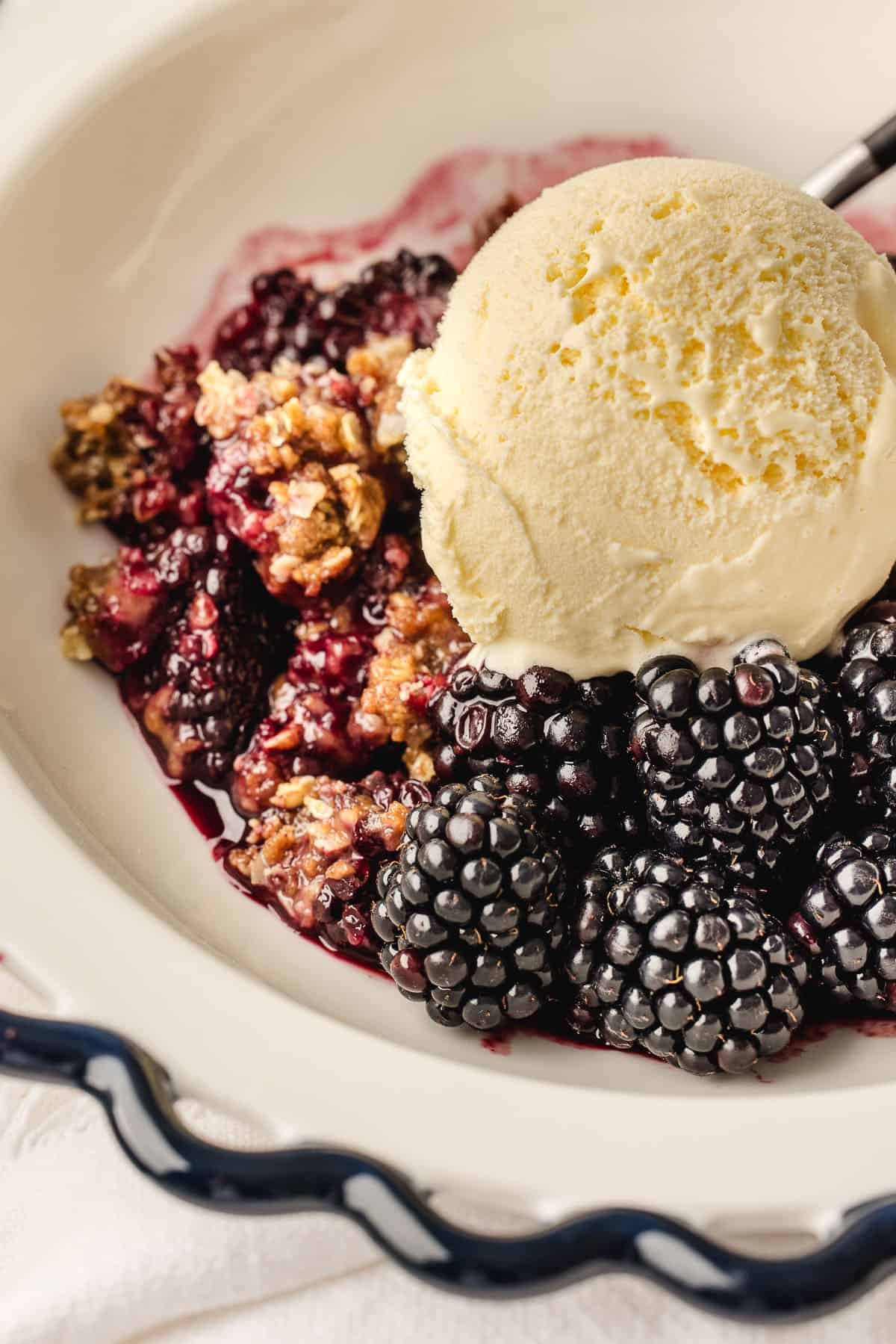
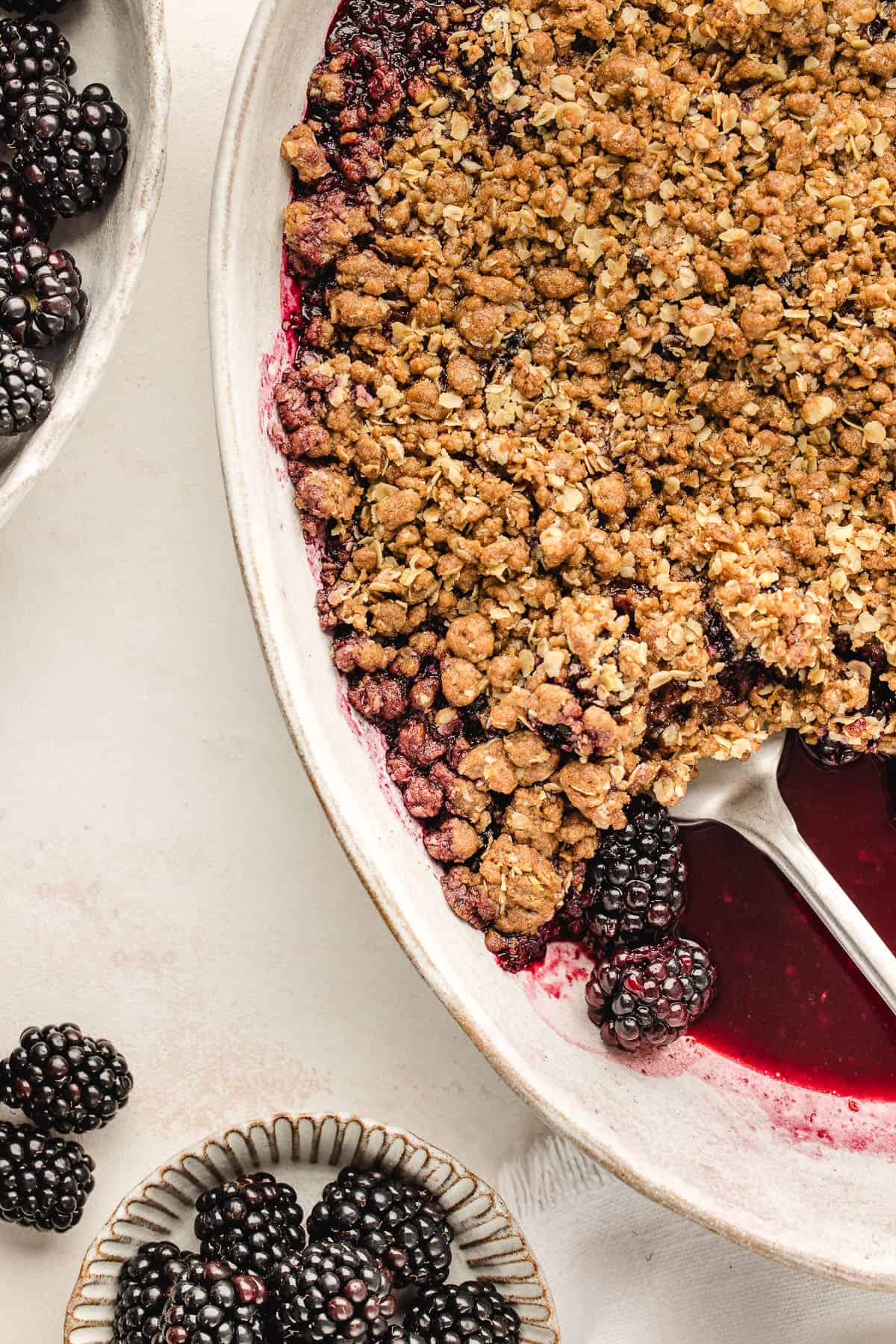
In contrast, the blackberry crisp utilizes a streusel-like topping traditionally composed of butter, sugar, flour, and, crucially, old-fashioned rolled oats. The inclusion of oats provides a structural integrity that withstands the high moisture content released by the berries during the baking process. When the lipids in the butter interact with the sugars and grains under dry heat, a Maillard reaction occurs, creating a caramelized, crunchy exterior. This structural variance is essential for consumers who prefer a textural contrast between the gelatinous consistency of cooked berries and a firm, toasted crust.
Agricultural Context and the Chronology of the Harvest
The lifecycle of the blackberry crisp begins long before the oven is preheated. In the United States, particularly in the Pacific Northwest and the Southern states, blackberries are a vital agricultural commodity. According to data from the United States Department of Agriculture (USDA), Oregon leads the nation in the production of cultivated blackberries, contributing significantly to the frozen and fresh markets. However, the tradition of the blackberry crisp is inextricably linked to wild foraging.
The chronology of the harvest typically follows a specific seasonal pattern:
- Late Spring Flowering: The blackberry briars produce white or pale pink blossoms, signaling the start of the reproductive cycle.
- Early Summer Maturation: The drupelets transition from green to red, indicating a high acid content and low sugar levels.
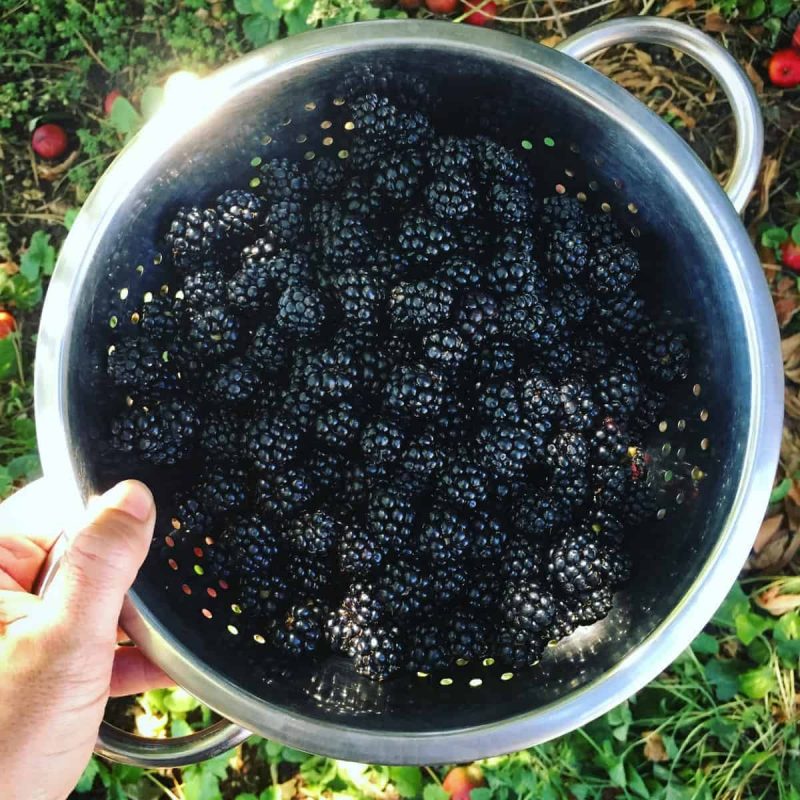
- The Peak Harvest (July–August): The fruit reaches a deep obsidian hue. At this stage, the berries possess the optimal balance of anthocyanins—antioxidants responsible for the dark pigment—and natural sugars.
- Post-Harvest Selection: Berries are either utilized immediately for fresh baking or undergo flash-freezing to preserve their cellular structure for off-season consumption.
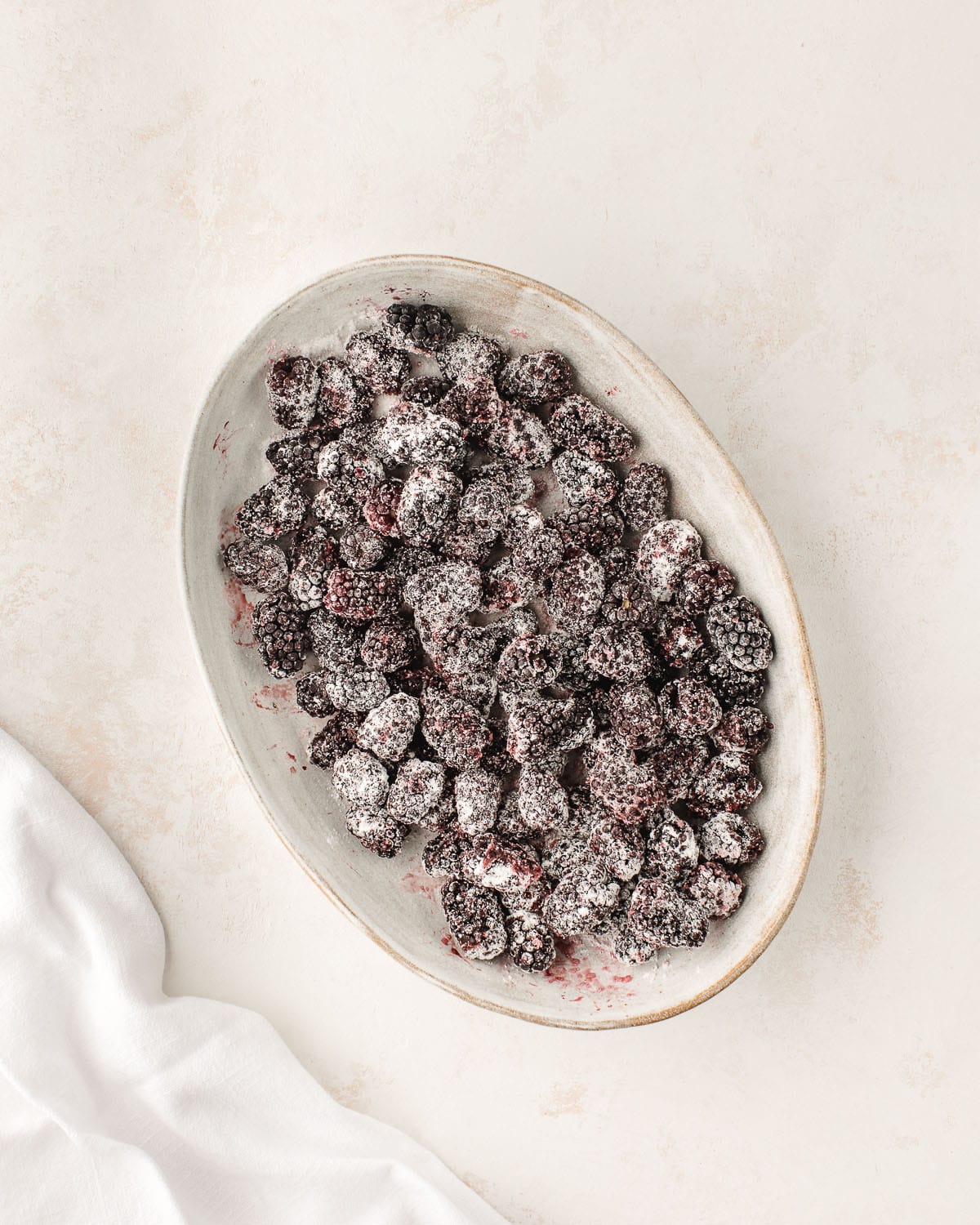
Culinary experts note that for the purpose of a crisp, the selection of fruit is paramount. While fresh berries are preferred for their firm skins, frozen blackberries are frequently used in commercial and domestic settings. When frozen, the water within the fruit expands, slightly rupturing the cell walls; this results in a more prolific release of juice during the baking process, which, when combined with a thickening agent like cornstarch or arrowroot powder, creates the signature "gooey" interior.
Technical Analysis of Ingredients and Preparation
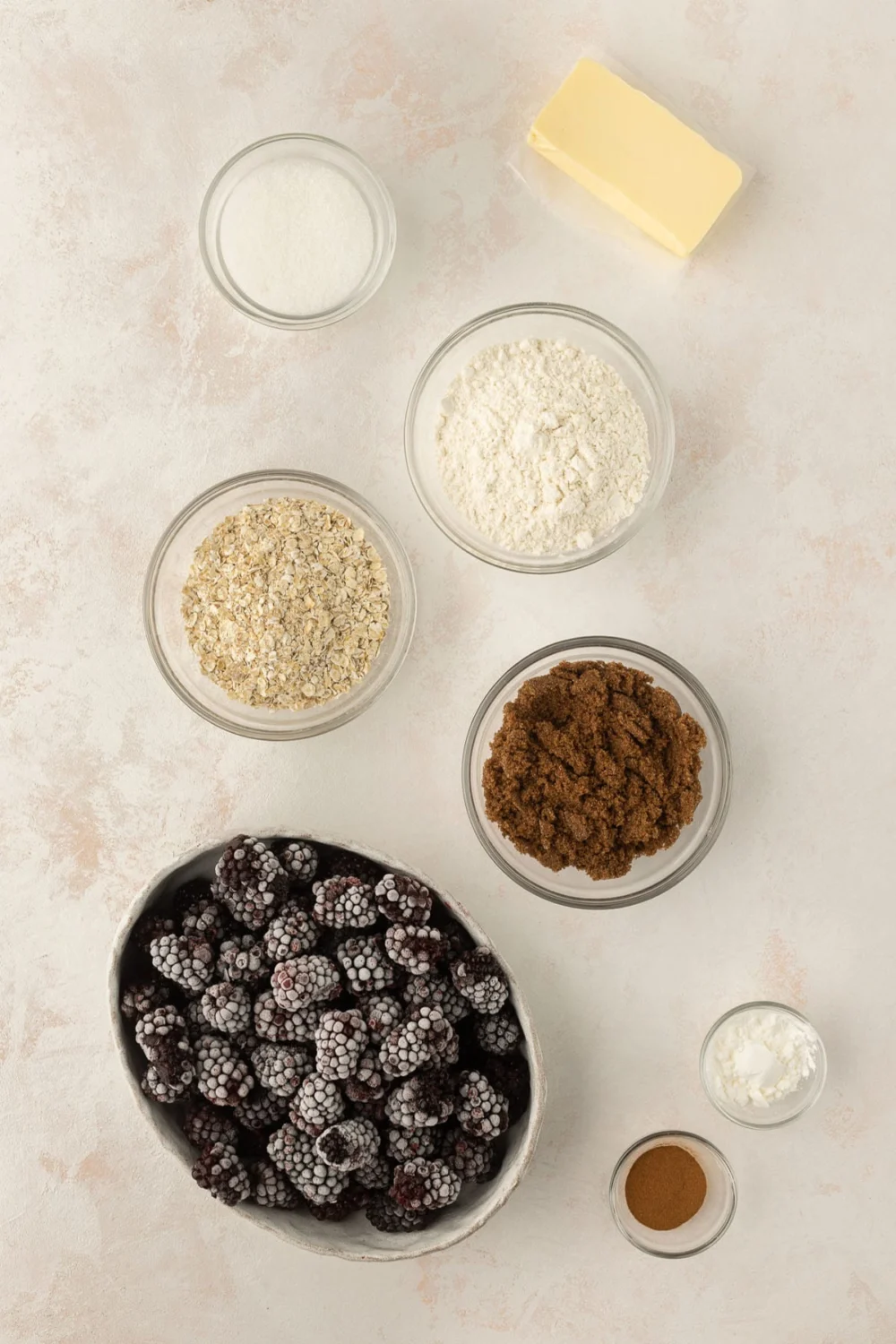
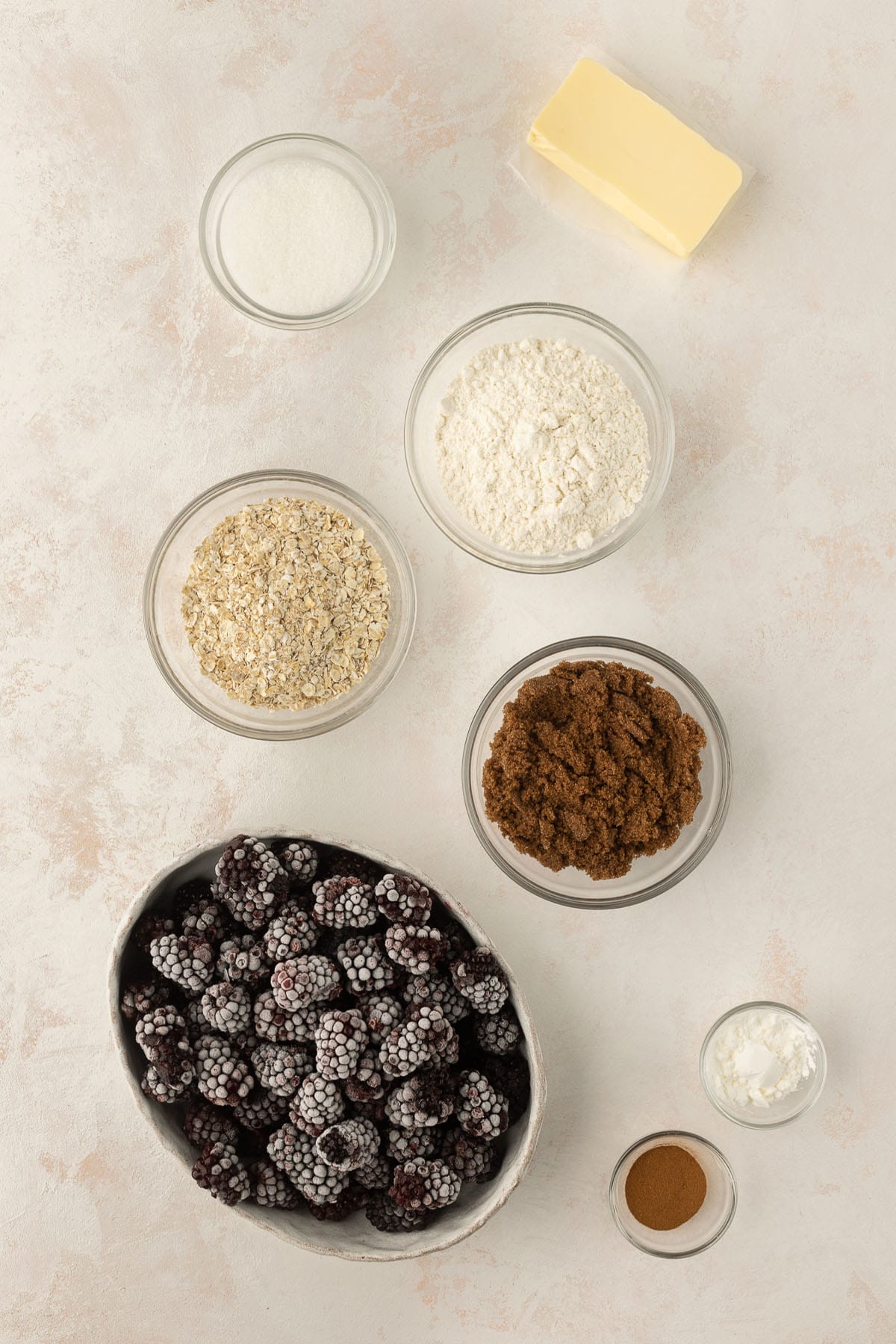
The success of a blackberry crisp is dependent on the chemical interaction of its core components. A standard professional-grade recipe requires approximately 24 ounces of berries, balanced with a precisely measured ratio of stabilizers and sweeteners.
The Fruit Base:
The addition of cornstarch serves as a hydrocolloid, thickening the berry juices as they reach boiling point. Organic cane sugar is often employed to macerate the fruit, drawing out moisture before the heat of the oven begins the reduction process. This ensures that the base of the dessert is not overly watery, which would otherwise compromise the crispness of the topping.
The Topping Matrix:
The "crisp" element is achieved through a cold-fat integration technique. Using chilled, cubed butter is essential; as the butter melts in the oven, it creates steam pockets while simultaneously frying the surrounding flour and oats. The use of dark brown sugar in the topping adds molasses content, which contributes to a deeper color and a more complex flavor profile than white sugar alone. Ground cinnamon acts as a bridge between the tartness of the fruit and the richness of the grains, a common practice in Western flavor layering.
Supporting Data: Nutritional and Economic Impact
Beyond its aesthetic and culinary value, the blackberry is a nutrient-dense fruit with significant health implications. Laboratory analysis confirms that blackberries are high in dietary fiber, Vitamin C, and Vitamin K. The high concentration of ellagic acid and anthocyanins has been the subject of numerous clinical studies regarding their potential to mitigate oxidative stress and inflammation.
From an economic perspective, the seasonal berry market contributes billions to the U.S. agricultural economy. The "pick-your-own" (PYO) farm model has seen a resurgence in recent years, as consumers increasingly value transparency in food sourcing and the "slow food" movement. This shift has revitalized interest in traditional recipes like the blackberry crisp, which prioritize whole, minimally processed ingredients over pre-packaged alternatives.
Historical Evolution and Social Responses
The "crisp" as a specific dessert category gained prominence in the early 20th century. While cobblers have roots in the colonial era—serving as a resourceful way for settlers to adapt English suet puddings to the American frontier—the oat-topped crisp became a household staple during the World War I and World War II eras. During these periods, food rationing often limited the availability of flour and white sugar. Oats, which were more plentiful and less regulated, became a primary substitute in baking, leading to the institutionalization of the "Apple Crisp" and eventually the "Blackberry Crisp."
Modern social responses to this dish highlight its role as a "comfort food." In surveys regarding seasonal eating habits, a significant majority of respondents associate the scent of baking blackberries with domestic stability and nostalgia. Culinary historians argue that the blackberry crisp survives in the modern era because it requires minimal specialized equipment—a single mixing bowl and a baking dish—making it accessible across various socioeconomic backgrounds.
Storage, Preservation, and Food Safety
Professional food safety guidelines recommend that fruit crisps be stored in airtight containers to prevent the absorption of ambient moisture, which can lead to a "soggy" topping. While the dessert can be kept at room temperature for a short period, refrigeration is advised for storage exceeding 24 hours. Under refrigeration, the crisp maintains its quality for four to five days.
For long-term preservation, the freezing of the raw components is a common industry practice. Commercial bakeries often prepare the oat topping in bulk and store it in sub-zero temperatures, allowing for "on-demand" baking that ensures the consumer receives a product with the maximum textural contrast.
Broader Impact and Culinary Implications
The enduring popularity of the blackberry crisp signifies a broader cultural commitment to seasonal gastronomy. In an era of globalized food supply chains where produce is often available year-round, the specific act of baking a blackberry crisp in late summer serves as a form of "culinary grounding." It encourages the preservation of local ecosystems—particularly the maintenance of wild berry patches—and supports the continued relevance of traditional baking techniques.
Furthermore, the versatility of the recipe allows for modern dietary adaptations. The substitution of all-purpose flour with almond meal or gluten-free flour blends, and the use of vegan butter alternatives, has allowed the blackberry crisp to remain a staple in an increasingly health-conscious and allergy-aware market. As the culinary landscape continues to evolve, the fundamental architecture of the blackberry crisp—the balance of acid, sugar, and grain—remains a definitive benchmark for American summer desserts.


