The classic Health Salad, a vibrant quick-pickled sweet and sour cabbage dish, stands as a foundational pillar of East Coast deli culture, offering a crisp, tangy counterpoint to rich meats and savory sides. This iconic appetizer, frequently served alongside an array of pickles as patrons settle into their dine-in deli experience, has recently garnered renewed attention as an entry in this month’s "Community Canning Challenge," which focuses on innovative methods for preserving brassicas and root vegetables. While its name might suggest a strictly virtuous profile, the dish’s generous sweet-and-sour balance, achieved through a precise blend of vinegar and sugar, reveals a more nuanced culinary identity that has captivated generations of diners.

The origins of Health Salad are deeply intertwined with the history of Jewish delicatessens, which began to proliferate in American cities, particularly New York, Philadelphia, and other urban centers, in the late 19th and early 20th centuries. Immigrant communities brought with them rich culinary traditions from Eastern Europe, where pickling and fermentation were essential preservation techniques for making seasonal produce last through long winters. Cabbage, being a hardy and affordable vegetable, naturally became a staple. As these delis evolved, offering a taste of home alongside new American influences, dishes like Health Salad emerged, blending traditional pickling methods with a distinctly American preference for sweeter notes. Early versions were likely simpler, focusing on cabbage and a vinegar brine, but over time, variations incorporating carrots, bell peppers, and other crunchy vegetables became common. The "health" moniker, while perhaps a marketing flourish or a nod to the perceived benefits of vegetables and vinegar, often belies the significant sugar content that defines its beloved sweet-sour profile. This naming convention is not unique to this dish; many historical "health" foods often contained ingredients or preparations that would not align with modern dietary guidelines, reflecting evolving understandings of nutrition. For instance, turn-of-the-century "health tonics" frequently contained high levels of sugar or alcohol.

The inclusion of Health Salad in the "Community Canning Challenge" underscores a contemporary resurgence of interest in home food preservation, particularly for common, robust vegetables like brassicas and root vegetables. Organized by "Food in Jars," the challenge aims to educate home cooks on various preservation techniques, from quick pickling to more involved canning methods. This month’s focus highlights the versatility of vegetables such as cabbage, carrots, beets, and parsnips, encouraging participants to explore both traditional and innovative recipes. The challenge fosters a sense of community among participants, offering platforms like Substack newsletters and Facebook groups for sharing experiences, troubleshooting, and exchanging recipes. Such initiatives play a crucial role in preserving culinary heritage while adapting it for modern kitchens, promoting sustainable practices, and enhancing food literacy among home cooks.

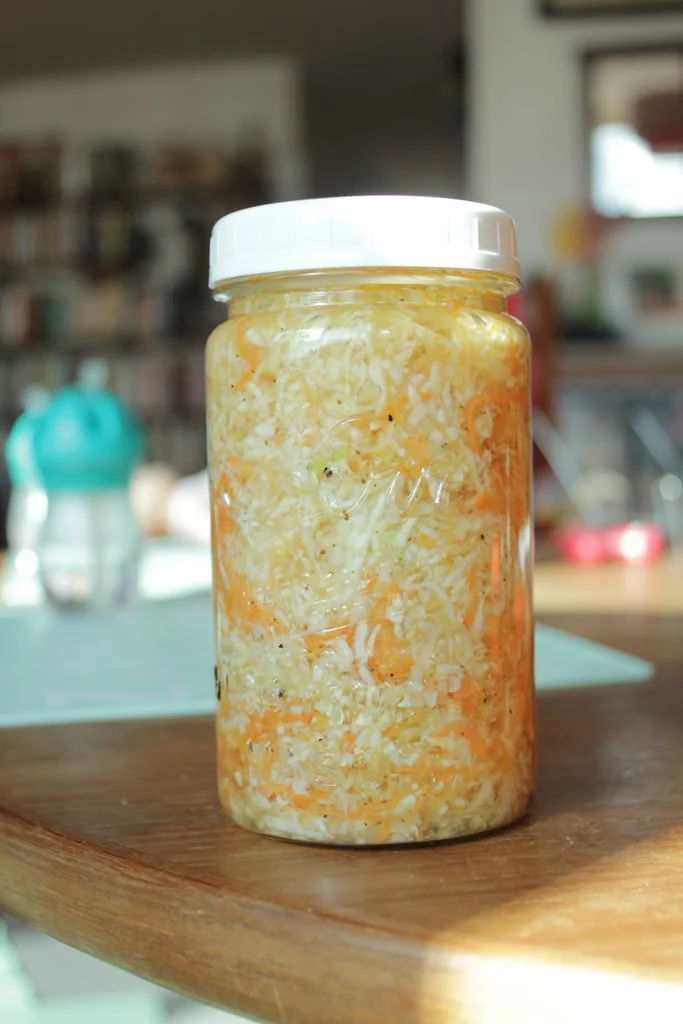
At its core, Health Salad is a masterclass in quick pickling, a method that relies on a vinegar-based brine to rapidly infuse vegetables with flavor and provide a short-term preservative effect. The fundamental components are always cabbage and a sweet-sour dressing. While the recipe featured in the "Community Canning Challenge" primarily utilizes green cabbage and a large carrot for texture and color, the dish is highly adaptable. Historical and regional variations often include thinly sliced bell peppers (both red and green), crisp cucumbers, or even peppery radishes, each adding a unique dimension to the overall flavor and visual appeal. The choice of neutral oil, such as canola or vegetable oil, in the dressing contributes to a smoother mouthfeel and helps to carry the fat-soluble flavor compounds. Celery seed is a characteristic seasoning, imparting an earthy, slightly bitter, and aromatic note that is integral to the salad’s distinctive taste, complemented by a straightforward salt and black pepper seasoning.

The preparation process is straightforward, emphasizing precision in vegetable preparation and dressing balance. Achieving the desired crispness and texture requires finely slicing or shredding the vegetables. A sharp chef’s knife can deliver precise, thin cuts, a skill valued for consistency, while a food processor equipped with a shredding blade offers efficiency, especially when dealing with larger quantities. The choice between these methods often comes down to personal preference for labor versus cleanup time. Once the vegetables are prepared, the dressing is carefully crafted. A precise ratio of white vinegar to granulated sugar is critical to achieving the iconic sweet-sour balance, typically ranging from 1/3 to 1/2 cup of sugar per 3/4 cup of vinegar, allowing for personal adjustment based on desired sweetness. The dressing is gently warmed in a saucepan, not to boil, but merely to ensure the complete dissolution of the sugar granules into the vinegar and oil. This gentle warming process also helps to meld the flavors of the salt, pepper, and celery seed, creating a homogenous brine that will evenly coat and flavor the vegetables. Pouring the slightly warm dressing over the shredded vegetables initiates the quick pickling process, allowing the acidic brine to tenderize the cabbage slightly while infusing it with flavor. After a brief resting period, the salad is packed into a clean jar and refrigerated, ready to be enjoyed.

A crucial aspect of home food preparation, especially when considering recipes like Health Salad, is the distinction between refrigerator pickles and shelf-stable canned goods. While the featured recipe is designed for refrigeration, maintaining its quality for at least two weeks under proper conditions, the question of traditional canning frequently arises. Food preservation experts, including those at the National Center for Home Food Preservation (NCHFP) and reputable companies like Ball, emphasize strict adherence to tested recipes for safe canning. The primary concern is preventing the growth of harmful bacteria, particularly Clostridium botulinum, which thrives in anaerobic, low-acid environments. For a recipe to be safely water-bath canned, it must meet specific acidity requirements (pH of 4.6 or below) and undergo precise processing times to ensure the destruction of spoilage organisms and pathogens.

Currently, the Health Salad recipe as presented is not suitable for traditional canning. Its specific ratios of vegetables to vinegar, sugar, and other ingredients have not been rigorously tested to ensure adequate acidification and heat penetration necessary for shelf stability. The closest available tested recipe, such as "Spiced Red Cabbage" found in the Ball Complete Book of Home Preserving, typically involves a significantly larger volume of vegetables (e.g., 12 pounds of cabbage) and a much higher vinegar-to-vegetable ratio (e.g., 8 cups of vinegar). While it is theoretically possible to develop a canning-safe Health Salad recipe by meticulously adjusting ingredient ratios to meet established acidity standards and then validating processing times, such development requires extensive scientific testing. Without this, home canners are strongly advised against attempting to water-bath can untested recipes, as it poses a significant food safety risk. For now, the Health Salad remains a delightful refrigerator pickle, offering immediate gratification and a fresh, crisp texture that is often preferred for such quick preparations.

The broader implications of dishes like Health Salad and the community-driven challenges that promote them are multifaceted. From a sustainability perspective, encouraging the preservation of brassicas and root vegetables, which are often abundant and inexpensive during specific seasons, helps to reduce food waste and extends the enjoyment of local produce. This practice aligns with growing consumer interest in farm-to-table movements and mindful consumption. Culturally, these recipes serve as vital links to heritage, preserving the flavors and traditions of immigrant communities and regional cuisines. As food trends evolve, maintaining access to and knowledge of these foundational dishes ensures that culinary history is not lost. Furthermore, the act of home preservation, whether quick pickling or traditional canning, fosters a deeper connection to food, empowering individuals with practical skills and an understanding of where their food comes from. The irony of the name "Health Salad" in a modern context, given its sugar content, also prompts discussions around evolving dietary guidelines and the historical context of food nomenclature. Despite its sugar, the presence of nutrient-rich cabbage and carrots, combined with the digestive benefits often associated with vinegar, means it still offers some nutritional value as a side dish. Ultimately, the enduring appeal of Health Salad underscores the power of food to connect us to history, community, and the simple joy of a perfectly balanced bite.