
The holiday season represents a pivotal period for the burgeoning outdoor recreation and wildcrafting sectors, as enthusiasts seek specialized equipment to support their engagement with the natural world. As interest in foraging—the practice of identifying and harvesting wild foods and medicinal plants—continues to rise globally, a specialized market has emerged to meet the demands of both novice and experienced practitioners. This shift is driven by a broader cultural movement toward sustainability, food sovereignty, and "rewilding." Market analysts suggest that the global foraging and wild-food market is experiencing a steady compound annual growth rate, fueled by social media trends and a post-pandemic desire for nature-based activities. Consequently, selecting appropriate tools and resources has become essential for safety, efficiency, and ethical harvesting.
The Evolution of Foraging and Wildcrafting as a Modern Industry
Historically, foraging was a necessity for survival, but in the 21st century, it has transitioned into a sophisticated hobby and professional pursuit. This evolution has necessitated a transition in equipment from improvised containers to purpose-built tools. The current market for foraging gear emphasizes three primary pillars: durability, portability, and ecological responsibility. Industry experts note that the "foraging lifestyle" now encompasses not just the act of gathering, but also home cultivation, functional nutrition, and botanical education. This expansion has created a diverse ecosystem of products ranging from traditional hand-woven baskets to high-tech mushroom cultivation kits.
Transport and Preservation: The Role of Foraging Baskets and Bags
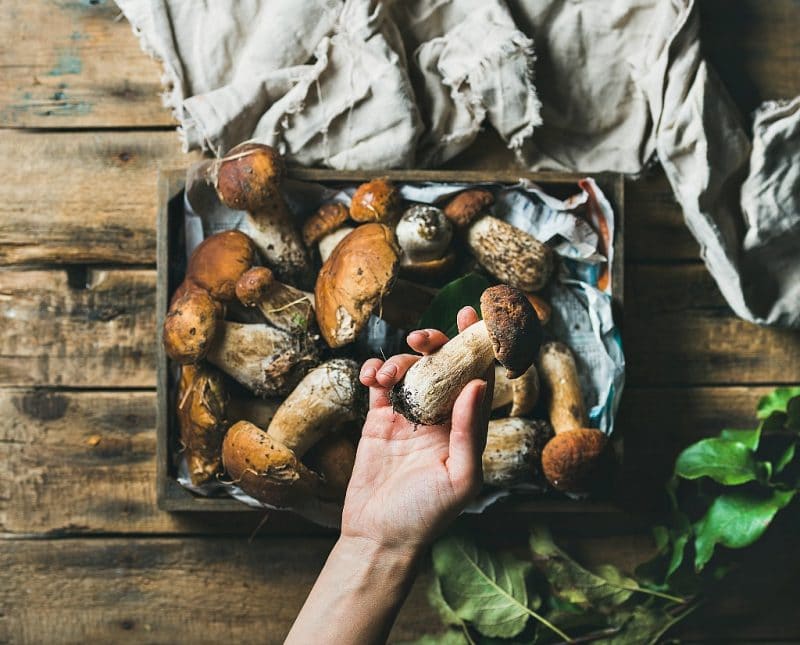
A fundamental requirement for any forager is the ability to transport harvested materials without compromising their structural integrity. Traditional plastic bags are increasingly discouraged within the community due to their lack of breathability, which can lead to the rapid decomposition of delicate specimens, particularly mushrooms.
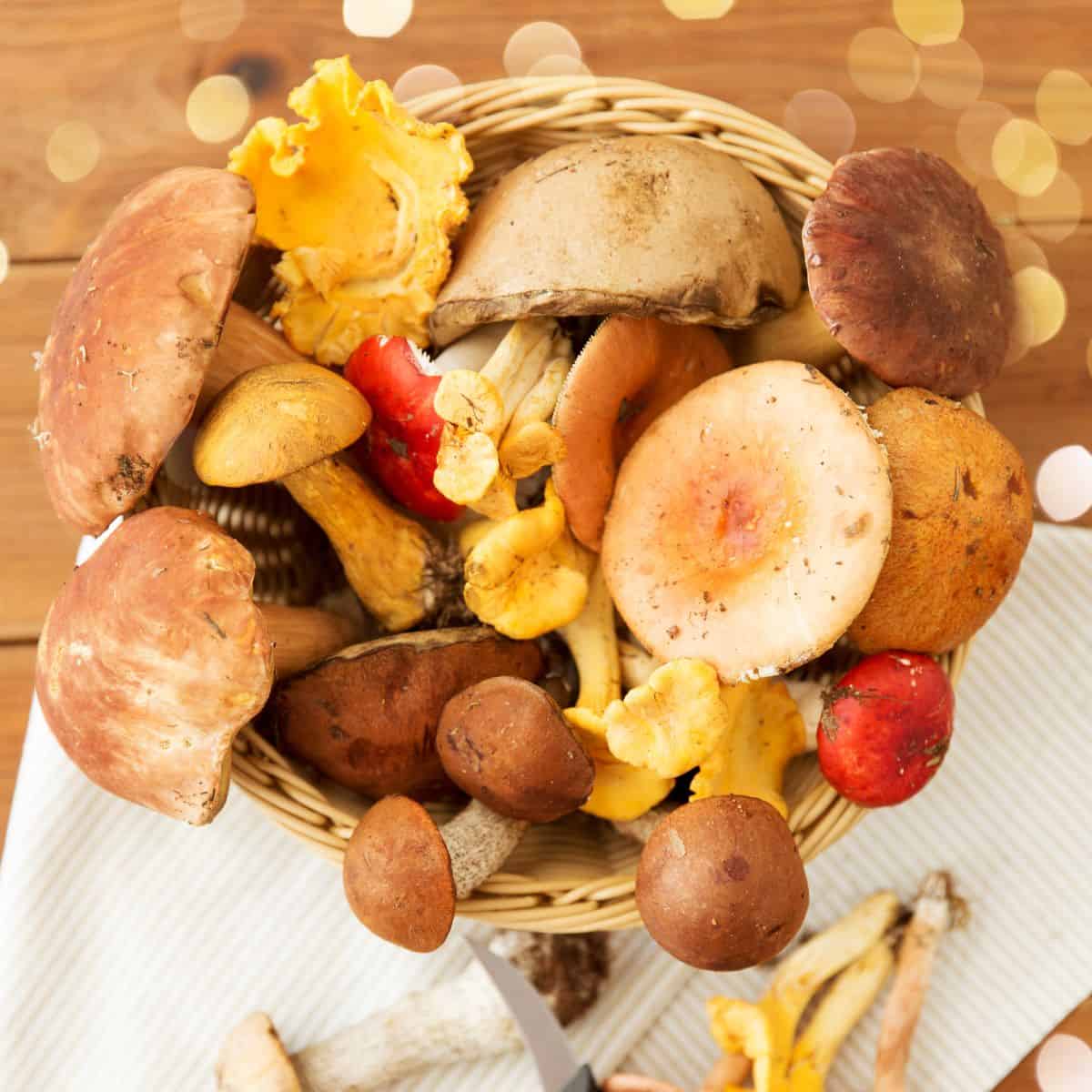
Fair-trade market baskets have emerged as a premier choice for wildcrafters. These vessels, often hand-woven from natural fibers, offer the ventilation necessary to keep plants and fungi fresh during transit. Beyond their utility in the field, these baskets serve a dual purpose as sustainable storage solutions within the home, aligning with the "zero-waste" ethos prevalent among outdoor enthusiasts.
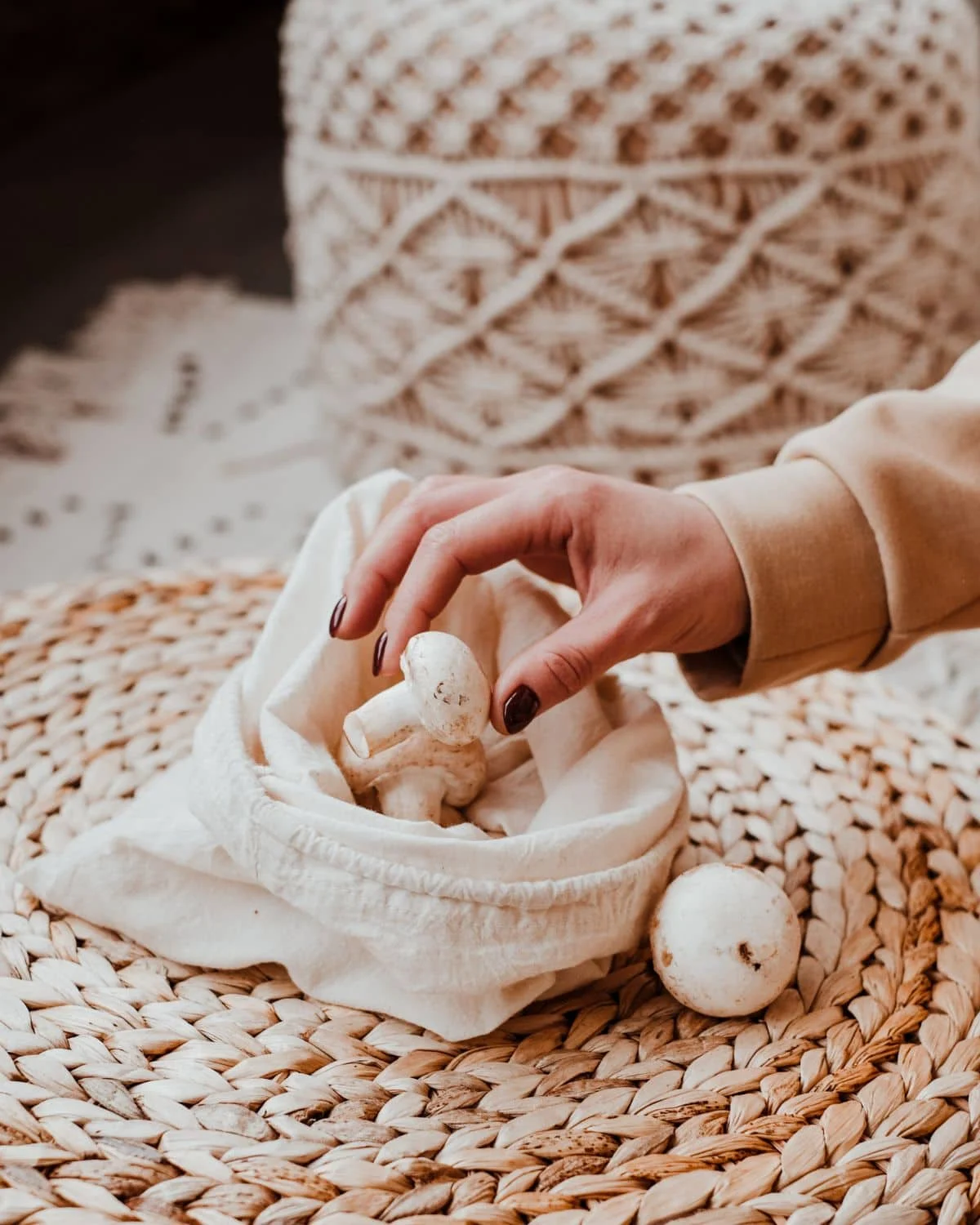
For more mobile foragers, lightweight cloth and canvas bags have become indispensable. These items are designed for spontaneity; they can be compressed into a backpack or vehicle compartment and deployed when an unexpected patch of wild edibles is discovered. The shift toward reusable cloth bags also reflects a broader environmental trend, as consumers move away from single-use plastics in both foraging and general grocery shopping. Data from consumer behavior studies indicate that foragers are 40% more likely than the average consumer to prioritize biodegradable or sustainably sourced materials in their equipment.
Precision Instruments: Foraging Knives and Ergonomics
The foraging knife is perhaps the most critical tool in a wildcrafter’s kit. Unlike general-purpose pocket knives, specialized foraging knives are designed for the specific physiological demands of harvesting wild flora and fungi.
The French manufacturer Opinel has set a high standard with its specialized mushroom knife. This tool features a curved Sandvik stainless steel blade, designed to cut stems cleanly without uprooting the delicate mycelium—a practice essential for sustainable harvesting. A distinguishing feature of this instrument is the integrated boar-hair brush on the handle, which allows foragers to clean soil and debris from specimens in the field, thereby reducing processing time in the kitchen.
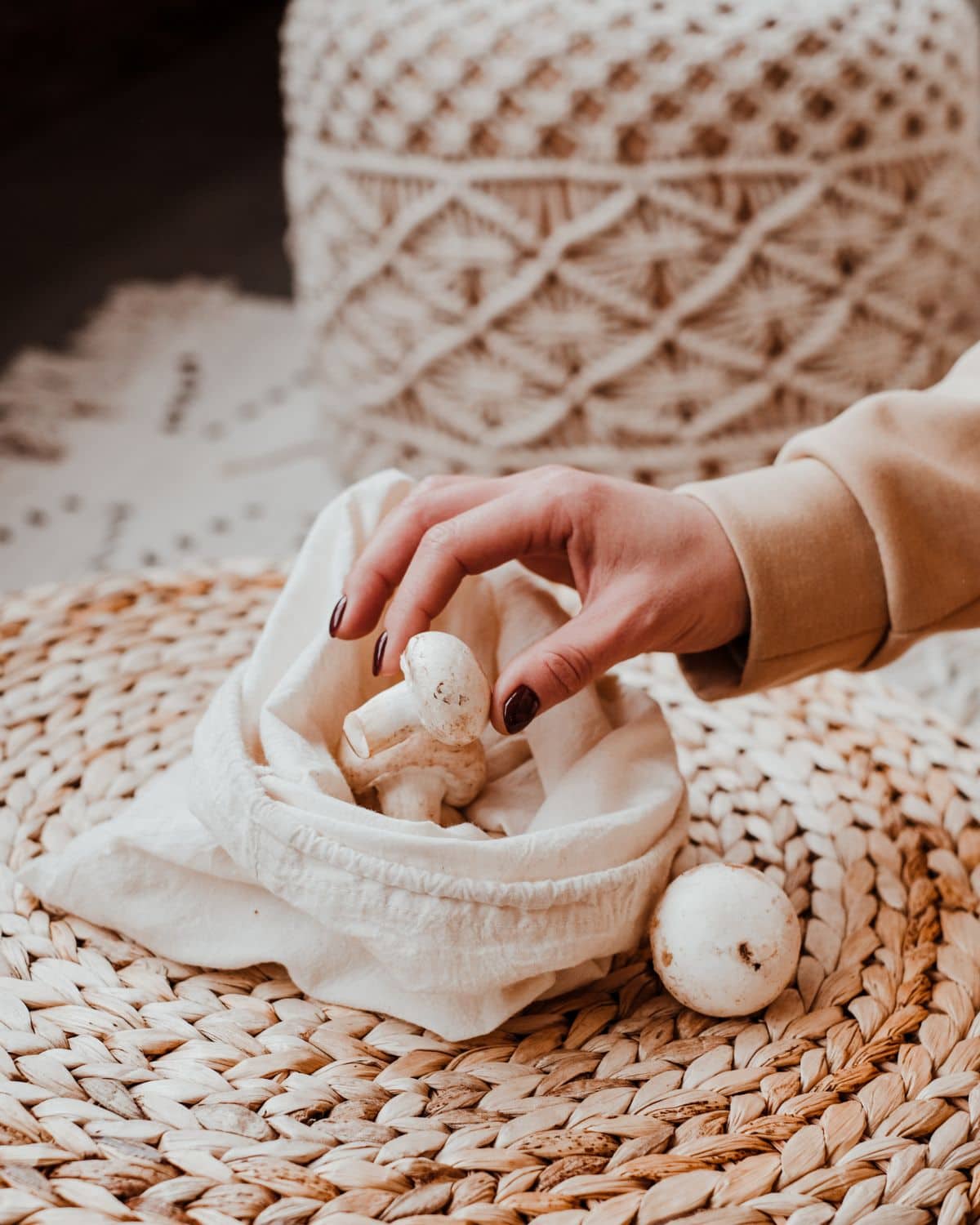
For general wildcrafting, which may involve cutting tougher stalks or digging for roots, fixed-blade knives like the Morakniv Companion are frequently recommended by outdoor educators. These knives are praised for their "Scandi grind," a blade geometry that excels at woodcraft and precision cutting. Market data suggests that the Morakniv brand has seen a surge in popularity among bushcrafters and foragers due to its balance of affordability and high-carbon steel durability. Ergonomics play a vital role here; a knife that "feels good in the hand" reduces the risk of repetitive strain injuries during long days in the field.
Home Cultivation: The Rise of Domestic Mycology
While wild foraging remains the primary draw, there is a growing segment of the market dedicated to bringing the foraging experience indoors. Mushroom growing kits have become a popular entry point for individuals who may be intimidated by the complexities of wild fungi identification.
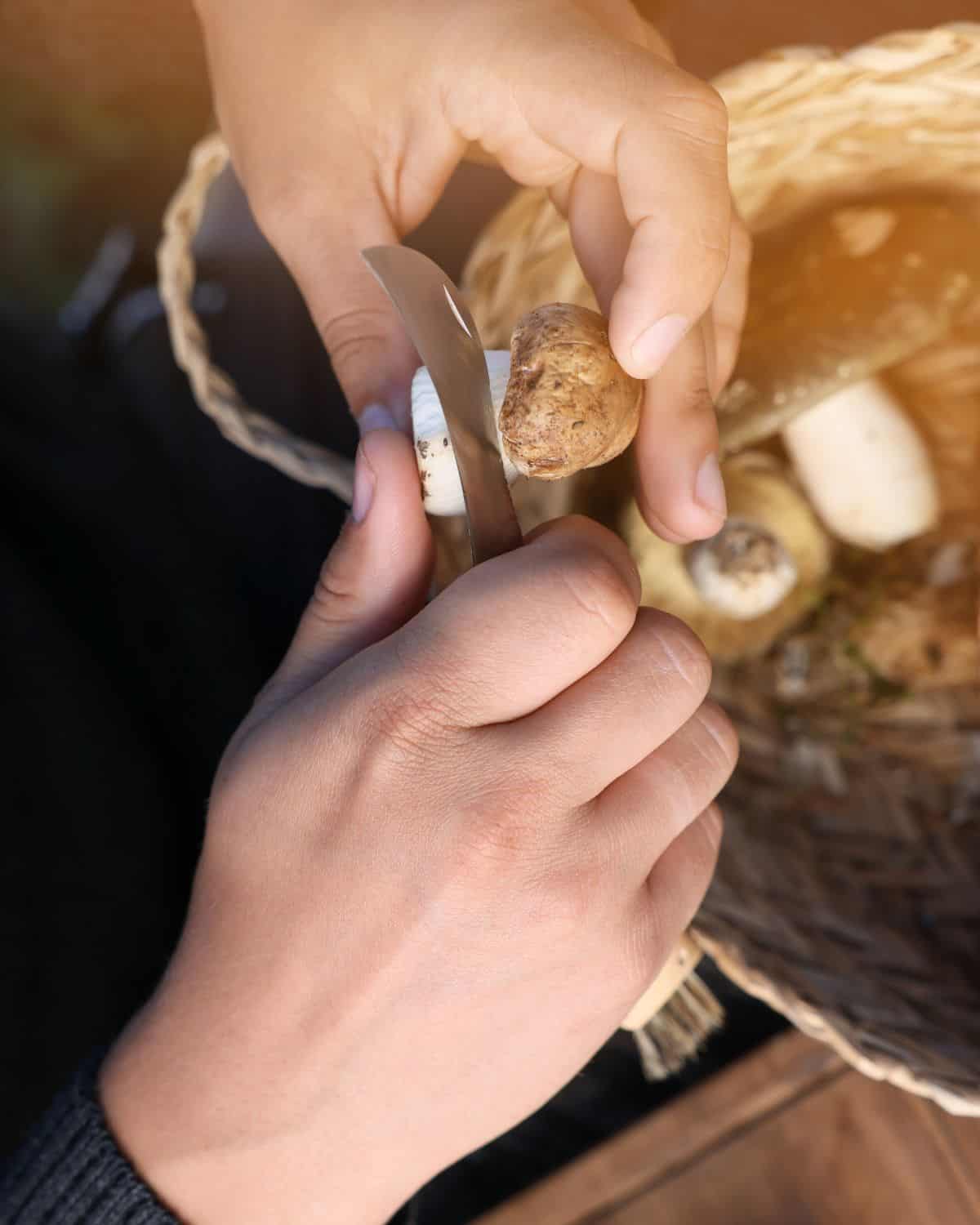
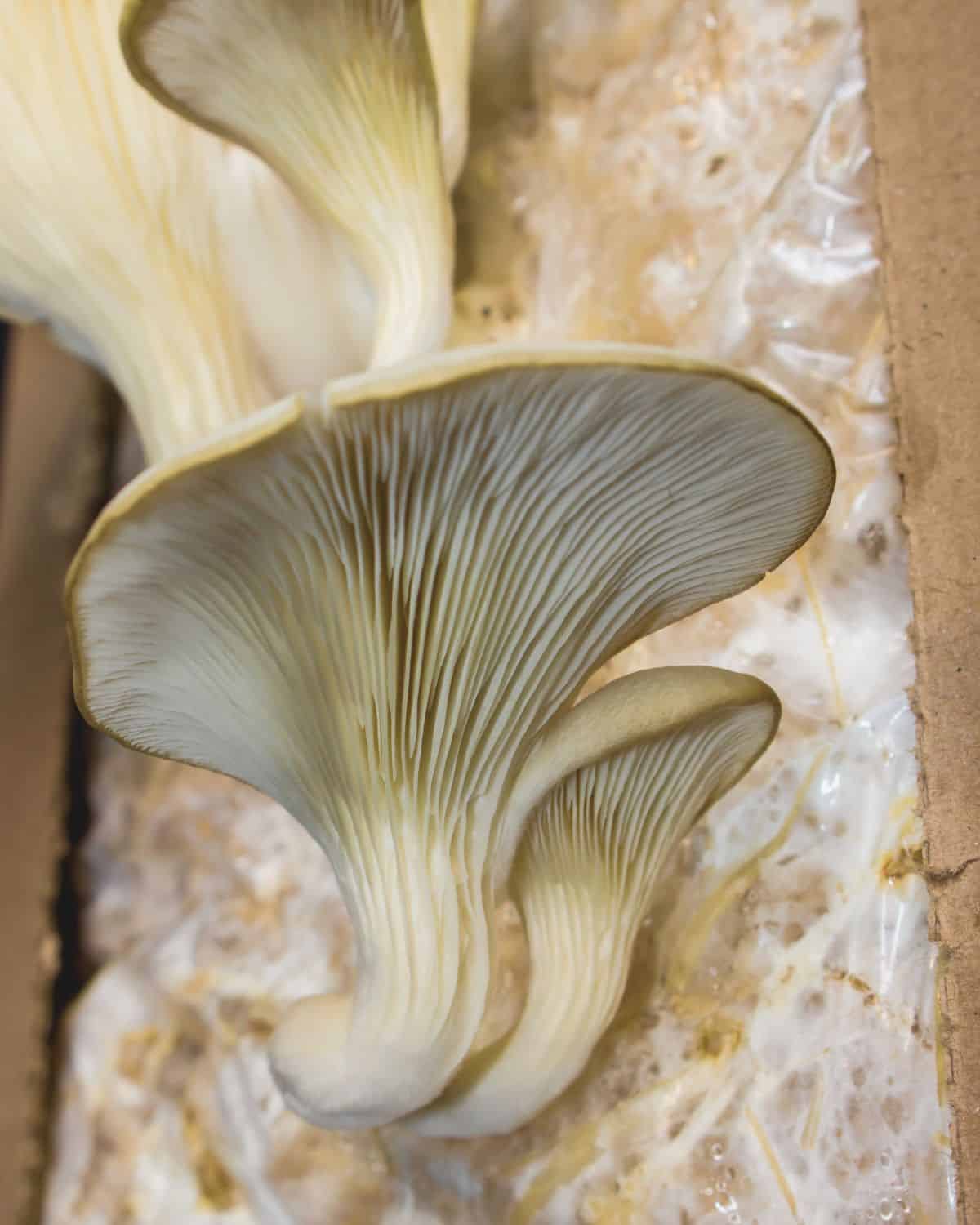
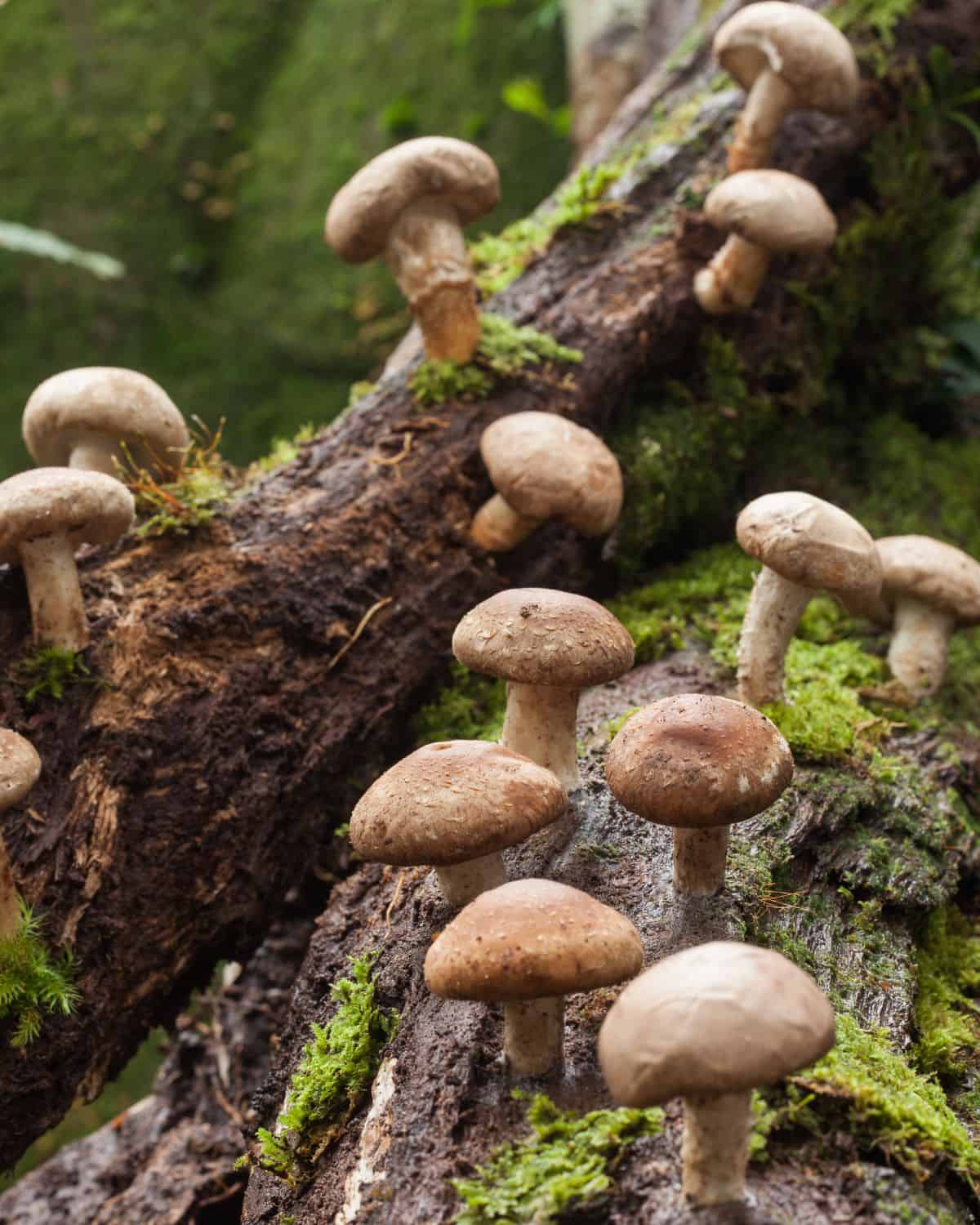
Companies like Back to the Roots have successfully commercialized organic "mini farms" that allow consumers to grow oyster mushrooms on their kitchen counters. These kits serve an educational purpose, demystifying the growth cycle of fungi and providing a controlled environment for safe consumption. For more advanced practitioners, the market has expanded to include mushroom spawn plugs—inoculated wooden dowels used to "seed" logs with shiitake or oyster mushrooms. This method of forest farming represents a bridge between traditional foraging and intentional agriculture, allowing landowners to utilize their wooded areas for food production.
Functional Wellness and the Mushroom Beverage Market
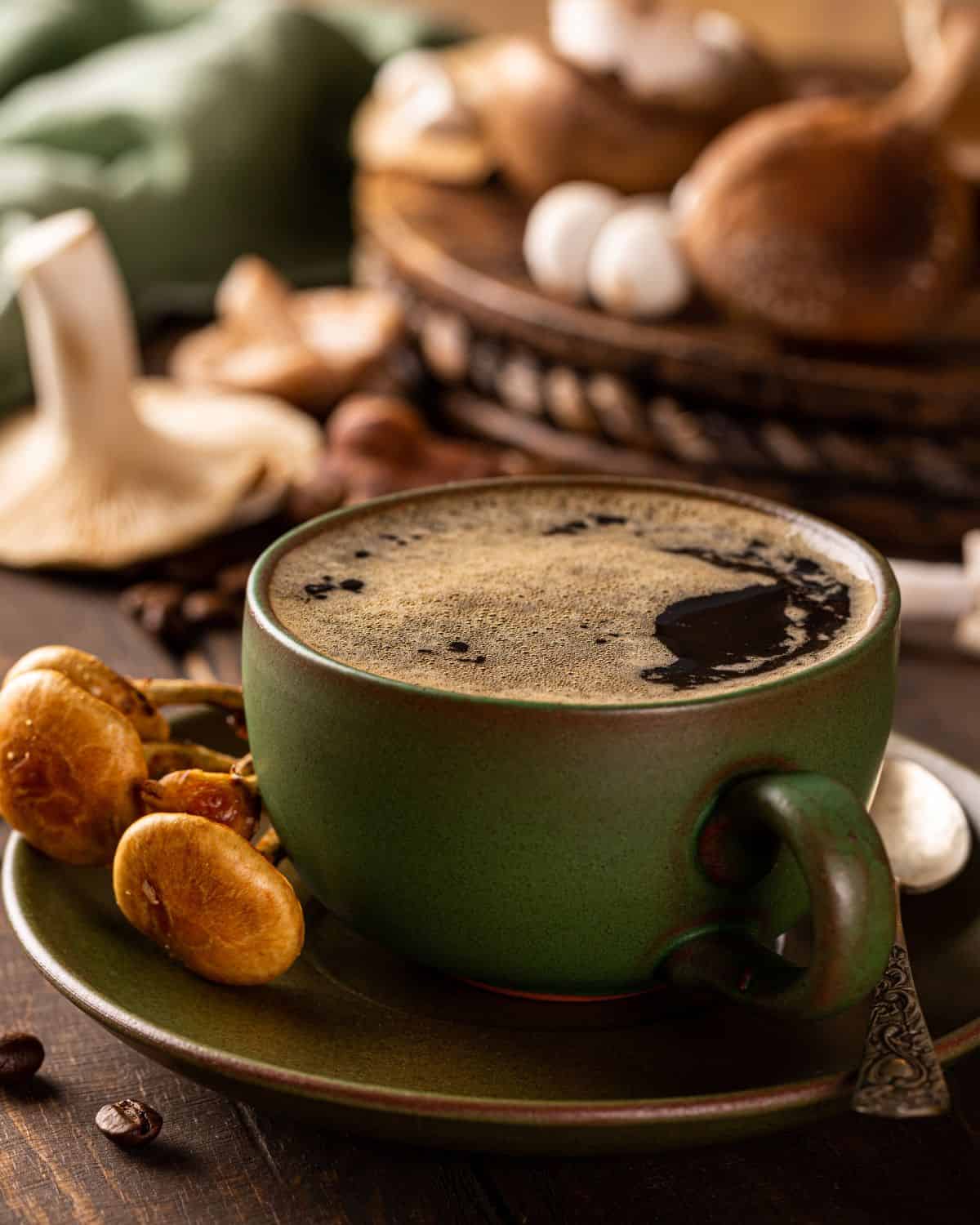
The intersection of foraging and wellness has birthed a significant market for "functional foods," specifically mushroom-infused beverages. Brands like Four Sigmatic have capitalized on the adaptogenic properties of mushrooms such as Lion’s Mane, Chaga, Reishi, and Turkey Tail.
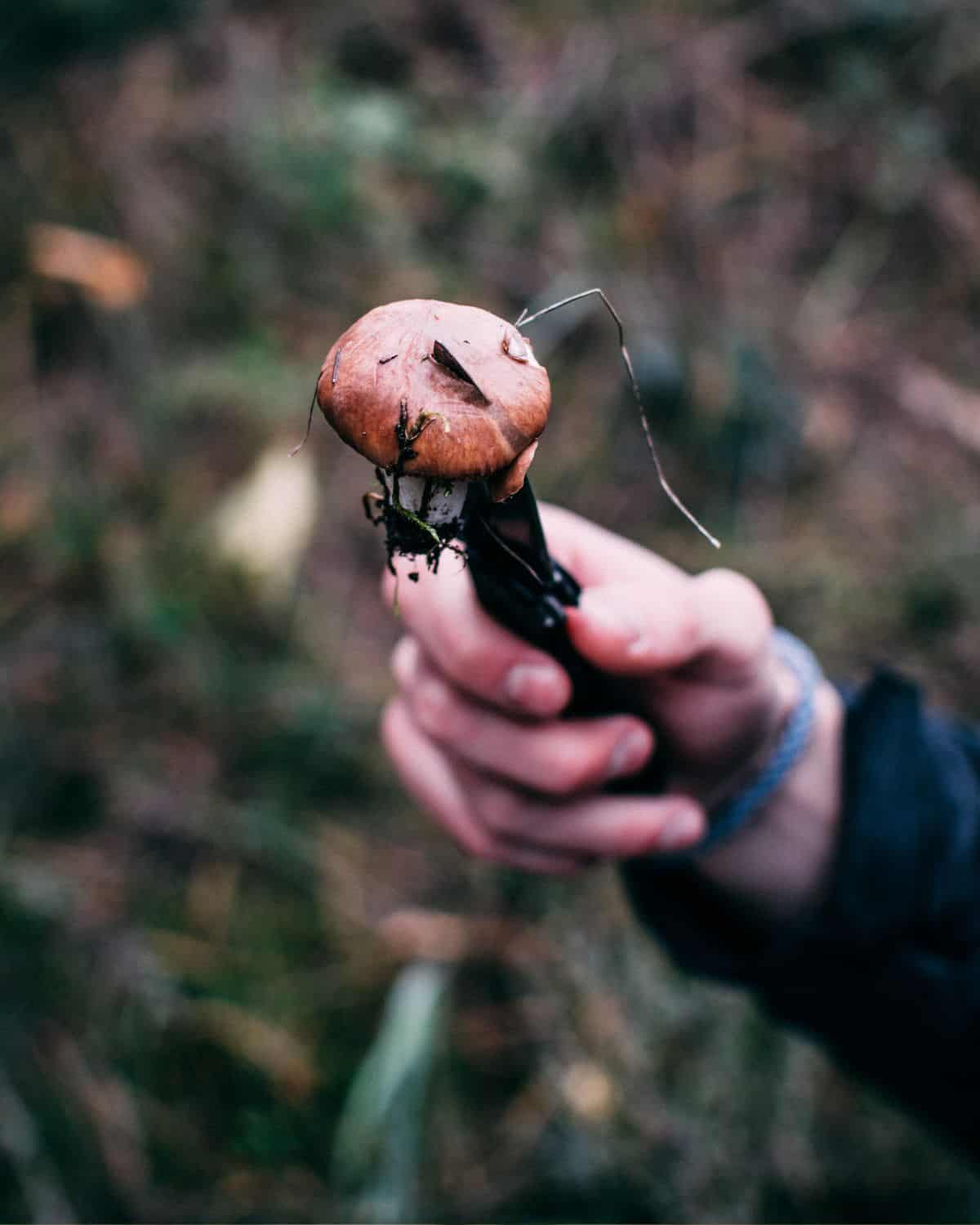
Lion’s Mane and Chaga blends are frequently marketed as cognitive enhancers and immune system supports, often serving as caffeine-free or low-caffeine alternatives to traditional coffee. The global functional mushroom market was valued at approximately $25 billion in 2020 and is projected to reach over $40 billion by 2030. This growth is driven by a consumer base that values the historical medicinal applications of foraged plants, repackaged for modern convenience in the form of instant packets, chai lattes, and hot cocoas.
Aesthetic and Lifestyle: Foraging in the Home
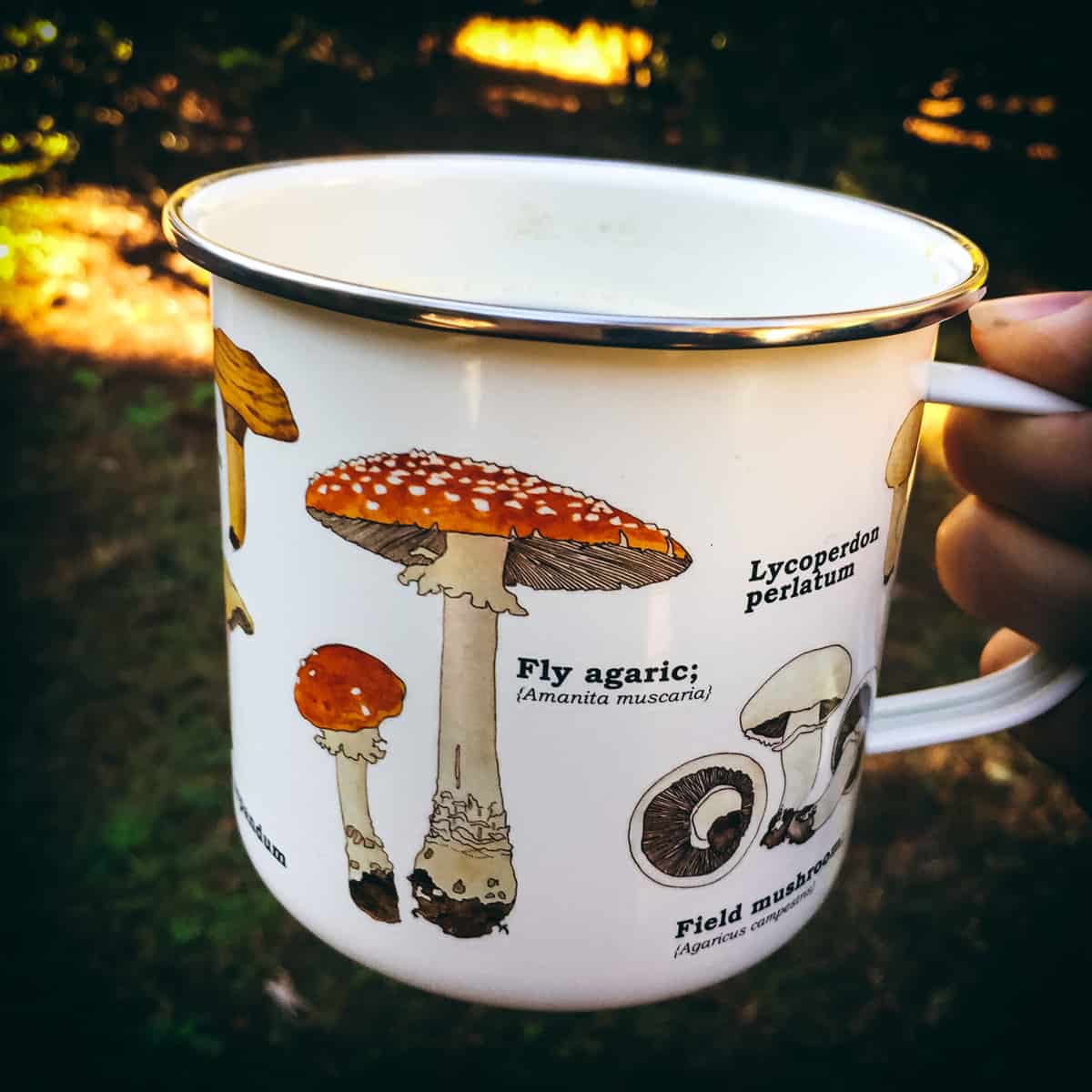
The "cottagecore" and botanical aesthetic trends have influenced home decor, with foraging-themed kitchenware and clothing becoming seasonal staples. Mushroom-themed mugs, oven mitts, and vintage-style tea towels allow enthusiasts to integrate their passion for the outdoors into their daily domestic lives.
Apparel has also seen a shift toward botanical literacy. Small-scale artisans, such as those at Taproot Threads, produce clothing featuring accurate scientific illustrations of yarrow, mushrooms, and other wild plants. This trend serves a dual purpose: it allows for personal expression while acting as a "field guide on a shirt," fostering conversations about plant identification and conservation.
Education and the Next Generation of Foragers
One of the most significant implications of the foraging boom is the emphasis on intergenerational learning. Educators argue that teaching children about plant life cycles and ethical harvesting is crucial for future environmental stewardship.
Resources like the "Wildcraft! An Herbal Adventure Game" provide a gamified approach to botanical education, teaching children (and adults) about 27 different medicinal and edible plants. Similarly, the literary market has seen an influx of children’s books focused on the life cycles of wild flora. Titles such as The Dandelion Seed and In a Nutshell use narrative to explain complex ecological processes. For parents looking to take their children into the field, specialized guides like Foraging with Kids and Family Foraging emphasize safety and the "look-but-don’t-touch" protocols necessary for poisonous look-alikes.
The Foraging Library: Safety and Identification
Despite the availability of digital apps, professional foragers almost universally recommend physical field guides as the most reliable resource for identification. The risks associated with misidentification—ranging from mild gastrointestinal distress to fatal poisoning—make high-quality literature a non-negotiable component of a forager’s toolkit.
The works of Samuel Thayer, such as Nature’s Garden and The Forager’s Harvest, are widely considered the gold standard for North American ethnobotany. Thayer’s research is characterized by rigorous field testing and a focus on the most common and palatable wild foods. In the realm of mycology, David Arora’s All That the Rain Promises and More is prized for its portability and wit, while his magnum opus, Mushrooms Demystified, remains the "bible" for serious fungal identification.
Market Analysis and Broader Implications
The surge in demand for foraging gear has significant economic and social implications. For small-scale artisans—basket weavers, knife makers, and independent publishers—the holiday season provides a critical revenue stream that supports traditional crafts. However, the rise in popularity also poses challenges for conservation.
State and national parks have reported an increase in unauthorized harvesting, leading to calls for better public education on "Leave No Trace" principles. Ethical foraging dictates that a harvester should never take more than they need and should always leave enough of a plant or fungus to ensure its continued reproduction. As the foraging industry grows, the role of high-quality gear and educational resources becomes even more vital in ensuring that this ancient practice remains sustainable in a modern context.
In conclusion, the modern forager’s gift guide is more than a list of products; it is a reflection of a society seeking a deeper connection with the environment. Whether through a well-balanced knife, a breathable basket, or a comprehensive field guide, these tools facilitate a safe and respectful engagement with the natural world. As the industry continues to expand, the focus remains on the intersection of utility, education, and ecological preservation.


