
Mother’s Day has long been a cornerstone of the global retail calendar, traditionally characterized by high-volume sales in floral arrangements, jewelry, and restaurant bookings. However, recent shifts in consumer behavior indicate a move away from external celebrations toward "home-centric" wellness and personalized experiences. This transition is underscored by a growing emphasis on "restorative gifting," where products that promote sleep, comfort, and domestic tranquility take center stage. As brands like Purple, a leader in comfort technology, partner with lifestyle entities such as Sleepy Jones, the market is witnessing a convergence of high-tech utility and aesthetic luxury, aimed at meeting the modern mother’s demand for downtime.
The Shift Toward the Sleep Economy and Domestic Wellness
The concept of the "Sleep Economy" has expanded significantly over the last decade, growing into a multi-billion-dollar industry that encompasses everything from advanced mattress technology to high-end loungewear. Market research suggests that consumers are increasingly prioritizing health and wellness in their gift-giving habits. According to data from the National Retail Federation (NRF), spending on Mother’s Day has seen a consistent upward trajectory, with a notable portion of that expenditure shifting toward categories that facilitate "self-care" at home.

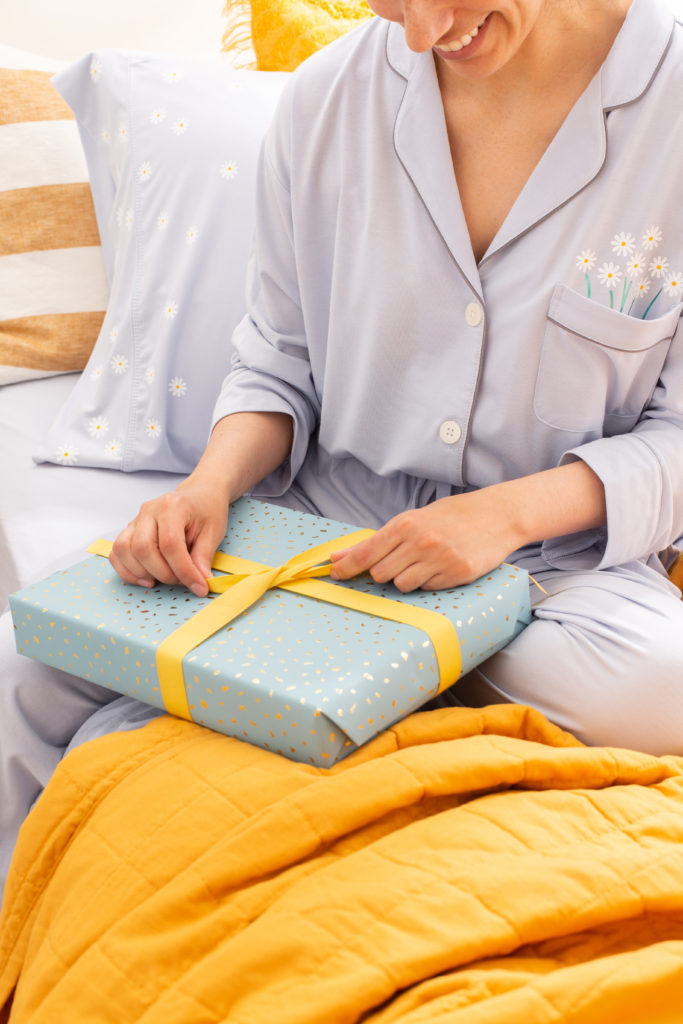
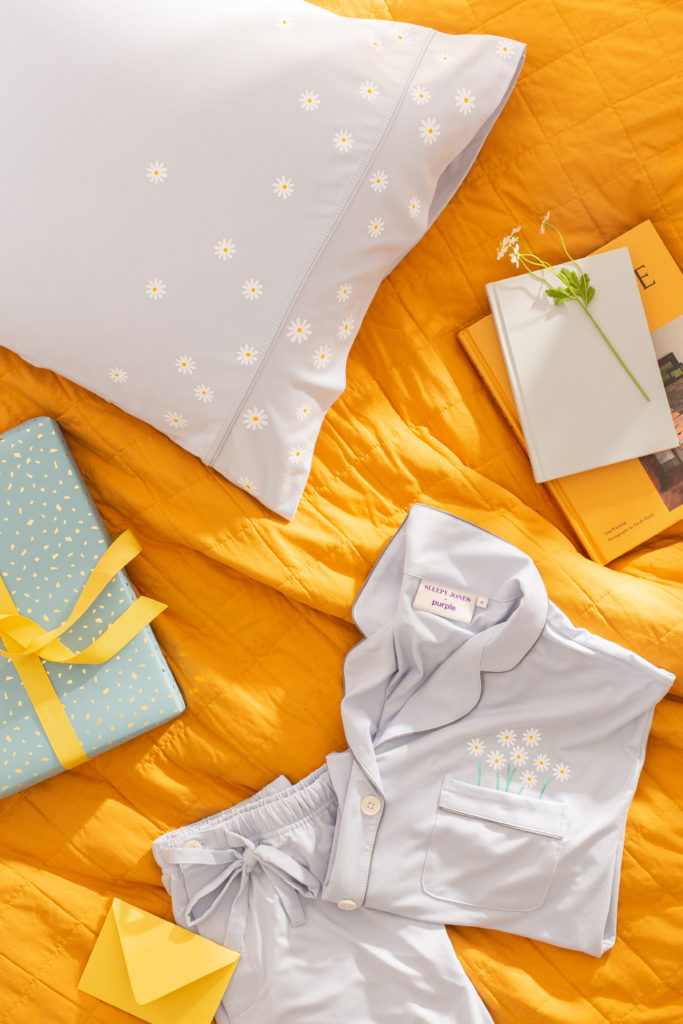
In this context, sleep is no longer viewed merely as a biological necessity but as a luxury commodity. The collaboration between Purple and Sleepy Jones exemplifies this trend. By merging Purple’s proprietary stretch materials with the classic design sensibilities of Sleepy Jones, the partnership targets a demographic that values both the science of sleep and the fashion of leisure. This "lounge-worthy" gifting strategy aligns with a broader societal move toward slow living, where the gift of time—often manifested as a morning of undisturbed rest—is considered the ultimate luxury.
Chronology of Mother’s Day: From Sentiment to Strategy
The observation of Mother’s Day in the United States began in the early 20th century, spearheaded by Anna Jarvis, who envisioned a day of personal, heartfelt tribute. However, the holiday was quickly adopted by the retail sector, leading to its status as one of the most commercially significant days of the year.
By the mid-20th century, the "standard" gifts—carnations and greeting cards—became staples. By the 1990s and early 2000s, the focus shifted toward "experience gifts," such as spa days and brunch outings. The most recent era, accelerated by the global shift toward remote living and home-office integration, has seen a return to the domestic sphere. Today’s consumers are looking for ways to enhance the "everyday luxuries" of the home. This includes high-thread-count sheets, ergonomically designed pillows, and personalized apparel. The current retail strategy focuses on "the sanctuary of the bedroom," positioning products not just as physical items, but as tools for mental and physical recovery.
Data Analysis: Consumer Spending and the Value of Personalization
Statistical analysis of holiday spending reveals that "thoughtfulness" remains the primary driver for gift selection. While jewelry remains the highest-spending category in terms of dollar value, the "personal service" and "special outing" categories have seen competition from "customized home goods."
- Retail Volume: Recent NRF surveys indicate that approximately 84% of U.S. adults celebrate Mother’s Day, with average spending exceeding $240 per person.
- Category Growth: There has been a 15% year-over-year increase in the "housewares and gardening" category, reflecting a desire to beautify the immediate environment.
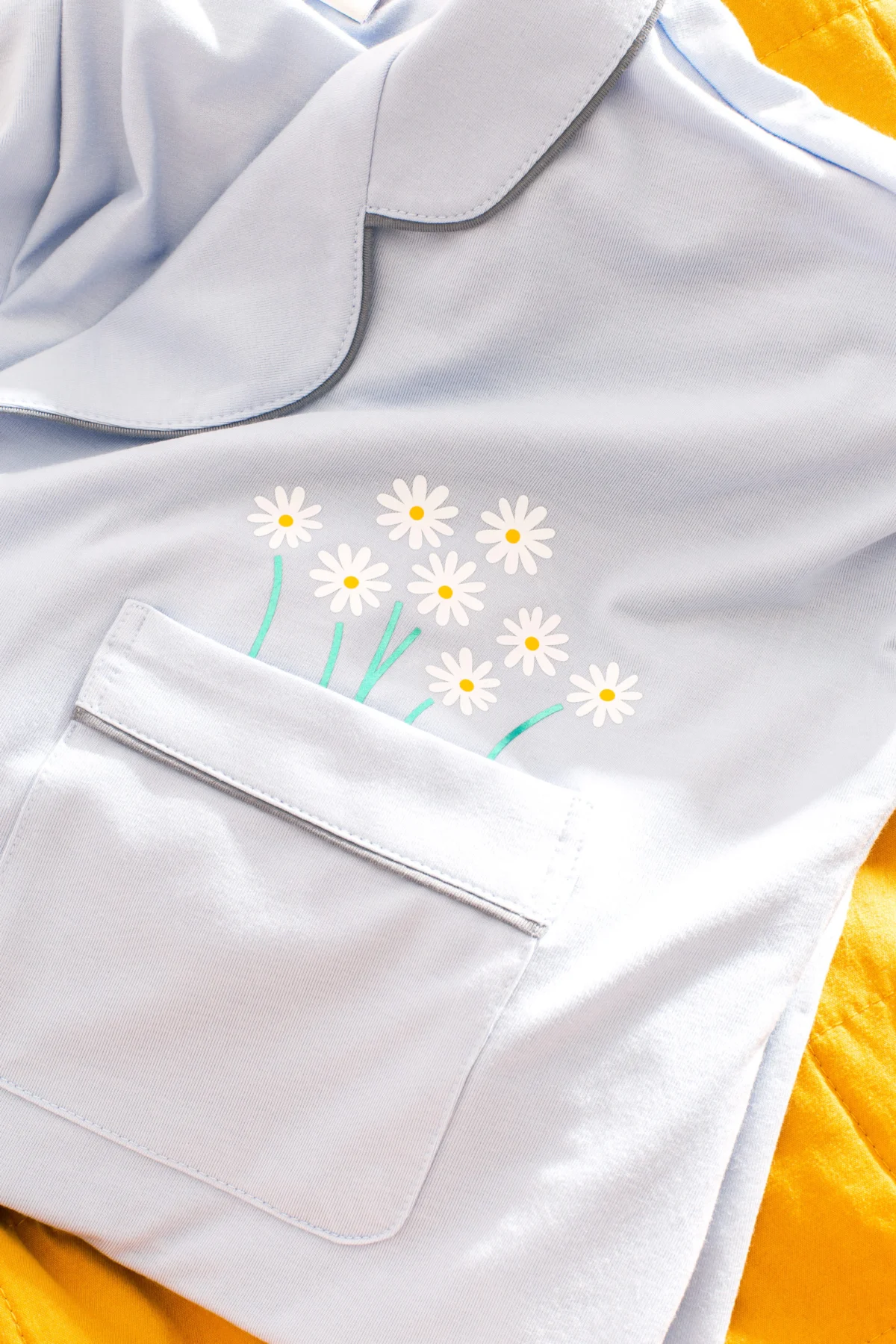
- The DIY Factor: The rise of the "Maker Movement" has introduced a new layer to gifting. Consumers are increasingly likely to purchase a base product (such as high-quality pajamas) and add a personalized element (such as DIY embroidery or iron-on designs). This "semi-bespoke" approach allows gift-givers to provide a high-end brand name while demonstrating personal effort and creativity.
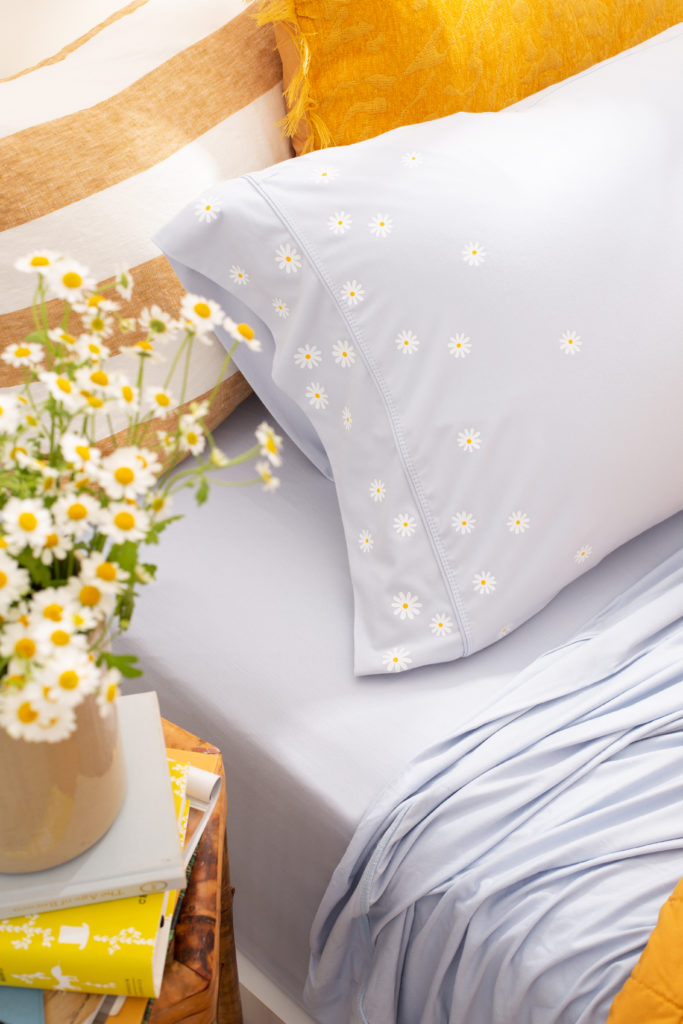
The inclusion of a "Daisy DIY" project in the modern gifting narrative is a strategic response to this trend. By providing templates for floral iron-on vinyl, brands encourage consumers to engage with their products on a tactile level, transforming a mass-produced garment into a unique heirloom.
The Role of Aesthetic and Atmospheric Enhancements
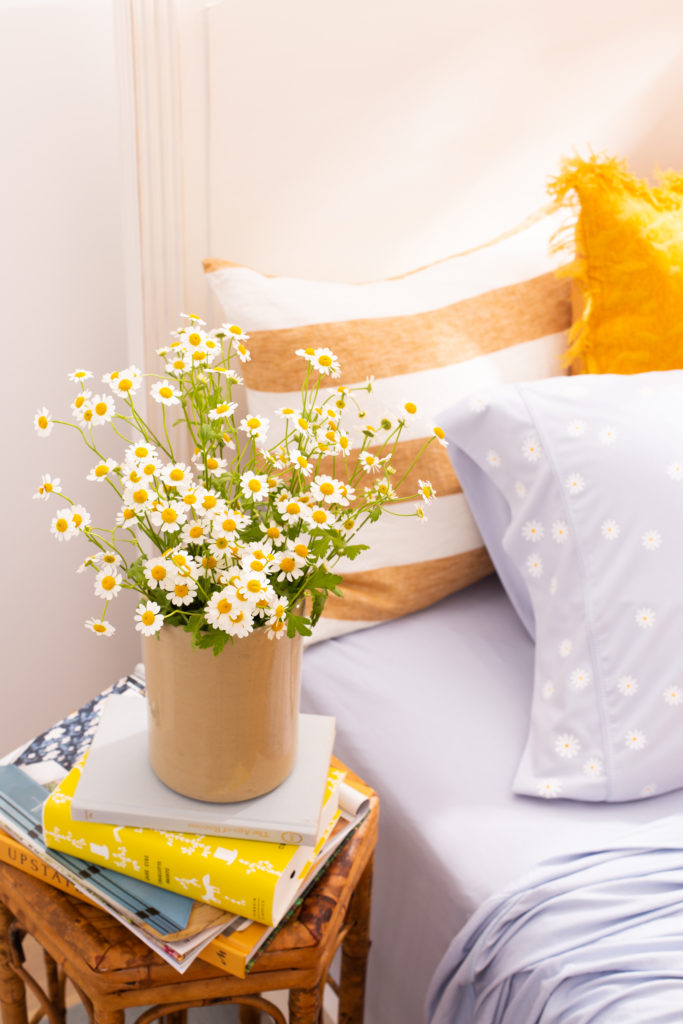
Beyond the primary gift, the "atmosphere" of the holiday has become a critical component of the consumer experience. The "Bedroom Blooms" concept—placing fresh-cut flowers in unexpected domestic spaces—reflects a move toward holistic celebration. Floral industry experts note that while large, formal arrangements remain popular, there is a growing market for "lifestyle stems" intended for nightstands, bathrooms, and breakfast trays.
This aesthetic shift is often driven by social media trends, where the "curated home" serves as a backdrop for holiday celebrations. The visual appeal of spring-ready pastels in bedding and loungewear, coupled with the nostalgic return of 1990s-inspired floral prints like the daisy, creates a cohesive "brand story" for the holiday. This synergy between fashion, home decor, and floriculture allows retailers to cross-promote items that might otherwise seem unrelated.
Technical Analysis of the "Personalization Pivot"
The move toward DIY personalization involves specific technical requirements that have become more accessible to the general public. The use of craft cutters and heat-transfer vinyl (HTV) has moved from professional textile shops to the average household.
For the "Daisy DIY" project mentioned in current lifestyle trends, the process involves a multi-step layering technique:
- Precision Cutting: Utilizing digital artwork templates to ensure uniformity across different media (pajamas vs. pillowcases).
- Material Compatibility: Identifying fabrics, such as knit jersey, that can withstand the heat of an iron while maintaining the flexibility of the vinyl.
- Layering Logic: Starting with the base elements (stems) and moving to the surface details (centers) to ensure proper adhesion and a professional finish.
This technical engagement with a gift increases its perceived value. Psychologically, "labor-infused" gifts are often valued more highly by recipients than more expensive, purely transactional purchases.
Broader Implications for the Retail Industry
The trends observed in the current Mother’s Day market have broader implications for the future of retail. First, the success of brand partnerships like Purple and Sleepy Jones suggests that "niche-merging" is an effective way to capture diverse consumer interests. A mattress company is no longer just selling a slab of foam; it is selling the "culture of sleep," which includes the clothes one wears to bed and the books one reads before turning out the light.
Second, the expiration of discount codes and the timing of marketing campaigns (such as the OHD10 code valid through late 2021) indicate a move toward "evergreen" holiday marketing. Brands are looking to extend the lifecycle of a holiday purchase, encouraging customers to return for "everyday luxuries" long after the specific event has passed.
Finally, the emphasis on the home as a "sanctuary" is likely to persist. As the boundaries between work and rest remain blurred, products that clearly define and enhance the "rest" portion of the day will continue to see strong market performance. Mother’s Day serves as a seasonal catalyst for these larger economic shifts, highlighting the enduring value of comfort, personalization, and the simple luxury of a few extra hours of sleep.
Conclusion and Market Outlook
As the retail landscape continues to evolve, the intersection of technology, tradition, and personal touch will define the most successful brands. For Mother’s Day, the data is clear: while the sentiment of the holiday remains unchanged, the methods by which that sentiment is expressed are becoming increasingly sophisticated. The shift toward high-quality sleep products, the integration of DIY personalization, and the focus on domestic aesthetics represent a holistic approach to gifting that resonates with the modern consumer’s desire for both utility and meaning. In the coming years, expect to see further integration of "smart home" technology into the gifting suite, as the industry continues to pursue the perfect balance of rest and recovery for the domestic sphere.


