
In a thrilling turn of events on Food Network’s highly anticipated competition series, Pitmasters, competitors Christie Vanover and Susie Bulloch, collectively known as "The Fierce Ladies of BBQ," secured a decisive victory in Episode 4, leveraging the significant advantage earned from their prior win in the "Surf and Turf" challenge. This latest triumph saw them navigate the complex "Rooter to Tooter" challenge, showcasing their mastery of whole-animal butchery and innovative live-fire cooking.
The advantage gained from winning Episode 3 proved instrumental. Immediately following their victory, host Andrew Zimmern announced the format for the subsequent challenge: teams would be paired head-to-head, each focusing on a single type of animal – pig, lamb, or goat. As the reigning champions of "Big Burn 3," Vanover and Bulloch were granted the strategic power to assign the animal proteins and pair the competing teams. This crucial decision, made within a tight 30-second window, underscored the high-stakes nature of the competition.
"We knew we had to be strategic," Vanover stated in a post-episode interview. "Our goal was to pit some of the strongest contenders against each other, hoping to eliminate some of the top competition while also securing a protein we felt most confident with." Their primary target was the pig, an animal whose intricacies they understood deeply.
The strategic pairings were as follows: Esaul and Grecia, who had already secured two "Big Burn" victories, were matched against Connie and John, winners of "Flash Burn" challenges. Hector and Ruben, another formidable duo, were set to face off against Denzel and Reggie. Vanover and Bulloch strategically chose to tackle the pig themselves, confident in their ability to excel with this particular protein.
A notable aspect of the competition, often understated on screen, is the camaraderie that developed between teams. Vanover and Bulloch highlighted their developing bond with Denzel and Reggie, humorously referring to their adjacent cook stations as "the cul-de-sac." Recognizing Denzel and Reggie’s comfort with goat, and not wanting to compete against them directly, Vanover and Bulloch assigned them the goat protein. This move not only played to their allies’ strengths but also kept a strong competitor out of their direct path in the pig challenge.
The "Big Burn: Rooter to Tooter" Challenge: A Test of Whole-Animal Mastery
The core of the "Big Burn" challenge demanded that each team create two nose-to-tail main courses and two complementary side dishes, with each dish incorporating a specific part of the assigned animal. The winner of each head-to-head matchup would be safe from elimination, while the loser would be at risk.
Vanover and Bulloch immediately set to work with their assigned pig. The butchery phase, a critical component of the "rooter to tooter" concept, involved expertly breaking down the animal into its various primal cuts. They meticulously separated shoulders, hams, belly, ribs, loin, tenderloin, and even the head. This comprehensive dissection demonstrated a deep understanding of the animal’s anatomy and potential culinary applications.
However, the intensity of the competition began to take its toll. Vanover admitted to experiencing a moment of profound exhaustion, both physically and emotionally. "After the pig was butchered, my mind was blank as to what we should cook," she recalled. It was in this moment of creative block that the value of teamwork became evident.

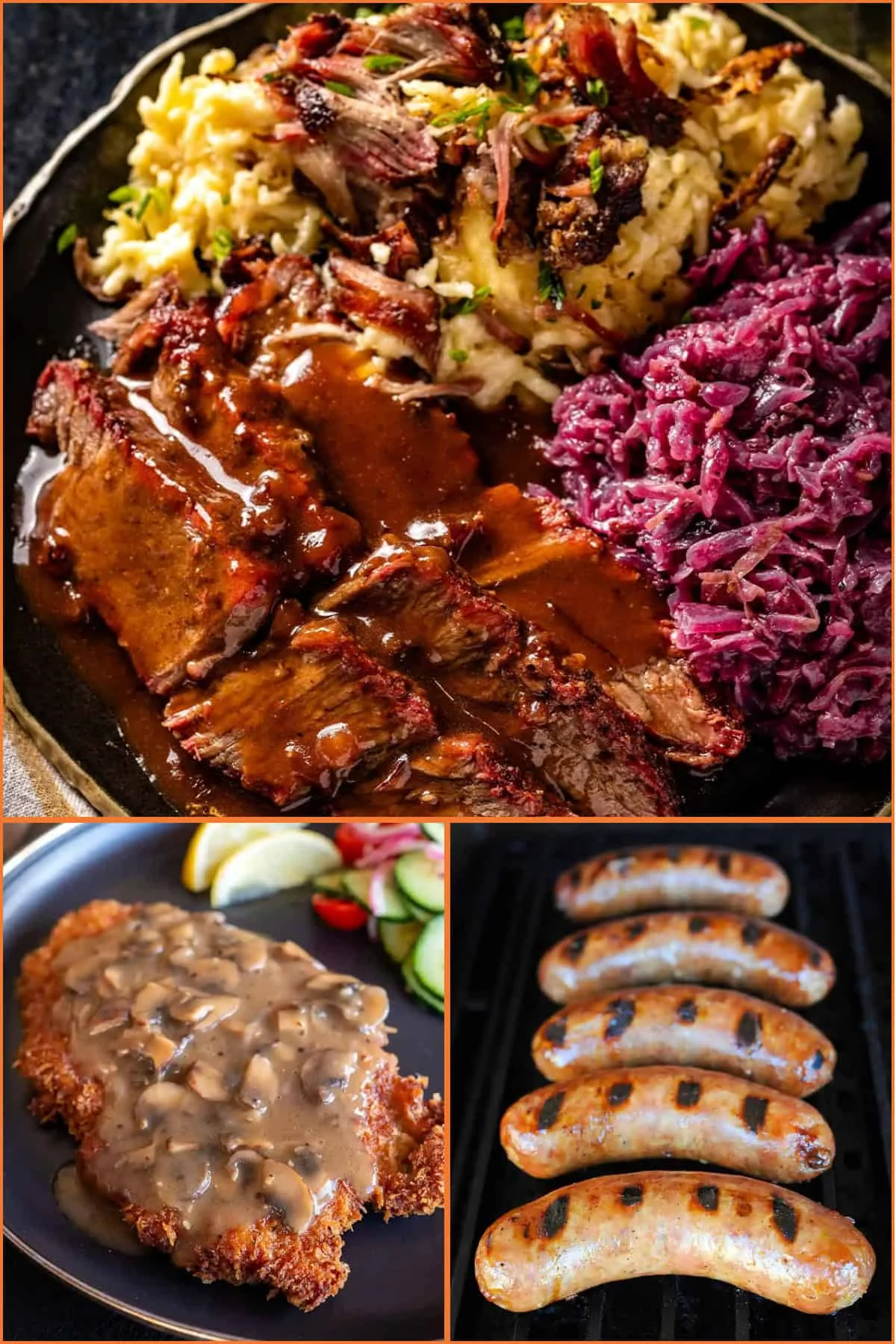
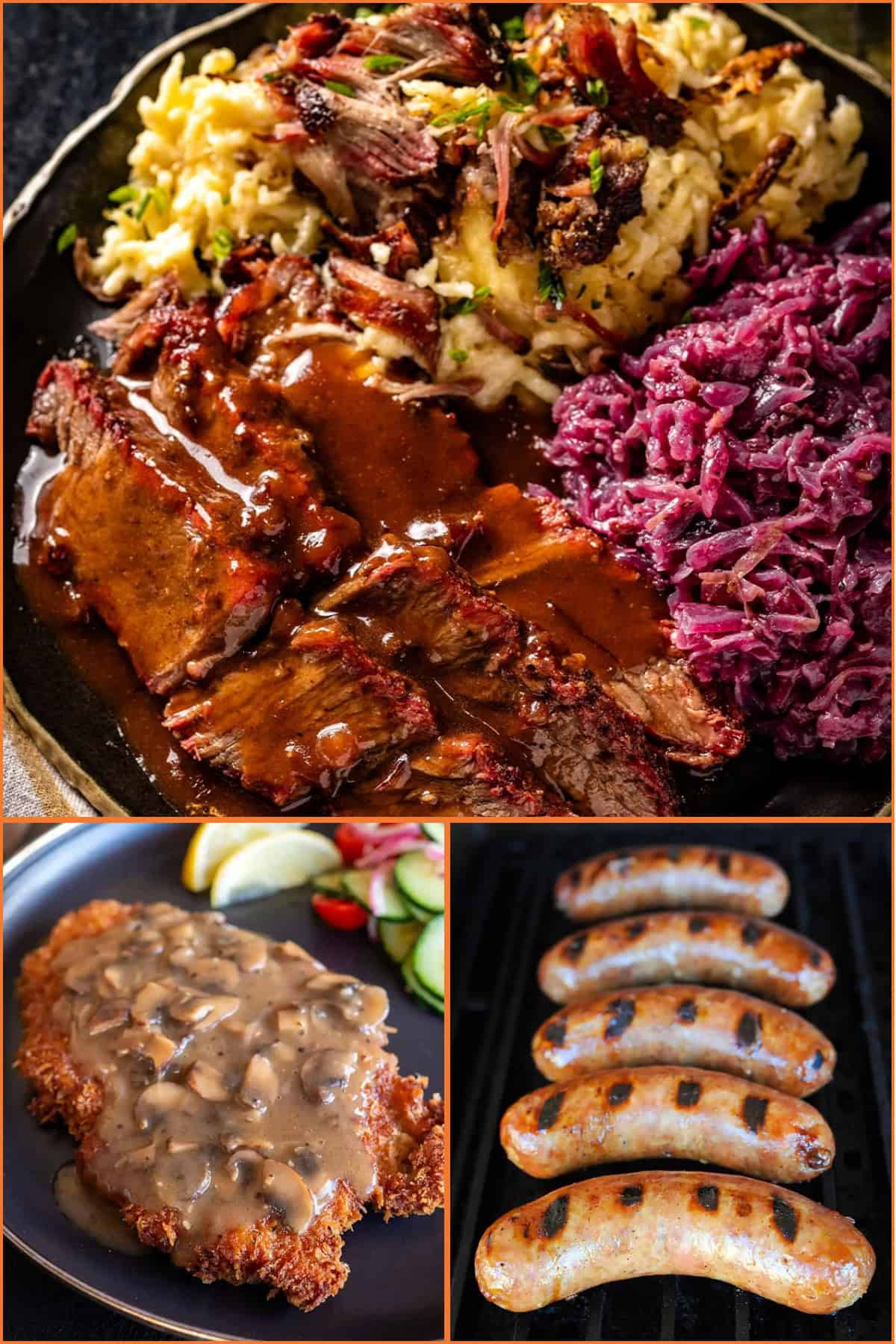
Susie Bulloch, drawing on their shared heritage and culinary experiences, swiftly proposed a live-fire German feast. Both Vanover and Bulloch have strong connections to German cuisine; Vanover’s husband lived in Germany during his childhood, and she has traveled extensively there. This shared background provided a rich wellspring of inspiration.
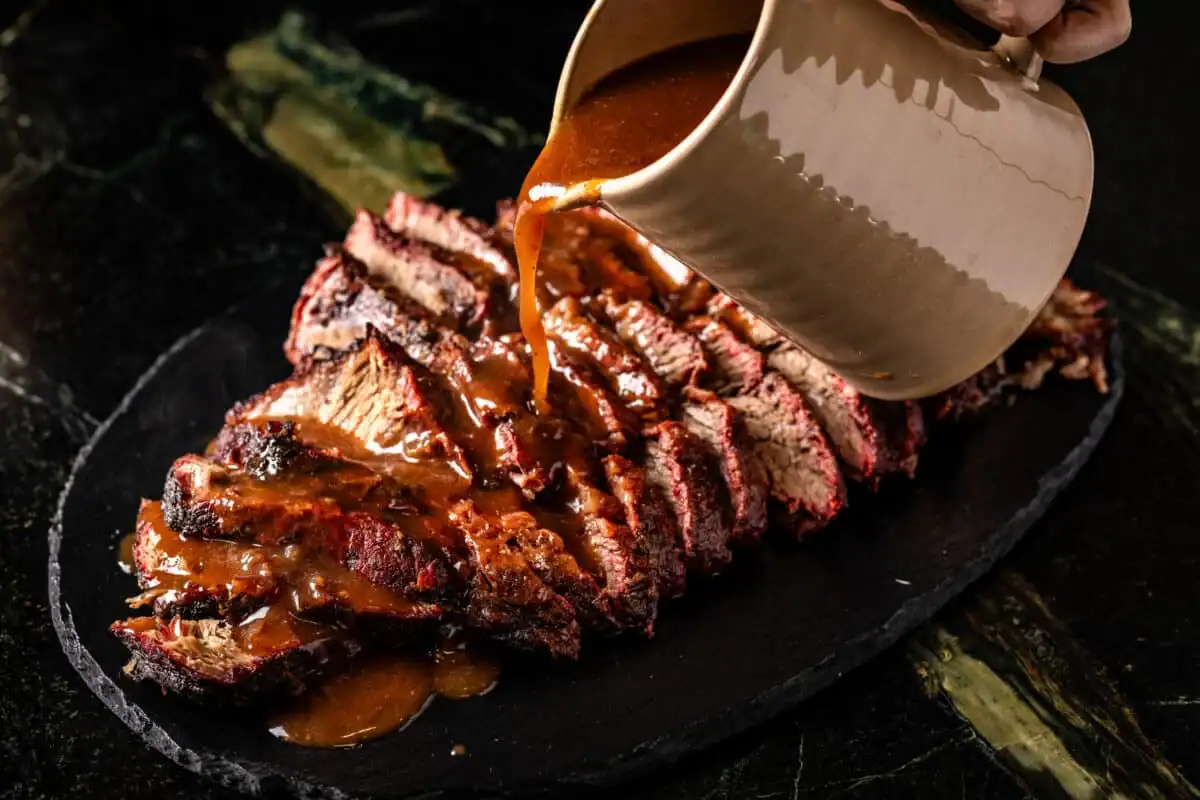
For their first main course, Bulloch envisioned a classic German dish: sauerbraten, utilizing the pork shoulder. Sauerbraten, a traditional German pot roast, is renowned for its tender texture and complex, tangy flavor profile, achieved through a lengthy marination process.
The second main course presented a new challenge. Vanover initially considered spiessbraten, a German roast cooked on a rotating spit. However, the loin cut was surprisingly small, raising concerns about it drying out during the live-fire cooking process. This logistical hurdle led to a creative pivot.
"I kept thinking I needed to cook the protein on the grill or smoker, and nothing was registering," Vanover explained. The conversation with Bulloch about their German experiences eventually sparked an idea: schnitzel. While typically pan-fried, Vanover realized the potential for a live-fire adaptation. "It’s my favorite German dish, I just don’t usually associate it with live fire, so I had blanked it out." This innovative approach to a familiar dish showcased their adaptability under pressure.
To complete their German feast, the sides were meticulously planned. They opted for Käsespätzle, a rich and comforting German noodle dish, incorporating pork cheek for added depth and chicharron for textural contrast. Complementing this was Rotkohl, a traditional German braised red cabbage, utilizing the pork belly for its succulent, rendered fat. This comprehensive menu ensured that virtually every part of the pig was honored, truly embodying the "rooter to tooter" ethos.

The "Flash Burn: Sausage" Challenge: A Race Against Time
Adding another layer of complexity, the "Flash Burn" challenge required the creation of a cased sausage link using the animal trimmings. This segment tested the teams’ ability to efficiently utilize all available resources and execute a precise culinary technique.
Vanover experienced a surge of renewed energy, noting her frequent experience with sausage making. "I make sausage all the time, and I knew as long as we had a grinder, we could knock this out easily," she stated. Staying true to their German theme, they decided to craft homemade bratwurst.
The process involved carefully weighing the meat to achieve the perfect balance. Vanover trimmed approximately five pounds of ham, while Bulloch sourced just over 1.5 pounds of pork fat. Maintaining the cold temperature of the meat and fat was paramount to prevent premature rendering, a challenge exacerbated by their station’s direct sunlight. They resorted to repeatedly placing the meat mixture in a cooler between stages to manage the temperature effectively.
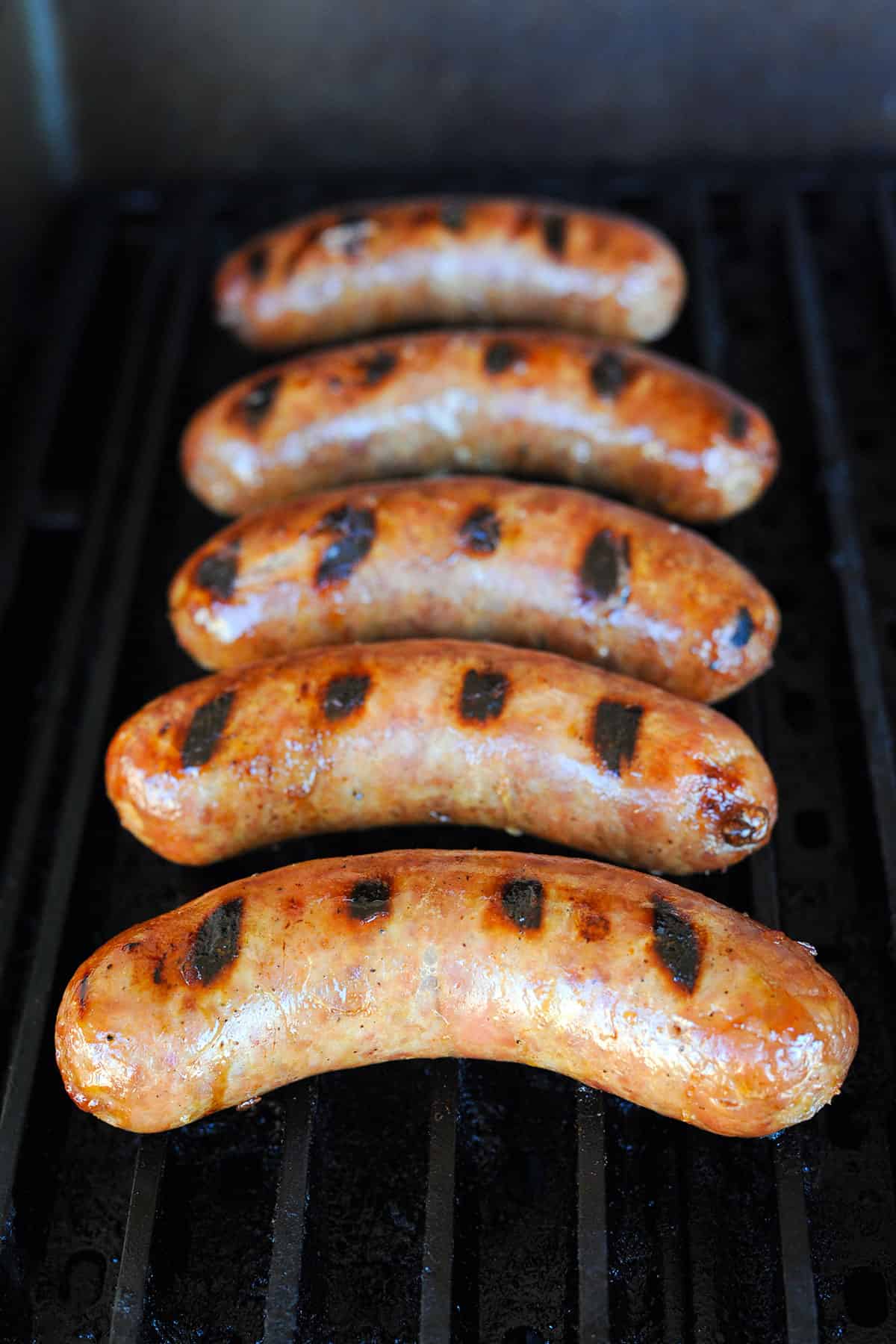
The pantry provided traditional bratwurst spices, including white pepper and mace. After seasoning the mixture, they cooked a small test patty to ensure the flavor profile was precisely calibrated before proceeding with casing. The bratwurst were initially grilled over the open fire, then finished in a skillet with beer, onions, and cabbage – a classic German preparation.
Adding a final flourish, Bulloch prepared a batch of pickled mustard seeds, a recipe inspired by Iron Chef Michael Symon. This creative addition demonstrated their ability to incorporate elements from other culinary masters while staying true to their own vision.
A last-minute decision was made to omit the pretzel bun from their bratwurst presentation. Upon tasting the assembled dish, they determined that the meat-to-bread ratio was suboptimal, impacting the overall eating experience. This on-the-fly adjustment highlighted their commitment to delivering a perfectly balanced final product, prioritizing taste and texture over a preconceived concept.
The feedback from the judges on the bratwurst was mixed but encouraging. Big Moe noted a desire for more fat but praised the excellent flavor. Ernest Servantes, a renowned pitmaster, was so impressed by the authentic German flavors that he humorously declared he wanted to do the "chicken dance," a traditional German folk dance. Vanover and Bulloch embraced the moment, joining him in a spontaneous dance, a testament to the joy and connection food can inspire.
Despite not winning the "Flash Burn" round, the experience was valuable, and they secured their spot in the main "Big Burn" challenge.
The Judging: A Masterclass in German Cuisine and Live-Fire Execution
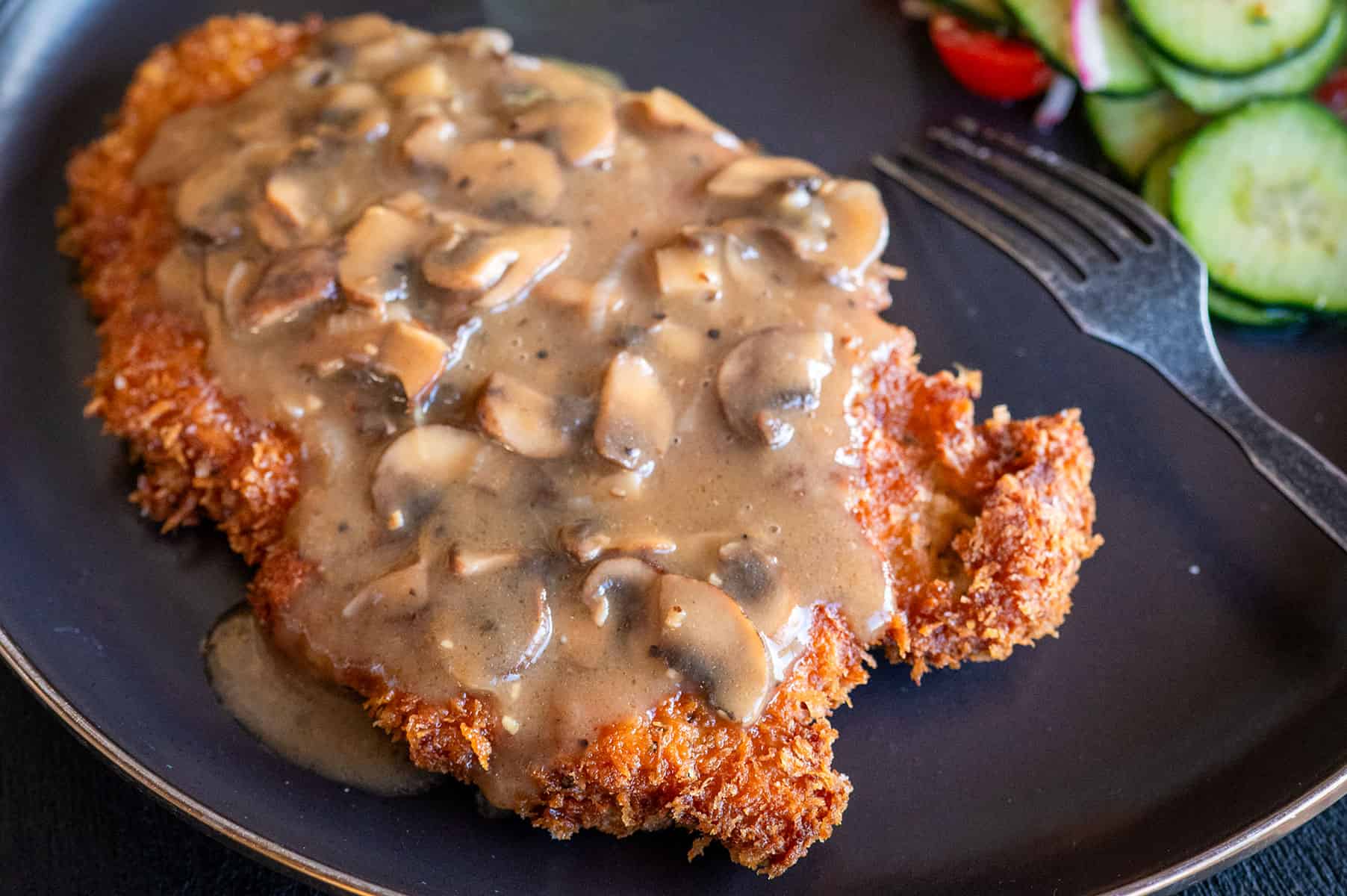
The culmination of their efforts was presented to the judges, a meticulously crafted German feast. For the schnitzel, Vanover chose to prepare Jägerschnitzel, featuring a rich mushroom gravy. The pork ribs, a byproduct of the butchery, were ingeniously transformed into a flavorful stock for the gravy, demonstrating their commitment to the "rooter to tooter" principle.
Bulloch expertly prepared the Käsespätzle, using the crisped pork skin as a delightful garnish. The pork cheeks were rendered tender and flavorful, forming a crucial component of the dish.
The most significant technical hurdle for Vanover throughout the competition had been managing oil and water temperatures over a live fire. This challenge re-emerged with the schnitzel preparation. Despite initial difficulties in reaching the target 375°F for frying, she persevered, ultimately achieving perfectly crispy schnitzels.
The platter was artfully arranged, featuring the Jägerschnitzel with mushroom gravy, Käsespätzle, and Rotkohl. A side of cucumber salad was added to provide a refreshing counterpoint to the richness of the dishes, offering a pop of acidity and brightness. Vanover expressed immense pride in their presentation and the execution of such a complex menu, especially given her earlier feelings of depletion.
Their direct competitors in the pig challenge were Matt and Max, who presented a more traditional American BBQ spread. While receiving positive feedback, the judges were clearly impressed by the innovation and execution of The Fierce Ladies of BBQ.

The judging panel, comprised of esteemed culinary experts including meat scientist Jessica Largey and host Andrew Zimmern, offered glowing reviews. Largey remarked, "You looked at the hog like a big jigsaw puzzle, broke it down and rebuilt it into this." Her appreciation for their methodical approach to butchery and culinary transformation was evident.
Zimmern, a self-proclaimed "German kid," was particularly moved by their authentic German offerings. "This is the food of my people," he declared, praising the beautiful handling of the ingredients and the comprehensive understanding of the challenge’s requirements. He commended their ability to present such a diverse array of elements, acknowledging the difficulty it created for the judging panel.
The Verdict: Continued Dominance on the Pitmasters Stage
In a dramatic reveal, all six teams were called back to the main table. The top and bottom performers for each protein were announced, building suspense. When the results for the pig were declared, Vanover and Bulloch emerged victorious, crowned the "Top Pig Cook for the Day." This win not only secured their safety but also propelled them forward in the competition, demonstrating their consistent ability to perform under pressure and deliver exceptional barbecue.
The success of The Fierce Ladies of BBQ in this episode highlights several key factors contributing to their consistent performance: a deep understanding of butchery, innovative application of live-fire cooking techniques, a strong collaborative partnership, and the strategic acumen to navigate the competition’s unique challenges. Their ability to draw inspiration from their personal experiences and adapt classic dishes to a live-fire environment sets them apart.
As the competition progresses, viewers can anticipate more of their culinary creativity and strategic prowess. New episodes of Pitmasters air Mondays at 9/8c on Food Network, with streaming options available on HBO Max the following day. The journey of The Fierce Ladies of BBQ continues, promising further insights into the art and science of barbecue on a national stage.


