As the northern hemisphere transitions from winter to spring, the emergence of Lamium purpureum, commonly known as purple dead nettle, marks a significant moment for both foragers and proponents of traditional herbal medicine. While often dismissed by homeowners as a common garden weed, this member of the Lamiaceae (mint) family is gaining renewed attention for its diverse pharmacological properties and its utility in topical skin care. The production of purple dead nettle salve represents a convergence of ancient botanical knowledge and the modern "clean beauty" movement, providing a cost-effective, sustainable alternative to synthetic dermatological products.
The Botanical Profile and Seasonal Emergence of Lamium Purpureum
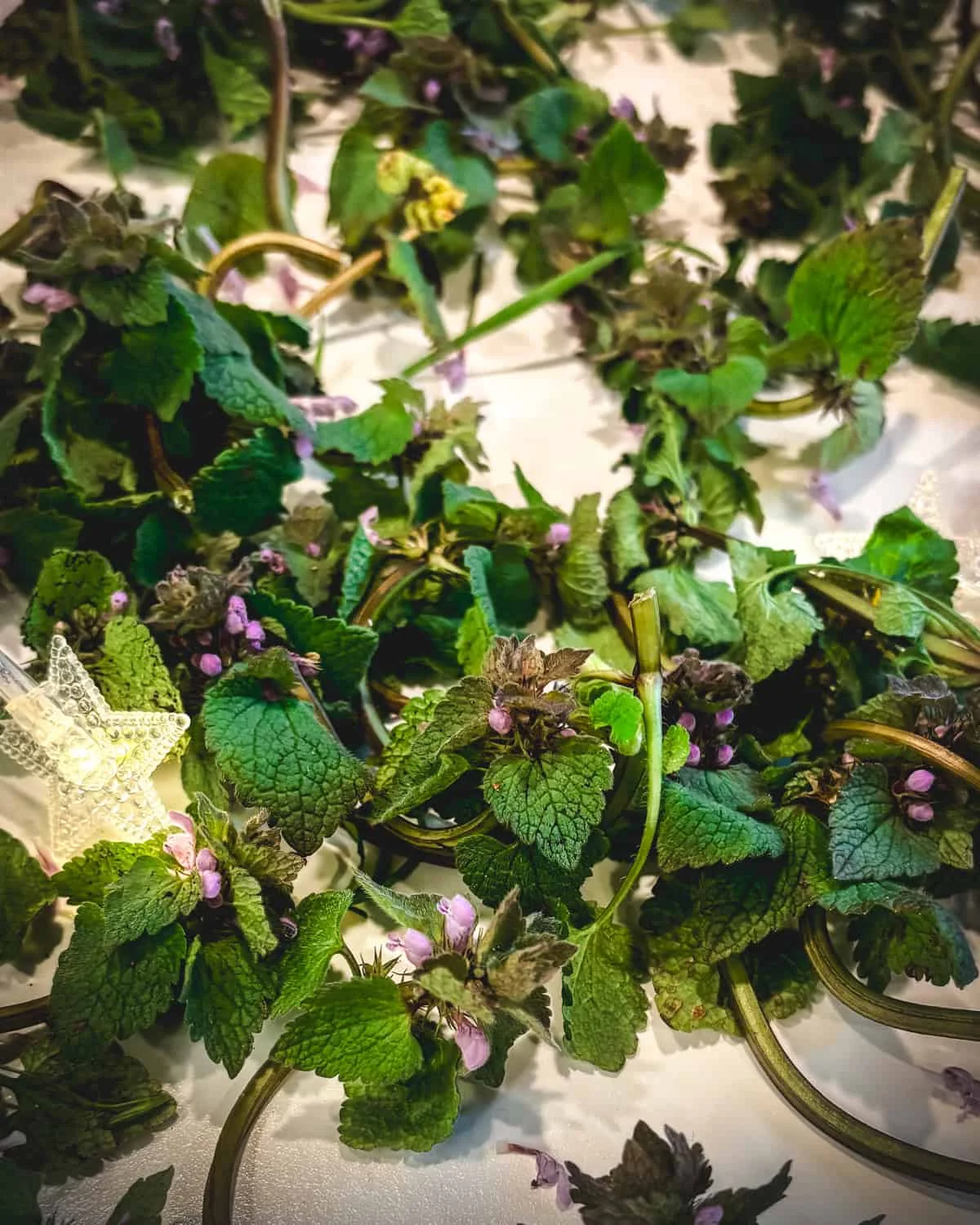
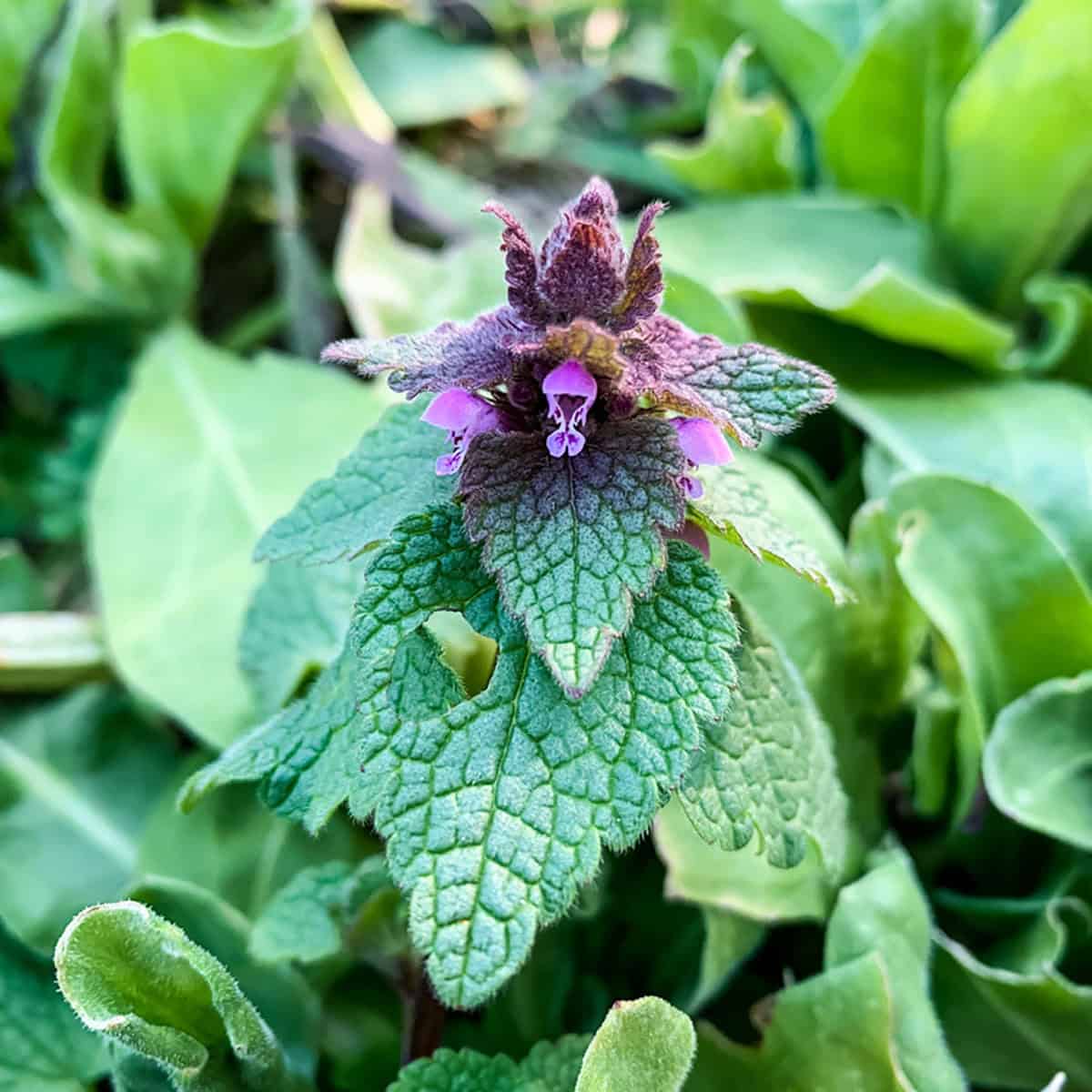
Purple dead nettle is an annual herbaceous plant native to Europe and Asia, though it has become extensively naturalized across North America. It is among the first plants to appear in the early spring, often carpeting fields and garden beds with a distinctive reddish-purple hue. Despite its name, it does not possess the stinging trichomes associated with the common stinging nettle (Urtica dioica); the term "dead" refers specifically to this lack of a sting.
Botanically, the plant is characterized by its square stems—a hallmark of the mint family—and its opposite, heart-shaped leaves with serrated edges. The upper leaves are often crowded and tinged with a deep purple or burgundy pigment, which serves to protect the plant from cold spring temperatures and ultraviolet radiation. The flowers are small, tubular, and pinkish-purple, providing a critical early-season nectar source for bees and other pollinators.
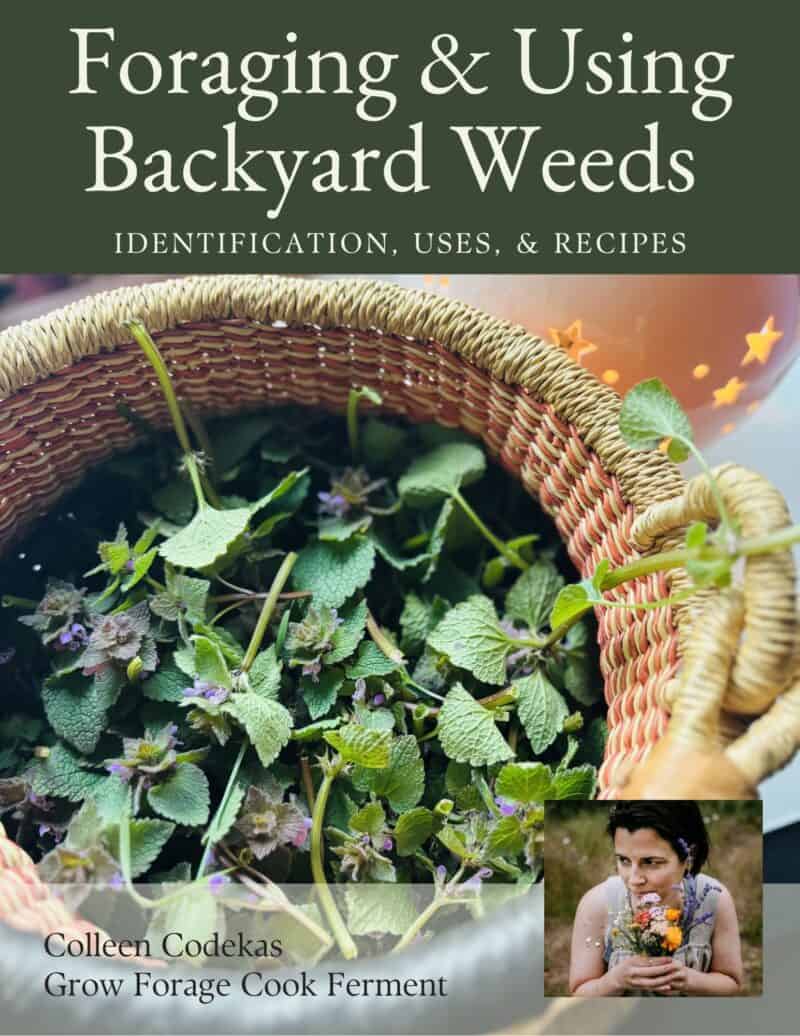
For the modern herbalist, the abundance of purple dead nettle is one of its greatest assets. Because it grows aggressively in disturbed soils, it is easily found in backyards, community gardens, and along the edges of woodlands. However, professional foragers emphasize the importance of harvesting from "clean" sites—areas free from synthetic pesticides, heavy metals, or pet waste—to ensure the purity of the medicinal extracts.
The Pharmacological Basis for Topical Application
The shift from viewing purple dead nettle as a nuisance to a valuable resource is supported by a growing body of phytochemical research. Studies indicate that the Lamium genus contains a variety of bioactive compounds, including flavonoids, iridoids, phenolic acids, and essential oils.
- Anti-inflammatory Properties: The presence of flavonoids, such as quercetin, suggests that the plant can help reduce redness and swelling when applied topically. This makes it an ideal candidate for treating minor rashes and allergic skin reactions.
- Antimicrobial and Antifungal Activity: Research published in journals such as Molecules has highlighted the antibacterial and antifungal potential of purple dead nettle extracts. These properties are particularly useful in preventing infection in minor abrasions and soothing skin conditions aggravated by fungal overgrowth.
- Antioxidant Support: The high concentration of phenolic acids provides antioxidant benefits, protecting skin cells from oxidative stress caused by environmental pollutants.
- Astringent Qualities: Traditionally used to stanch minor bleeding, the plant’s mild astringency helps to tighten tissues and promote the healing of small cuts or "weeping" skin irritations.
The Chronology of Salve Production: From Harvest to Final Product
The creation of a high-quality purple dead nettle salve follows a precise timeline that ensures the maximum extraction of beneficial compounds while maintaining the shelf life of the final product.
Phase I: Harvesting and Preparation
The process begins in mid-to-late spring when the plant is in its peak flowering stage. Harvesters typically collect the top two to four inches of the plant, where the concentration of medicinal compounds is highest. Following the harvest, the plant material must be prepared for oil infusion.
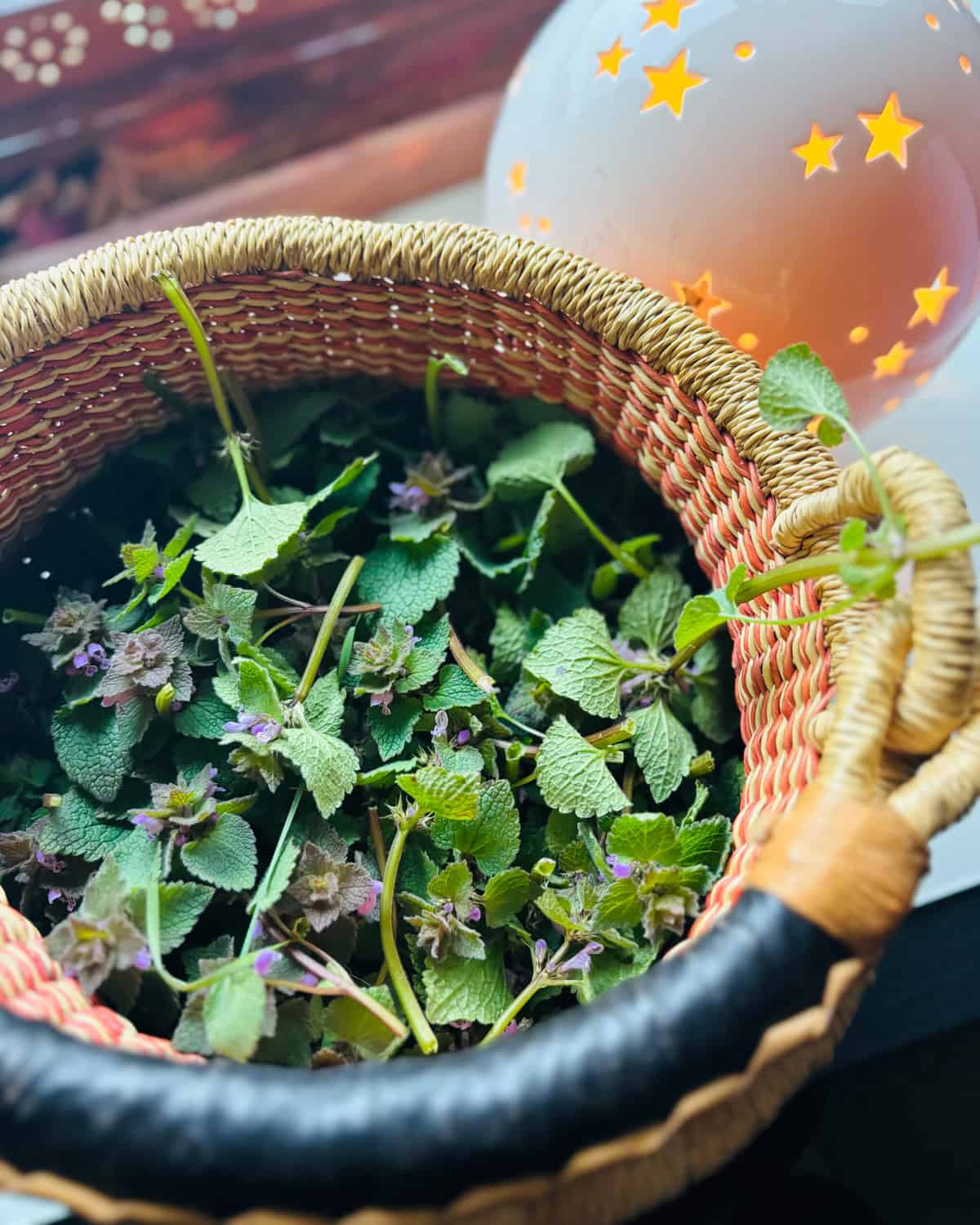
While some practitioners use fresh herbs, most professional guidelines recommend a "wilting" or drying period of 24 to 48 hours. This reduction in moisture content is critical; excess water in a salve can lead to bacterial growth and mold, significantly shortening the product’s lifespan.
Phase II: The Infusion Process
The dried plant material is submerged in a carrier oil—most commonly extra virgin olive oil, though sweet almond, jojoba, or coconut oils are also utilized for their specific skin-nourishing profiles. There are two primary methods for infusion:
- The Solar Method: The jar is placed in a warm, sunny location for four to six weeks. This slow extraction is favored for preserving delicate volatile oils.
- The Heat Method: For more immediate results, the oil and herbs are heated in a double boiler at a low temperature (approximately 100-110°F) for several hours. This accelerates the transfer of fat-soluble phytochemicals into the carrier oil.
Phase III: Formulation and Solidification
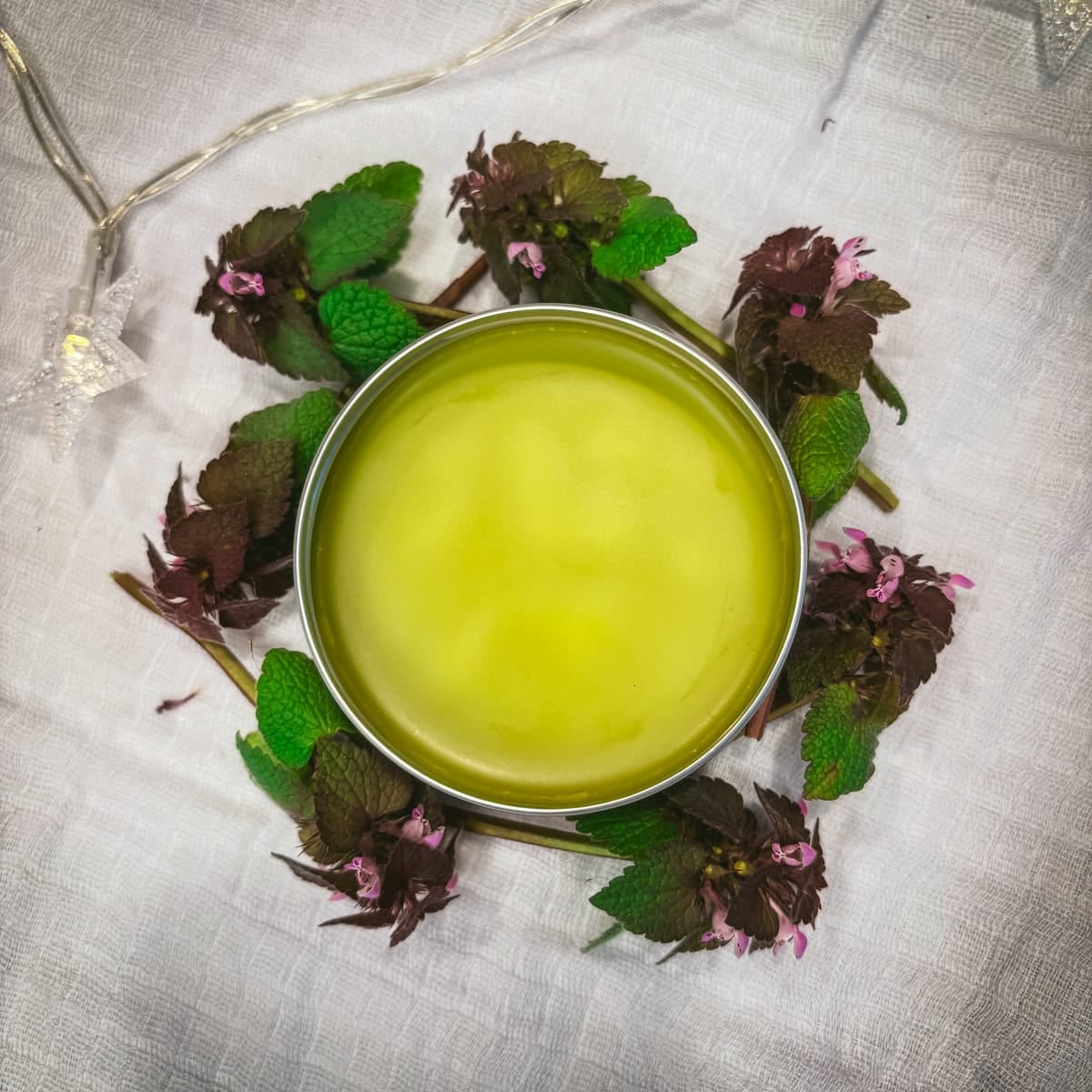
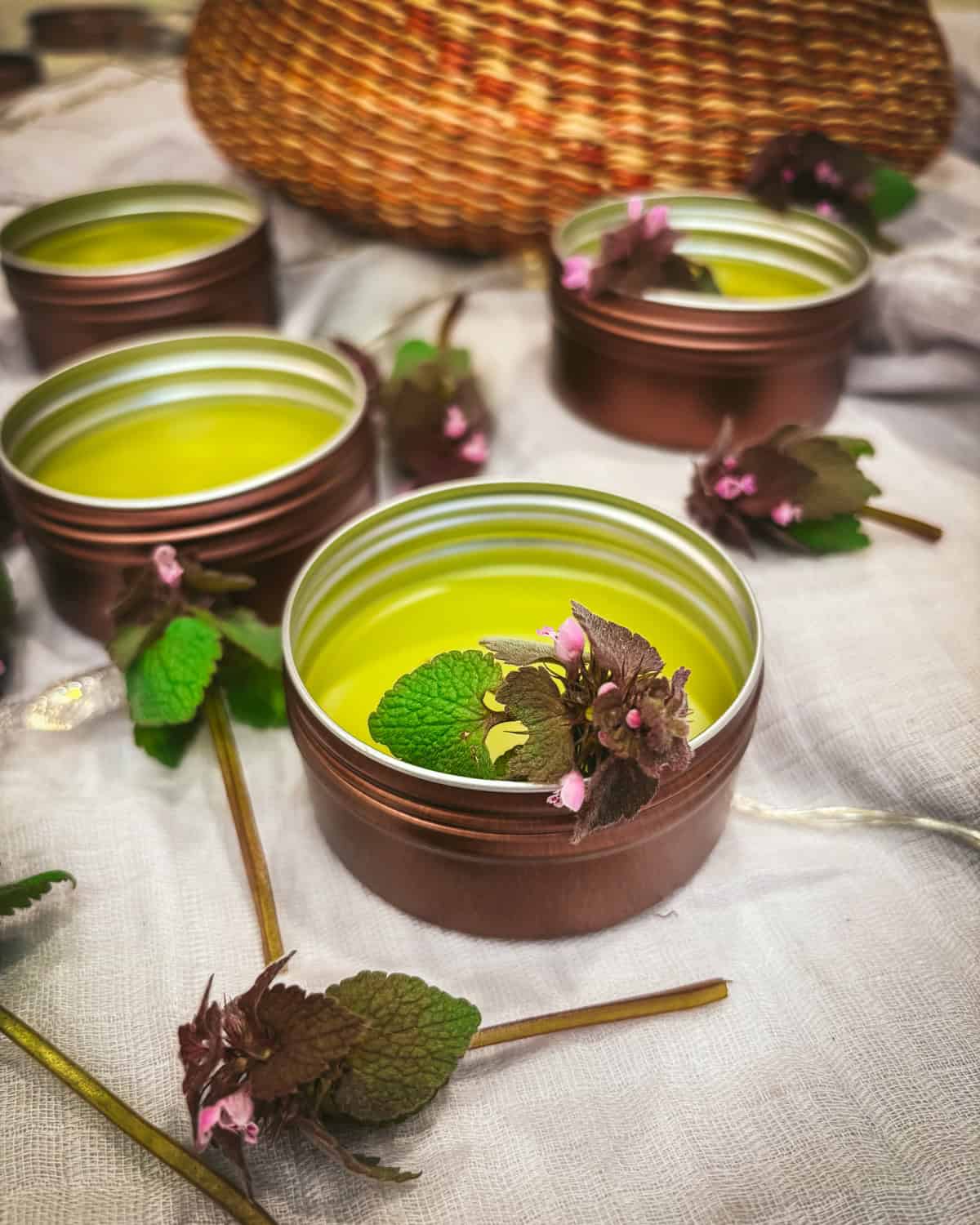
Once the oil is strained through a fine mesh or cheesecloth, it is combined with a hardening agent, typically beeswax or a vegan alternative like candelilla wax. The standard ratio is approximately one ounce of wax per cup of infused oil, though this can be adjusted based on the desired consistency. The mixture is heated until the wax melts, at which point optional essential oils—such as lavender for additional soothing properties or peppermint for a cooling effect—are added before the liquid is poured into tins to set.
Economic and Environmental Impact of DIY Herbalism
The rise in popularity of foraged salves like those made from purple dead nettle reflects a broader economic trend. As the cost of commercial skincare rises, many consumers are turning to "backyard pharmacy" techniques. A single batch of purple dead nettle salve can be produced for a fraction of the cost of a high-end topical cream, often utilizing ingredients already found in the kitchen pantry.

Furthermore, the practice encourages a deeper engagement with local biodiversity. By recognizing the value of "weeds," individuals are less likely to employ broad-spectrum herbicides, which can have devastating effects on local insect populations and groundwater quality. From a sustainability perspective, foraged skincare reduces the carbon footprint associated with the manufacturing, packaging, and shipping of industrial cosmetic products.
Expert Reactions and Safety Standards
While the herbal community has embraced purple dead nettle, horticulturalists and medical professionals urge a balanced approach. "The primary risk with foraging is misidentification," notes one botanical expert. "While purple dead nettle has no toxic look-alikes, it is often confused with Henbit (Lamium amplexicaule). Fortunately, Henbit is also edible and medicinal, but the distinction is important for accurate record-keeping."

Dermatologists also recommend a "patch test" for any new topical application. Although purple dead nettle is considered gentle and non-toxic, individuals with specific allergies to the Lamiaceae family should exercise caution. Furthermore, experts stress that while herbal salves are excellent for minor irritations, they are not a substitute for professional medical treatment in the case of deep wounds, severe infections, or chronic skin conditions.
Broader Implications for Modern Wellness
The resurgence of the purple dead nettle salve is more than a fleeting DIY trend; it represents a shift toward self-sufficiency and a skepticism of "ultra-processed" personal care products. As consumers become more literate in reading ingredient labels, the appeal of a product containing only three or four recognizable, natural ingredients becomes undeniable.
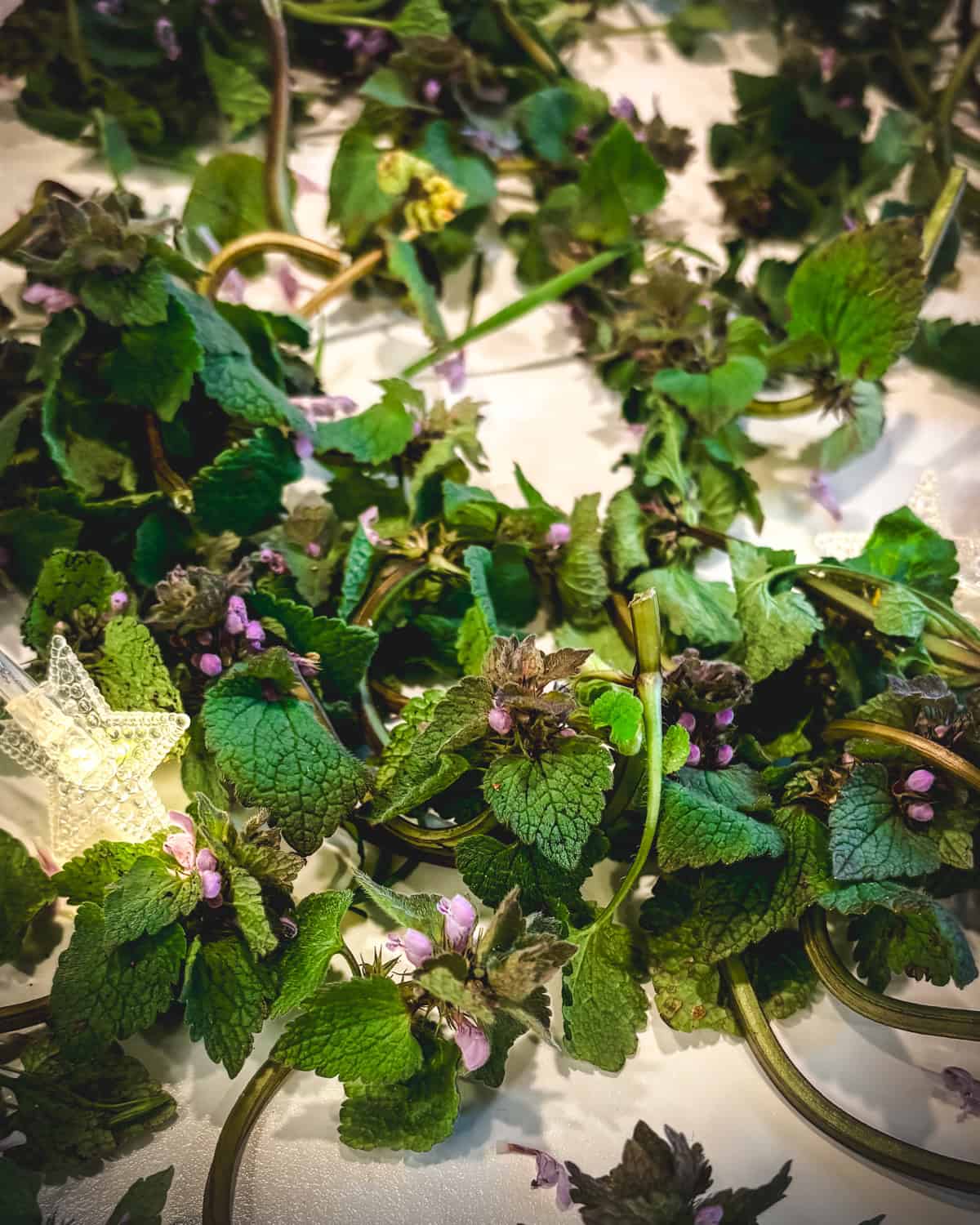
The integration of these traditional practices into modern life also serves an educational purpose. It reconnects the urban and suburban population with the seasonal cycles of the earth. The act of waiting for the spring thaw, identifying the first purple tops in the grass, and carefully preparing a healing balm fosters a sense of stewardship for the environment.
In conclusion, purple dead nettle stands as a testament to the hidden potential of the natural world. By transforming a common "weed" into a soothing dermatological tool, practitioners of home herbalism are reclaiming a form of knowledge that was nearly lost in the industrial age. As research continues to validate the traditional uses of Lamium purpureum, it is likely that this humble spring plant will remain a staple of the natural medicine chest for years to come.