The latest issue of Zymurgy, the esteemed magazine from the Homebrewers Association (AHA), invites enthusiasts on a comprehensive journey across the international homebrewing landscape. Spanning diverse regions and styles, the May/June 2026 edition, released in April 2026, features an array of articles dedicated to global brewing traditions and innovative applications of yeast. Readers will discover brewing techniques from Turkey and Tuscany, explore the nuances of Ukrainian Golden Ale, German Dunkel, and Italian Saison, and even delve into the groundbreaking application of brewer’s yeast in vaccine development. The issue boasts a total of 14 distinct recipes, offering practical guidance for homebrewers seeking to replicate these global flavors and techniques.

Global Brews Take Center Stage
This issue’s global focus is a testament to the ever-expanding reach and diversity of the homebrewing community. Zymurgy consistently aims to connect brewers with authentic styles and inspiring stories from around the world, and this edition delivers on that promise with a curated selection of articles.
Unveiling Ukrainian Golden Ale
A prominent feature in this issue is the exploration of Ukrainian Golden Ale, a style gaining increasing recognition on the global stage. Authored by Lana Svitankova, the article details the characteristics that distinguish this ale, positioning it as a brew that is "stronger than a British Golden Ale, but not as strong as a Belgian Golden Strong Ale." This style, with its unique profile, represents a significant addition to the recognized beer categories available to homebrewers. The article likely delves into its historical roots within Ukraine, the specific malt and hop profiles that define its character, and potential brewing parameters for achieving an authentic rendition at home. The inclusion of this style underscores Zymurgy‘s commitment to documenting and promoting emerging and regionally significant beer categories.

The Depth of German Dunkel
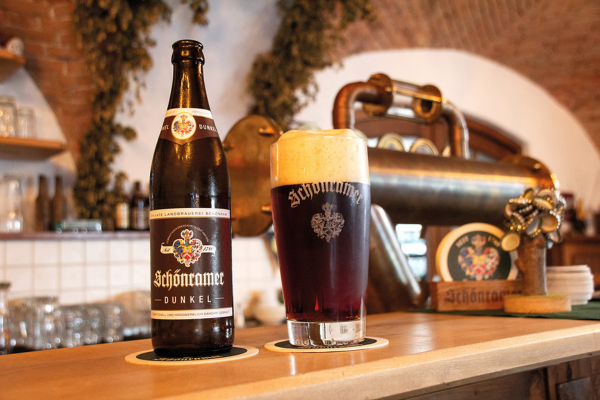
Complementing the lighter notes of the Ukrainian Golden Ale, the May/June issue also dives deep into the rich complexities of German Dunkel. The article highlights the essential technique for brewing this ancient style: "balancing its rich, complex dark and toasted malt notes with a smooth drinkability." This description suggests an exploration of the malting process, the specific types of malt used to achieve the characteristic dark hues and flavors, and the importance of fermentation control to ensure a smooth, palatable finish. German Dunkel, a traditional lager, offers a historical perspective on brewing, and its inclusion in the magazine likely appeals to brewers interested in traditional European lagers and the art of malt manipulation.
Italian Saison Brewed in the Heart of Tuscany
The vibrant culinary landscape of Italy inspires another featured article on Italian Saison. This piece takes readers to Northern Italy, where National Homebrew Competition gold medalist Carlo Sesia shares his intricate process for brewing this beloved Belgian-inspired ale. The article promises an in-depth look at Sesia’s personal approach, likely detailing his ingredient selection, fermentation strategies, and any unique twists he employs to craft his award-winning rendition. The connection to Tuscany suggests an exploration of regional influences on brewing, potentially incorporating local ingredients or a distinct regional approach to the Saison style. This feature offers a tangible example of how homebrewers can draw inspiration from their local environment to innovate within established styles.
The Tuscan Homebrewers Fiorentini and Local Flavors
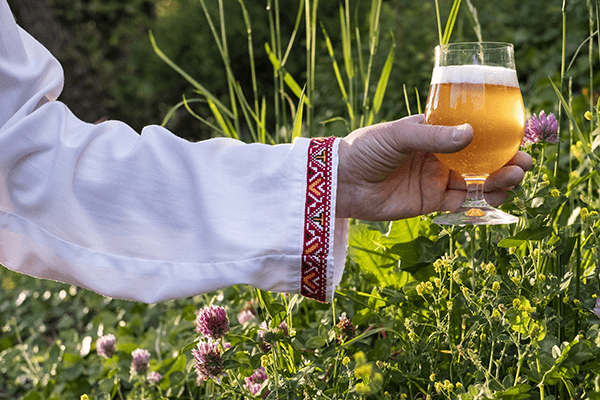
Further highlighting the influence of regional ingredients, Zymurgy features the homebrew club Homebrewers Fiorentini from Tuscany. This segment explores how members of this club are inspired by local Tuscan elements such as "grape must, honey, and wine-soaked oak" in their brewing endeavors. This article provides a fascinating insight into the fusion of traditional brewing practices with the unique agricultural bounty of a specific region. It suggests a narrative that goes beyond simple recipe sharing, delving into the philosophy and creative process of homebrewers who are deeply connected to their local terroir. The use of grape must, for instance, hints at potential crossover brewing techniques between wine and beer, a topic of growing interest in the craft beverage community.
A Groundbreaking Application: Vaccine Beer
Perhaps the most unexpected and scientifically significant feature in the May/June issue is the story of "Vaccine Beer." This article introduces American virologist and homebrewer Chris Buck, who has discovered a remarkable application for brewer’s yeast: its use in producing a vaccine for a deadly group of viruses known as polyomaviruses. This intersection of homebrewing and cutting-edge biotechnology is a testament to the versatile nature of yeast and the innovative spirit of homebrewers. The article likely details Buck’s scientific journey, the specific yeast strains and techniques employed, and the potential public health implications of his discovery. This feature elevates Zymurgy beyond a typical homebrewing publication, showcasing the broader scientific contributions that can emerge from the homebrewing community.
Recipes for Global Exploration
The inclusion of 14 recipes across the diverse topics covered in the May/June issue provides homebrewers with actionable content to explore these global styles and innovative applications. These recipes are expected to range from detailed instructions for replicating the Ukrainian Golden Ale, German Dunkel, and Italian Saison, to potentially more experimental recipes inspired by Tuscan ingredients or even adaptations of yeast-based biotechnological processes, albeit in a homebrew-friendly context. The depth and variety of these recipes are a cornerstone of Zymurgy‘s value proposition, empowering readers to translate the magazine’s stories into tangible brewing projects.
Supporting the Homebrewing Community: AHA Membership
The Zymurgy magazine is a key benefit for members of the American Homebrewers Association (AHA). The publication serves as a vital platform for sharing knowledge, fostering innovation, and advocating for the homebrewing community. The AHA’s mission extends beyond simply providing recipes; it encompasses supporting homebrew activism, educating brewers, and celebrating the rich culture surrounding the hobby. Membership in the AHA, priced at $4.99 for a subscription, unlocks not only the full content of Zymurgy but also access to a wealth of resources, validated recipes, and a community dedicated to the advancement of homebrewing. The AHA’s commitment to providing these resources underscores the growing importance and sophistication of homebrewing as a craft and a pastime.

Editorial Vision and Community Engagement
Dave Carpenter, the Editor-in-Chief of Zymurgy, brings a passion for beer and writing to his role. Having started brewing in 2009 and subsequently transitioning to writing about beer, Carpenter’s background reflects a deep engagement with the homebrewing world. His editorial vision likely emphasizes a blend of technical brewing advice, engaging storytelling, and exploration of the cultural and scientific dimensions of brewing. His personal interests, including hiking and traveling, may also subtly influence the magazine’s broader themes, connecting the appreciation of beer with a sense of adventure and discovery. His encouragement for readers to "geek out on beer and language" suggests an editorial approach that values both the craft and the intellectual curiosity it inspires.
Broader Impact and Future Implications
The May/June 2026 issue of Zymurgy is more than just a collection of articles and recipes; it’s a snapshot of the current state and future trajectory of homebrewing. The magazine’s exploration of diverse international styles reinforces the global interconnectedness of brewers and the shared passion for crafting quality beverages. The inclusion of the vaccine beer story is particularly significant, highlighting the potential for homebrewing knowledge and resources to contribute to broader scientific advancements. This feature could inspire a new generation of homebrewers to explore the intersection of biology and brewing, potentially leading to further innovations in areas such as health, sustainability, and novel fermentation techniques.

The emphasis on regional ingredients and styles, as seen with the Tuscan and Ukrainian features, also speaks to a growing trend in craft beverages: the celebration of local terroir. As consumers and brewers alike become more interested in the origins of their food and drink, Zymurgy‘s commitment to showcasing these connections will likely resonate deeply. This approach not only enriches the brewing experience but also fosters a greater appreciation for the agricultural and cultural contexts that shape our beverages.
Furthermore, the consistent publication of Zymurgy by the Homebrewers Association serves as a vital anchor for the homebrewing community. In an era of rapidly evolving information and digital content, a dedicated, professionally produced magazine provides a stable and authoritative source of knowledge and inspiration. The AHA’s ongoing support ensures that the craft of homebrewing continues to be documented, celebrated, and advanced, offering a valuable resource for both seasoned brewers and newcomers alike. The magazine’s role in promoting award-winning recipes, DIY content, and homebrew activism solidifies its position as a critical institution within the homebrewing ecosystem. The accessibility of a free online preview and the clear call to action for AHA membership further demonstrate the organization’s strategy to engage and grow its community.