
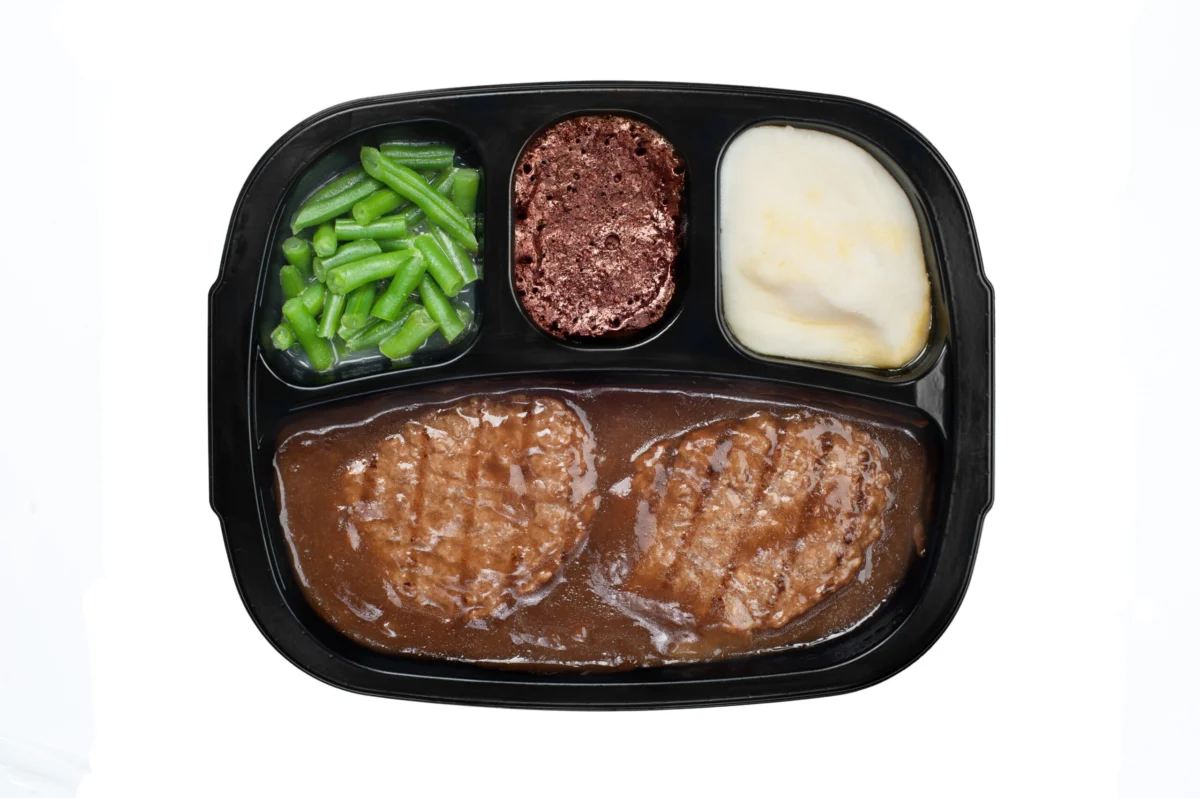
The perception of a chef often conjures images of intricate culinary training and deeply rooted family traditions. However, for many, the path to the kitchen is paved with simpler, perhaps less glamorous, but no less meaningful, culinary experiences. This is a sentiment echoed by culinary professionals who, despite their current expertise, may not have grown up surrounded by generational recipes. The recent observance of National TV Dinner Day on September 10th serves as a timely reminder of these foundational, albeit unconventional, culinary touchstones. For individuals like competitive pitmaster Christie Vanover, the TV dinner represents not a departure from culinary roots, but a genuine and formative part of her gastronomic journey.
Vanover, a seasoned competitor and award-winning pitmaster, has earned recognition on platforms like Food Network’s "Pitmasters." Yet, she openly admits that her childhood kitchen did not boast a lineage of elaborate cooking traditions. Instead, her early encounters with "soul-warming dishes" included readily available, convenient meals such as Tuna Helper, Tetrazzini, Salisbury steak TV dinners, and occasional homemade spaghetti. These were the sustenance of her formative years, providing comfort and nourishment. This personal narrative highlights a broader truth: culinary appreciation and expertise can stem from diverse origins, including the widespread availability of convenient, pre-packaged meals.
The origins of the TV dinner can be traced back to a moment of post-war ingenuity and a surplus of Thanksgiving turkeys. In 1953, C.A. Swanson & Sons, a company already established in the poultry industry, launched its innovative frozen dinner. Faced with an abundance of unsold turkey from the holiday season, the company conceived of a meal that could be easily prepared and consumed at home, targeting the burgeoning television-watching demographic. The initial product featured turkey, cornbread dressing, peas, and sweet potatoes, all contained within a compartmentalized aluminum tray. This design allowed for oven reheating, revolutionizing the concept of a convenient, individual meal. The Smithsonian notes that this innovation was a direct response to market demand for quick and easy meal solutions, capitalizing on the growing popularity of television and busy lifestyles.
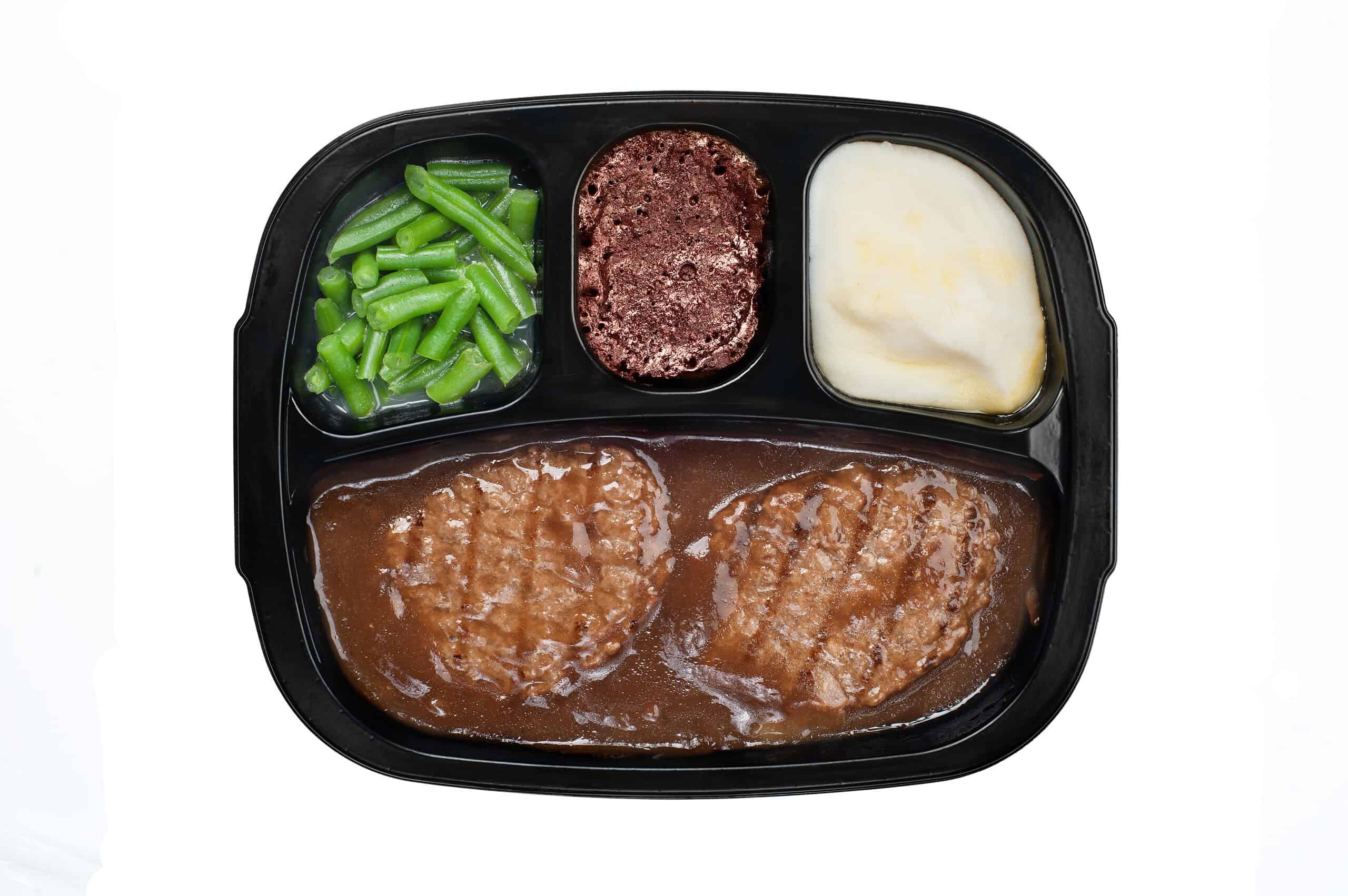
The advent of the microwave oven in the 1980s further accelerated the evolution and accessibility of the TV dinner. What was once a process requiring oven time became a matter of minutes, making these meals even more appealing to households seeking speed and convenience. For Vanover, this era was marked by a particular fondness for specific TV dinner configurations. The Salisbury steak option, complete with mashed potatoes and a chocolate brownie, stood out as a childhood favorite. While acknowledging the inclusion of vegetables, she humorously notes that, as a child, these were not the primary draw. The turkey dinner, with its turkey, stuffing, and potatoes, was also appreciated, though the accompanying peas were often deemed "mushy," and the apple-cranberry compote less desirable. However, any TV dinner featuring a cherry cobbler dessert was a guaranteed hit, with the vibrant, "lava hot cherries" being the undeniable highlight, often overshadowing the other components of the meal. This recollection underscores the power of dessert in shaping childhood mealtime memories, even within the context of a mass-produced meal.
The cultural impact of the TV dinner extended beyond mere sustenance; it became intertwined with popular culture, particularly through its association with television viewing. The very name "TV dinner" cemented its identity as a meal designed for consumption in front of the screen. This symbiotic relationship between television and convenient dining became a hallmark of mid-to-late 20th-century domestic life.
While the TV dinner provided a convenient solution for many, its promise of futuristic meal preparation, as depicted in popular culture, has yet to be fully realized. The 1989 film "Back to the Future Part II" famously showcased a futuristic pizza prepared in a "food hydrator." This cinematic vision of rapid, high-tech food preparation, set in the year 2015, highlighted public fascination with the potential advancements in food technology. However, as of today, the reality of home cooking and meal preparation, while advanced, has not quite reached the level of instantaneous "pizza from thin air" envisioned by Hollywood.
Modern kitchen appliances, such as the Ninja Air Fryer, offer remarkable capabilities for quick and efficient cooking. Yet, the fundamental processes of preparing and reheating food remain largely unchanged. This gap between cinematic prophecy and present-day reality invites reflection on the trajectory of food technology and consumer expectations.

The concept of the TV dinner has, however, undergone significant transformation and diversification. The initial offerings, largely confined to traditional American fare, have expanded to encompass a vast array of international cuisines and dietary preferences. This evolution reflects a growing global palate and an increasing demand for variety and customization in pre-packaged meals. Today, consumers can find frozen dinners featuring cuisines from around the world, catering to diverse tastes and dietary needs, from vegetarian and vegan options to gluten-free and low-calorie selections. This expansion has been driven by advancements in food processing, preservation techniques, and a deeper understanding of global culinary traditions.
The underlying principle of the TV dinner – providing a ready-to-eat or quickly preparable meal – persists, but its modern manifestation often takes the form of "meal planning" or "meal prepping." This contemporary approach involves preparing large batches of food, typically proteins, and portioning and freezing them for future consumption. Grilling and barbecuing, in particular, are well-suited for this strategy. For instance, smoking a pork butt or an entire chicken can yield substantial amounts of versatile protein that can be used in various dishes throughout the week. This method allows individuals to maintain control over ingredients and preparation while still enjoying the convenience of pre-made meals.
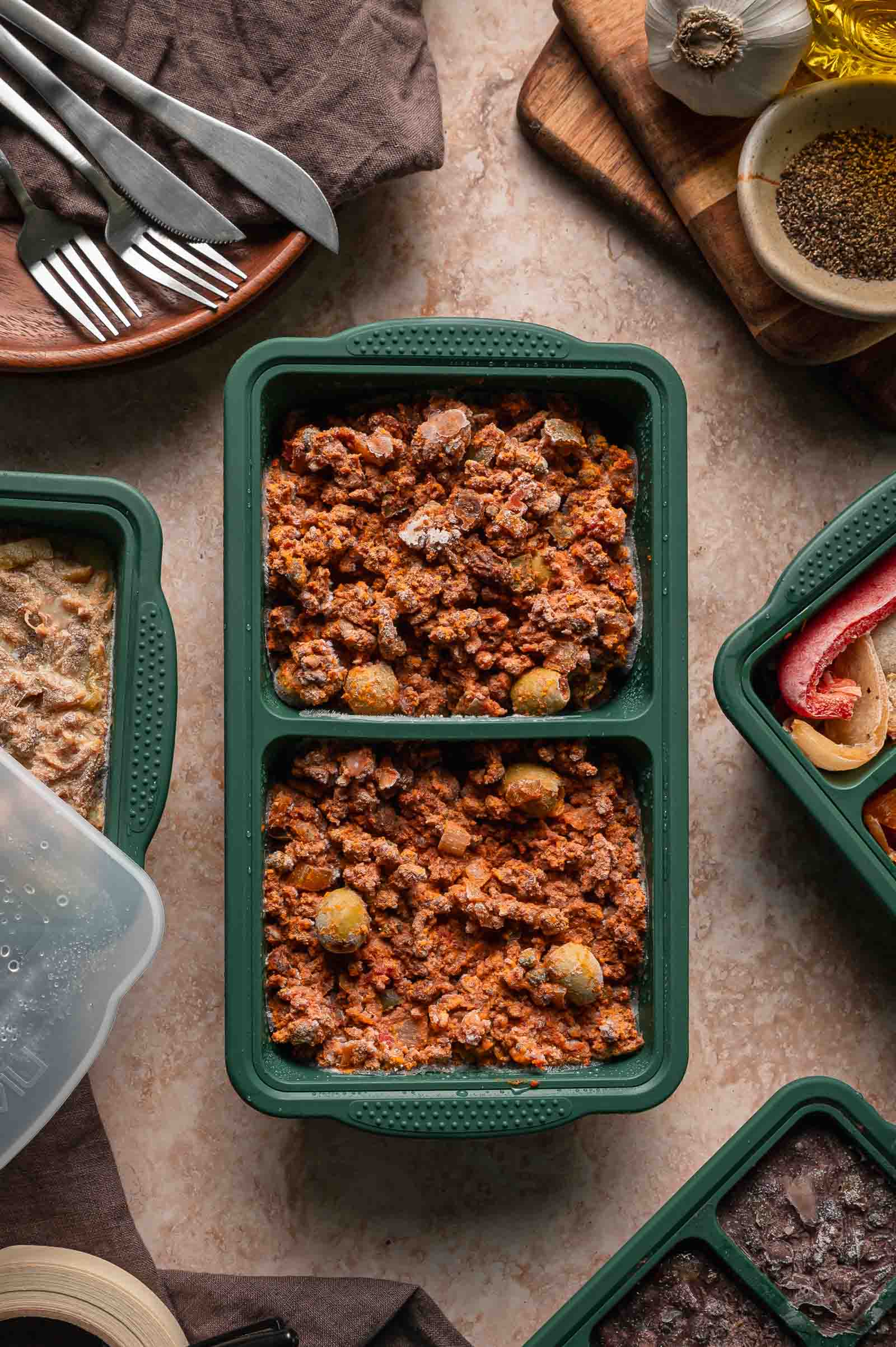
A particularly innovative iteration of this concept is what is being termed "Lego meals." This approach involves cooking individual components of a meal – proteins, starches, and vegetables – separately. These components are then frozen in modular, often silicone, molds, such as Souper Cubes. The frozen portions can then be mixed and matched, allowing for the assembly of a customized meal, akin to building with Lego blocks. This method offers a high degree of flexibility and personalization, addressing the desire for variety that may be lacking in traditional TV dinners. Websites and culinary communities dedicated to freezer meal prep, such as Girl Carnivore, provide extensive resources and recipe ideas for implementing these systems, ensuring that meal planning remains engaging and prevents culinary monotony.
The journey from the original Swanson TV dinner to the sophisticated meal prep systems of today reflects a continuous pursuit of convenience and culinary satisfaction. While the future may not have delivered the instantaneous food replicators of science fiction, it has offered an expanding universe of options for efficiently feeding ourselves and our families. The simplicity of the original TV dinner, born out of necessity and innovation, has paved the way for a more personalized and diverse approach to convenient dining, demonstrating that even the most basic of culinary solutions can evolve into sophisticated strategies for modern living. The enduring appeal of the TV dinner, in its various forms, lies in its ability to provide a comforting and accessible meal, a testament to its significant and lasting impact on how we eat.
The economic implications of the frozen food industry are substantial, with market research indicating consistent growth. The global frozen food market size was valued at approximately USD 300 billion in 2022 and is projected to expand further, driven by factors such as increasing consumer demand for convenience, longer shelf life, and a wider variety of product offerings. This robust market performance underscores the continued relevance and consumer trust in frozen meal solutions.
Furthermore, the evolution of the TV dinner also mirrors broader societal shifts. The increasing participation of women in the workforce, the rise of dual-income households, and a greater emphasis on individual autonomy have all contributed to the demand for time-saving food solutions. The TV dinner, in its various iterations, has consistently adapted to these changing demographics and lifestyles.
The historical context of the TV dinner also provides a lens through which to examine technological progress. From the initial oven-reheating trays to the microwave-friendly formats and now to advanced freezing and portioning techniques, each stage represents an adaptation to new technologies and evolving consumer needs. The "food hydrator" concept from "Back to the Future" may still be a distant dream, but the innovation that the TV dinner represents—the desire to simplify and enhance the dining experience—continues to drive culinary advancements.
In conclusion, the humble TV dinner, often dismissed as a relic of a bygone era, has a rich history and a dynamic present. It represents not just a meal, but a cultural artifact that has adapted and evolved alongside society. From its origins in post-war surplus to its modern incarnations in meal prepping and "Lego meals," the TV dinner continues to offer convenience and comfort, proving that even the simplest of culinary innovations can leave a lasting legacy. The ongoing development within the frozen and convenience food sectors suggests that the spirit of the TV dinner will continue to shape how we approach meals for years to come, offering a blend of nostalgia and forward-thinking solutions for the modern table.


