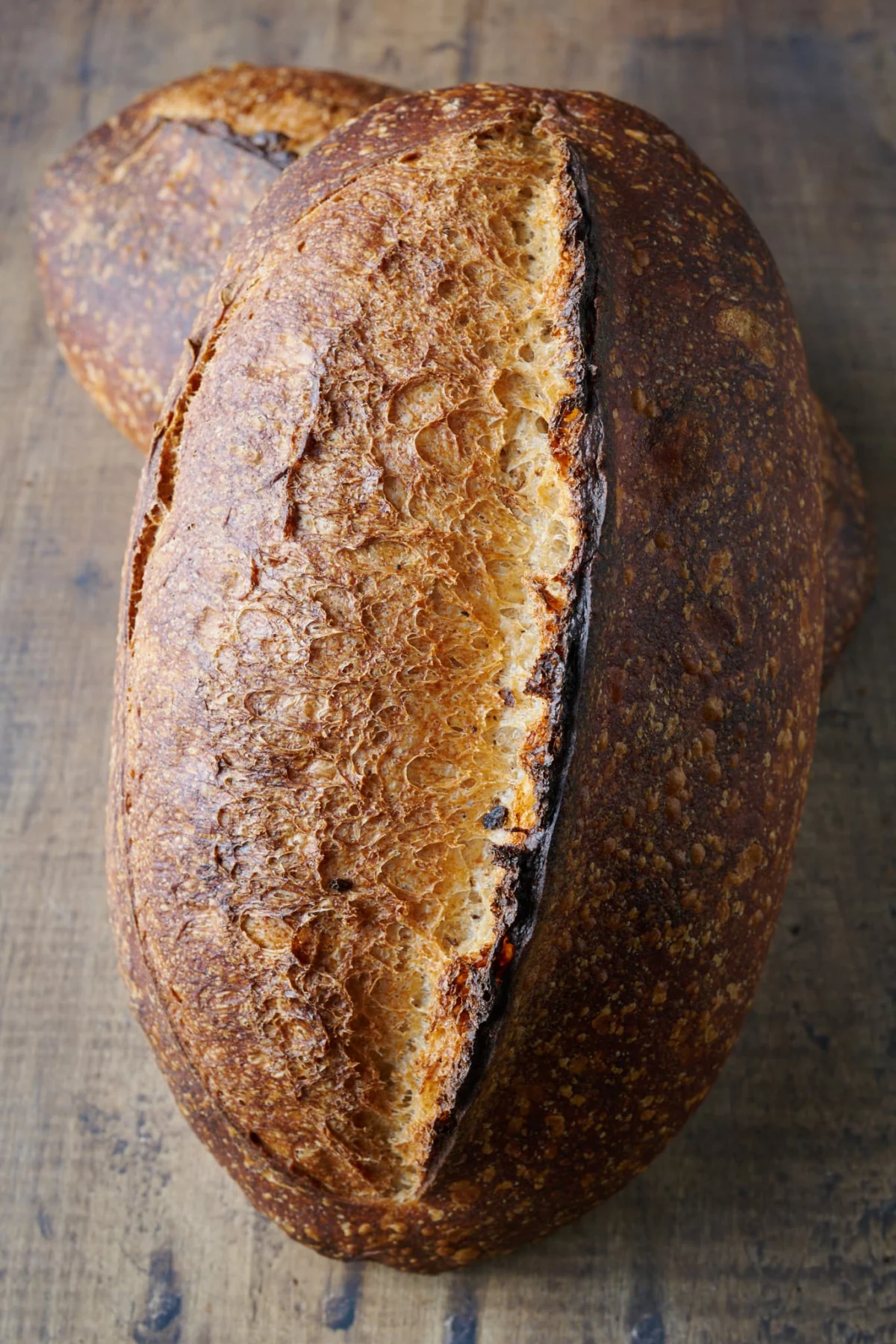
In the vibrant world of artisanal baking, few elements captivate enthusiasts and professionals alike quite like the "open crumb" of a sourdough loaf. This distinct internal structure, characterized by a matrix of well-distributed air pockets, has become a benchmark for perceived baking mastery, often sparking conversation and admiration. While some might first seek the aromatic complexity of a dark, burnished crust or the satisfying snap of a perfectly scored bloom, for many, the visual allure of a beautifully aerated interior stands as the ultimate testament to a baker’s skill. Yet, as seasoned practitioners often emphasize, the true essence of exceptional sourdough bread lies not solely in its visual appeal, but fundamentally in its flavor and overall eating experience.
The Sourdough Revival and the Aesthetic of the Crumb
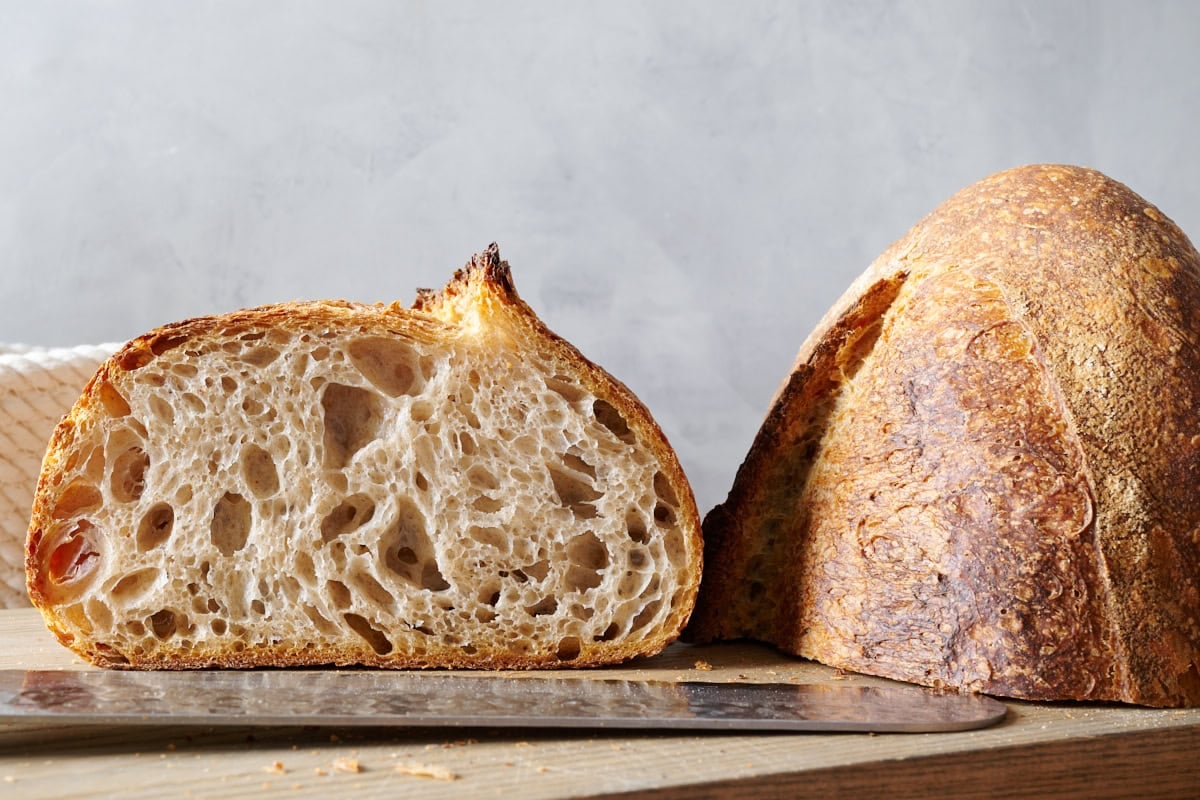
The resurgence of sourdough baking in recent years, fueled by a desire for natural, wholesome foods and amplified by social media aesthetics, has placed an unprecedented spotlight on the internal structure of bread. Platforms like Instagram are replete with images of loaves revealing dramatic, almost artistic, networks of irregular holes. This visual standard, while inspiring, has inadvertently created a misconception that an open crumb is the sole indicator of quality, sometimes overshadowing the foundational elements of flavor, aroma, and a pleasing chew. Understanding the nuanced interplay of biological and physical factors that contribute to this sought-after texture is crucial for any baker aiming to elevate their craft beyond mere visual mimicry.
An open crumb, at its best, signifies a light, airy texture with an even distribution of varied-sized holes, free from dense, gummy sections or cavernous, irregular voids. It’s a delicate balance: the gluten network within the dough must be robust enough to trap significant amounts of carbon dioxide gas produced during fermentation, yet extensible enough to stretch without tearing as these gases expand in the oven. This phenomenon, known as "oven spring," is where the final internal architecture of the loaf is dramatically formed.
Distinguishing True Open Crumb from Underproofing

However, a critical distinction must be made between a genuinely open crumb and one that merely appears so due to underproofing – a common pitfall for aspiring bakers. Often, a loaf presenting with excessively large, irregular holes alongside dense, unfermented areas is not a triumph of openness but rather a clear sign of underproofing. This deceptive appearance, characterized by an erratic oven spring that might burst open the crust unevenly, indicates that the dough’s fermentation process was prematurely halted. The gluten network, while strong, hadn’t yet been sufficiently mellowed and expanded by microbial activity to create a uniform, airy structure. Instead, gas accumulated in fewer, larger pockets that then burst dramatically during baking, leaving behind a less desirable texture that can be tough or gummy. Experienced bakers recognize tell-tale signs such as:
- A "volcanic" or erratic burst in the crust, often breaking open unexpectedly.
- Large, isolated holes interspersed with very dense, tight areas in the crumb.
- A dough that feels overly tight or rubbery during shaping, resisting expansion.
- A slightly pale or uncaramelized crust due to insufficient sugar development.
Correcting underproofing requires allowing the dough more time for fermentation, both during bulk fermentation and the final proof. This extended period permits a more even gas production and distribution, strengthens the gluten network’s extensibility, and ultimately facilitates a controlled, balanced oven spring, yielding a consistent and pleasant crumb.
The Multifaceted Approach: Key Factors for Crumb Structure

Achieving a truly desirable open crumb is not the result of a single technique, but rather a harmonious orchestration of several critical stages in the baking process. Each decision, from ingredient selection to final proofing, contributes significantly to the dough’s capacity for aeration.
1. Flour Selection: The Foundational Element
The choice of flour is arguably the most pivotal factor. For an open crumb, bakers typically gravitate towards strong white flours, often referred to as high-protein bread flours, with protein content generally ranging from 11% to 13%. The higher protein content translates directly to increased gluten-forming potential. Gluten, a complex protein network formed when gliadin and glutenin in flour are hydrated and worked, provides the elasticity and extensibility necessary to trap gases and form the characteristic open structure. Scientific principles confirm that gluten’s viscoelastic properties are central; a robust gluten network acts like tiny balloons, expanding with gas. Flours below 11% protein may struggle to form a strong enough network, while those exceeding 13% can result in an overly chewy, dense crumb, despite large holes.
The incorporation of whole wheat flour, while beneficial for flavor and nutrition, inherently complicates the pursuit of an open crumb. The sharp bran particles in whole wheat interrupt the delicate gluten network, making it harder for the dough to stretch and retain large gas bubbles. Bakers must adjust expectations, understanding that a loaf with a significant percentage of whole wheat (e.g., 50%) will naturally exhibit a tighter, denser crumb compared to an all-white flour counterpart. However, specialized high-extraction flours like Type 85 offer a compromise, retaining some bran for flavor while allowing for good gluten development, provided sufficient hydration.

2. Sourdough Starter: The Engine of Fermentation
A vigorous, healthy sourdough starter is the cornerstone of any well-aerated loaf. This symbiotic culture of wild yeasts and lactic acid bacteria (LAB) is responsible for producing the carbon dioxide that inflates the dough. Maintaining a starter’s strength requires consistent feeding and optimal temperature, typically 23-25°C (74-78°F). The critical timing involves using the starter precisely when it reaches its peak ripeness – just as it doubles or triples in volume, appears bubbly, and floats in water, but before it begins to recede. Scientific analysis reveals that an over-fermented starter becomes overly acidic, increasing the activity of protease enzymes. These enzymes break down the gluten network prematurely, leading to a weaker dough that struggles to hold its structure, resulting in a tighter crumb. Conversely, an under-active starter simply won’t produce enough gas to create an open structure.
3. Hydration Strategy: Enhancing Extensibility
Dough hydration, the ratio of water to flour, significantly impacts crumb structure. Higher hydration generally correlates with a more open crumb. More water allows for greater gluten development and extensibility, enabling the dough to stretch further without tearing. Additionally, the increased moisture content generates more steam during baking, which aids in pushing the crumb open. While not a strict rule, many open-crumb recipes utilize hydration levels between 70% and 80% for white flours. However, this is highly dependent on flour type and ambient conditions. A high-protein flour might comfortably handle 85% hydration, whereas a softer all-purpose flour could become unmanageable at 75%. It is important to note that high hydration doughs are notoriously challenging to handle, demanding greater skill in mixing and shaping to develop and maintain adequate structure. Pushing hydration beyond a flour’s capacity can lead to a soupy, weak dough, making it impossible to achieve the desired aeration.
4. Dough Development and Strengthening: Building the Framework
Sufficient gluten development through mixing and folding is non-negotiable for an open crumb. This process aligns and strengthens the gluten strands, creating a robust, elastic network capable of trapping gas. Techniques include traditional kneading, stretch and folds, slap and folds, or mechanical mixing. The goal is to transform a shaggy mixture into a smooth, elastic, and responsive dough that can hold its shape. Scientific understanding demonstrates that under-developed dough lacks the structural integrity to form and retain large gas pockets, leading to a dense crumb. Conversely, over-mixing, especially with high-speed mechanical mixers, can damage the gluten network, making it overly tight and resistant to expansion, also resulting in a closed crumb. The "windowpane test," where a small piece of dough can be stretched thin enough to see light through it without tearing, is a widely accepted empirical indicator of adequate gluten development. For most home bakers, under-development is a more common issue than over-development.

5. Gentle Handling: Preserving Gas Pockets
The delicate gas pockets formed during bulk fermentation are easily ruptured by rough handling. During preshaping and final shaping, bakers must work with a light touch, minimizing degassing. Each gas bubble is surrounded by a thin gluten wall; excessive pressure or aggressive manipulation can collapse these walls, breaking large bubbles into many smaller ones, thus leading to a tighter, more uniform crumb. Preserving this internal structure is paramount for achieving the desired openness.
6. Loaf Geometry: The Influence of Shaping
The shape of the loaf can subtly, yet significantly, influence crumb structure. Many experienced bakers find that an oval-shaped batard often yields a more open interior than a round boule. Two factors contribute to this observation: firstly, batard shaping typically involves a more linear, gentle rolling motion compared to the often more compressive tucking and tension-building required for a boule. This gentler approach helps preserve the delicate gas structure. Secondly, the elongated profile of a batard allows heat to penetrate faster and more evenly throughout the dough during baking. This rapid, uniform heat transfer contributes to a more explosive and consistent oven spring, which is critical for maximizing aeration. The extreme example is a baguette, known for its wild, irregular crumb, a direct result of its thin cross-section and rapid heat penetration.
7. Proofing to Perfection: The Final Act
The final proof, or "cold proof" in many sourdough schedules, is where the dough undergoes its ultimate transformation before baking. This stage determines the dough’s readiness to expand dramatically in the oven. The ideal proof point is achieved when the dough has risen approximately 75% to 80% of its potential volume. This leaves sufficient "reserve strength" for the dough to fully expand during oven spring. If proofed for too short a time (underproofed), the gluten network is still too tight, and insufficient gas has been produced, leading to dense areas and potentially large, isolated holes. If proofed for too long (overproofed), the gluten network begins to degrade due to excessive protease activity, and the dough loses its structural integrity. It collapses, resulting in a dense, tight crumb with minimal oven spring, even if the flavor is robust. The "poke test" is a widely used empirical indicator: gently pressing a floured finger into the dough should leave an impression that slowly springs back. Immediate rebound indicates underproofing, while an impression that remains fully indented signals overproofing.

8. Autolyse: Enhancing Extensibility
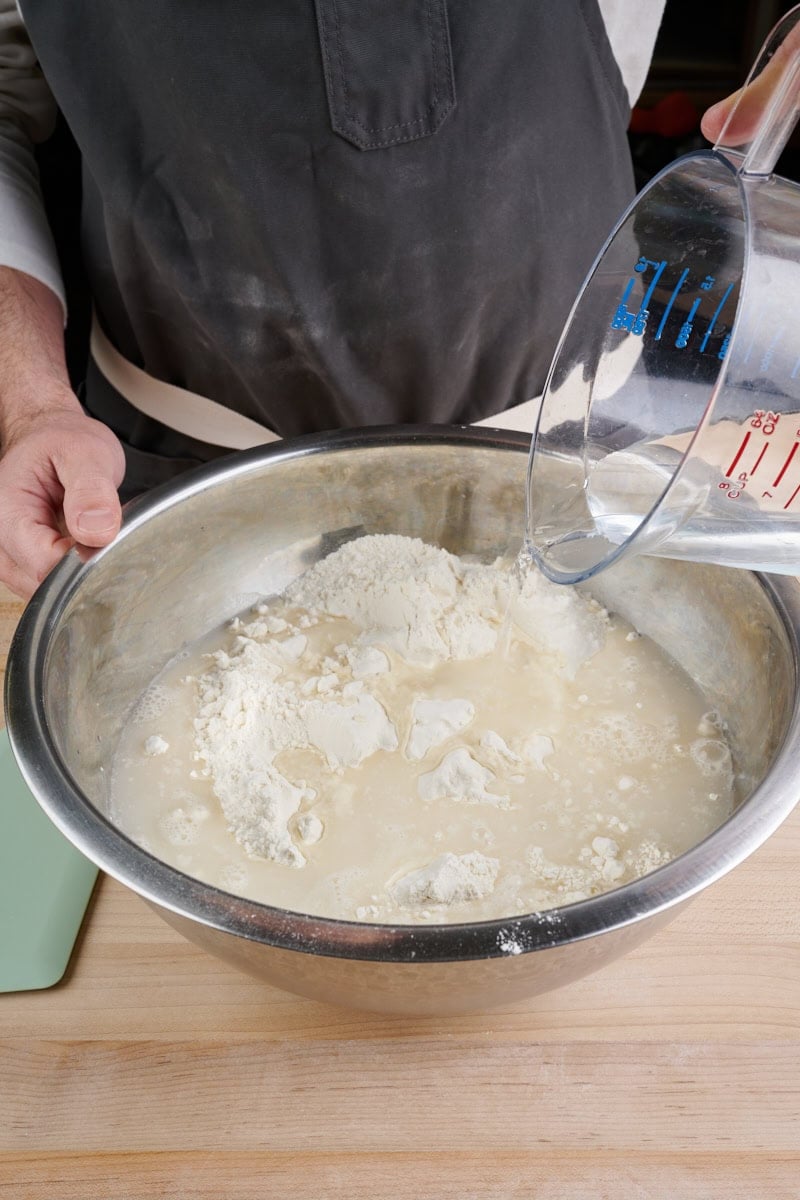
The autolyse technique, involving a preliminary mix of just flour and water followed by a rest period (typically 30 minutes to an hour) before adding salt and starter, can significantly enhance dough extensibility. During this rest, naturally occurring enzymes (protease and amylase) in the flour begin to gently break down protein and starch bonds. This process allows the flour to fully hydrate, relax the gluten, and develop extensibility without mechanical effort. For flours with very high protein content or strong elasticity, an autolyse can "tame" the dough, making it more pliable and less resistant to expansion. This increased extensibility enables the dough to stretch more freely, accommodating larger gas bubbles without tearing, which is a direct benefit for achieving an open crumb.
Broader Implications for Baking Mastery
The journey to mastering the open crumb in sourdough is a profound lesson in observation, adaptation, and the delicate balance of biological and chemical processes. It underscores that baking is as much an art as it is a science, demanding intuition honed by experience. The constant experimentation, the meticulous note-taking, and the comparison of results—all contribute to a baker’s deepening understanding of their ingredients and process.
While the pursuit of an aesthetically pleasing open crumb is a worthy endeavor, it’s essential for bakers to maintain perspective. The ultimate goal remains the creation of delicious, nourishing bread. A loaf with a slightly tighter crumb, especially one rich in whole grains, can offer a depth of flavor and nutritional value that rivals, or even surpasses, a visually stunning but potentially less flavorful airy loaf. The "perfect" crumb is subjective, and its ideal form depends on the intended use of the bread. Some applications, like sandwiches, might even benefit from a moderately tighter crumb to prevent fillings from escaping.
In conclusion, the coveted open crumb in sourdough bread is a holistic achievement, born from a synergistic approach to ingredient selection, starter maintenance, dough handling, and precise proofing. It serves as a visual indicator of meticulous craftsmanship and a deep understanding of the fermentation process. Yet, it is merely one facet of a truly great loaf, which invariably prioritizes flavor, aroma, and a satisfying texture. By embracing the scientific principles and practicing patience and adaptability, bakers can move beyond simply chasing an aesthetic, and instead, cultivate a profound connection with their craft, ultimately producing bread that brings genuine joy and satisfaction. The continuous dialogue between baker and dough, through countless loaves, truly teaches everything there is to know.