
The Skagit Valley, Washington, recently played host to the highly anticipated return of The Grain Gathering, an influential three-day event dedicated to advancing the craft and economics of grain and bread production. After an eight-year hiatus, the gathering, held from July 19-21 and co-hosted by the Washington State University (WSU) Breadlab and the Washington State Department of Agriculture (WSDA), convened a diverse congregation of breeders, farmers, millers, and bakers under the theme of "Nourishing Communities." Central to the event’s innovative spirit was a solar-powered mobile bakery and mill, showcasing a revolutionary model for shortening the farm-to-loaf supply chain and redirecting value back to the grain producers.
The event commenced with an air of palpable excitement, marking its revival as a critical forum for dialogue and hands-on learning within the specialty grain sector. Participants, ranging from seasoned professional bakers to enthusiastic home baking aficionados, found themselves immersed in a dynamic environment of masterclasses, insightful talks, and direct engagement within the region’s expansive wheat fields. This unique confluence facilitated an unprecedented exchange of knowledge, challenging conventional paradigms in grain cultivation, milling practices, and the economics of artisanal bread. The overarching objective, as articulated by the organizers, was to foster a more transparent, equitable, and flavor-driven grain economy that benefits every link in the chain.
A Mobile Revolution: Marc Benoit’s Solar-Powered Bakery
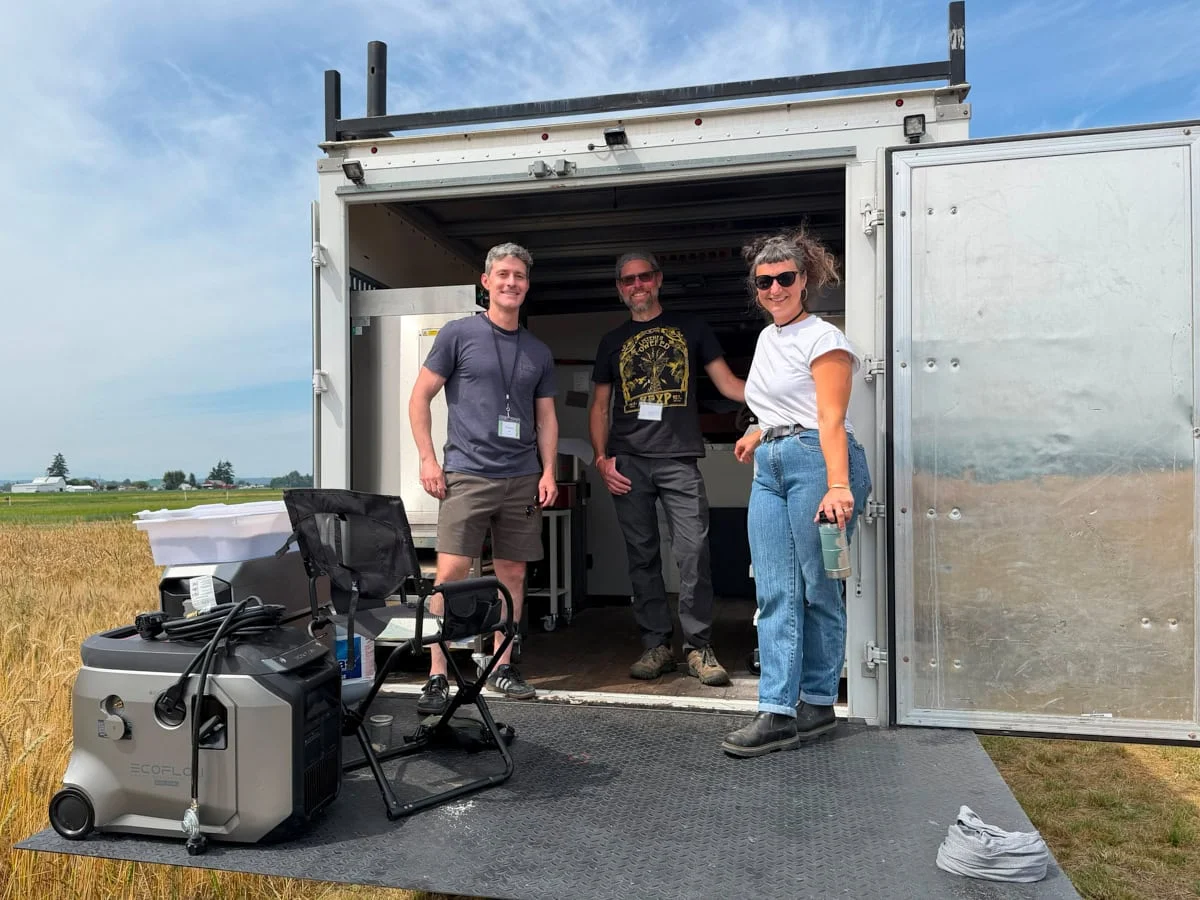
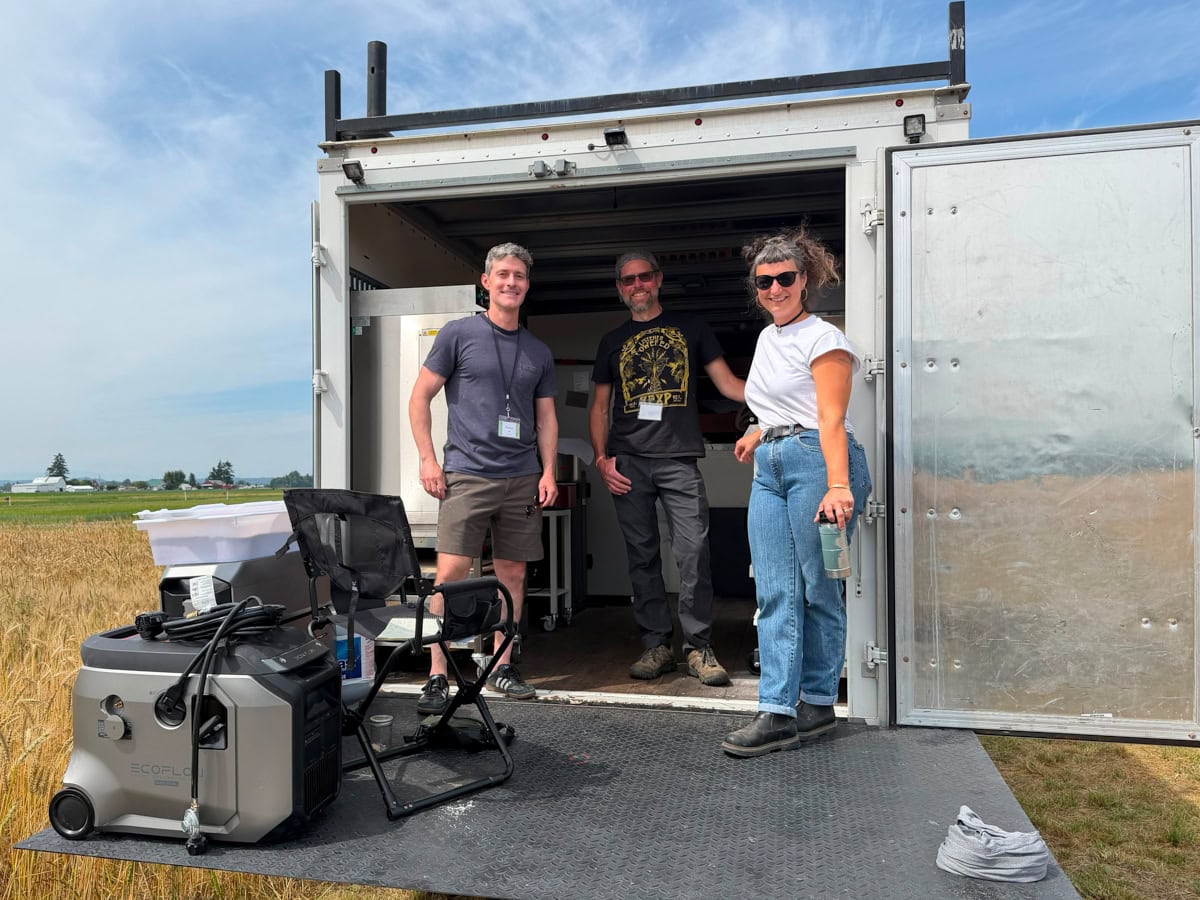
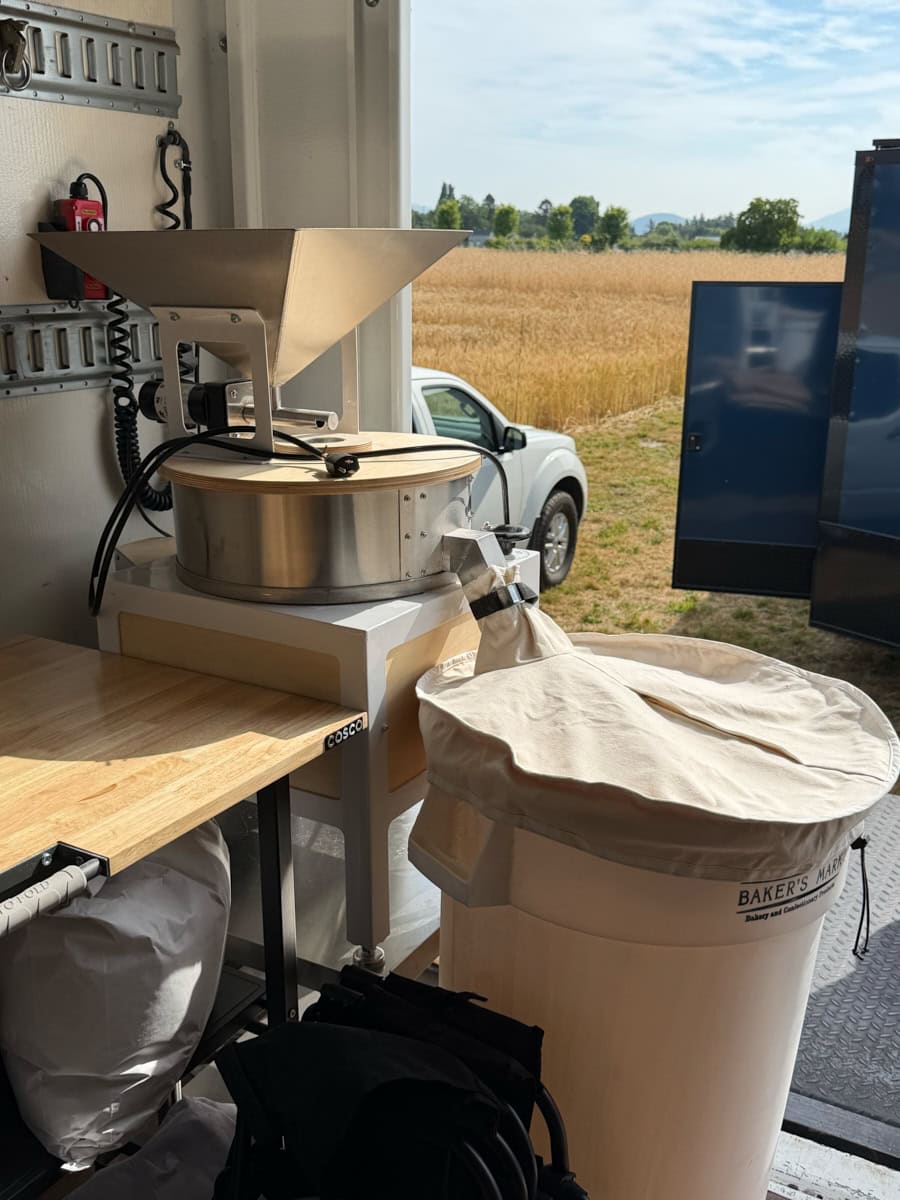
Among the most compelling innovations presented at The Grain Gathering was the remarkable mobile bakery and mill conceived and constructed by Marc Benoit of Reds Breads. This self-contained unit, housed within the bed of a truck, featured a fully operational bread oven, a grain mill, a mixer, and a workbench—all efficiently powered by an integrated solar array on the roof. The sheer audacity and ingenuity of the setup immediately captured attention, not just for its technical prowess but for its profound implications for the future of local grain economies.
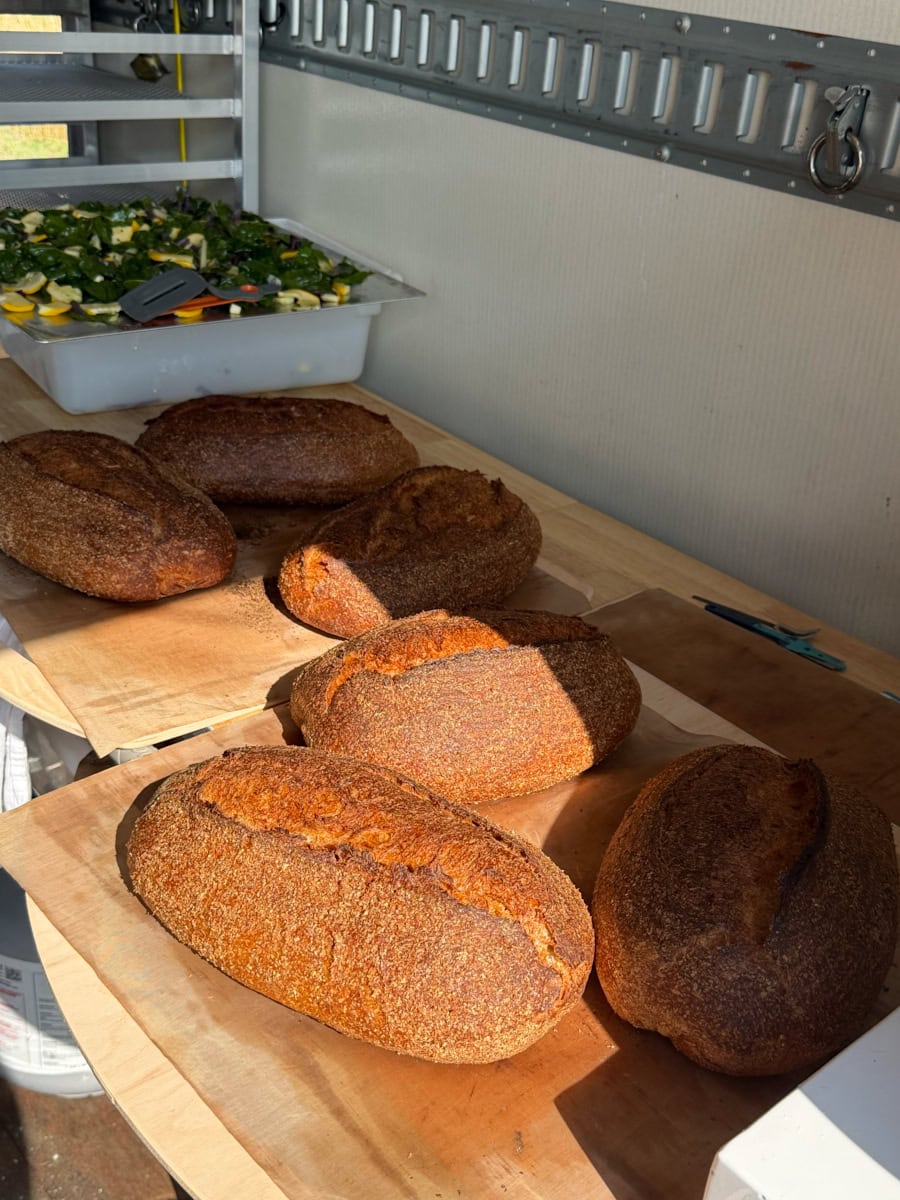
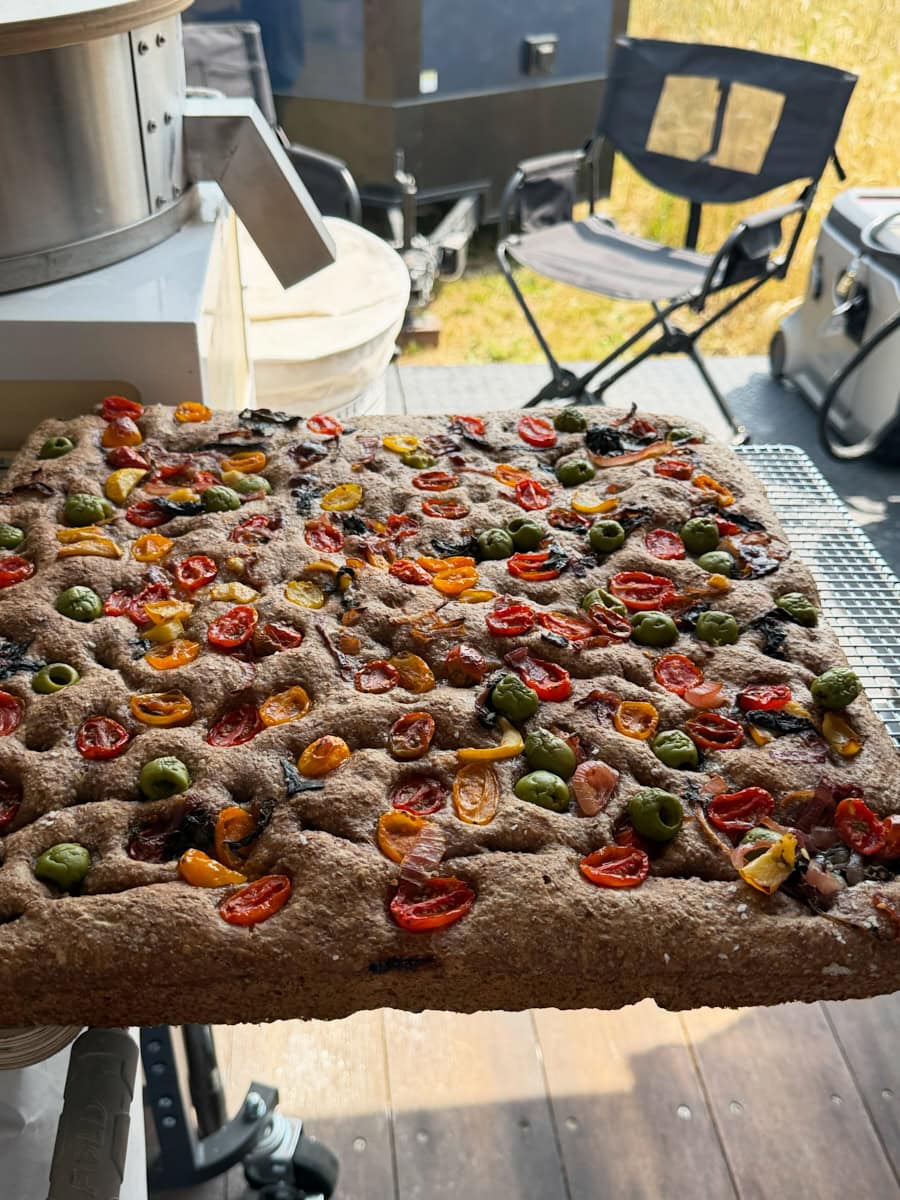
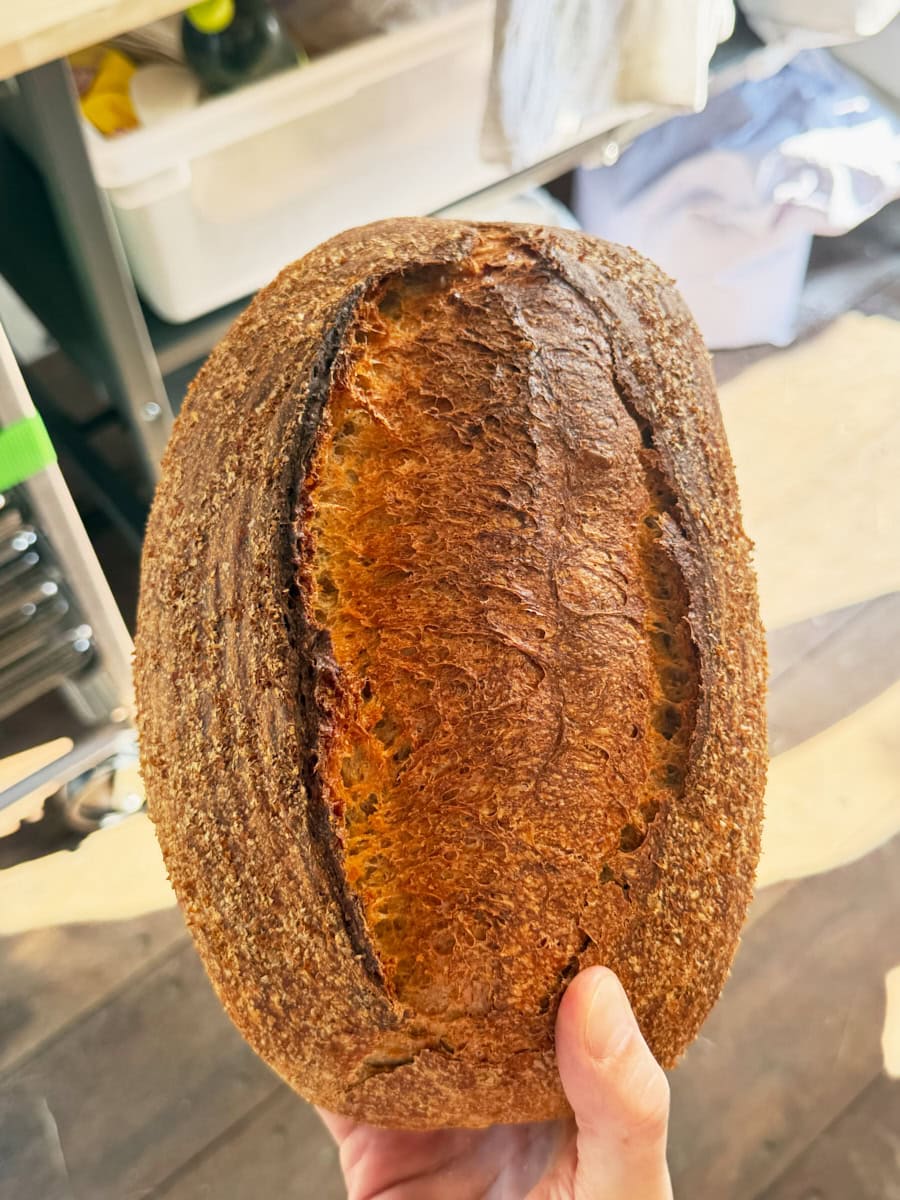
Benoit, alongside fellow bakers Baylin Speidel and Thomas Vroom, demonstrated the truck’s capabilities throughout the gathering, transforming freshly milled grains from local farms into an impressive array of baked goods. Over the three days, they produced over twenty country loaves, three large-format focaccias, numerous baguettes, and bialys topped with sesame and roasted vegetables. The grains, including Moon Family Farms’ Hollis, Chimacum Confluence, and Palouse Heritage Elwha River Spelt, underscored the commitment to showcasing specific, identity-preserved varieties. The robust RackMaster oven, a workhorse in the mobile setup, maintained its temperature long after the day’s intensive baking concluded, a testament to the system’s efficiency and resilience.
The fundamental premise behind Benoit’s mobile bakery is to radically compress the supply chain from field to loaf. In the traditional commodity grain system, raw grain is often pooled and anonymized, losing its identity and direct connection to the farmer. This model severely limits the economic returns for growers who invest in soil health, sustainable practices, and unique grain varieties. By contrast, the mobile mill and bakery offers an unbroken chain of custody. Grain enters the system with the farmer’s name attached, and finished bread emerges, directly traceable to its grower. This transparency ensures that the farmer’s dedication to quality and sustainable practices is acknowledged and, crucially, financially rewarded. Moreover, by integrating milling and baking into a single, mobile unit, the operator retains the margins typically distributed among millers, distributors, and retailers, creating a more direct and profitable revenue stream, especially when placed directly in the hands of farmers.
Reimagining Grain: Flavor, Nutrition, and Terroir
A recurring theme throughout the gathering was the critical need to shift wheat breeding priorities away from an exclusive focus on yield and industrial processing efficiency towards flavor and nutritional value. For decades, conventional wheat breeding programs have primarily optimized for traits such as high yield, uniformity, disease resistance, and ease of mechanical harvest. While these factors are essential for feeding large populations and maintaining affordable staple foods, they have inadvertently led to a decline in the distinctive flavors and robust nutritional profiles once inherent in diverse wheat varieties.
Experts at the WSU Breadlab, a co-host of the event, have been at the forefront of this paradigm shift. They actively incorporate flavor and nutrition into their wheat breeding scorecard, developing varieties specifically suited to particular growing conditions, rather than a one-size-fits-all approach. Varieties like Skagit 1109, Salish Blue, and Ruth are examples of their successful efforts to cultivate grains that perform well agronomically while also delivering exceptional taste and health benefits. Crucially, the Breadlab doesn’t stop at cultivation; they mill and bake test batches of candidate grains to evaluate their performance and characteristics in a finished loaf. This integrated approach ensures that the grains developed meet the highest standards from field to table.
The implication for consumers, particularly home bakers, is profound. Instead of purchasing generic, anonymous flour, they can now access identity-preserved grain varieties, each with unique baking characteristics and a discernible flavor profile. This move empowers consumers to make informed choices, supporting farmers who prioritize quality and sustainability. The concept of "terroir" – the idea that a food’s flavor is influenced by its specific environment – is gaining traction in the grain world, allowing bakers to explore the nuances of different regional grains, much like wine connoisseurs appreciate distinct grape varietals.
Shortening the Supply Chain: Economic and Environmental Benefits
The Grain Gathering served as a powerful testament to the growing movement for shortening agricultural supply chains. The traditional, lengthy path from grain breeder to farmer, industrial miller, distributor, retailer, and finally to baker, often results in an anonymized product and diminished returns for primary producers. This complex system, while efficient for mass production, often fails to recognize or reward the care and attention farmers dedicate to soil health, biodiversity, and the cultivation of specialty grains.
The discussions at the gathering highlighted how initiatives like Marc Benoit’s mobile bakery, or even a home baker choosing to buy identity-preserved grain directly from a farm or small mill, actively contribute to compressing this chain. By doing so, they not only enhance transparency but also channel a greater percentage of the final product’s value back to the farmer. This economic recalibration is vital for the viability of small-scale and sustainable farming operations.
Beyond economics, a shortened supply chain also offers significant environmental advantages. Reducing the distance food travels (food miles) minimizes carbon emissions associated with transportation. Furthermore, supporting local grain economies encourages regional agricultural diversity and resilience, making food systems less vulnerable to global disruptions and promoting sustainable land management practices. The shift away from monoculture, which is often favored by commodity systems, towards a broader range of cultivated grains also contributes to greater biodiversity and healthier ecosystems.
A Confluence of Expertise: The Gathering’s Impact
The true essence of The Grain Gathering lay in its ability to bring together a diverse cross-section of individuals who, despite their varied roles, shared an undeniable passion for grain. The event successfully bridged potential divides between "industry folks" and home bakers, fostering a collaborative atmosphere where conversations flowed freely from complex topics like "falling numbers" (an indicator of enzymatic activity in flour) and advanced mixing techniques to practical advice on running a community bakery.
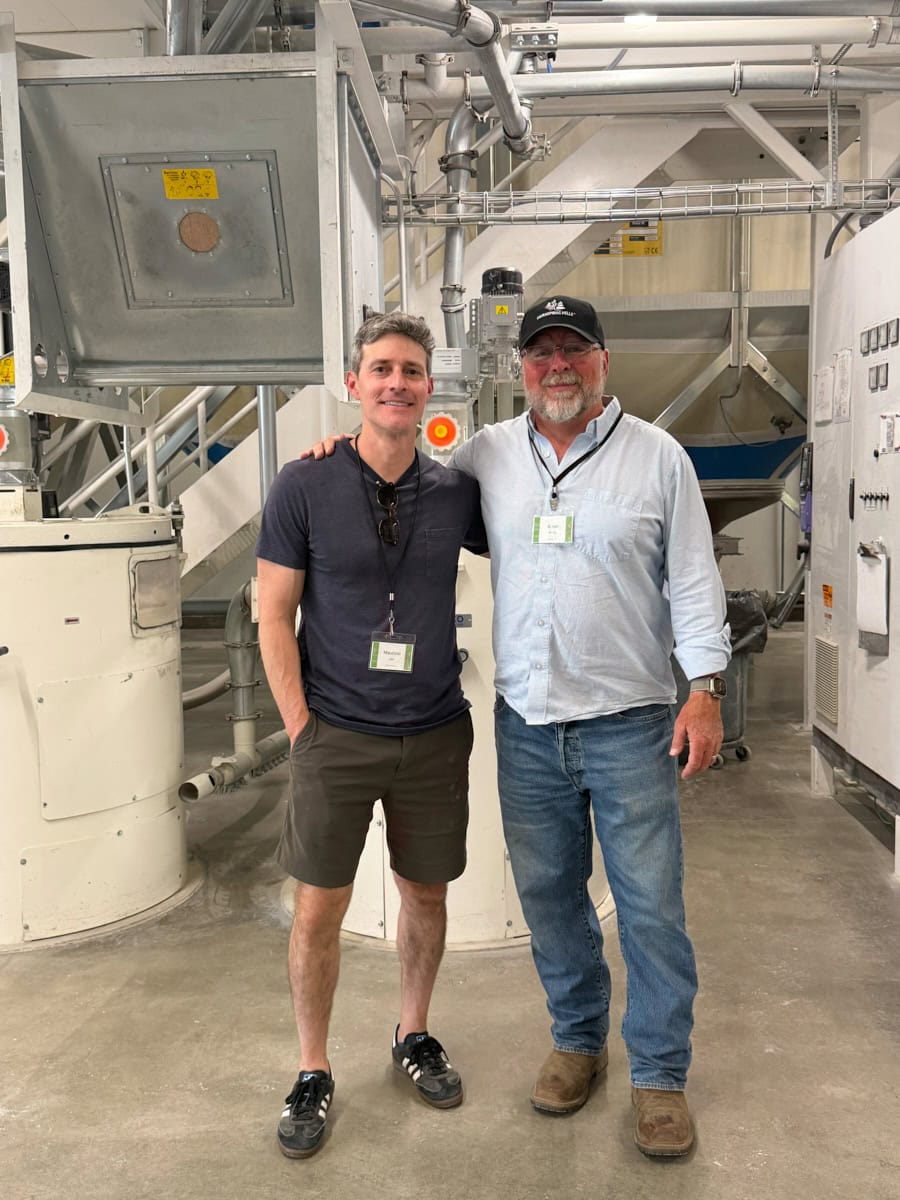
The gathering featured luminaries and dedicated practitioners from across the grain and baking spectrum. Attendees had the opportunity to engage with figures such as Crystie and Keith Kisler of Chimacum Valley Grainery, renowned for their inspiring work in growing, milling, and malting exceptional grains. Representatives from Cairnspring Mills, including Kevin Morse, Meech Crowley, and Jon Feldman, offered insights into their milling operations and their efforts to bring Skagit Valley grains to wider markets. Esteemed bakers and educators like Andrew Heyn and Blair Marvin of Elmore Mountain Bread shared their extensive knowledge on milling, cultivation, and the role of bakeries in community building. The presence of influential figures such as Jeffrey Hamelman, whose seminal work has guided countless bakers, underscored the depth of expertise present.
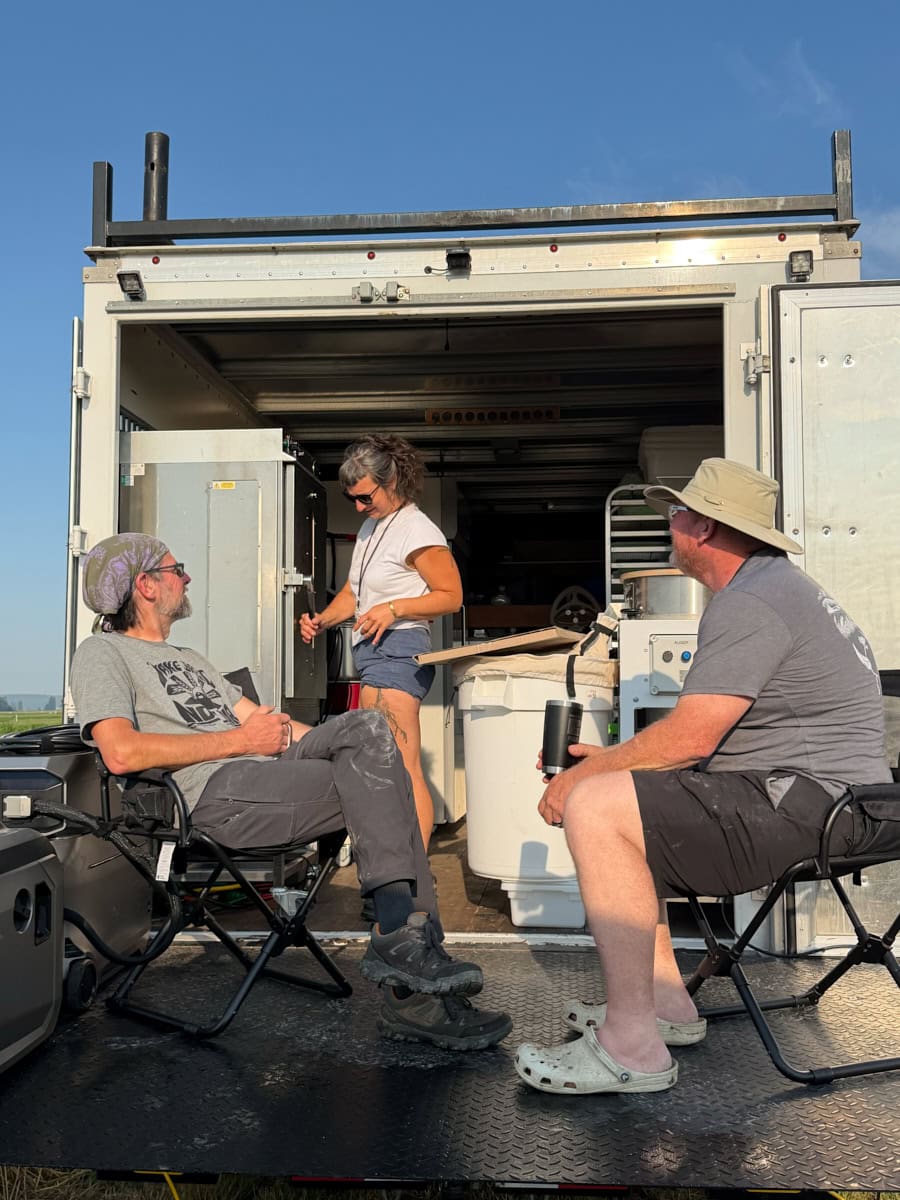
The collaborative spirit extended beyond formal sessions. Impromptu discussions in the wheat fields, during baking sessions, or over shared meals, revealed a collective dedication to improving every aspect of the grain-to-bread journey. This communal aspect, with "every pair of hands in the chain" standing "under one tent," was repeatedly cited by participants as one of the most enriching elements of the gathering. It highlighted the interconnectedness of their individual efforts and the shared goal of creating a more sustainable and delicious future for bread.
Practical Steps for Home Bakers and a Vision for the Future
For many attendees, the energy and insights gained from The Grain Gathering were transformative. While a complete overhaul of one’s baking practices might seem daunting, the prevailing message was one of incremental, impactful change. Home bakers were encouraged to start small: perhaps swapping a conventional grain for an identity-preserved variety like "Ruth," or exploring the option of sourcing grain directly from a local farmer and milling it fresh at home.
These seemingly small adjustments contribute significantly to the broader movement. By choosing identity-preserved grains, consumers actively support the farmers and breeders committed to flavor, nutrition, and sustainable agriculture. Freshly milling flour at home not only enhances the flavor and nutritional value of baked goods but also strengthens the connection between the baker and the raw ingredients, fostering a deeper appreciation for the entire process.
The evolution witnessed by many participants, moving towards more whole grains, named varieties, and freshly milled flour, is driven not by obligation but by the pursuit of superior flavor and optimal nutrition. The Grain Gathering reinforced the idea that these two qualities are not mutually exclusive; with the right grain and mindful practices, one can achieve both. The event concluded with a renewed sense of purpose and optimism, solidifying the belief that a vibrant, equitable, and delicious grain economy is not merely an aspiration but an achievable reality, one loaf at a time. The echo of grains being milled and baked in the Skagit Valley will undoubtedly resonate through countless kitchens, from commercial bakeries to home ovens, for years to come.


