
The culinary landscape of late summer is defined by the peak harvest of the genus Rubus, specifically the blackberry, which serves as the primary component for one of North America’s most enduring seasonal desserts: the blackberry crisp. As consumer interest in "slow food" movements and traditional foraging increases, the blackberry crisp has moved beyond its status as a simple domestic staple to become a symbol of hyper-local, sustainable gastronomy. Characterized by its juxtaposition of tart, syrupy fruit and a textured, buttery oat topping, this dessert represents a specific intersection of agricultural timing and mid-19th-century baking techniques.
The Technical Anatomy of the Blackberry Crisp
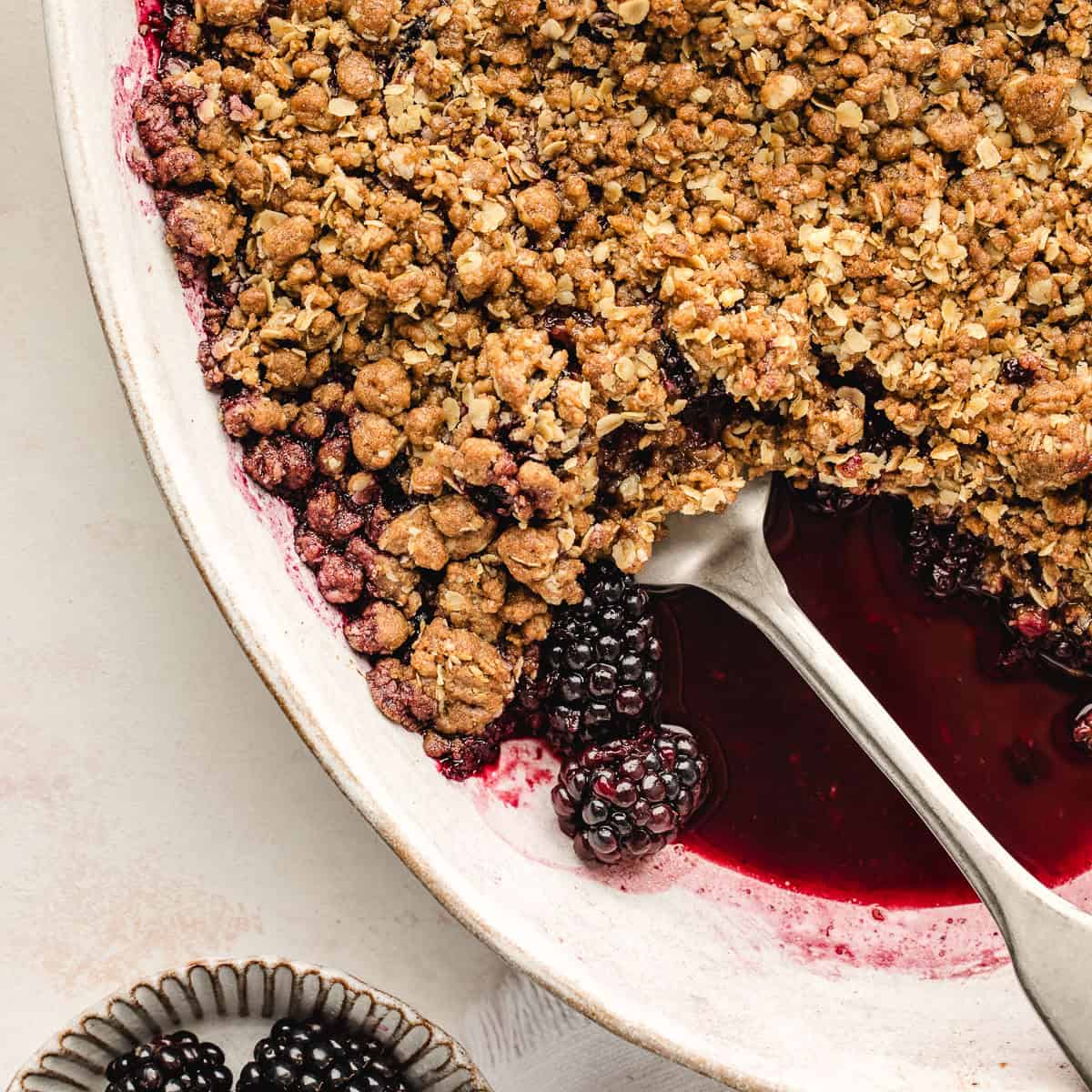
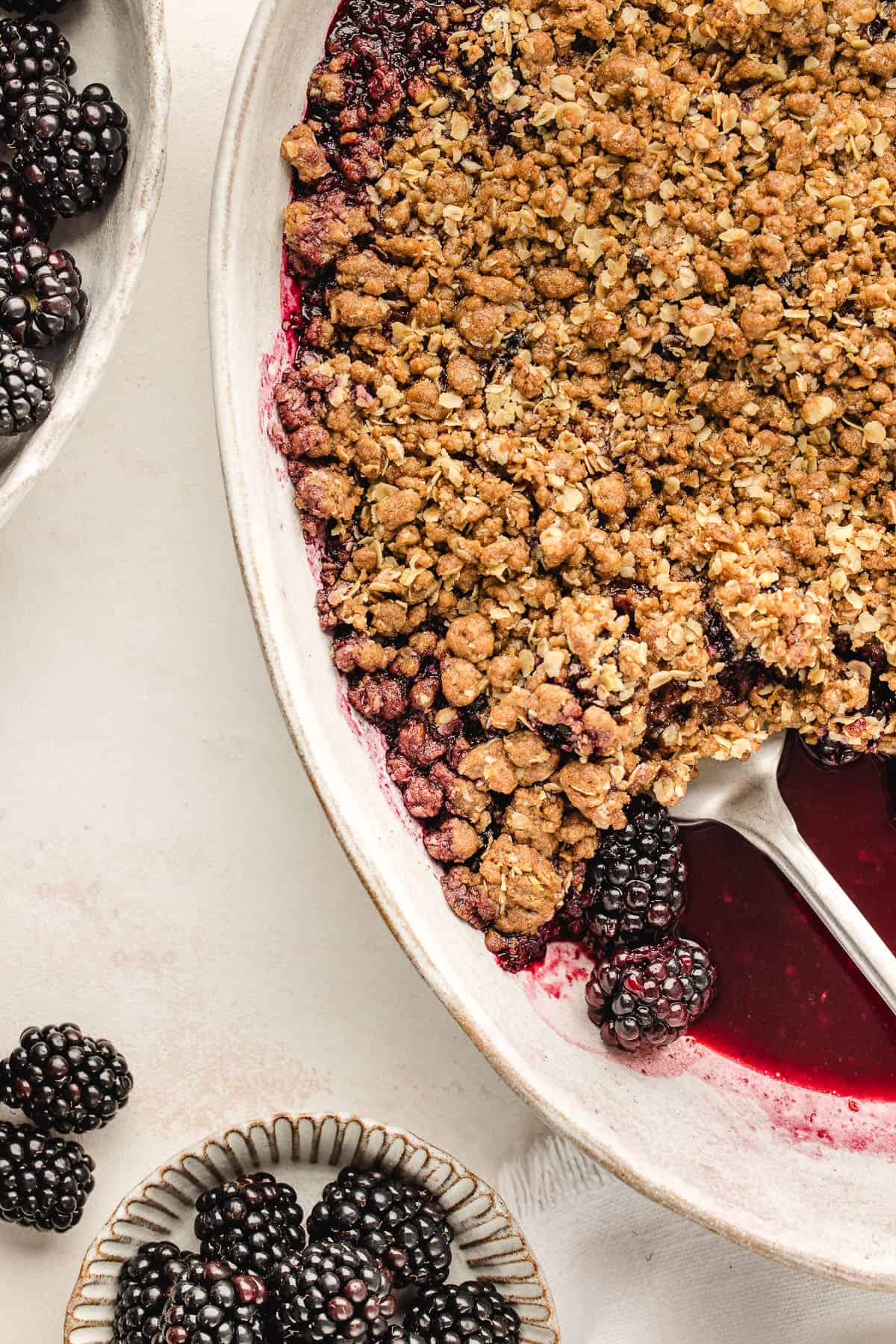
In the hierarchy of fruit-based desserts, the "crisp" is frequently confused with the "cobbler," though the two possess distinct structural and textural identities. A cobbler is defined by a biscuit or dumpling-style dough dropped in "cobbles" over the fruit, resulting in a cake-like or bread-like consistency. In contrast, a crisp utilizes a streusel-like topping typically composed of oats, flour, sugar, and butter. This composition is designed to provide a mechanical crunch that remains distinct from the softening fruit beneath.
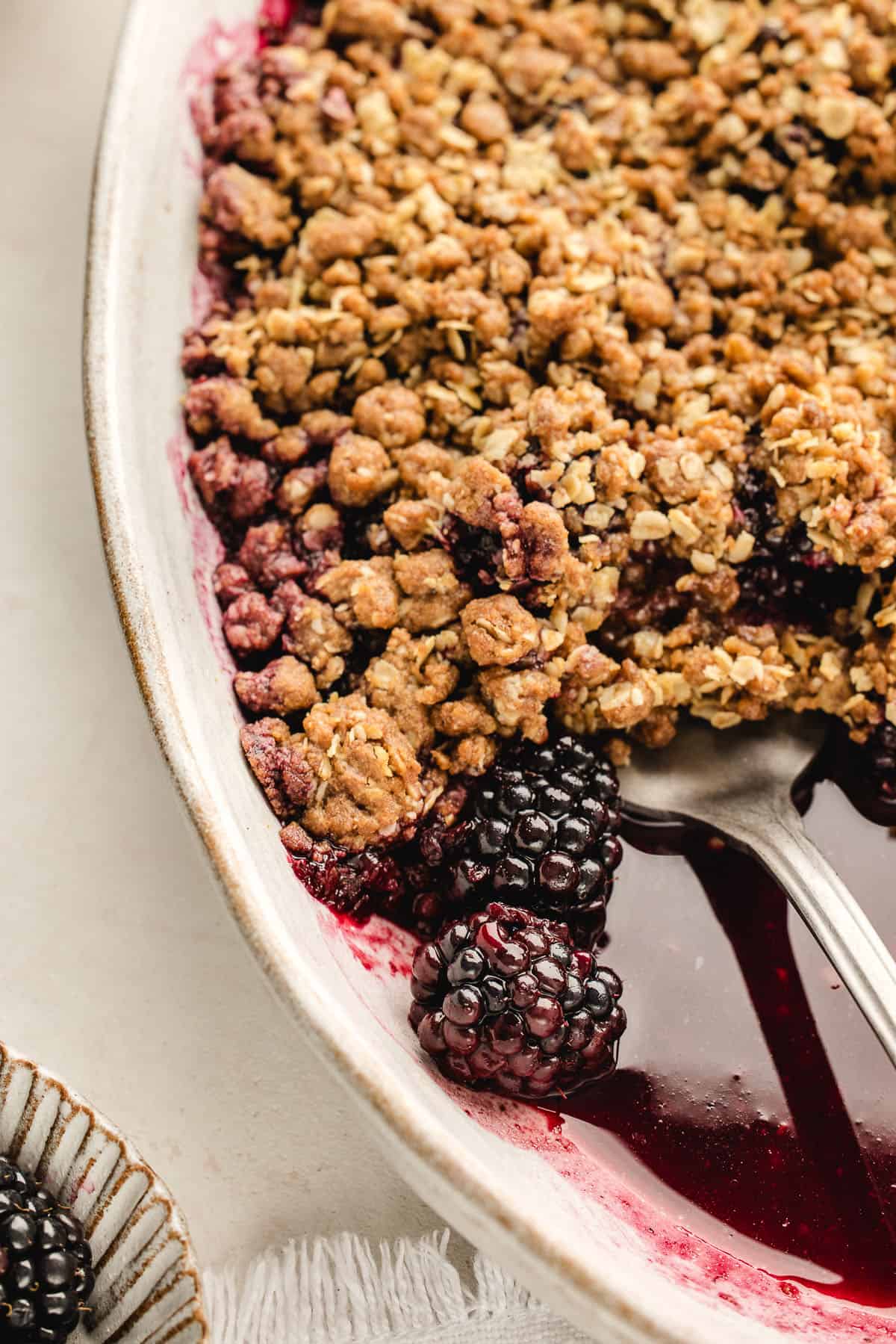
The blackberry crisp relies on the chemical interaction between the berries’ natural pectin and added thickening agents, such as cornstarch or arrowroot powder. When subjected to temperatures of 350°F (175°C), the anthocyanins in the blackberries—the pigments responsible for their deep purple hue—undergo thermal degradation, releasing juices that, when bound by starch, create a glossy, viscous sauce. This process, known as starch gelatinization, is critical to ensuring the dessert maintains structural integrity when served warm.

The Chronology of the Blackberry Harvest
The production of a blackberry crisp begins long before the oven is preheated, following a strict phenological timeline. In the Northern Hemisphere, wild blackberries (Rubus fruticosus) typically enter their flowering stage in late spring, with fruit maturation occurring between July and September.

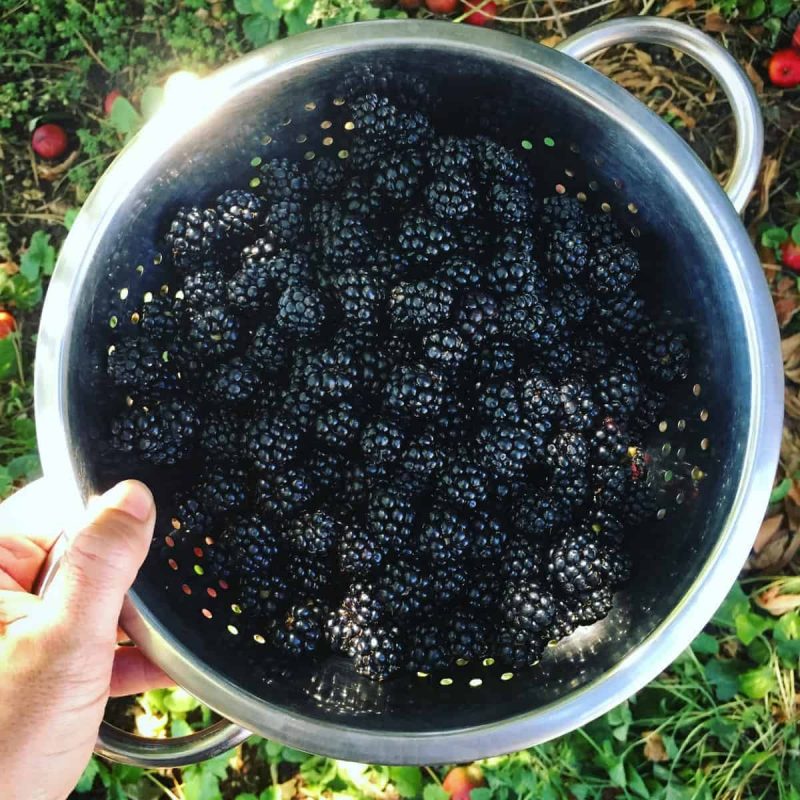
- The Foraging Phase: Wild blackberries are often found in disturbed soils, along forest edges, and in hedgerows. The window for peak ripeness is narrow; berries must be fully black and slightly soft to the touch. Under-ripe berries contribute excessive acidity, while over-ripe berries may lack the structural tension required to withstand the baking process.
- Preparation and Cleaning: Post-harvest, the berries require immediate processing. Due to their delicate structure, they are typically rinsed in cold water and patted dry to prevent the introduction of excess moisture, which could compromise the crispness of the topping.
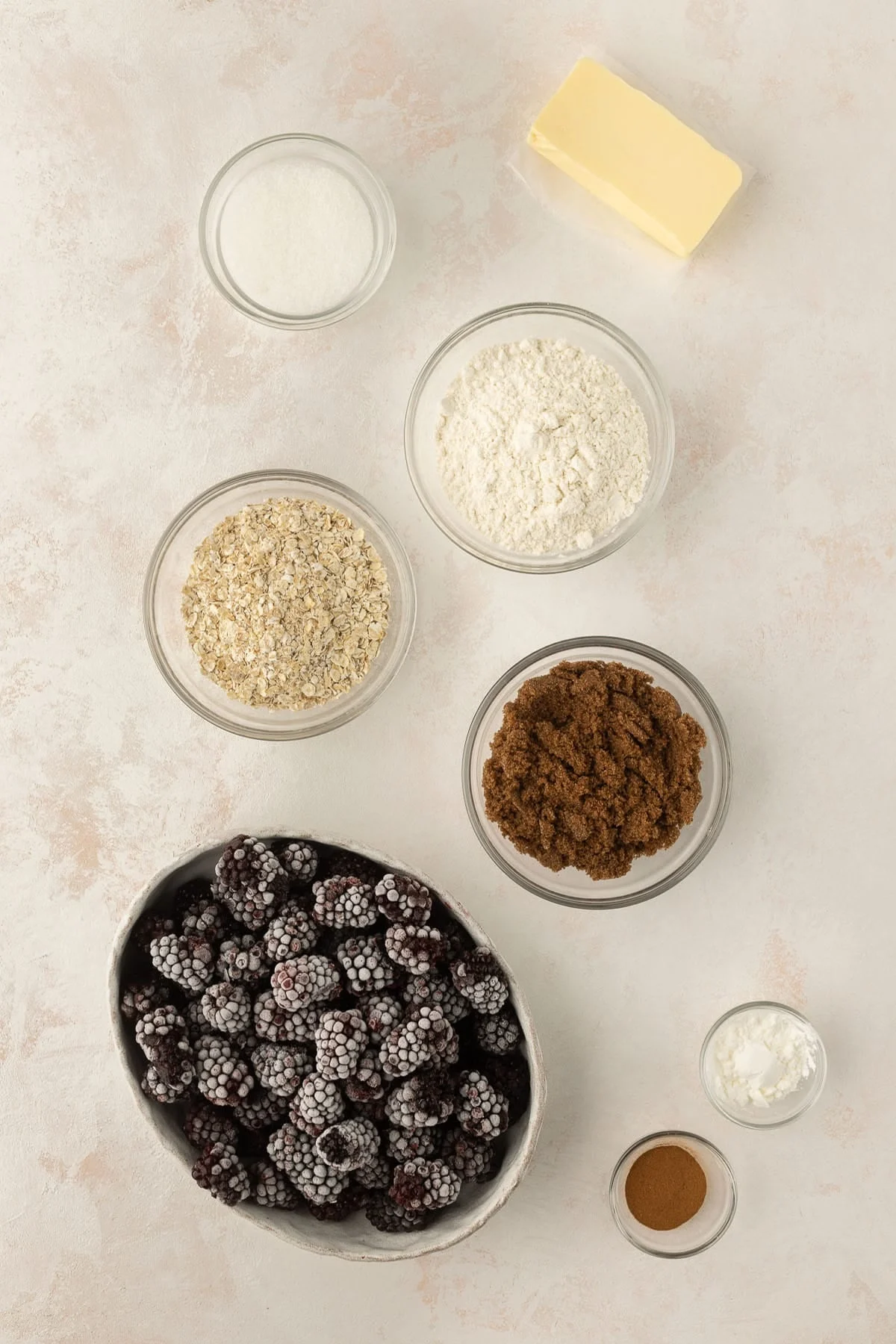
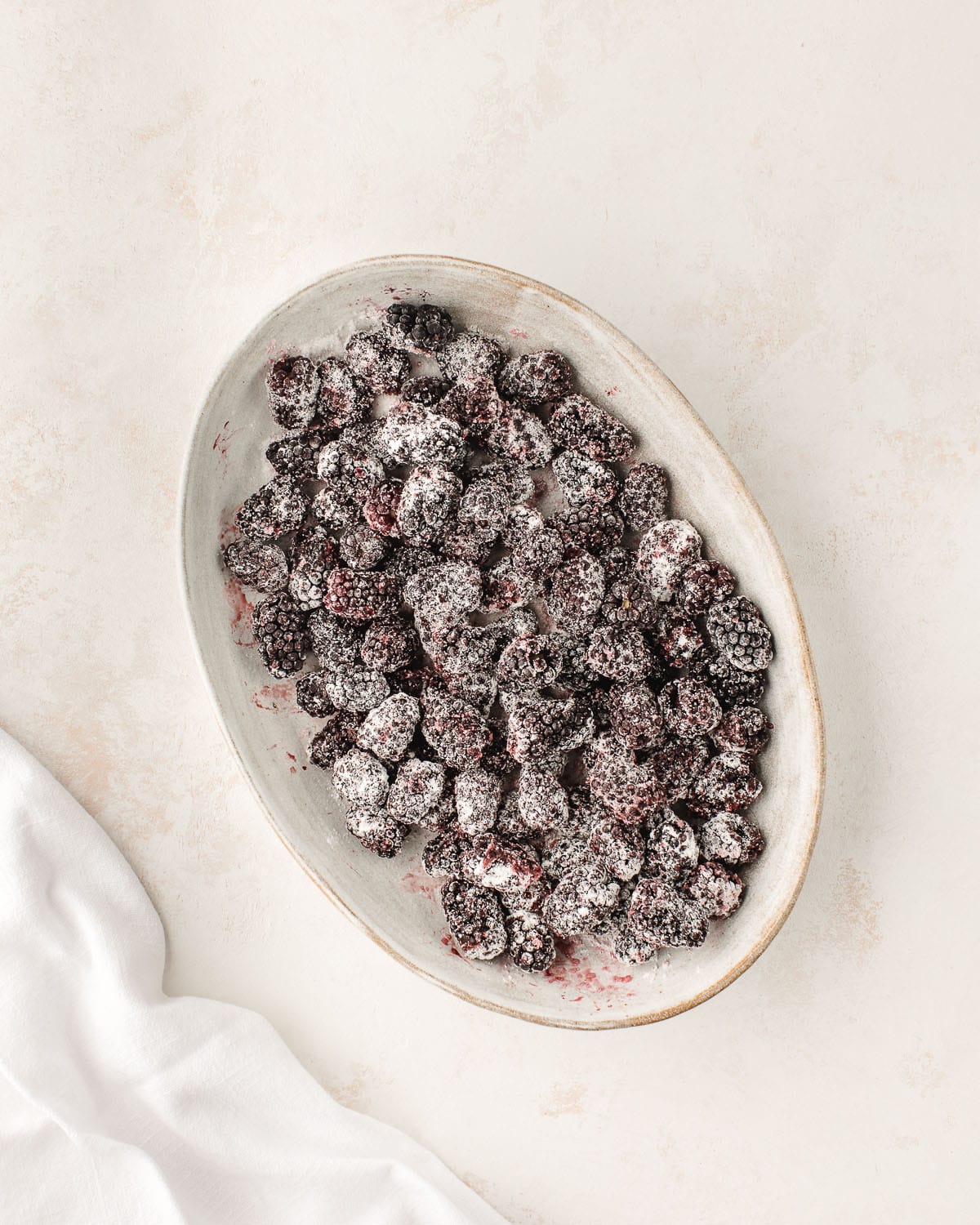
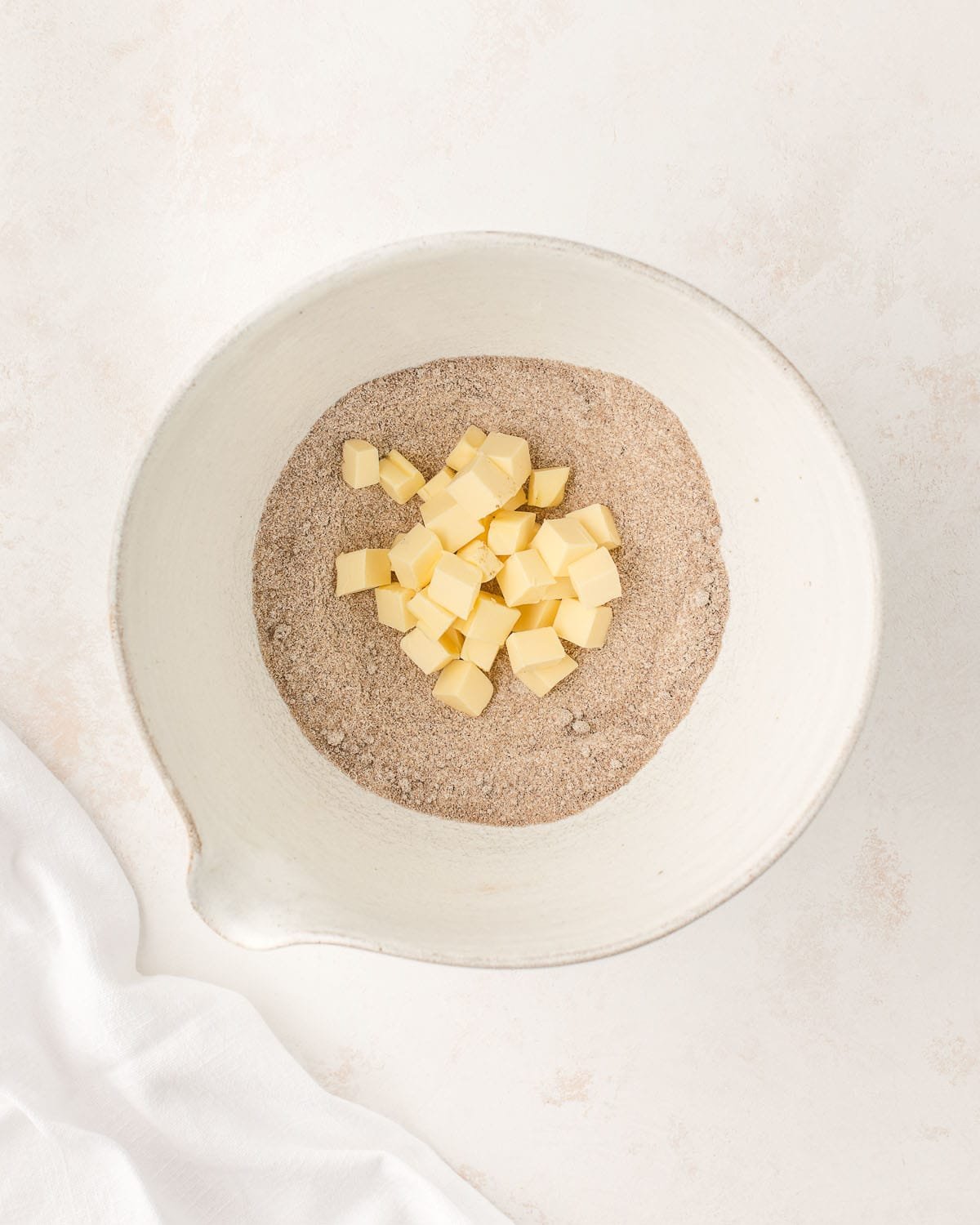
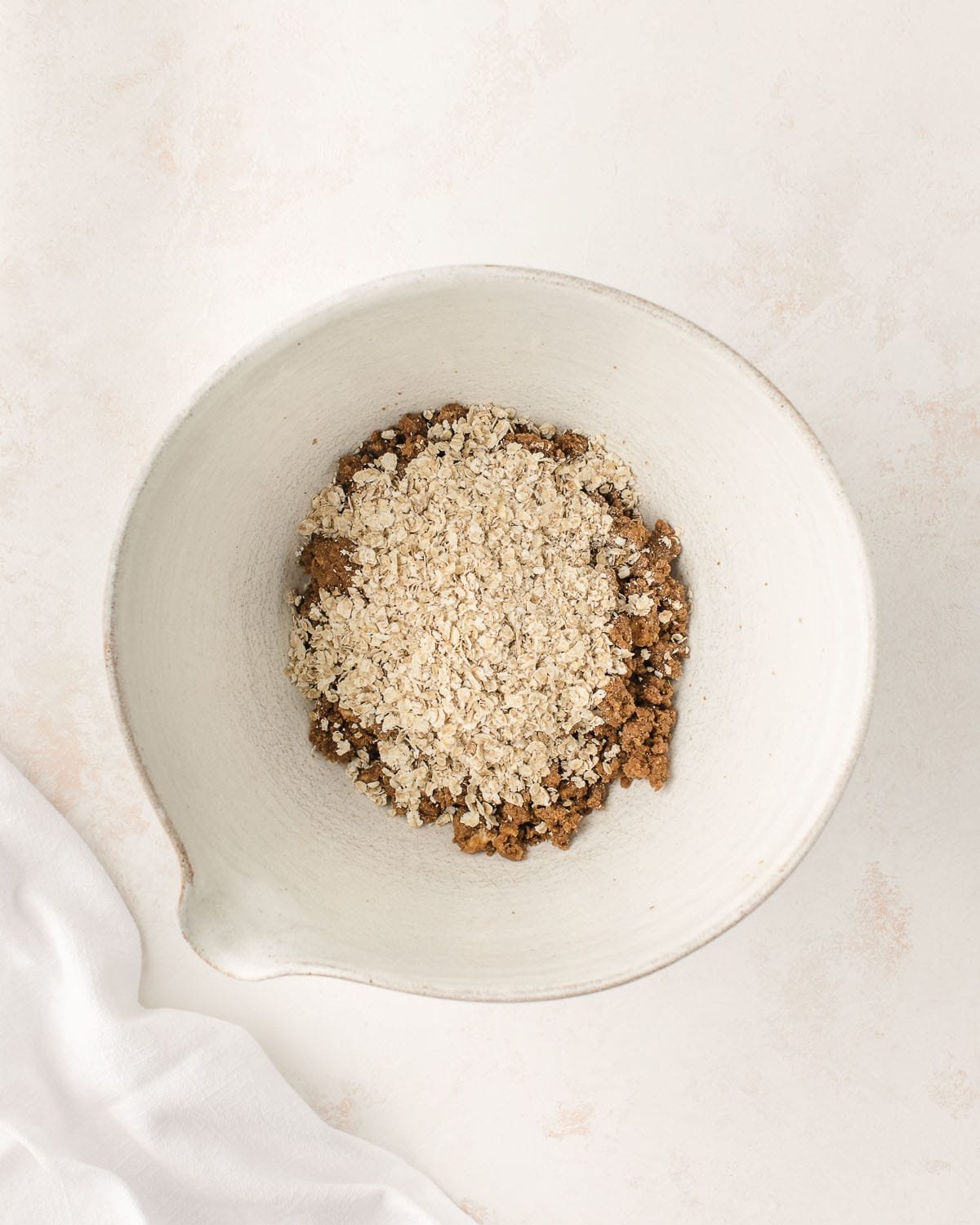
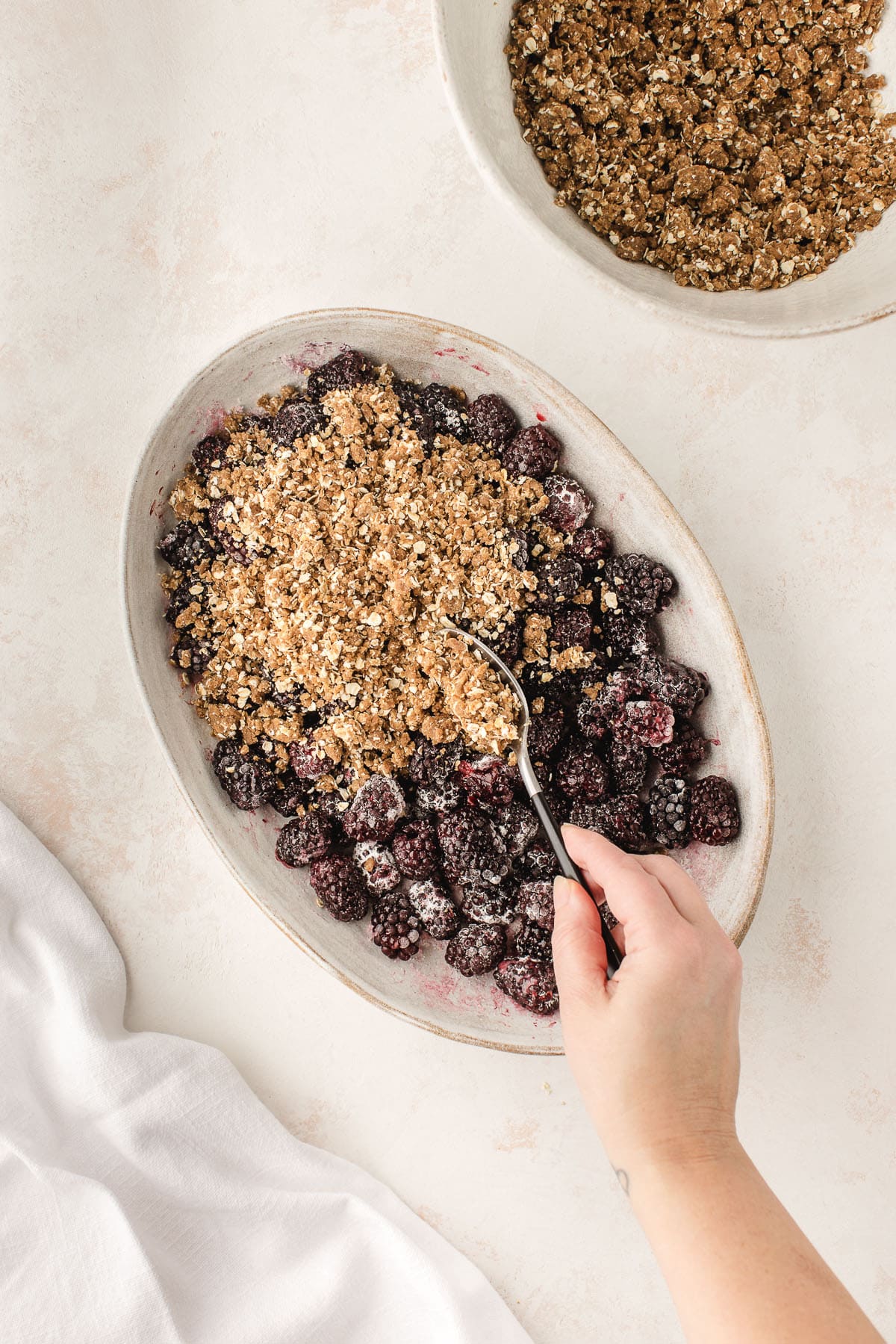
- The Assembly Process: The fruit is macerated with sugar and a thickener directly in the baking vessel. Simultaneously, cold butter is integrated into a dry mixture of flour and sugar until a crumbly texture is achieved. The addition of old-fashioned rolled oats is the final step in the dry assembly, providing the essential fiber and "snap" that defines the dish.
- Thermal Transformation: The assembly is baked for approximately 35 minutes. During this time, the butter in the topping melts and coats the oats and flour, frying them in situ to create a golden-brown crust, while the fruit below reaches a boiling point, activating the thickening agents.
Supporting Data: Nutritional and Economic Impact
The blackberry is not merely a flavor profile but a dense source of micronutrients. According to the United States Department of Agriculture (USDA), one cup of raw blackberries contains approximately 8 grams of dietary fiber, representing nearly 30% of the recommended daily intake. They are also high in Vitamin C (30.2 mg per cup) and Vitamin K.
From an economic perspective, the "forage-to-table" trend has seen a significant uptick. Market research indicates that the global frozen berry market is expected to grow as consumers seek to replicate seasonal desserts like the blackberry crisp year-round. However, the artisanal value of wild-picked berries remains high. Agricultural extension offices often note that the "zero-mile" footprint of foraged blackberries makes the blackberry crisp one of the most environmentally sustainable desserts available to the modern household, provided the foraging is conducted on non-contaminated land.
Culinary Mechanics: The Role of Ingredients
Professional bakers emphasize the importance of ingredient temperature and type in achieving the optimal crisp.
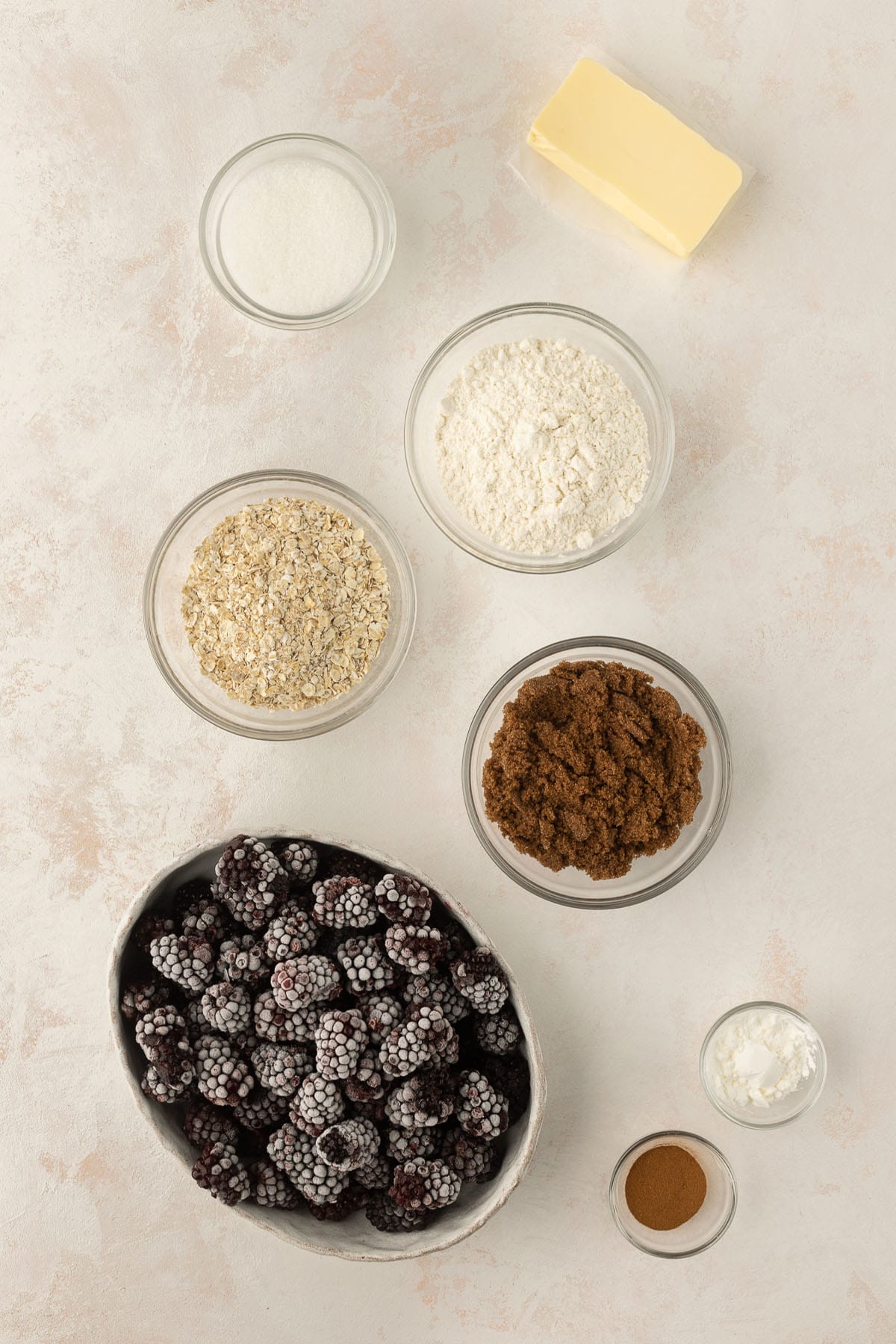
- Lipid Management: The use of cold, cubed butter is a non-negotiable requirement. Warm or room-temperature butter integrates too thoroughly into the flour, resulting in a greasy, heavy crust rather than the light, pebbled texture required for a true crisp.
- The Oat Factor: Rolled oats (old-fashioned) are preferred over quick-cooking or steel-cut varieties. Quick oats lack the surface area to maintain texture against the steam rising from the fruit, while steel-cut oats remain too hard, creating an unpleasant "grit" in the final product.
- Sweetener Ratios: The use of brown sugar in the topping introduces molasses, which aids in the caramelization process (the Maillard reaction), contributing to the deep golden color and a complex, toffee-like flavor profile that balances the tartness of the berries.
Cultural Context and the "Slow Food" Response
Sociologists and culinary historians point to the blackberry crisp as a primary example of "nostalgia baking." The recent "cottagecore" and "grandma-core" aesthetic movements on social media platforms have revitalized interest in these old-fashioned recipes. These trends are often a reaction to the hyper-processed nature of modern food systems, with consumers seeking a tangible connection to the land and ancestral kitchen practices.
Statements from culinary experts suggest that the simplicity of the crisp is its greatest strength. "The crisp is an egalitarian dessert," notes one food historian. "It does not require the technical precision of a soufflé or the decorative skill of a tiered cake. It is a dish designed for the harvest, intended to be shared in a communal, informal setting." This sentiment is echoed by agricultural advocates who see seasonal baking as a way to reinforce local food security and biodiversity awareness.
Broader Impact and Implications for the Future
The enduring popularity of the blackberry crisp has broader implications for domestic agriculture and environmental conservation. As more individuals venture into the wild to forage for berries, there is an increased public interest in preserving natural habitats and reducing the use of pesticides in public spaces.
Furthermore, the adaptability of the recipe—allowing for the substitution of organic cane sugar, gluten-free flours, or vegan butter alternatives—ensures its relevance in an era of diverse dietary requirements. The blackberry crisp also serves as an entry point for "preservation literacy." Many who begin by making a simple summer crisp eventually transition into freezing berries or fermenting them, thereby reducing food waste and increasing household resilience.
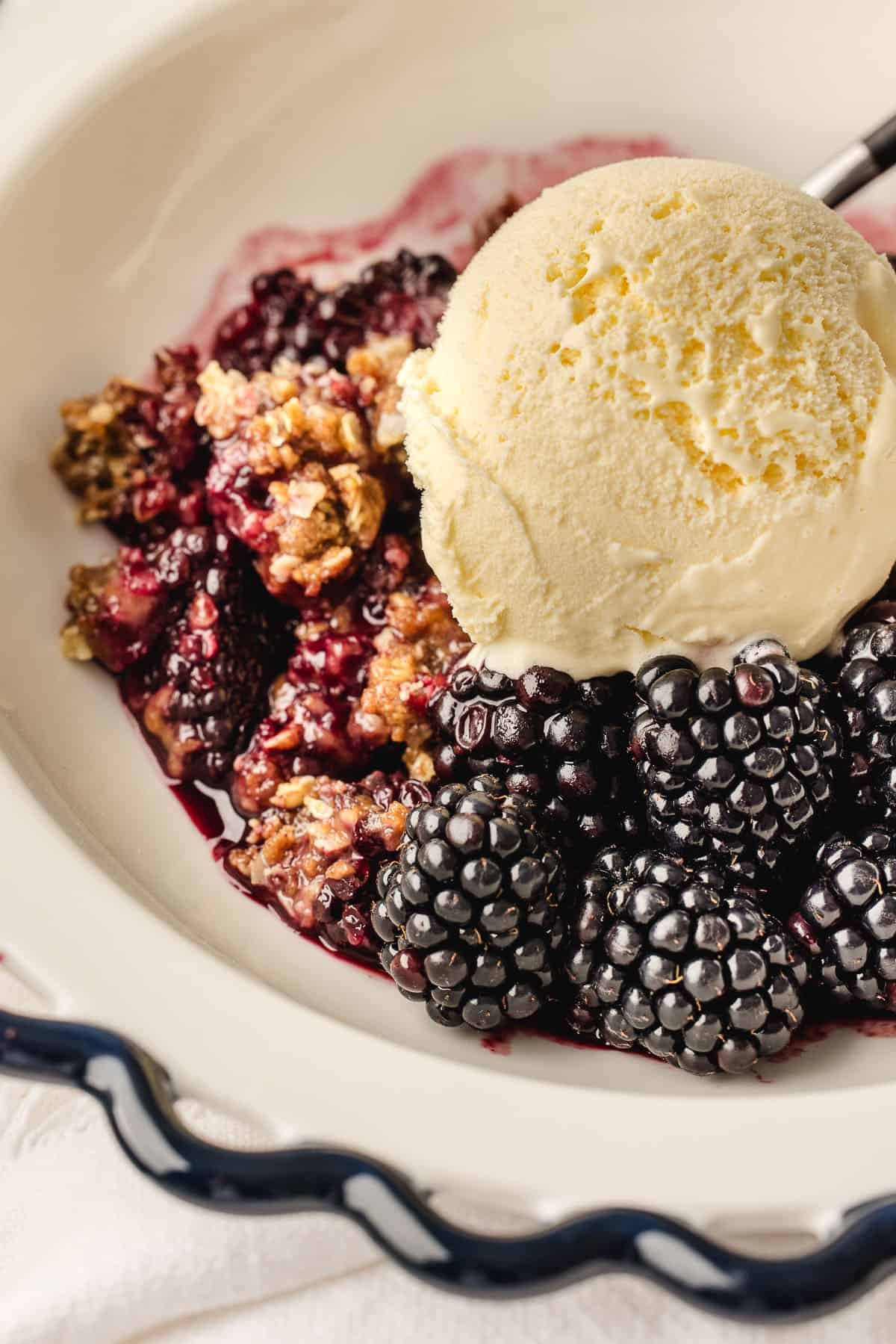
In a commercial sense, restaurants are increasingly featuring "deconstructed" or "elevated" versions of the blackberry crisp, often pairing the warm dish with artisanal honey-vanilla bean ice cream or goat cheese crumbles to provide a sophisticated flavor contrast. However, the core appeal remains the home-baked version, characterized by its "lazy summer vibe" and the sensory experience of "blackberries bubbling in the oven."
Conclusion: The Synthesis of Seasonality and Comfort
Ultimately, the blackberry crisp is more than a culinary end-product; it is a seasonal ritual that bridges the gap between the wild environment and the domestic kitchen. By adhering to traditional methods—using cold butter, old-fashioned oats, and freshly harvested fruit—bakers participate in a centuries-old cycle of harvest and preparation. As society continues to grapple with the complexities of the modern food chain, the simplicity, nutritional density, and nostalgic power of the blackberry crisp offer a compelling argument for the preservation of traditional, slow-energy culinary arts. Whether consumed as a hot dessert with a scoop of melting ice cream or as a chilled breakfast option, the crisp remains a foundational element of the global dessert canon, celebrated for its texture, its flavor, and its deep roots in the natural world.


