
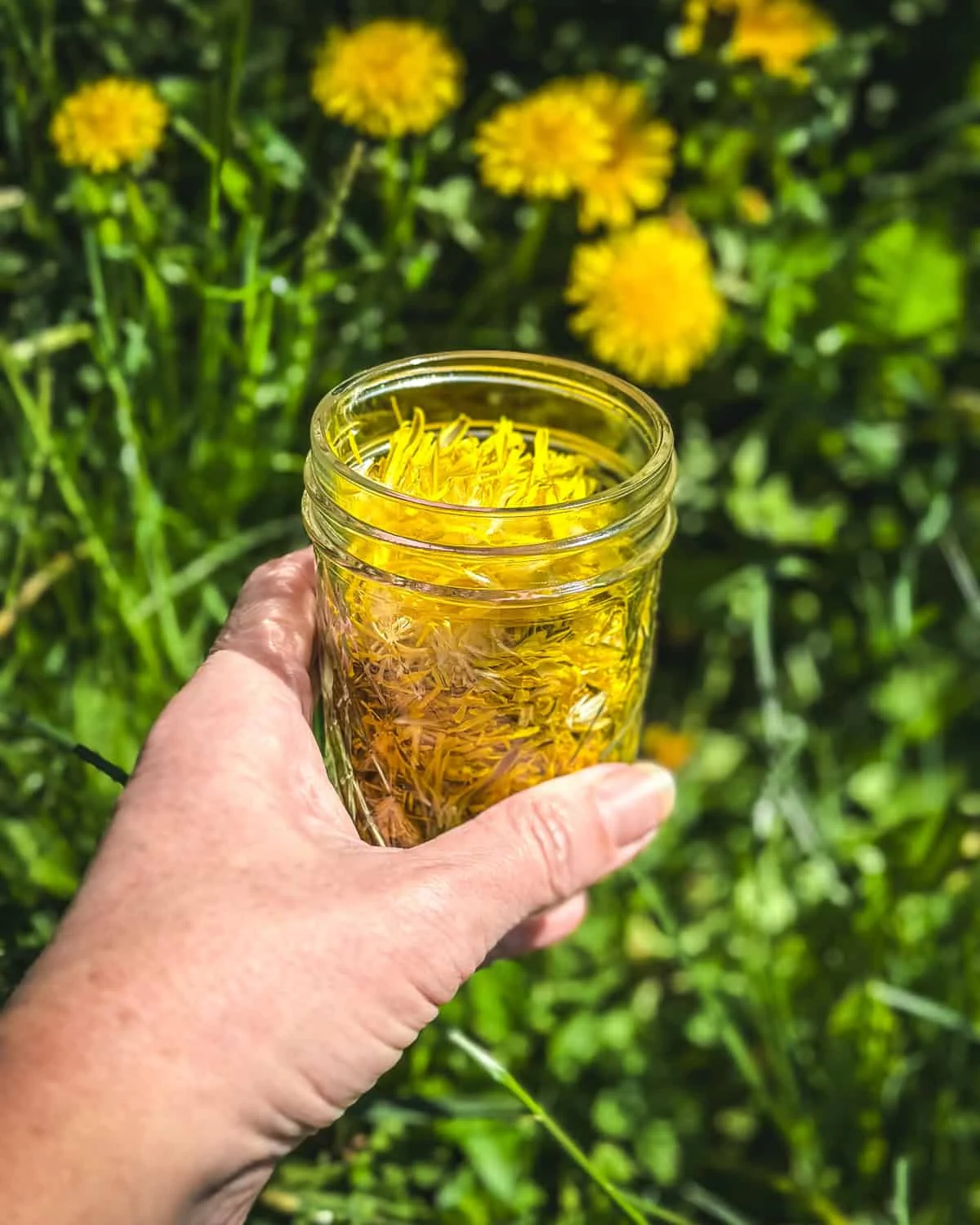
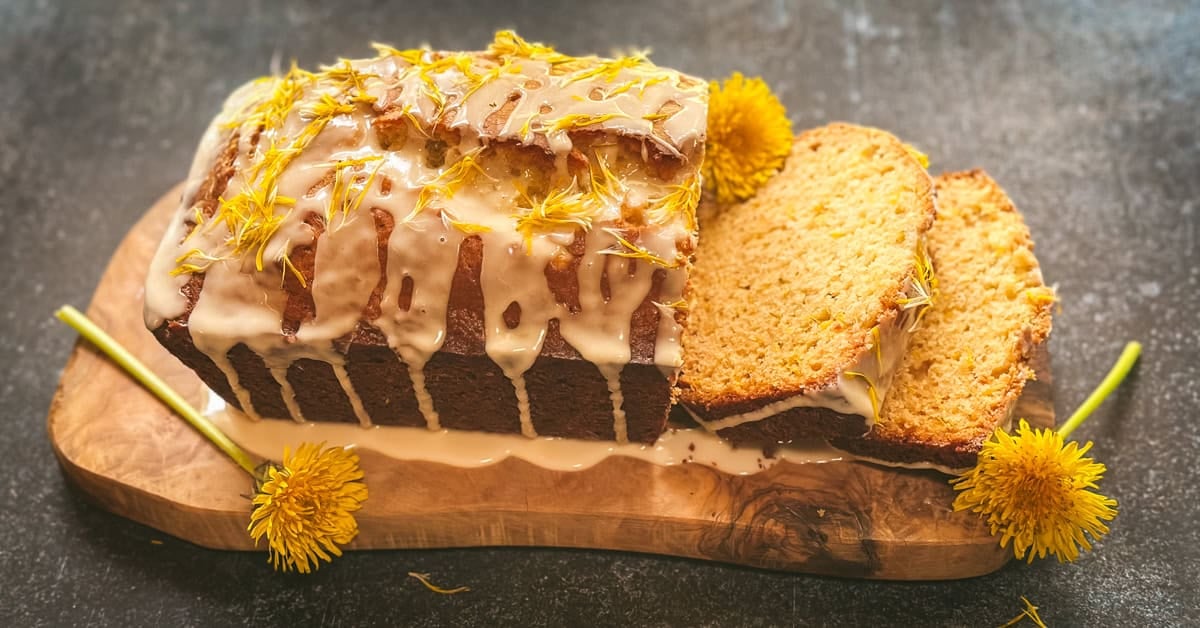
The common dandelion, scientifically known as Taraxacum officinale, is undergoing a significant shift in public perception, transitioning from a maligned garden weed to a celebrated ingredient in the burgeoning farm-to-table and wild foraging movements. Once the primary target of mid-20th-century herbicide campaigns, the dandelion is now being recognized by culinary experts and herbalists for its resilience, nutritional density, and versatility. Central to this seasonal revival is the preparation of dandelion bread—a sweet, honey-toned quick bread that utilizes the plant’s yellow petals to create a unique floral flavor profile, often complemented by a citrus-based glaze. This culinary application serves as a gateway for modern consumers to engage with sustainable backyard foraging while tapping into traditional botanical knowledge.
The Evolution of the Dandelion: From Survival Staple to Lawn Foe
To understand the current interest in dandelion-based recipes, one must examine the plant’s historical trajectory. Dandelions are not native to North America; they were intentionally brought by European settlers in the 17th century. To these early inhabitants, the dandelion was an essential "multipurpose" plant. The greens provided vital Vitamin C and Vitamin A after long winters, the roots were used for digestive tonics, and the flowers were fermented into wine or baked into cakes.
The shift in status occurred during the post-World War II era with the rise of the American "suburban ideal." The development of broadleaf herbicides, such as 2,4-D, allowed homeowners to maintain monoculture grass lawns. Because these chemicals killed any plant that was not grass, the dandelion was rebranded as an enemy of the aesthetic landscape. However, in the last decade, a confluence of environmental awareness and the "slow food" movement has reversed this trend. Initiatives like "No Mow May" have encouraged homeowners to allow dandelions to bloom to support early-season pollinators, subsequently leading to a renewed interest in harvesting the plants for human consumption.

Foraging Protocols and Safety Standards
The transition from foraging to the kitchen requires a strict adherence to safety and environmental protocols. Foraging experts emphasize that the most critical consideration when harvesting dandelions is the history of the land. Because dandelions often grow in urban and suburban environments, they are frequently exposed to chemical fertilizers, pesticides, and heavy metals from road runoff.
Journalistic analysis of foraging trends suggests three primary rules for safe harvesting:
- Source Verification: Only harvest from areas known to be "unsprayed" and away from high-traffic roadways.
- Identification: While dandelions are easily identified, beginners must distinguish them from "false dandelions" (Hypochaeris radicata), which are edible but possess different textures and flavors.
- Sustainable Harvesting: Foragers are encouraged to leave a portion of the blooms for bees and other insects, for whom the dandelion is a critical early-spring nectar source.
Nutritional and Pharmacological Profile
Beyond its culinary uses, the dandelion is the subject of increasing scientific scrutiny. While traditional herbalists have long utilized the plant as a diuretic and liver tonic, modern peer-reviewed research is beginning to quantify these benefits. According to a study published in the journal Nutrients in 2022, active components in Taraxacum officinale may modulate hemostatic processes, potentially influencing blood coagulation and platelet aggregation.
Furthermore, research published in PubMed (2016) demonstrated that dandelion preparations, particularly those derived from the petals and leaves, exhibit significant antioxidant potential. The study noted that in certain instances, the petals showed higher antioxidant activity than the leaves. This is attributed to the presence of polyphenols and flavonoids, which help neutralize free radicals in the human body. Foragers who incorporate the yellow petals into bread or infusions are essentially fortifying their diet with these bioactive compounds.
The Culinary Science of Dandelion Bread
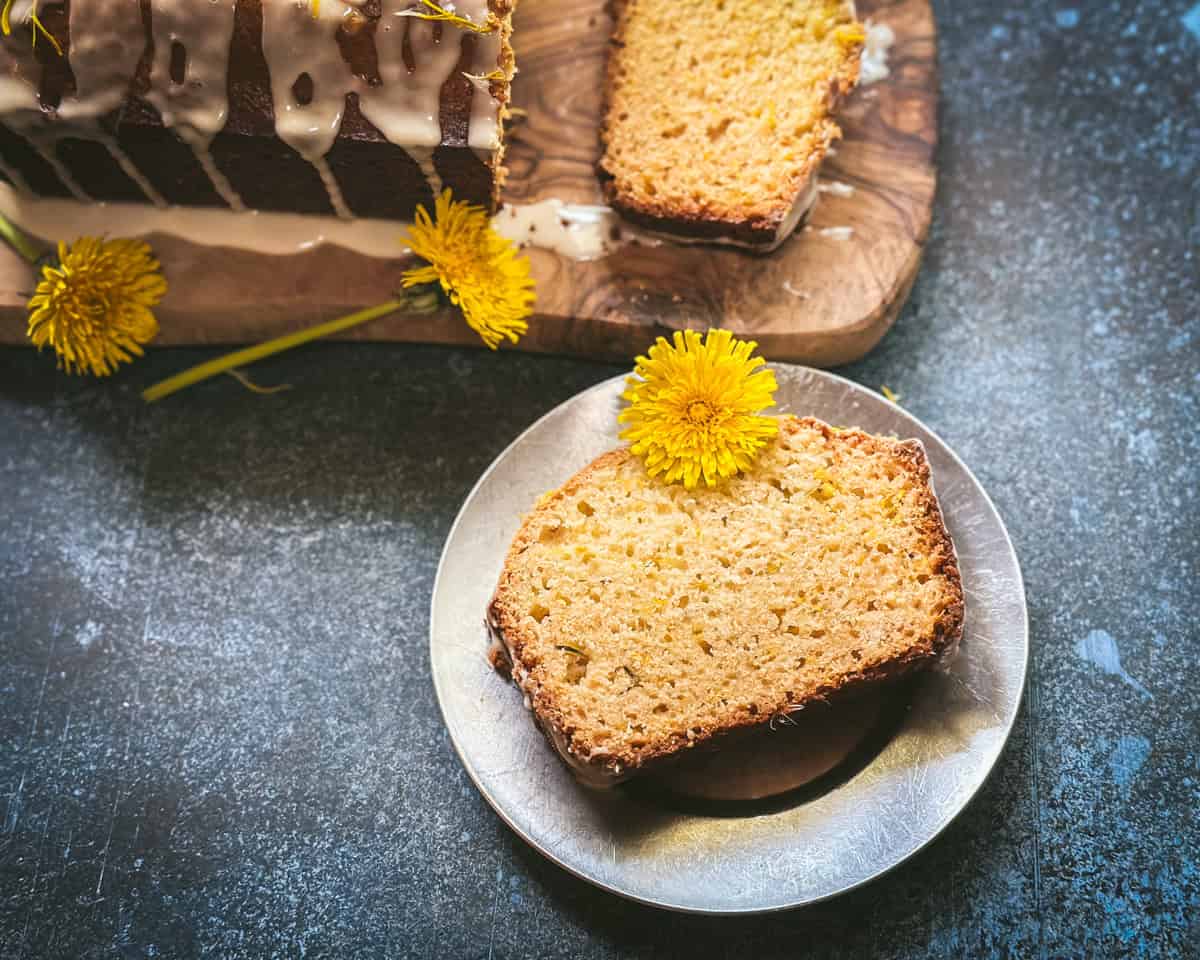
The preparation of dandelion bread is a distinct process that balances the bitter natural tendencies of the plant with the sweet requirements of a quick bread. Unlike the leaves, which contain a high concentration of bitter latex, the yellow ray florets (petals) are remarkably mild, possessing a flavor often described as a cross between honey and chamomile.
The Anatomy of the Recipe
The standard journalistic breakdown of the culinary process reveals a focus on flavor balance and texture. The recipe typically yields approximately 10 servings, with each slice containing roughly 315 calories. The process is divided into two primary phases: the preparation of the floral batter and the application of a honey-lemon glaze.
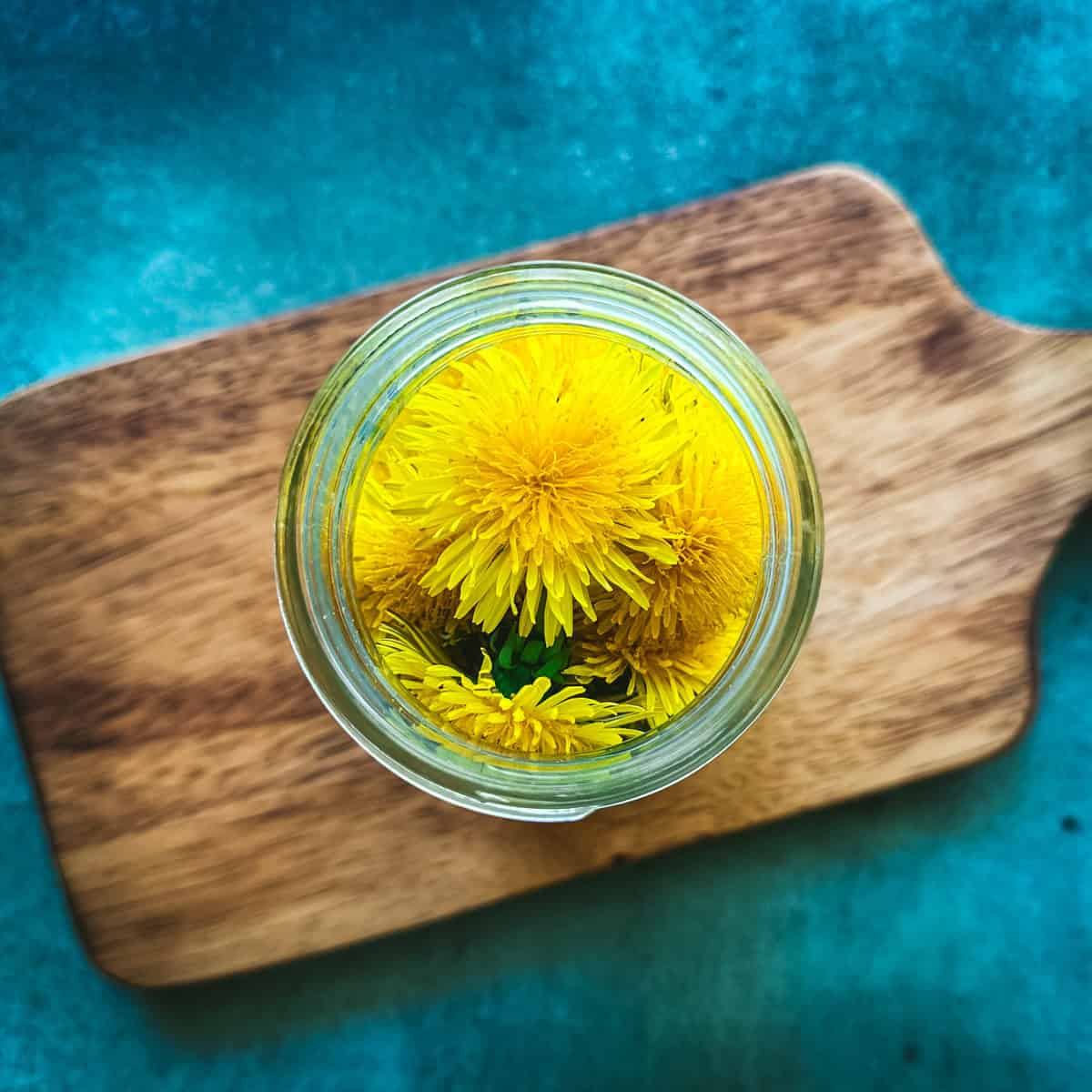
Ingredient Composition:
- Base: All-purpose flour provides the structure, while baking powder and salt act as leavening and flavor enhancers.
- Fats and Sweeteners: Lighter vegetable oils (such as avocado or organic canola) are preferred to ensure the delicate floral notes are not overwhelmed. A combination of granulated sugar and raw honey provides a multi-layered sweetness.
- The Floral Element: Freshly harvested dandelion petals are the centerpiece. Culinary experts recommend "pulling" the yellow petals away from the green sepals (the base of the flower head), as the green parts remain bitter even after baking.
The Chronology of Preparation
The timeline for producing a professional-grade dandelion loaf spans approximately two hours and 15 minutes:

- Harvesting and Cleaning (30 minutes): Flowers must be picked when fully open, usually in the morning sun. The separation of petals from the green base is the most labor-intensive step.
- Mixing (15 minutes): A standard "dry-into-wet" mixing method is employed. The petals are folded in at the final stage to prevent bruising and to ensure an even distribution of color throughout the crumb.
- Baking (55–65 minutes): The bread is baked at 350°F (175°C). Journalistic observation of the baking process suggests that covering the loaf with foil during the final 20 minutes prevents over-browning of the delicate floral sugars.
- Cooling and Glazing (60 minutes): Cooling is essential for the structure of the bread to set. A glaze made of powdered sugar, fresh lemon juice, and honey is applied only after the loaf has reached room temperature.
Broader Economic and Environmental Implications
The rise of "backyard gastronomy" has broader implications for the global food system. As inflation impacts grocery prices and supply chain vulnerabilities become more apparent, the ability to supplement one’s diet with local, wild-grown nutrients offers a form of "food sovereignty."
Environmental analysts point out that utilizing dandelions reduces the carbon footprint associated with industrial agriculture. Unlike store-bought greens or grains, dandelions require no irrigation, no synthetic fertilizers, and no refrigerated transport. By shifting the perspective of the dandelion from a "weed" to a "crop," society moves closer to a circular economy where urban biodiversity is valued rather than suppressed.

Furthermore, the "Cottagecore" aesthetic—a social movement favoring a return to traditional skills like baking, foraging, and gardening—has turned dandelion recipes into viral content. This digital trend has a tangible economic impact, driving sales of foraging guides, specialized baking equipment, and organic gardening tools.
Expert Analysis: The Future of Wild Edibles
Industry experts suggest that the dandelion is merely the "tip of the iceberg" regarding the commercialization of wild edibles. We are seeing a shift where "invasive" or "common" species are being integrated into high-end restaurant menus and boutique grocery shelves. The success of dandelion bread lies in its familiarity; by presenting a wild ingredient in the form of a comforting, glazed quick bread, the "ick factor" associated with eating weeds is removed.
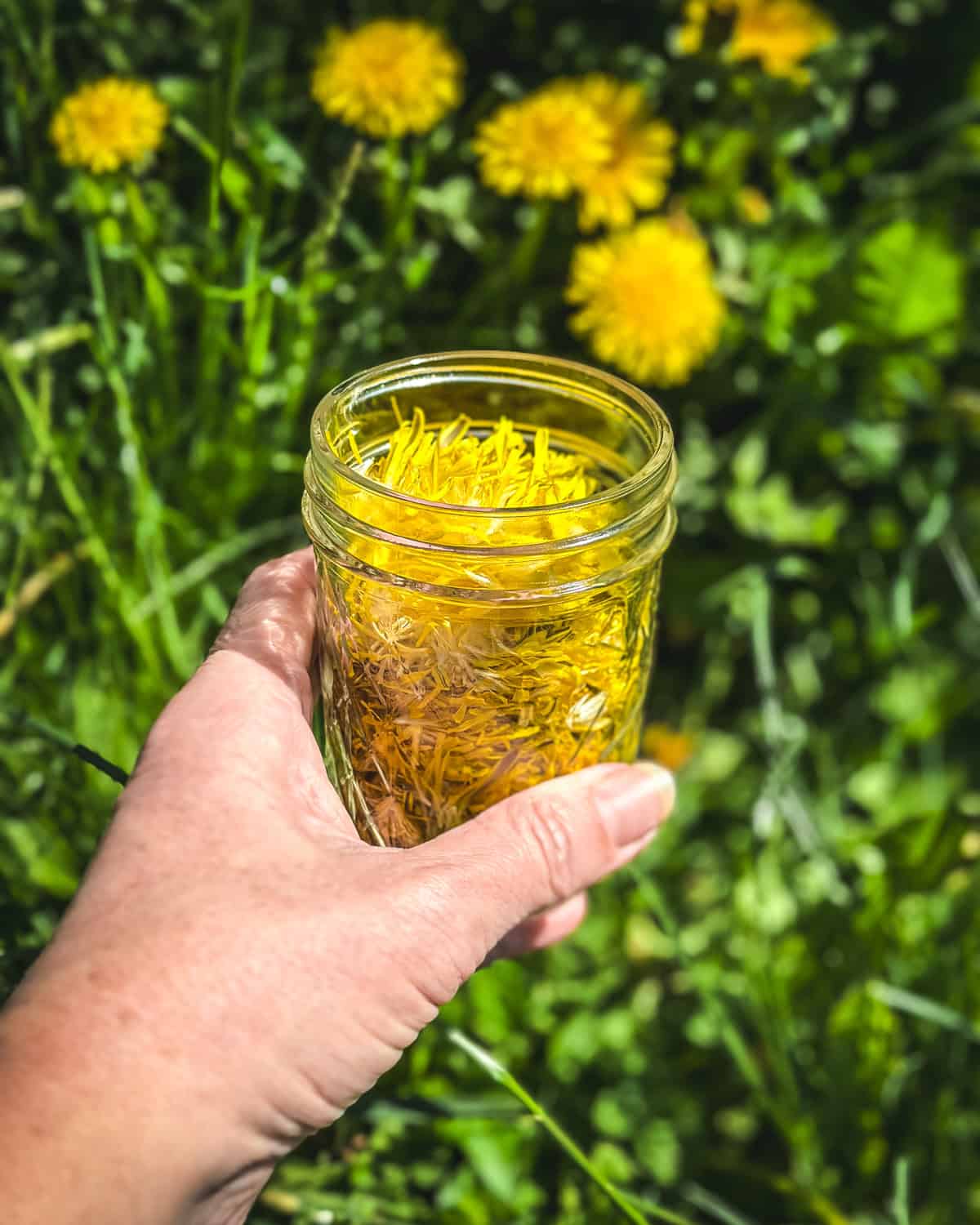
In a statement regarding the utility of backyard weeds, foraging educators note that the goal is not just to provide a recipe, but to foster a deeper connection with the immediate environment. When a person views their lawn as a source of "spring sunshine" and comfort food rather than a chore to be mown, the psychological relationship with nature changes.
Conclusion
The resurgence of dandelion bread represents a unique intersection of history, science, and culinary art. As modern research continues to validate the traditional uses of Taraxacum officinale, and as environmental necessity drives a return to local food sources, the dandelion is poised to remain a staple of the spring season. Whether viewed through the lens of nutritional science, economic sustainability, or simple culinary pleasure, the humble dandelion has proven itself to be a resilient hero in the world of wild weeds. The transition from the backyard to the breakfast table is a testament to the enduring human desire to find comfort and sustenance in the natural world.


