
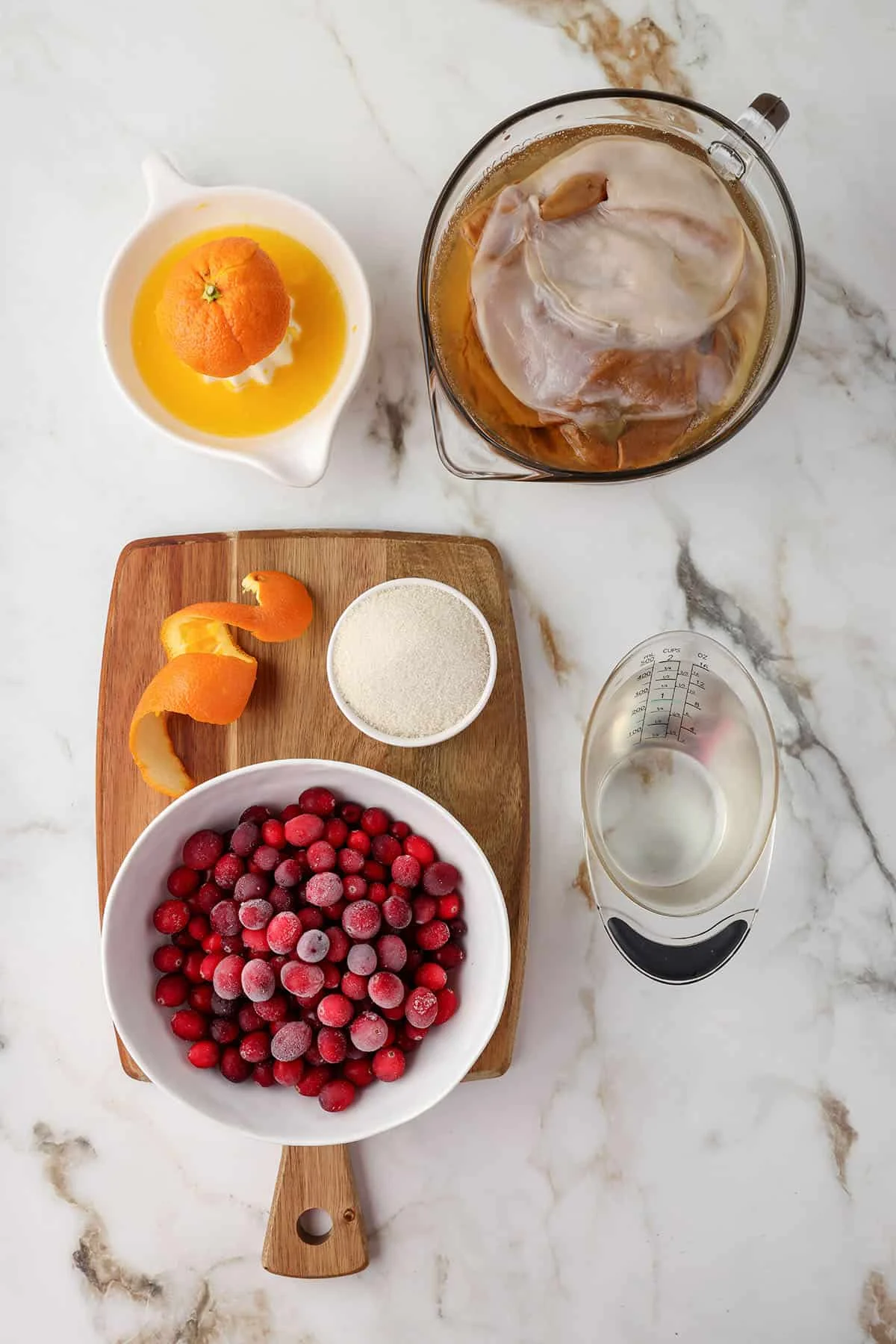
As the global functional beverage market continues its rapid expansion, projected to reach significant valuations by the end of the decade, the ancient practice of kombucha brewing has moved from niche health circles into mainstream culinary consciousness. Among the diverse array of fermented offerings, seasonal variants like cranberry orange kombucha have emerged as a focal point for both domestic brewers and commercial manufacturers. This specific iteration leverages the peak harvest of cranberries and the aromatic properties of citrus to create a beverage that serves as both a nutritional powerhouse and a sophisticated alternative to sugary holiday refreshments. By utilizing a secondary fermentation process, practitioners can infuse the probiotic base of kombucha with the specific antioxidants and vitamins found in winter fruits, resulting in a drink that supports digestive health and immune function during the colder months.
The Nutritional Profile and Botanical Synergy of Cranberries and Oranges
The integration of cranberries (Vaccinium macrocarpon) and oranges into a fermented medium creates a synergistic effect that enhances the bioavailability of certain nutrients. Cranberries have long been recognized in clinical literature for their high concentration of proanthocyanidins (PACs). These compounds are specifically noted for their ability to prevent the adhesion of certain bacteria, such as E. coli, to the walls of the urinary tract, thereby serving as a preventative measure against urinary tract infections (UTIs). In a news cycle increasingly focused on preventative health, the inclusion of such "superfoods" in a probiotic-rich beverage represents a significant trend in holistic nutrition.
Furthermore, the addition of fresh orange juice and zest contributes a substantial dose of Vitamin C and various flavonoids. Vitamin C is essential for collagen synthesis and immune defense, while the essential oils found in the orange peel—predominantly limonene—possess anti-inflammatory properties. When these ingredients are processed into a syrup and introduced to a live kombucha culture, the bacteria and yeast present in the SCOBY (Symbiotic Colony of Bacteria and Yeast) begin to metabolize the fructose and sucrose. This metabolic activity not only produces the characteristic effervescence associated with high-quality kombucha but also potentially alters the chemical structure of the fruit polyphenols, making them easier for the human digestive system to absorb.
The Chemistry of Secondary Fermentation
To understand the production of cranberry orange kombucha, one must first examine the two-stage fermentation process that defines traditional kombucha brewing. The primary fermentation involves the introduction of a SCOBY to a solution of sweetened tea, typically black or green tea. Over a period of seven to fourteen days, the yeast converts the sugar into ethanol, and the bacteria convert that ethanol into acetic acid and other organic acids. This results in a tart, slightly vinegary base liquid.
The secondary fermentation, or "second ferment," is where flavoring and carbonation occur. By adding a concentrated cranberry orange syrup to the primary ferment in a sealed environment, the brewer initiates an anaerobic process. Because the vessel is airtight, the carbon dioxide ($CO_2$) produced by the remaining yeast is unable to escape, eventually dissolving into the liquid to create natural carbonation. This stage is critical for achieving the "fizz" that many consumers find appealing in commercial sodas, but without the detrimental effects of high-fructose corn syrup or artificial preservatives.
Technical Methodology: Crafting the Cranberry Orange Infusion
The creation of a high-quality cranberry orange kombucha requires precise attention to the preparation of the fruit base. Industry experts and experienced home fermenters emphasize the importance of using fresh or frozen whole cranberries rather than pre-processed juices, which often contain added sugars and lack the fiber and complex tannins of the whole fruit.
Phase One: Syrup Preparation
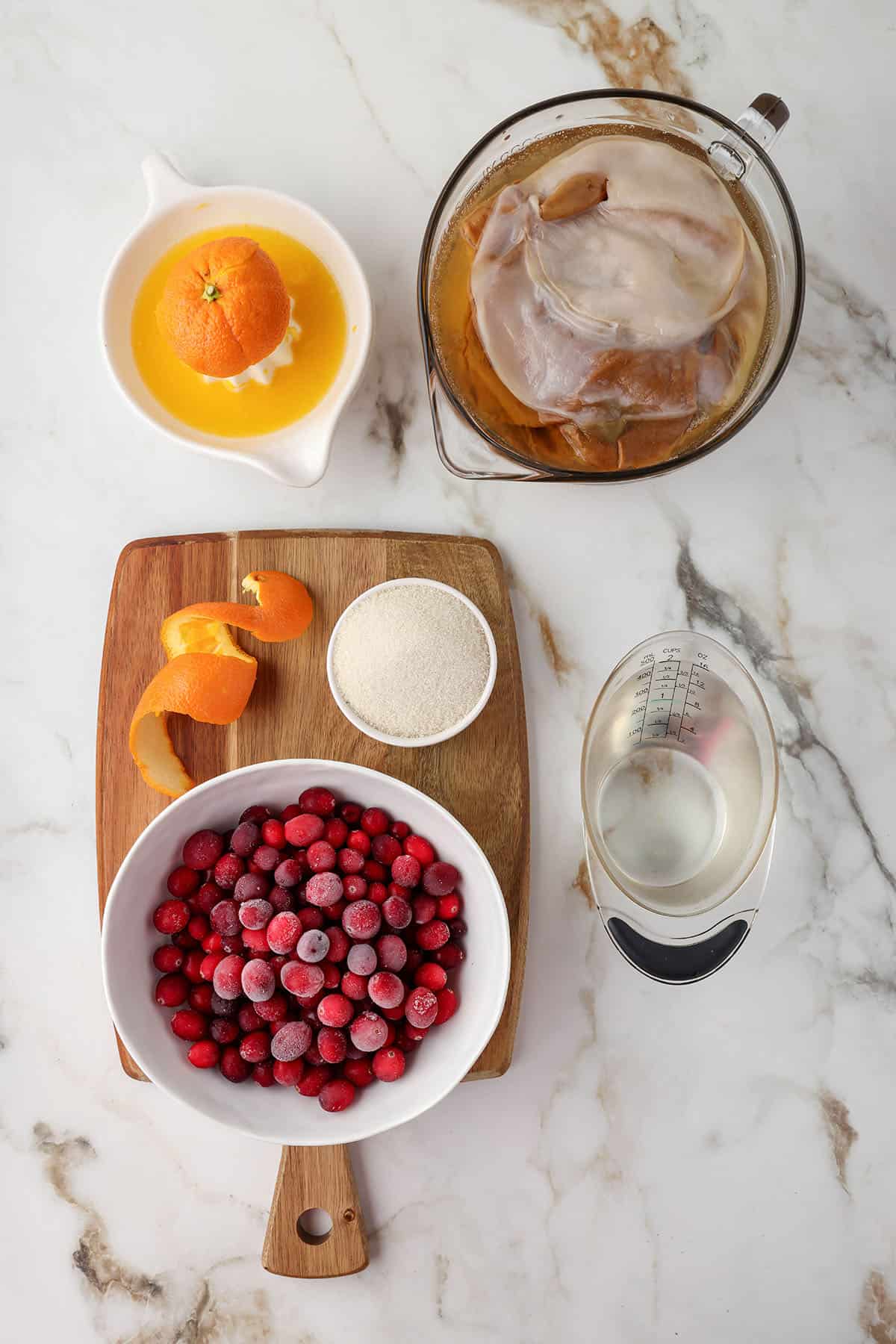
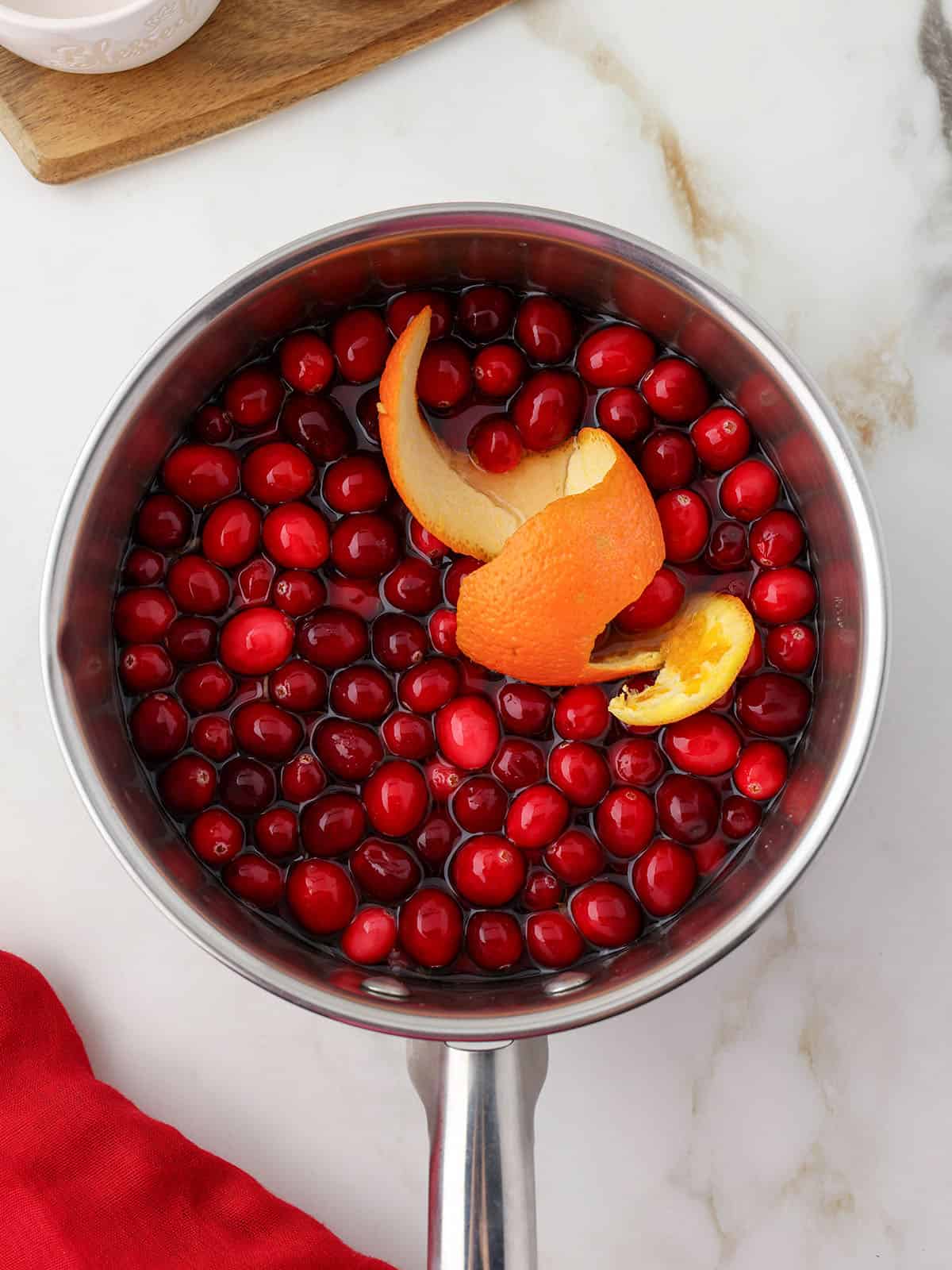
The process begins with the creation of a dense fruit syrup. A standard batch utilizes approximately two cups of whole cranberries, one cup of organic cane sugar, and the juice and peel of one large orange. These ingredients are combined in a medium saucepan and brought to a gentle simmer. The application of heat is necessary to break down the tough outer skins of the cranberries, allowing the internal juices and pectins to be released.

Once the cranberries have softened—a process taking roughly five to seven minutes—they are mashed to maximize surface area. The mixture is then allowed to steep for approximately 15 minutes. This steeping period is essential for the extraction of the aromatic oils from the orange peel and the deep red pigments (anthocyanins) from the cranberry skins. The final stage of syrup preparation involves straining the mixture through a fine-mesh sieve or cheesecloth. This ensures a clear, sediment-free final beverage while leaving behind a nutrient-dense pulp that can be repurposed as a probiotic-rich fruit spread.
Phase Two: Bottling and Carbonation
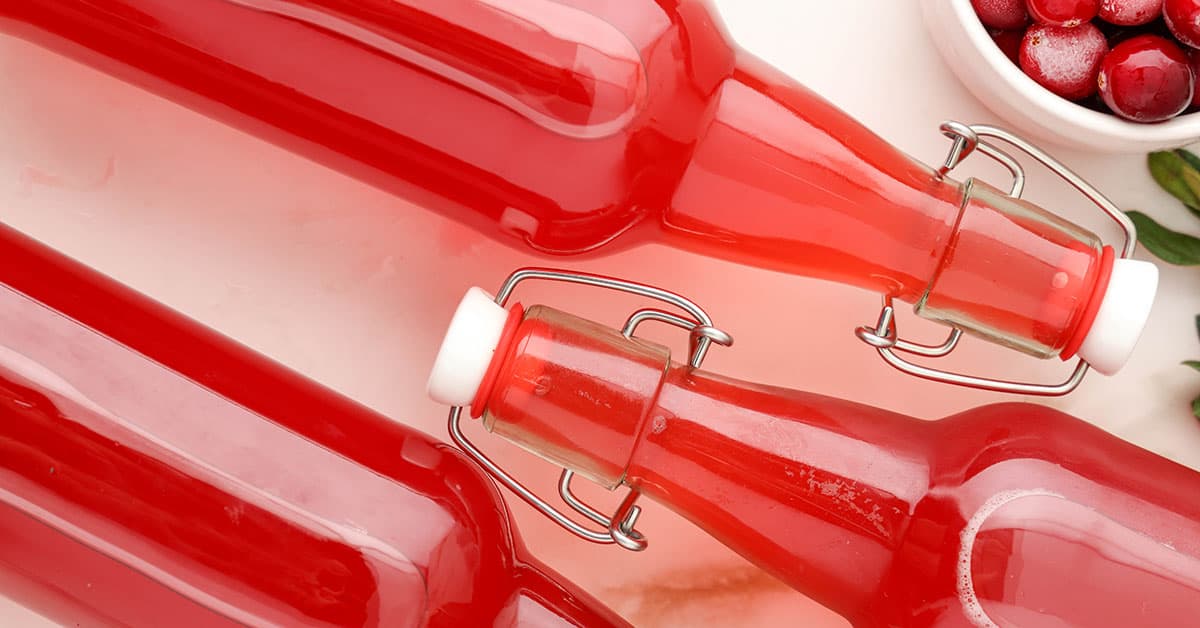
The second phase involves the assembly of the final drink. A ratio of approximately two cups of cranberry syrup to seven cups of primary kombucha is recommended. This mixture is transferred into pressure-rated, flip-top bottles, leaving approximately one to two inches of "headspace" at the top. This headspace is a vital safety requirement; it provides a buffer for the accumulation of $CO_2$ gas.
The bottles are then stored in a dark environment at room temperature for two to three days. The rate of fermentation is highly dependent on ambient temperature; in warmer kitchens, carbonation may occur within 48 hours, whereas cooler environments may require a longer duration. Professional brewers recommend "burping" the bottles—briefly opening the seal to check for gas buildup—to prevent the risk of bottle failure due to excessive internal pressure.
Supporting Data on Probiotics and Gut Health
The resurgence of interest in fermented foods like cranberry kombucha is supported by a growing body of research regarding the human microbiome. The gut microbiome, a complex ecosystem of trillions of microorganisms residing in the digestive tract, plays a pivotal role in everything from metabolic health to mental well-being. Kombucha is a significant source of Lactobacillus and Bifidobacterium species, as well as various beneficial yeasts.

According to recent dietary surveys, the average modern diet is often deficient in diverse microbial strains. By consuming a beverage that contains live, active cultures, individuals can promote a more diverse and resilient gut environment. During the winter season, when diets often shift toward heavier, more processed "comfort foods," the organic acids found in cranberry kombucha—such as gluconic and acetic acids—act as digestive aids, helping to stimulate the gallbladder and liver to process fats more efficiently.
Expert Reactions and Market Implications
Market analysts have noted that the "DIY" (Do-It-Yourself) food movement has gained significant momentum, with home fermentation leading the charge. "Consumers are increasingly skeptical of mass-produced beverages that claim health benefits but are pasteurized, which kills the very probiotics they advertise," states one industry consultant. "The shift toward home-brewed cranberry kombucha reflects a desire for transparency, ingredient control, and a connection to seasonal rhythms."

Furthermore, the sustainability aspect of home brewing cannot be overlooked. By utilizing seasonal cranberries and repurposing the orange peels, brewers reduce the carbon footprint associated with the transport of commercial bottled drinks. The ability to reuse glass flip-top bottles further aligns with global efforts to reduce single-use plastic waste.
Broader Impact: Fermentation as a Tool for Food Preservation
Beyond the immediate health benefits, the production of cranberry orange kombucha serves as an educational entry point into the broader world of food preservation. Cranberries, which are typically available only in the late autumn and early winter, have a limited shelf life in their raw state. Transforming them into a fermented syrup or a finished kombucha extends the utility of the harvest well into the spring months.
This practice mirrors historical food security strategies where fermentation was the primary method for ensuring nutrient availability during non-growing seasons. In a modern context, it empowers consumers to move away from a reliance on global supply chains for their nutritional needs.
Serving and Culinary Integration
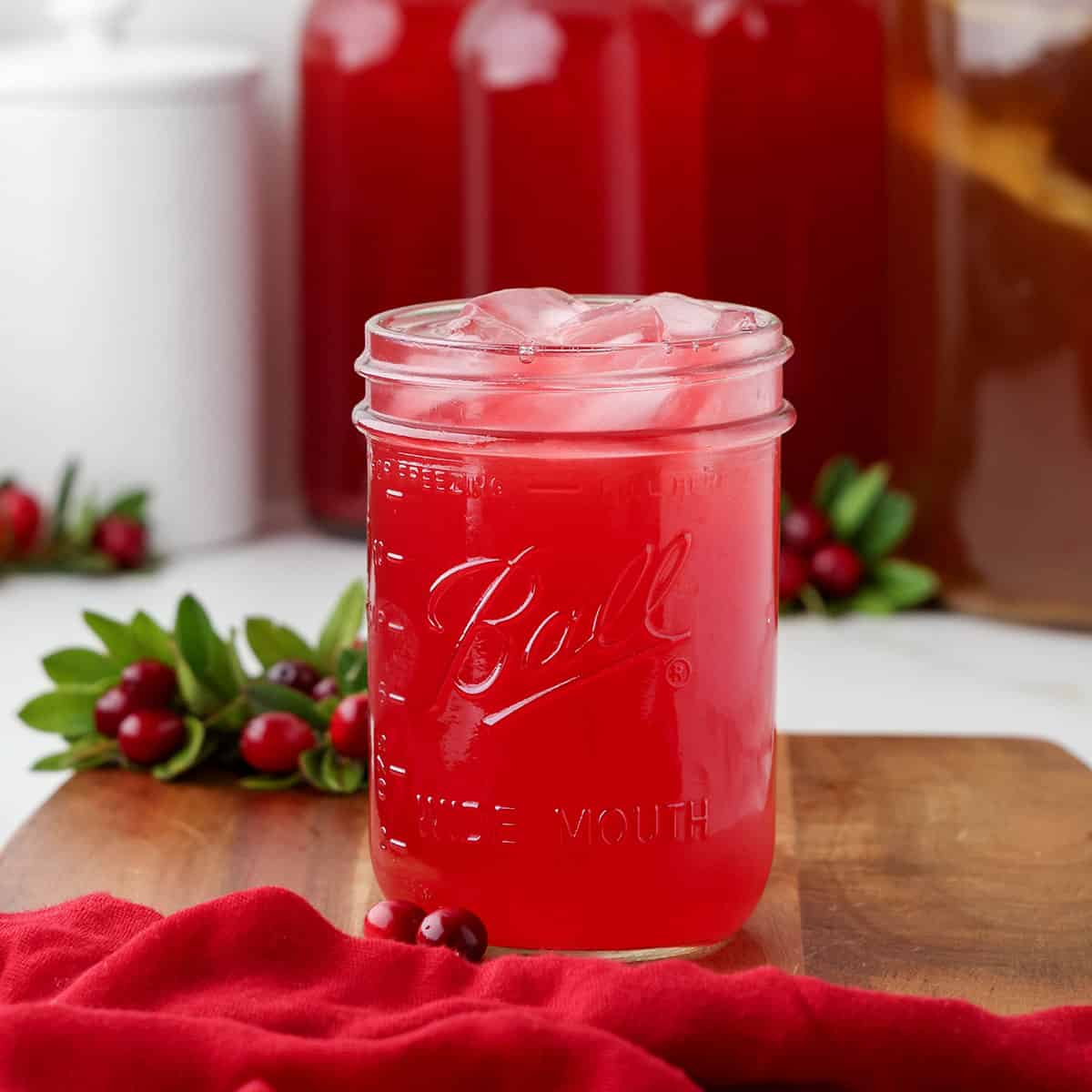
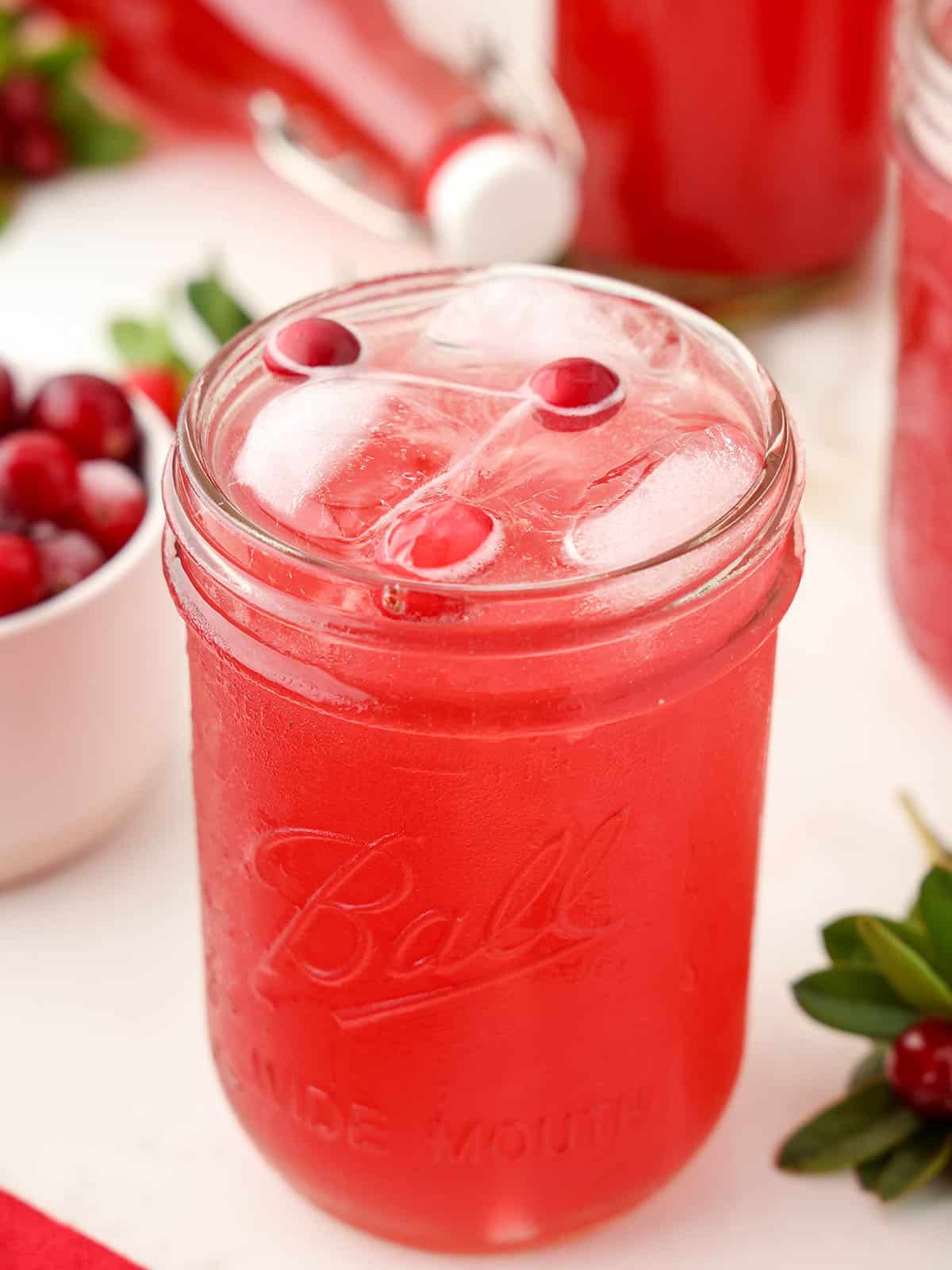
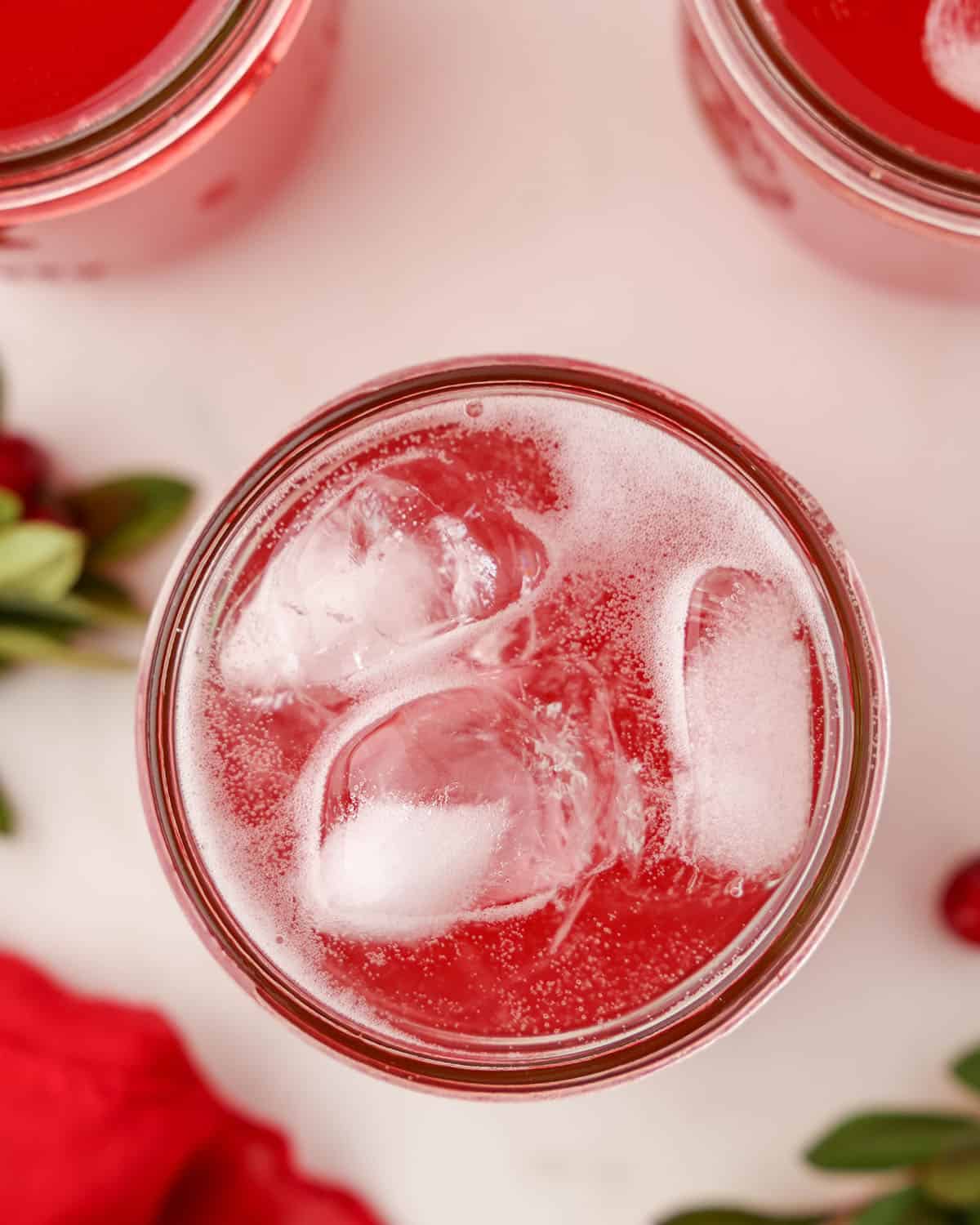
The final product is a vibrant, ruby-red beverage that balances the sharp tartness of the cranberry with the sweet, floral notes of the orange. Journalistic reviews of the flavor profile often describe it as a "sophisticated adult soda," suitable for holiday gatherings where non-alcoholic options are increasingly in demand.
For optimal flavor, the beverage should be chilled thoroughly before serving. This not only improves the mouthfeel but also stabilizes the carbonation, ensuring a consistent pour. Culinary experts suggest pairing cranberry orange kombucha with rich, savory dishes such as roasted poultry or root vegetable gratins, as the acidity of the drink cuts through the fats and cleanses the palate.
In conclusion, cranberry orange kombucha represents a convergence of traditional wisdom and modern nutritional science. As the public continues to prioritize gut health and seasonal eating, such fermented beverages provide a practical and enjoyable means of achieving wellness goals. By following a structured fermentation protocol, individuals can produce a high-quality, probiotic-rich drink that captures the essence of winter while providing documented health benefits that last throughout the year.


