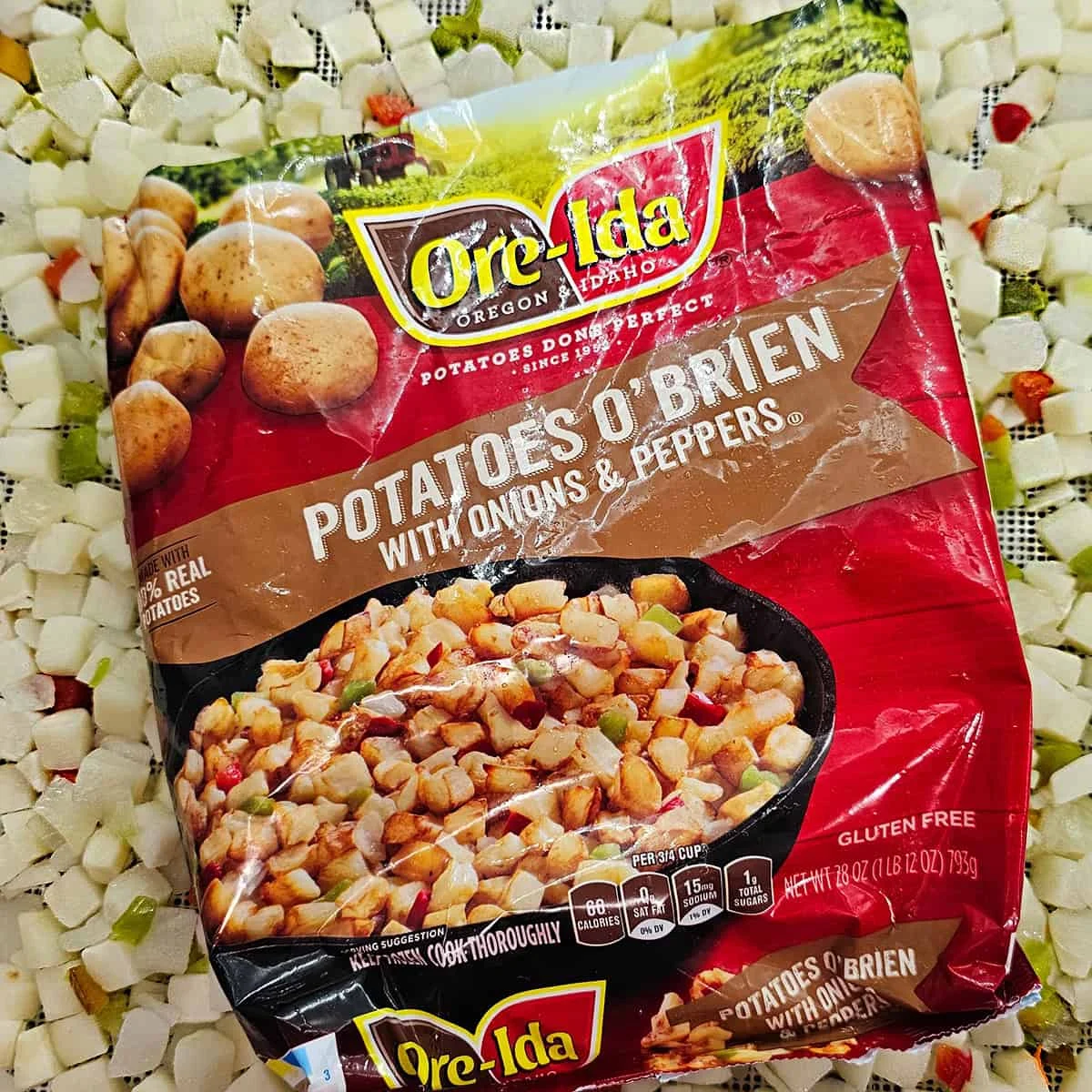
The practice of dehydrating commercially frozen potato products, such as Potatoes O’Brien, has emerged as a sophisticated method for home food preservers to maximize storage efficiency and ensure long-term food security. By transitioning frozen inventory into a shelf-stable format, households can significantly reduce their reliance on mechanical refrigeration, thereby mitigating the risks associated with power outages and optimizing limited freezer volume for perishables that cannot be easily dried. This methodology leverages the industrial pre-processing already applied to frozen vegetables, specifically the blanching and dicing stages, to streamline the home preservation cycle.
The Technical Foundation of Frozen Potato Dehydration
Dehydrating potatoes from a frozen state is fundamentally more efficient than starting with raw tubers. In a commercial setting, potatoes destined for the freezer aisle undergo a rigorous preparation process. They are cleaned, peeled, mechanically diced, and, crucially, blanched. Blanching is a thermal process that inactivates enzymes such as polyphenol oxidase, which otherwise cause browning and textural degradation. For the home preserver, this means the most labor-intensive and scientifically critical steps have already been completed by the manufacturer.
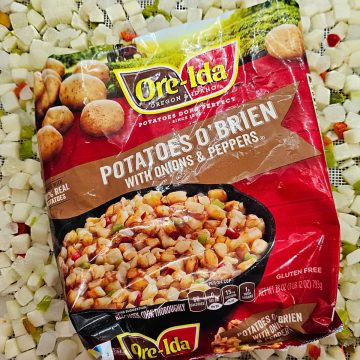
Potatoes O’Brien, a specific blend of diced potatoes, green bell peppers, and red bell peppers, represents a particularly advantageous candidate for dehydration. The inclusion of aromatics provides a pre-mixed base for various culinary applications, from breakfast hashes to hearty stews. Because these components are frozen at the peak of freshness and flash-blanched, they retain a higher percentage of their micronutrient profile compared to raw potatoes that may have languished in root cellars or ambient storage.
Procedural Chronology: From Freezer to Pantry
The transition of frozen potatoes to a shelf-stable state follows a specific technical timeline to ensure safety and quality. Unlike many other frozen goods, potatoes do not require a thawing phase prior to dehydration, which prevents the development of mushy textures associated with slow-thawing starch cells.
-
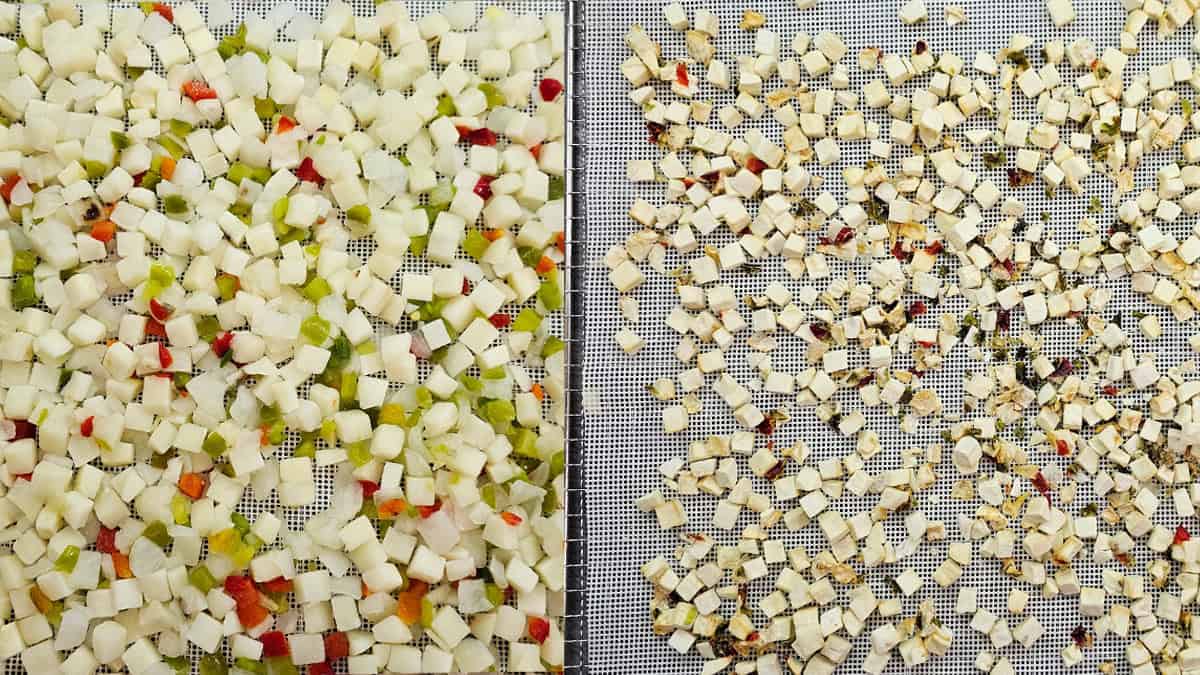
Preparation and Tray Loading: The process begins with the immediate distribution of frozen potato pieces across dehydrator trays. Journalistic observation of the process suggests that a single layer is paramount for uniform airflow. For products like Potatoes O’Brien, the use of mesh screen liners is necessary to prevent smaller vegetable fragments from falling through the trays as they shrink during the moisture-extraction phase.
-
Thermal Regulation: The dehydrator is typically set to 125°F (approximately 52°C). This temperature is the industry standard for vegetables, providing enough heat to facilitate evaporation without "case hardening"—a condition where the exterior dries too quickly, trapping moisture inside and leading to internal mold growth.
-
The Evaporation Phase: Depending on the ambient humidity and the specific model of the dehydrator, the process generally spans six to twelve hours. During this window, the moisture content of the potatoes is reduced from approximately 80% to less than 10%.
-
Conditioning and Testing: Once the potatoes reach a state of physical hardness, they are tested for "doneness." In professional food preservation circles, this is often determined by the "clink test"—dropping a piece of the dried potato onto a hard surface. A sharp, metallic sound indicates the removal of sufficient moisture. If the pieces exhibit any pliability or "give," further dehydration is required.
-
Storage Integration: After cooling, the dehydrated potatoes are transferred to airtight containers, such as glass Mason jars. To further extend shelf life, vacuum sealing or the inclusion of oxygen absorbers is recommended. This creates an environment where oxidative rancidity and aerobic microbial growth are virtually impossible.
Economic and Spatial Implications of Food Preservation
The shift toward dehydrating frozen assets is driven by both economic necessity and spatial management. According to data from the U.S. Department of Agriculture (USDA), the average American household wastes nearly 30% of its food supply, often due to spoilage or "freezer burn" in overstuffed units. By converting frozen potatoes into a shelf-stable form, consumers can reclaim freezer space, which carries a higher "real estate" value in terms of energy costs and storage limitations.
A standard chest freezer consumes between 300 and 1,100 kilowatt-hours (kWh) per year. When a freezer is packed to capacity with low-cost staples like potatoes, the cost-per-cubic-foot of storage can eventually exceed the value of the food itself. In contrast, dehydrated potatoes can be stored in a cool, dark pantry for one to two years without any ongoing energy expenditure. This "passive storage" model is a cornerstone of modern food resilience strategies.
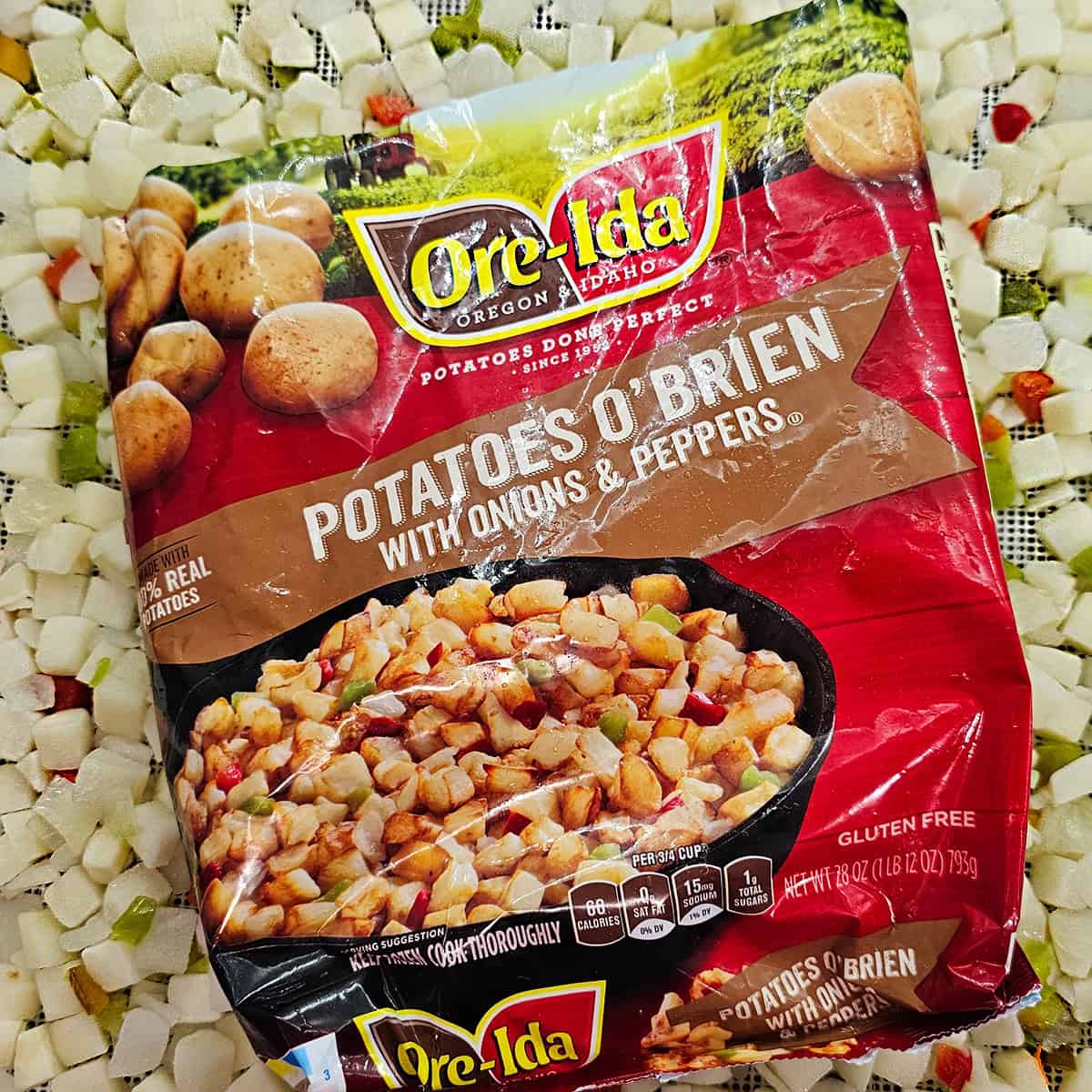
Furthermore, the price volatility of fresh produce makes the preservation of frozen goods bought during sales a savvy financial move. By purchasing frozen Potatoes O’Brien in bulk during promotional periods and dehydrating them, consumers lock in a lower price point and protect their investment against future inflation or supply chain disruptions.
Analytical Comparison: Dehydration vs. Traditional Storage
While raw potatoes can be stored in cool, dark environments for several months, they remain biologically active. They respire, lose moisture, and eventually sprout or rot. Dehydration halts these biological processes.
From a nutritional standpoint, research indicates that while some water-soluble vitamins (like Vitamin C) may decrease during the drying process, the caloric density and mineral content (such as potassium and magnesium) remain stable. When compared to the alternative—frozen potatoes that have developed ice crystals and lost texture due to freezer burn—dehydrated potatoes offer a superior long-term quality profile.
| Feature | Frozen Potatoes | Dehydrated Potatoes |
|---|---|---|
| Shelf Life | 6–12 Months (Quality loss) | 12–24 Months (Stable) |
| Energy Req. | Continuous Electricity | None (Post-process) |
| Portability | Low (Requires cooling) | High (Lightweight/Stable) |
| Prep Time | Instant (Thaw/Cook) | Requires Rehydration |
| Risk Factor | Power Outage Spoilage | Moisture Incursion |
Safety Protocols and Exclusions
Not all frozen potato products are suitable for home dehydration. Food safety experts and preservationists like Darcy Baldwin, author of Dehydrating Basics & Journal, emphasize the importance of ingredient scrutiny.
Potatoes that have been pre-fried or seasoned with oils—such as many brands of French fries, tater tots, or seasoned wedges—should be avoided. The lipids (fats) used in the commercial frying process do not dehydrate; instead, they remain in the food and are highly susceptible to oxidation. This leads to rancidity, which not only ruins the flavor but can produce toxic compounds over time. For successful long-term storage, the input material should ideally be limited to blanched potatoes and vegetables without added fats or heavy sauces.
Rehydration and Culinary Application
The utility of dehydrated Potatoes O’Brien is realized during the rehydration phase. For liquid-based dishes such as corn chowder, beef stew, or vegetable soup, the dried potatoes can be added directly to the simmering pot. They absorb the cooking liquid, effectively "cooking" and rehydrating simultaneously.
For applications requiring a firm texture, such as a breakfast hash, the potatoes must be soaked in boiling water for approximately 15 to 20 minutes. Once they have regained their original volume, they are patted dry to remove excess surface moisture. This step is critical; if the potatoes are not dried before hitting a hot skillet, the residual water will cause them to steam rather than sear, preventing the desired Maillard reaction (browning) that characterizes a well-prepared potato dish.
Broader Impact on Food Security and Sustainability
The move toward home dehydration reflects a broader societal trend toward self-sufficiency. In the wake of global supply chain instabilities observed over the last several years, the "pantry-first" philosophy has gained traction. This involves maintaining a deep reserve of calories that are not dependent on a functioning electrical grid.
Moreover, this method contributes to environmental sustainability. By reducing the volume of food that must be kept in energy-intensive cold storage, and by minimizing food waste through better inventory management, individuals can reduce their carbon footprint. The lightweight nature of dehydrated food also reduces the energy required for transport, should the food need to be moved or used in mobile contexts like camping or emergency evacuations.
Conclusion: The Future of the Purposeful Pantry
The systematic dehydration of frozen potato products is more than a kitchen hack; it is a strategic approach to modern domestic management. By understanding the science of blanching, the mechanics of evaporation, and the economics of storage, home preservers can create a robust, versatile, and cost-effective food supply.
As experts like Darcy Baldwin continue to advocate for these methods, the distinction between "fresh," "frozen," and "dried" becomes less about quality and more about utility. In the "purposeful pantry," a bag of frozen Potatoes O’Brien is not just a side dish for tonight—it is a shelf-stable resource for next year, a freed-up shelf for ice cream today, and a testament to the enduring value of traditional preservation updated for the modern era.