
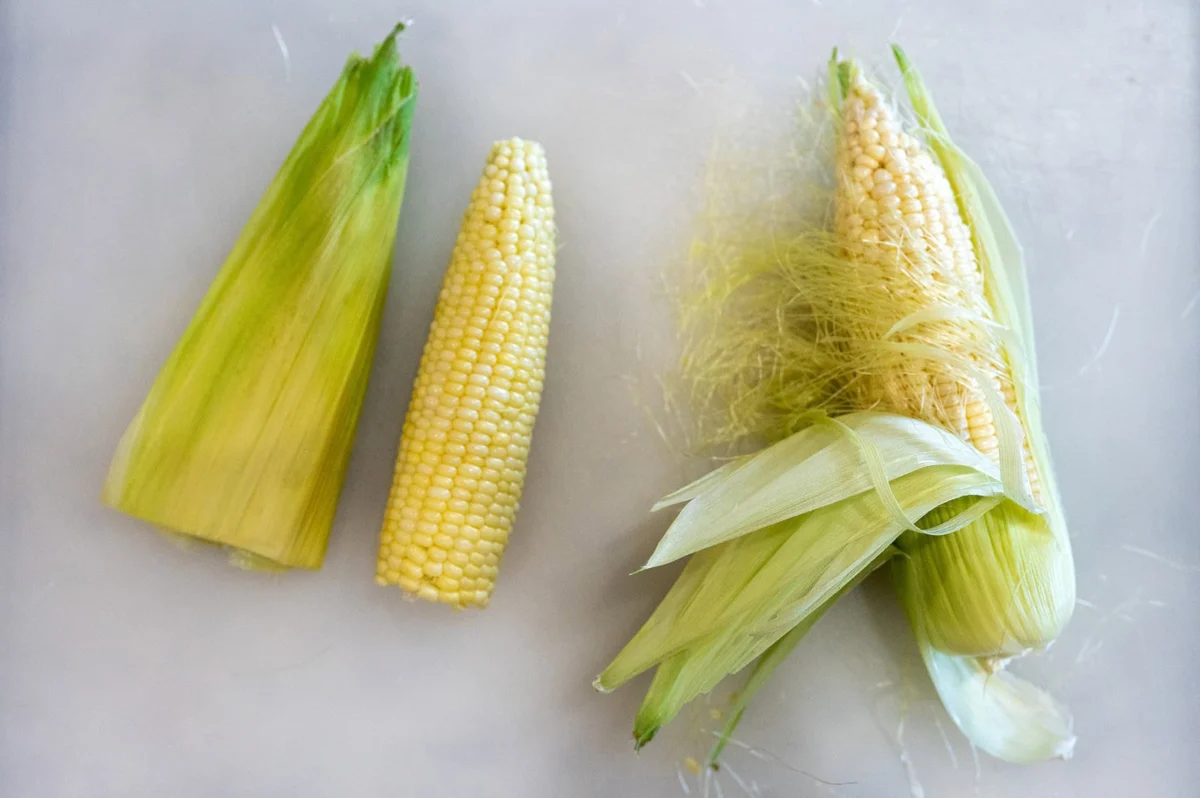
As the vibrant hues of summer transition into the golden tones of autumn, corn season arrives, offering a delectable and affordable treat for households across the nation. Corn on the cob, encased in its protective husk, can be found at remarkably low prices, often just pennies per ear. However, this seasonal abundance presents a common culinary hurdle: the notoriously messy and time-consuming task of shucking corn, a process that invariably leaves kitchens adorned with stubborn strands of silk. This article delves into the challenges and solutions associated with preparing this beloved summer staple, offering a practical approach to enjoying corn with minimal fuss.
A Nostalgic Look Back at Communal Corn Shucking
Prior to the widespread disruption caused by the COVID-19 pandemic, grocery shopping for corn often involved a more interactive and communal experience. Many supermarkets would proudly display large bushels of corn in their produce sections, accompanied by substantial bins designated for discarded husks and silks. Shoppers would gather around these displays, engaging in the age-old ritual of shucking corn right there in the store. This practice fostered a sense of community, offering a casual opportunity for neighbors to connect and share recipes or simply engage in pleasantries while preparing their produce. The inherent messiness of the task was conveniently contained within the commercial space, a benefit for both the consumer and the retailer.
The disappearance of this communal shucking tradition has been a noticeable shift in the grocery landscape. While some speculate that stores may have been hesitant to reinstate the practice due to the ongoing clean-up demands, the absence of this shared activity marks a subtle but significant change in the consumer experience. Consequently, the responsibility for tackling the silken strands and leafy husks has largely shifted back to the home kitchen, prompting a renewed interest in efficient and less messy methods of preparation.
The Challenge of Corn Silk: An Intimate Kitchen Battle

The primary adversary in the corn-shucking process is the corn silk – the fine, thread-like strands that emerge from the top of the ear. These delicate fibers, while crucial for pollination during the corn’s growth, can be incredibly persistent and difficult to remove completely. Their sticky nature and tendency to cling to the kernels make manual removal a tedious endeavor. Traditional methods often involve pulling off the husks by hand, which can be labor-intensive and inevitably results in a scattering of silks across countertops, floors, and utensils. This mess not only adds to the post-meal cleanup but can also detract from the enjoyment of preparing and consuming the corn.
The economic incentive to purchase corn in its husk remains strong, especially during peak season when supply is abundant and prices are at their lowest. According to agricultural reports, the United States is a leading producer of corn, with harvest seasons typically concentrated in the late summer and early fall months across major growing regions. This seasonal surplus drives down wholesale and retail prices, making corn an economically attractive option for consumers seeking nutritious and versatile food. However, the perceived inconvenience of shucking can sometimes deter consumers from fully capitalizing on these cost savings, leading to a demand for more streamlined preparation techniques.
Innovations in Corn Preparation: The Microwave Method
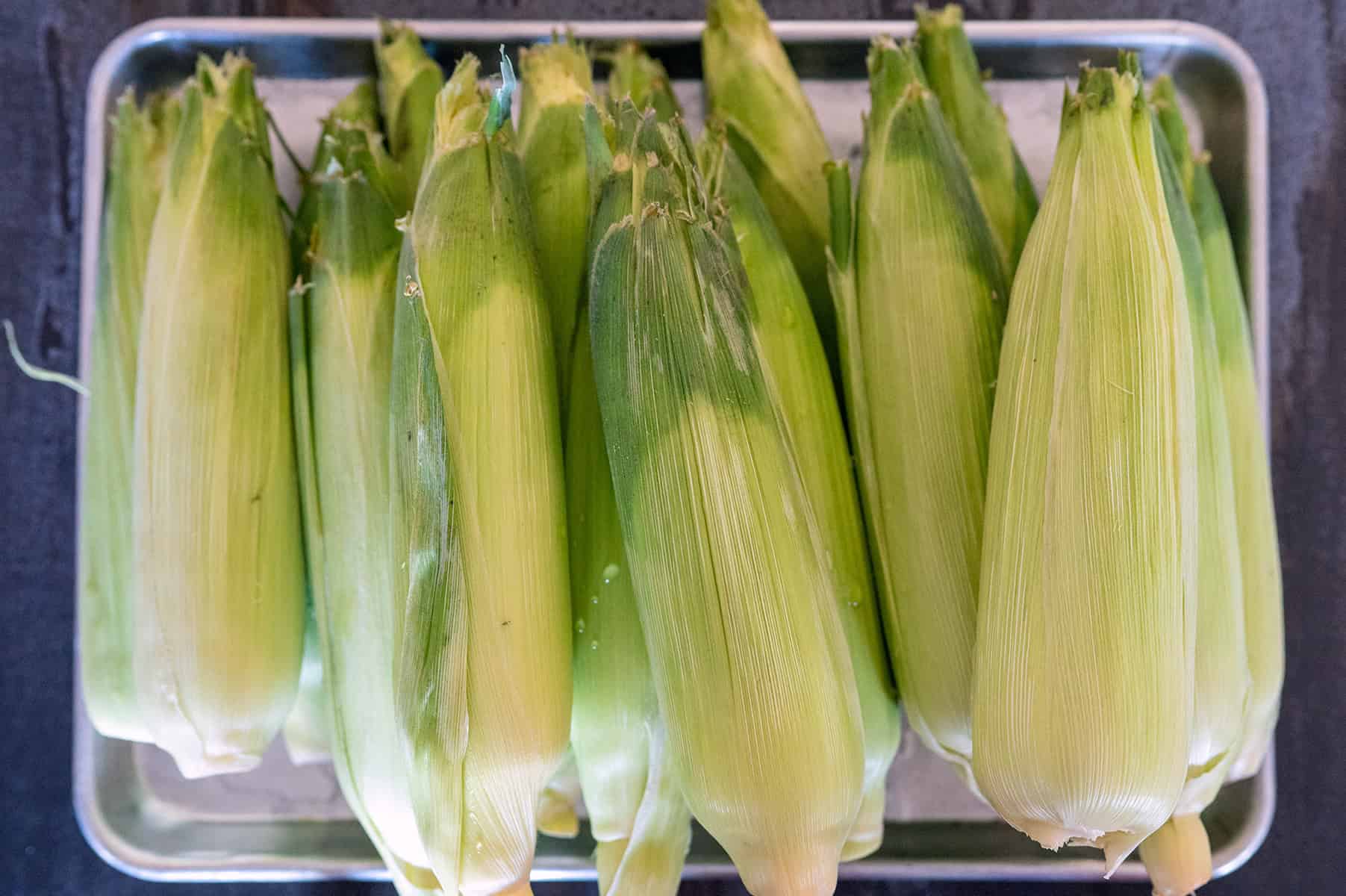
Fortunately, a surprisingly effective and remarkably clean method for shucking corn has gained traction, transforming a messy chore into a swift and straightforward task. This technique leverages the power of the microwave to significantly simplify the removal of both the husk and the stubborn corn silks.
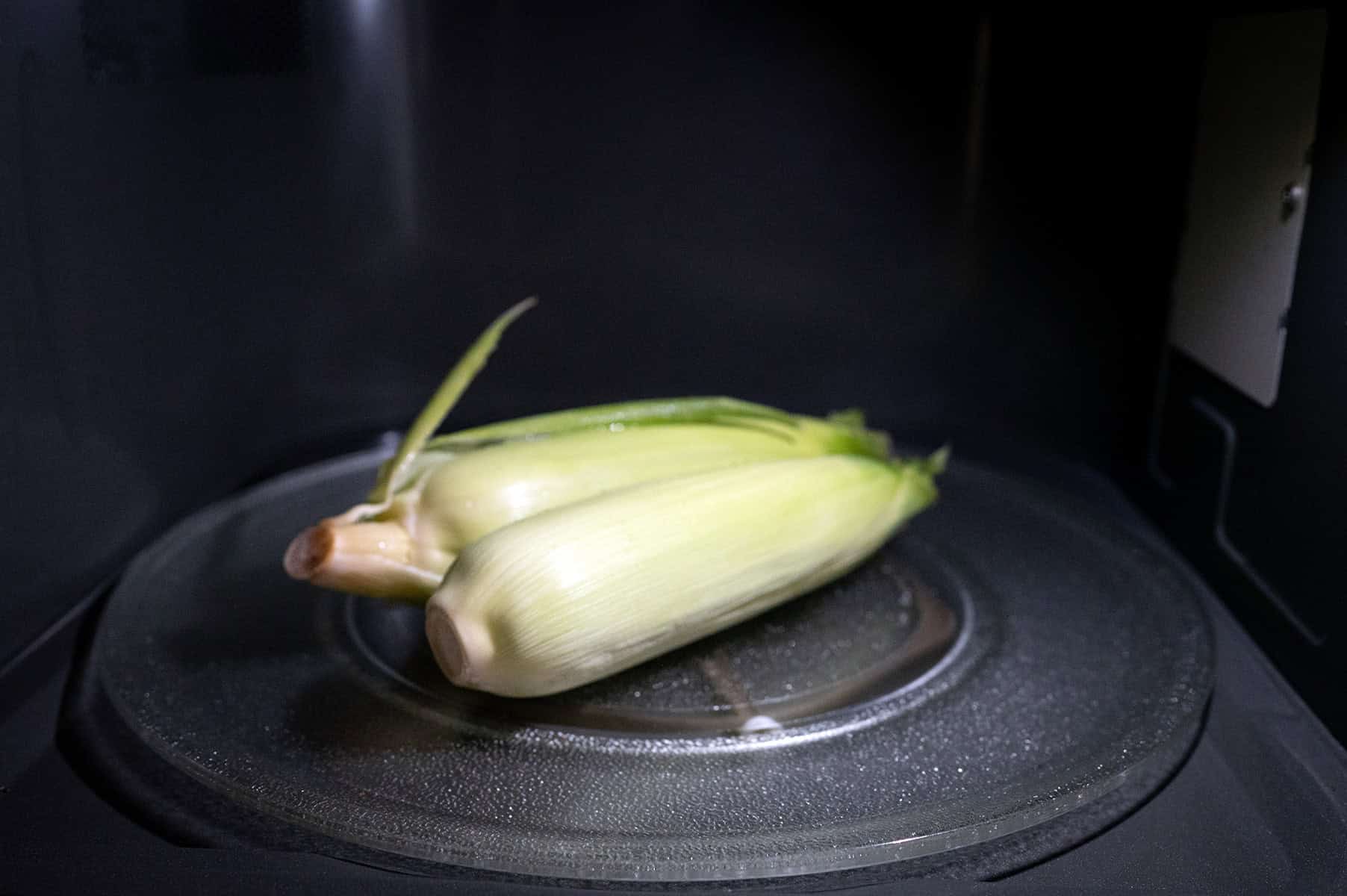
The process begins with a simple rinse of the un-shucked ears of corn under cool running water. This initial step helps to remove any surface dirt or debris. Following the rinse, each ear of corn is placed in the microwave. For a single ear, a cooking time of approximately three minutes at full power is generally sufficient. If multiple ears are being prepared simultaneously, the cooking time can be adjusted accordingly, with an estimated two minutes per ear being a good guideline. The microwave’s radiant heat works to slightly cook the kernels and, more importantly, loosens the bond between the husk and the cob, including the silk.
Post-Microwave Transformation
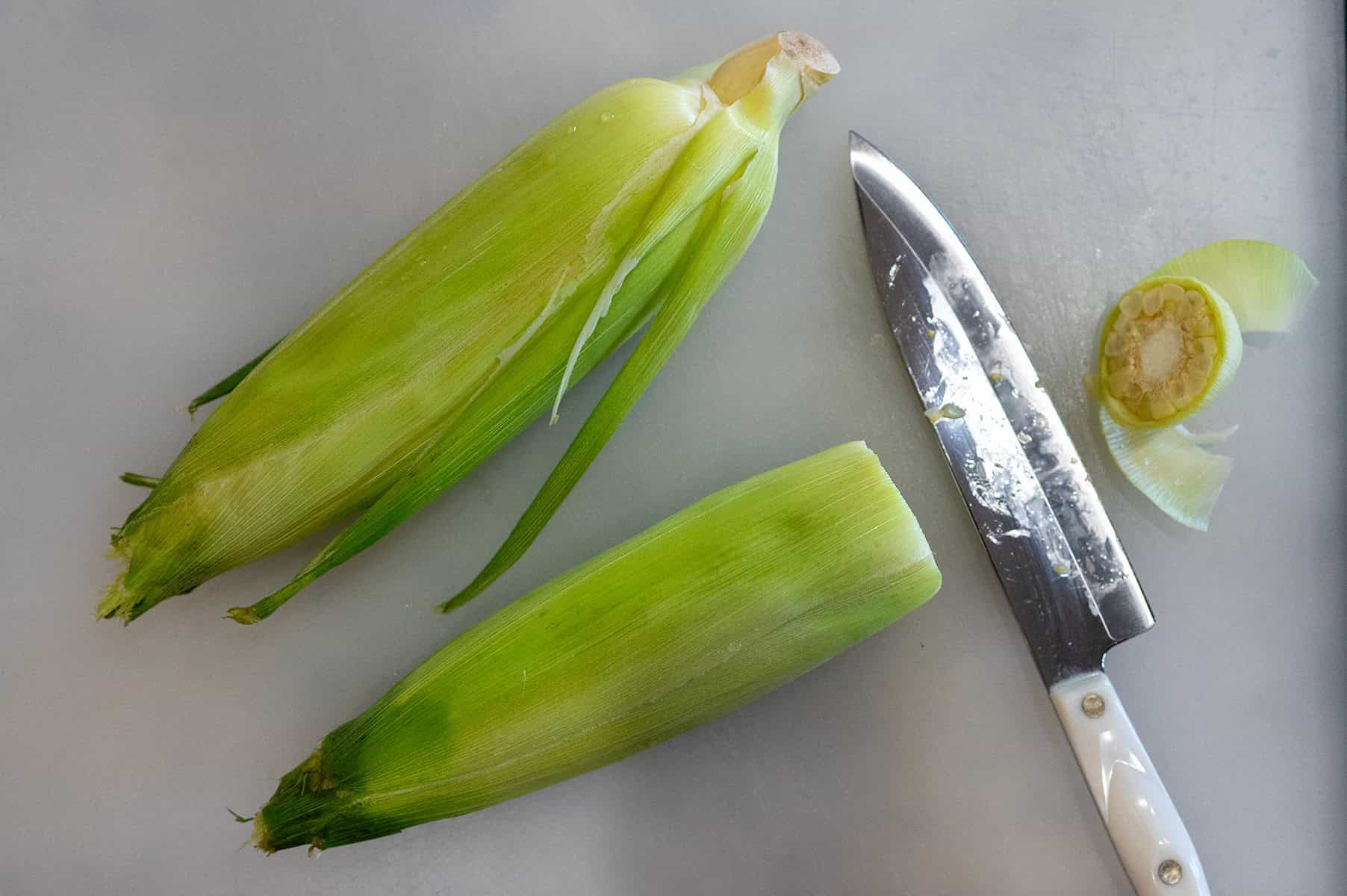
After the brief microwaving period, the corn is carefully removed from the appliance and placed on a cutting board. The next crucial step involves trimming off the stem end of the ear, approximately one inch from the bottom. This action creates an opening that facilitates the subsequent removal of the husk and silk.
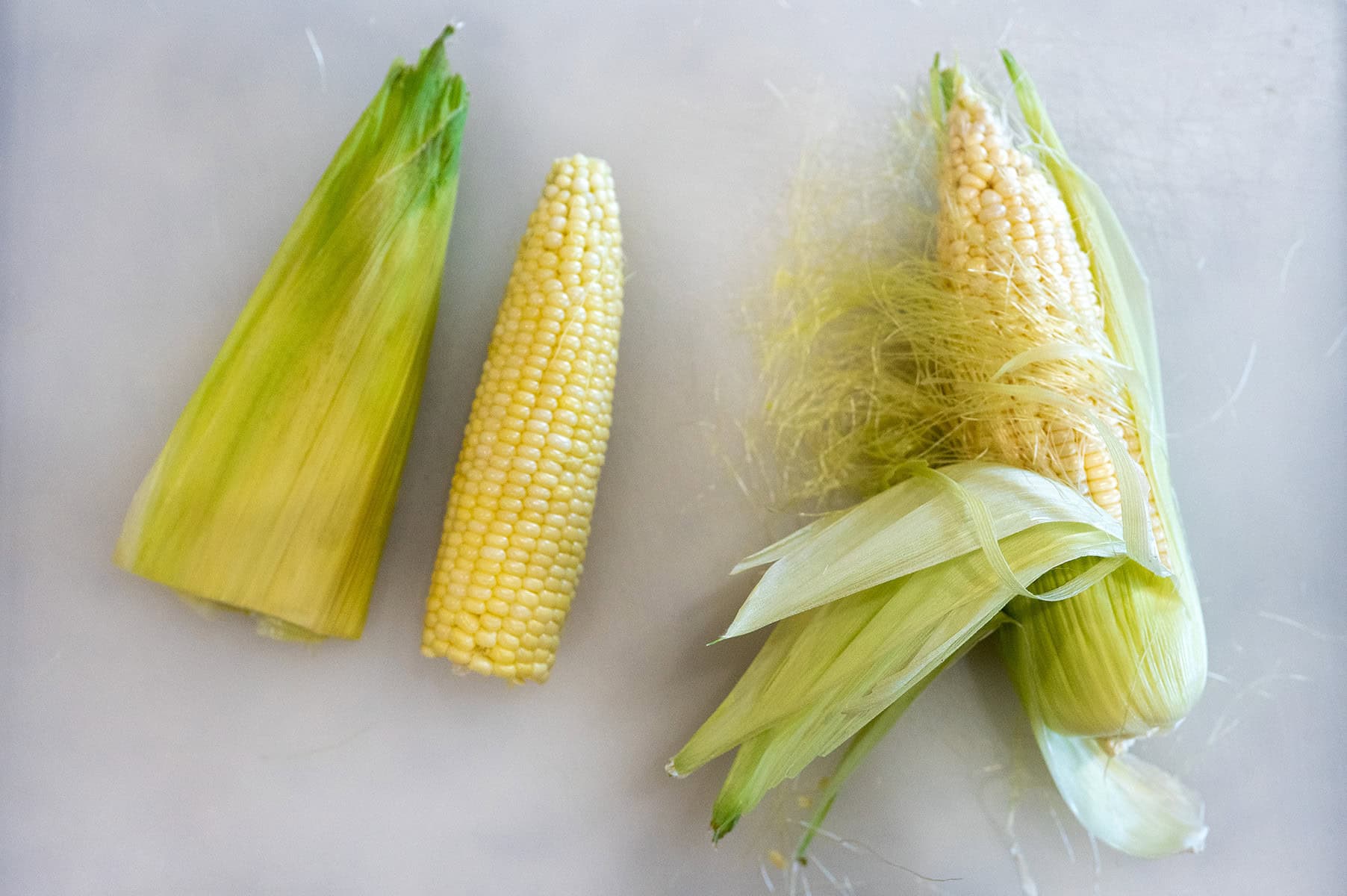
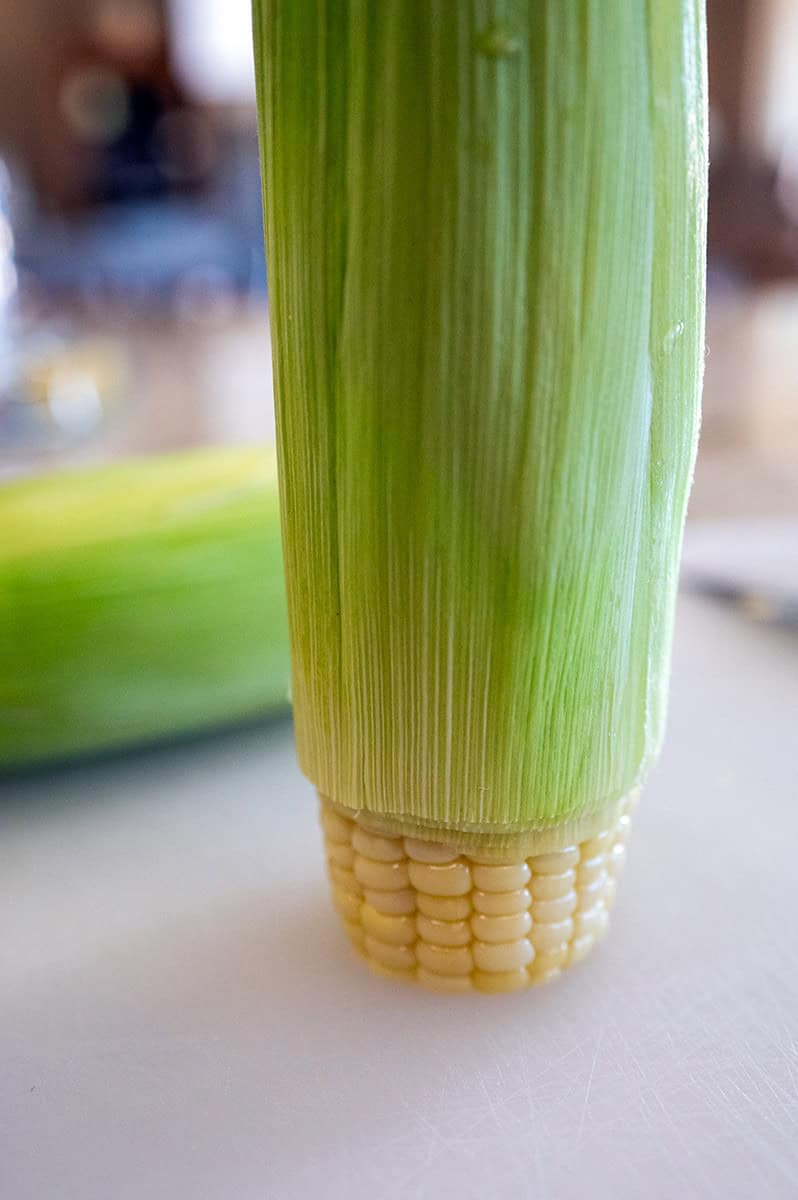
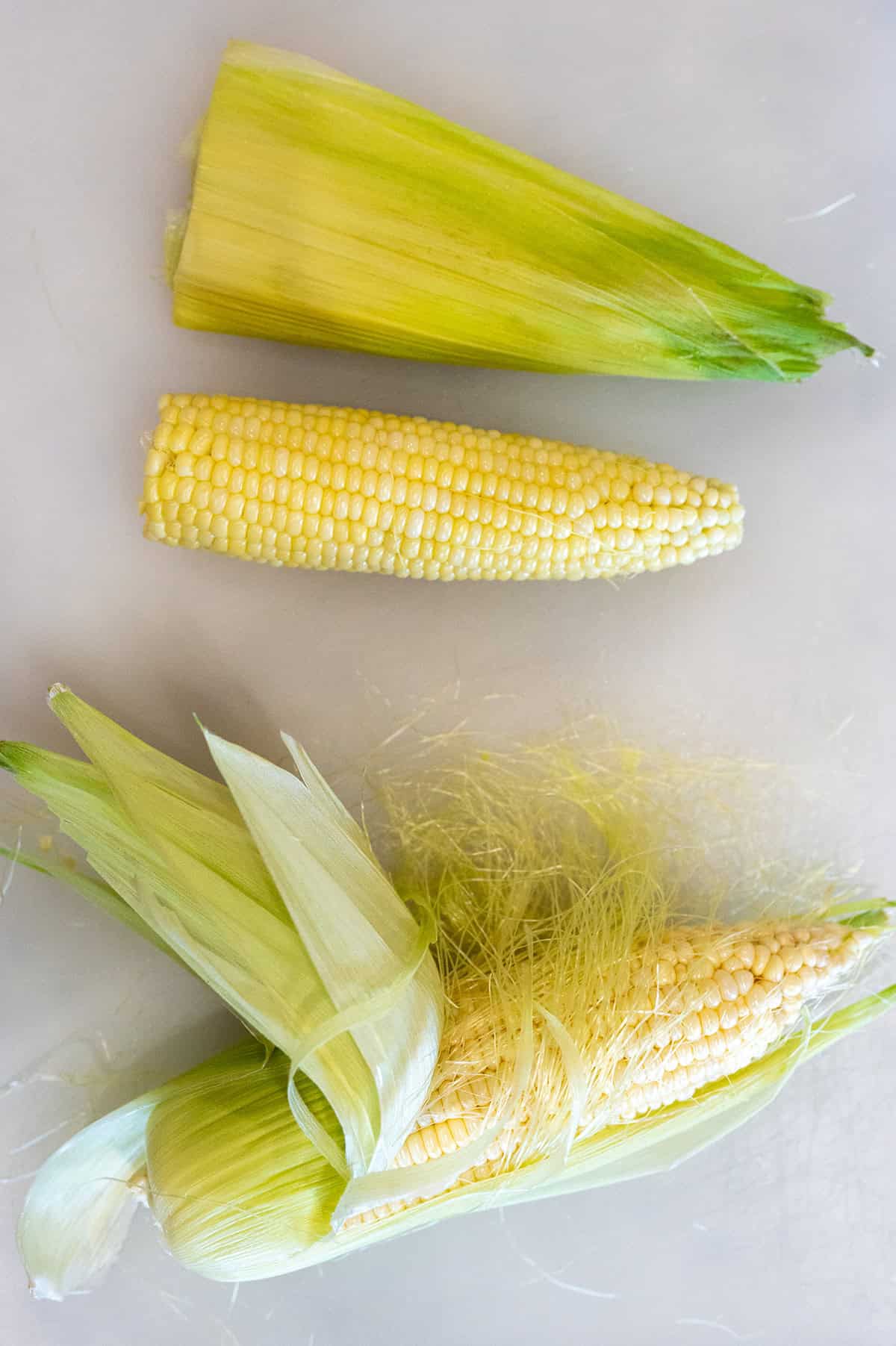
It is advisable to handle the corn with a paper towel or a clean dish towel, as it will likely still be warm from the microwave. By gripping both ends of the ear, one can then apply gentle pressure to the trimmed end and begin to twist and pull upwards. The microwave’s pre-treatment has effectively steamed the corn and loosened the husk, allowing it to slide away from the cob with surprising ease. While a few layers of husk might require a bit of manual peeling to initiate the process, the majority of the husk and, critically, the corn silks should now slide away in a cohesive bundle. The key to keeping the silks contained lies in maintaining a firm grip on the husk as it is pulled upwards, effectively trapping the silks within the husk’s confines. This continuous squeezing action as the husk ascends the cob ensures that the silks remain largely contained, minimizing their dispersal into the kitchen environment.
The Result: Pristine Corn, Ready for Culinary Creation
The outcome of this microwave-assisted shucking method is a remarkably clean ear of corn, free from the pervasive silk strands that often plague traditional preparation. The kernels are revealed in their pristine state, ready for immediate consumption or further culinary application.
Beyond the immediate benefit of a cleaner kitchen, this method offers an added advantage: the corn is already partially cooked. This pre-steaming effect means the corn is essentially ready to be incorporated into a variety of dishes without further cooking, or it can be quickly finished by grilling, boiling, or roasting. This convenience factor is particularly appealing for busy home cooks looking to prepare quick and healthy meals.
Versatility and Preservation
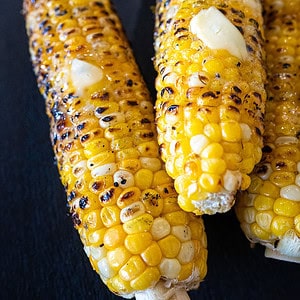
The partially cooked corn resulting from this method can be seamlessly integrated into summer salads, tossed into pasta dishes, or served as a vibrant side. For those who enjoy the smoky char of grilled corn, the pre-steamed ears can be directly transferred to the grill, achieving a delightful caramelized exterior and tender interior in a fraction of the time.
Furthermore, the abundance of corn during its peak season presents an excellent opportunity for preservation. By shucking and preparing the corn using this method, home cooks can easily freeze the kernels for later use. This allows for the enjoyment of fresh corn’s sweetness and flavor throughout the year, extending the culinary benefits of the fall harvest well into the colder months. Freezing the kernels individually on a baking sheet before transferring them to airtight containers or freezer bags ensures that they remain free-flowing and easy to portion.
Broader Economic and Agricultural Context
The affordability of corn during its harvest season is not merely a consumer benefit but also reflects broader agricultural trends and market dynamics. Corn is a staple crop with diverse applications, including direct human consumption, animal feed, and industrial uses such as the production of high-fructose corn syrup and ethanol. The large-scale cultivation and efficient harvesting practices in major corn-producing regions contribute to its widespread availability and competitive pricing.
The USDA (United States Department of Agriculture) consistently reports on corn production, acreage, and yield data. For instance, in recent years, U.S. farmers have planted tens of millions of acres of corn, contributing to a robust supply chain that supports both domestic consumption and international exports. The economic viability of corn farming is influenced by a myriad of factors, including weather patterns, global demand, commodity prices, and government agricultural policies.
The seasonality of corn’s affordability is a direct consequence of its growth cycle. Once harvested, the supply naturally diminishes, and prices typically rise due to storage costs and reduced availability. This economic reality underscores the value of purchasing and preserving corn when it is most abundant and inexpensive.
Conclusion: Embracing the Season with Ease
Corn season offers a delightful opportunity to enjoy a versatile and nutritious food at its most accessible price point. While the traditional method of shucking corn can be a deterrent due to its messiness, the simple microwave technique provides an elegant solution. By transforming a potentially arduous chore into a clean and efficient process, home cooks can fully embrace the bounty of corn season, savoring its sweet kernels without the accompanying frustration of stubborn silks. This method not only streamlines meal preparation but also unlocks the potential for preserving this seasonal favorite for year-round enjoyment, making it a valuable addition to any culinary repertoire. The ease with which corn can now be prepared encourages greater utilization of this seasonal offering, promoting both culinary enjoyment and economic efficiency for consumers.


